Domaine Roger Sabon

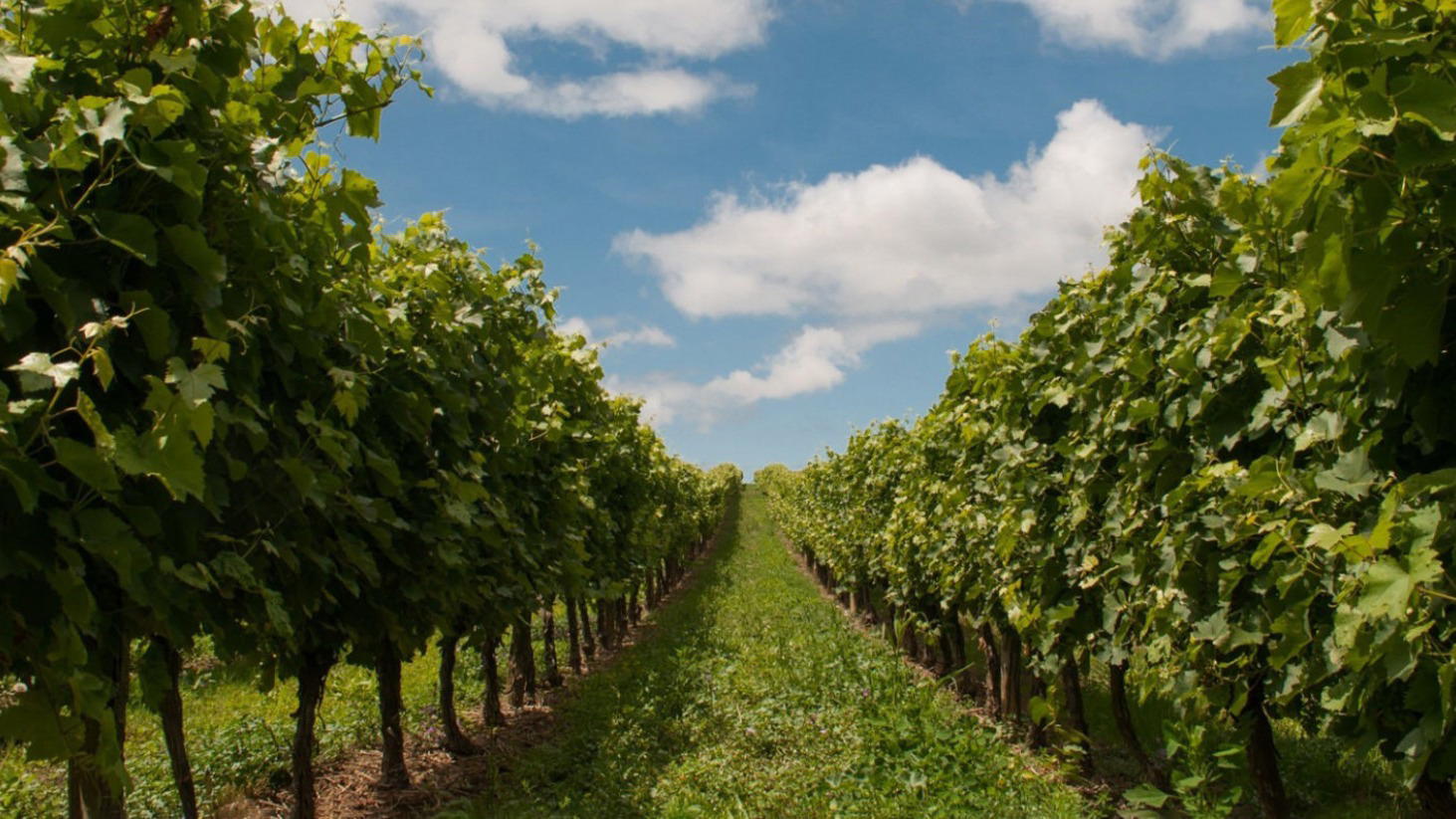
Domaine Roger Sabon is a family-run Châteauneuf-du-Pape estate founded in 1952, with vineyard holdings that stretch across multiple Southern Rhône appellations. Its interest lies in geology rather than spectacle: river stones, sands, sandstone, and limestone shape a portfolio built around Grenache-led reds and a small share of white wine.
Pearl is the En Primeur Club membership app — saves, bookings, and concierge access live there. Same editors, same standards.
- Address
- 4 Bis Av. Impériale, 84230 Châteauneuf-du-Pape, France
- Phone
- +33 4 90 83 71 72
- Website
- domainerogersabon.com
- Directions
- Get directions
 Saves & bookings on Pearl
Approaching wine in Châteauneuf-du-Pape often means reading the ground before reading the label. Rolled river stones, sand, sandstone, and limestone are not decorative vocabulary here; they are part of how the appellation is understood, discussed, and remembered by visitors. Domaine Roger Sabon fits that context as a family-run wine estate with a broad, terroir-driven portfolio, where the setting is classic, rustic, quiet, and focused on varied plots rather than a luxury hospitality build-out. The impression is less about staged arrival and more about the underlying landscape: a place where the wines are most sensibly approached through the differences in ground that frame them.
The useful way to frame Domaine Roger Sabon is not through invented polish or a restaurant-style experience, but through place. The estate’s identity is tied to varied plots and to the way different soils can shape a wine’s register. For visitors, that makes it a hidden-gem address for understanding Châteauneuf-du-Pape through terrain rather than through a high-design tasting-room narrative. It is a stop that asks for attention to context: what the land is, how the estate presents itself within that land, and why a broad portfolio can be meaningful without needing a glossy hospitality script.
Châteauneuf-du-Pape soils make the case for geology over gloss
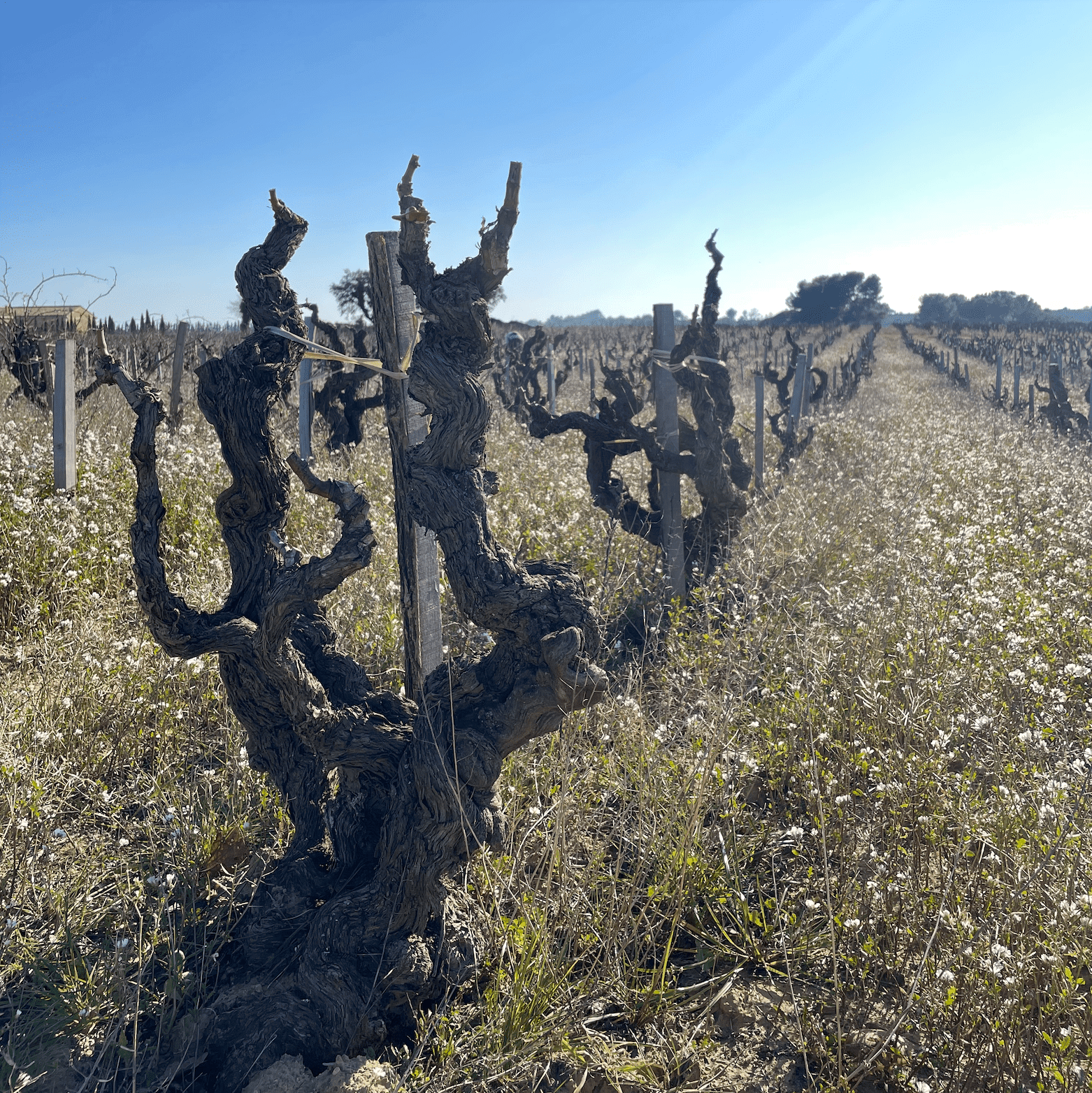
Châteauneuf-du-Pape is often associated with the visual language of rounded river stones. At Domaine Roger Sabon, the more grounded reading is broader: river stones, sands, sandstone, and limestone all matter to the estate’s terroir-driven identity. Those distinctions are the point of the profile. The appeal is in seeing how a family-run producer presents a range shaped by different ground, rather than in expecting a luxury build-out. In that sense, the estate belongs to the part of Châteauneuf-du-Pape culture where observation matters: the visitor’s attention moves from surface style to the quiet complexity of site.
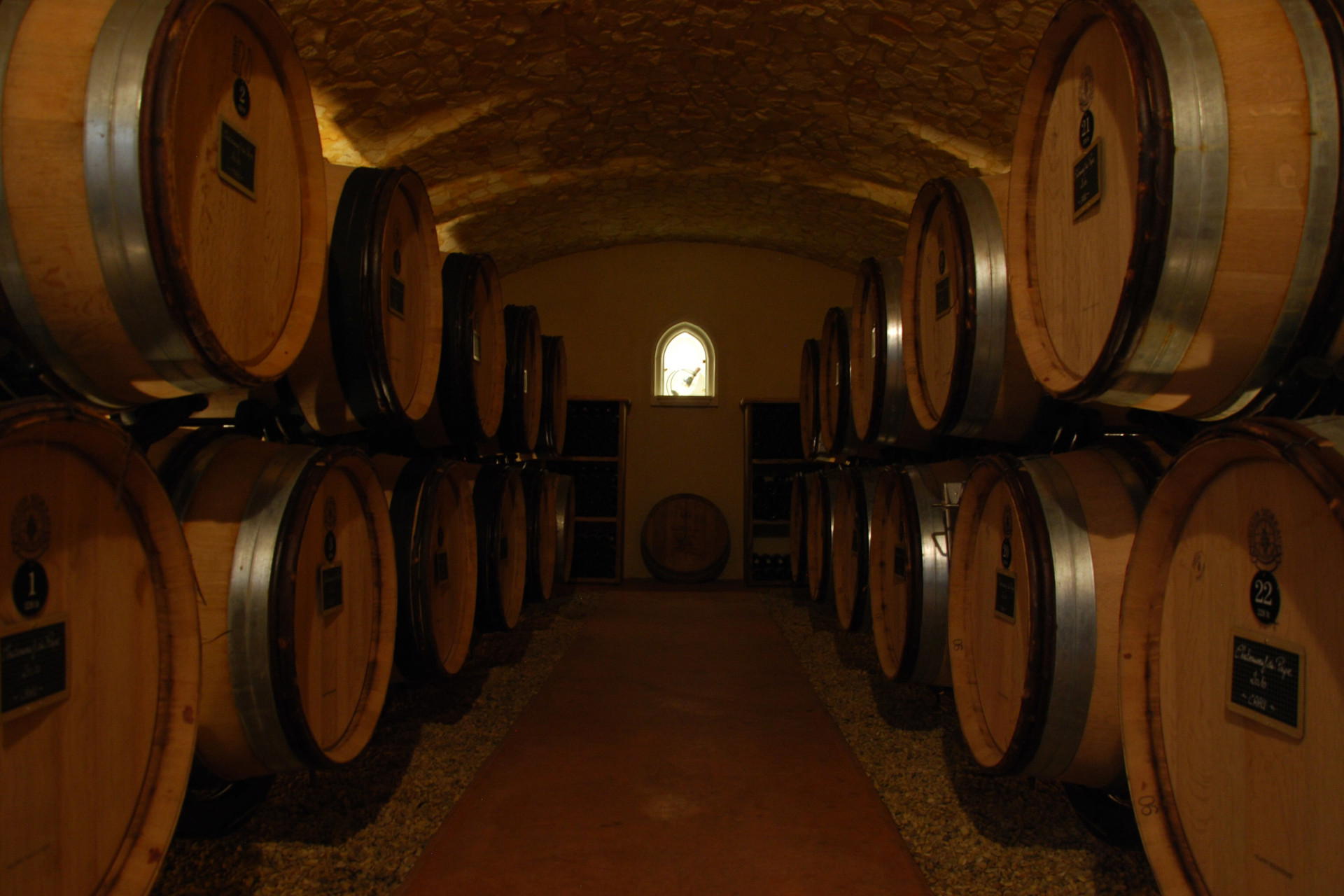
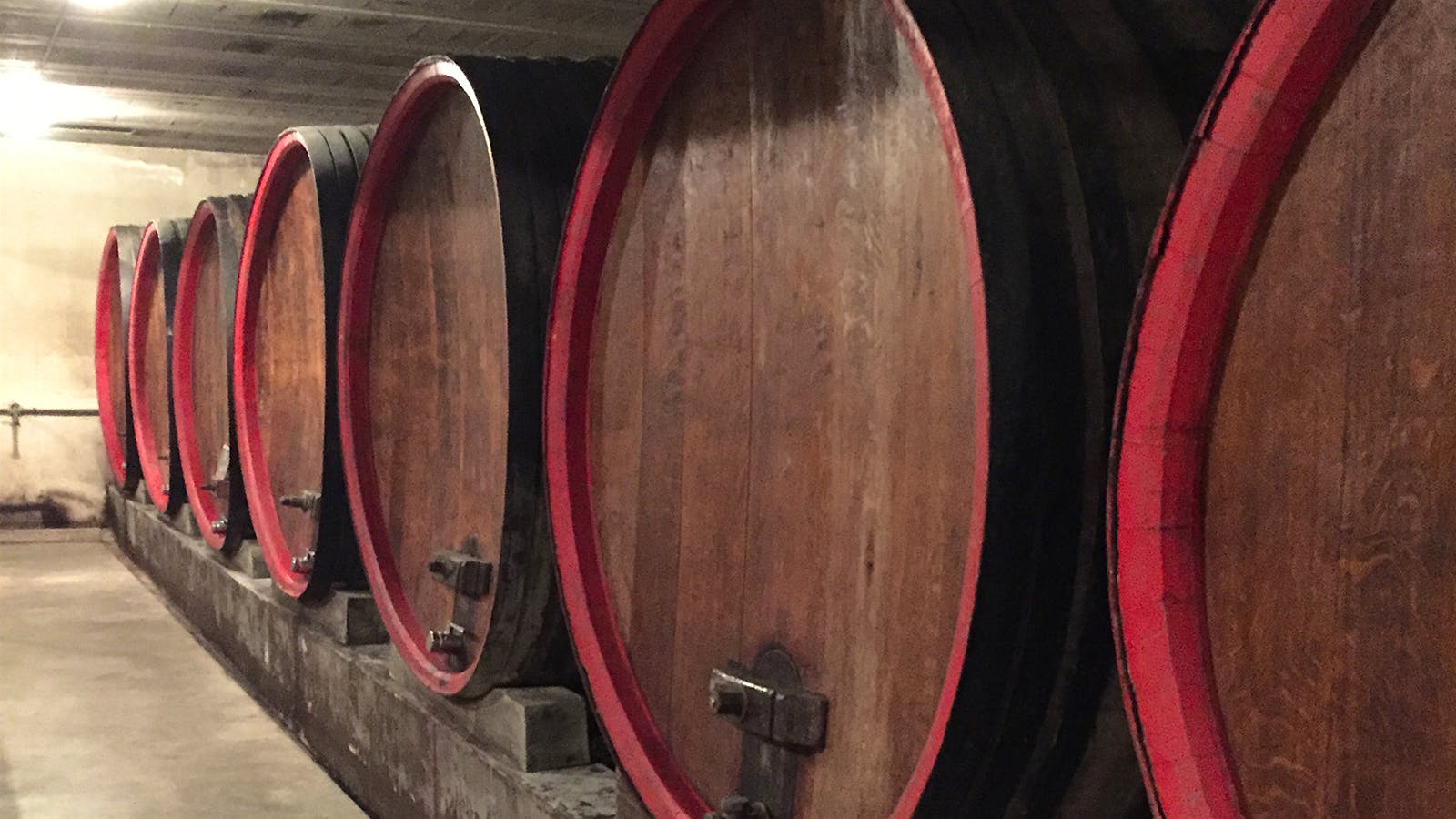
Because the public profile is limited, it is better not to overstate technical details such as production volumes, exact vineyard holdings, grape percentages, cellar vessels, or critical scores. What can be said confidently is that winery offers a broad portfolio rooted in Châteauneuf-du-Pape’s varied soils, with a classic and rustic estate character. That limited framing is not a weakness; it is one accurate way to keep the page anchored in what is known and useful.
For travelers building a wider regional itinerary, this is the kind of address that pairs naturally with the broader Châteauneuf-du-Pape wine context rather than a luxury-focused stop. Nearby planning can also include other dining, lodging, and wine experiences around Châteauneuf-du-Pape, kept in the same practical spirit: place first, gloss second. The estate is therefore best understood as one element in a larger conversation about the appellation, not as a stand-alone spectacle.
A broad terroir-driven portfolio keeps the focus on place
The winery is best discussed here at the level that: as a family-run Châteauneuf-du-Pape wine estate with a broad terroir-led range. The absence of those specifics keeps the emphasis where it can safely remain: on the estate’s family-run identity, its classic regional setting, and its relationship to varied Châteauneuf-du-Pape soils.
That restraint is useful for a premium venue guide. It keeps the focus on what a visitor can reliably take from the estate profile: a quiet, classic, rustic setting; an emphasis on varied plots; and a vocabulary of river stones, sands, sandstone, and limestone rather than a luxury hospitality build-out. The result is a more grounded recommendation, one that values clarity over embellishment and recognises that not every worthwhile wine address needs to be translated into the language of design, service theatre, or destination luxury.
In practical terms, the estate suits drinkers who want to think about Châteauneuf-du-Pape through geology and family-run continuity. The page does not confirm a specific tasting format, visiting schedule, or cellar-tour structure, so those details should be checked directly before planning around them. That caution matters, especially for travellers arranging a day around several stops, because the value here lies in fitting the estate into the right kind of itinerary rather than assuming a fixed hospitality model.
How to place it in a Châteauneuf-du-Pape itinerary
The winery is better understood as a terroir-study stop than a hospitality-first destination. Its appeal is strongest for visitors who want to connect Châteauneuf-du-Pape to river stones, sands, sandstone, limestone, and the character of a broad family-run portfolio. The price positioning is listed as $$. That makes the estate easy to read in practical terms, but the deeper value is interpretive: it helps situate the wines of the area within the textures and contrasts of the land itself.
Châteauneuf-du-Pape rewards this kind of comparative thinking because the village is dense with wine addresses yet varied in mood. Place the winery within a wider day of other Châteauneuf-du-Pape producers and nearby dining, while keeping expectations grounded: this is a classic, rustic, quiet wine-estate profile, not a luxury venue built around spectacle. For the right visitor, that restraint is precisely the point. The estate’s role is to deepen the sense of Châteauneuf-du-Pape as a range of plots and soils, rather than to distract from it with unnecessary gloss.
Recognition history
Dated appearances from independent guides and award organizations, with the underlying list record or original source where available.
Falstaff Winery - Listed
Falstaff
Continue exploring
More in Châteauneuf-du-Pape
Wineries in Châteauneuf-du-Pape
Browse all →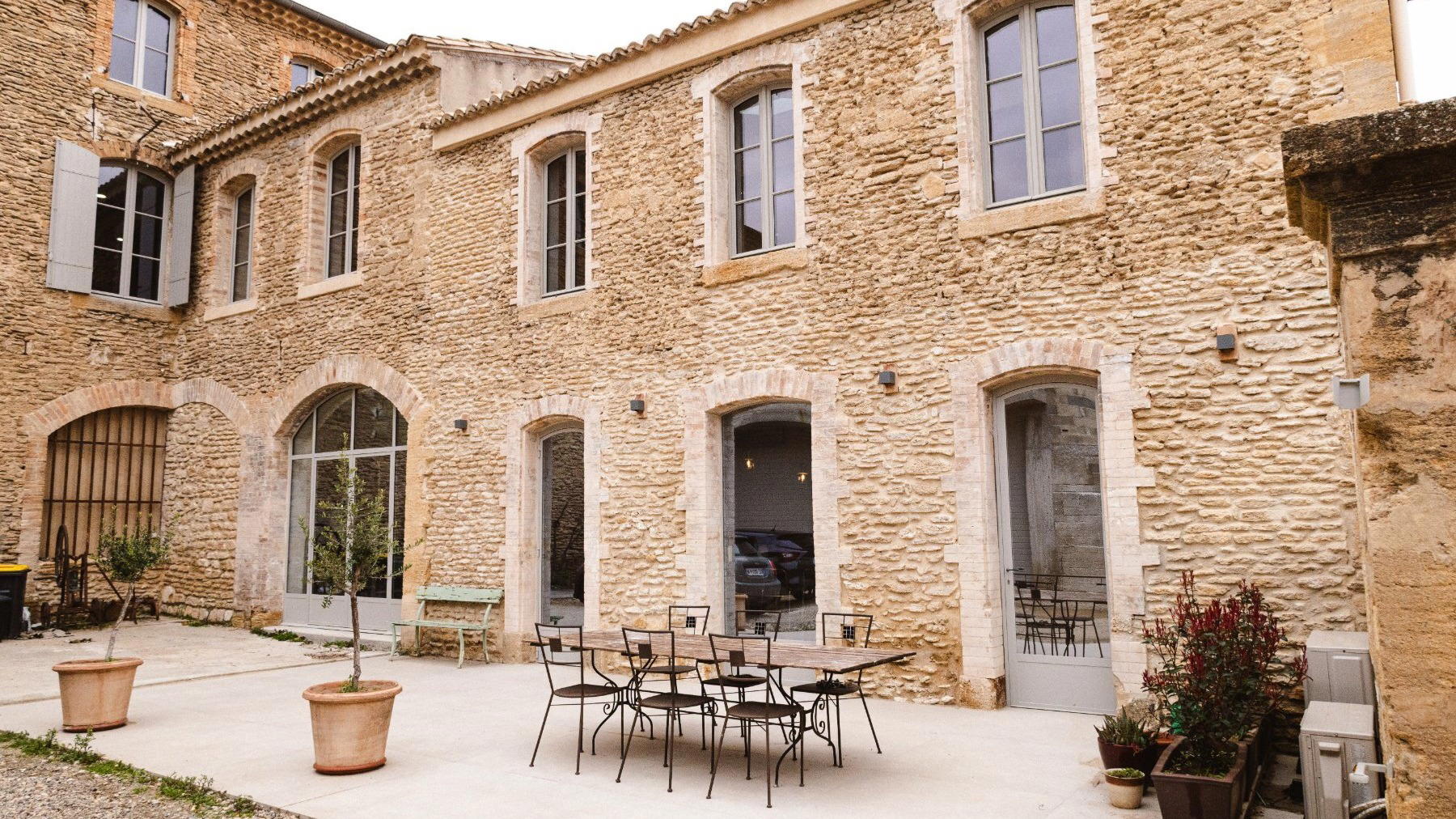
Bars in Châteauneuf-du-Pape
Browse all →
Restaurants in Châteauneuf-du-Pape
Browse all →
At a Glance
- Classic
- Rustic
- Quiet
- Wine Education
- Solo Exploration
- Group Outing
- Estate Grounds
- Vineyard Tour
- Vineyard
- Châteauneuf Du Pape AOC
- Grenache
- Syrah
- Mourvèdre
- Clairette
- Roussanne
- Still Red
- Still White
- Wine Tasting
Current opening hours
- Monday
- 8 AM–12 PM, 1:30–5 PM
- Tuesday
- 8 AM–12 PM, 1:30–5 PM
- Wednesday
- 8 AM–12 PM, 1:30–5 PM
- Thursday
- 8 AM–12 PM, 1:30–5 PM
- Friday
- 8 AM–12 PM, 1:30–5 PM
- Saturday
- Closed
- Sunday
- Closed
Hours can change for holidays and private events. Last verified .
Family-run wine estate with a broad terroir-driven portfolio; the setting emphasizes varied plots, river stones, sands, sandstone, and limestone rather than a luxury hospitality build-out.