Domaine Mas Saint Louis

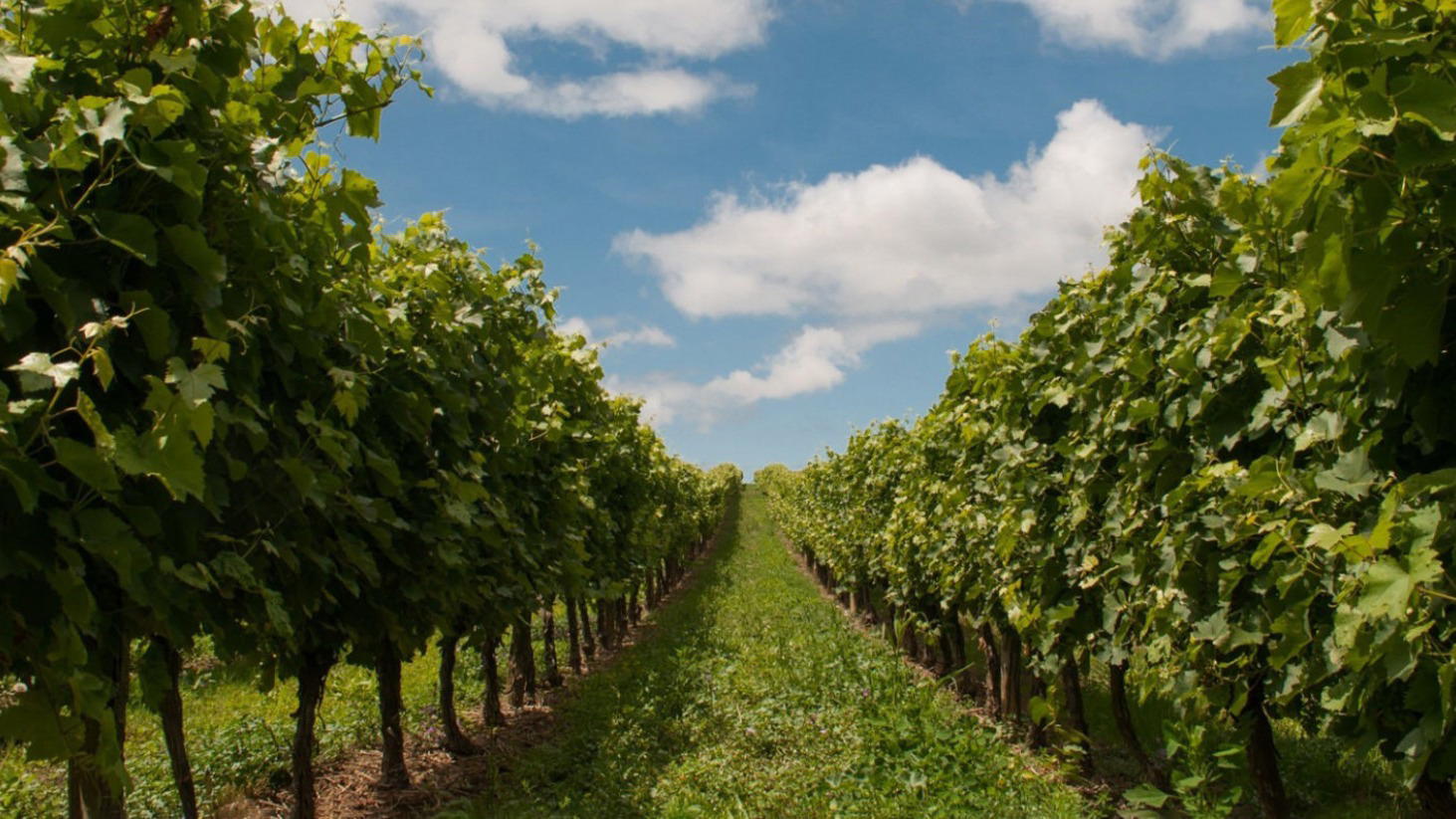
Domaine Mas Saint Louis is a family-run Châteauneuf-du-Pape estate shaped by old-vine Grenache, Sorgues soils, and a cellar approach that favours structure without excessive weight. The Geniest family’s century-plus stewardship, 40 hectares of vineyards, cement-tank fermentation, and large-cask ageing place it in the traditional Rhône camp, with a fresher, more Burgundian-leaning interpretation of the appellation.
Pearl is the En Primeur Club membership app — saves, bookings, and concierge access live there. Same editors, same standards.
- Address
- Châteauneuf-du-Pape, Vaucluse, Frankreich
- Directions
- Get directions
 Saves & bookings on Pearl
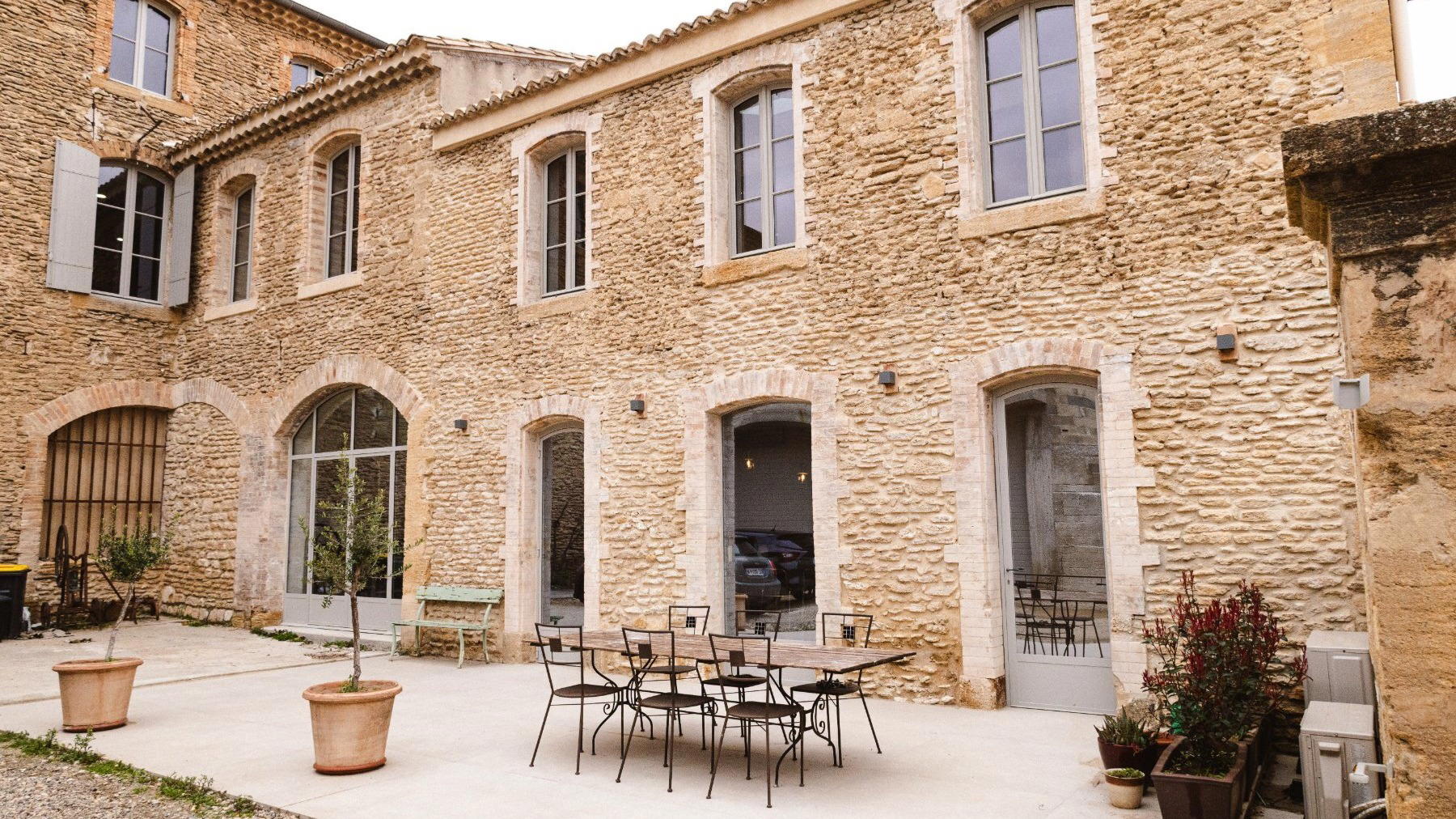
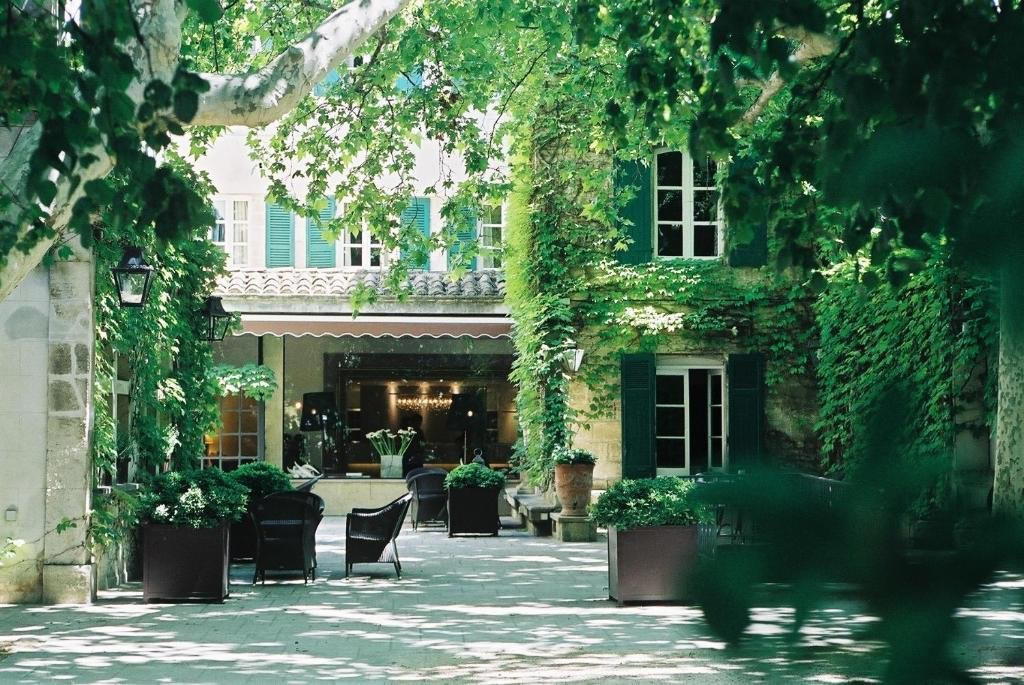
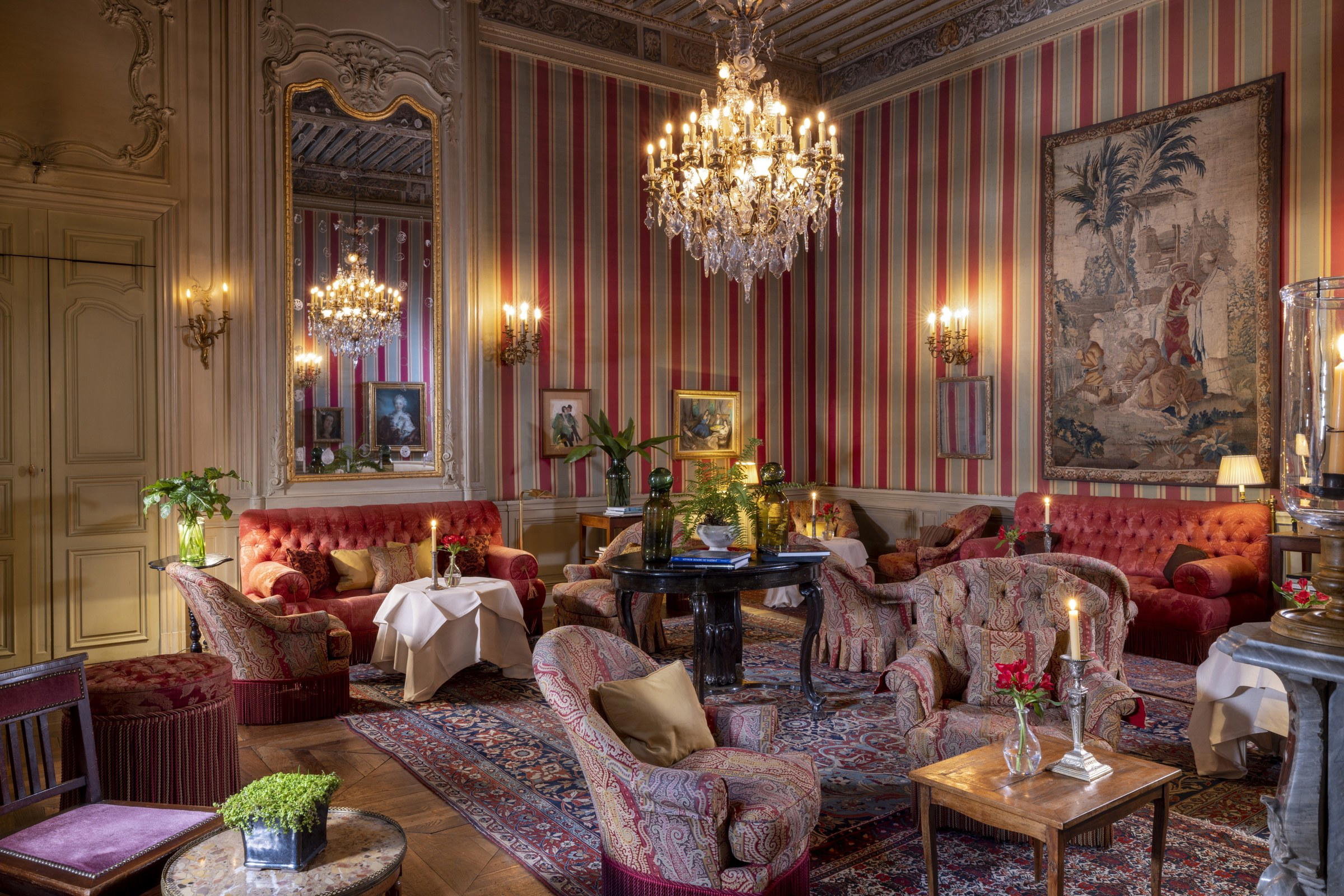
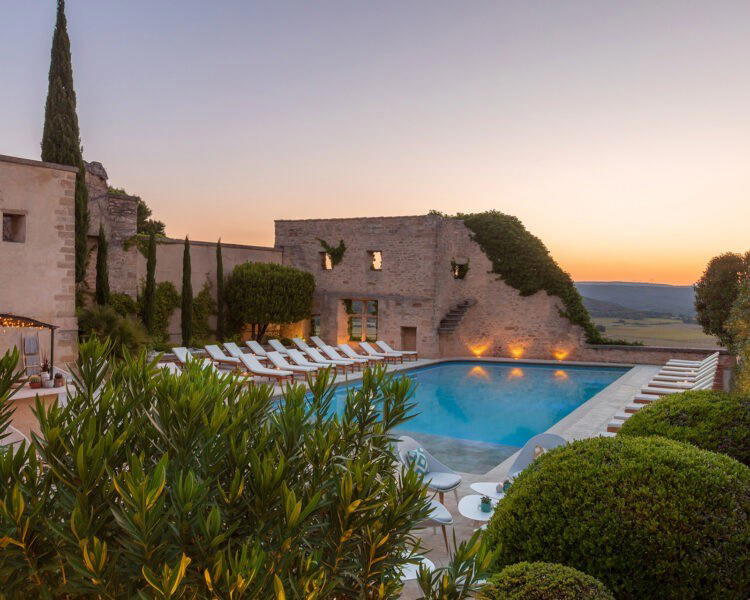
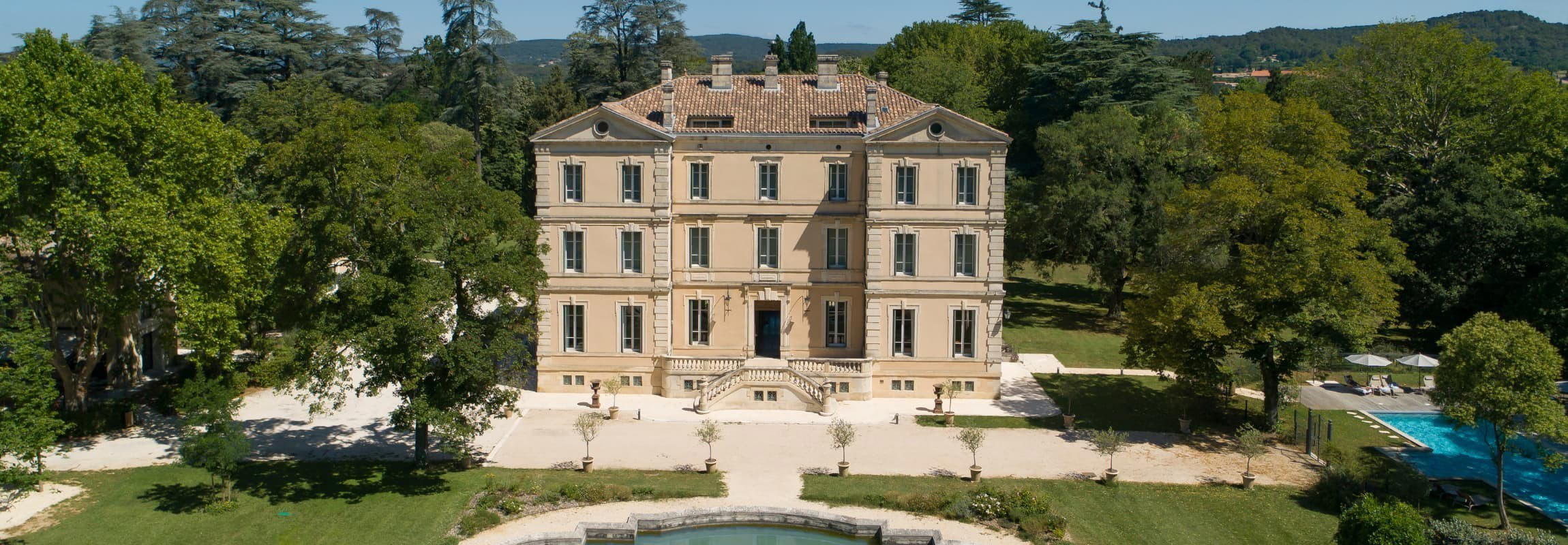
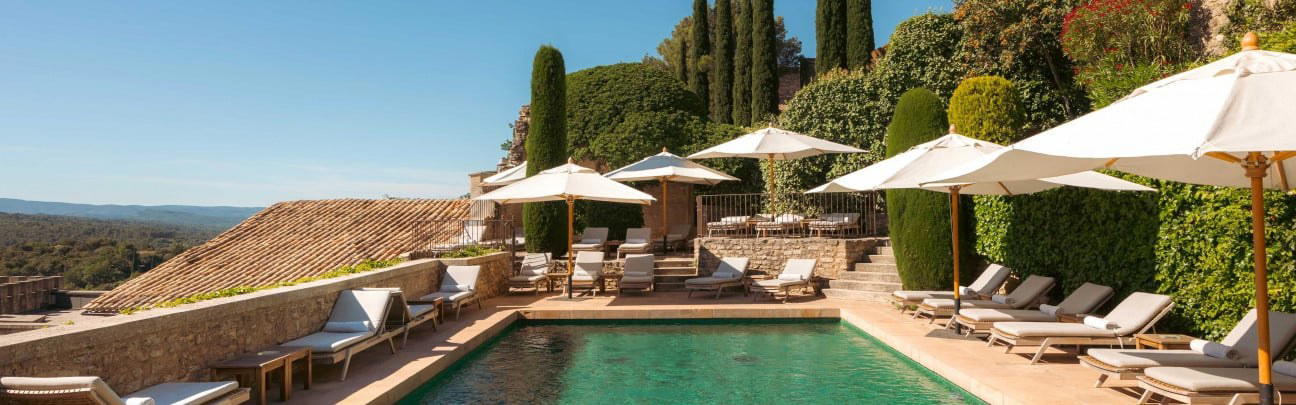
In Châteauneuf-du-Pape, Domaine Mas Saint Louis belongs in a classic Rhône frame: a quiet, sophisticated wine-estate setting focused on structured, fresh, old-vine Châteauneuf-du-Pape wines. It is the kind of address that is easiest to understand through restraint rather than grandeur, with its appeal resting on the feel of a traditional estate and on wines that speak in terms of balance, depth and appellation character.
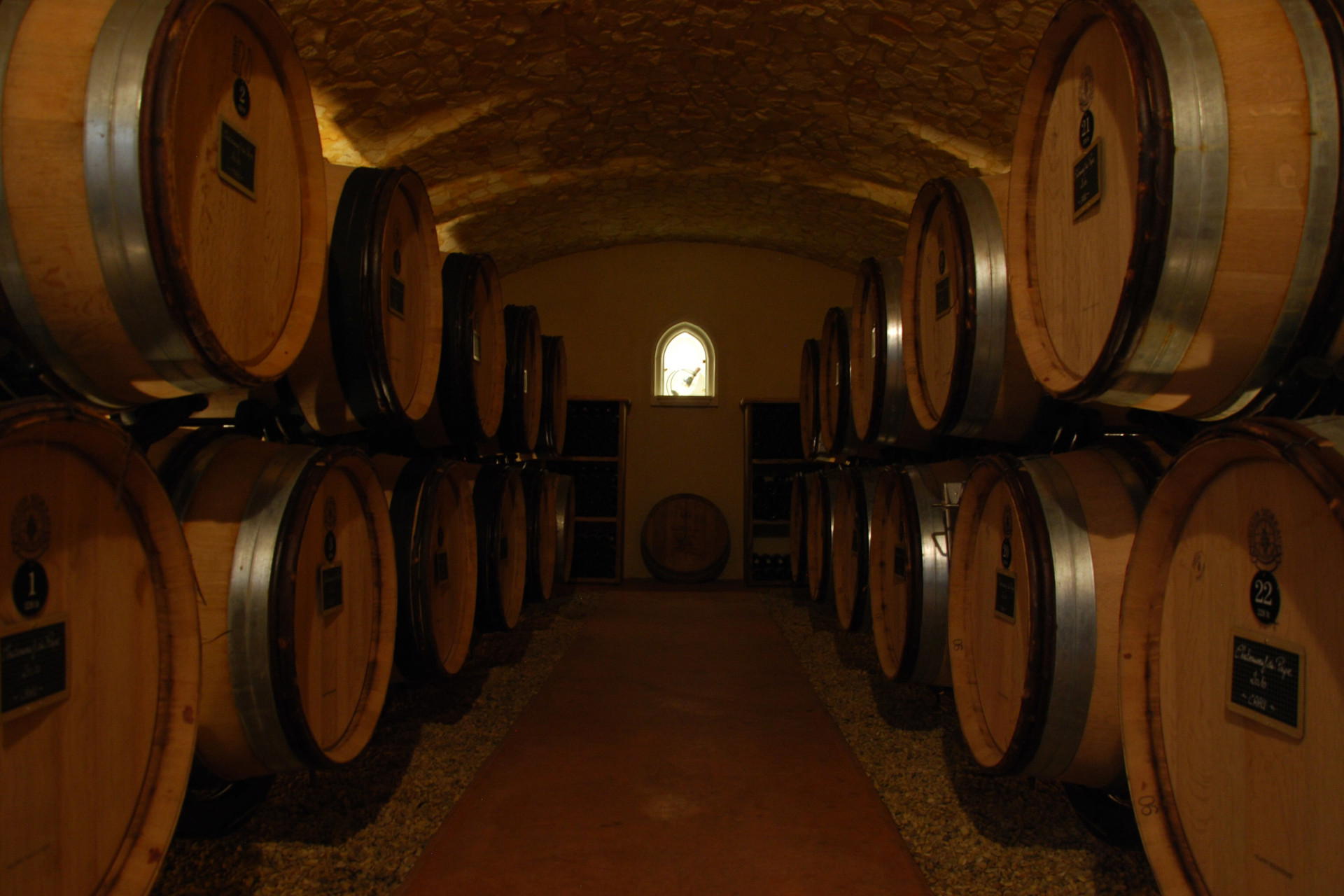
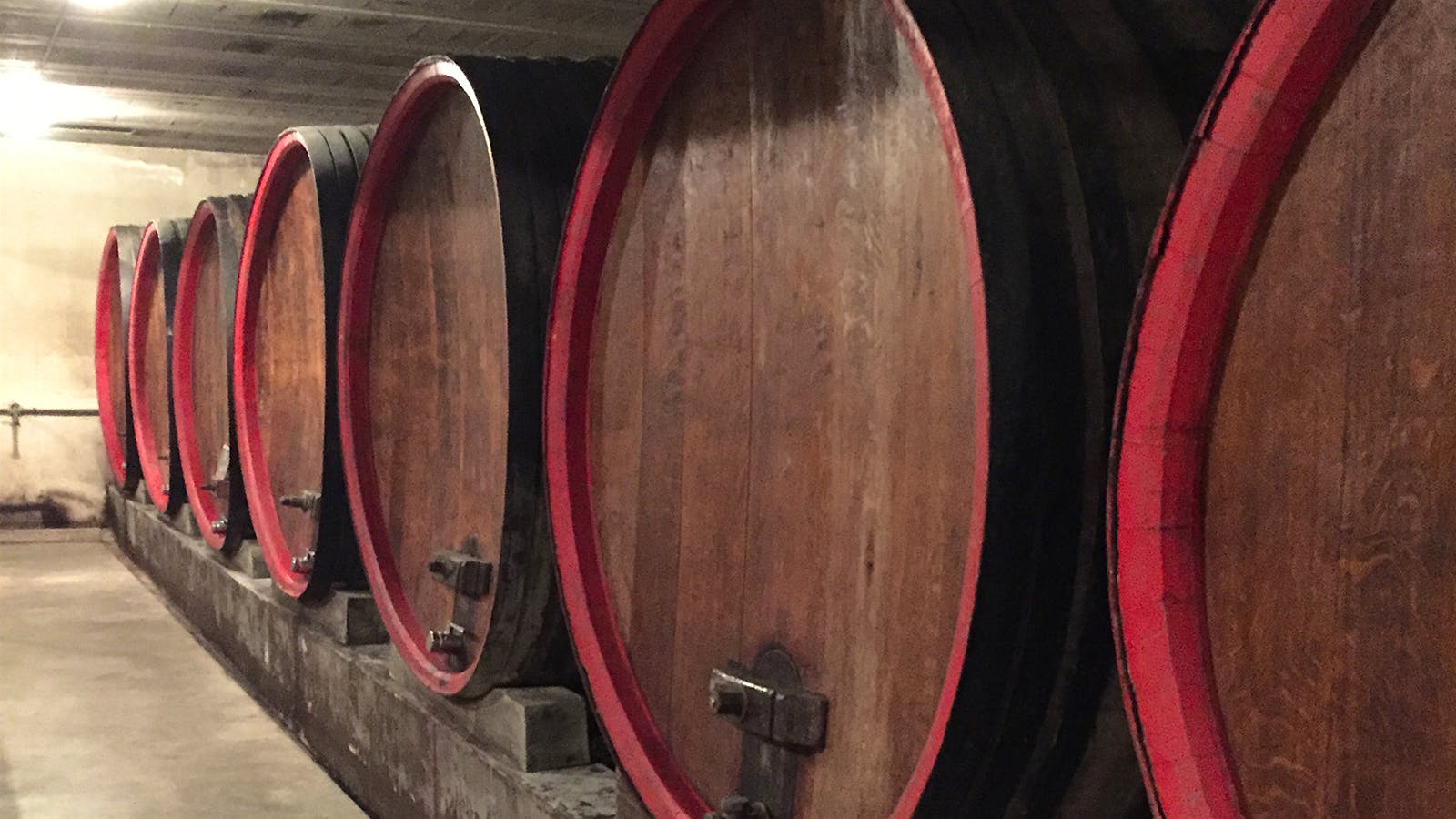
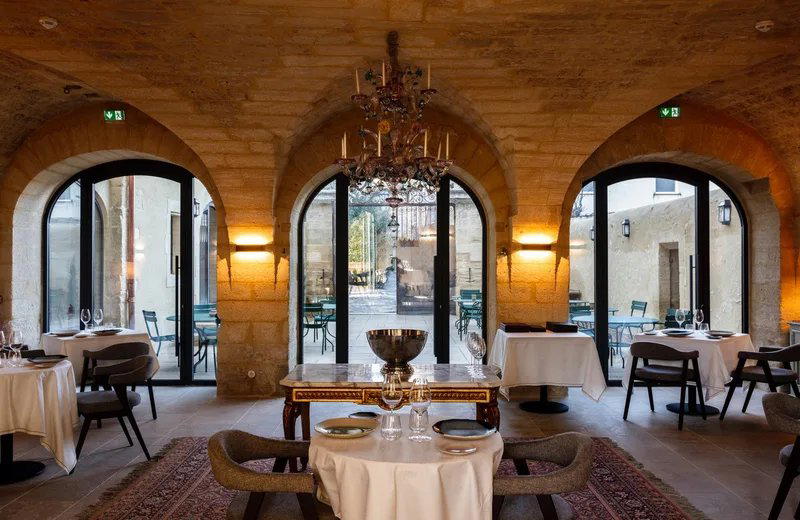
The useful way to read the estate is through style rather than spectacle. The picture is of a traditional cellar atmosphere, with cement-tank fermentation and ageing in large casks pointing to a classic approach that keeps attention on structure, freshness and the character of Châteauneuf-du-Pape rather than on a highly polished hospitality concept. In that sense, Domaine Mas Saint Louis is less about staging a broad visitor narrative and more about offering a clear, grounded Rhône reference point: old-vine material, a measured cellar language and a setting that feels composed rather than performative.
Châteauneuf-du-Pape through a classic Rhône lens
Châteauneuf-du-Pape has a broad reputation for Southern Rhône wines, but Domaine Mas Saint Louis is best described more narrowly: structured, fresh, old-vine wines presented in a quiet estate context. That makes it a strong fit for visitors who want a restrained, traditional read on the appellation, especially those interested in how Châteauneuf-du-Pape can feel serious and composed without needing to be framed as a spectacle.
The estate’s confirmed cellar cues are simple but meaningful. Cement-tank fermentation and ageing in large casks imply a traditional style rather than a showy or heavily modernized one. These details matter because they shape expectations: the emphasis is not on novelty, polish or theatrical presentation, but on a familiar Rhône vocabulary of structure, freshness and continuity. For drinkers planning a Châteauneuf-du-Pape stop, that is the main editorial signal to keep in mind.
The grounded takeaway is that winery offers a classic, hidden-gem Rhône estate atmosphere centered on structured and fresh Châteauneuf-du-Pape wines. Its value lies in being specific rather than expansive: a place to think about the appellation through old-vine character, traditional cellar choices and a calm estate mood.
A quiet estate style rather than a spectacle-driven stop
The winery reads as classic, quiet and sophisticated. It is not best framed through claims about rankings, specific hospitality formats or named personnel. Its appeal is the combination of Châteauneuf-du-Pape identity, old-vine wine character and a cellar style associated with cement and large casks. That combination gives the estate a focused personality: traditional without being fussy, serious without needing to be overstated, and rooted in the broad Southern Rhône setting while still feeling intimate in tone.
That makes it most useful for visitors comparing different expressions of Châteauneuf-du-Pape in a measured way. Rather than treating the estate as a broad tourism experience with many assumed amenities, plan around the confirmed essence: a traditional Rhône wine estate focused on structured, fresh wines. It is a stop to approach with attention to texture and style, not with expectations built around spectacle, novelty or a long list of extras that are not part of the confirmed picture.
Within a Châteauneuf-du-Pape itinerary, the winery works as a calm counterpoint to more visible or busier stops. For broader planning, compare it with other dining and wine options in Châteauneuf-du-Pape generically, keeping the winery in mind as the quieter, classic-estate reference point. Its role in that kind of route is not to dominate the day, but to help anchor it: a reminder of the appellation’s traditional side and of the appeal of wines defined by freshness, structure and old-vine depth.
How to place it in a wider wine route
Since the estate’s appeal is stylistic rather than spectacle-driven, it fits best into a route built around contrast: classic Rhône atmosphere, old-vine Châteauneuf-du-Pape wines, structure, freshness and traditional cellar cues. Those are the reasons to include it, not unconfirmed awards, exact tour formats or detailed production claims. In practical editorial terms, it should be treated as a focused stop: one that adds quietness and tradition to a wider wine route rather than one that needs to be expanded into a full-service destination by assumption.
For a broader Châteauneuf-du-Pape plan, use the winery as a grounded example of a quiet, sophisticated estate experience. It is best placed where its understated character can be appreciated: alongside other expressions of the appellation, but distinct for its classic Rhône feel, its old-vine emphasis and its cellar cues of cement and large casks.
Recognition history
Dated appearances from independent guides and award organizations, with the underlying list record or original source where available.
Falstaff Winery - Listed
Falstaff
Continue exploring
More in Châteauneuf-du-Pape
Wineries in Châteauneuf-du-Pape
Browse all →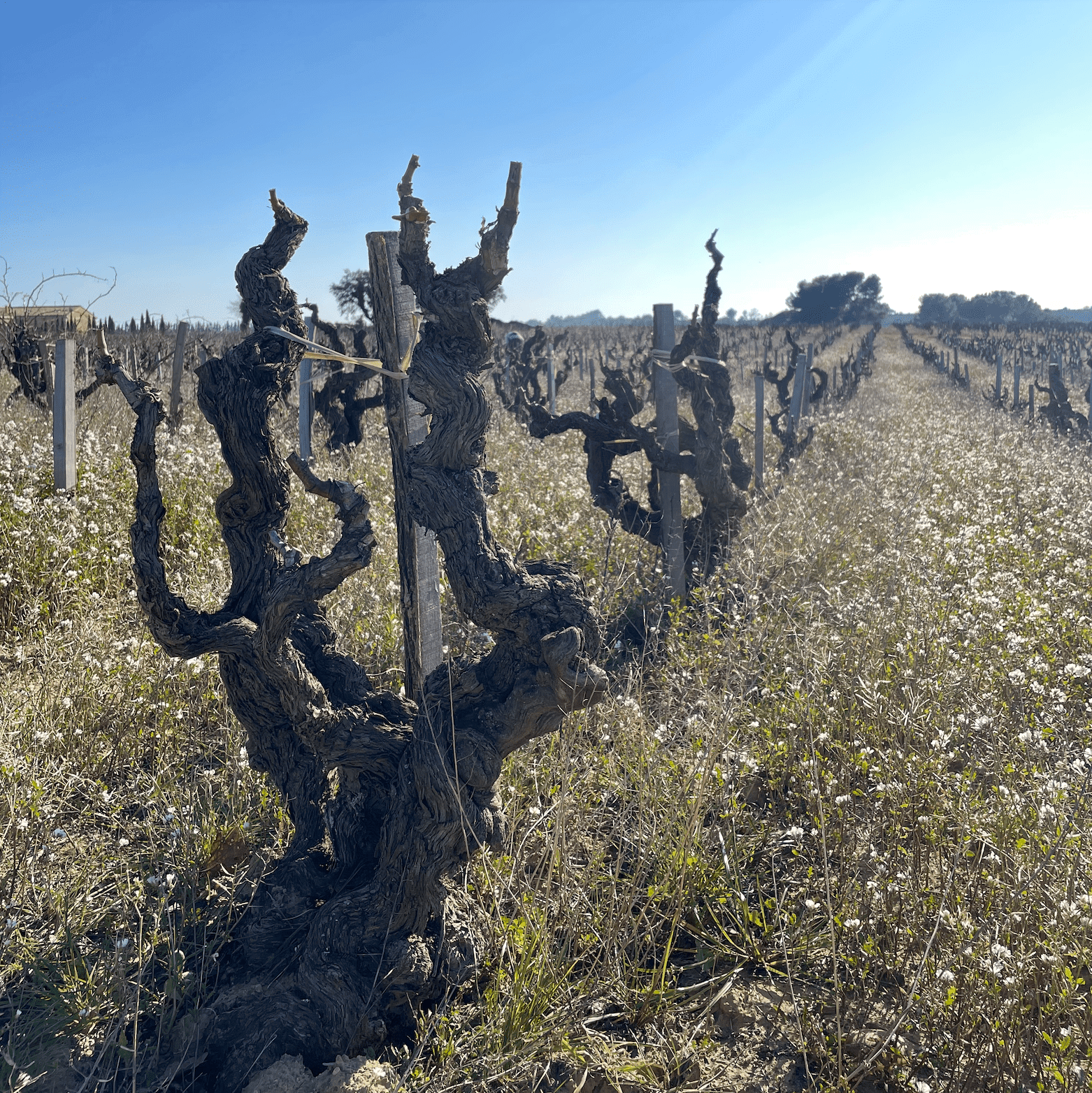
Bars in Châteauneuf-du-Pape
Browse all →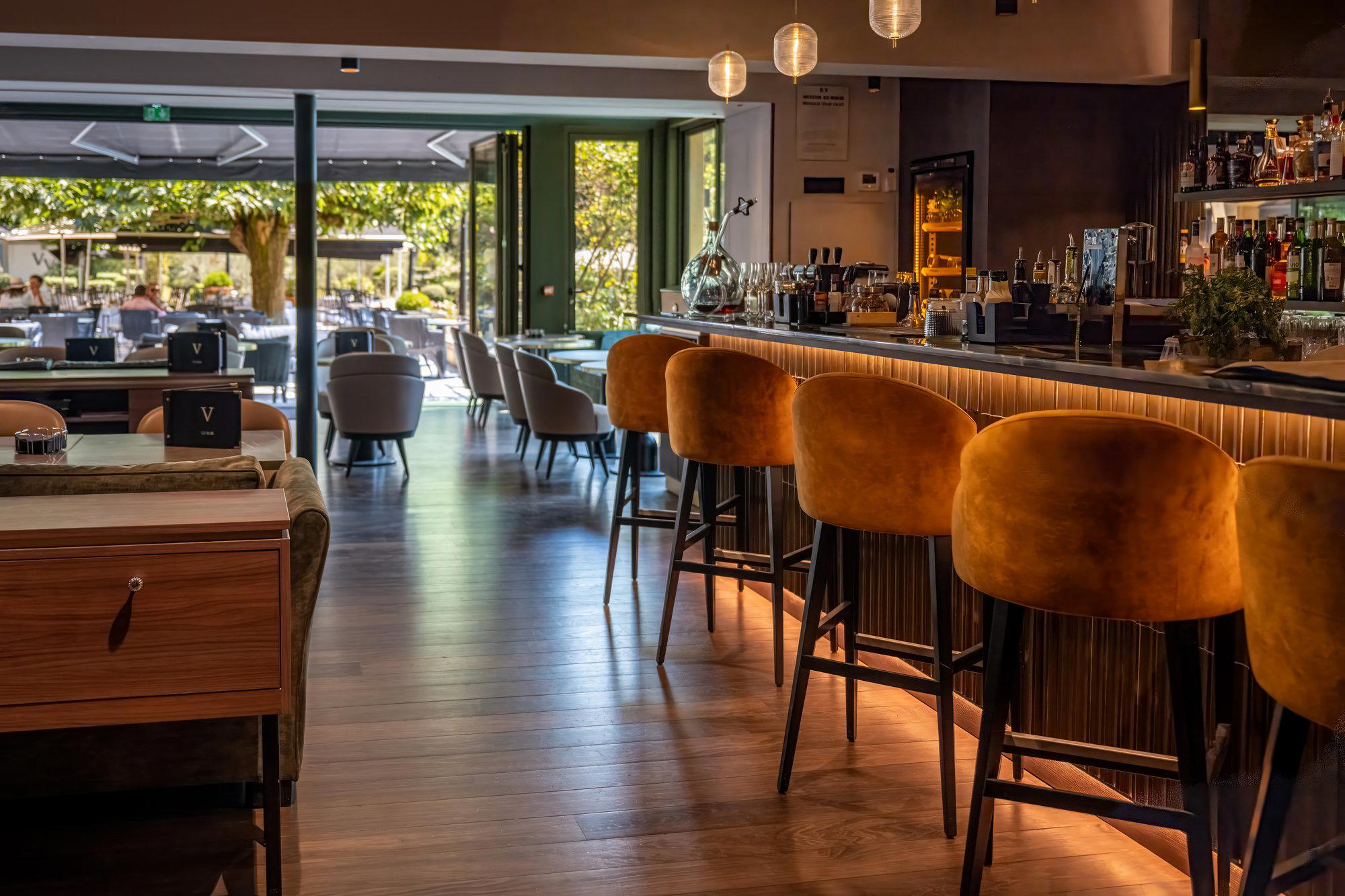
Restaurants in Châteauneuf-du-Pape
Browse all →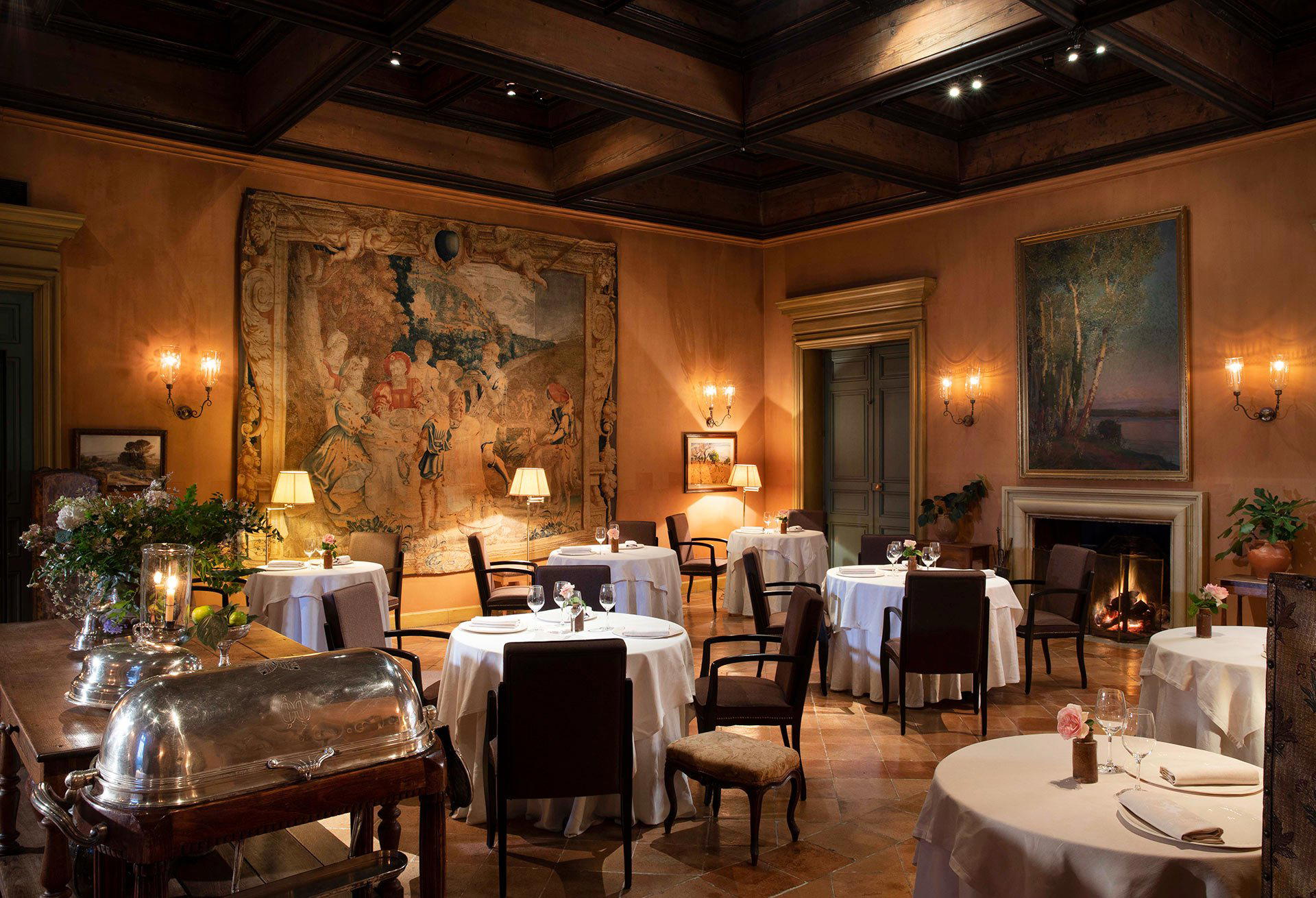
At a Glance
- Classic
- Quiet
- Sophisticated
- Wine Education
- Special Occasion
- Group Outing
- Historic Building
- Vineyard Tour
- Private Tasting
- Vineyard
- Châteauneuf Du Pape AOC
- Grenache
- Syrah
- Mourvèdre
- Cinsault
- Still Red
- Private Tasting
Classic Rhône wine estate atmosphere focused on structured, fresh, old-vine Châteauneuf-du-Pape wines, with a traditional cellar style implied by cement-tank fermentation and ageing in large casks.