Domaine Labruyère

Domaine Labruyère is a historic Moulin-à-Vent estate in Romanèche-Thorins, focused on Gamay from manually worked, gobelet-trained vines. Its case rests on terroir more than spectacle: Le Clos du Moulin-à-Vent is the appellation’s only monopole, and the cellar work stays measured, with concrete vats, oak aging, and low yields shaping structured Beaujolais.
Pearl is the En Primeur Club membership app — saves, bookings, and concierge access live there. Same editors, same standards.
- Address
- 310 Rue des Thorins, 71570 Romanèche-Thorins, France
- Phone
- +33 6 30 59 72 42
- Website
- domaine-labruyere.com
- Directions
- Get directions
 Saves & bookings on Pearl
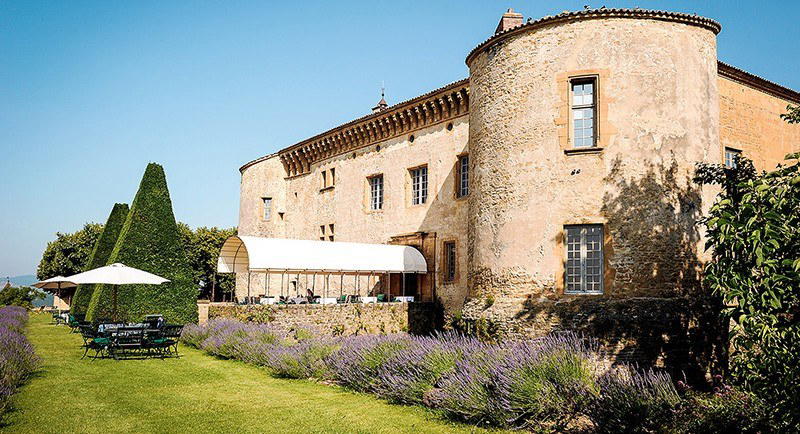
Approaching Domaine Labruyère in Romanèche-Thorins, the appeal is not a staged version of Beaujolais but a quieter rural vineyard setting. The picture is of a historic estate focused on terroir-driven Gamay, with manually tended gobelet-trained vines and traditional concrete-and-oak cellars shaping the tone. It is a place to read as serious and agricultural rather than flashy or touristic, and that distinction is central to understanding its place in the local landscape. The emphasis falls on vineyard work, cellar continuity, and the character of Gamay rather than on a broader hospitality package.
More specific claims about individual parcels, exact holdings, founders, awards, named winemakers, tasting formats, or visitor logistics should be confirmed directly before planning around them. The available description is strongest when it stays with atmosphere, wine identity, and setting, so any detailed itinerary should be built only after checking the estate’s current arrangements.
Gobelet vines, cellar tradition and Gamay
Domaine Labruyère’s strongest identity is its connection to manually tended gobelet-trained vines and traditional concrete-and-oak cellars. Those details matter because they point to a more grounded, terroir-focused reading of Gamay: less about spectacle, more about vineyard character and careful cellar work. Gobelet-trained vines also give the description a distinctly agricultural texture, suggesting a vineyard culture where form, labour, and tradition remain visible rather than hidden behind a polished visitor experience.
The cellar language is equally important. Concrete and oak imply a traditional working environment rather than a purely decorative backdrop, and they help frame the estate as a place where the making of wine is part of the story. The point is not to overstate technique or imply specific methods that are not confirmed, but to recognize how these materials shape the impression: measured, rooted, and attentive to the expression of place.
The estate’s rural setting also helps set expectations. This is not described as a high-gloss hospitality venue or a broad leisure complex. The mood is classic, quiet, and serious, with the vineyard and cellar context doing most of the work. Visitors interested in Beaujolais as a place of farming and wine culture will likely find that framing more useful than looking for a restaurant-style or entertainment-led experience. In that sense, Domaine Labruyère is better approached with patience and attention than with a checklist of amenities.
Anyone planning a visit should check current details directly with the winery rather than assuming walk-in tastings, tours, private events, or food pairings are available. The estate’s appeal, as presented here, is clear enough, but the practical terms of access should not be guessed.
A serious rural Beaujolais atmosphere
The description of the winery emphasizes authenticity and restraint: a historic Beaujolais estate, a rural vineyard feel, traditional cellar materials, and a focus on terroir-driven Gamay. That combination gives the estate its clearest editorial role for Romanèche-Thorins: it represents the quieter, more agricultural side of the local wine landscape. Rather than presenting Beaujolais through gloss, novelty, or entertainment, the estate is best read through continuity, craft, and the relationship between vines and cellar.
This makes the atmosphere important. Rural calm is not just a scenic detail here; it changes how the estate should be understood. The surrounding vineyard context encourages a slower, more observational kind of visit, where the interest lies in the setting and in the seriousness of the wine identity. The historic character also adds weight, but without needing to turn the place into a museum-like attraction. The tone remains practical and rooted.
Treat the price category as a broad signal rather than a precise budget guide. It should help orient expectations only in a general way, not replace direct confirmation or current information from the estate.
For travelers using Romanèche-Thorins as a wine stop, the winery is best understood as a focused estate reference point rather than a general dining or nightlife recommendation. Other dining in Romanèche-Thorins can be considered separately, but the information centers on wine, vineyard setting, and cellar atmosphere. That narrower focus is a strength, because it keeps the recommendation aligned with what is actually described: a serious Beaujolais estate with a clear connection to Gamay and place.
How to read the visit
Read the winery as a place where the setting and wine identity are the main story: historic Beaujolais character, rural calm, gobelet-trained vines, concrete-and-oak cellars, and terroir-led Gamay. Those are the grounded reasons to pay attention to it in Romanèche-Thorins. The value is in the coherence of those elements, not in an expanded list of unconfirmed visitor features.
Before going, confirm practical details directly with the estate. Plan with that uncertainty in mind, and use the winery’s confirmed strengths, place, vines, cellar tradition, and Gamay, as the basis for deciding whether it fits your trip. If those are the aspects of Beaujolais you are looking for, the estate reads as a strong, serious point of reference; if you need guaranteed dining, programmed entertainment, or a fixed visitor format, check first and plan accordingly.
Recognition history
Dated appearances from independent guides and award organizations, with the underlying list record or original source where available.
Falstaff Winery - Listed
Falstaff
Continue exploring
More in Romanèche-Thorins
Wineries in Romanèche-Thorins
Browse all →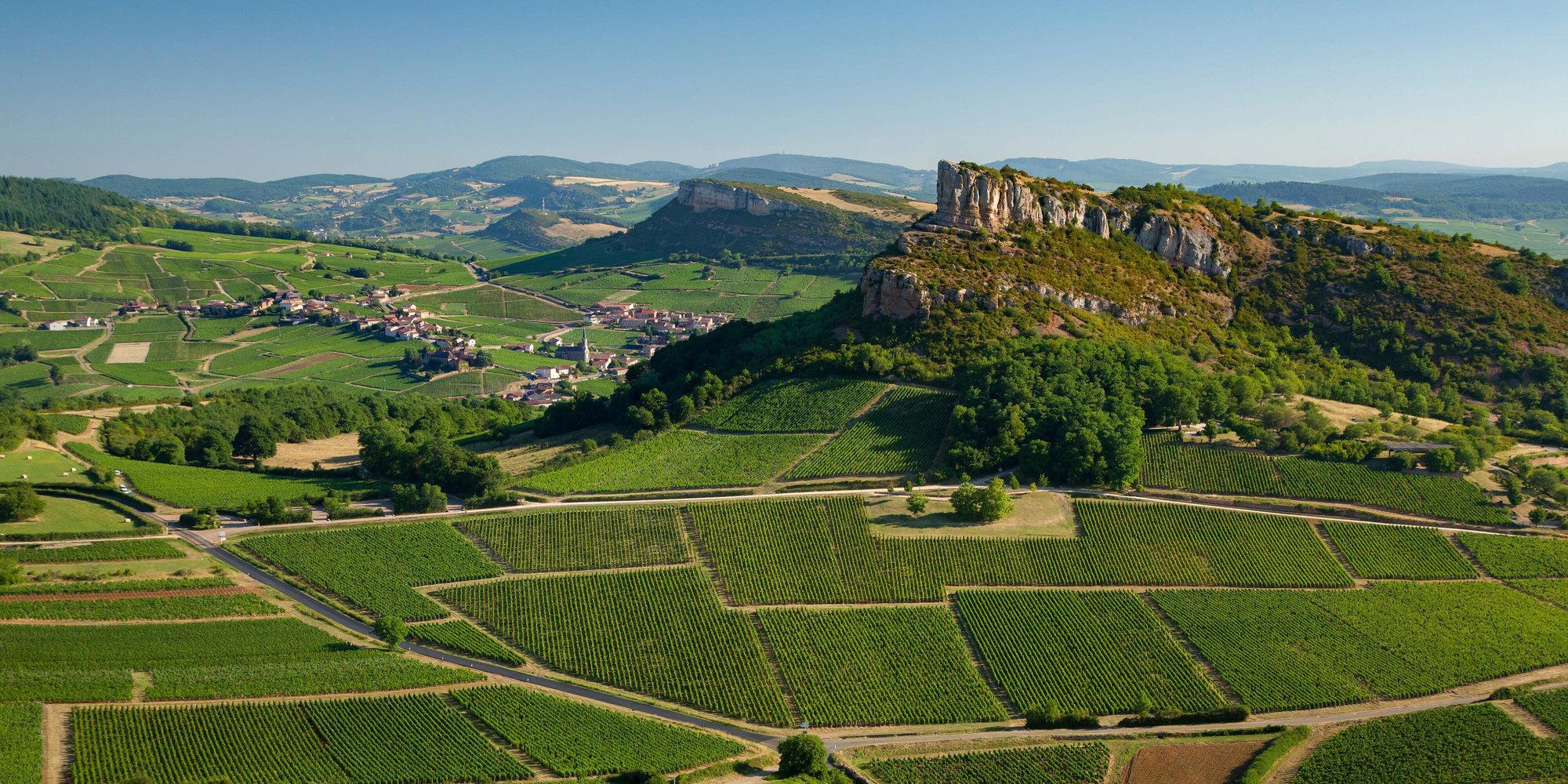
Bars in Romanèche-Thorins
Browse all →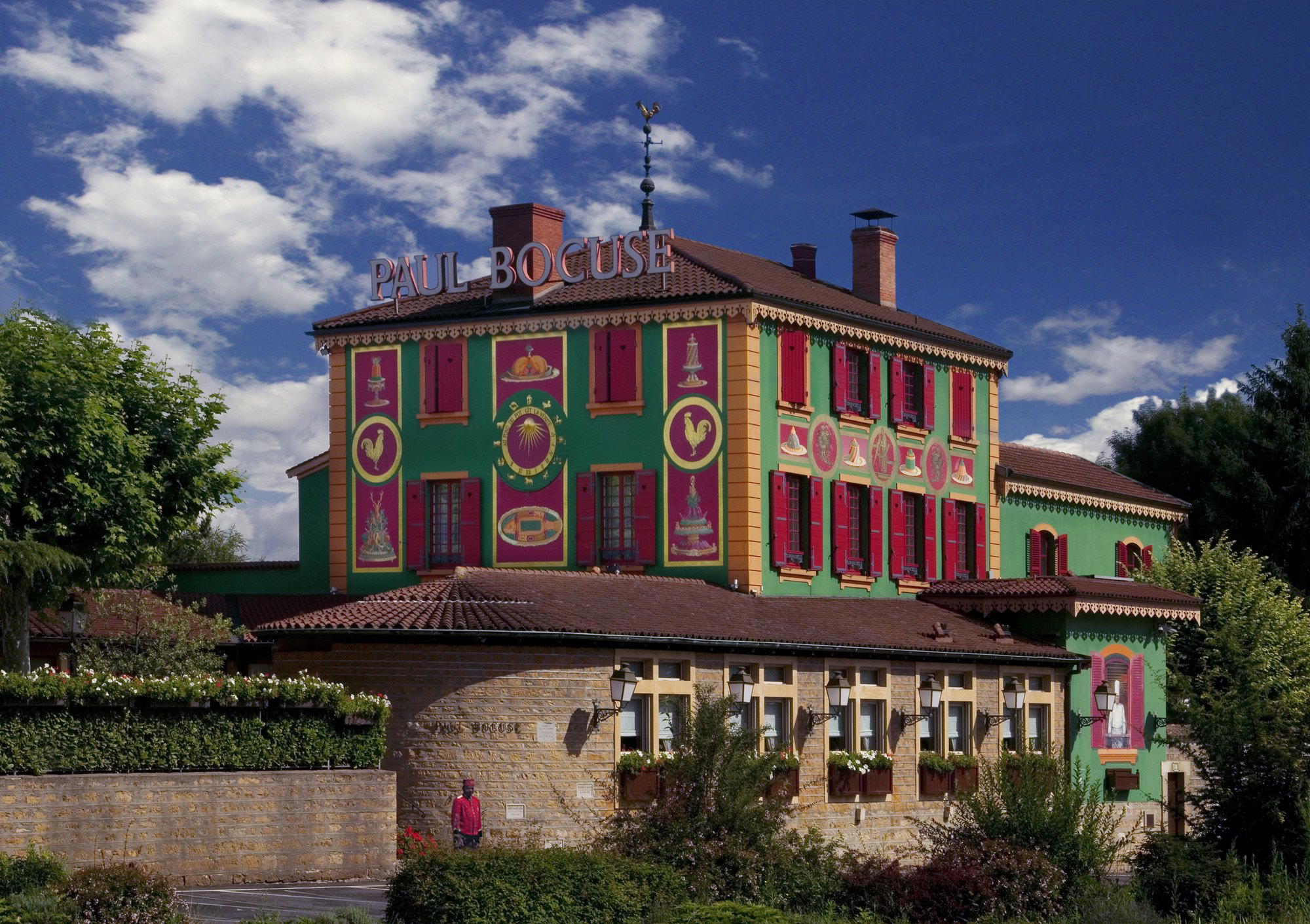
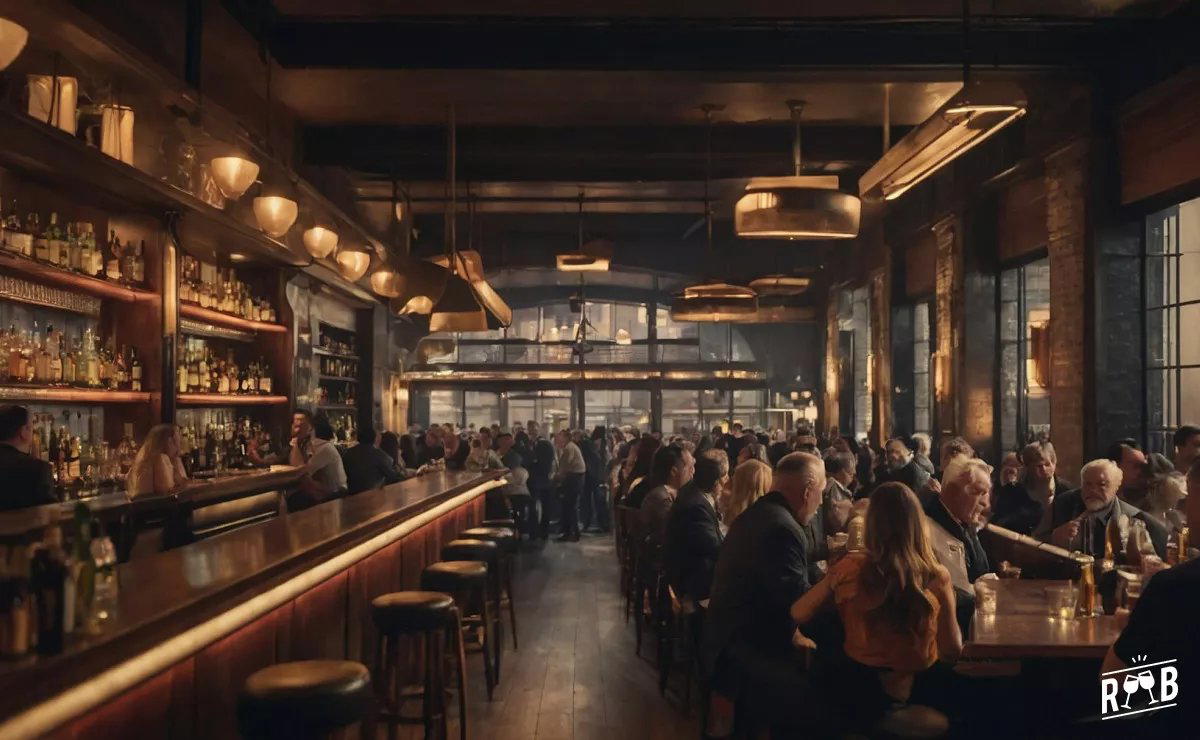
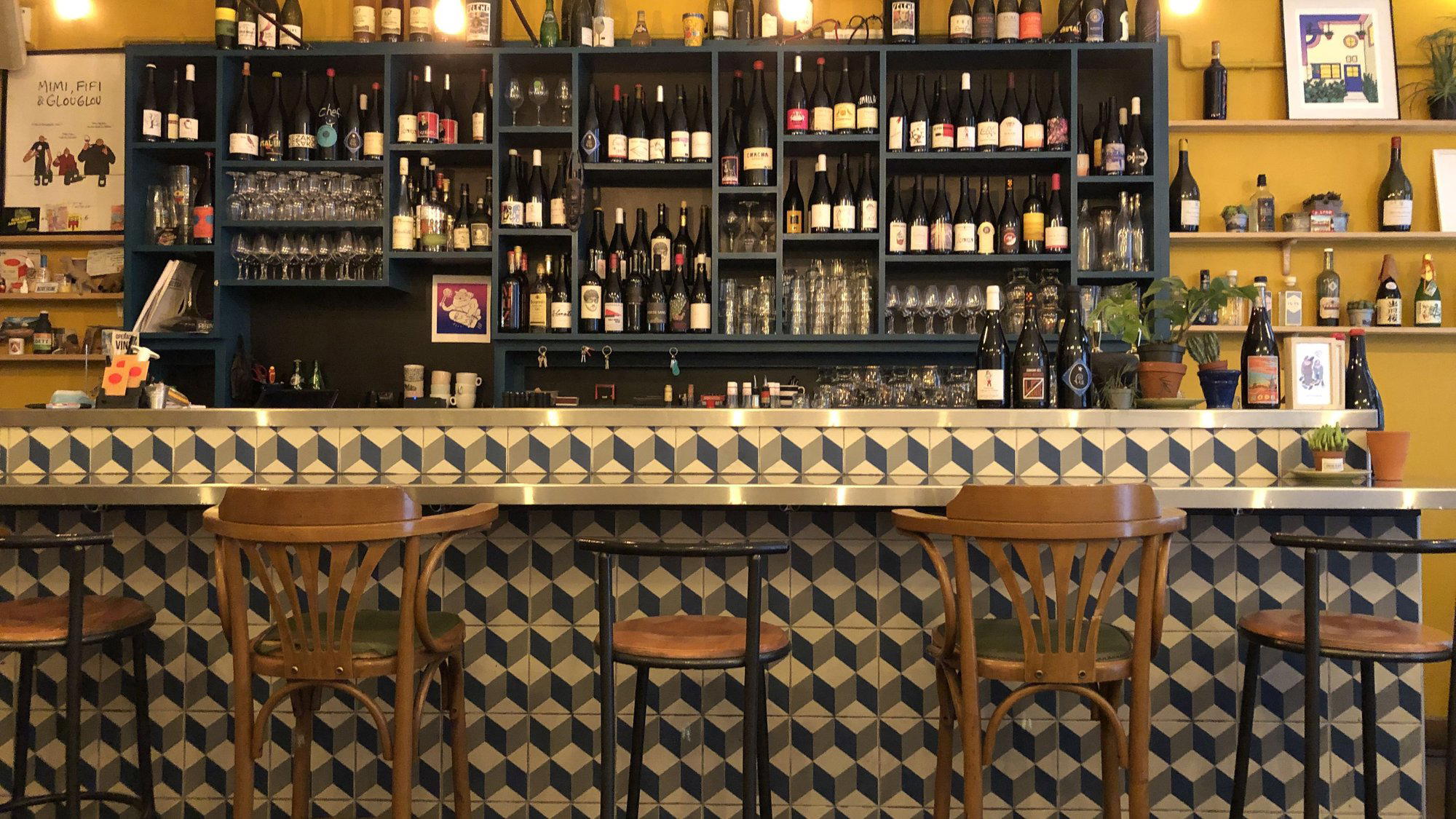
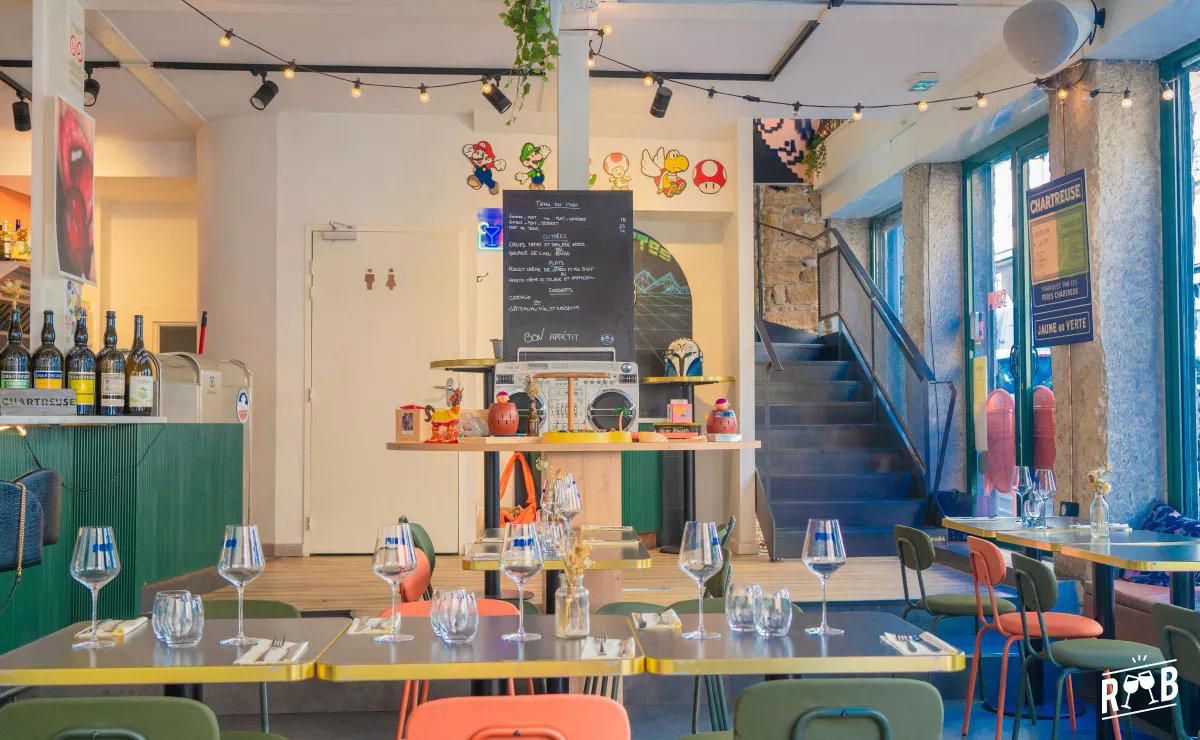
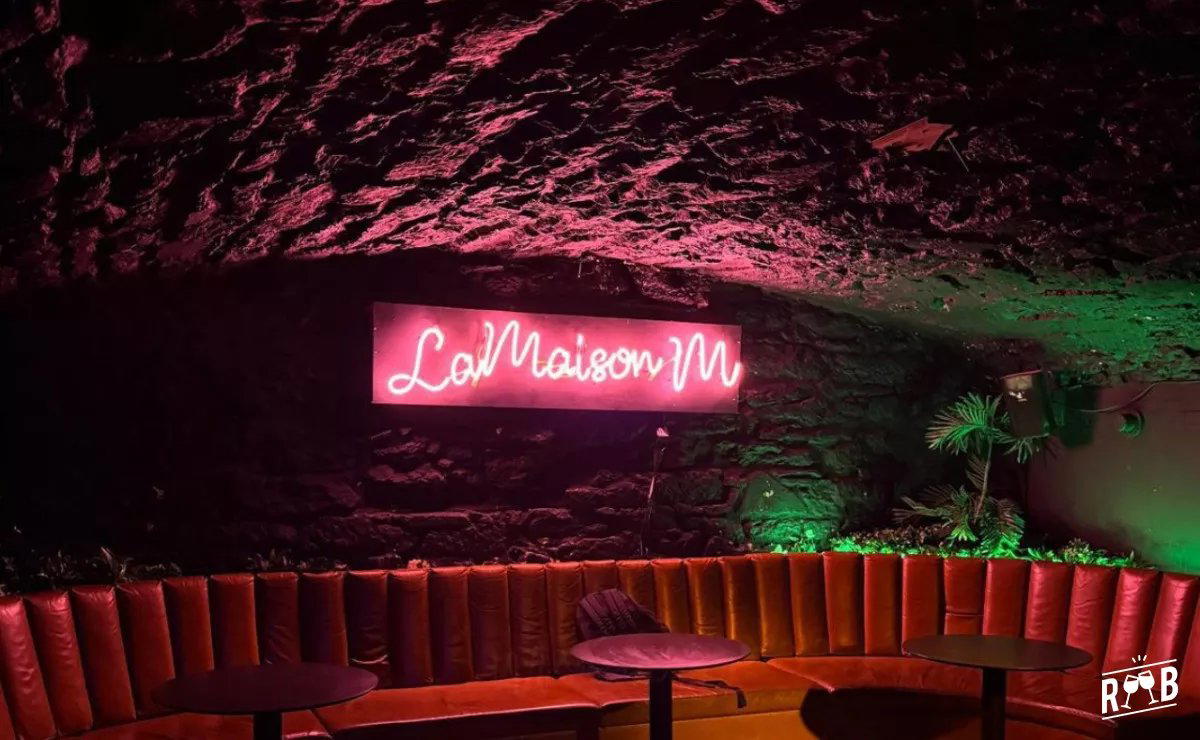
Restaurants in Romanèche-Thorins
Browse all →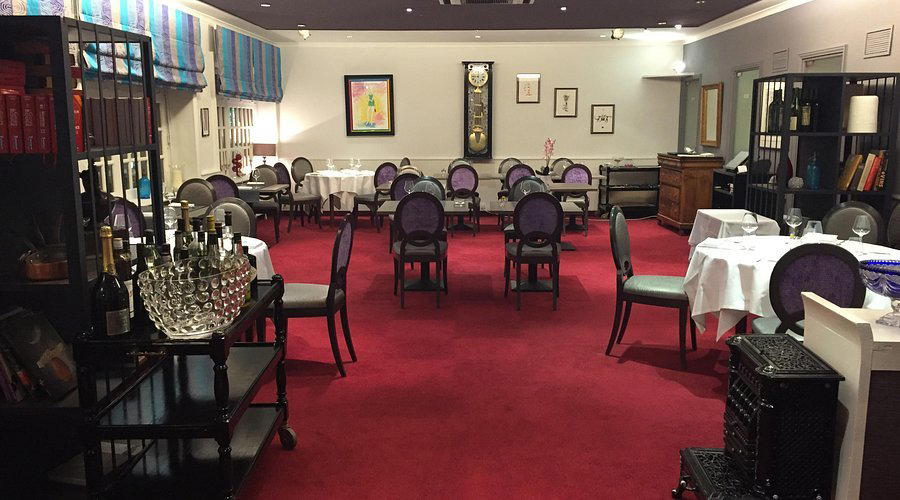
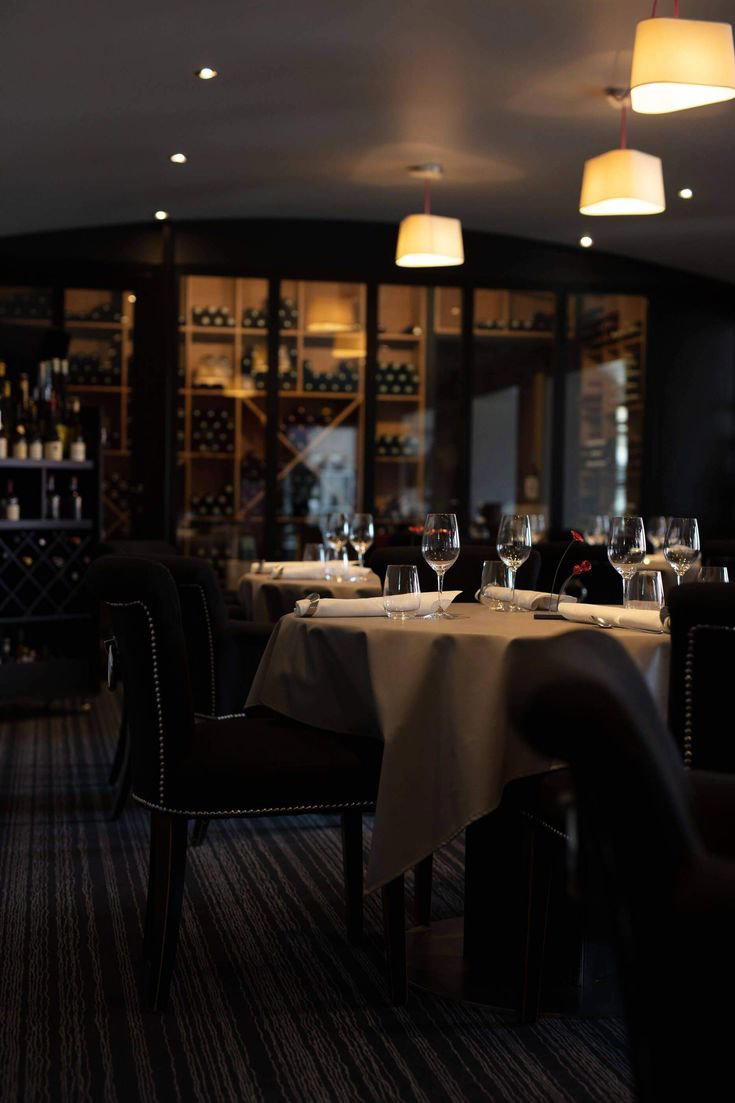
At a Glance
- Classic
- Rustic
- Well Known
- Scenic
- Intimate
- Sophisticated
- Wine Education
- Romantic Getaway
- Group Outing
- Special Occasion
- Solo Exploration
- Estate Grounds
- Vineyard Tour
- Barrel Room
- Historic Building
- Private Tasting
- Sustainable
- Vineyard
- Moulin À Vent AOC
- Gamay
- Still Red
- Estate Tasting
- Private Tasting
- Barrel Tasting
Current opening hours
- Monday
- 8:30 AM–5 PM
- Tuesday
- 8:30 AM–5 PM
- Wednesday
- 8:30 AM–5 PM
- Thursday
- 8:30 AM–5 PM
- Friday
- 8:30 AM–5 PM
- Saturday
- Closed
- Sunday
- Closed
Hours can change for holidays and private events. Last verified .
Historic Beaujolais estate with a classic, rural vineyard feel; manually tended gobelet-trained vines and traditional concrete-and-oak cellars create an authentic, quietly serious atmosphere focused on terroir-driven Gamay rather than tourist-oriented theatrics.