Domaine la Graveirette

Domaine la Graveirette is a small biodynamic estate in Bédarrides, working across Châteauneuf-du-Pape AOC, Côtes du Rhône, IGP Vaucluse and Vin de France. Founded in 2005 by Julien Mus, it belongs to the Southern Rhône’s quieter movement toward hand-harvested, low-additive wines shaped by sandy soils, galets and a preference for freshness over weight.
Pearl is the En Primeur Club membership app — saves, bookings, and concierge access live there. Same editors, same standards.
- Address
- Bédarrides, Châteauneuf-du-Pape, Vaucluse, Frankreich
- Directions
- Get directions
 Saves & bookings on Pearl
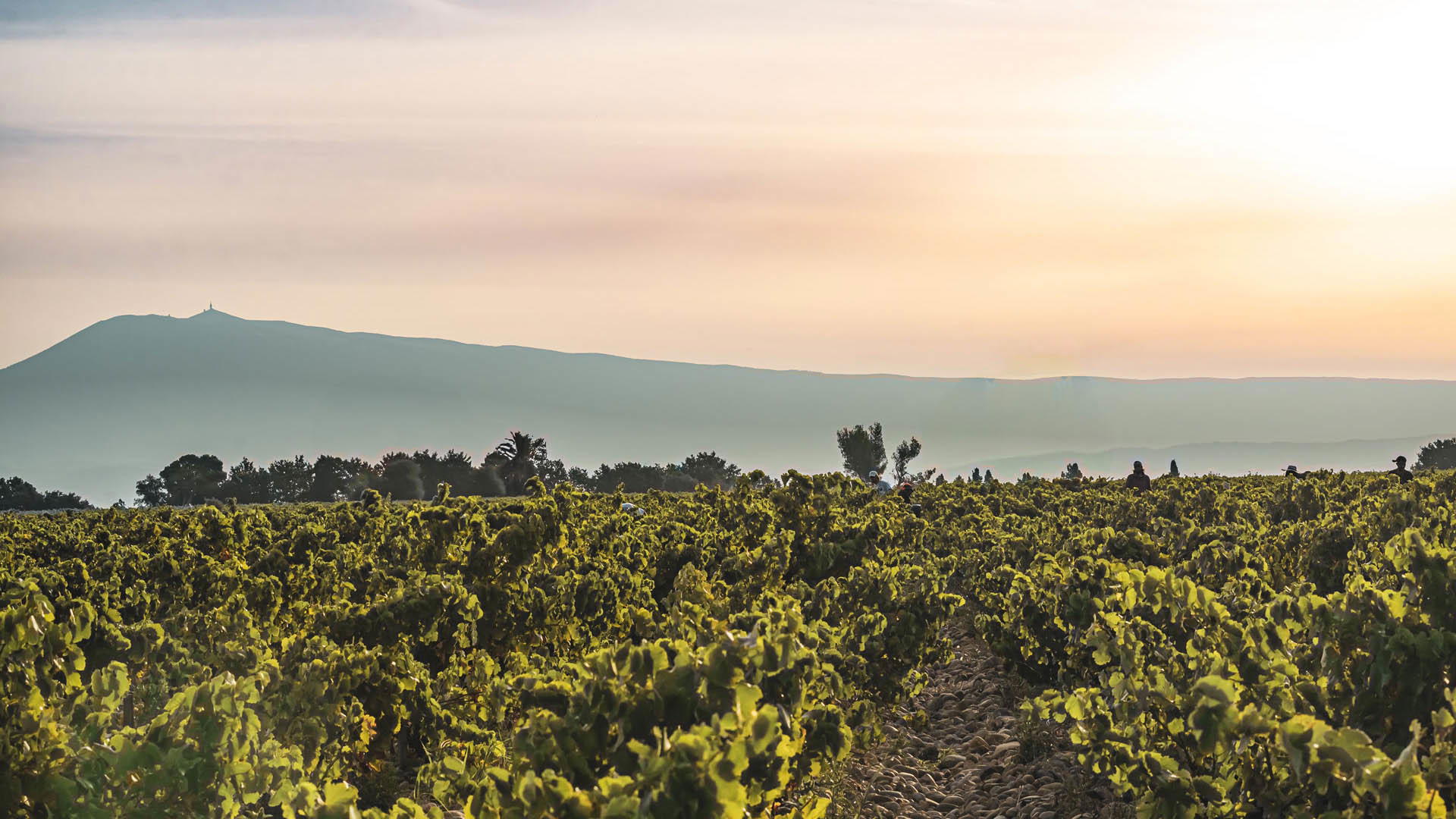
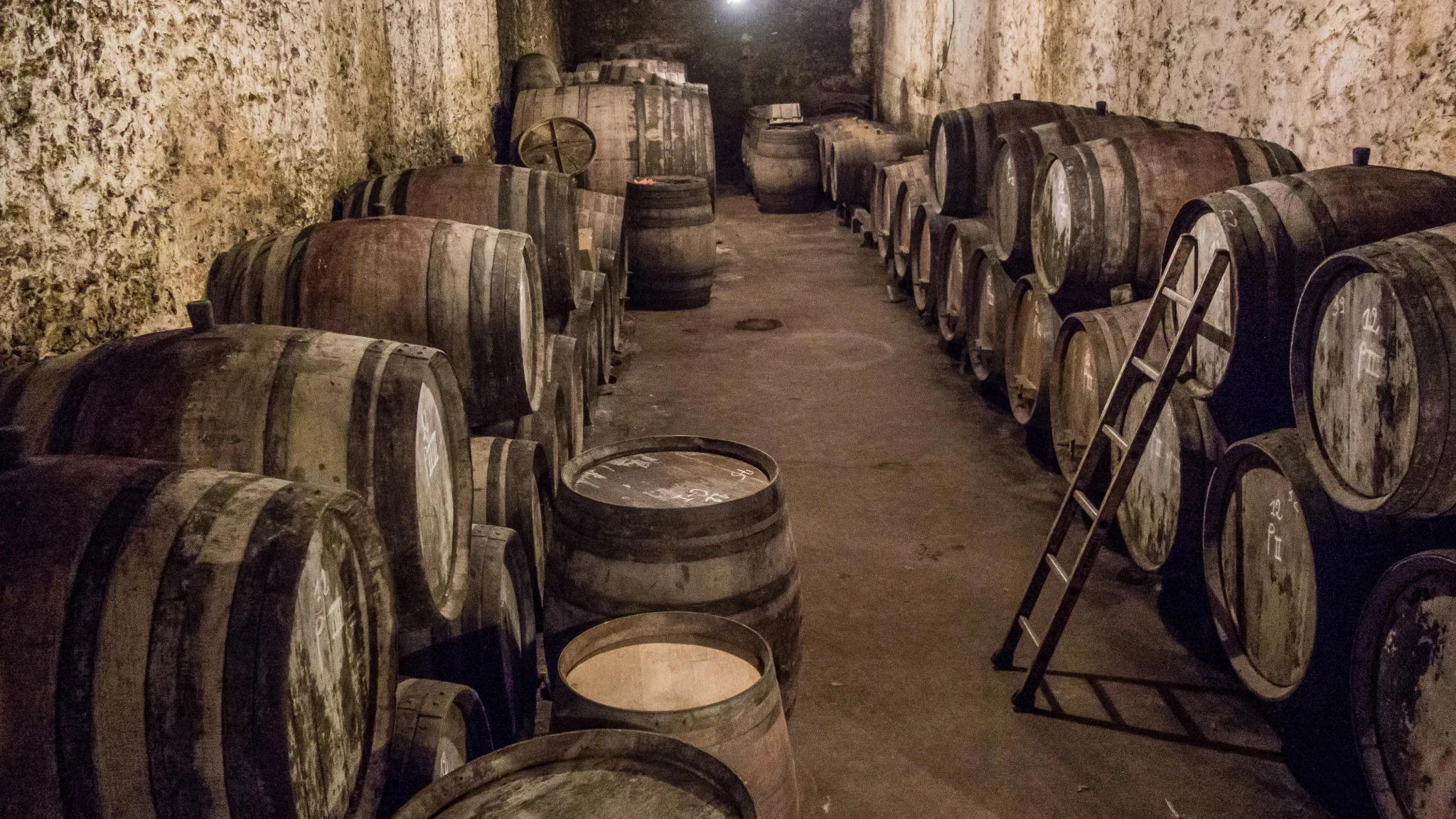
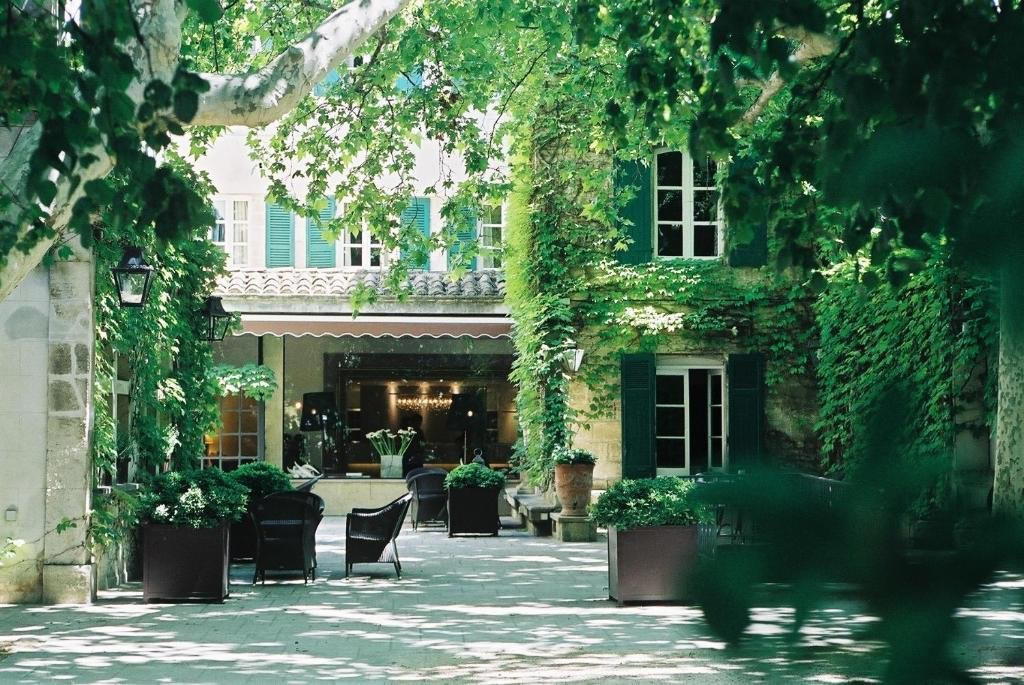
In Bédarrides, Domaine la Graveirette is best understood as a small, working biodynamic estate rather than a polished hospitality set-piece. The appeal is its Provençal village setting, quiet rural feel and direct atmosphere: a place where the vineyard context and the estate’s down-to-earth approach matter more than decorative luxury language. It reads as the kind of wine stop where the surroundings, the farming choices and the personality of the estate do most of the talking, which is precisely why it sits comfortably in a village-led itinerary.
For wider trip planning in town, EP Club’s local rails cover Our full Bédarrides wineries guide, Our full Bédarrides restaurants guide, Our full Bédarrides hotels guide, Our full Bédarrides bars guide and Our full Bédarrides experiences guide. The point is useful context: Bédarrides rewards travellers who treat wine as the anchor and build the rest of the day around it. Domaine la Graveirette fits that rhythm well, because its value is not isolated from the place around it; the estate makes most sense as part of a slower, wine-led day shaped by the village and its rural edges.
Biodynamics and a grounded Provençal setting define the estate
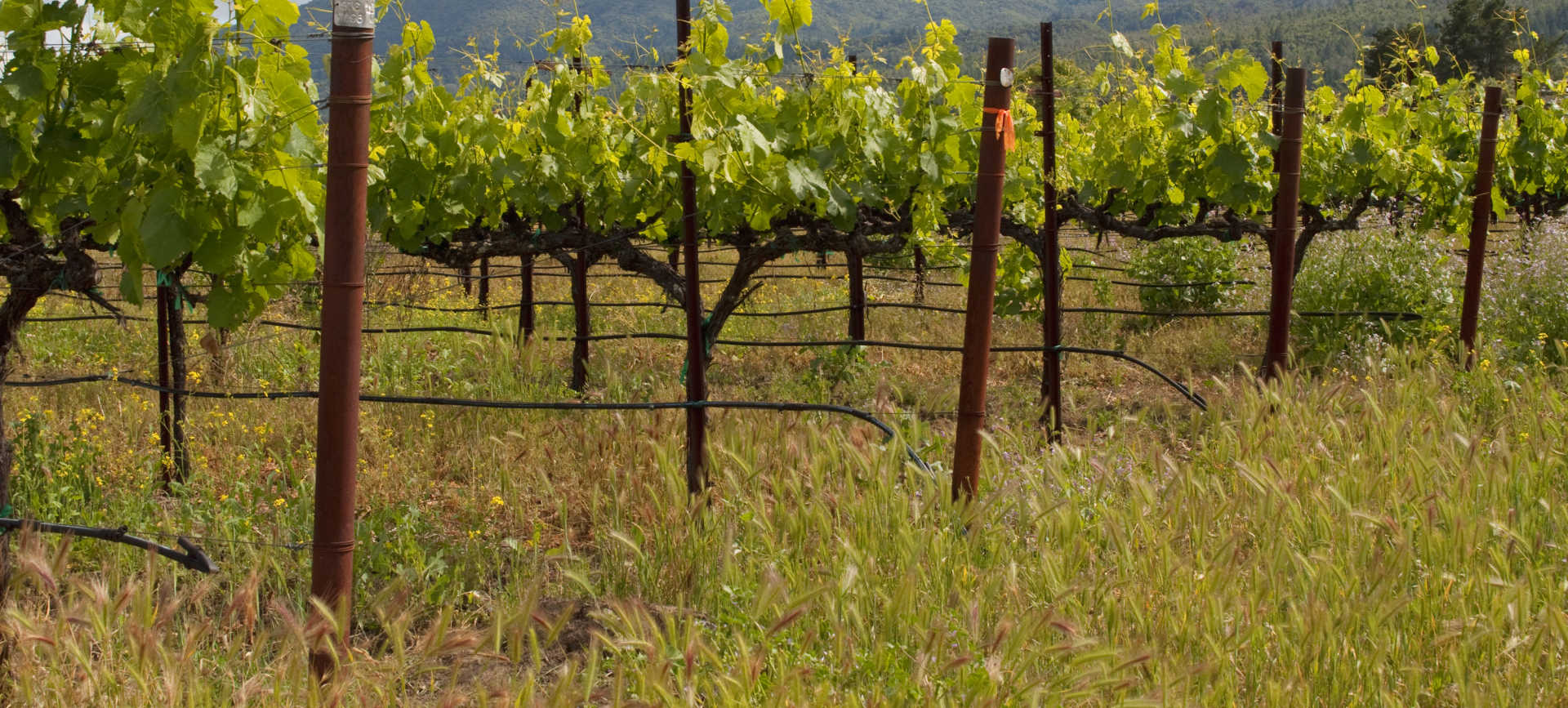
Domaine la Graveirette’s strongest signal is its identity as a small biodynamic estate in Bédarrides. The tone is rustic, scenic and quiet, with an honest working-estate character rather than a luxury-showroom feel. That makes it especially relevant for travellers who want a more direct sense of place. The setting matters because it keeps the experience grounded: this is not framed as a glossy destination detached from its agricultural base, but as an estate whose identity is inseparable from the vineyards and the village context around it.
The estate’s personality is closely tied to Julien Mus’s meticulous yet down-to-earth approach to crafting lively, terroir-driven wines. Rather than relying on claims about a formal tasting format, a fixed hospitality program or specific cellar details, a reliable way to frame the winery is as a biodynamic producer whose appeal rests on farming, setting and clarity of purpose. That clarity is important: the domaine’s editorial strength comes from consistency of tone, not from needing to be dressed up with unsupported detail.
That restraint matters editorially. Bédarrides is not presented here as a destination built around spectacle; the winery fits a quieter register, where the value lies in the working agricultural context and the directness of the estate’s atmosphere. For EP Club readers, that means approaching it with the right expectation: not as a grand statement of luxury, but as a grounded Provençal wine address where small-estate character is the point.
The portfolio is best approached through the estate's terroir focus
Without detail on individual cuvées, grape varieties or appellation breakdowns, the safest reading of the winery is broader and simpler: this is a biodynamic Bédarrides estate focused on lively, terroir-driven wines. The appeal is not a claim about one specific bottle, ranking or award, but the overall style implied by its farming identity and setting. In editorial terms, that broader lens is more useful than forcing precision where none has been established.
Julien Mus’s approach is described as meticulous yet down-to-earth, which gives the domaine its editorial center. The estate does not need an inflated story to be useful for EP Club readers: its character already points toward a grounded, village-based wine stop with a quiet, honest atmosphere. The combination of care and simplicity is what gives the place its shape, suggesting wines and a visit that should be understood through attention to origin rather than through showmanship.
For readers mapping a Bédarrides itinerary, it is better to compare the winery with other local dining or wine options generically rather than overstate specific peers. The important planning note is that this is a wine-led stop in Bédarrides with a rustic, scenic feel. It belongs in an itinerary for travellers who want the day to be organized around place, farming and wine-country atmosphere, while leaving enough space for the town’s other restaurants, bars, hotels and experiences to support that central focus.
A small-estate visit for terroir-focused drinkers
The visit is best understood as a working-estate encounter in a Provençal village setting. The draw is the small biodynamic estate character, the quiet rural atmosphere and the sense that the wines are shaped by a careful, terroir-minded approach. That makes the experience feel less like a programmed performance and more like a direct meeting with the logic of the estate itself.
That makes the winery a sharper fit for travellers who care about biodynamic farming, small-scale atmosphere and honest wine-country context. It is less about a highly staged hospitality experience and more about encountering a grounded estate in Bédarrides. Readers looking for decorative polish may not find that to be the central promise here; readers interested in a clear, rural wine setting are more likely to understand why the domaine matters.
The editorial case is concise: the winery is for drinkers who want a rustic, scenic and quiet biodynamic estate in Bédarrides, with a direct atmosphere and a focus on lively, terroir-driven wines. Its strength is the absence of unnecessary gloss: a small Provençal estate, a careful approach, and a setting that lets the wine-country context remain at the centre.
Recognition history
Dated appearances from independent guides and award organizations, with the underlying list record or original source where available.
Falstaff Winery - Listed
Falstaff
Continue exploring
More in Bédarrides
Wineries in Bédarrides
Browse all →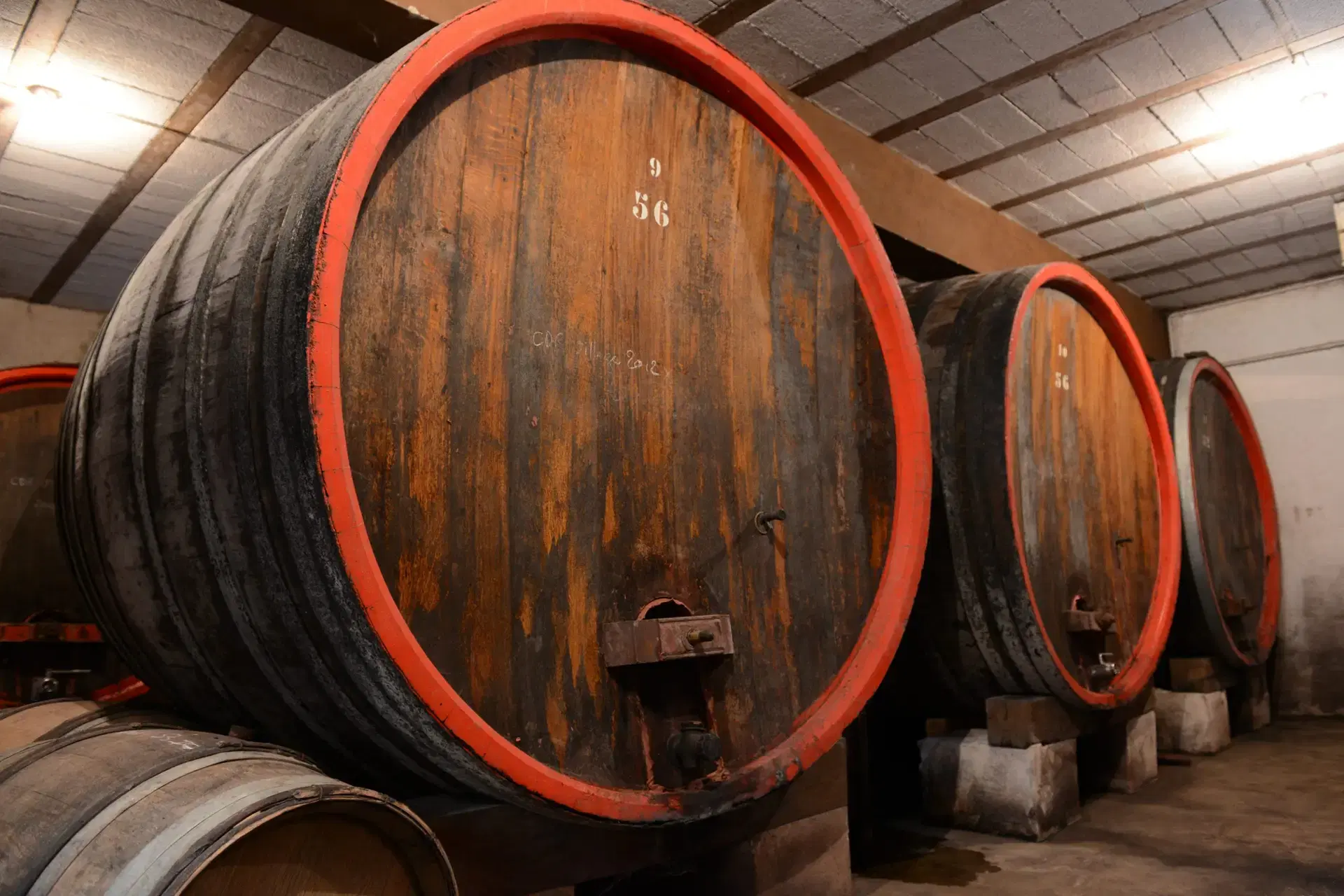
Bars in Bédarrides
Browse all →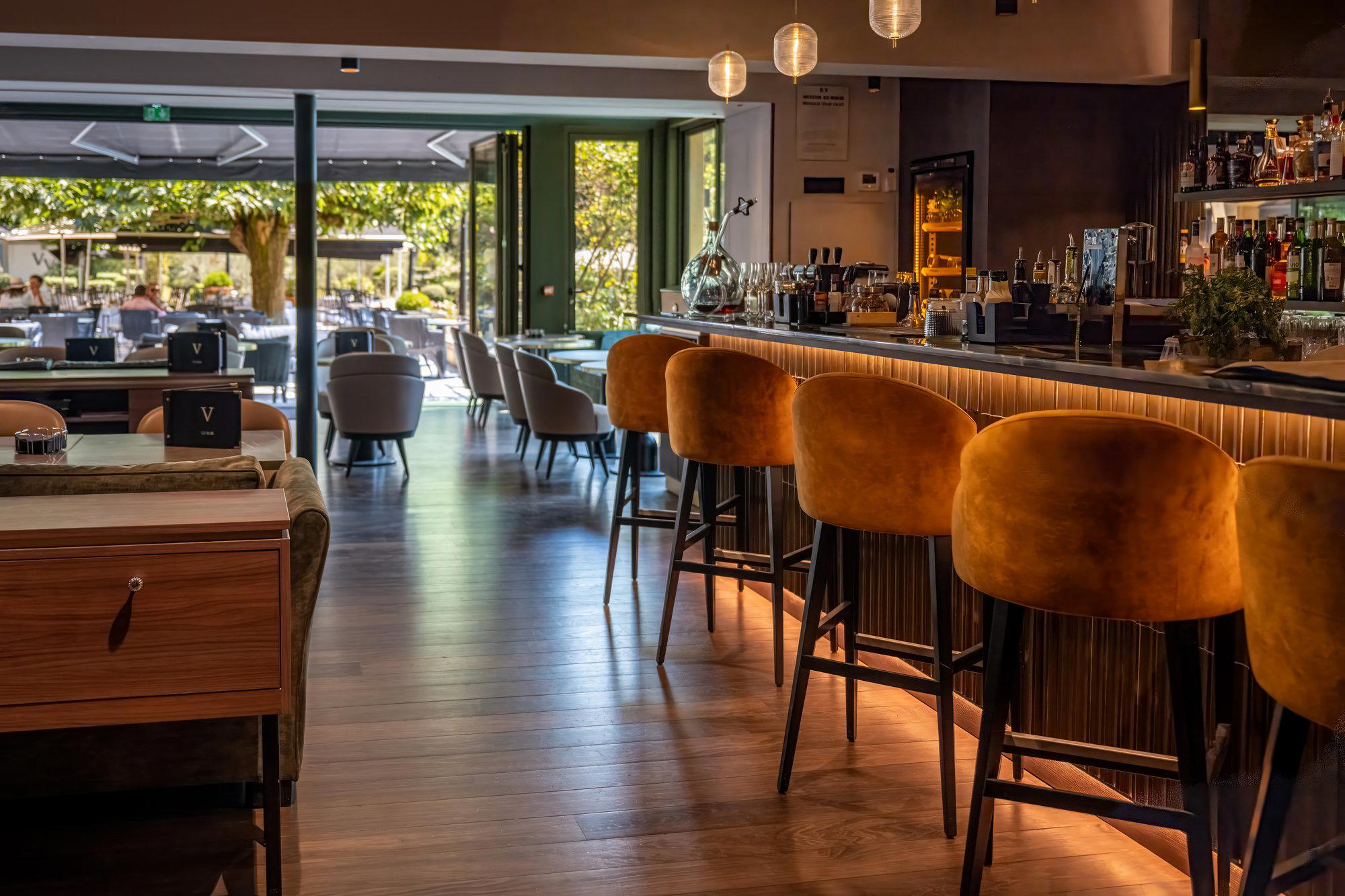
Restaurants in Bédarrides
Browse all →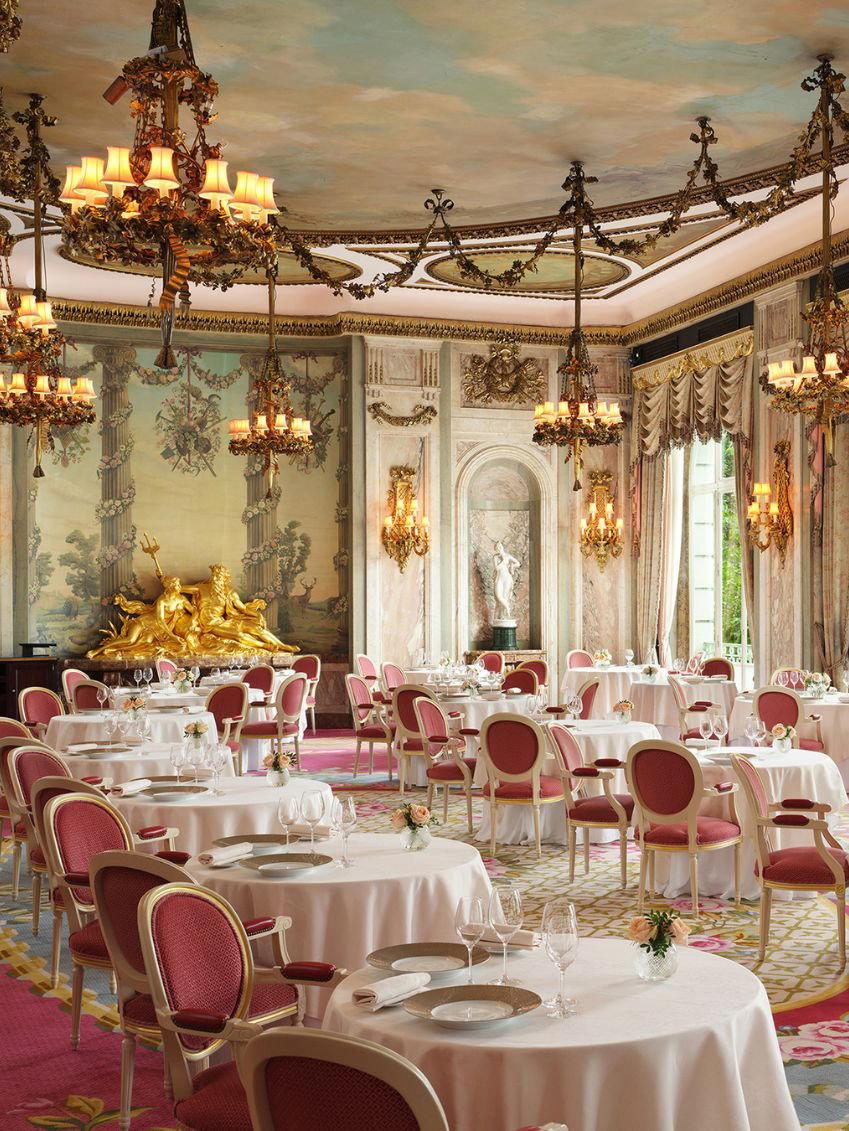
At a Glance
- Rustic
- Scenic
- Quiet
- Intimate
- Solo Exploration
- Wine Education
- Group Outing
- Special Occasion
- Estate Grounds
- Vineyard Tour
- Organic
- Biodynamic
- Vineyard
Small, working biodynamic estate in a Provençal village setting, with a direct, honest atmosphere that reflects Julien Mus’s meticulous yet down‑to‑earth approach to crafting lively, terroir-driven wines.