
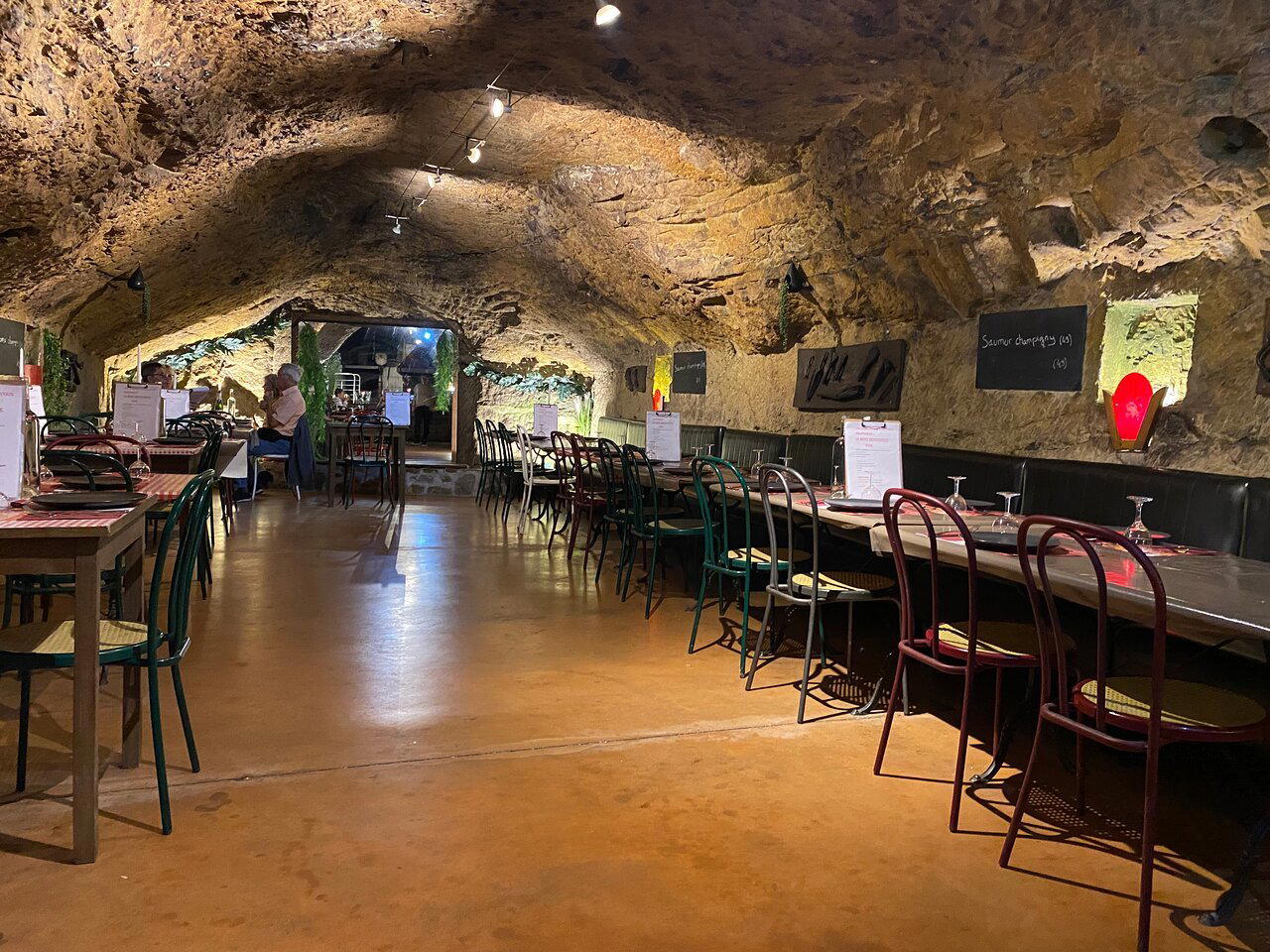
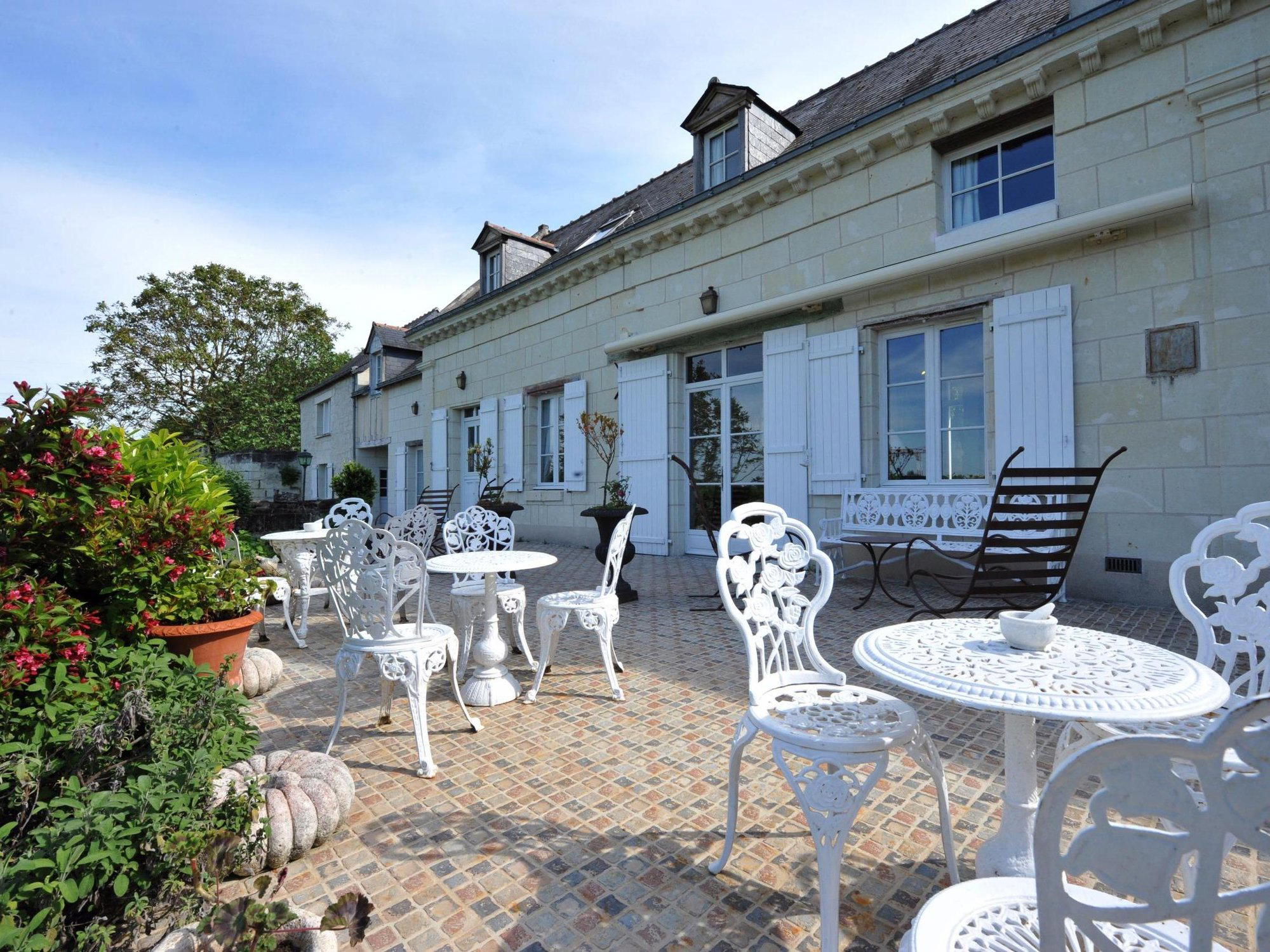
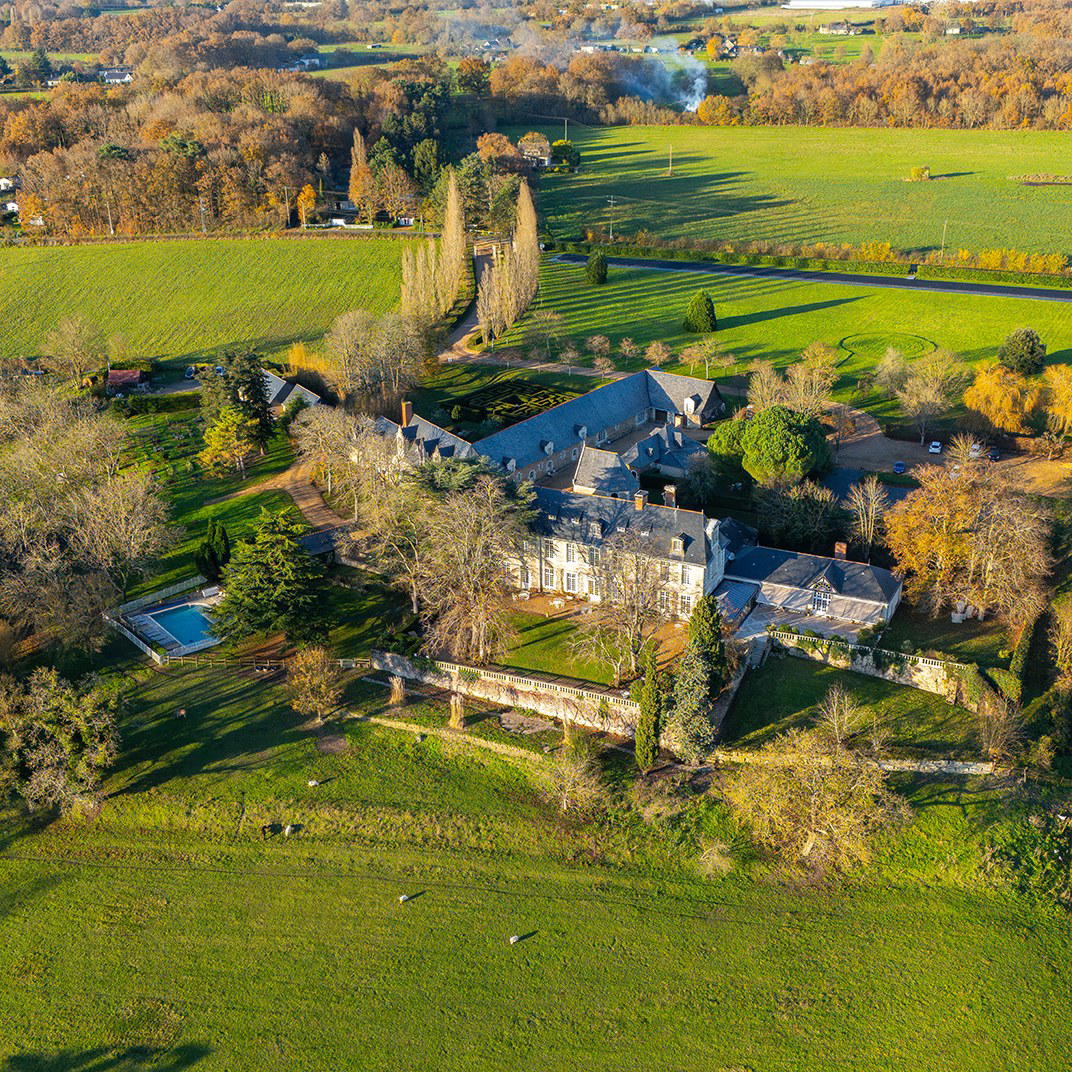
Domaine du Collier is a small Loire winery in Chace shaped by tuffeau limestone, old-vine Chenin Blanc and Cabernet Franc, and long barrel aging in troglodyte-style cellars. Its scale is intimate rather than polished, with natural viticulture, hand harvesting, and a portfolio built around site expression rather than breadth.
Pearl is the En Primeur Club membership app — saves, bookings, and concierge access live there. Same editors, same standards.
- Address
- Chacé, Center-Val de Loire, Frankreich
- Directions
- Get directions
 Saves & bookings on Pearl
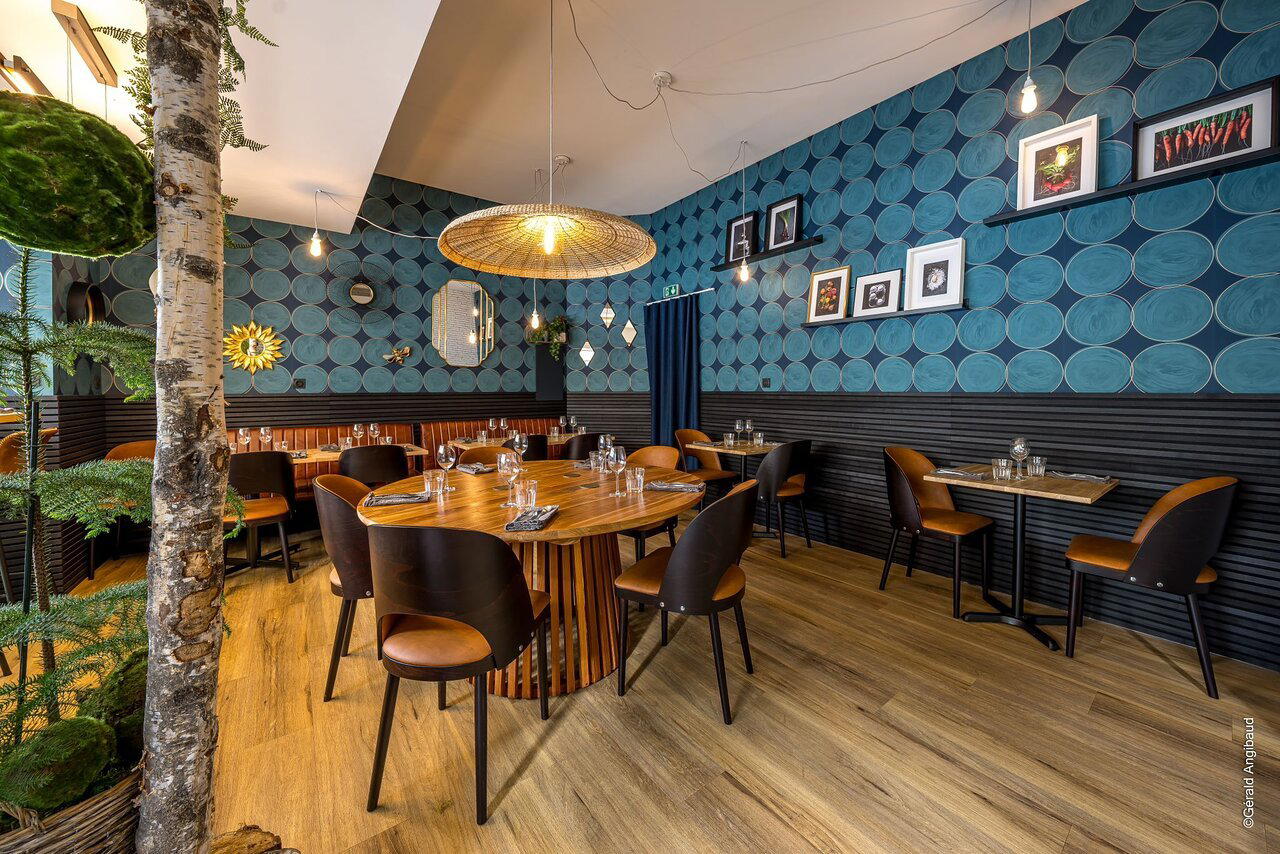
Domaine du Collier in Chace is best approached as a quiet, cellar-focused address rather than a broad hospitality stop. The picture is deliberately narrow: a $$$ venue with an artisanal feel, shaped by handcrafted work, long aging in oak barrels, and troglodyte-cellar winemaking. Its appeal is not built on spectacle, polished presentation, or a long list of public-facing details, but on a rustic, intimate sense of craft. That restraint is part of the point: the venue reads less like a place trying to explain everything in advance and more like one whose character is rooted in the cellar itself.
Chace rewards visitors who are comfortable with a slower, more focused kind of wine experience. For wider planning around the city, consider Domaine du Collier alongside other dining in Chace generically rather than relying on comparisons or detailed claims. It is best used as a specific, mood-driven anchor within a visit, especially for travelers who are drawn to quiet production spaces and the feeling of time, stone, wood, and handmade work.
Cellar-focused craft and long oak aging
The clearest reason to pay attention to Domaine du Collier is its cellar identity. The venue is described as natural, cellar-focused, and handcrafted, with long aging in oak barrels forming a central part of its character. Rather than leaning on menu-style details or specific production claims, the safest way to understand the venue is through its emphasis on patient cellar work and an artisanal approach. The language around it points repeatedly toward process rather than presentation: time in barrel, work done by hand, and a setting that keeps the focus underground and close to the wines.
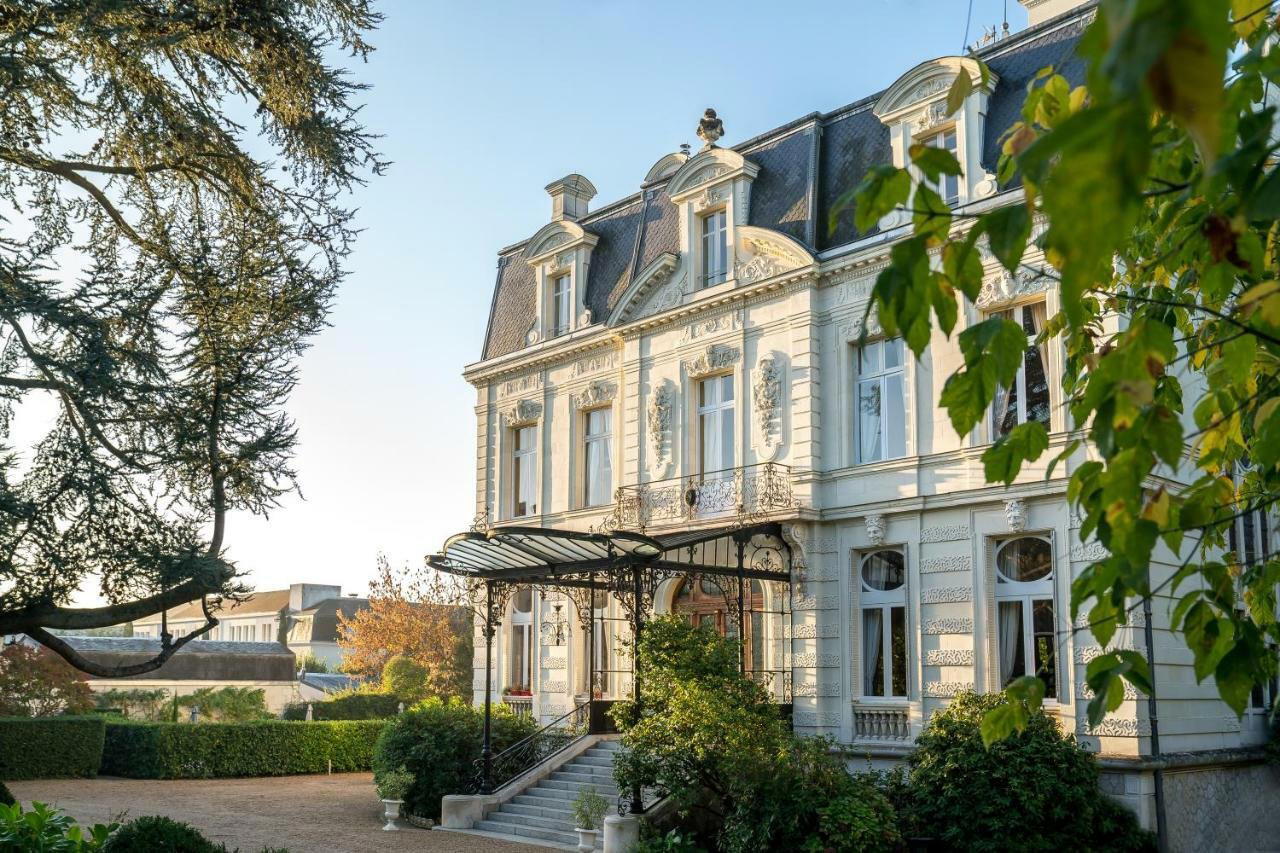
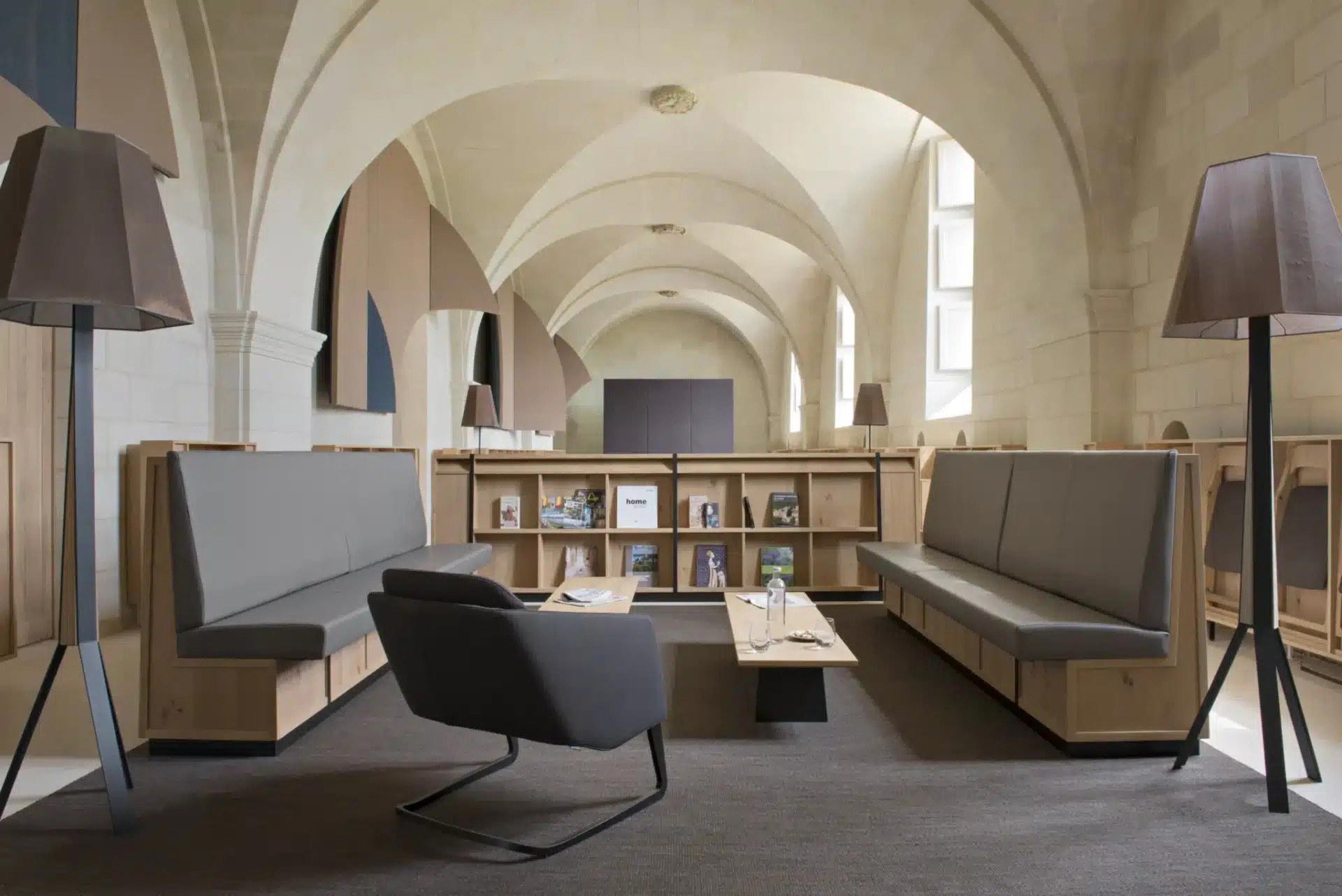
The troglodyte-cellar setting is also part of the character. That gives the venue a hidden, rustic quality and helps explain why it reads as intimate rather than polished or commercial. For visitors, the draw is the mood of the place as much as any single technical detail: quiet, handmade, cellar-led, and grounded in a sense of slow production. The cellar context matters because it shapes expectations. This is not a broad, all-purpose hospitality environment; it is better understood as a place where atmosphere and craft are closely linked.
What is clear is the broader profile: a $$$ Chace venue with a natural, handcrafted feel and long barrel aging at the center of its identity. Staying with that profile keeps the description accurate and useful, while still allowing the venue’s essential personality to come through.
A cellar-focused venue, not a hospitality machine
The winery fits best for visitors looking for a restrained, intimate wine stop in Chace. The atmosphere is described as quiet, rustic, and hidden-gem rather than formal or showy. That makes it better suited to people who value cellar character and artisanal production over a large-scale visitor experience. The appeal is not breadth, abundance, or a heavily staged sense of welcome; it is concentration, quietness, and the impression of a place shaped by slow work.
Instead, the editorial focus should stay on what is known: a cellar-led, handcrafted identity, long oak aging, and a troglodyte-cellar context that gives the place its distinctive feel. Those elements are enough to define the venue without turning it into something more elaborate than the available information supports.
In practical terms, the winery is a focused Chace address for people who want atmosphere, patience, and craft. Its value lies in the quietness of the setting and the sense that the wines are shaped by cellar time rather than by a broad hospitality program. Visitors who respond to that kind of narrow, artisanal identity are more likely to understand why the venue is compelling, even without a long catalogue of public details.
How it fits into a wider wine itinerary
Within a Chace itinerary, the winery is best framed as a focused, cellar-driven stop. Other dining options in Chace can round out a visit, but the winery itself should not be presented through comparisons, awards, scores, or detailed tasting claims. Its role is more precise: a quiet counterpoint to broader planning, and a reminder that not every worthwhile address needs to be described through rankings or expansive amenities.
The right comparison is simpler: this is not a venue to describe with invented specifics. It is a $$$, rustic, intimate, hidden-gem address where the appeal comes from natural, handcrafted production, long aging in oak barrels, and troglodyte-cellar winemaking. That is the stable core of the description, and it is also what makes the place distinctive within a concise itinerary.
The verdict is practical and restrained: come for a quiet sense of cellar craft, not for spectacle. The winery’s identity is narrow but compelling: Chace, long oak aging, an artisanal feel, and a rustic atmosphere shaped by troglodyte-cellar work. For the right visitor, that narrowness is not a limitation but the reason to pay attention.
Recognition history
Dated appearances from independent guides and award organizations, with the underlying list record or original source where available.
Falstaff Winery - Listed
Falstaff
Continue exploring
More in Chace
Wineries in Chace
Browse all →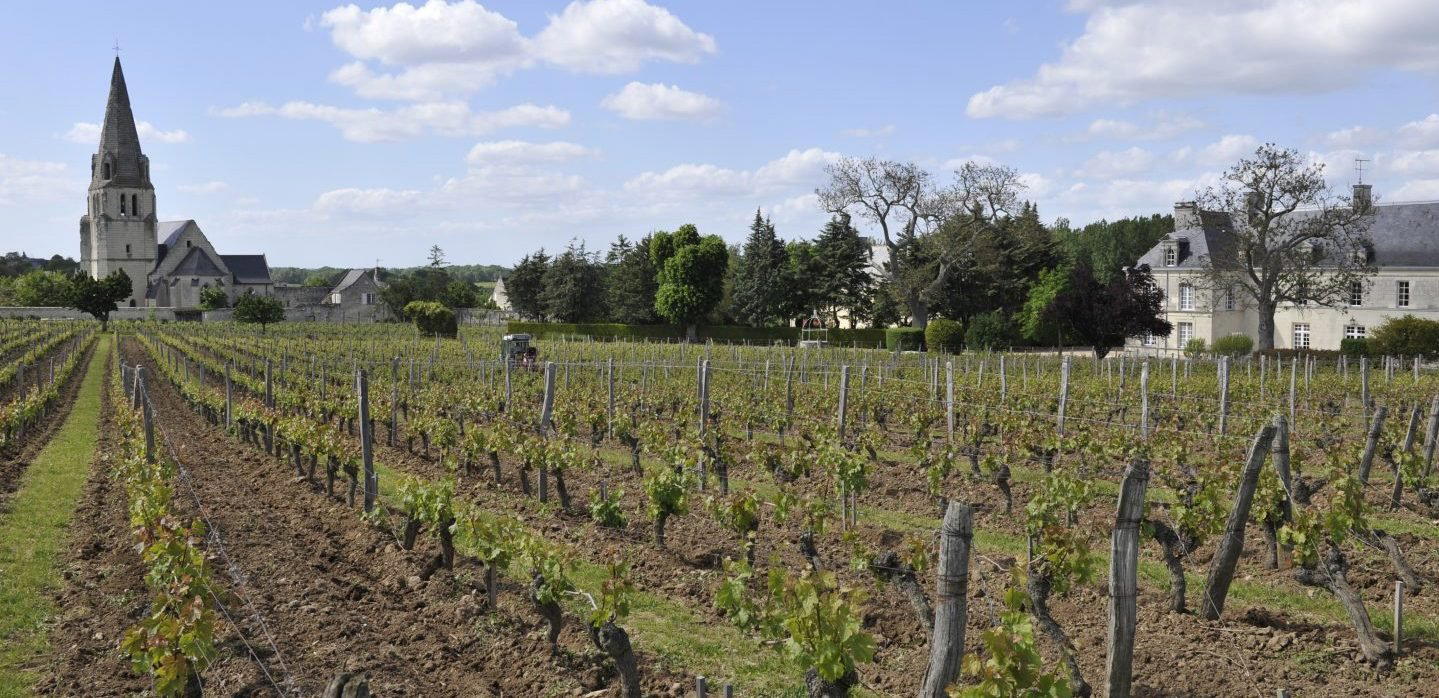
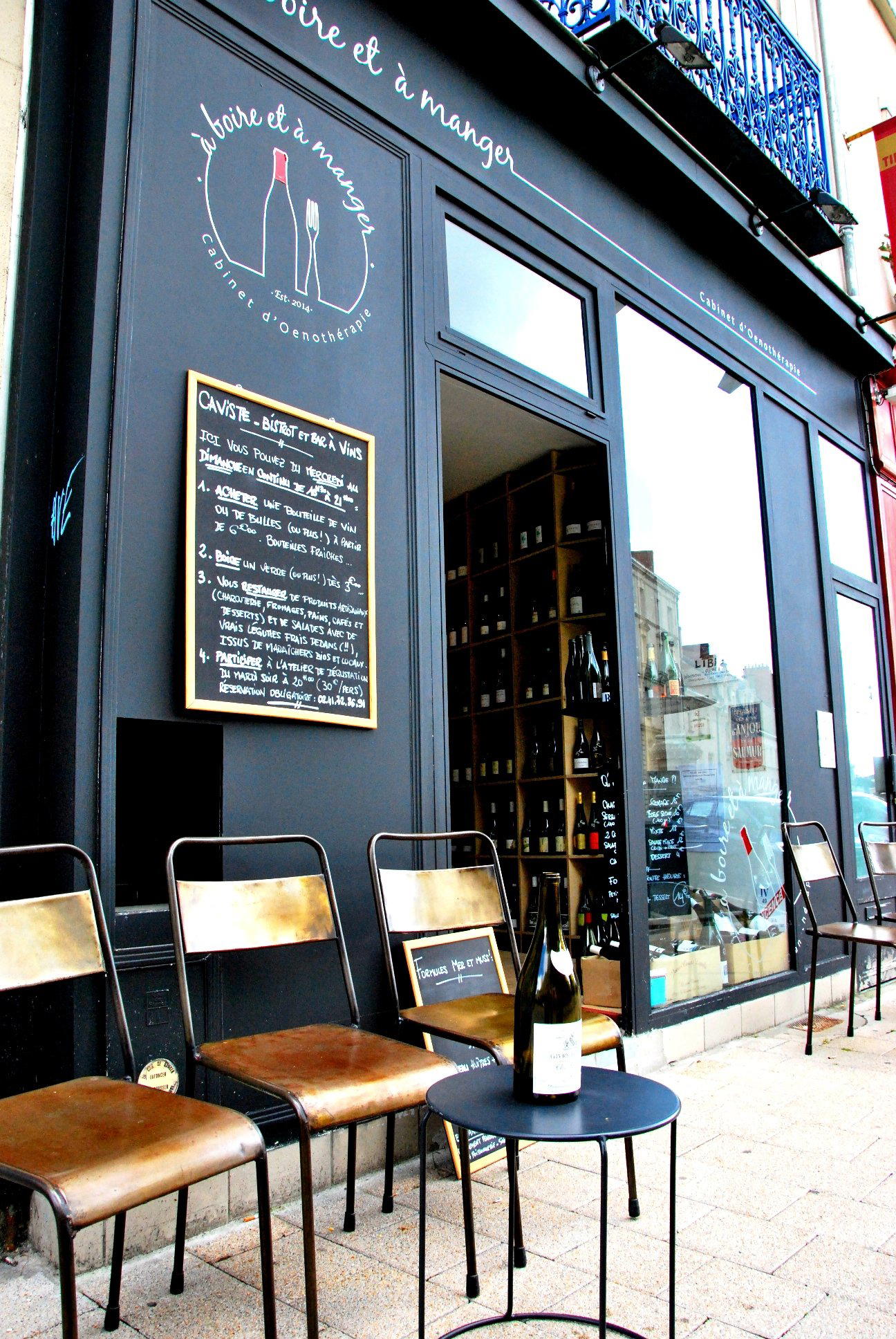
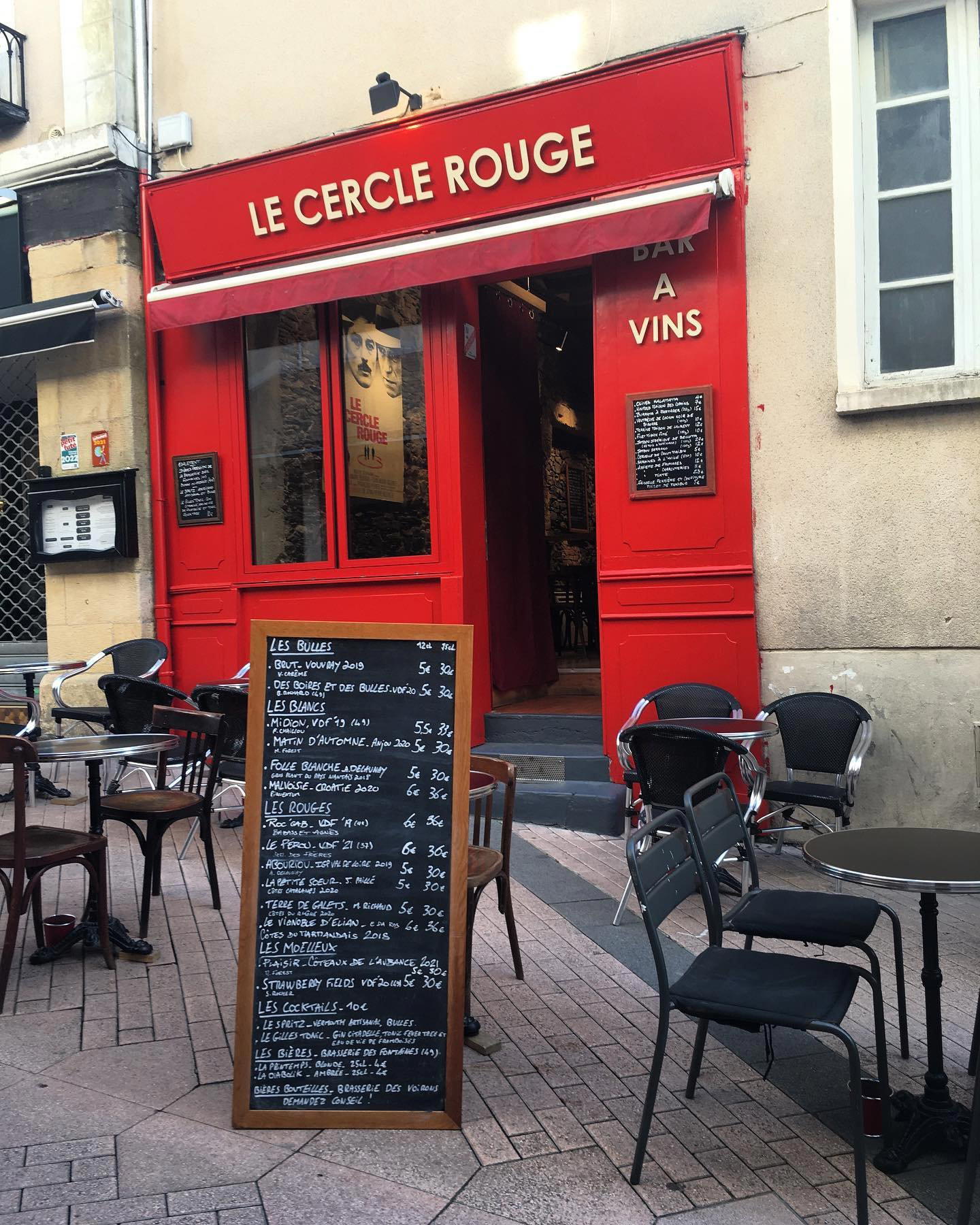
Bars in Chace
Browse all →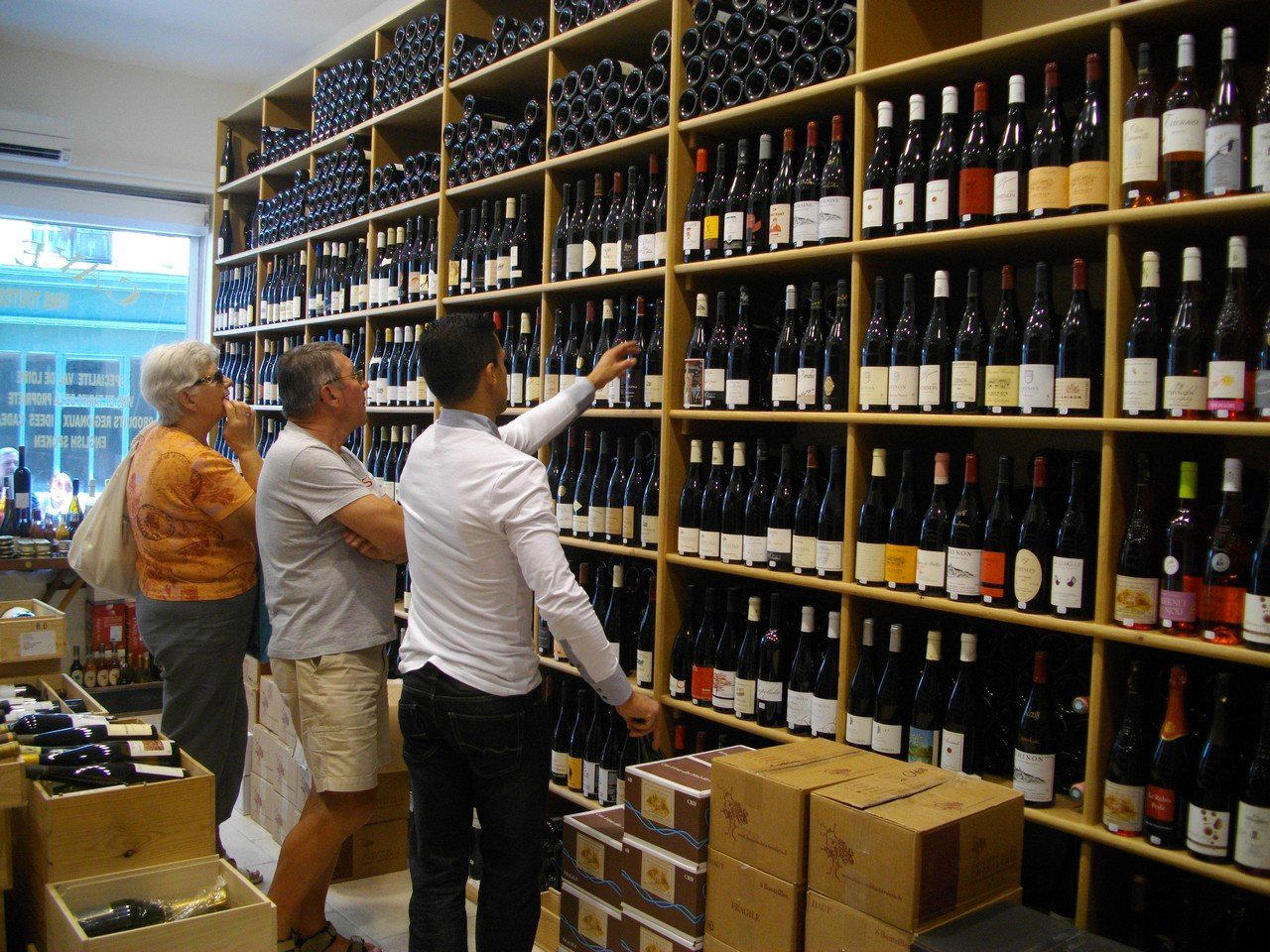
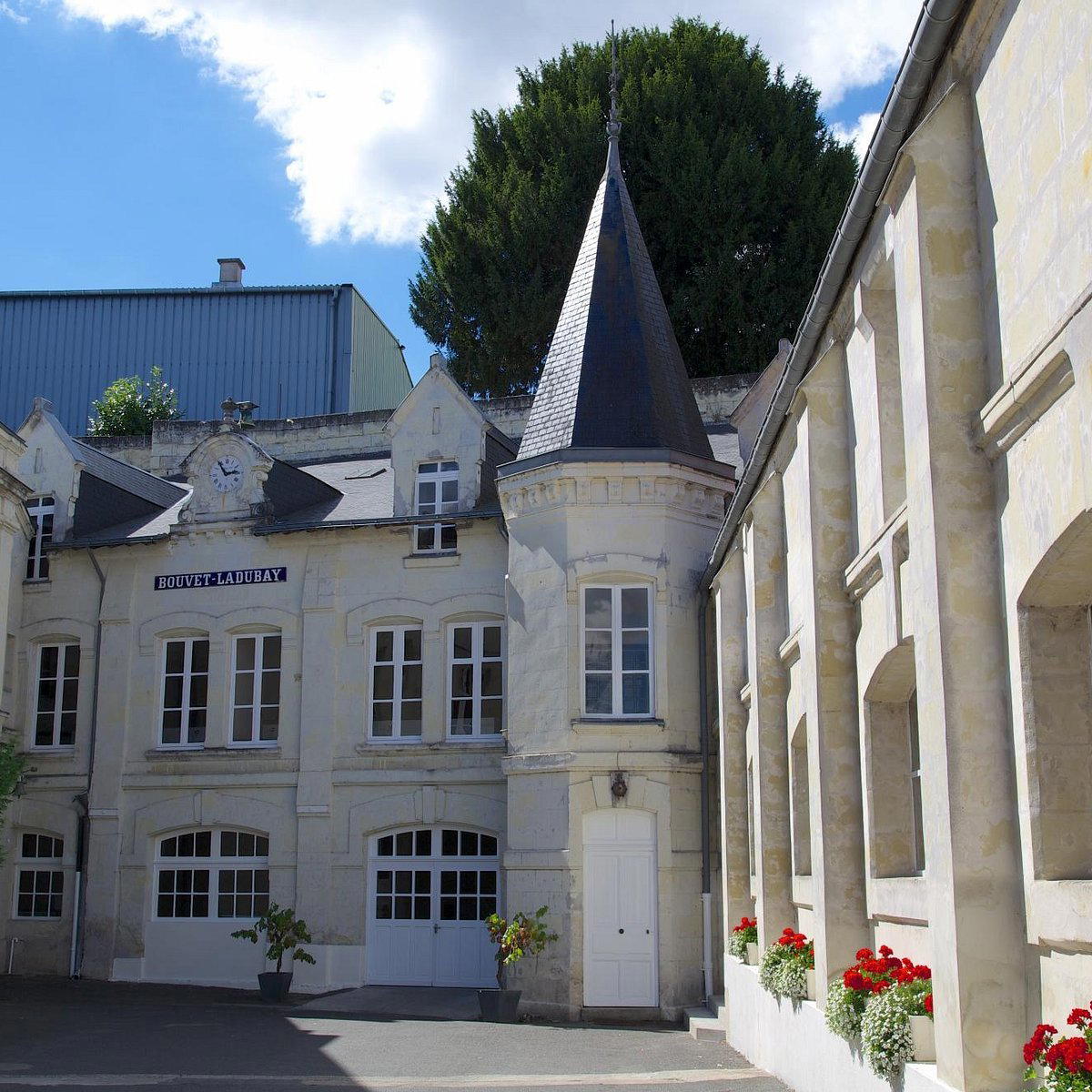
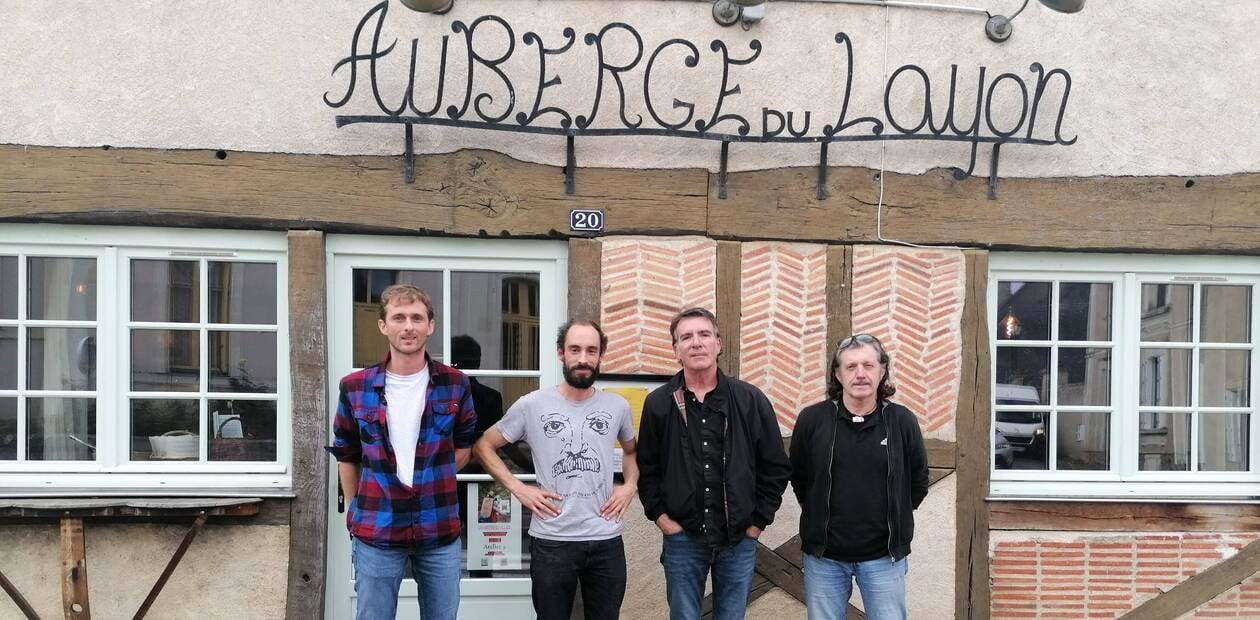
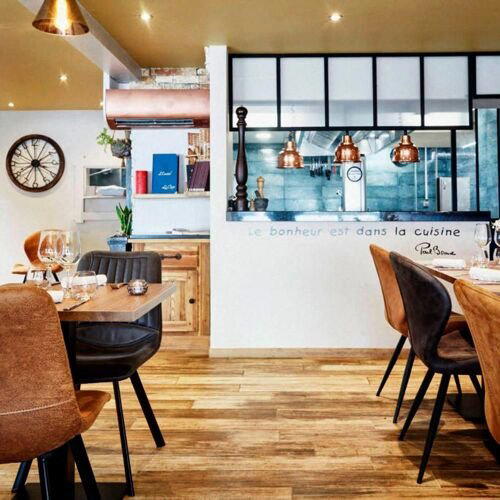
Restaurants in Chace
Browse all →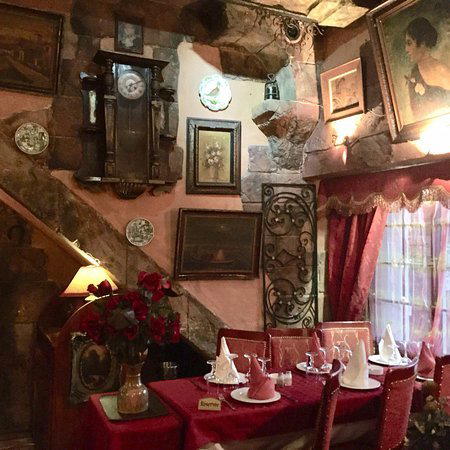
At a Glance
- Quiet
- Rustic
- Intimate
- Solo Exploration
- Special Occasion
- Wine Education
- Historic Building
- Private Tasting
- Organic
- Vineyard
- Saumur Champigny AOC
- Chenin Blanc
- Cabernet Franc
- Still White
- Still Red
- Cellar Tasting
Natural, cellar-focused, and handcrafted, with long aging in oak barrels and troglodyte-cellar winemaking creating an artisanal feel.