Château de Villeneuve

Château de Villeneuve is a terroir-led Loire estate in Souzay Champigny, focused on Cabernet Franc and Chenin Blanc grown on tuffeau limestone above the river. The draw is less spectacle than geological clarity: organic farming, old vines, troglodyte cellars held at 12°C, and a family handover that keeps the domaine’s Saumur-Champigny identity intact.
Pearl is the En Primeur Club membership app — saves, bookings, and concierge access live there. Same editors, same standards.
- Address
- Souzay-Champigny, Center-Val de Loire, Frankreich
- Directions
- Get directions
 Saves & bookings on Pearl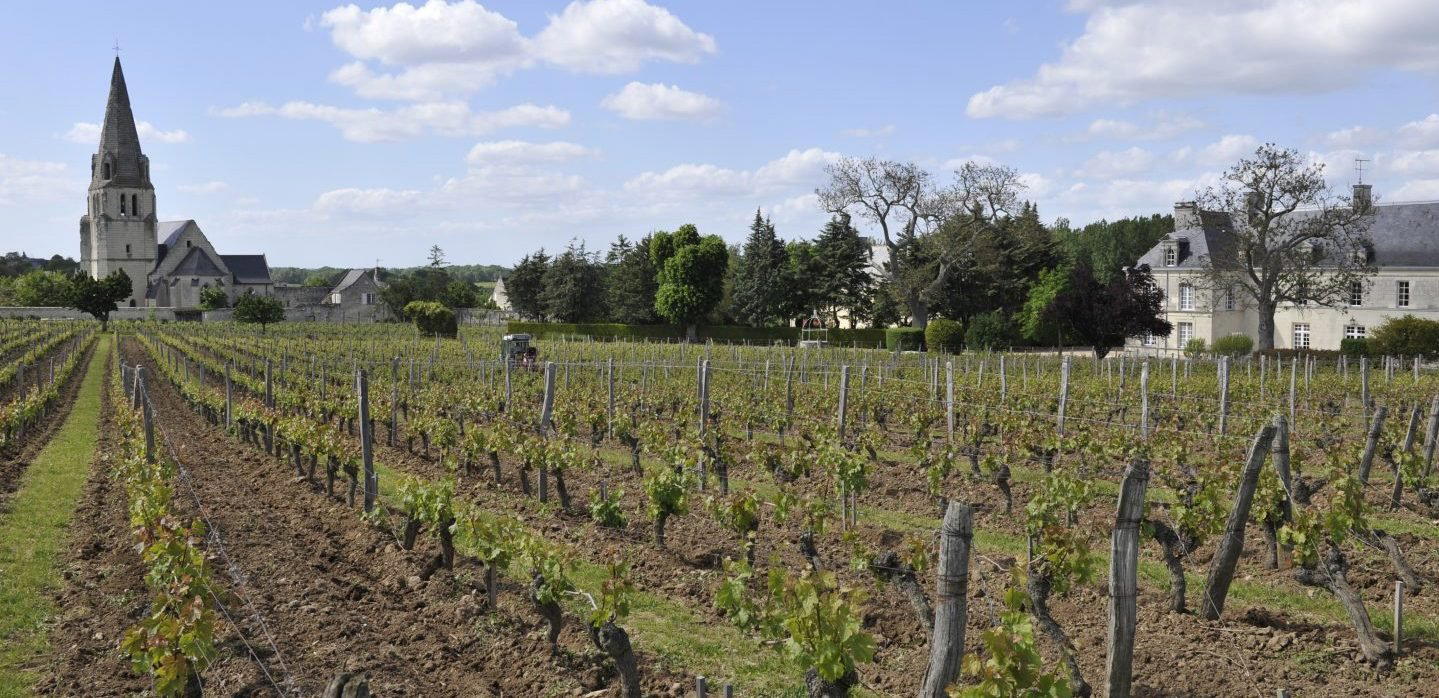
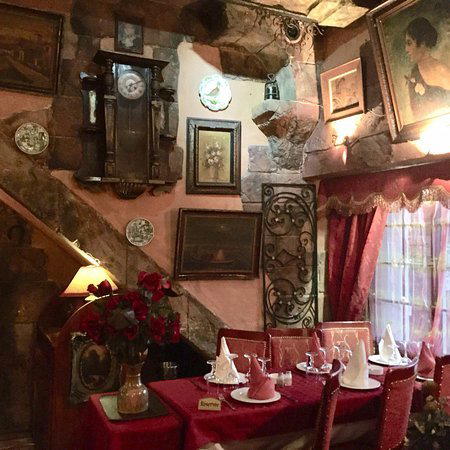
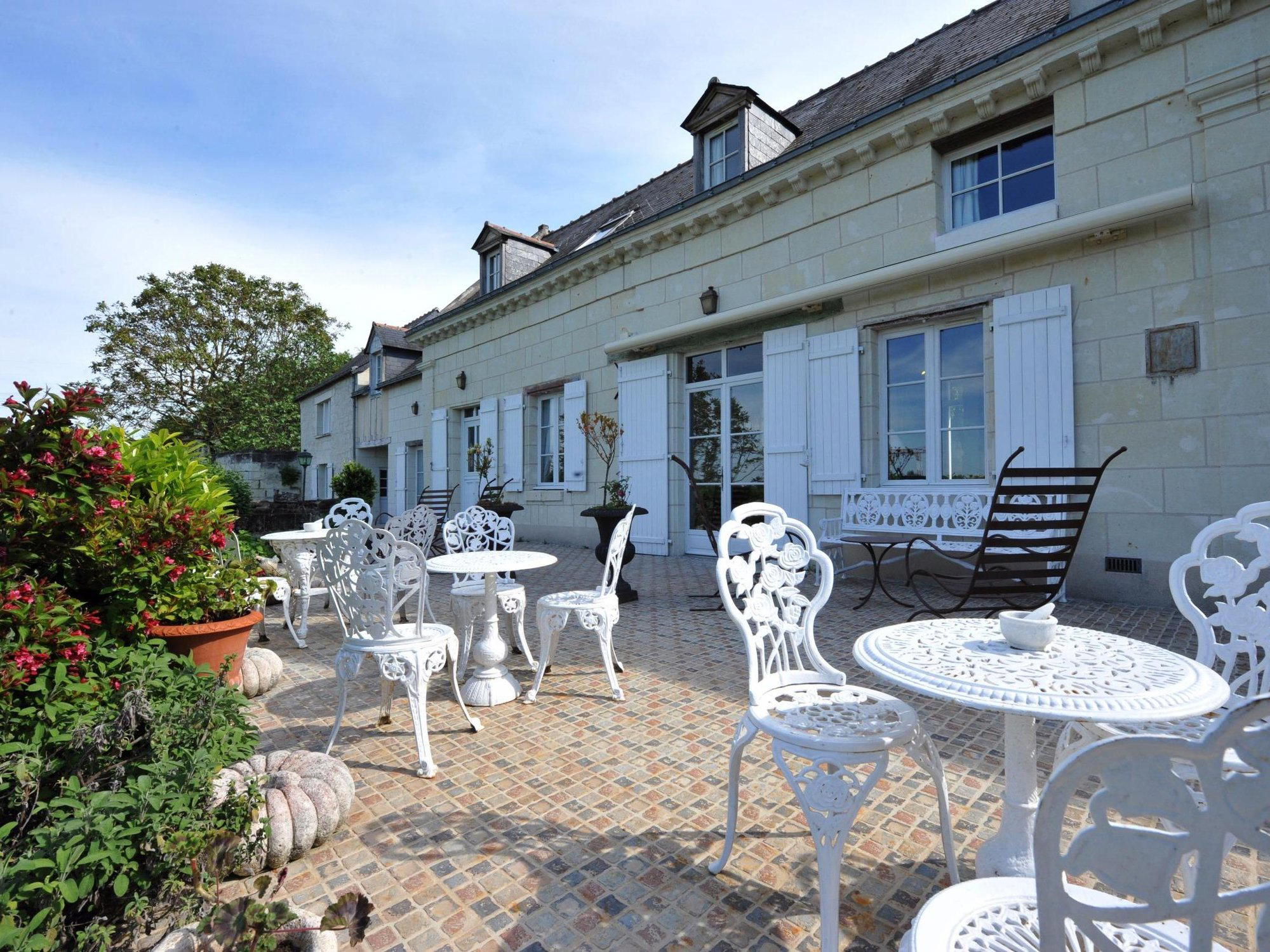
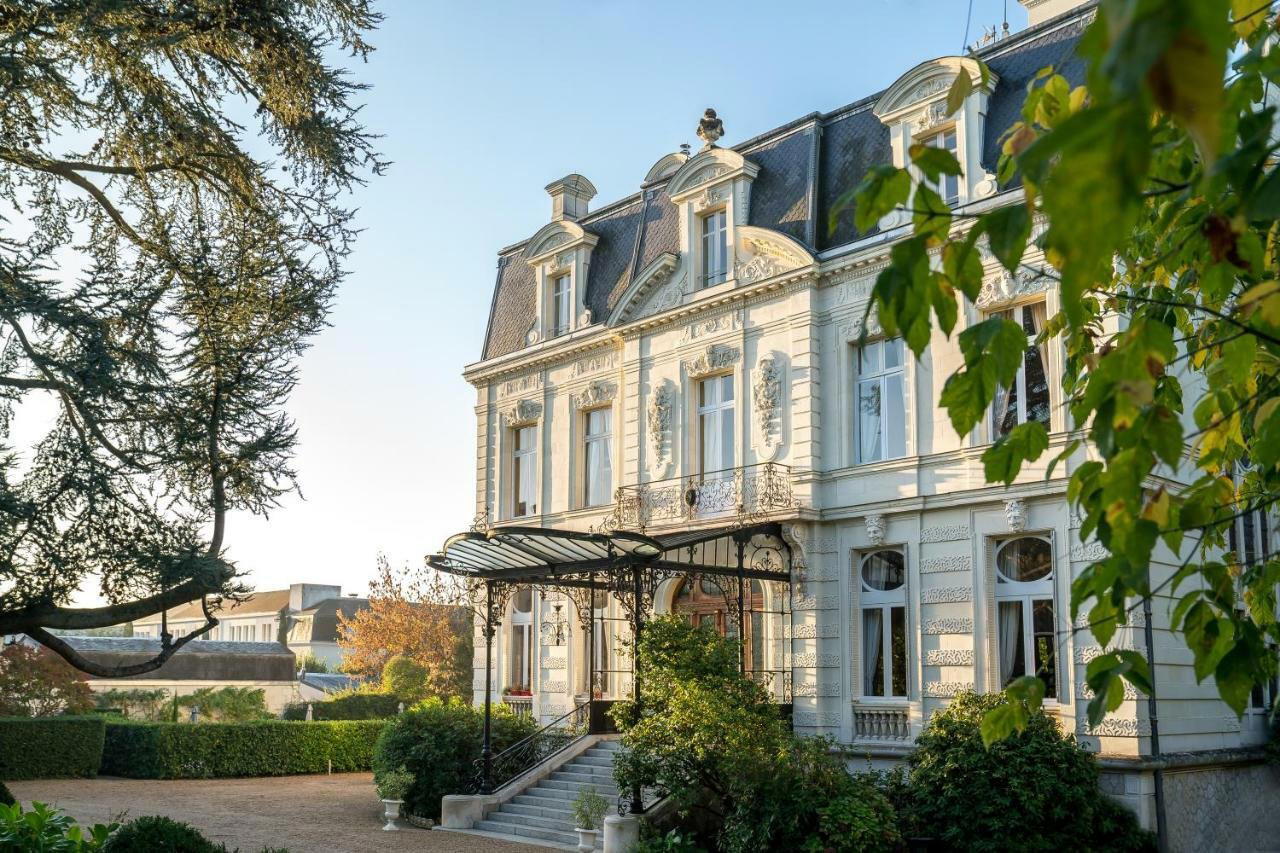
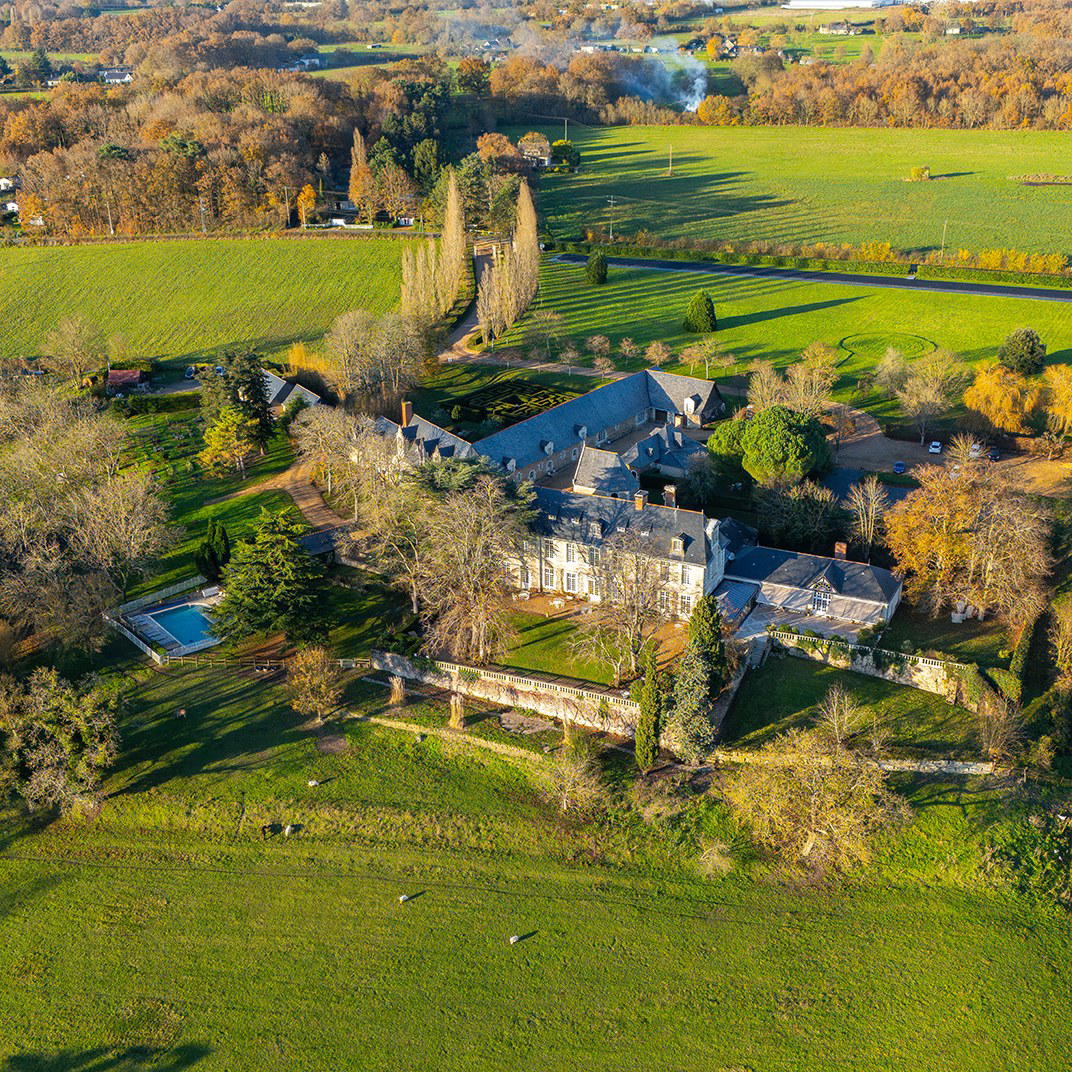
In Souzay Champigny, Château de Villeneuve is best understood through its setting: a historic Loire Valley estate perched above the river, with cellars carved into tuffeau stone. The picture is focused and atmospheric rather than data-heavy: classic, scenic and rustic, with a quiet benchmark feel built around the local relationship between limestone, river landscape and wine. It is the sort of profile where the physical context does much of the communicating, and where the restraint of the description is part of the appeal rather than a weakness.
The estate’s stated focus is terroir-driven Cabernet Franc and Chenin Blanc. What can be said with confidence is that the appeal rests on place: Loire Valley stone, river views, cellar culture and a restrained setting for wines associated with Cabernet Franc and Chenin Blanc. Particularly reliable reading is therefore not to over-specify the wines, but to see them through the setting that frames them: limestone, river air, historic architecture and a calm sense of regional continuity.
Tuffeau, river air and Cabernet Franc without excess
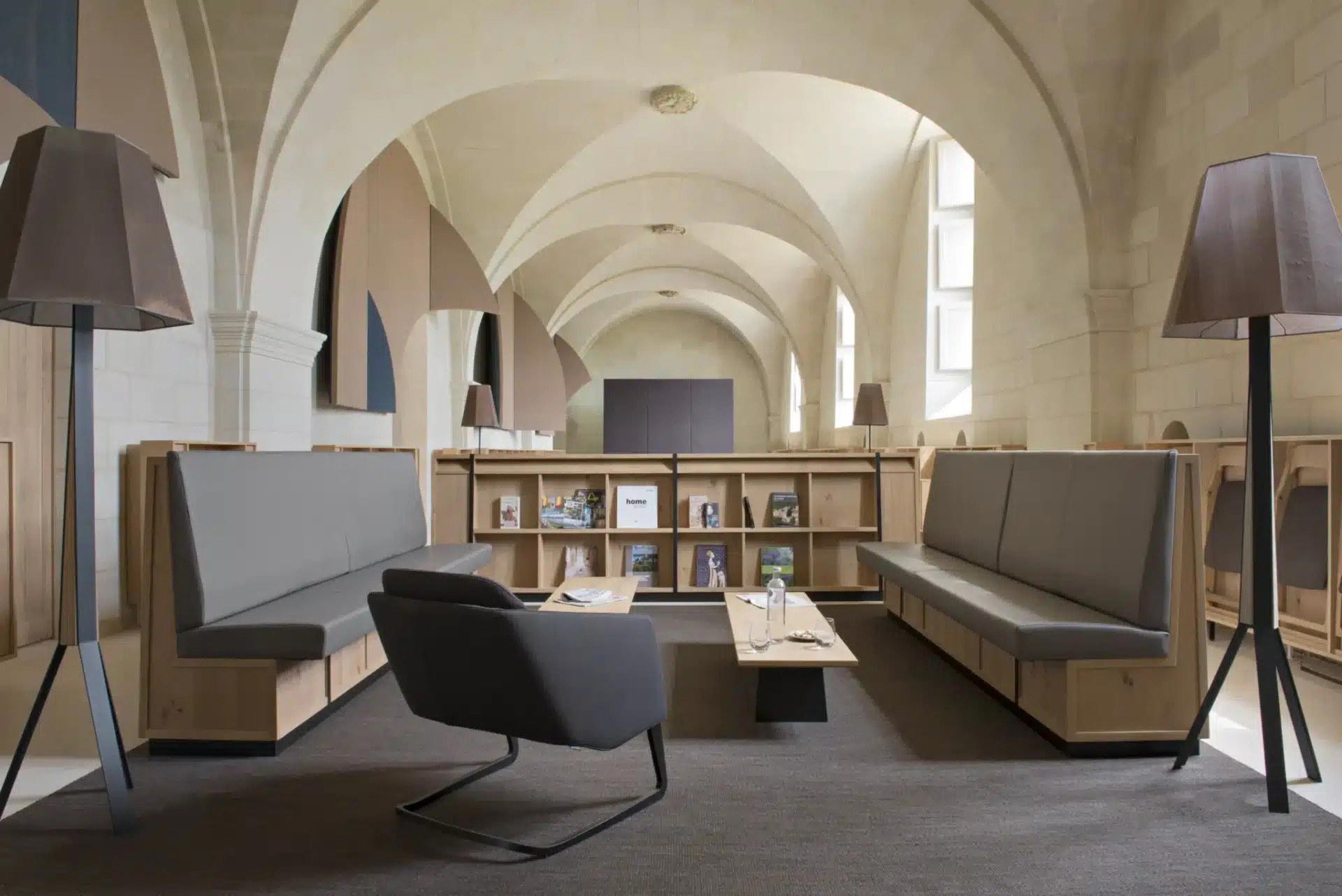
Château de Villeneuve’s strongest identity is geological and scenic. The cellars are carved into tuffeau stone, connecting the estate directly to one of the defining materials of the Loire Valley. Rather than treating the caves as a decorative backdrop, the setting makes limestone part of the experience: the same pale stone that shapes the region’s visual character also frames the way visitors understand the wines. That matters because the estate is not presented here through a dense catalogue of technical claims; it is presented through the convergence of stone, slope, river and cellar.
A careful reading should therefore stay broad: this is a terroir-led Loire estate where Cabernet Franc is part of the core appeal, presented in a classic and quietly benchmark atmosphere. The phrase “without excess” is useful here, because the venue’s identity does not need embellishment. Its strength is in the clean alignment between grape, landscape and the kind of cellar setting that makes a Loire visit feel rooted rather than staged.
The river setting matters as atmosphere as much as geography. Château de Villeneuve is described as perched above the river, giving the estate a scenic Loire Valley character. That combination of refined estate, carved cellars and restrained rural tone is the clearest grounded reason to include it in a Souzay Champigny wine itinerary. The view, the stone and the estate setting work together, suggesting a visit that is less about spectacle and more about a composed sense of place.
Old vines, named parcels and the shape of the range
Rather than inventing a range structure, the honest way to frame the winery is as a venue focused on terroir-driven Cabernet Franc and Chenin Blanc within a historic Loire estate setting. The editorial value here lies in keeping the profile precise: the estate belongs in the conversation because its stated grapes and its physical setting reinforce each other.
Chenin Blanc is the other clearly identified grape in the venue profile. As with the Cabernet Franc, there is not enough confirmed information here to make claims about specific soils, barrel programs, lees aging, sweetness level, cellar potential or individual bottlings. What remains grounded is the pairing of Cabernet Franc and Chenin Blanc with tuffeau cellars, river scenery and a classic Loire Valley atmosphere. That pairing also gives the estate a broader Loire vocabulary without requiring assumptions about style or range.
That thinner but cleaner profile is still useful. For travelers comparing options in Souzay Champigny, the winery is distinctive less through technical detail than through a strongly legible sense of place: historic estate, river perch, carved limestone cellars and a calm focus on Loire terroir. In practical editorial terms, it is better to leave the gaps visible than to fill them with unsupported detail, because the confirmed elements already create a coherent and appealing picture.
How to read the visit in Souzay Champigny
Approach the winery as a scenic, wine-focused estate in Souzay Champigny rather than as a venue defined by confirmed service details. The information supports a classic, rustic and quietly benchmark mood, but it does not confirm reservation rules, tasting formats, group capacity, food service, opening hours or accessibility specifics. That means the estate should be read as a strong anchor for a wine-minded stop, not as a fully specified visitor-service listing.
For a wider itinerary, treat Souzay Champigny as a Loire wine stop and keep the plan flexible. Build the wine side around the winery and other unnamed local options, then layer meals, stays, drinks or non-wine time from broader Souzay Champigny planning resources where current details can be checked directly. Readers mapping broader European wine routes can compare regional cellar cultures generically, but the winery remains the only named venue used here for this Souzay Champigny guide. Its role is clear: a place-led Loire estate profile, anchored by tuffeau cellars, river scenery and the stated focus on Cabernet Franc and Chenin Blanc.
Recognition history
Dated appearances from independent guides and award organizations, with the underlying list record or original source where available.
Falstaff Winery - Listed
Falstaff
Continue exploring
More in Souzay Champigny
Wineries in Souzay Champigny
Browse all →
Bars in Souzay Champigny
Browse all →
Restaurants in Souzay Champigny
Browse all →
At a Glance
- Classic
- Scenic
- Rustic
- Well Known
- Quiet
- Wine Education
- Romantic Getaway
- Group Outing
- Solo Exploration
- Special Occasion
- Cave Tasting
- Barrel Room
- Vineyard Tour
- Estate Grounds
- Waterfront
- Historic Building
- Organic
- Sustainable
- Waterfront
- Vineyard
- Saumur Aoc; Saumur Champigny AOC
- Cabernet Franc
- Chenin Blanc
- Still Red
- Still White
- Cellar Tasting
- Estate Tasting
- Vineyard Focused Tasting
Historic Loire Valley estate perched above the river with cellars carved into tuffeau stone, offering a classic, scenic and quietly benchmark atmosphere focused on terroir-driven Cabernet Franc and Chenin Blanc.