
Falstaff Winery - Listed
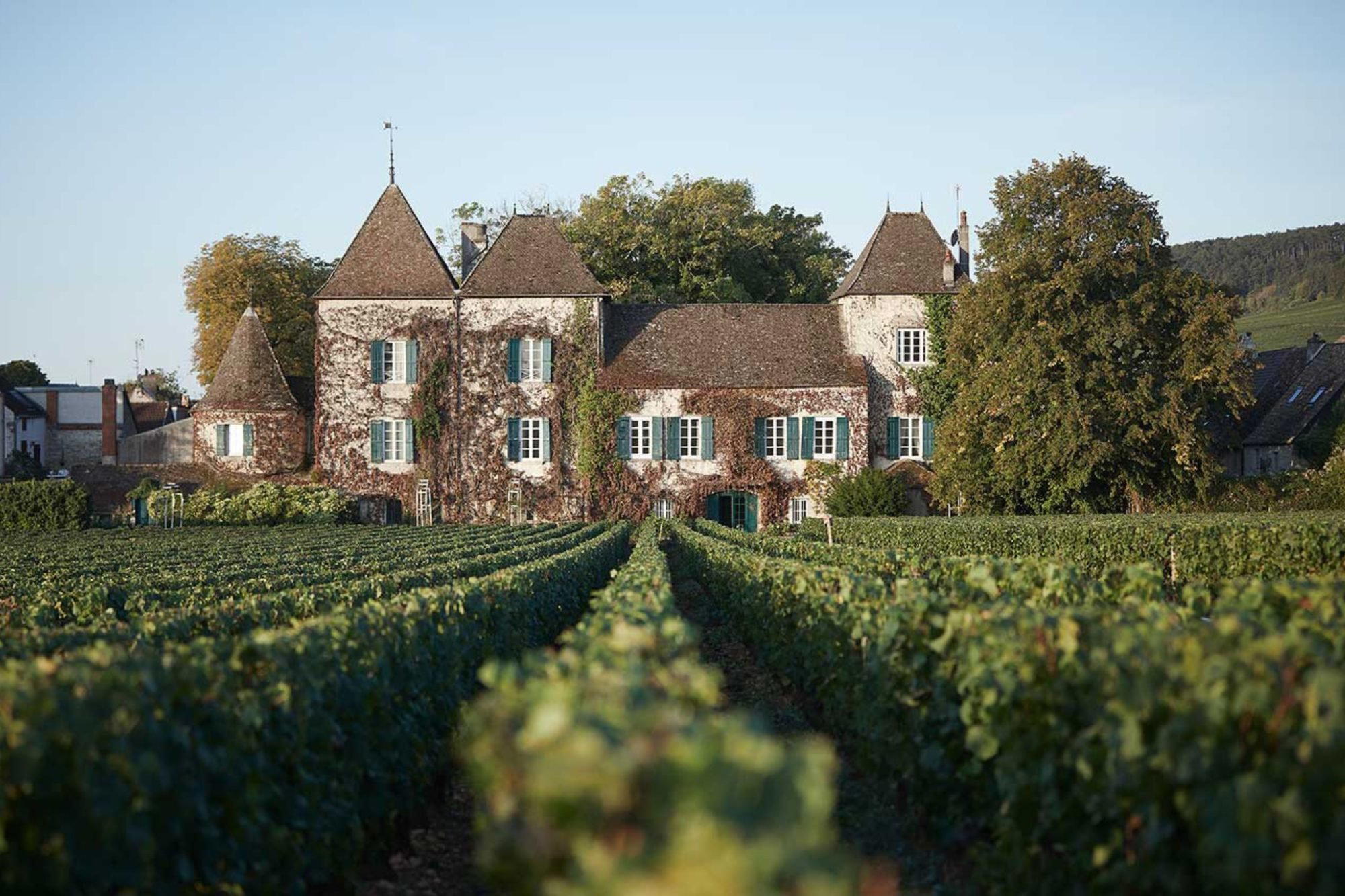
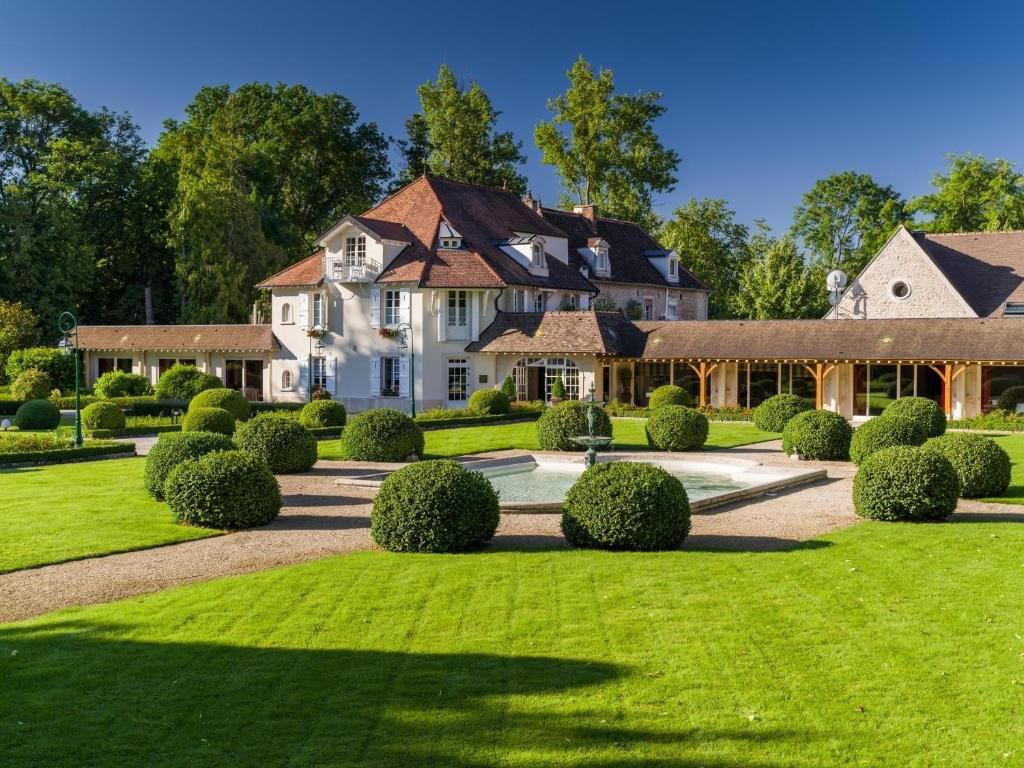
Domaine de Suremain is a historic family-run Burgundy estate in Mercurey, rooted at Château de Bourgneuf and focused on site-led Pinot Noir and Chardonnay. Its 18 hectares, Premier Cru holdings, manual harvest, open-oak fermentation and restrained barrel regime make it a clear lens on Côte Chalonnaise terroir rather than a glossy tasting-room production.

Pearl is the En Primeur Club membership app — saves, bookings, and concierge access live there. Same editors, same standards.
- Address
- 71 Grande Rue, 71640 Mercurey, France
- Phone
- +33 3 85 98 04 92
- Hours
- Mon–Fri 9 AM–12 PM, 2–5 PMSat 9:30 AM–12 PMSun Closed
- Website
- domaine-de-suremain.com
- Directions
- Get directions
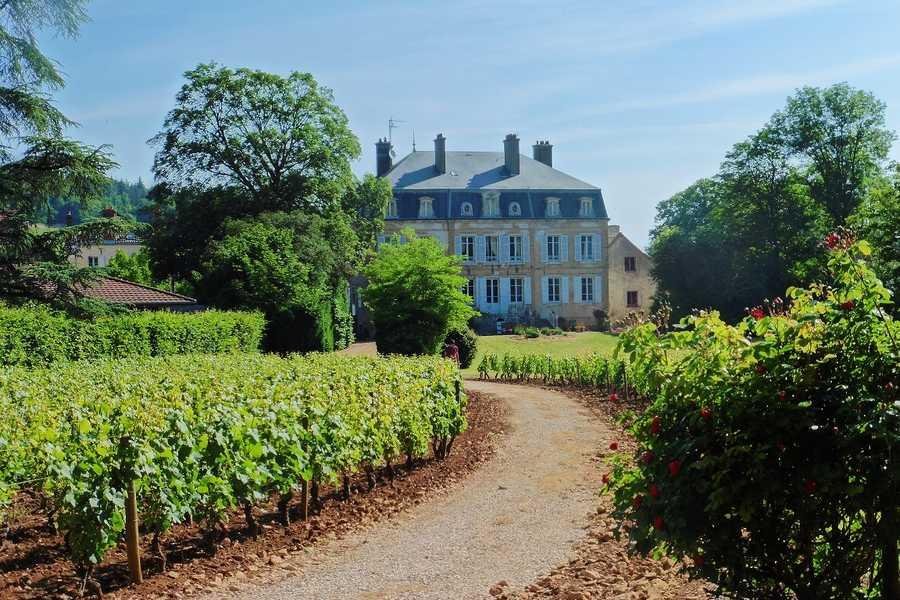
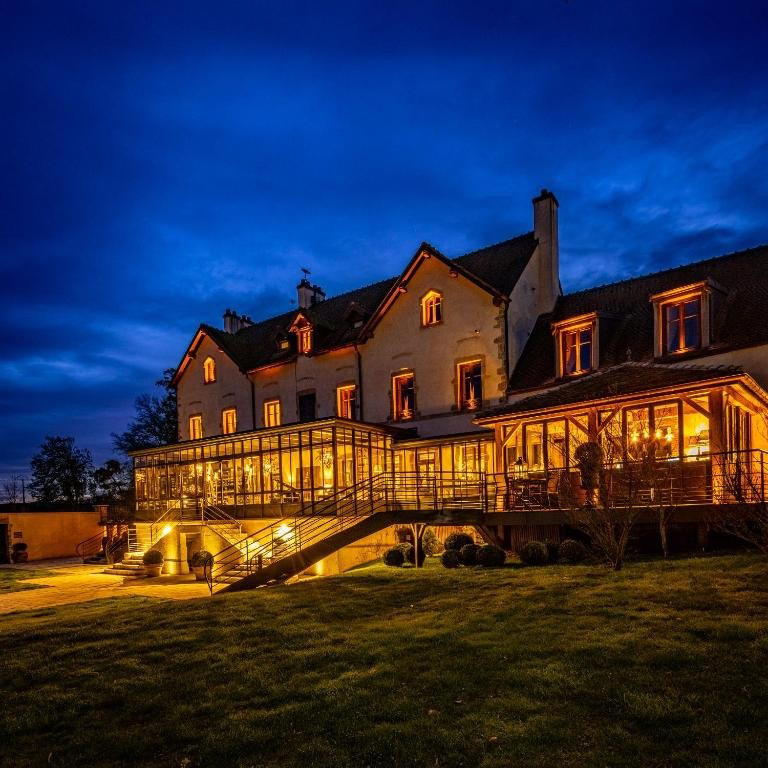
Domaine de Suremain is a historic, family-run Burgundy estate in Mercurey. The profile is concise but clear: this is a classic, terroir-driven domaine focused on wines from the surrounding vineyards, with a rustic, scenic and intimate character rather than a spectacle-driven presentation. Its appeal comes from that restraint. Nothing in the available description points toward a heavily staged hospitality model or a concept built around novelty; instead, the estate reads as a grounded Burgundy address where place, continuity and vineyard identity do most of the talking.
Mercurey through place, not cellar theatre
The useful way to read Domaine de Suremain is through its setting in Mercurey and its focus on classic Burgundy expression. The estate’s appeal is grounded in place: surrounding vineyards, a historic family-run identity and a style presented as terroir-driven rather than trend-led. In practical editorial terms, that means the domaine should not be approached as a venue whose main value lies in performance, design or a highly elaborate visitor script. It is better understood as part of the Mercurey landscape itself, with the wines and the estate identity forming the central experience.
For visitors or buyers approaching Mercurey, that makes Domaine de Suremain a direct reference point for Burgundy with a local, estate-based character. The point is not that it offers the broadest possible interpretation of the region, but that it offers a focused one: a family-run estate associated with its surrounding vineyards and with the classic language of Burgundy. That kind of profile can be especially useful in Mercurey, where the most rewarding visits are often those that make the connection between village, vineyard and bottle feel close rather than abstract.
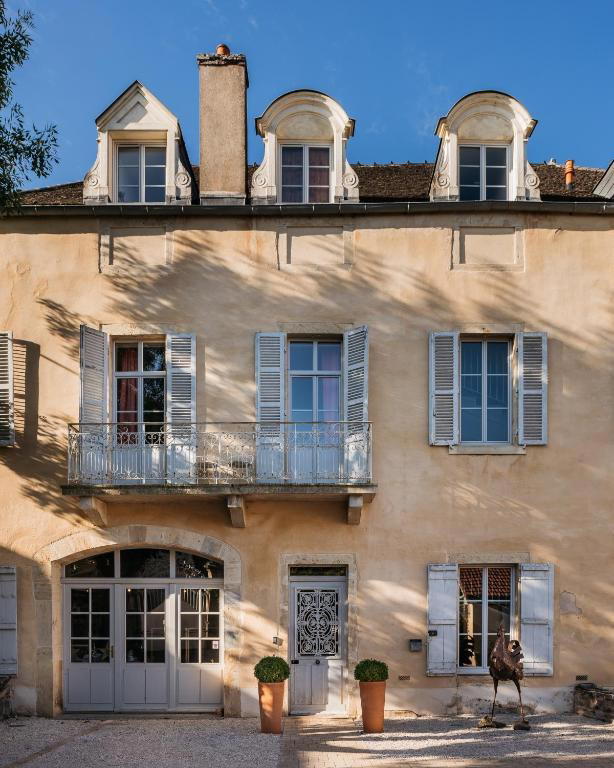
What can be said with confidence is that the domaine sits within a classic Mercurey frame: historic, rural, wine-focused and closely tied to its surrounding vineyards. Its character is best understood as intimate and scenic rather than urban or highly formal. That distinction matters, because it sets expectations correctly. Domaine de Suremain is not being presented as a place to seek out a grand hospitality production; it is being presented as a Burgundy estate whose sense of place is the point. The rustic quality should be read positively here, as part of a traditional, locally anchored wine-country identity.
Classic Burgundy character in a family-run setting
Domaine de Suremain is presented as a family-run Burgundy estate with a classic, rustic feel. That matters for readers looking for a Mercurey stop where the emphasis is on estate identity and terroir rather than a broad hospitality concept. The family-run aspect gives the profile a human scale, while the historic and rustic notes suggest continuity rather than reinvention. For an EP Club reader, the attraction is therefore less about checking off a polished luxury venue and more about encountering a domaine that appears to keep its attention on the fundamentals: vineyard origin, Burgundy character and a setting that remains closely tied to Mercurey.
The price indication is $$$, placing it in a premium bracket. That should be understood in line with the rest of the description: a serious Burgundy estate, not an inexpensive casual stop. The premium positioning also reinforces the need to approach it with appropriate expectations. The value proposition is not described through extras, entertainment or an expanded dining format, but through the estate’s place in Mercurey, its family-run identity and its terroir-driven focus. In other words, the price signal sits alongside the seriousness of the domaine rather than replacing the need to understand its character.
That caution is part of an accurate reading of the venue. The existing information supports a clear editorial shape, but not a detailed logistical promise. Anyone building a visit around the estate should therefore keep the description focused and practical: historic, family-run, scenic, rustic and rooted in the wines of the surrounding vineyards, with direct confirmation needed for the specifics of any visit.
How to place the estate in a Mercurey itinerary
In a Mercurey itinerary, Domaine de Suremain is best framed as a historic Burgundy estate with a terroir-driven focus. It suits visitors who want a classic, scenic and intimate wine-country experience rather than a venue defined by restaurant-style service or a documented tasting-menu format. The estate’s role in an itinerary is therefore quite specific. It can anchor a day around the idea of Mercurey as a wine place first: a village and vineyard setting where the reason to stop is the domaine’s connection to its land, history and Burgundy style.
Other dining and wine options in Mercurey can be considered generically around it, but the core reason to include Domaine de Suremain is the estate itself: its family-run Burgundy identity, its Mercurey setting and its focus on wines from surrounding vineyards. That makes it more of a focused wine-country reference than a catch-all hospitality address. Visitors who are happiest with this kind of stop will likely be those who value context, quietness and a clear sense of origin over extensive programming. The domaine belongs in an itinerary when the aim is to understand Mercurey through an estate-based lens.
The editorial case for Domaine de Suremain is strongest for readers seeking a grounded Burgundy stop in Mercurey at a $$$ level. The facts support a restrained description: historic, family-run, classic, rustic, scenic and terroir-driven. That restraint is not a weakness; it is the most accurate way to present the estate. Domaine de Suremain’s profile is compelling precisely because it does not need to be inflated into something broader than the available information allows. Within the limits of what is known, it stands as a serious, place-led Burgundy address where the surrounding vineyards and the family-run estate identity remain central.
Recognition history
Dated appearances from independent guides and award organizations, with the underlying list record or original source where available.
Falstaff Winery - Listed
Falstaff
Continue exploring
More in Mercurey
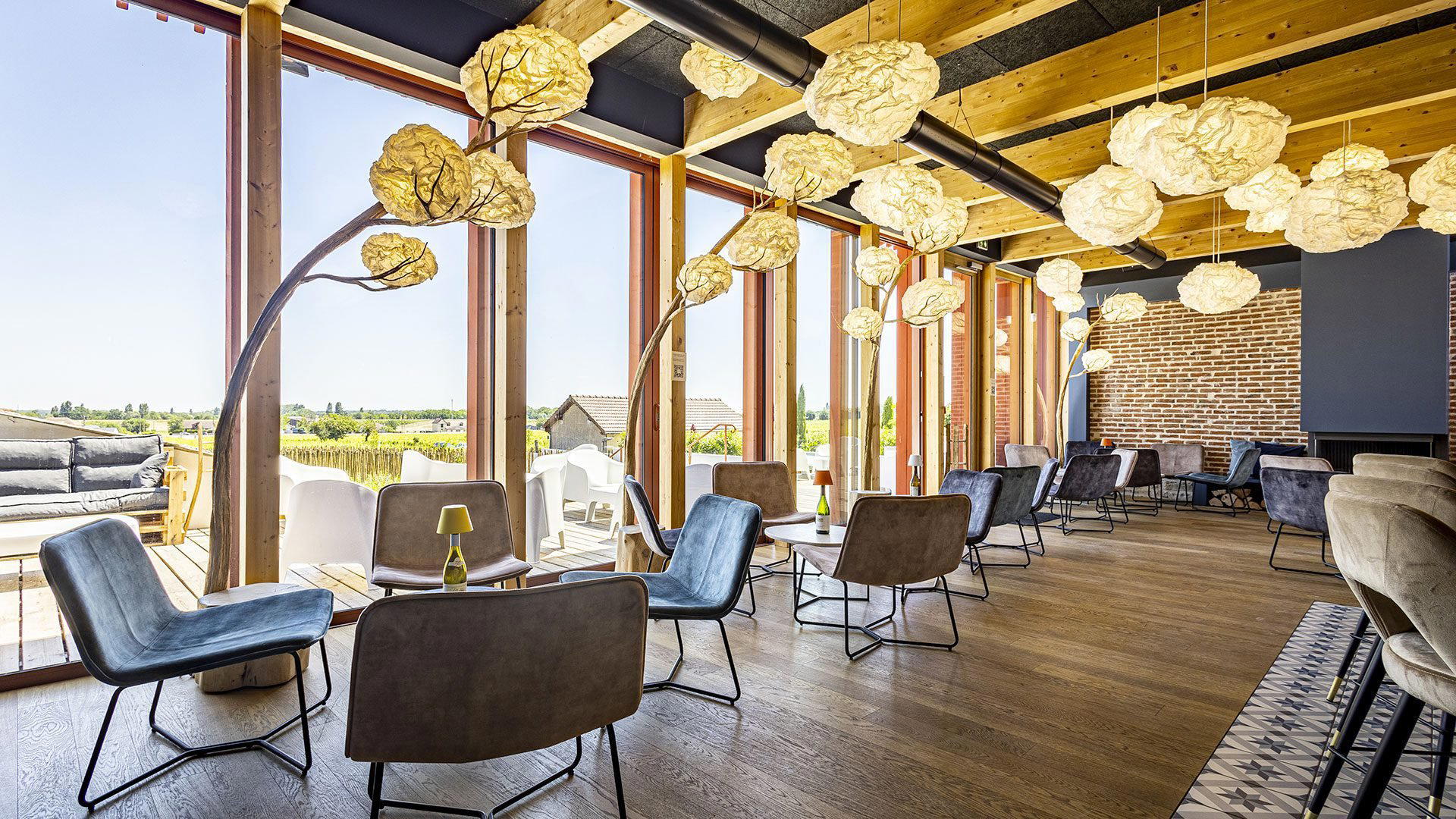
Wineries in Mercurey
Browse all →
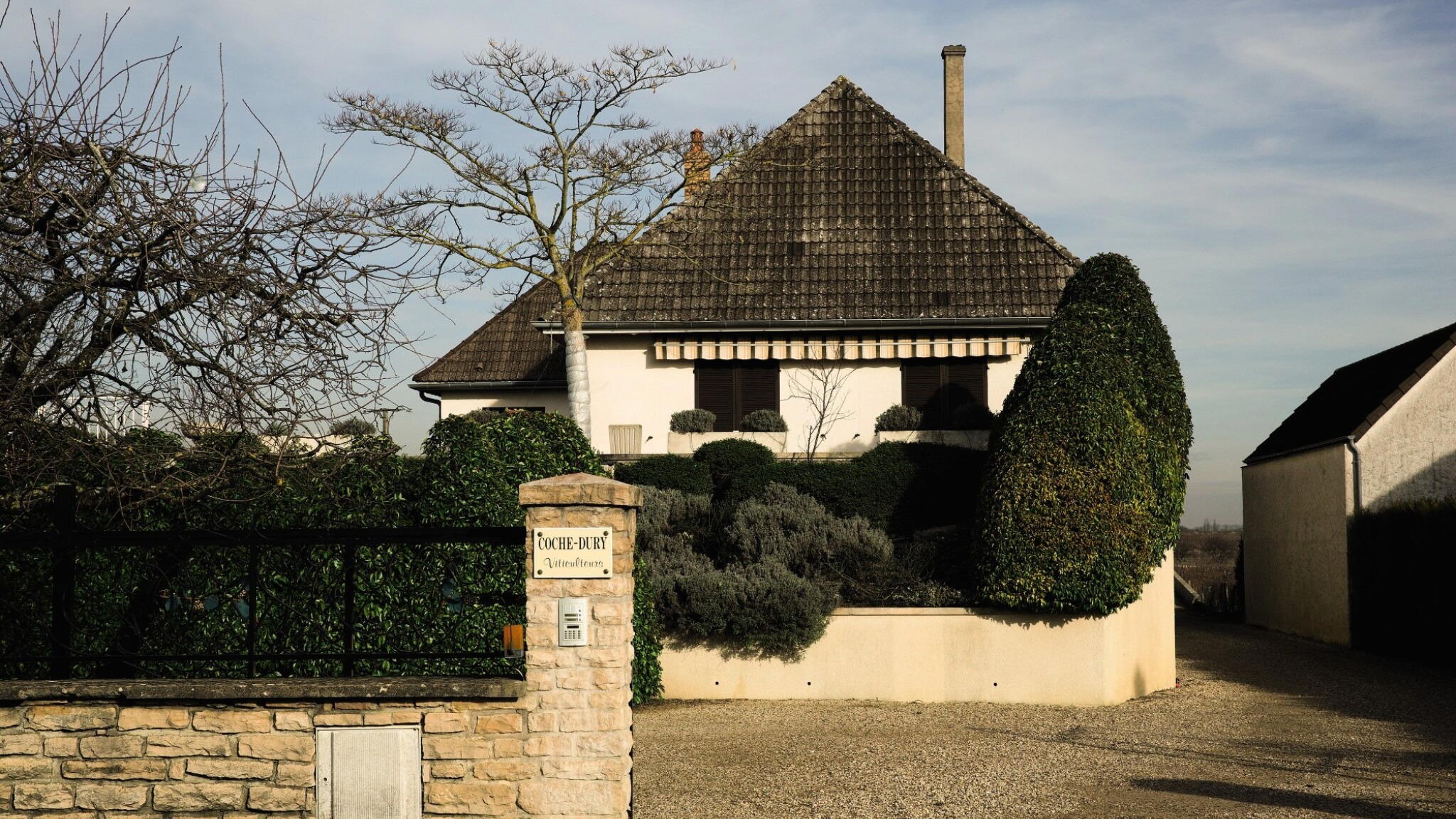
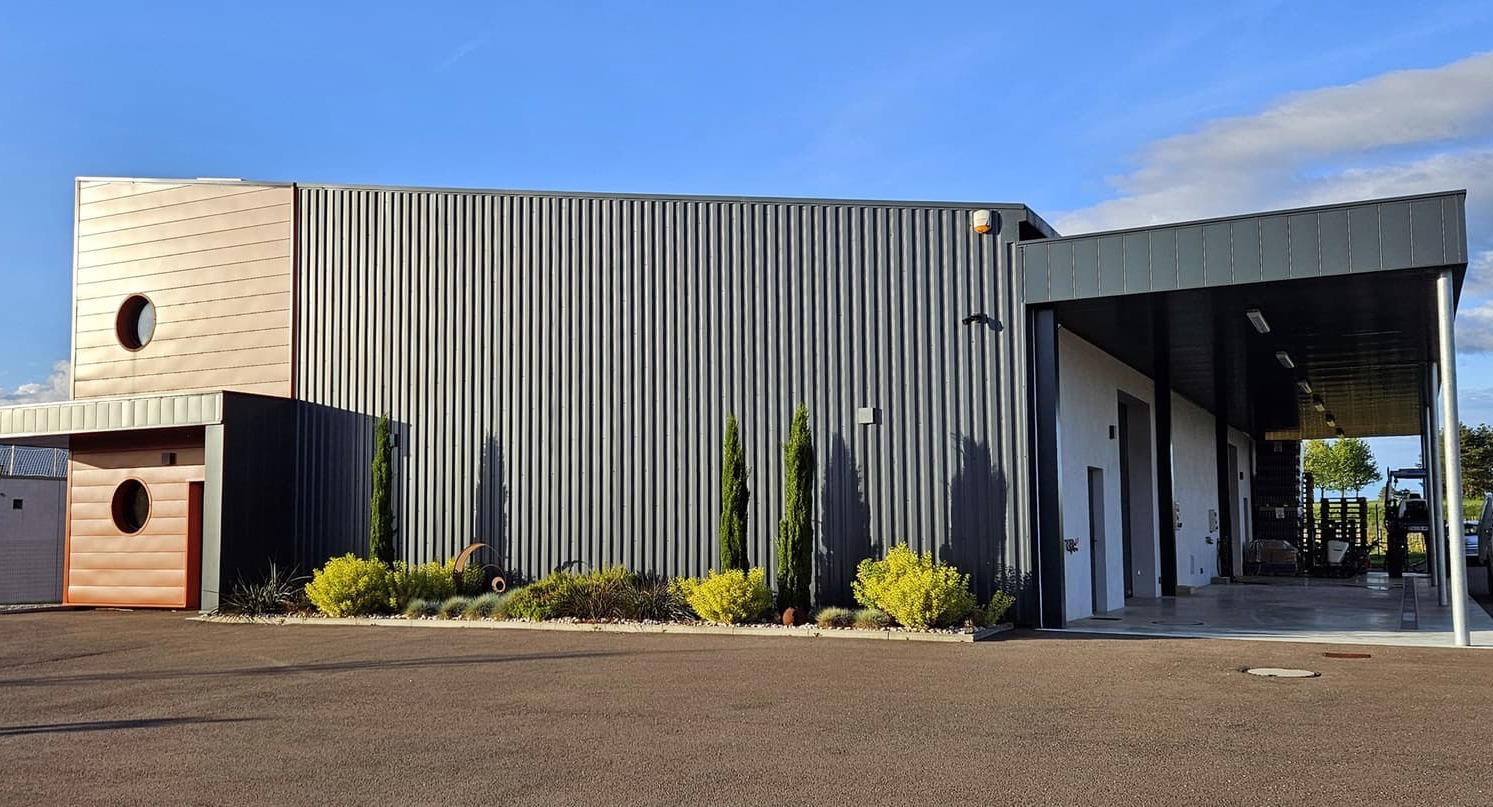
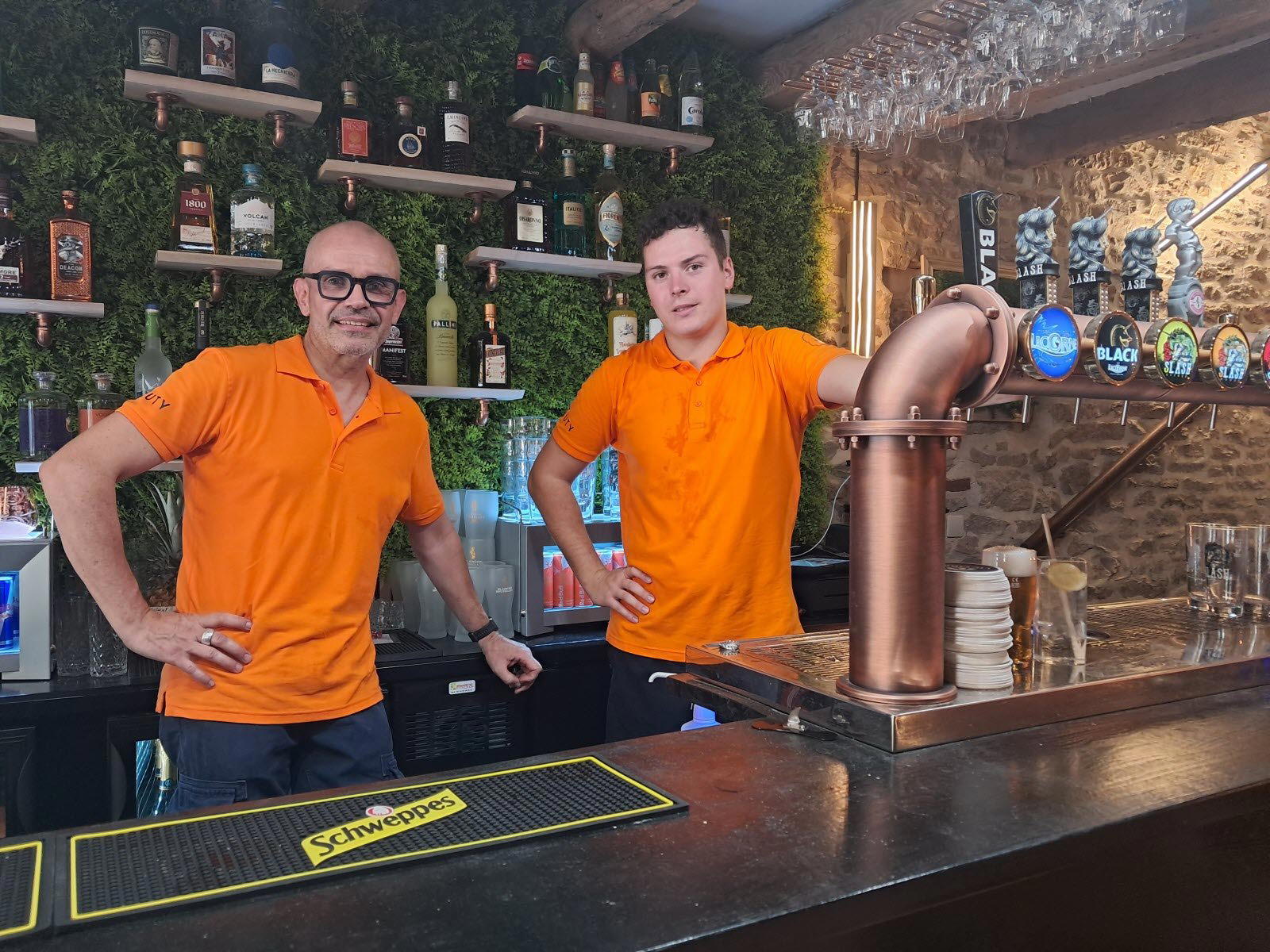
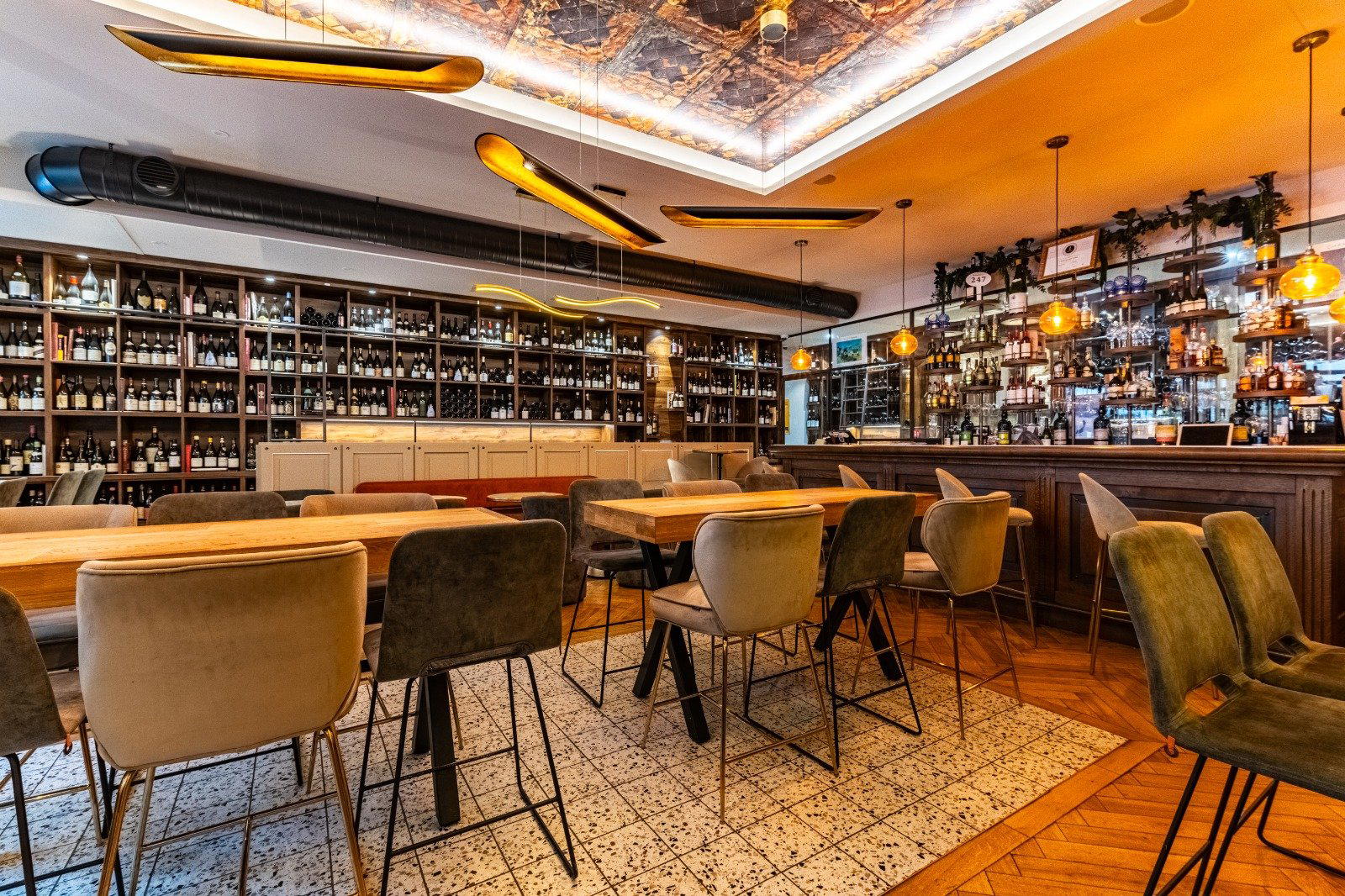
Bars in Mercurey
Browse all →
Restaurants in Mercurey
Browse all →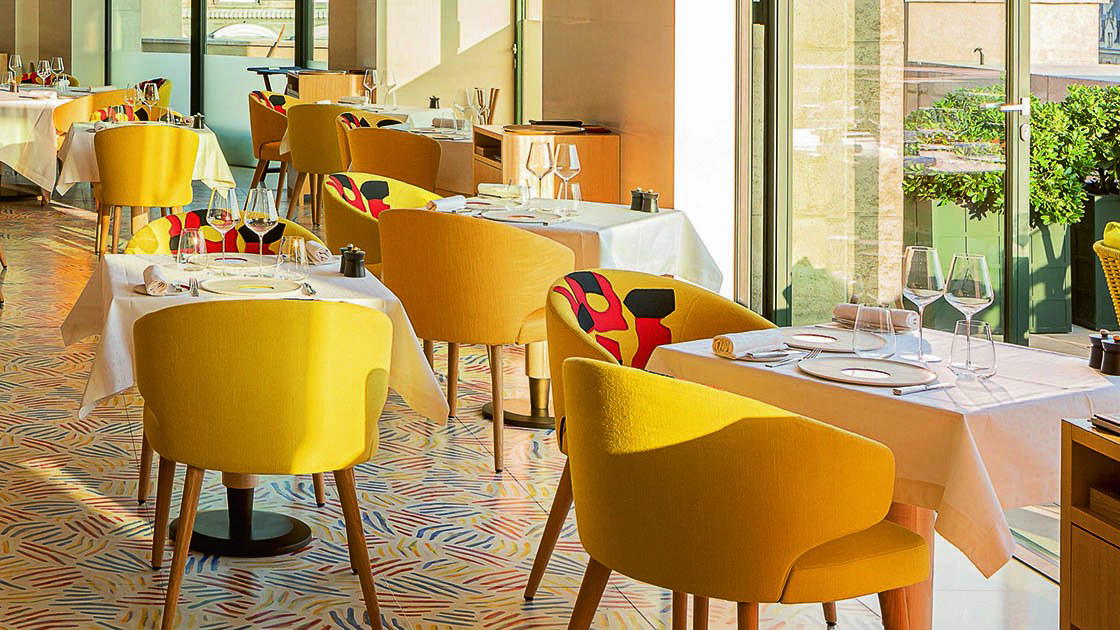
Details
- Classic
- Rustic
- Scenic
- Intimate
- Wine Education
- Group Outing
- Solo Exploration
- Romantic Getaway
- Estate Grounds
- Historic Building
- Vineyard Tour
- Vineyard
- Pinot Noir
- Still Red
Current opening hours
- Monday
- 9 AM–12 PM, 2–5 PM
- Tuesday
- 9 AM–12 PM, 2–5 PM
- Wednesday
- 9 AM–12 PM, 2–5 PM
- Thursday
- 9 AM–12 PM, 2–5 PM
- Friday
- 9 AM–12 PM, 2–5 PM
- Saturday
- 9:30 AM–12 PM
- Sunday
- Closed
Hours can change for holidays and private events. Last verified .
Historic family-run Burgundy estate at Château de Bourgneuf in the heart of Mercurey, focused on classic, terroir-driven wines from surrounding vineyards.