Domaine de la Consonnière

Domaine de la Consonnière is a small family-run Châteauneuf-du-Pape estate shaped by old-vine Grenache, restrained cellar work, and a traditional tasting format. Its appeal is not spectacle but focus: 8 hectares, limited volumes, cellar tastings, and a red wine language rooted in the Southern Rhône’s heat, stones, and long Grenache tradition.
Pearl is the En Primeur Club membership app — saves, bookings, and concierge access live there. Same editors, same standards.
- Address
- Châteauneuf-du-Pape, Vaucluse, Frankreich
- Directions
- Get directions
 Saves & bookings on Pearl
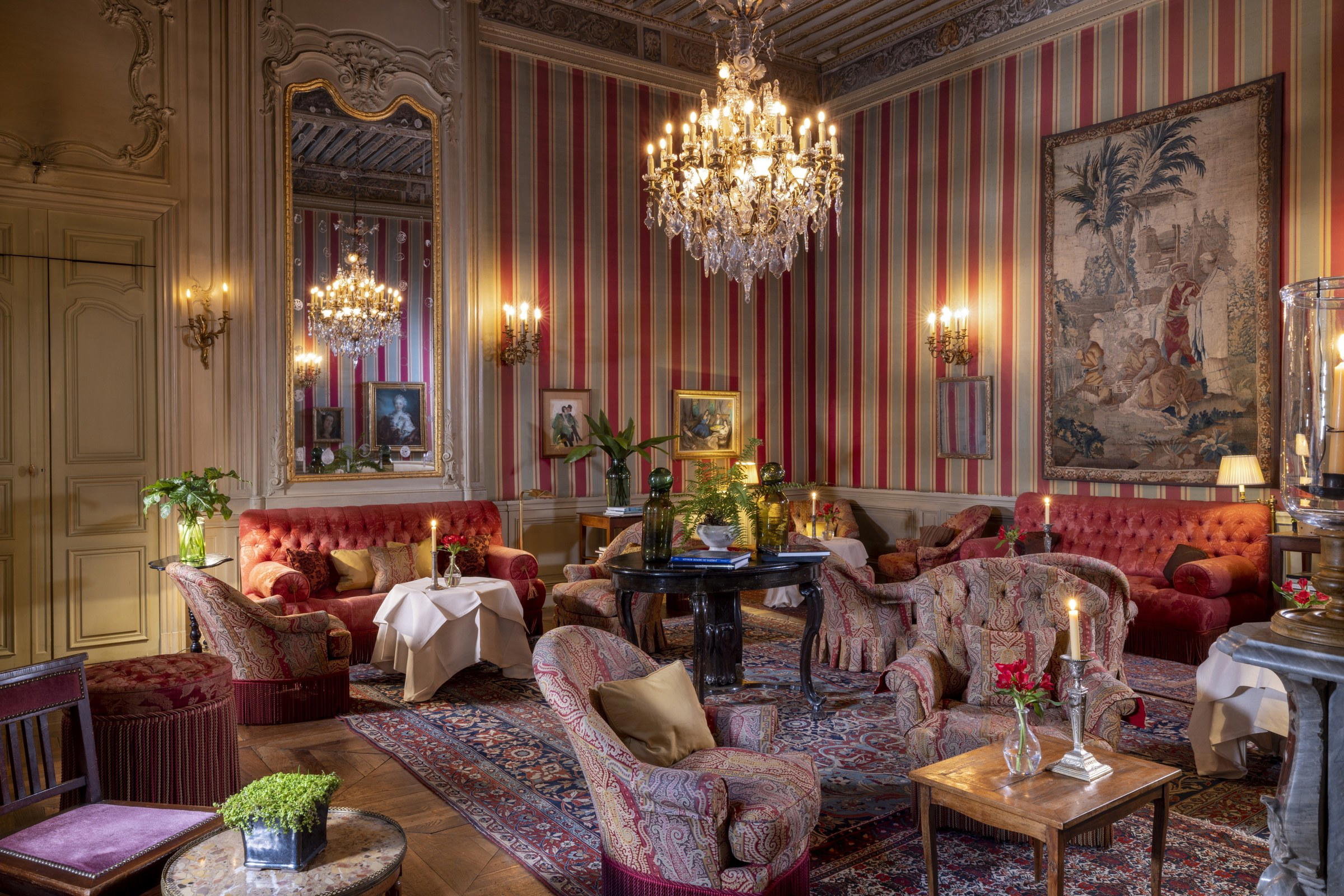
Domaine de la Consonnière is best framed as a quiet, family-run Châteauneuf-du-Pape estate with a classic, traditional feel. The visitor picture is deliberately simple: tastings are hosted in a cellar setting where the emphasis is on the wines themselves rather than on elaborate design, layered storytelling, or staged hospitality. For travelers looking for a small-estate atmosphere in Châteauneuf-du-Pape, that restrained style is the useful point to know. It sets expectations in the right direction: this is a place to approach for a calm, direct encounter with the estate’s wines, not for a heavily produced visitor circuit.
A traditional Châteauneuf-du-Pape estate atmosphere
The appeal of Domaine de la Consonnière is not built around a highly designed visitor experience. Its character is more intimate and understated, with the cellar environment keeping attention on the tasting rather than on architecture, spectacle, or the kinds of hospitality flourishes that can sometimes define larger wine-tourism addresses. That makes it a fit for visitors who prefer a quiet introduction to a family-run estate in Châteauneuf-du-Pape, especially those who respond to a more restrained, traditional rhythm.
That traditional quality is important because it shapes the tone of the visit. Instead of arriving with expectations of a polished showpiece, guests should expect something simpler and more grounded. The emphasis is on being in a cellar, tasting wine, and taking in the atmosphere of a small-feeling estate. For some travelers, that lack of excess is precisely the appeal: it leaves room for the wines and the setting to do the work without too much decoration around them.
Specific claims about vineyard holdings, grape varieties, cuvées, winemaking methods, production size, awards, or service logistics should be confirmed directly with the estate before planning around them. The public-facing profile is stronger on mood and positioning than on technical detail, so it is wiser to treat anything beyond the general atmosphere as something to verify rather than assume.
The price level is listed as $$$, so visitors should think of Domaine de la Consonnière as a premium Châteauneuf-du-Pape stop rather than a budget tasting. Beyond that, the profile points to atmosphere and setting more than to a detailed public-facing program. In practical terms, the value of the stop is best understood through its quiet cellar context and traditional estate feel, not through a long list of add-ons or amenities.
A cellar tasting focused on the wines
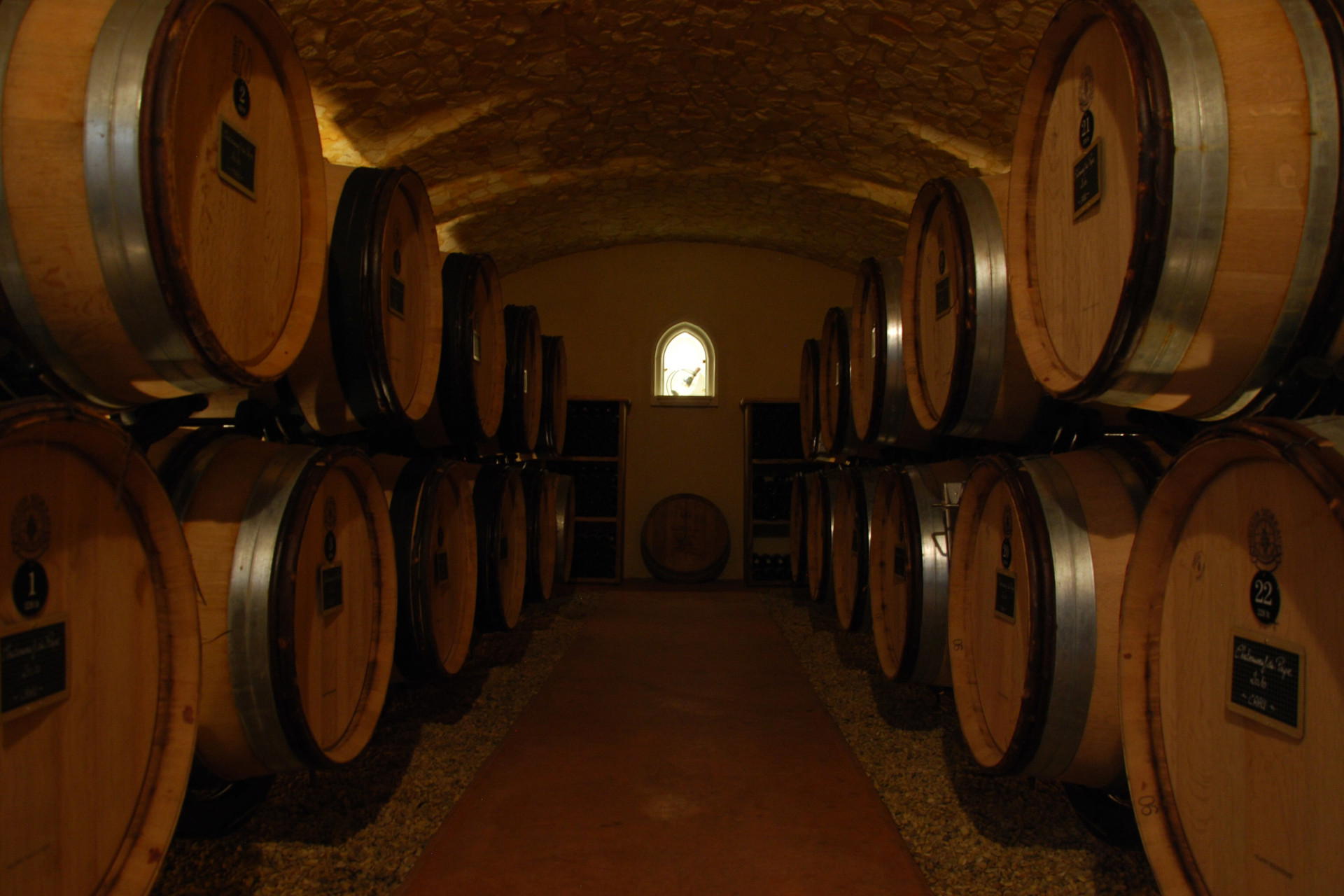
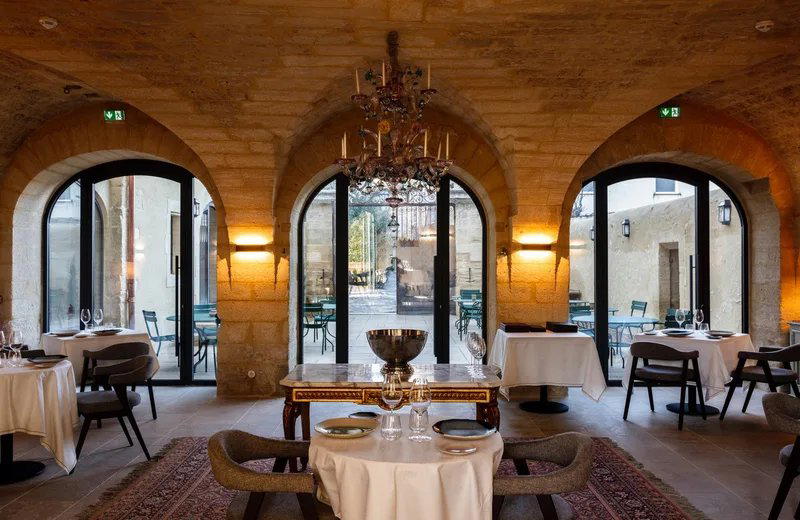
The tasting context is the clearest part of the experience: the winery hosts tastings in a simple cellar setting. That matters because it shapes expectations from the start. This is not presented as a destination for elaborate design, entertainment, or a broad hospitality concept; it is a more direct, wine-focused visit. The cellar setting keeps the experience close to the essentials, making the tasting itself the central reason to come.
For guests who value calm surroundings, the quiet and intimate tone is part of the draw. The estate’s traditional feel also makes it distinct from more polished or commercially staged wine-tourism formats elsewhere in the region. The experience is best approached as a focused cellar visit in Châteauneuf-du-Pape, where the pace is likely to feel more contained and personal than expansive. Travelers who enjoy small-estate visits will probably understand the appeal immediately: less production, less distraction, and a clearer sense of place.
This also means visitors should avoid overloading the visit with assumptions. A simple cellar tasting can be satisfying, but it is not the same thing as a broad programmed experience. The strength of the winery, as presented, is the directness of the encounter. It gives guests a traditional Châteauneuf-du-Pape setting in which the wines remain the focus, without turning the tasting into a larger performance.
Any details beyond that, including exact opening arrangements, tasting format, payment methods, accessibility, bottle availability, or dietary and hospitality accommodations, should be checked with the estate. The information supports the general character of the visit, not a detailed operational checklist. Confirming those practical points in advance is especially important for travelers building a tight itinerary or planning around a specific day.
Planning a Châteauneuf-du-Pape visit
The winery works well in an itinerary built around Châteauneuf-du-Pape itself. Its calm, intimate cellar setting can provide a quieter counterpoint to other dining and wine experiences in the village. If you are comparing stops, keep the distinction simple: this is a family-run historic estate with a traditional feel and a tasting environment centered on the wines. That identity makes it most appealing to visitors who want a grounded cellar stop rather than a more visibly curated hospitality experience.
For a broader stay, consider pairing the visit with other Châteauneuf-du-Pape dining, hotels, bars, and experiences in general. The estate’s understated profile can sit comfortably within a day that includes more varied stops, especially if you want some contrast between a quiet tasting and the rest of the village’s food and wine offerings. Specific operational details for the winery should be checked before travel, but the essential identity is clear: a premium, traditional, small-feeling cellar experience in Châteauneuf-du-Pape.
Recognition history
Dated appearances from independent guides and award organizations, with the underlying list record or original source where available.
Falstaff Winery - Listed
Falstaff
Continue exploring
More in Châteauneuf-du-Pape
Wineries in Châteauneuf-du-Pape
Browse all →
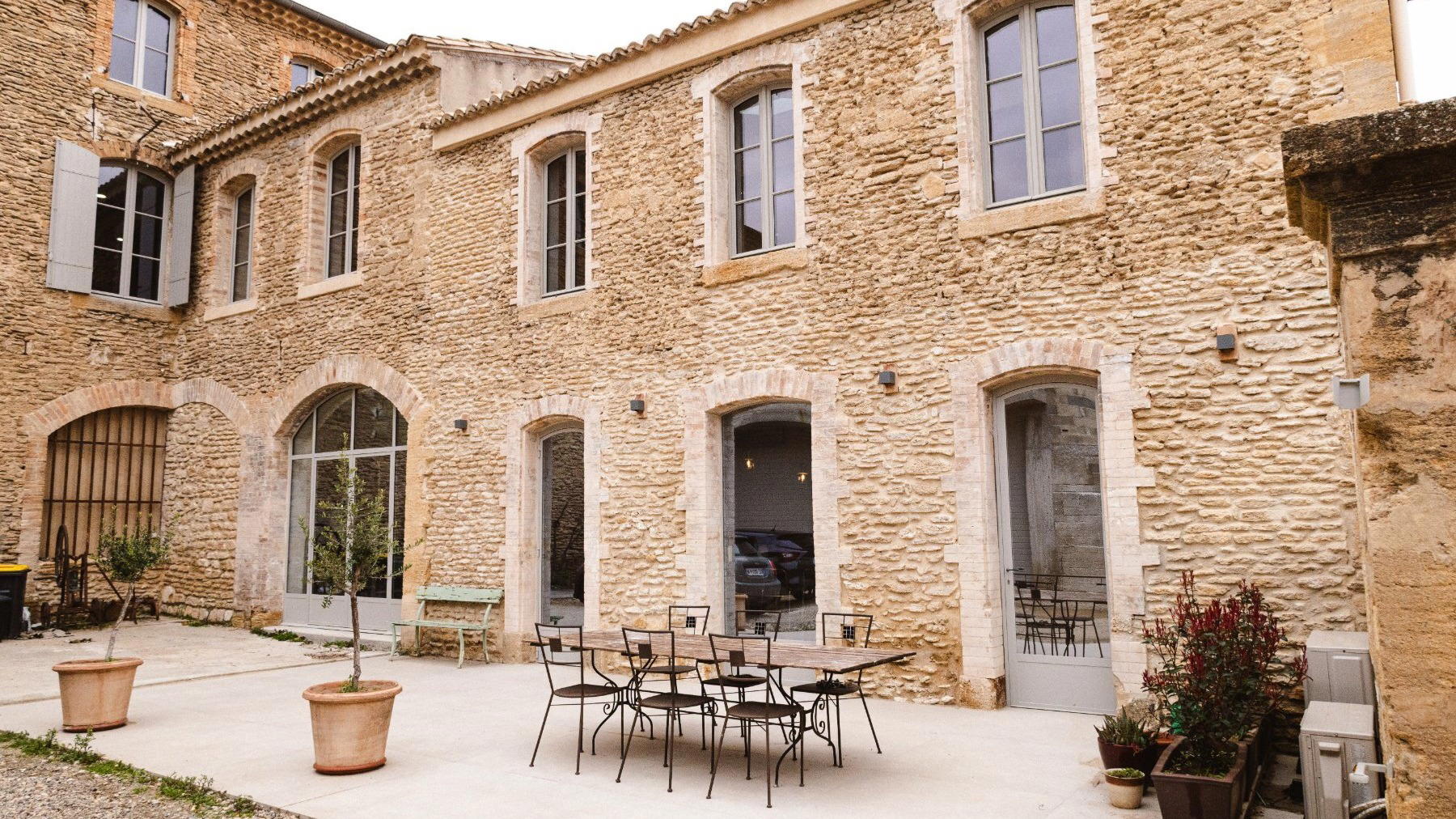
Bars in Châteauneuf-du-Pape
Browse all →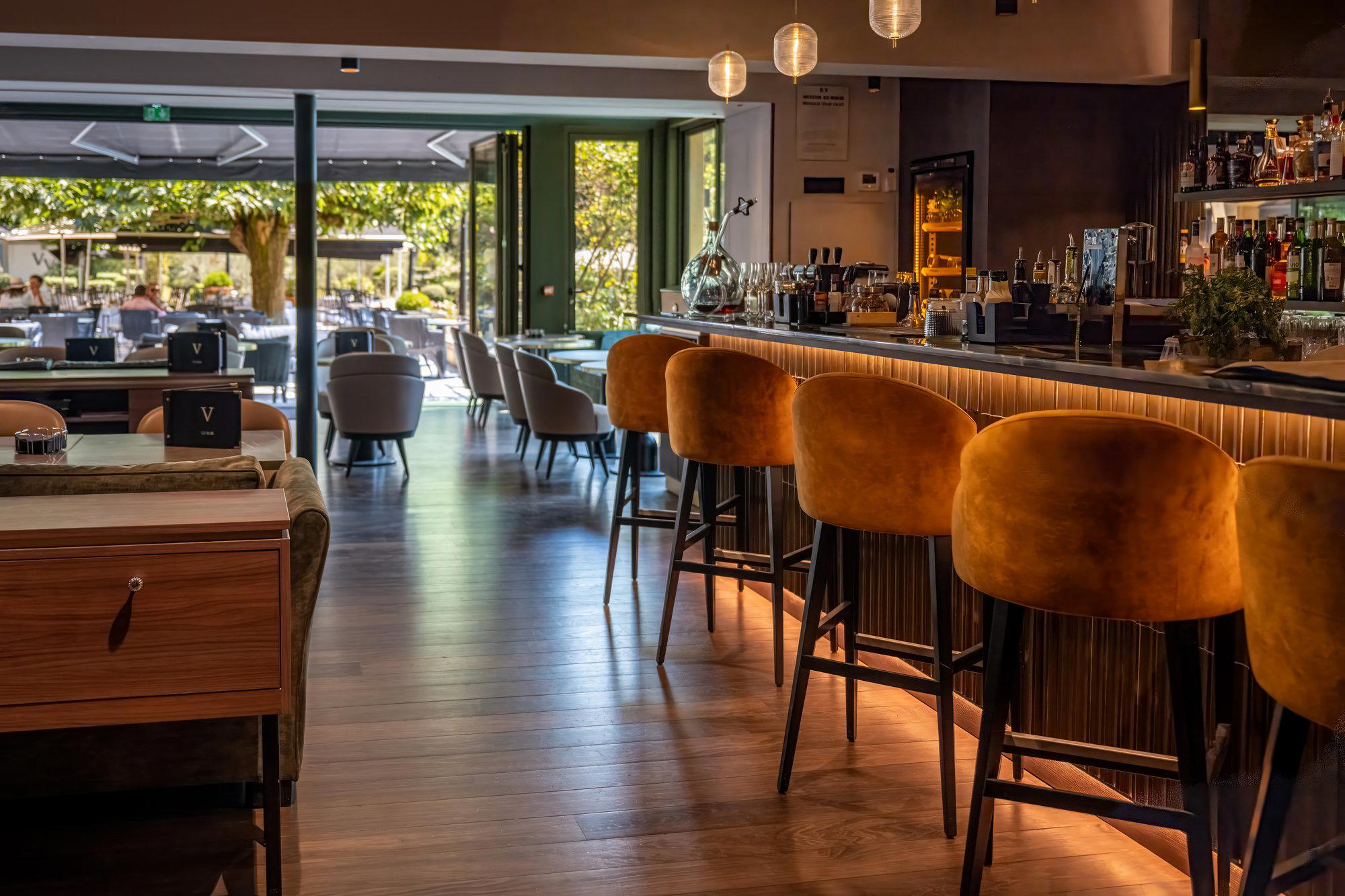
Restaurants in Châteauneuf-du-Pape
Browse all →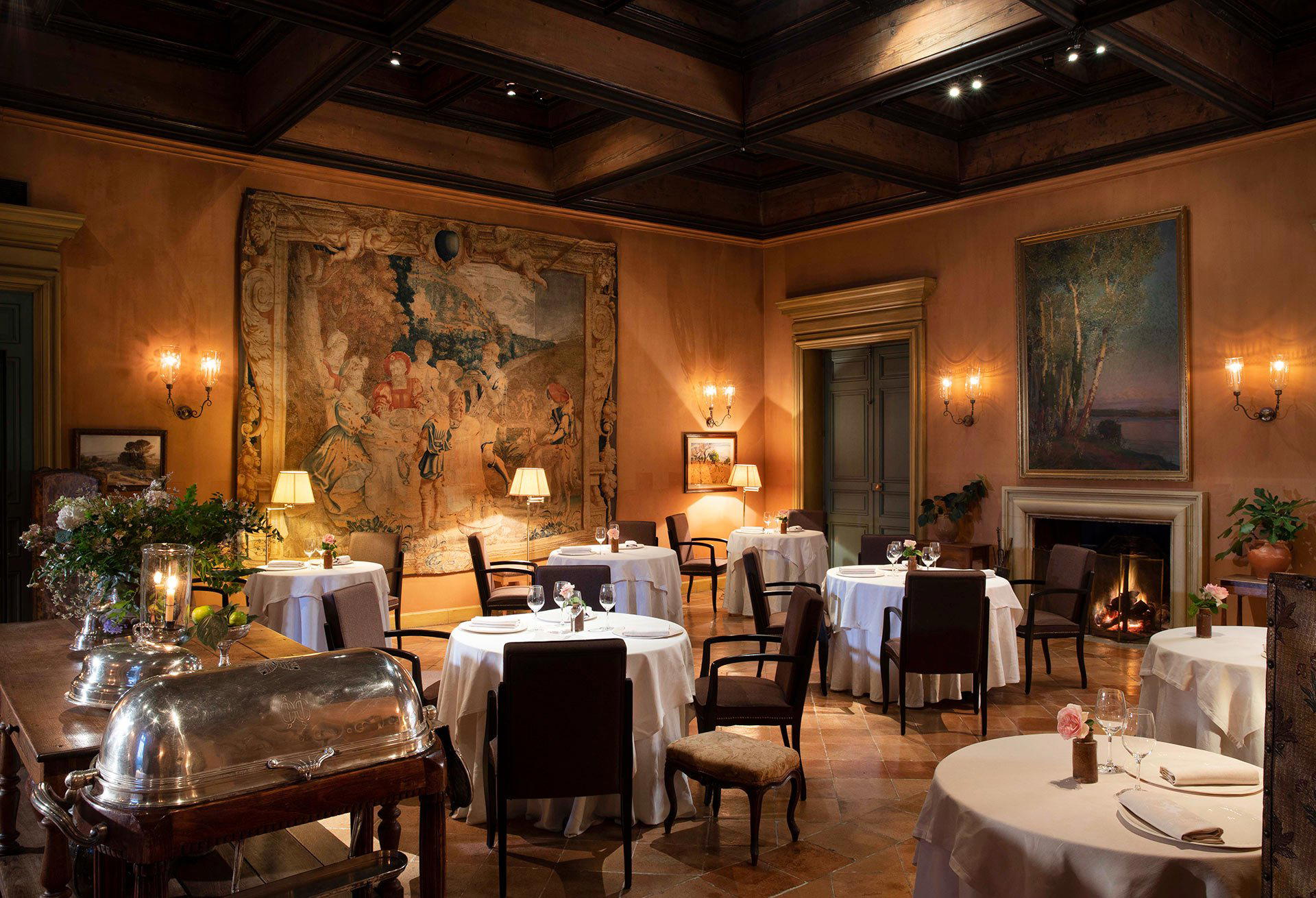
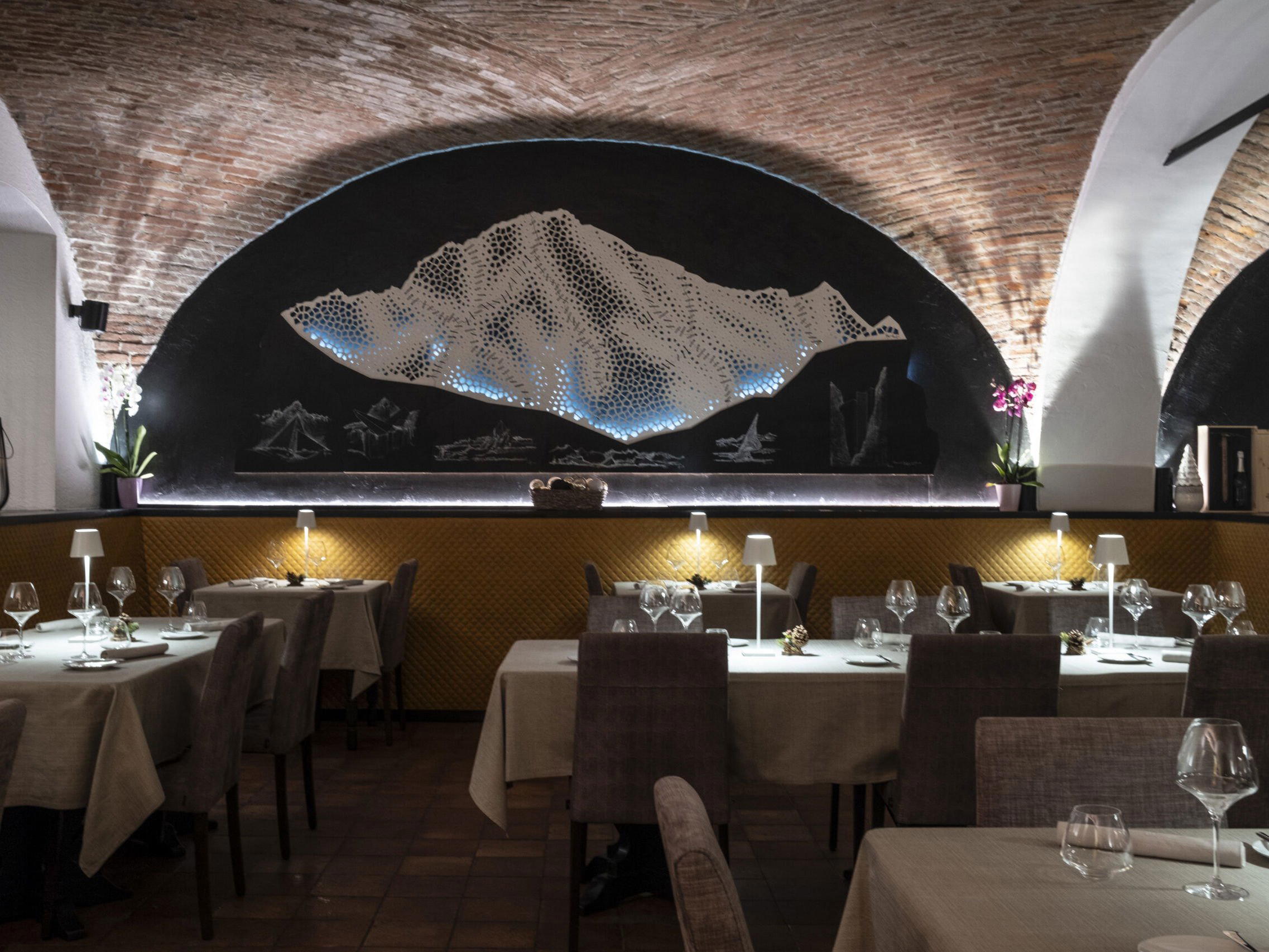
At a Glance
- Classic
- Rustic
- Intimate
- Wine Education
- Solo Exploration
- Group Outing
- Romantic Getaway
- Historic Building
- Private Tasting
- Vineyard
- Châteauneuf Du Pape AOC
- Grenache
- Mourvèdre
- Still Red
- Cellar Tasting
- Walk In Retail Tasting
Family-run historic Châteauneuf-du-Pape estate with a classic, traditional feel; tastings are hosted in a simple cellar setting emphasizing the wines themselves rather than elaborate design, with a quiet, intimate atmosphere typical of small producers.