Domaine Bois de Boursan

A small, family-run Châteauneuf-du-Pape estate for drinkers who care about old-vine structure, organic farming and cellar tradition over polished visitor theatre. Domaine Bois de Boursan works across 27 parcels, uses all 13 permitted appellation varieties and keeps the tasting format quiet, guided and wine-led.
Pearl is the En Primeur Club membership app — saves, bookings, and concierge access live there. Same editors, same standards.
- Address
- 44 Chem. du Clos, 84230 Châteauneuf-du-Pape, France
- Phone
- +33 4 90 83 73 60
- Website
- boisdeboursan.fr
- Directions
- Get directions
 Saves & bookings on Pearl
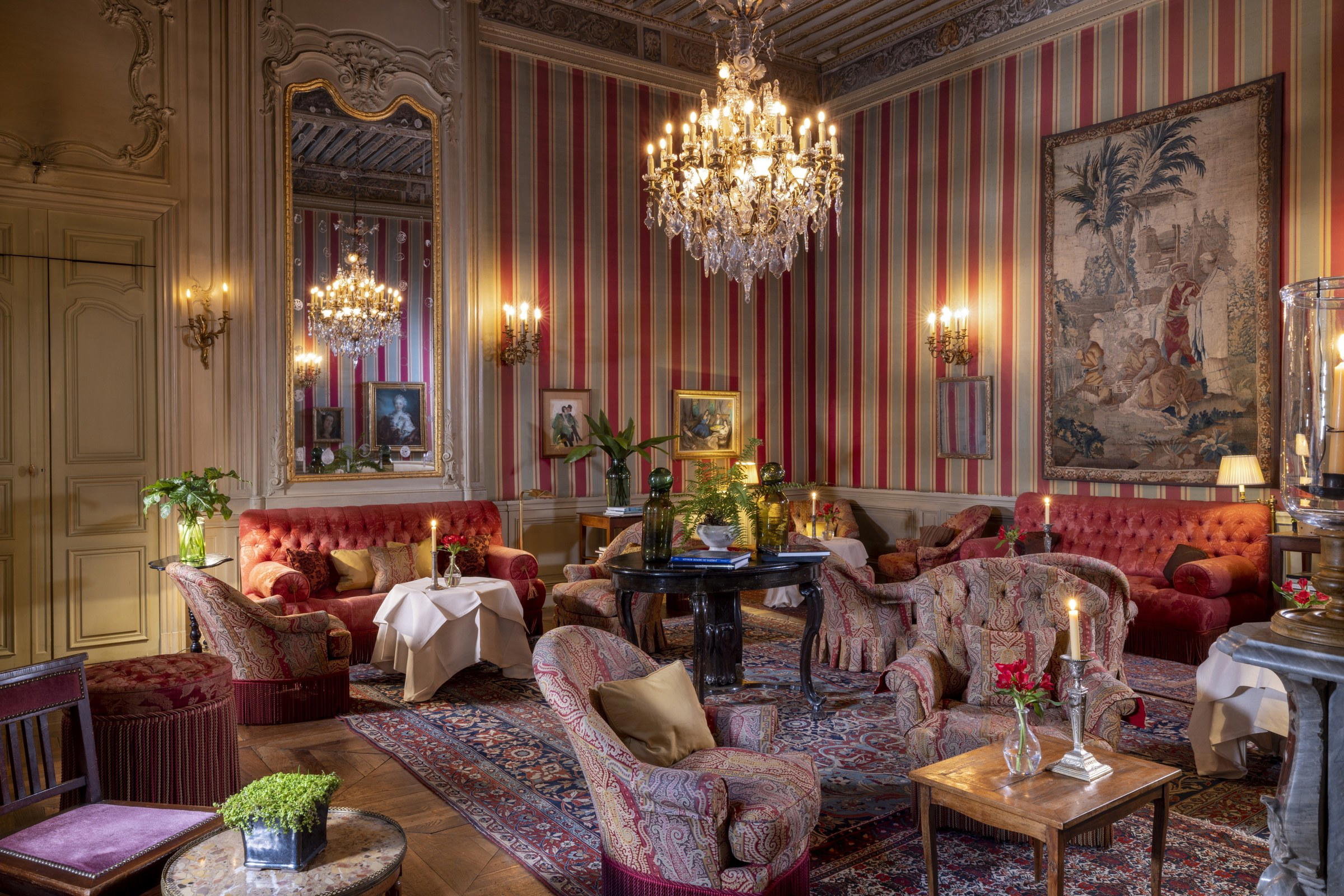
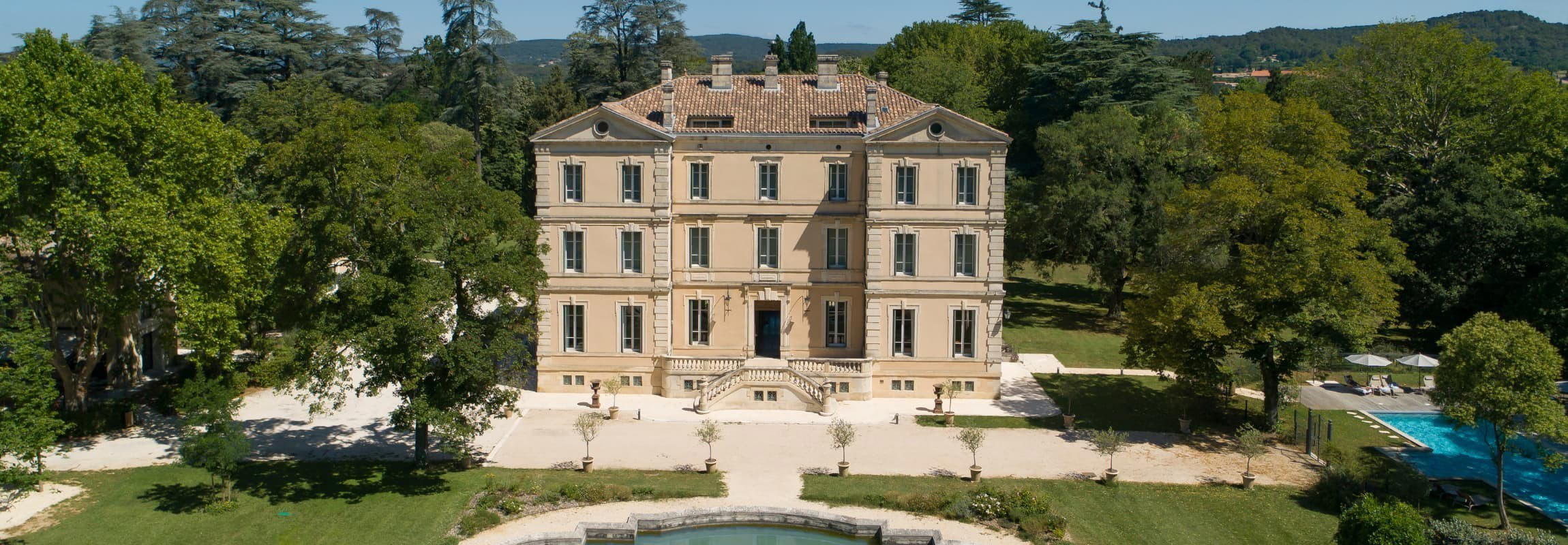
Châteauneuf-du-Pape can feel theatrical from a distance, but Domaine Bois de Boursan is best framed more quietly. The picture is of a traditional, low-key Rhône estate focused on serious, ageworthy Châteauneuf-du-Pape, with a family-run, organic farming ethos and classic cellar work rather than flashy design. In a village name that often carries a strong sense of reputation and drama, this is a venue to understand through restraint, continuity and farming identity, not through spectacle.
That restraint is the useful lens for understanding the venue. Rather than presenting it as a spectacle, approach Domaine Bois de Boursan as a classic, rustic and intimate Châteauneuf-du-Pape address where the emphasis is on the wine-growing identity of the estate and the long-view character associated with the appellation. The appeal is not in excess detail or decorative language, but in the steadier idea of a family-run domaine whose character is rooted in the traditional vocabulary of the southern Rhône.
Traditional Châteauneuf-du-Pape without flashy polish
The available information supports a clear broad impression rather than a detailed technical profile: Domaine Bois de Boursan belongs to the traditional side of Châteauneuf-du-Pape, with an organic farming ethos and classic cellar work. Specific claims about vineyard size, parcel count, vine age, grape handling, ageing vessels or individual varieties should not be assumed unless confirmed directly with the estate. That limitation is important, because the estate is better represented by its confirmed positioning than by filling in cellar or vineyard detail.
For visitors or drinkers comparing Châteauneuf-du-Pape styles, the key point is not a list of technical specifications, but the estate’s low-key, serious positioning. It reads as rustic and well-known in the Rhône sense: focused on ageworthy wine and a family-run agricultural identity rather than on polished hospitality design. In practical terms, that means one useful expectation is one of focus and understatement. The setting should be thought of less as a staged destination and more as a traditional wine address where the domaine’s identity, farming ethos and cellar approach do the work.
That makes the winery a useful reference point for anyone trying to understand the quieter, more traditional register of Châteauneuf-du-Pape. The description points to substance over display: organic farming values, classic cellar work and a restrained estate atmosphere. It also helps separate the venue from a more showroom-like model of wine tourism. The profile here is compact but coherent: serious Châteauneuf-du-Pape, a rustic sense of place, and an emphasis on wines intended to be understood over time rather than merely consumed as a quick impression.
A low-key estate setting for serious Châteauneuf-du-Pape
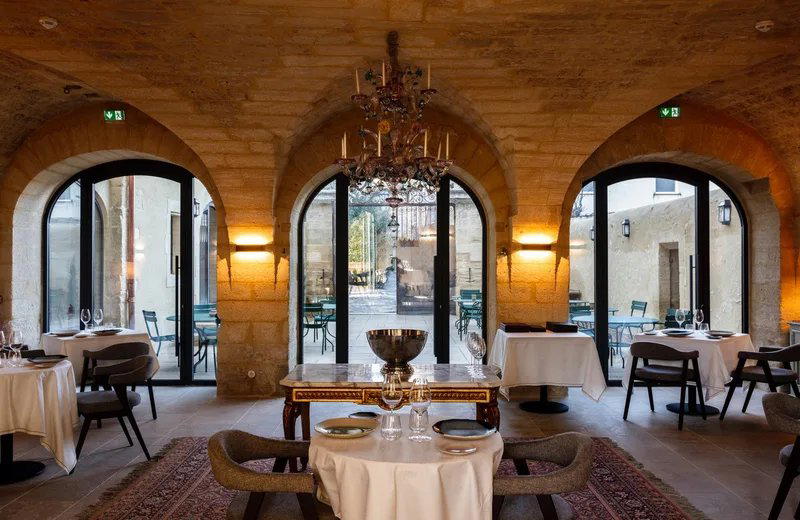
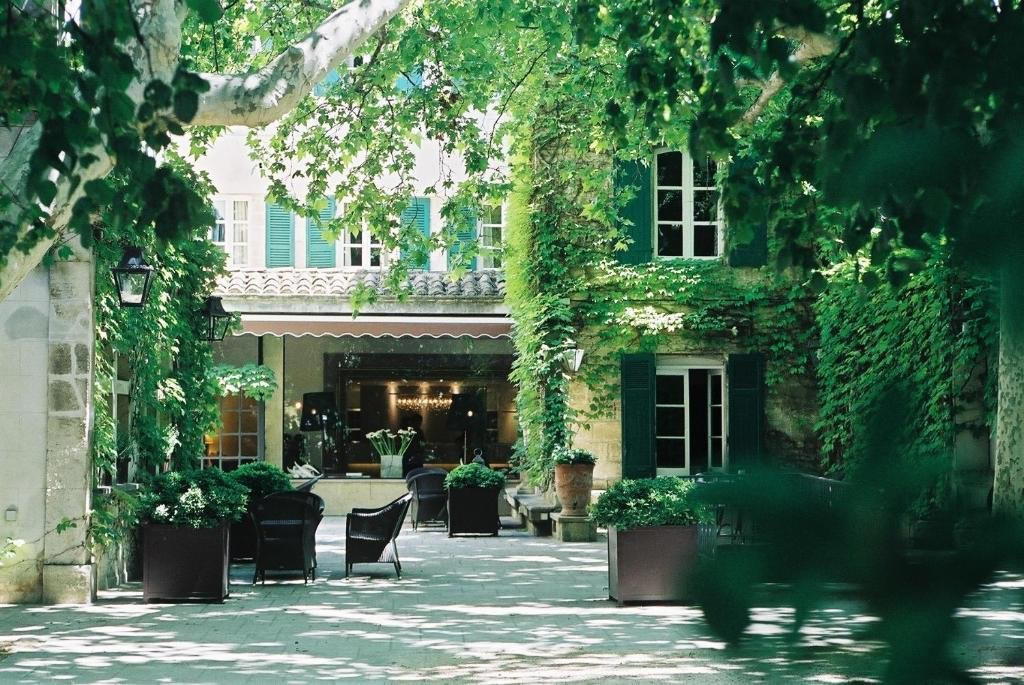
The confirmed atmosphere is intimate, traditional and low-key. It is fair to expect the estate’s identity to appeal most to people interested in serious Châteauneuf-du-Pape rather than to those looking for a flashy venue experience. That does not make the estate feel slight; if anything, the modest framing is part of the appeal. The point is a quieter form of confidence, where the value of the visit or tasting is tied to the appellation, the family-run character and the estate’s traditional orientation.
For context in Châteauneuf-du-Pape, use the winery as a reference for a family-run, organic-minded Rhône estate. Other local dining and wine stops can be considered generically as part of a broader day in the village, but the winery is the only named venue needed for this profile. Its role in that context is clear enough: a grounded wine stop for people who want to connect with the more classic side of the appellation, without needing the visit to be built around grand staging or elaborate hospitality claims.
The listed price guidance is $15 per person. Beyond that, particularly reliable practical takeaway is the estate’s style: classic, rustic, well-known and intimate, with an emphasis on serious, ageworthy Châteauneuf-du-Pape rather than showpiece design. That price note should be read simply as guidance, not as a substitute for checking current arrangements. The more enduring point is stylistic. The winery is best understood through its traditional Rhône character, its organic-minded farming ethos and its deliberately unflashy presence.
How to place it in a Châteauneuf-du-Pape itinerary
Châteauneuf-du-Pape rewards planning by category. The winery can be considered as part of a broader day in the village, but current arrangements should be confirmed directly before building a schedule around it. The sensible way to place it is not as a catch-all attraction, but as a focused estate visit for those already interested in the classic language of the appellation. It belongs in an itinerary where traditional wine-growing, family-run identity and ageworthy Châteauneuf-du-Pape are the priorities.
Against the wider map of Rhône travel, the winery reads as a grounded example of Châteauneuf-du-Pape tradition. The draw is simple: a family-run, organic farming ethos, classic cellar work, a restrained estate atmosphere and a modest listed price of $15 per person. Keep the expectations equally simple. This is a low-key, serious address to approach with attention rather than with a checklist, and its strongest appeal lies in the quiet coherence of those confirmed qualities.
Recognition history
Dated appearances from independent guides and award organizations, with the underlying list record or original source where available.
Falstaff Winery - Listed
Falstaff
Continue exploring
More in Châteauneuf-du-Pape
Wineries in Châteauneuf-du-Pape
Browse all →
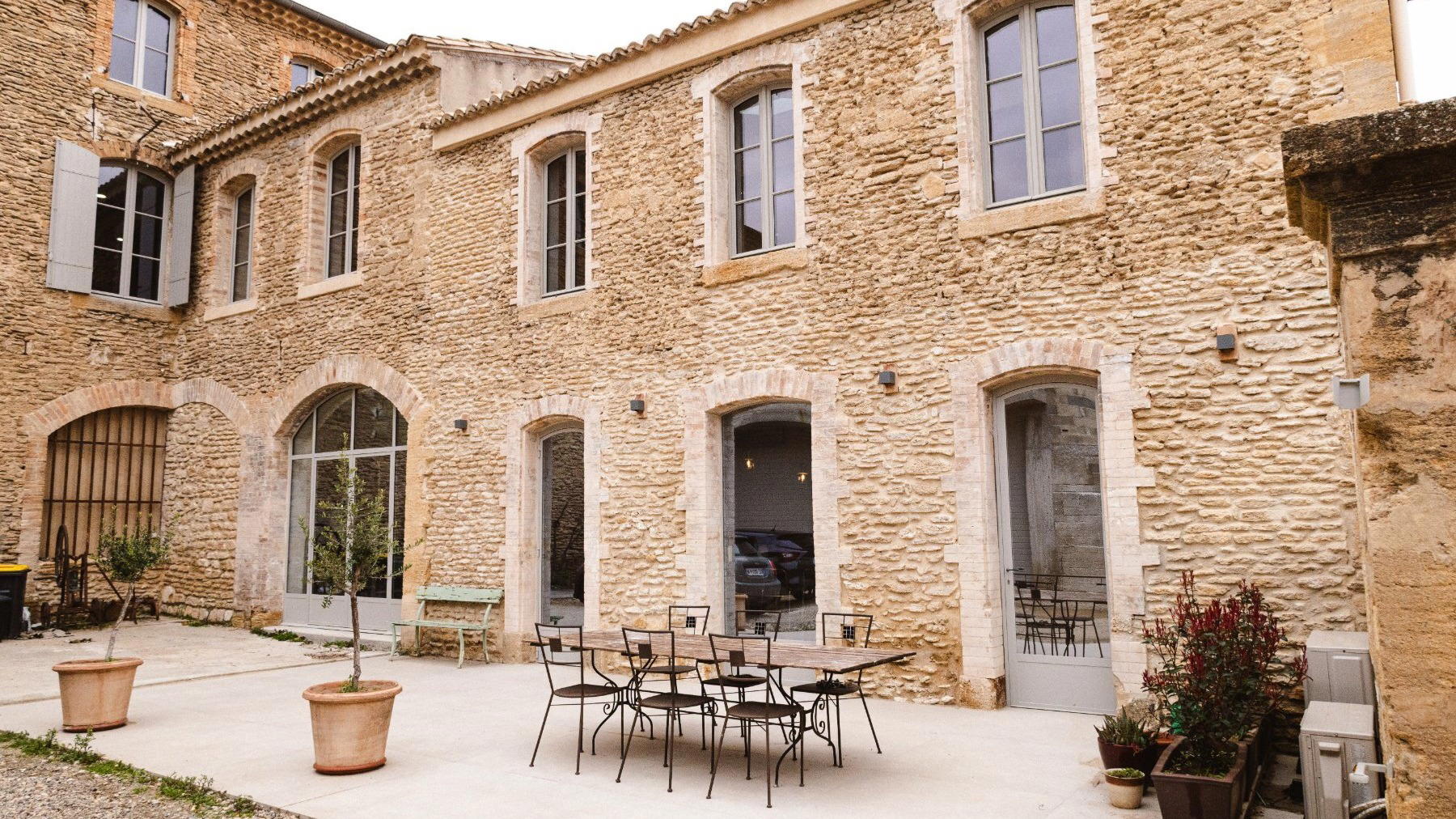
Bars in Châteauneuf-du-Pape
Browse all →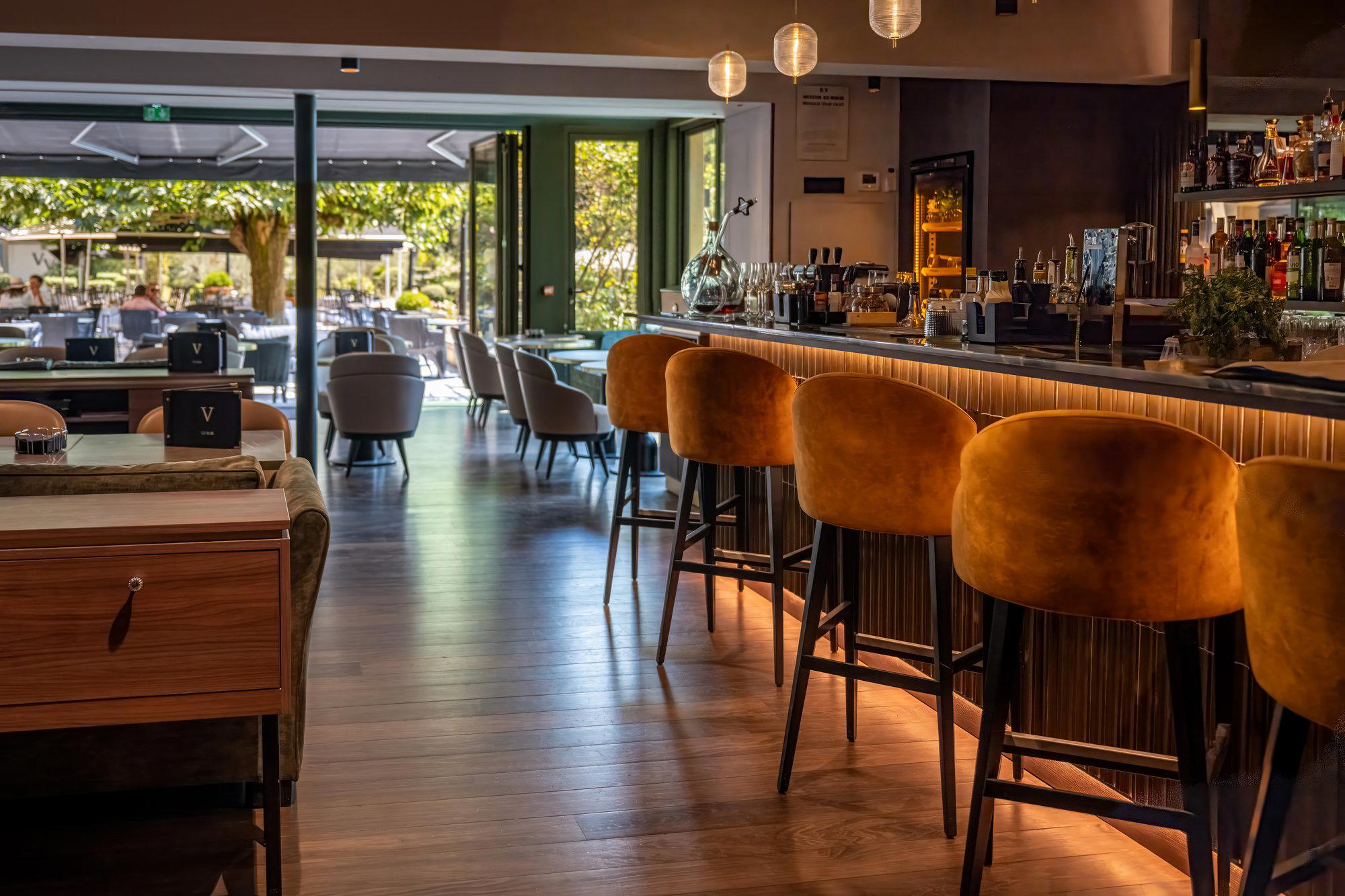
Restaurants in Châteauneuf-du-Pape
Browse all →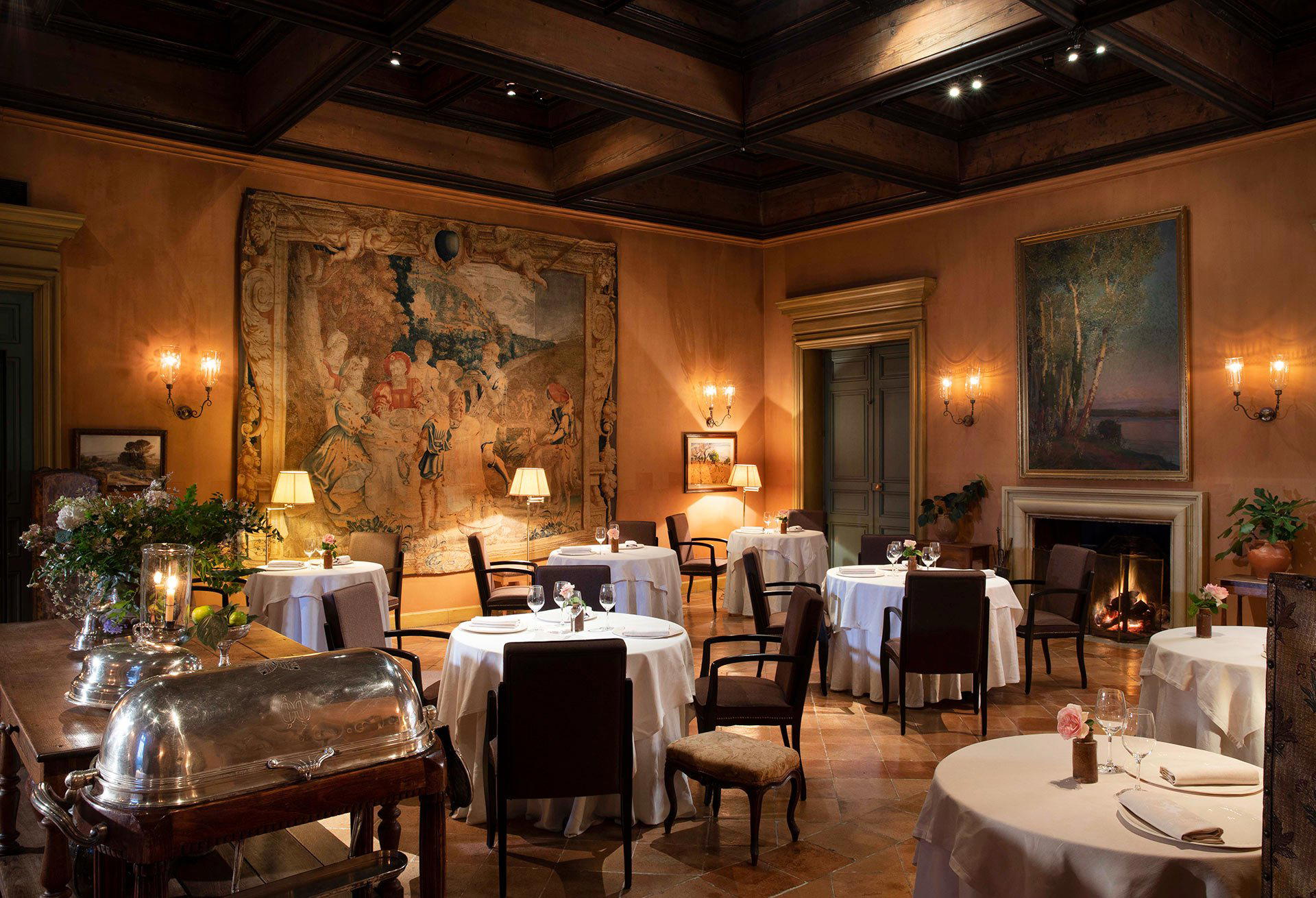
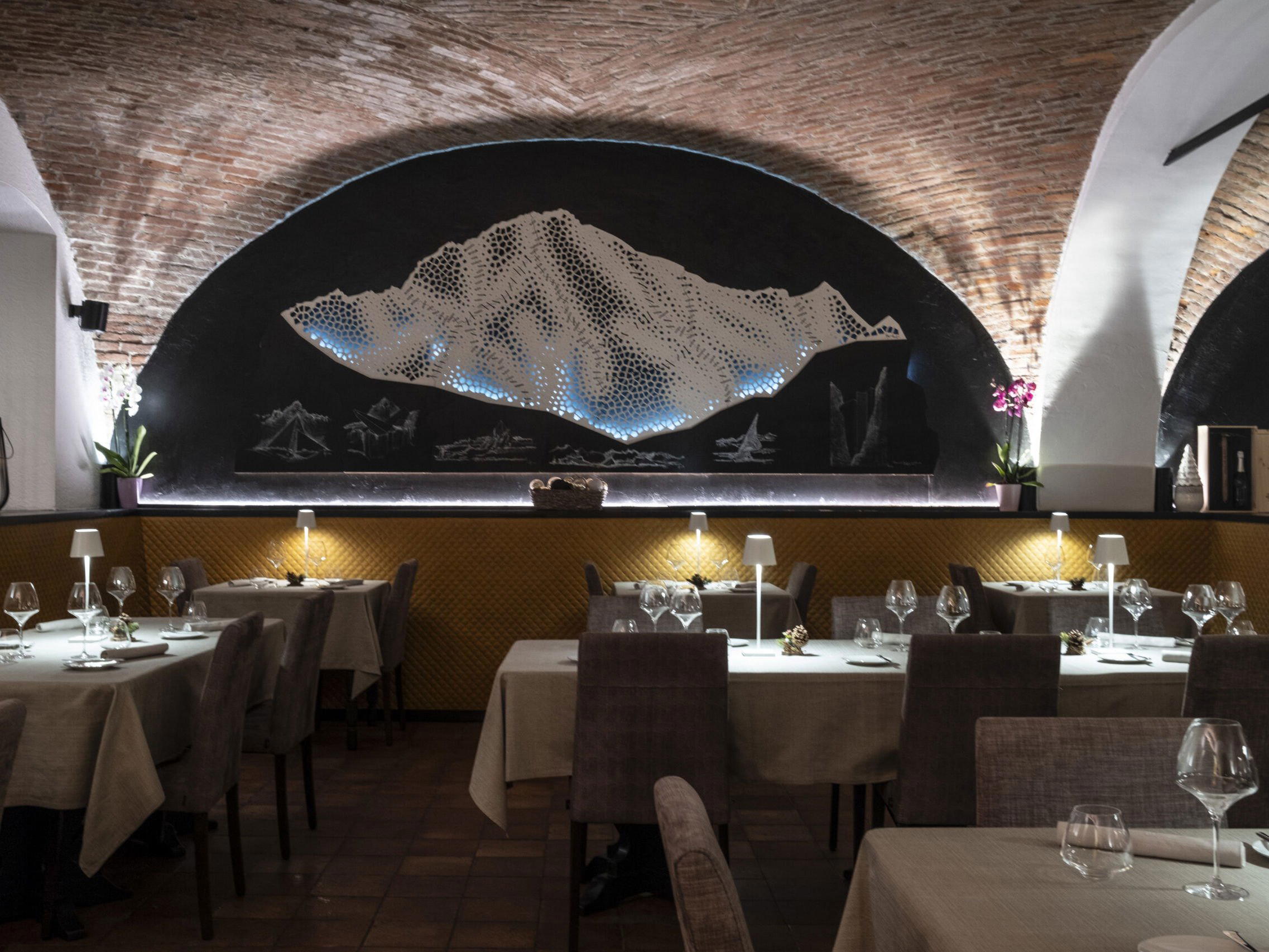
At a Glance
- Classic
- Rustic
- Well Known
- Intimate
- Wine Education
- Group Outing
- Solo Exploration
- Special Occasion
- Estate Grounds
- Vineyard Tour
- Private Tasting
- Historic Building
- Organic
- Vineyard
- Châteauneuf Du Pape AOC
- Grenache
- Syrah
- Mourvèdre
- Cinsault
- Carignan
- Clairette
- Still Red
- Still White
- Guided Tasting
- Cellar Tasting
- Vineyard Tour
Current opening hours
- Monday
- 8 AM–5 PM
- Tuesday
- 8 AM–5 PM
- Wednesday
- 8 AM–5 PM
- Thursday
- 8 AM–5 PM
- Friday
- 8 AM–5 PM
- Saturday
- 8 AM–5 PM
- Sunday
- 10 AM–3 PM
Hours can change for holidays and private events. Last verified .
Traditional, low-key Rhône estate atmosphere focused on serious, ageworthy Châteauneuf-du-Pape, with a family-run, organic farming ethos and classic cellar work rather than flashy design.