
Domaine Bardon is a Loire Valley winery in Meusnes where the story is less about polish than soil, slope, and local flint. Founded in 1890, the 60-hectare estate works around Sauvignon Blanc, Valençay AOC, and the pierre à fusil character that gives this corner of Touraine its particular mineral register.
Pearl is the En Primeur Club membership app — saves, bookings, and concierge access live there. Same editors, same standards.
- Address
- Meusnes, Touraine, Center-Val de Loire, Frankreich
- Directions
- Get directions
 Saves & bookings on Pearl
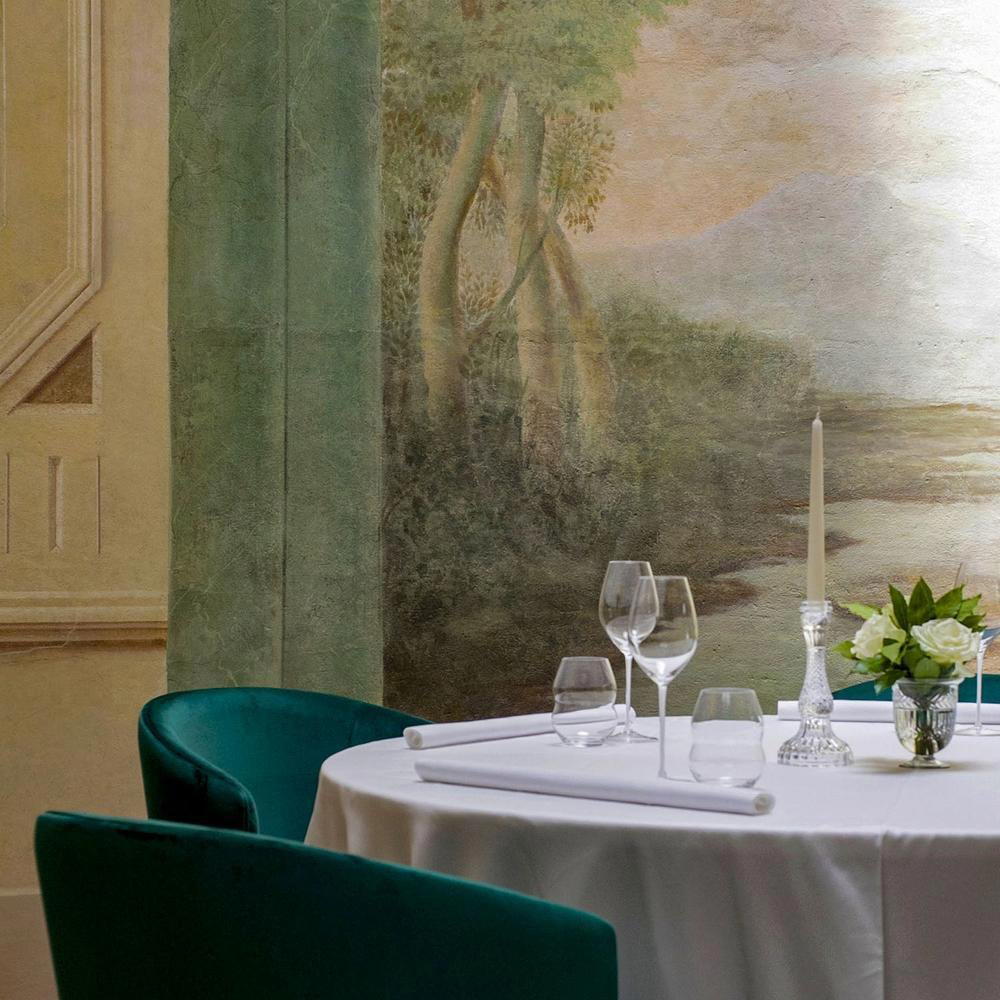
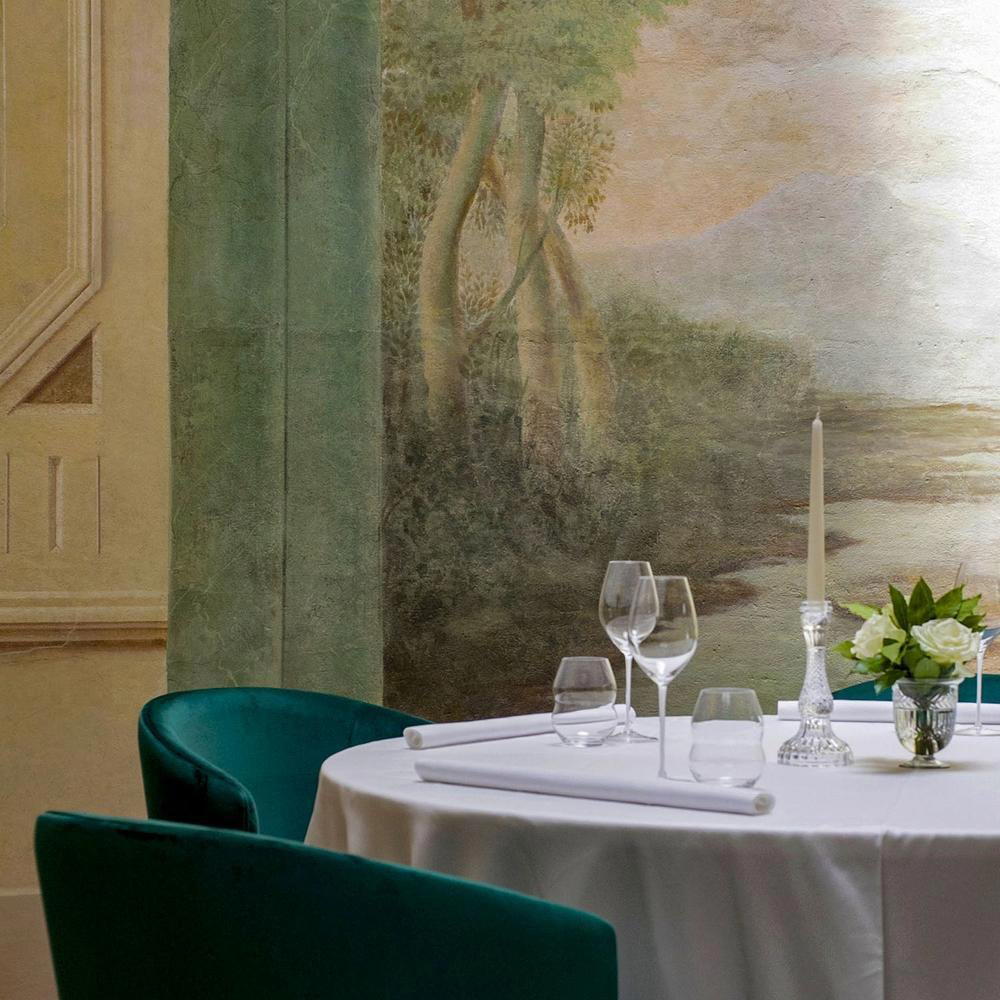
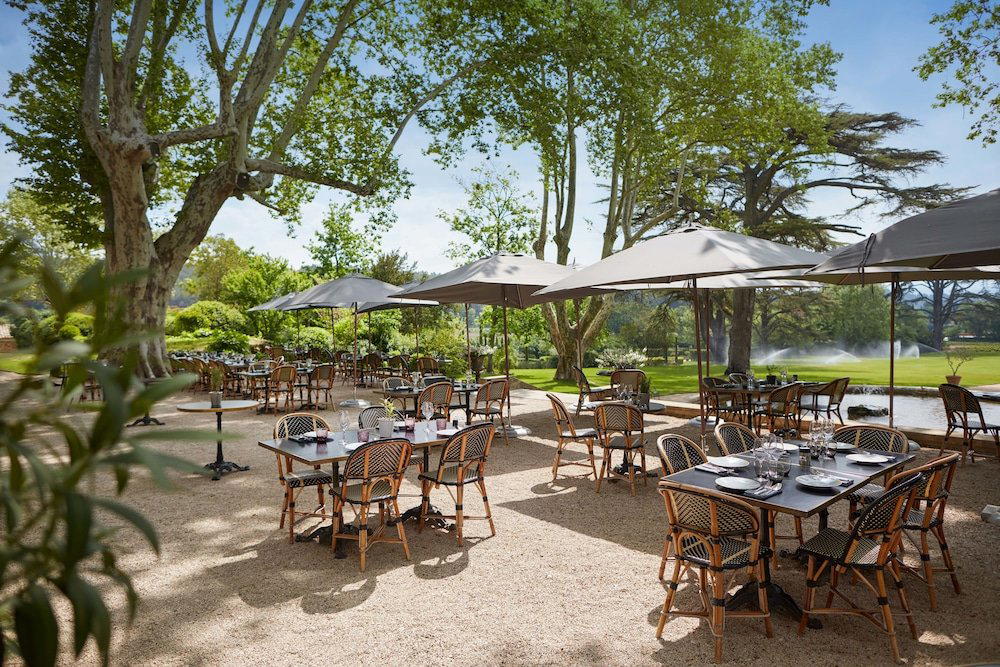
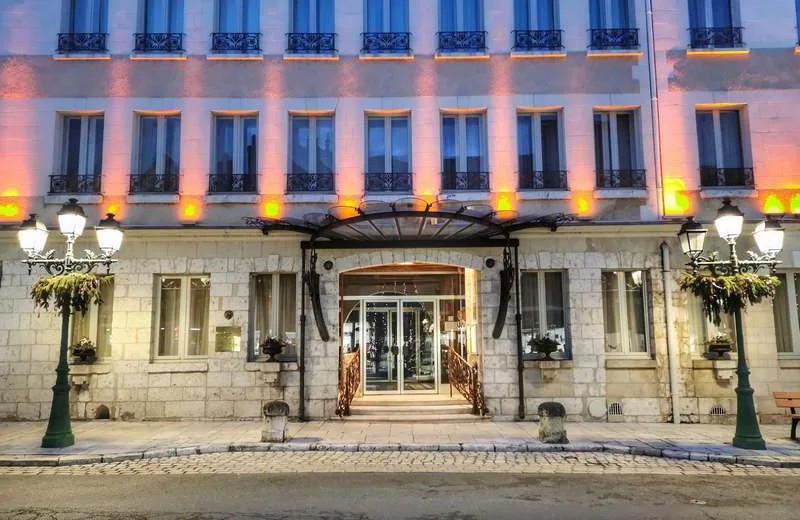
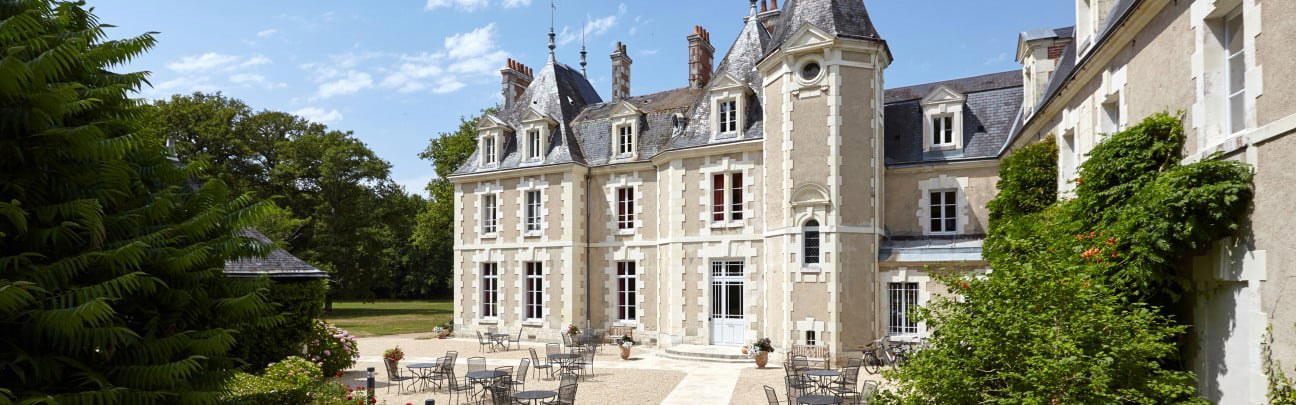
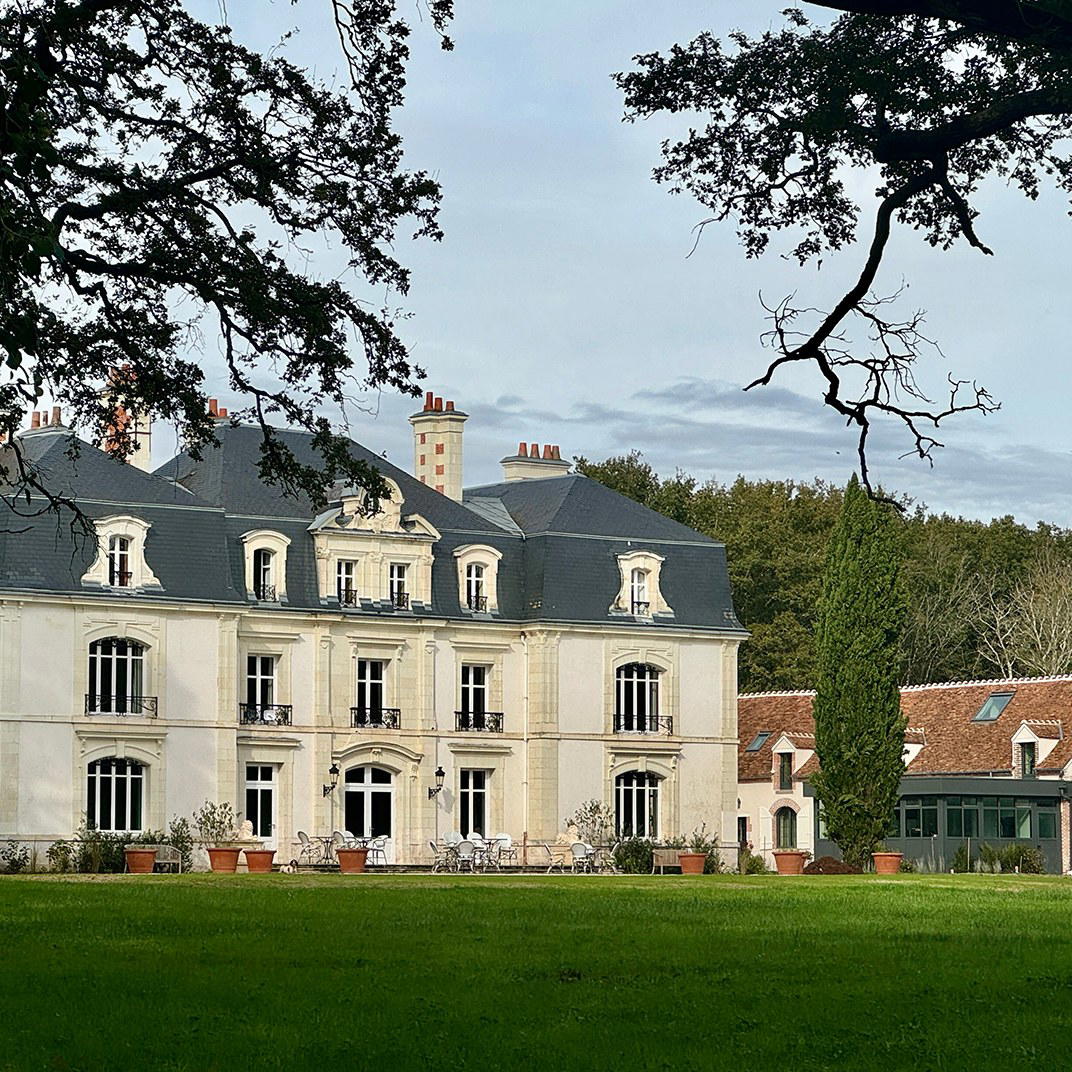
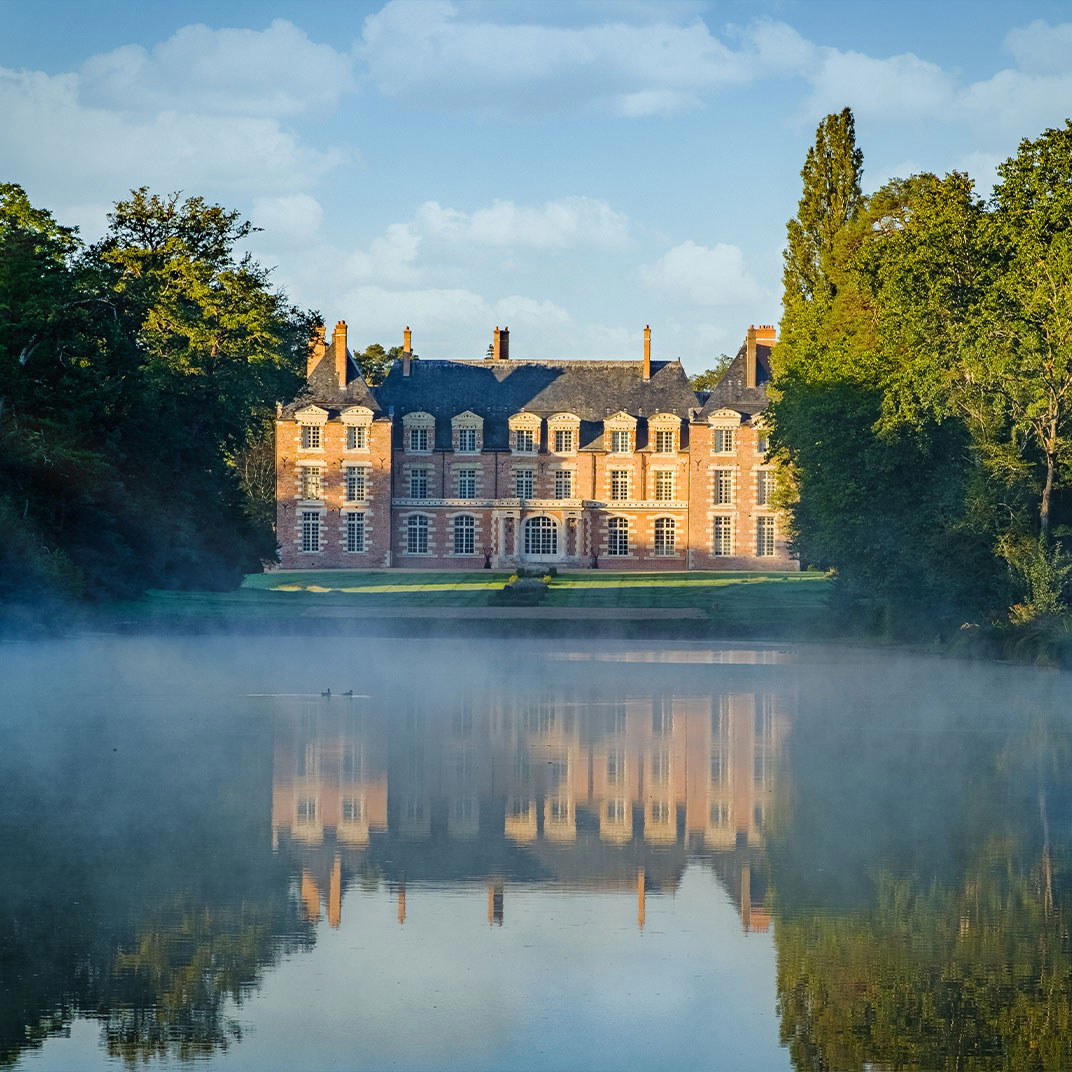
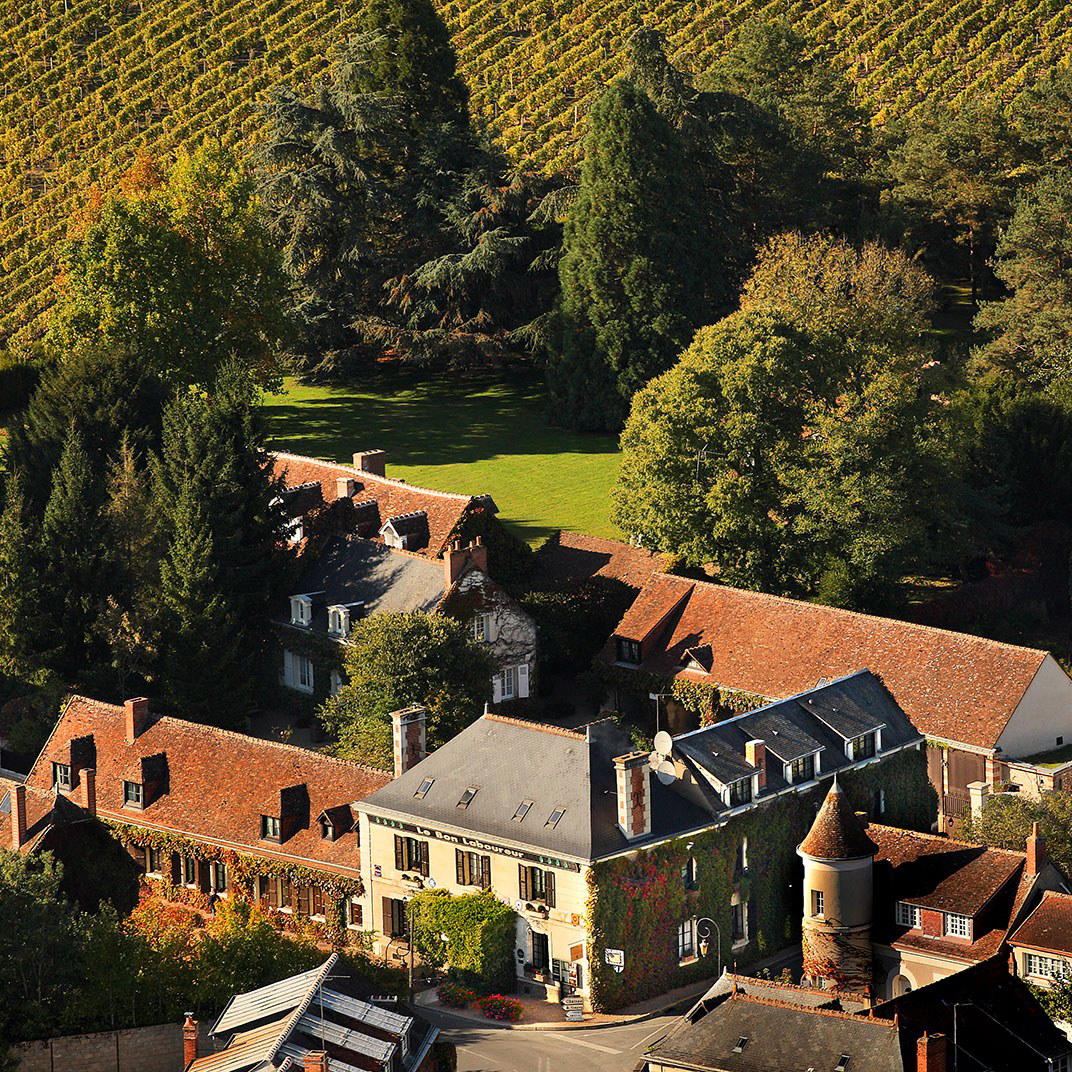
Approach Meusnes and the setting shifts into a quieter rural register: low village roofs, agricultural buildings, and the memory of flint extraction folded into the local ground. Domaine Bardon belongs to that older rural grammar. The setting is rustic rather than performative, with a heritage-driven winery atmosphere and a small museum tied to Meusnes’s historic flint extraction activity. Rather than announcing itself through polish or scale, it fits the surrounding landscape in a more understated way, where the village context is part of the experience rather than a backdrop to be ignored.
For readers mapping the area, place Domaine Bardon within a calm Meusnes itinerary rather than a high-gloss destination circuit. This is a setting best understood through its village context, rural character, and the connection between local heritage and winery travel. Its appeal is not about building an agenda around spectacle; it is about noticing how a winery visit can also carry traces of the place around it, especially in a village where the history of the ground itself remains part of the story.
Flint, heritage, and the Meusnes setting
Meusnes gives Domaine Bardon a specific sense of place. The draw is not a long list of public-facing amenities or technical production details, but the combination of a rustic winery setting and a small museum connected to the area’s historic flint extraction activity. That pairing gives the venue a clearer editorial identity: wine country viewed through a local, rural lens, with heritage close enough to shape the mood of the visit.
That heritage angle matters because it gives the visit a local frame beyond the bottle. The winery reads as a classic, hidden-gem stop in Meusnes: modest in tone, rooted in rural surroundings, and shaped by the village’s history rather than by spectacle. In practical terms, that means it is best approached with the expectation of texture rather than theatrics. The interest lies in the connection between the winery atmosphere, the village setting, and the modest museum element, all of which point back to Meusnes rather than away from it.
Specific details about production scale, grape varieties, awards, or tasting formats should be checked directly with the venue before planning around them. The grounded reason to keep the winery on a Meusnes list is its rustic winery character and its link to local flint heritage. For planning purposes, that distinction is useful: visitors should avoid assuming a highly programmed experience and instead treat the stop as one defined by setting, context, and a quieter sense of place.
A rustic winery atmosphere, not a destination resort
The hospitality signal is refreshingly plain: the winery is best described as a rustic, heritage-driven winery setting in Meusnes. It is not necessary to frame it as a resort-style stop or a venue built around elaborate programming. The appeal is quieter and more local. This is the kind of place that makes most sense when judged on atmosphere and fit, not on whether it replicates the conventions of a polished wine-tourism destination.
The small museum element adds useful context for visitors interested in Meusnes’s flint-extraction history. For travelers who prefer understated places with a classic rural feel, that heritage layer is especially reliable editorial reason to pay attention. It gives the winery setting an added dimension without turning it into something overproduced. The result is a venue that can feel especially relevant to people who like their travel stops to be anchored in the character of the village around them.
Pricing is listed as $$.
How to place it within a wider winery itinerary
A Meusnes stop at Domaine Bardon works well as a calm counterpoint to more formal or heavily staged winery experiences. It suits travelers who value a rustic setting, a classic rural atmosphere, and a local heritage story tied to the village. In a wider itinerary, that makes it useful as a slower, more grounded pause, particularly for visitors who want the route to reflect the texture of rural Meusnes rather than only the better-known patterns of wine travel.
Within Meusnes, compare it generally with other local dining or travel stops by mood rather than by invented specifics. The winery’s grounded identity is simple: a $$, rustic, heritage-driven winery setting with a small museum connected to Meusnes’s historic flint extraction activity. That simplicity is also the point. It is best understood not as a venue that needs embellishment, but as one whose value comes from the way it gathers together rural atmosphere, local memory, and the quieter pleasures of an unforced village stop.
Recognition history
Dated appearances from independent guides and award organizations, with the underlying list record or original source where available.
Falstaff Winery - Listed
Falstaff
At a Glance
- Rustic
- Classic
- Wine Education
- Solo Exploration
- Special Occasion
- Cave Tasting
- Historic Building
- Estate Grounds
- Vineyard
- Valençay AOC
- Sauvignon Blanc
- Still White
- Tasting Room
- Retail Tasting
Rustic, heritage-driven winery setting with a small museum tied to Meusnes’s historic flint extraction activity.