Domaine Anne Gros & Jean.Paul Tollot

Falstaff Winery - Listed
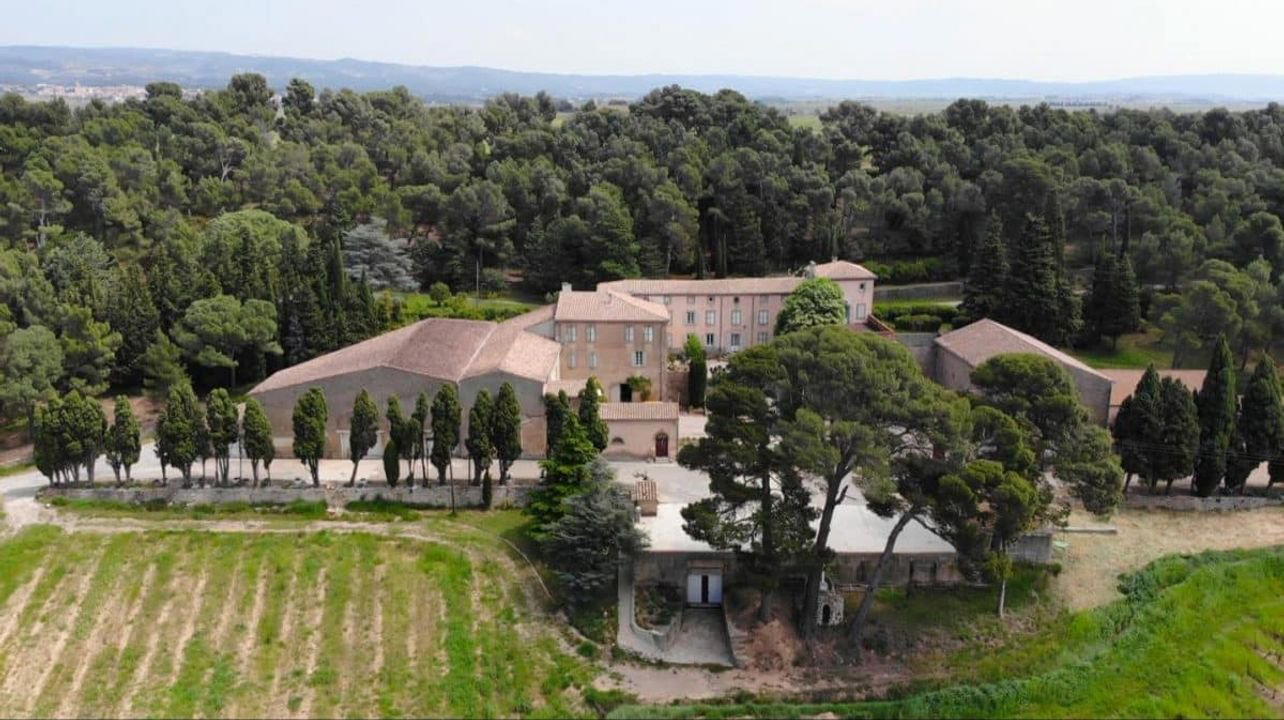
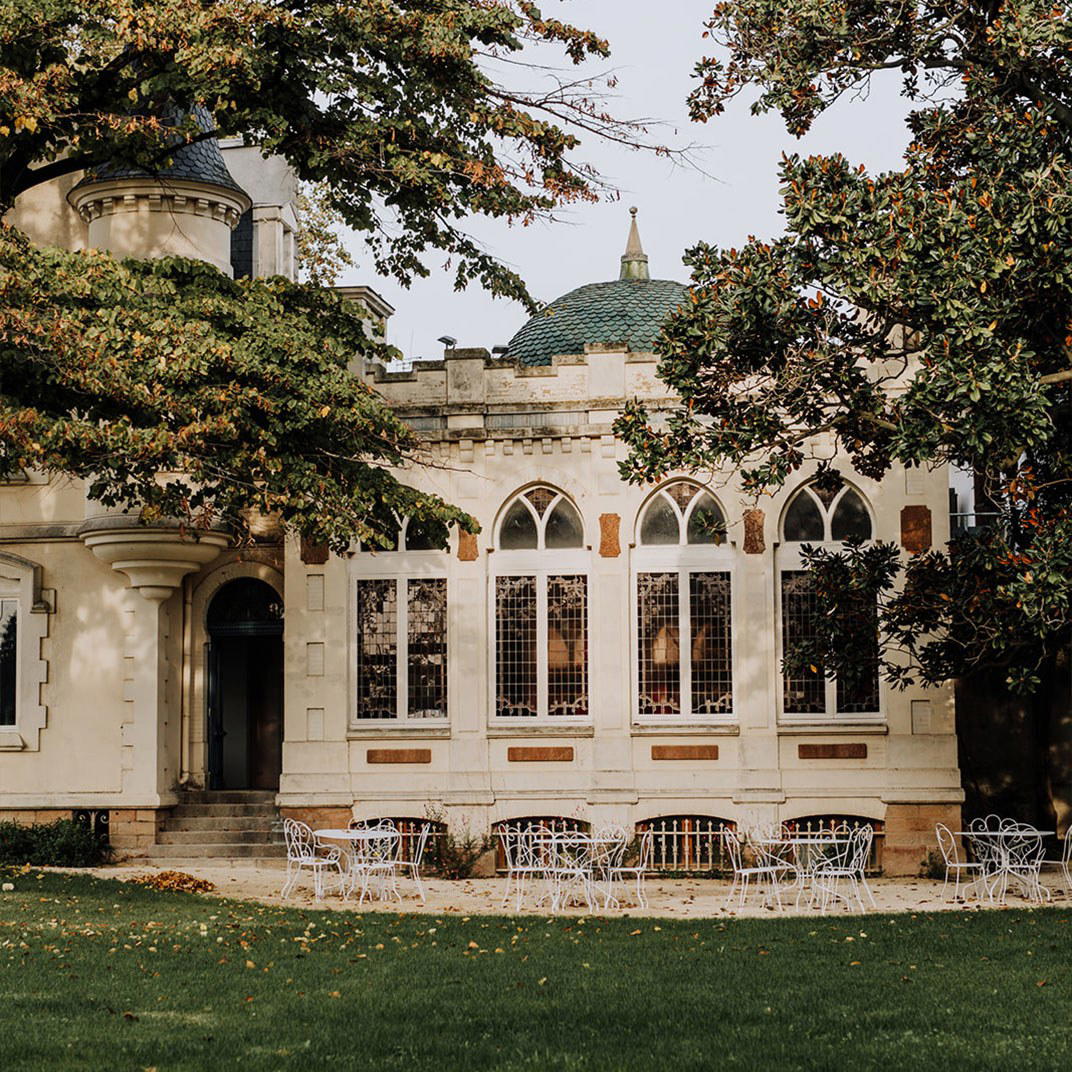
A small Minervois estate in Aigues Vives where Burgundian cellar discipline meets the warmer register of the Languedoc garrigue. The draw is terroir more than spectacle: clay, limestone and marl at about 220 metres, old Carignan and Grenache, appointment-led tastings, and a quiet rural setting with vineyard and garden views.

Pearl is the En Primeur Club membership app — saves, bookings, and concierge access live there. Same editors, same standards.
- Address
- Aigues-Vives, Occitanie, Frankreich
- Directions
- Get directions

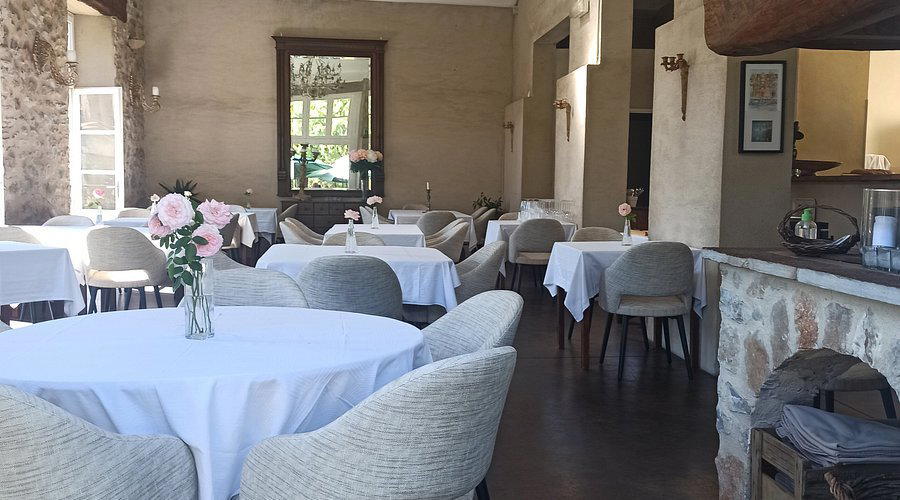
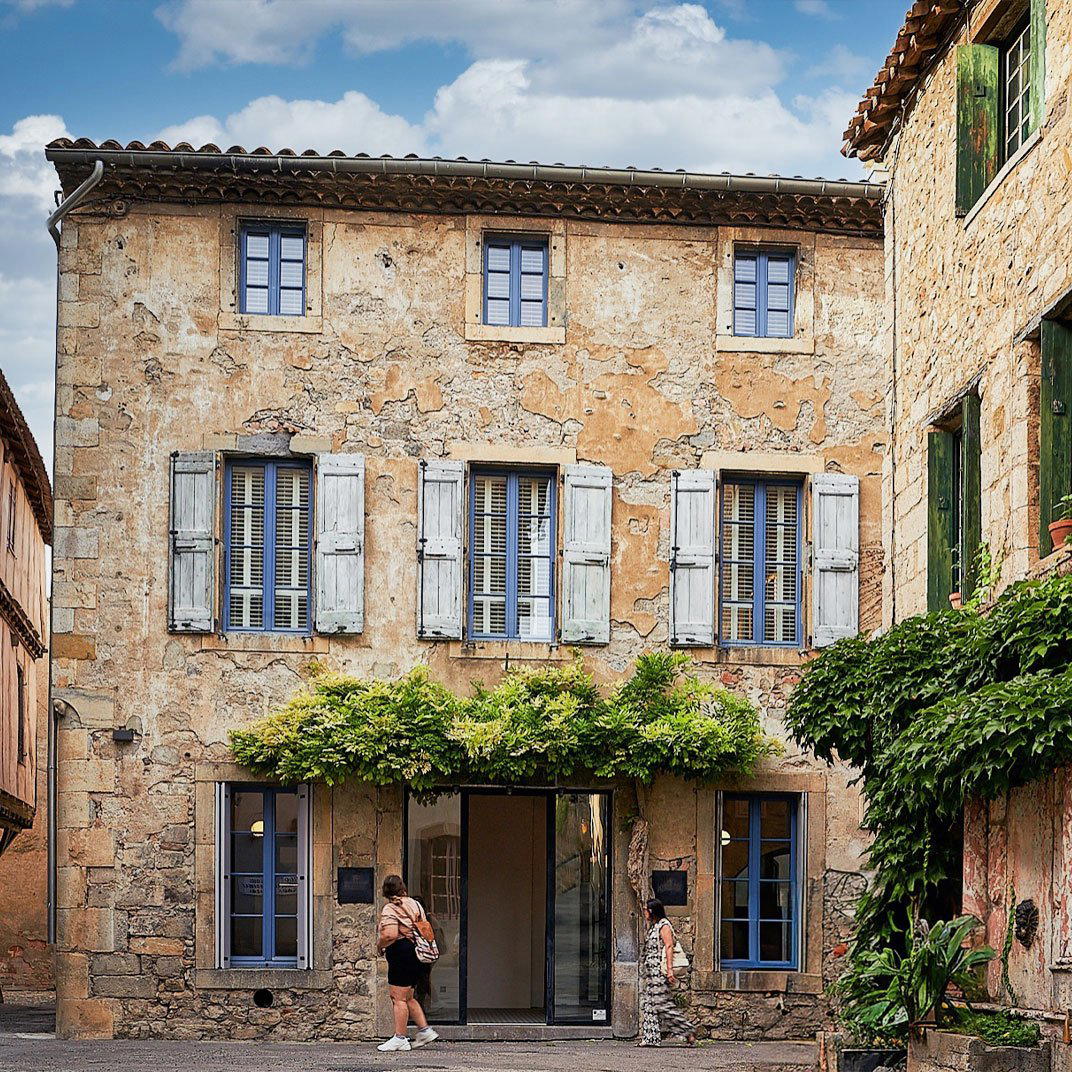
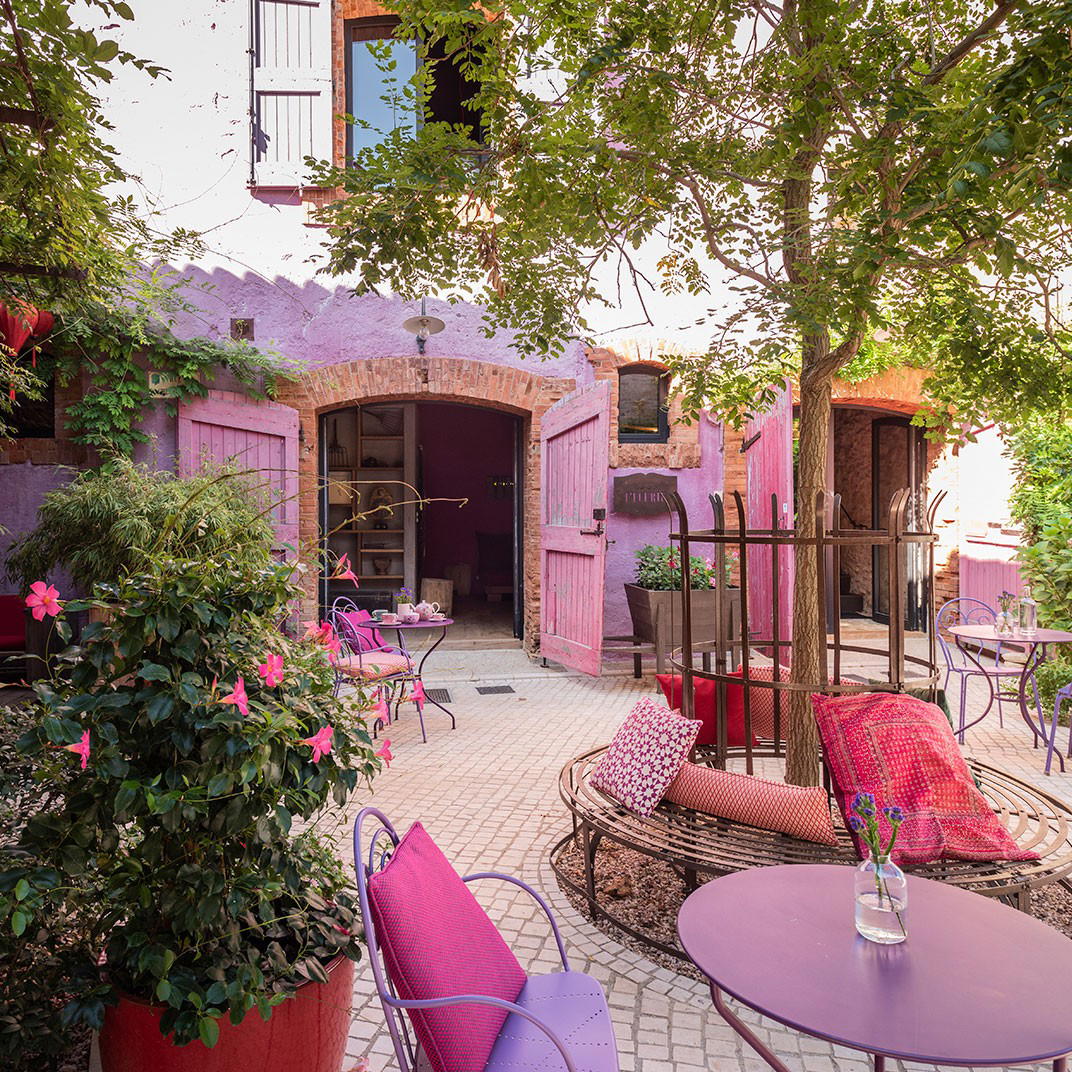
Approach Domaine Anne Gros & Jean. Paul Tollot as a small, independent Minervois estate rather than as an urban tasting-room concept. The picture is deliberately modest: Aigues Vives, the Languedoc garrigue, a calm rural atmosphere, and a domaine whose identity is framed by Burgundian precision meeting southern warmth. That is enough to set expectations without inventing a detailed visitor program, a menu of experiences or a list of services that has not been verified.
For travelers, the useful distinction is mood and orientation. Domaine Anne Gros & Jean. Paul Tollot is best understood as a countryside wine estate in the Minervois, with an environmentally conscious, natural-leaning approach in the vineyards and cellar. The page should not be read as confirming specific opening hours, appointment rules, tour lengths, grape varieties, cuvée details, tasting formats, food pairings, awards, scores or production figures. Those may be the kinds of facts wine travelers often want, but they are not part of the record available here.
Clay, limestone and wind give Minervois a sharper edge here
The broader Minervois setting matters because it frames the character of the visit: garrigue, rural quiet and the warmth of the Languedoc rather than the density of a city wine bar. Domaine Anne Gros & Jean. Paul Tollot sits in that landscape as a small estate with a calm, independent feel. The safest way to describe it is through the positioning: a Minervois domaine in Aigues Vives shaped by a meeting of Burgundian precision and southern French warmth.
Instead, the practical takeaway is simpler: visitors interested in Minervois should treat the estate as a rural, wine-focused stop whose appeal comes from setting, scale and philosophy rather than from a confirmed list of visitor amenities.
The environmental note is also important, but it should stay measured. The description supports an environmentally conscious, natural-leaning approach in the vineyards and cellar. It does not confirm a certification, a particular farming standard, a vintage-specific practice or a named cellar technique. For planning purposes, that means the estate can be approached as thoughtful and land-aware without overstating the evidence.
Burgundian technique without losing the southern register
The defining language around Domaine Anne Gros & Jean. Paul Tollot is the combination of Burgundian precision and southern warmth. That phrase gives the estate its useful shorthand: careful, exacting sensibility brought into a warmer Languedoc context. It is a strong enough identity without adding claims about a founding date, estate size, cuvée count, scores, named critics or specific production methods.
In practical terms, this makes the domaine a good fit for travelers who like wine places with a clear point of view and a quieter rural atmosphere. Anyone planning a visit should confirm current arrangements directly rather than relying on assumptions from broader wine-tourism norms.
The price level is listed as $$, which gives a general sense of positioning without confirming any specific tasting fee, bottle price, tour cost or package. Treat that as a broad indicator only. The more reliable reason to keep Domaine Anne Gros & Jean. Paul Tollot on a Minervois itinerary is its identity: small, independent, rural, environmentally conscious and rooted in the Languedoc garrigue.
A rural tasting built for patient wine travelers
For patient wine travelers, the appeal is the setting and philosophy rather than a checklist of services. Domaine Anne Gros & Jean. Paul Tollot offers a calm Aigues Vives context: countryside, garrigue and a small-estate atmosphere. That makes it better suited to visitors who appreciate a slower, more reflective wine stop than to those looking for a confirmed high-volume visitor centre, scheduled entertainment or a guaranteed dining component.
Planning should remain flexible. Before making the trip, confirm the latest practical information directly with the estate or a current local source. For broader local planning, use Our full Aigues Vives wineries guide, then cross-check dining and overnight options through Our full Aigues Vives restaurants guide, Our full Aigues Vives hotels guide, Our full Aigues Vives bars guide and Our full Aigues Vives experiences guide.
Travelers building a wider route should compare other wine and hospitality options generically rather than assuming they share the same setting, services or visitor format as Domaine Anne Gros & Jean. Paul Tollot. Within Aigues Vives, use the estate as a reference point for a quiet Minervois experience; beyond that, verify each stop on its own terms before planning around it.
Recognition history
Dated appearances from independent guides and award organizations, with the underlying list record or original source where available.
Falstaff Winery - Listed
Falstaff
Domaine Anne Gros & Jean.Paul Tollot
Featured Guides

Continue exploring
More in Aigues Vives
Wineries in Aigues Vives
Browse all →
Bars in Aigues Vives
Browse all →
Restaurants in Aigues Vives
Browse all →
Details
- Rustic
- Scenic
- Elegant
- Romantic
- Quiet
- Romantic Getaway
- Group Outing
- Solo Exploration
- Wine Education
- Special Occasion
- Estate Grounds
- Vineyard Tour
- Private Tasting
- Sustainable
- Vineyard
- Garden
- Carignan
- Grenache
- Syrah
- Cinsault
- Marselan
- Still Red
- Still White
- Still Rosé
- Standard Tasting
- Private Tasting
- Food Pairing
- French
- English
A small, independent Minervois estate in the Languedoc garrigue with a calm, rural atmosphere, combining Burgundian precision with southern warmth and an environmentally conscious, natural-leaning approach in the vineyards and cellar.