
Michelin Plate
Our verdict
Fleurs d'Olargues earns consecutive Michelin Plate recognition in 2024 and 2025, placing it among the few dining addresses worth planning a detour through the Haut-Languedoc for. Set in the medieval village of Olargues against the gorges of the Jaur, the restaurant offers modern cuisine at a mid-range price point that makes it one of southern France's more considered regional tables.

Pearl is the En Primeur Club membership app — saves, bookings, and concierge access live there. Same editors, same standards.
- Address
- Pont du Diable, 34390 Olargues, France
- Phone
- +33 4 67 97 27 04
- Hours
- Mon–Wed ClosedThu 12–2 PMFri–Sat 12–2 PM, 7–8:30 PMSun 12–2 PM
- Website
- fleursdeolargues.com
- Directions
- Get directions
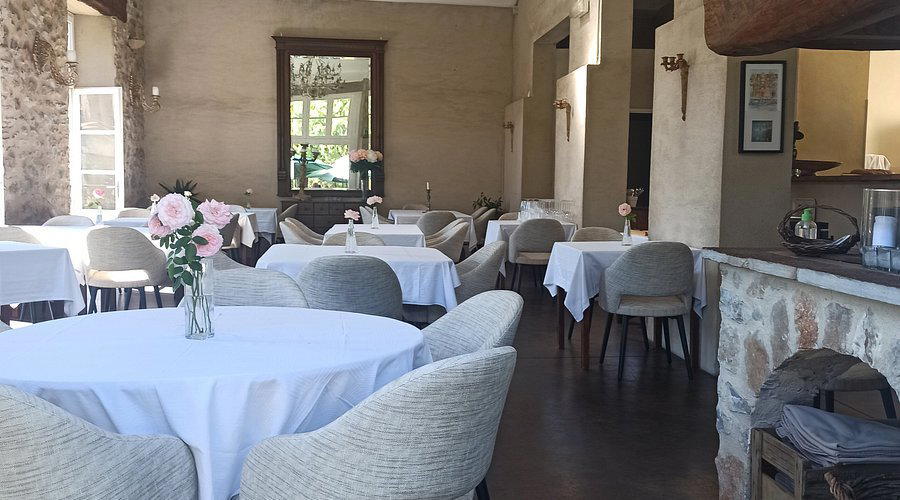
The menu
What to order
- Smørrebrød with home-smoked mackerel
- Lamb tournedos with Languedoc lavender gravy
- Cod filet with garden greens
- Rødgrød med fløde
Where the Haut-Languedoc Puts Something on the Plate
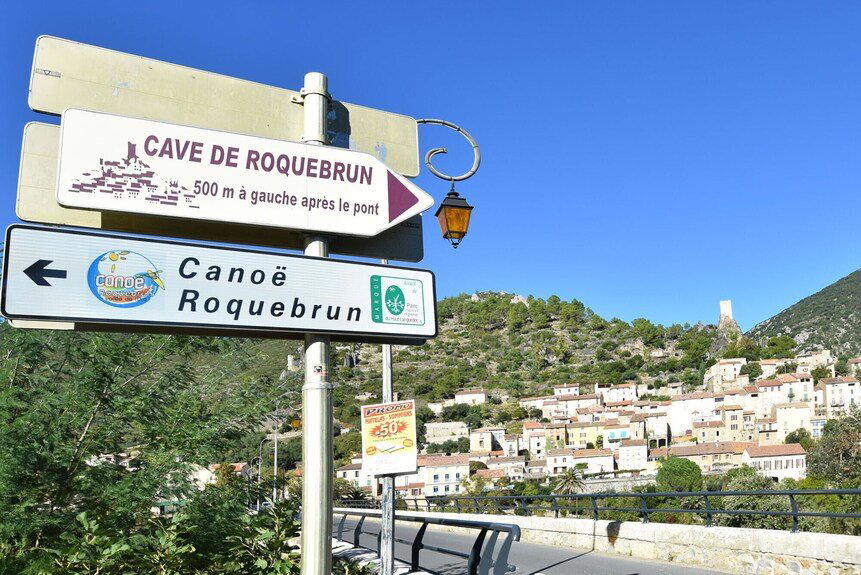
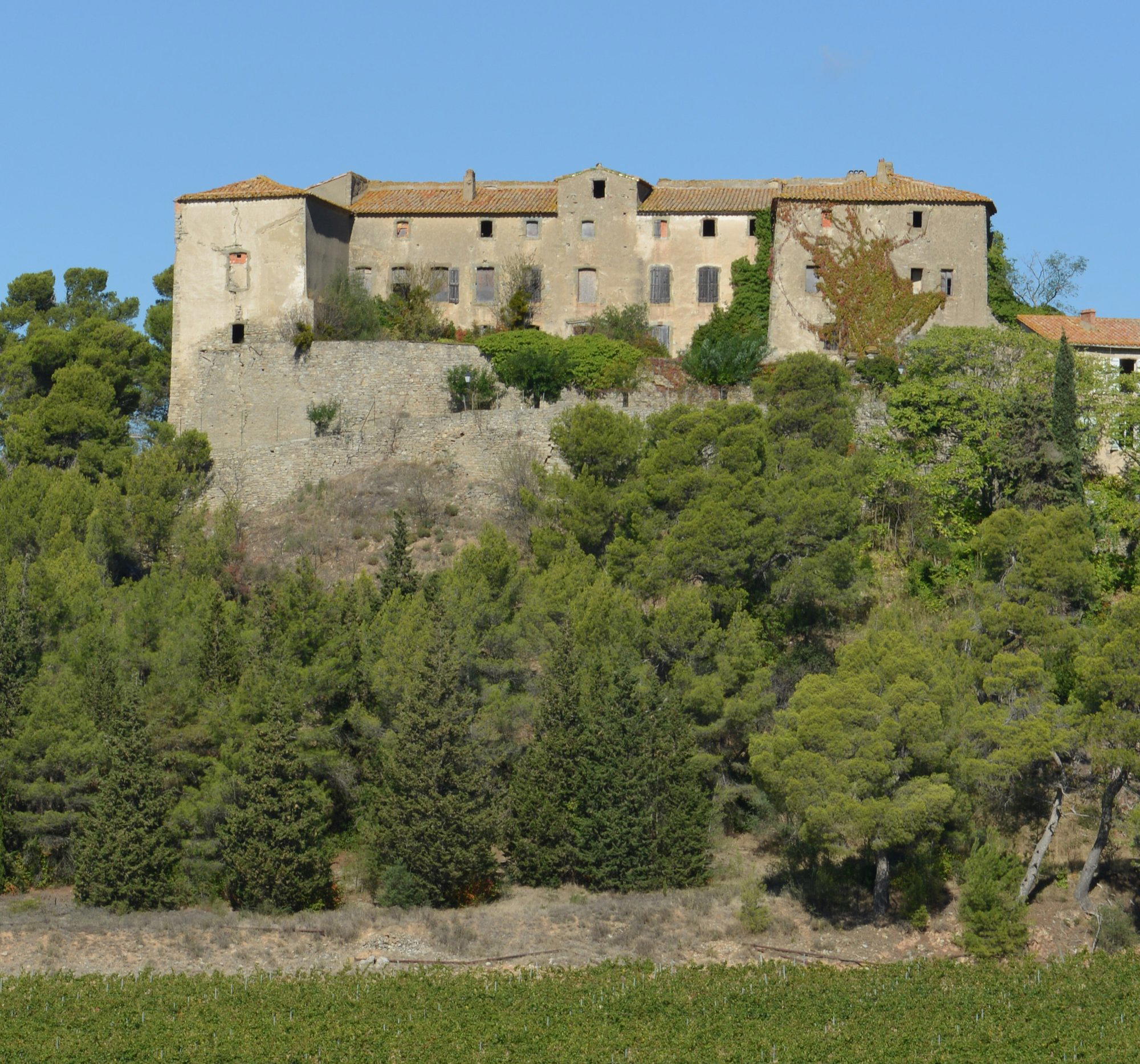
The village of Olargues occupies one of the more dramatically positioned addresses in southern France. A medieval bridge crosses the Jaur river at the foot of a hillside quartier that UNESCO has long cited among the most architecturally coherent small communes in France. The Pont du Diable, the stone arch at the address of Fleurs d'Olargues, frames a gorge that turns amber in late afternoon light and draws walkers from across the Haut-Languedoc Natural Park. It is the kind of place that could easily survive on scenery alone, and most dining in villages of this scale does exactly that. Fleurs d'Olargues is notable precisely because it does not.
The restaurant holds a Michelin Plate for both 2024 and 2025, a consecutive recognition that signals consistent kitchen standards rather than a one-season anomaly. In a region where the Michelin map thins out rapidly once you move north of Montpellier and west of the Hérault wine corridor, that consistency has real weight. For context on what Michelin Plate recognition means in France's broader fine dining framework, compare the output here against the full-starred ambitions of properties like Mirazur in Menton, Bras in Laguiole, or Auberge du Vieux Puits in Fontjoncouse. The Plate sits below starred territory but above the noise, and in a village of under 700 people, it is a substantive signal.
The Sourcing Logic of Languedoc's Interior
Modern cuisine in southern France's interior villages has historically operated around a different supply logic than its coastal counterparts. Montpellier and Sète kitchens pull from Mediterranean fish markets and have access to the dense produce networks of the Hérault plain. Inland, in villages like Olargues tucked into the valleys of the Parc Naturel Régional du Haut-Languedoc, the sourcing picture shifts toward mountain-raised meat, river-caught freshwater species, wild fungi from the chestnut and oak forests of the Espinouse plateau, and stone-fruit harvests from the terraced hillside orchards that define the landscape between May and September.
This is the ingredient geography that a kitchen at this address has to work with, and the designation moderne cuisine in this context implies not the urban refinement of, say, Alléno Paris au Pavillon Ledoyen or AM par Alexandre Mazzia in Marseille, but rather a kitchen that applies contemporary technique to produce that is fundamentally rural and seasonal. The distinction matters for the diner deciding whether to make the drive from Béziers, Montpellier, or Carcassonne. This is not a restaurant transplanted into a scenic village. Its material is the village and the valley around it.
The chestnut forests above Olargues are among the most productive in the Languedoc, and autumn in the Jaur valley coincides with the kind of foraging window that supplies serious kitchens across the Massif Central and the Mediterranean hinterland. The same season brings wild mushrooms from the slopes of the Espinouse, a range that peaks above 1,100 metres and creates the cool, damp micro-conditions that fungi require. Spring and early summer bring river herbs, market garden produce from the valley floors, and the first of the stone fruits from the surrounding hillside terraces. A kitchen with Michelin Plate recognition in this environment is, almost by definition, one that has learned to schedule its menu around what the immediate territory produces, not what can be shipped in.
Positioning Within the Regional Dining Scene
Olargues sits within the broader dining circuit of the Languedoc-Roussillon, a region that has accumulated serious culinary credentials in recent years. Auberge du Vieux Puits in nearby Fontjoncouse holds three Michelin stars and operates as one of the most isolated three-star addresses in France, having demonstrated that the rural south can sustain cooking at the very highest level. That precedent matters for understanding how a Michelin-recognised table in Olargues positions itself: not as an outlier, but as part of a pattern of serious regional cooking that has little interest in proximity to major urban centres.
The price bracket at Fleurs d'Olargues is €€, placing it in the accessible mid-range rather than the tasting-menu-only pricing of properties like Flocons de Sel in Megève or Troisgros in Ouches. That price-to-recognition ratio is part of what makes it worth planning around for travellers already routing through the Haut-Languedoc. For comparison, many Michelin Plate addresses in rural France accumulate fewer than a hundred reviews; 464 indicates a diner throughput that goes beyond village regulars and suggests a genuine detour audience.
Getting There and Planning Your Visit
Olargues is not on a main transport line. The village is accessible by car from Béziers (roughly 50 kilometres to the southeast) and from Saint-Pons-de-Thomières to the west, with the D908 road following the Jaur valley through some of the most intact natural scenery in the Hérault département. Visitors combining a meal at Fleurs d'Olargues with broader exploration of the Haut-Languedoc will find the surrounding area covered in our full Olargues restaurants guide, alongside options for accommodation in our Olargues hotels guide. For those looking to extend the trip into the surrounding culture and landscape, our Olargues experiences guide maps the hiking and heritage options around the village. The Hérault's wine production is centred further south, but the Olargues wineries guide and bars guide are worth consulting for evening programming before or after a meal.
The summer months, when the Jaur valley fills with walkers and cyclists from across the region, represent the most predictable service window.
The Broader Map of French Regional Cooking
France's serious regional dining addresses tend to cluster where local ingredient identity is strong enough to give a kitchen a reason to exist independently of urban supply chains. Auberge de l'Ill in Illhaeusern draws on Alsatian river and forest produce. Paul Bocuse in Collonges-au-Mont-d'Or made Lyonnais produce the argument. Assiette Champenoise in Reims and Au Crocodile in Strasbourg sit within regions where the local product story is inseparable from the dining identity. The Haut-Languedoc's argument is less celebrated but not less coherent: chestnuts, wild fungi, river fish, mountain meat, and stone fruits from terraced hillside orchards make a credible sourcing brief for a modern kitchen. Fleurs d'Olargues, with two consecutive Michelin Plate years and a 4.6-rated audience that arrives from beyond the village, is making that case in a location most French dining guides still pass over. That's the editorial interest here, and the reason a detour through the Jaur valley deserves to appear on the itinerary alongside better-known regional tables. For those looking at the broader spectrum of modern cuisine internationally, venues like Frantzén in Stockholm and FZN by Björn Frantzén in Dubai illustrate how the same modern cuisine designation operates at the starred end of the global scale.
Frequently asked questions
Would Fleurs d'Olargues be comfortable with kids?
What's the vibe at Fleurs d'Olargues?
What's the must-try dish at Fleurs d'Olargues?
Comparable Spots, Quickly
| Venue | Cuisine | Price | Awards |
|---|---|---|---|
| Fleurs d'OlarguesThis venue — the venue you are viewing | Modern Nordic-French Fine Dining | $50–100 | Michelin Plate |
| Alléno Paris au Pavillon Ledoyen | Creative | Not listed | Michelin 3 Star |
| Kei | Contemporary French, Modern Cuisine | Not listed | Michelin 3 Star |
| L'Ambroisie | French, Classic Cuisine | Not listed | Michelin 3 Star |
| Le Cinq - Four Seasons Hôtel George V | French, Modern Cuisine | Not listed | Michelin 3 Star |
| Plénitude | Contemporary French | Not listed | Michelin 3 Star |
Recognition history
Dated appearances from independent guides and award organizations, with the underlying list record or original source where available.
Michelin Plate
Michelin
Full recognition history (3 entries)
Michelin Plate
Michelin
Michelin Plate
Michelin
Continue exploring
More in Olargues
Restaurants in Olargues
Browse all →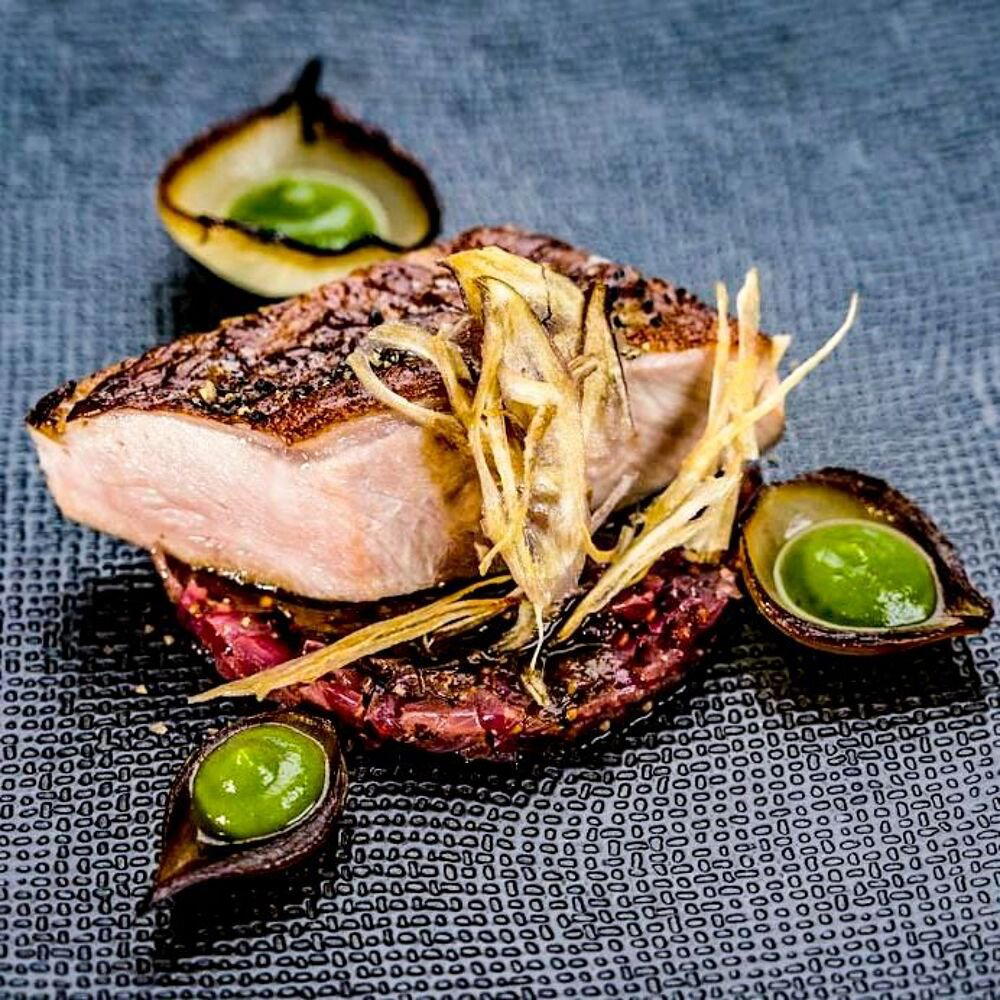
Bars in Olargues
Browse all →
Hotels in Olargues
Browse all →
Details
- Romantic
- Scenic
- Elegant
- Intimate
- Date Night
- Special Occasion
- Celebration
- Family
- Terrace
- Waterfront
- Garden
- Open Kitchen
- Panoramic View
- Historic Building
- Sommelier Led
- Farm To Table
- Local Sourcing
- Organic
- Waterfront
- Garden
- Prix Fixe
- A La Carte
- Tasting Menu
- Regional Wine Selection
- Local Vignerons
- Vegetarian Friendly
- Allergy Accommodating
Current opening hours
- Monday
- Closed
- Tuesday
- Closed
- Wednesday
- Closed
- Thursday
- 12–2 PM
- Friday
- 12–2 PM, 7–8:30 PM
- Saturday
- 12–2 PM, 7–8:30 PM
- Sunday
- 12–2 PM
Hours can change for holidays and private events. Last verified .
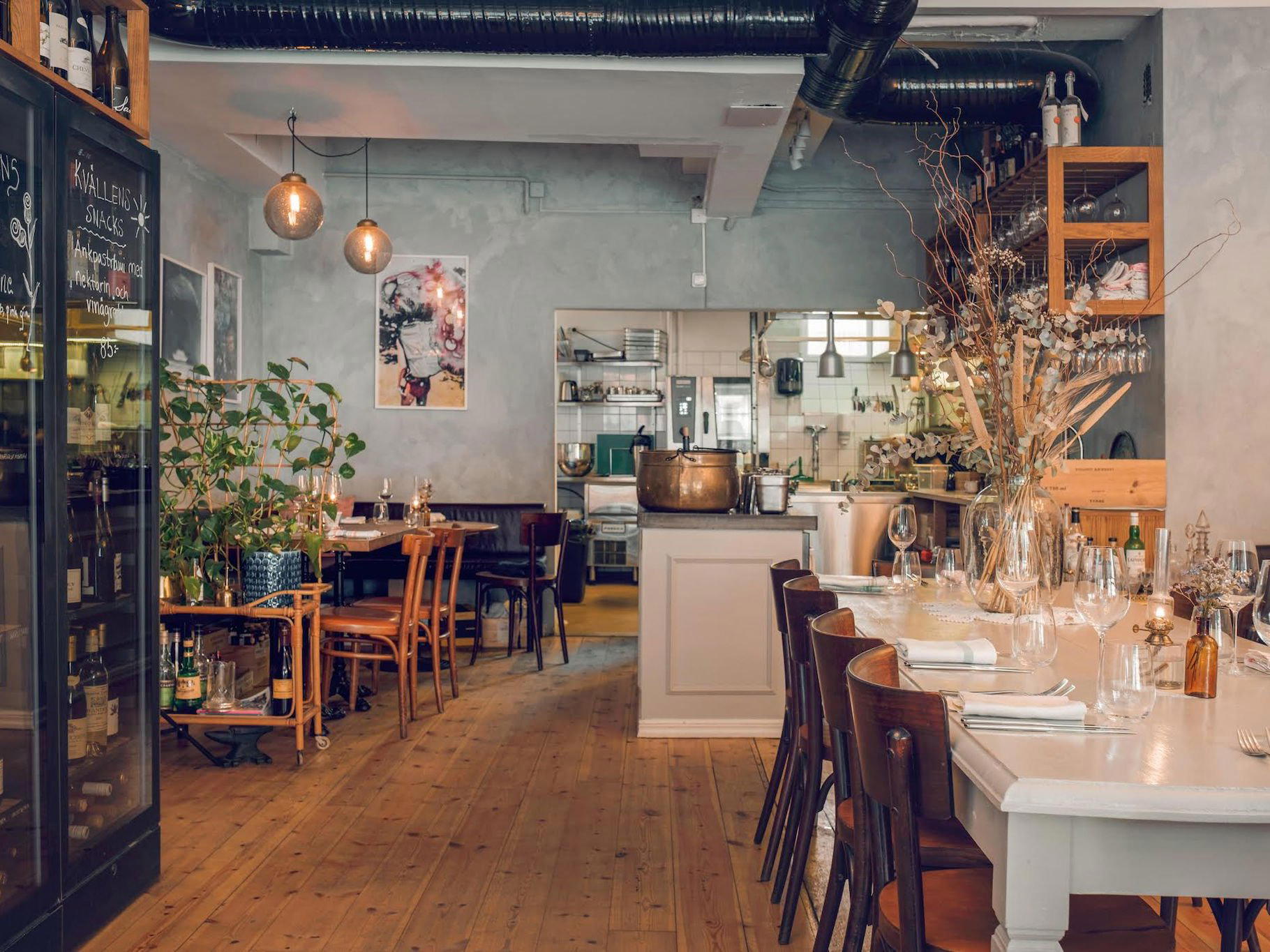
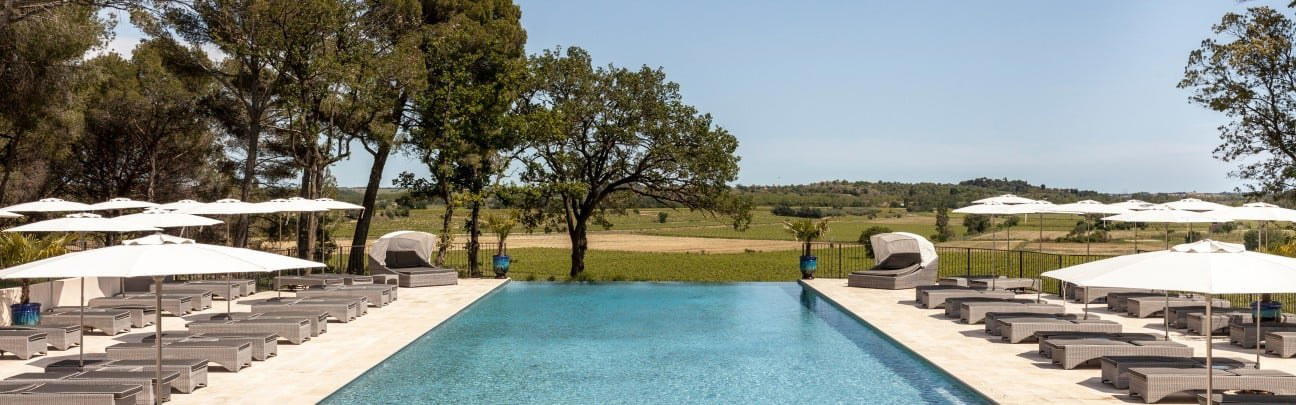
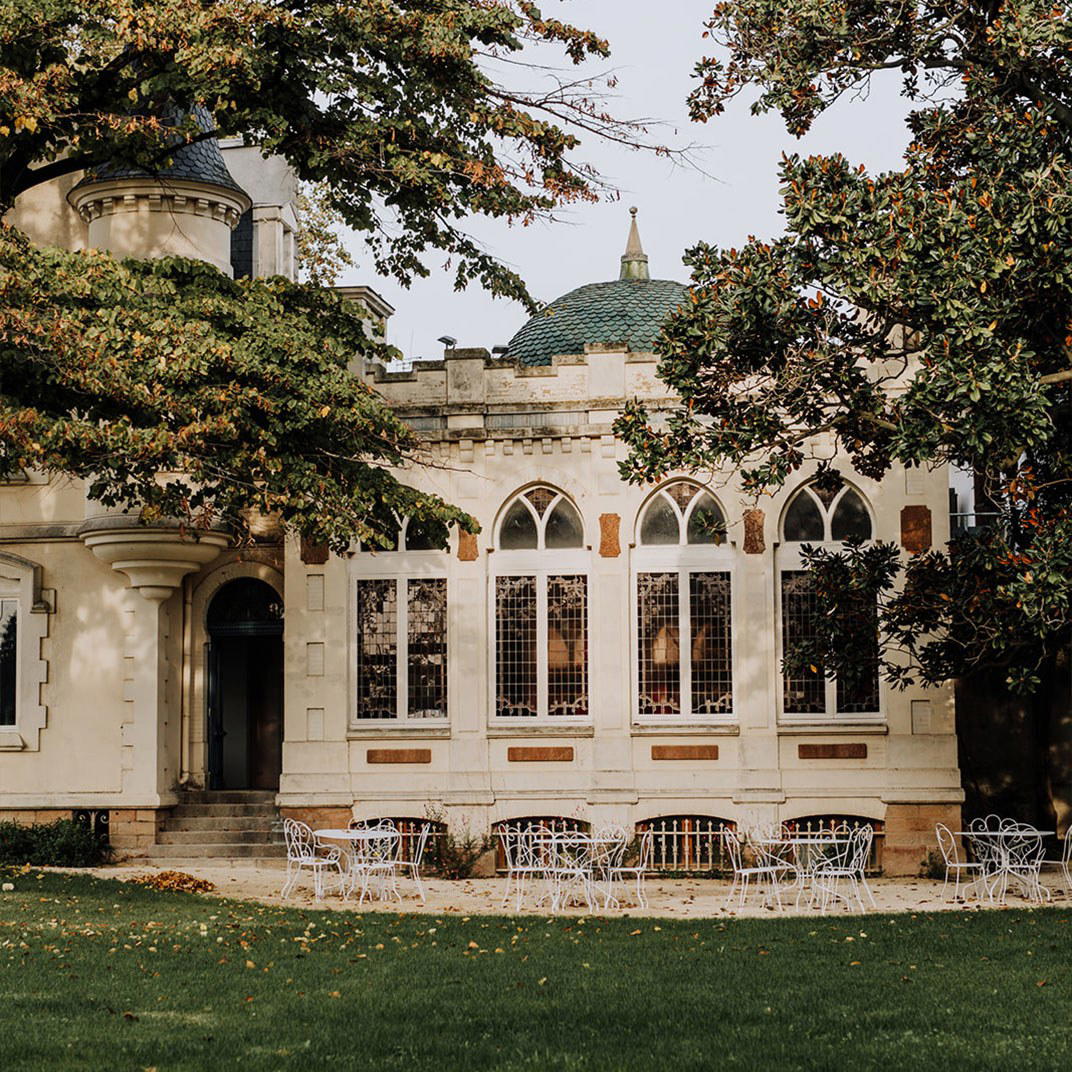
Bucolic and romantic with tasteful decoration; green and white checkered tablecloths, abundant greenery, and shimmering light bulbs on the terrace; elegant dining room for cooler weather with warm, welcoming service.