
Falstaff Winery - Listed
Cave de Roquebrun is a cooperative cellar in Roquebrun focused on Saint-Chinian Roquebrun AOP wines shaped by schist soils, Mediterranean sun and the cooler influence of the Haut-Languedoc. Expect a rustic cellar format rather than luxury-winery theatre, with reds built around Syrah, Grenache, Mourvèdre and Carignan, plus rosé and white wines for a broader read on the cru.

Pearl is the En Primeur Club membership app — saves, bookings, and concierge access live there. Same editors, same standards.
- Address
- Roquebrun, Saint-Chinian, Occitanie, Frankreich
- Directions
- Get directions
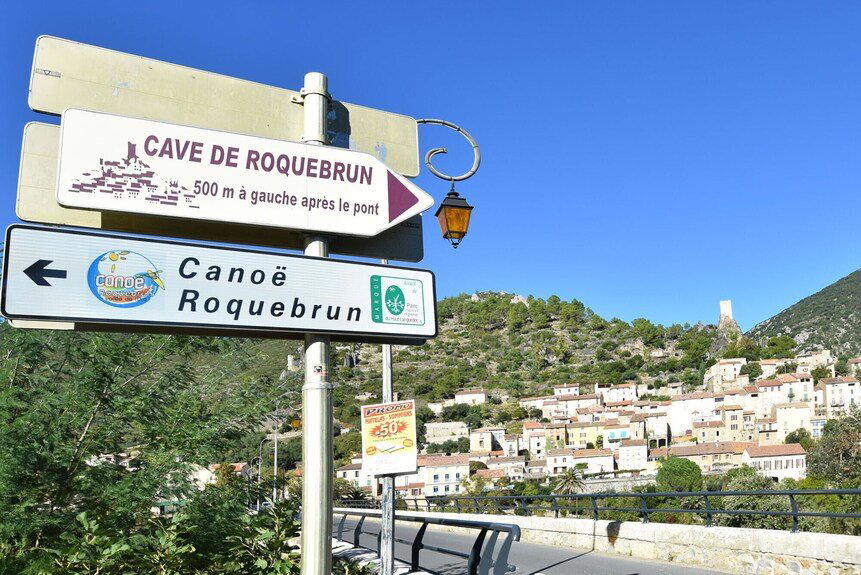
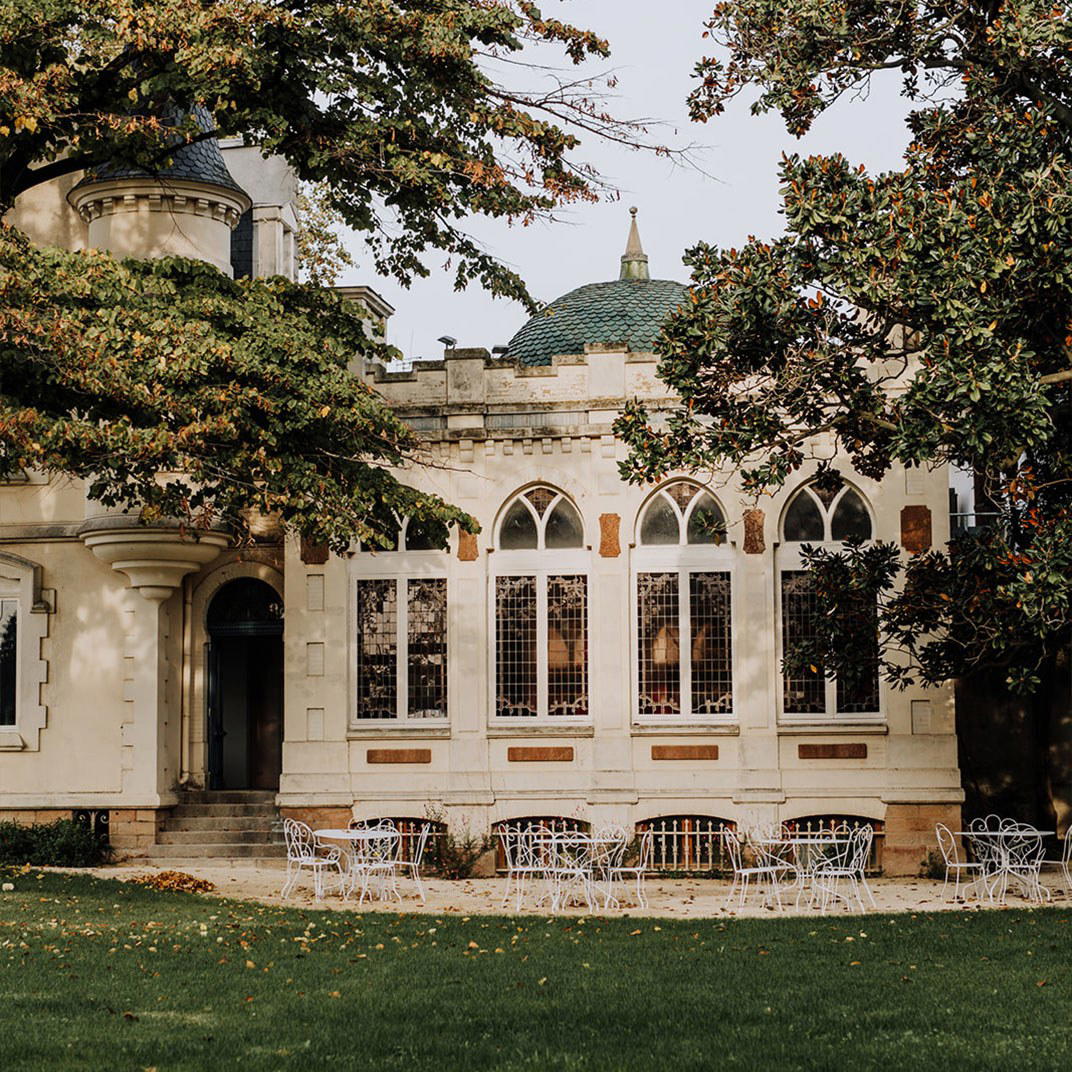
Approaching wine in Roquebrun means reading the landscape before the glass. Cave de Roquebrun sits inside the Haut-Languedoc regional park, where schist terroir helps give Saint-Chinian Roquebrun wines a more defined identity than the broad Languedoc label often suggests. That setting matters because it keeps the conversation close to the ground: slopes, stone, heat, exposure and the village context are all part of how visitors are invited to think about the wines. Cave de Roquebrun belongs to that terrain-led story: a co-operative cellar with a classic Languedoc winery feel and convivial tastings built around the wines themselves.
The point here is not small-domain romance. A co-operative cellar can be a useful way to understand how a shared cellar identity expresses a place, particularly in a region where landscape and appellation often need explaining in more precise terms. At Cave de Roquebrun, the story is focused on Roquebrun, schist terroir, rich and expressive Saint-Chinian Roquebrun wines, and a particular emphasis on barrel-aged reds. For travellers using a Roquebrun wine stop to understand the area, that is the essential frame: less about spectacle, more about a direct encounter with the local style.
Schist, sun and the Saint-Chinian Roquebrun signature
Saint-Chinian Roquebrun wines are the anchor. The identity of Cave de Roquebrun is tied to schist terroir and a style described as rich and expressive, especially in the reds. Rather than treating “Languedoc” as a broad category, the cellar gives visitors a clearer sense of how Roquebrun’s landscape can shape the wines in the glass. The distinction is important: this is still recognisably southern France, but the more useful lens is the particular Roquebrun expression within that larger setting.
The appeal lies in tasting a local expression of the Haut-Languedoc rather than in a highly staged hospitality format. For visitors, that means paying attention to texture, depth and the way the wines communicate place, without needing to turn the tasting into a technical seminar.
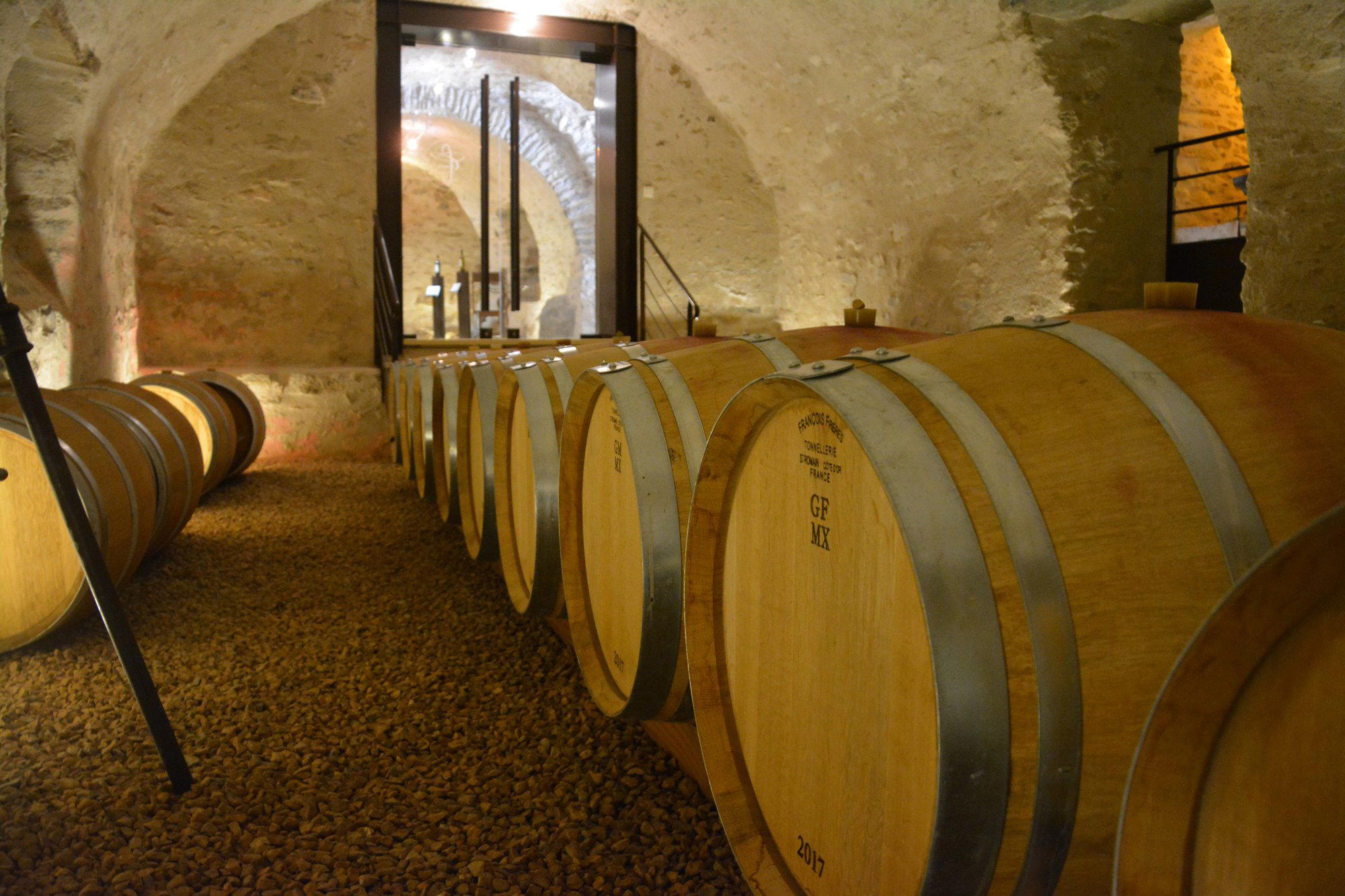
Barrel-aged reds are a major part of the cellar’s appeal. That focus gives visitors a direct way to engage with the richer, more structured side of Saint-Chinian Roquebrun while staying grounded in a classic Languedoc winery setting. They also help define the visit for travellers who want one clear takeaway from the cellar: this is a place where the red wines carry much of the narrative weight.
A cooperative cellar with a village rhythm
The tasting experience is best understood as convivial and cellar-led. Cave de Roquebrun is presented as a co-operative cellar rather than a restaurant or resort-style wine destination, and the emphasis is on tasting the wines in Roquebrun with the local terroir in mind. That gives the visit a practical, village-rooted rhythm: arrive for the wines, orient yourself around the cellar’s identity, and let the setting clarify why Saint-Chinian Roquebrun is being treated as more than a subheading under Languedoc.
What is clear is the core character: a classic Languedoc winery feel, a co-operative identity and tastings of expressive Saint-Chinian Roquebrun wines. The appeal is not built on elaborate extras, but on the combination of place, cellar and style. For many travellers, that is precisely the value of the stop, because it keeps attention on what the wines say about Roquebrun.
In a region where visitors may also be looking at other dining in Roquebrun, a stop at Cave de Roquebrun gives a more direct perspective on local wine and the Haut-Languedoc landscape. It is a useful wine-focused counterpoint to a broader village itinerary. Instead of treating wine as an accessory to the visit, the cellar makes it the lens through which the village and surrounding terrain can be understood.
Why this stop matters in a wider France wine itinerary
Roquebrun rewards travellers who want Languedoc specificity rather than a generic southern-French tasting. Cave de Roquebrun offers that through its co-operative cellar identity, its focus on Saint-Chinian Roquebrun wines and its connection to schist terroir. The clearest draw is the chance to taste rich, expressive wines, with barrel-aged reds standing out as a central point of interest. In itinerary terms, that makes the stop easy to justify: it adds regional definition rather than simply another tasting room.
For broader planning across France and nearby European wine regions, Cave de Roquebrun is best understood on its own terms: a Roquebrun co-operative cellar in the Haut-Languedoc regional park, focused on Saint-Chinian Roquebrun wines with a classic Languedoc winery feel. Against a wider wine itinerary, its case is clear: schist, co-operative character and reds with a strong sense of place. Those elements give the visit a concise identity, and they are enough to make Cave de Roquebrun a meaningful stop for travellers who want the range of Roquebrun to register in the glass.
Recognition history
Dated appearances from independent guides and award organizations, with the underlying list record or original source where available.
Falstaff Winery - Listed
Falstaff
Continue exploring
More in Roquebrun
Wineries in Roquebrun
Browse all →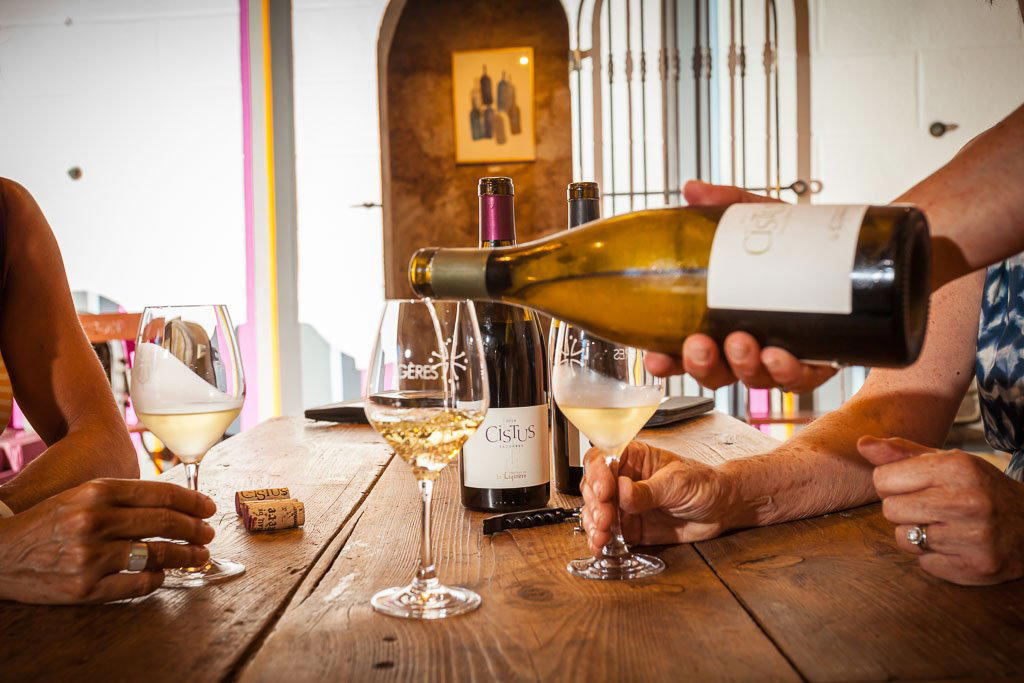
Bars in Roquebrun
Browse all →
Restaurants in Roquebrun
Browse all →
Details
- Classic
- Rustic
- Scenic
- Wine Education
- Group Outing
- Solo Exploration
- Romantic Getaway
- Estate Grounds
- Panoramic View
- Private Tasting
- Vineyard
- Mountain
- Syrah
- Grenache
- Mourvèdre
- Carignan
- Still Red
- Still Rosé
- Still White
- Bar Tasting
- Cellar Tasting
- Private Tasting
- French
- English
Co-operative cellar in the Haut-Languedoc regional park offering convivial tastings of rich, expressive Saint-Chinian Roquebrun wines that highlight schist terroir, with a focus on barrel-aged reds and a classic Languedoc winery feel.