Domaine André Mathieu

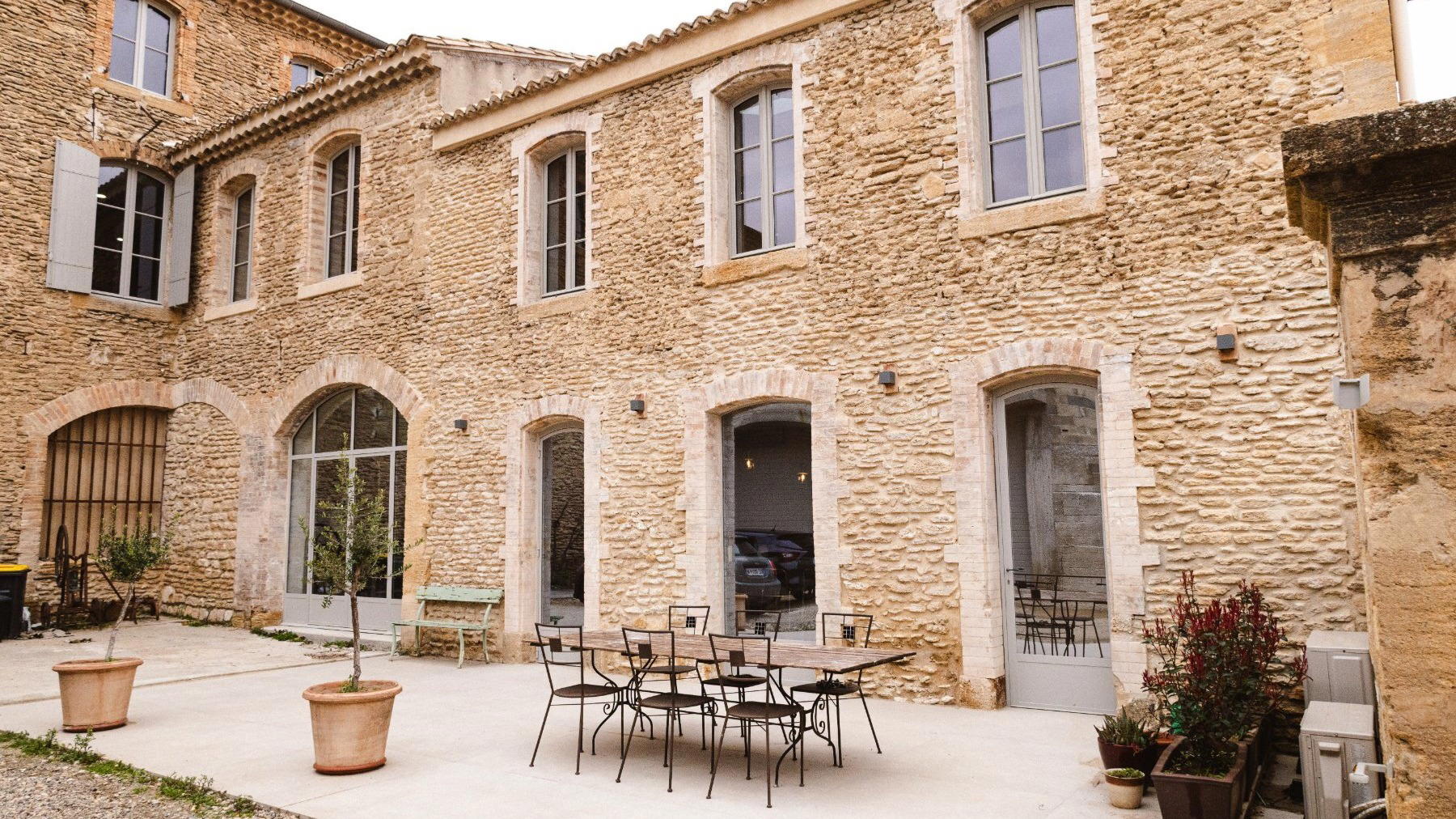
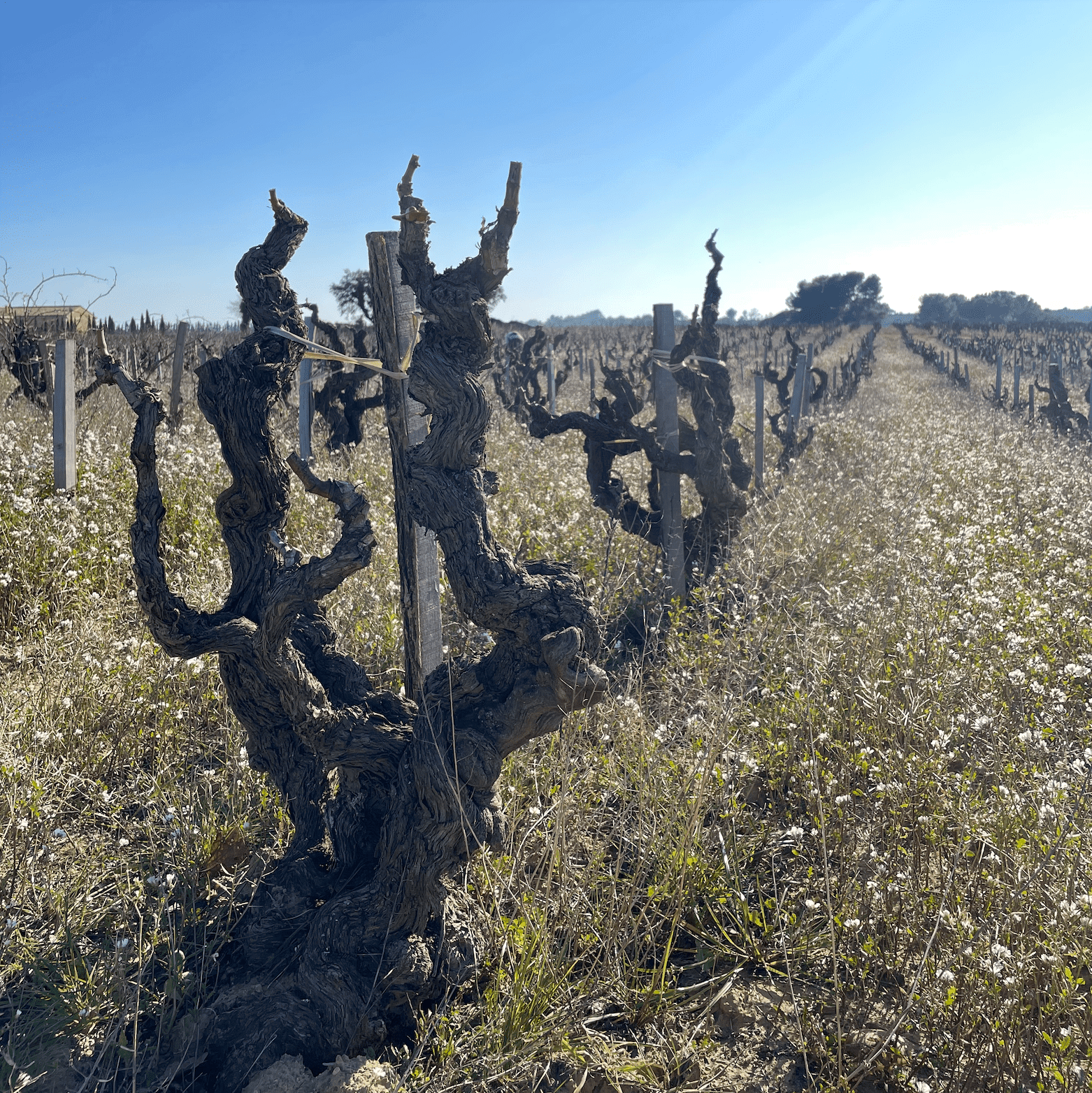
Domaine André Mathieu is a historic Châteauneuf-du-Pape estate with family roots traced to around 1600 and formal establishment in 1854. Its appeal is traditional rather than polished: old foudres, spontaneous fermentation, scattered parcels, and a rare commitment to all 13 authorized AOC grape varieties shape a cellar experience built around terroir rather than hospitality theatre.
Pearl is the En Primeur Club membership app — saves, bookings, and concierge access live there. Same editors, same standards.
- Address
- 3 Rte de Courthézon, 84230 Châteauneuf-du-Pape, France
- Phone
- +33 4 90 83 72 09
- Website
- domaine-andre-mathieu.com
- Directions
- Get directions
 Saves & bookings on Pearl
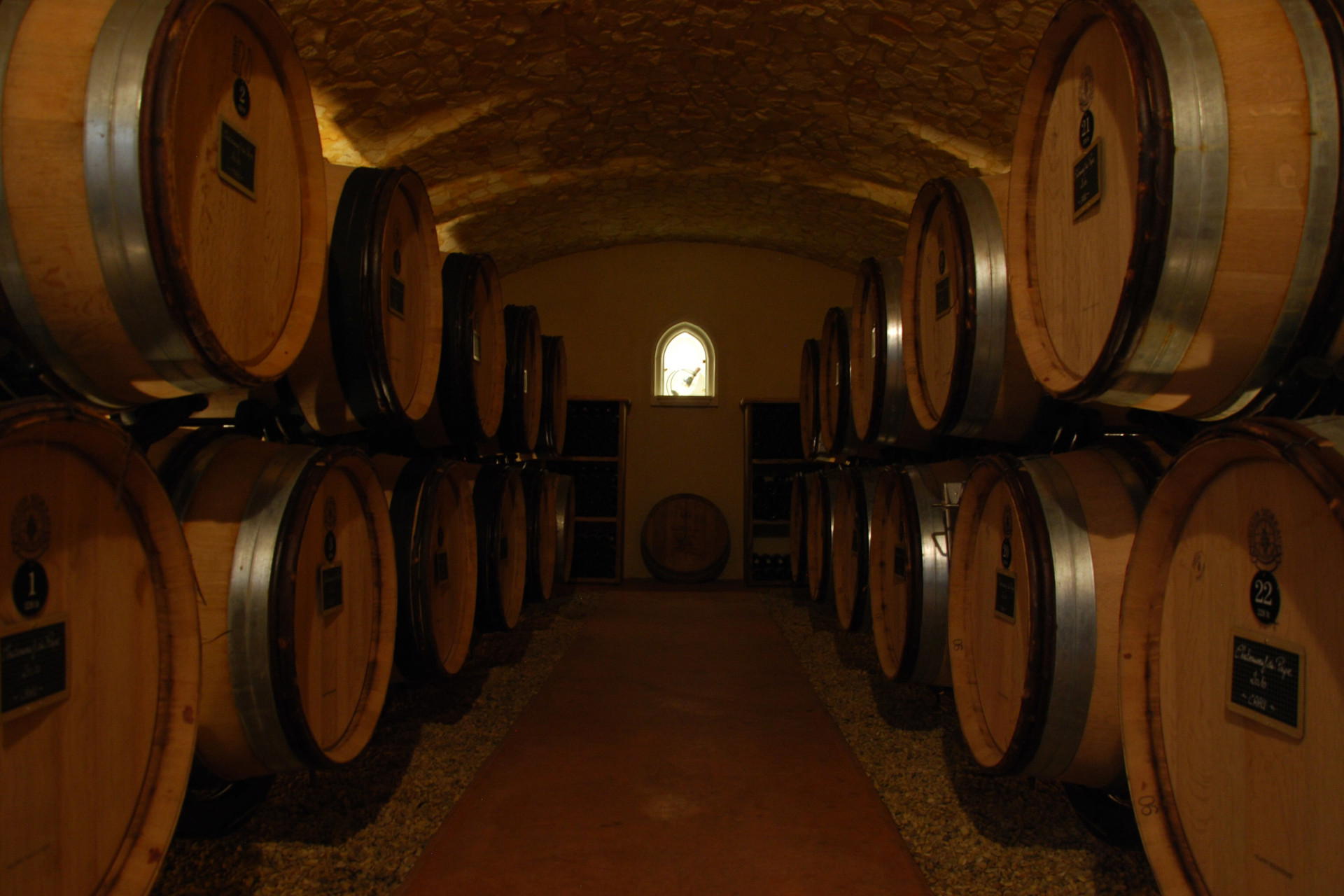
Domaine André Mathieu is a historic, family-run estate in Châteauneuf-du-Pape with a traditional, low-intervention winemaking identity. The picture is deliberately modest: this is not a page for unsupported claims about rankings, menus, precise cuvées, founding dates, guest formats, or appointment rules. What can be stated with confidence is that the domaine’s atmosphere is shaped by working cellars and old foudres, giving it a classic, functional winery character rather than the feel of a designed tasting lounge.
That distinction matters for anyone deciding whether Domaine André Mathieu fits a Châteauneuf-du-Pape itinerary. Some winery visits are built around presentation, hospitality design, or luxury reception spaces. The confirmed details here point instead toward a more traditional estate environment: historic, family-run, rustic in tone, and focused on cellar work. The appeal is not a fabricated list of technical specifications, but the grounded sense of a Châteauneuf-du-Pape producer whose identity is tied to low-intervention winemaking and an old-cellar atmosphere.
A traditional Châteauneuf-du-Pape estate with a working-cellar feel
The strongest hook for Domaine André Mathieu is its setting and winemaking posture. The estate is described as historic and family-run, with traditional, low-intervention winemaking at the center of its identity. Its working cellars and old foudres help define the mood: classic, rustic, and practical rather than polished for spectacle.
For readers comparing options in Châteauneuf-du-Pape, that means the domaine should be understood as a traditional winery environment, not as a restaurant, bar, hotel, or styled lounge. Those details should not be inferred. The reliable emphasis is narrower and clearer: the winery is a Châteauneuf-du-Pape estate whose character comes from family continuity, low-intervention winemaking, working cellars, and old foudres.
The price indicator is listed as $$. That gives a broad planning signal without implying a specific tasting fee, bottle price, or package structure.
How to read the atmosphere
The dress and setting cues point to a classic, rustic environment. In practical terms, visitors should expect the tone of a functioning winery rather than a highly designed hospitality room. The old foudres are part of the confirmed atmosphere, and they help explain why the domaine is best framed through cellar character rather than décor.
Because the available facts are limited, it is important not to overstate the experience. The page should not promise private tastings, reservation-only access, guided tours, multilingual service, retail-counter tastings, specific grape varieties, parcel holdings, production quantities, vintage details, or special bottlings. A careful guide can still be useful by saying what is known and by refusing to fill the gaps with attractive but unsupported details.
For travelers, the honest takeaway is simple: the winery belongs on a Châteauneuf-du-Pape shortlist if the desired setting is traditional, family-run, and cellar-focused. It is less useful to describe it with lifestyle language or invented hospitality details. The confirmed personality is rooted in a classic winery atmosphere: working spaces, old foudres, rustic restraint, and a focus on winemaking rather than show.
How to place Domaine André Mathieu in a Châteauneuf-du-Pape plan
The comparison frame is narrow, so the guide keeps the focus on the winery itself and refers to other Châteauneuf-du-Pape options only generically.
That approach is especially important in a region where guide pages often drift into unsupported specificity. Without facts, it would be inaccurate to claim that winery has a particular appointment policy, opening schedule, tour language, address beyond Châteauneuf-du-Pape, cuisine, drink program, allergy policy, delivery service, award, score, or founding year.
What remains is still a coherent profile. The winery is a $$ Châteauneuf-du-Pape estate with a historic, family-run identity, traditional low-intervention winemaking, working cellars, and old foudres. Its atmosphere is classic and rustic, more functional winery than designed lounge. For readers who value that kind of grounded, traditional estate character, those are the facts that matter most.
Recognition history
Dated appearances from independent guides and award organizations, with the underlying list record or original source where available.
Falstaff Winery - Listed
Falstaff
Continue exploring
More in Châteauneuf-du-Pape
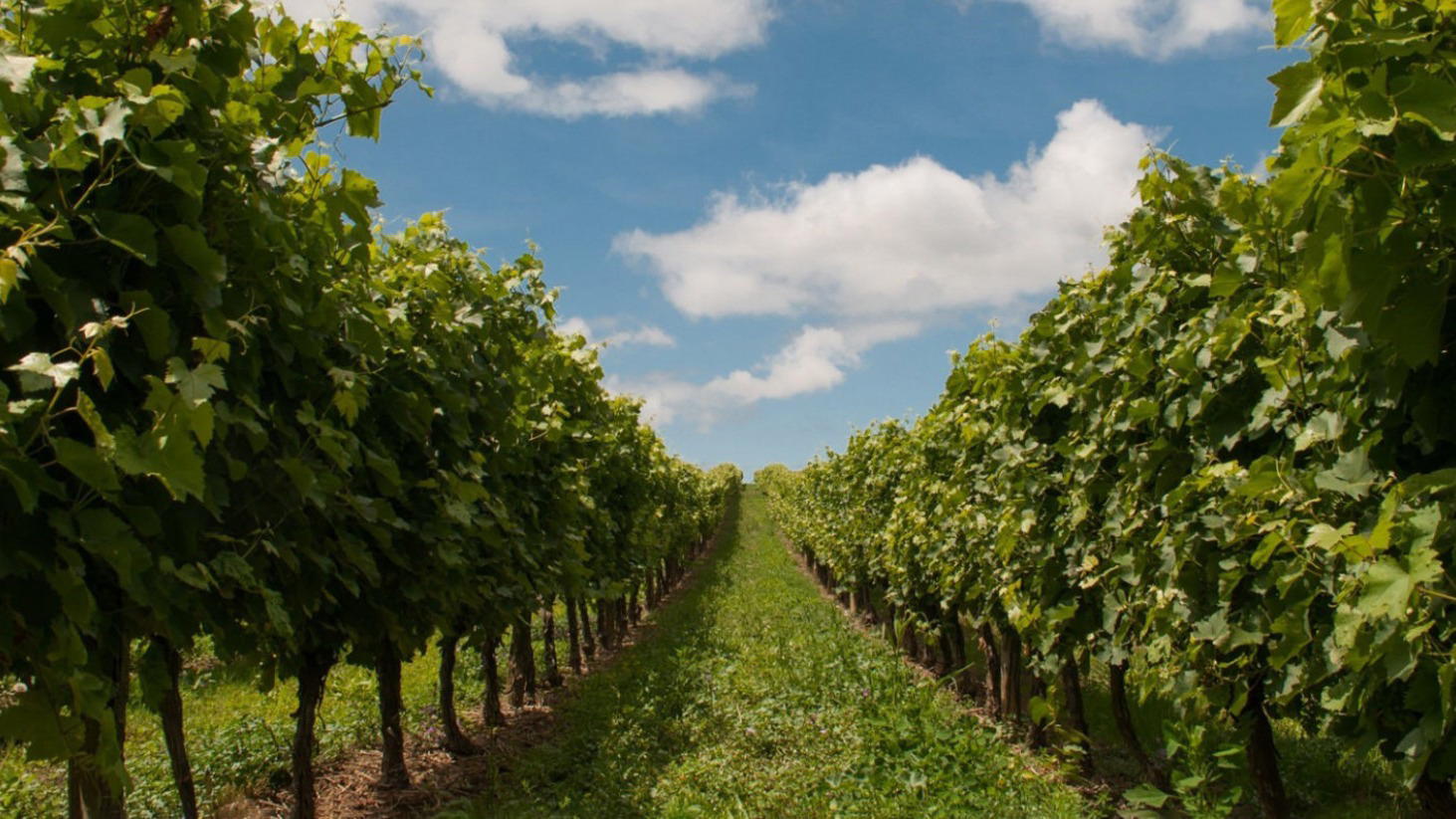
Wineries in Châteauneuf-du-Pape
Browse all →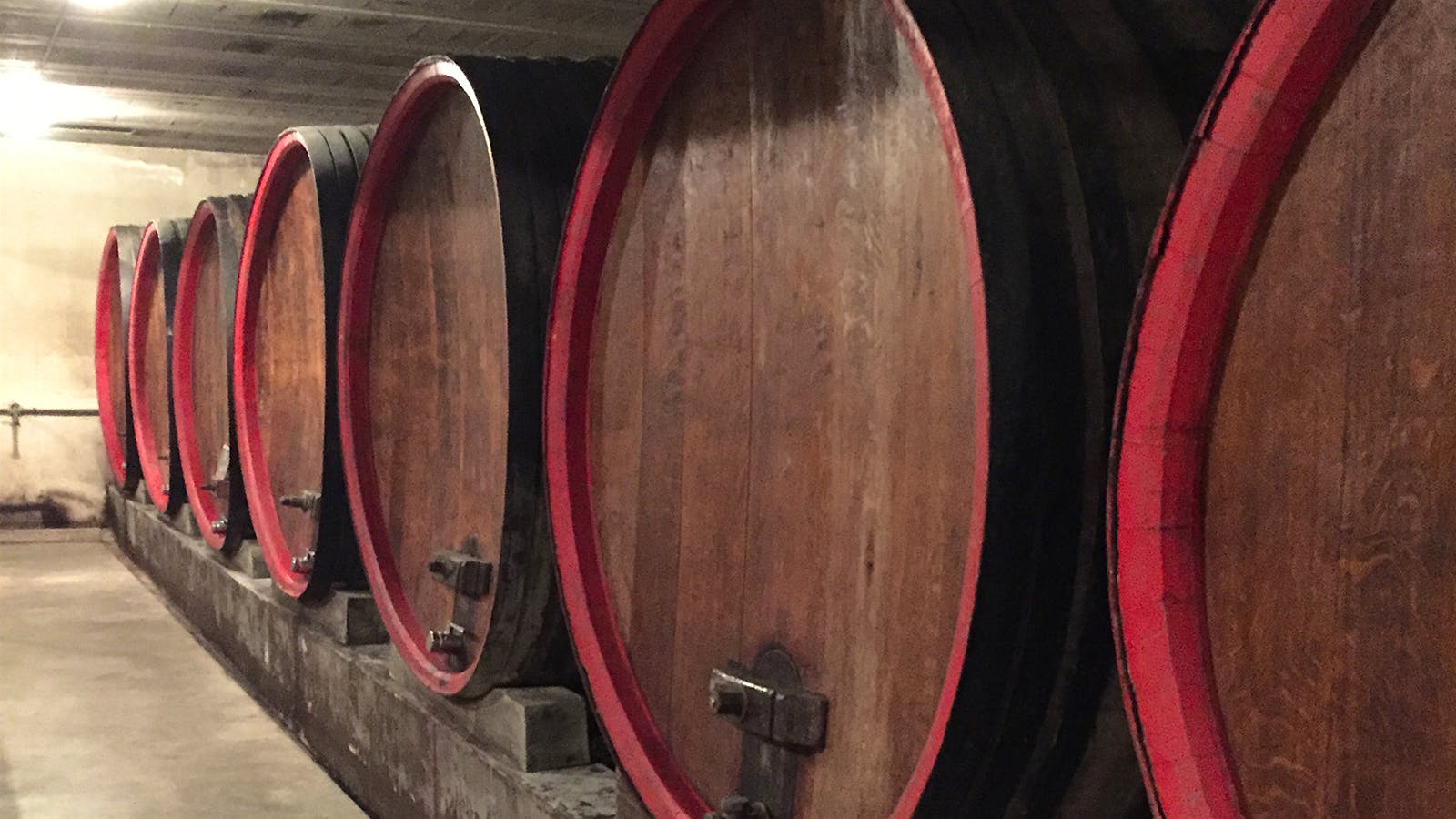
Bars in Châteauneuf-du-Pape
Browse all →
Restaurants in Châteauneuf-du-Pape
Browse all →
At a Glance
- Classic
- Rustic
- Intimate
- Group Outing
- Wine Education
- Special Occasion
- Solo Exploration
- Estate Grounds
- Historic Building
- Private Tasting
- Vineyard
- Châteauneuf Du Pape AOC
- Grenache
- Mourvèdre
- Syrah
- Grenache Blanc
- Clairette
- Picpoul
- Bourboulenc
- Still Red
- Still White
- Still Rosé
- Cellar Tasting
- Private Appointment Tasting
- Retail Counter Tasting
Current opening hours
- Monday
- 9 AM–12 PM, 2–6 PM
- Tuesday
- 9 AM–12 PM, 2–6 PM
- Wednesday
- 9 AM–12 PM, 2–6 PM
- Thursday
- 9 AM–12 PM, 2–6 PM
- Friday
- 9 AM–12 PM, 2–6 PM
- Saturday
- 10 AM–12 PM, 2–6 PM
- Sunday
- Closed
Hours can change for holidays and private events. Last verified .
Historic, family-run Châteauneuf-du-Pape estate focused on traditional, low-intervention winemaking, with working cellars and old foudres creating a classic, functional winery atmosphere rather than a designed tasting lounge.