Cupitt's Estate belongs to the coastal-estate side of Ulladulla, where the appeal is less about a single trophy credential than the relationship between rural ground, sea air and a long lunch rhythm. With no awards, price, chef or wine-region data listed in the EP record, the sensible read is contextual: treat it as part of the South Coast’s estate-dining culture rather than a city-style restaurant appointment.

Pearl is the En Primeur Club membership app — saves, bookings, and concierge access live there. Same editors, same standards.
- Address
- Ulladulla, Australia
- Website
- cupittsestate.com.au
- Directions
- Get directions
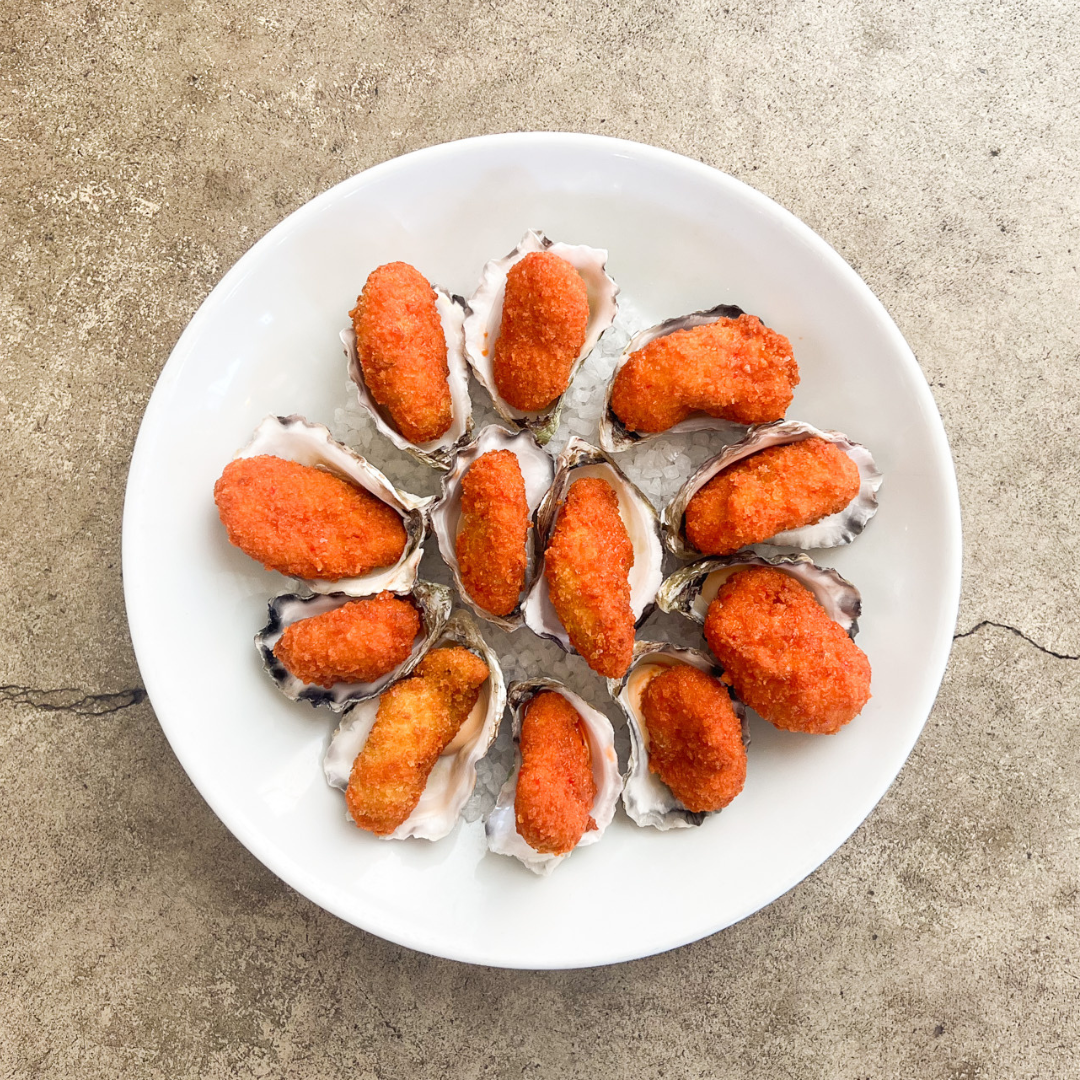
Where coastal ground sets the terms
Approaching an estate venue around Ulladulla changes the tempo before the first glass is poured. The town sits on the New South Wales South Coast, where working harbours, dairy-country edges and holiday traffic share the same narrow coastal corridor. In that setting, an estate address carries a different meaning from a cellar door in a major wine region. It is not simply a tasting counter attached to production; it is part of a broader coastal-rural pattern, where visitors use food, wine and open ground to read the place around them. Cupitt's Estate belongs to that mode of travel: less metropolitan polish, more attention to weather, slope, paddock and the way a coastal afternoon stretches.
The useful frame here is terroir, but not in the narrow, soil-map sense often used in larger wine districts. Around Ulladulla, terroir is also maritime pressure: salt air, humidity, shifting summer traffic, cooler evenings and the sensory reset that comes from leaving the highway for a more open site. The EP record does not list a wine region, winemaker, chef, awards, price range or signature dishes, so the responsible reading avoids invented detail. What can be said with confidence is that this is an Ulladulla estate entry rather than a CBD restaurant, and that distinction matters. Estate dining asks the visitor to think in longer intervals: a glass before lunch, a slower table, a look at the ground that gives the venue its context.
The South Coast estate format
Australia’s premium wine tourism has several clear shapes. In Margaret River, producers such as Moss Wood in Margaret River are judged through a lens of long-form regional reputation and cellar credibility. Ulladulla is different. The coastal estate format here works closer to hospitality than hierarchy: the question is not only what is in the glass, but how the property mediates between rural land and seaside town.
That distinction is useful for travellers who tend to compare all winery visits by the same measures. A large, established wine region can carry a visitor through appellation logic: grape varieties, subregional differences, cellar-door density and critic scores. A smaller coastal setting relies more heavily on the completeness of the visit. Lunch, view, pace and the sense of being outside the town grid become part of the value. Cupitt's Estate should be read against that category, not against benchmark collecting houses or heavily awarded tasting rooms. The absence of listed awards in the EP record does not diminish the category; it tells the reader to judge by format, setting and suitability for the day rather than by trophy count.
That also explains why Ulladulla’s estate addresses appeal to a different traveller from the one chasing vertical tastings or allocation-only bottles. The South Coast trip is often built around a sequence: beach, harbour, road lunch, coastal walk, late afternoon drink. An estate stop has to fit that rhythm. It gives structure to a day without requiring the density of a wine region itinerary. For a broader scan of the local scene, Our full Ulladulla wineries guide is the natural companion, while food-led travellers should compare it with Our full Ulladulla restaurants guide.
Terroir without the theatre
Terroir language can become vague when it is separated from evidence. That means the editorial emphasis should stay on the credible relationship between place and format. Ulladulla’s coastal position creates a different visitor expectation from inland wine country. The day is shaped by light off the water, by wind changes and by the practical reality that many guests are moving between holiday accommodation, beaches and food stops rather than cellar-door appointments alone.
In that context, land expression is not only a technical matter for the bottle. It is also the way an estate gathers local cues into a hospitality setting. A serious estate visit should make the surrounding geography legible: rural land close to the sea, a pace slower than the town centre, and enough spatial separation to feel distinct from a main-street lunch. The strongest comparison is with Australian properties that make place part of the visit rather than treating the venue as a neutral dining room. Bird in Hand in Adelaide Hills operates in a cool-climate region with a developed wine-tourism identity; Picardy Wines in Pemberton sits within a cooler, forested Western Australian context. Ulladulla’s reading is coastal, looser and more holiday-adjacent.
That does not mean casual in the careless sense. It means the benchmark changes. A city restaurant can be judged by service choreography, chef pedigree and reservation scarcity. A coastal estate is judged by whether the experience coheres: arrival, table, drink, food, outlook, timing and the ease of folding it into a South Coast itinerary. The EP record lists no price range, so cost expectations should be checked through current venue channels rather than assumed. The same applies to hours and booking method. The planning burden is small, but it is real: estate venues outside dense urban grids reward visitors who confirm details before setting out.
How it compares with larger Australian wine destinations
Comparisons sharpen the point. The Barossa Valley has a deep cellar-door culture built around generational producers and varieties with global recognition; Charles Melton Wines in Barossa Valley belongs to that more established regional conversation. The Pyrenees in Victoria carries a different register, with producers such as Dalwhinnie in Pyrenees associated with high-country wine travel and destination tasting. Renmark, represented here by Angove Family Winemakers in Renmark, points toward a riverland and family-production narrative. These places give travellers a wine-region framework before the visit begins.
Ulladulla does not need to imitate that model. Its strength lies in the overlay between coastal travel and estate hospitality. For many visitors, the decision is less “which winery belongs in a full day of tastings?” and more “which stop gives the day a centre of gravity?” That is a different but legitimate premium travel question. The answer depends on mood and itinerary. Travellers staying near the coast may value a rural-feeling pause without committing to a full wine-route schedule. Those building a food-focused weekend can treat the estate as one part of a wider circuit that also includes bars, restaurants and accommodation; Our full Ulladulla bars guide, Our full Ulladulla hotels guide and Our full Ulladulla experiences guide help map that broader choice.
There is also an international comparison worth making. In Franschhoek, Haute Cabrière in Franschhoek sits inside a South African valley where wine tourism is highly codified, with scenery, cellar visits and restaurant culture folded into a polished regional identity. In Reims, Pommery in Reims belongs to a Champagne context where history, cellars and brand architecture dominate the visitor’s imagination. Ulladulla’s estate experience is smaller in cultural weight but more immediate in coastal utility. It gives a South Coast day a land-based counterpoint to the beach.
Food, drink and the limits of responsible detail
The EP record does not list cuisine type, chef name, signature dishes, wine varieties, winemaker, awards or tasting formats. That absence matters. The more useful approach is to describe how a visitor should read the category. If dining is part of the visit, assess the menu against the estate setting: does it suit the length of stay, does it allow the wine or drinks program to feel connected to place, and does it avoid turning a rural site into a city restaurant transplanted onto acreage?
Australia has many hybrid producers and destination venues where wine, spirits, food and tourism overlap. Bundaberg Rum Distillery in Bundaberg, for example, belongs to a different drinks tradition entirely, but it illustrates how production sites become travel anchors when the visit is structured around more than a purchase. Estate hospitality works on the same principle. The bottle, plate or tasting is only one layer; the memory of the place comes from how the format holds together.
For Cupitt's Estate, the sensible visitor expectation is an estate-led outing in Ulladulla rather than a narrowly defined restaurant booking. That means arriving with enough time to let the setting do its work, especially if the day includes other coastal stops. This is not a weakness in the experience; it is a reminder that responsible planning beats assumption, especially on the South Coast where season, school holidays and weekend movement can change the feel of a town quickly.
Planning the visit
Ulladulla is a working coastal town as well as a holiday base, so timing shapes the experience. Weekends and holiday periods can alter road movement, dining demand and the pace of service across the area. Because the EP record does not provide a website, phone number, address, hours, booking method or price range, visitors should verify those details through current public channels before making the trip. The editorial recommendation is to treat the estate as a planned anchor rather than a casual add-on: place it at the centre of a lunch or afternoon sequence, then build the rest of the day around nearby coastal activity.
Dress code is not listed, so there is no basis for claiming formality. The practical reading is climate-aware rather than fashion-led: South Coast estate visits often involve transitions between car, open ground and table, so comfort matters. If the visit is tied to wine, allocate time rather than compressing it between beach errands and dinner. If food is the priority, compare the estate with Ulladulla’s restaurant options first. If the wider trip is about accommodation and pacing, match the visit with where the night is being spent; a rural-feeling estate stop lands differently when it is not squeezed into a long drive.
Comparable venues nearby, for context on price, style, and recognition.
| Venue | Cuisine | Price | Awards | Notes |
|---|---|---|---|---|
| Cupitt's EstateThis venue — the venue you are viewing | Winery | $30–50 | Not listed | Not listed |
| Frankland Estate | Riesling, Shiraz | Not listed | Falstaff Winery - Listed | Frankland River |
| Glaetzer Wines | Shiraz, Grenache | Not listed | Falstaff Winery - Listed | Tanunda |
| Chatto | Pinot Noir, Gewurztraminer | Not listed | Falstaff Winery - Listed | Huon Valley |
| Charles Melton Wines | Grenache, Shiraz | Not listed | Falstaff Winery - Listed | Tanunda |
| Xanadu Wines | Cabernet Sauvignon, Chardonnay | $30–50 | Falstaff Winery - Listed | Margaret River |
Continue exploring
More in Ulladulla
Restaurants in Ulladulla
Browse all →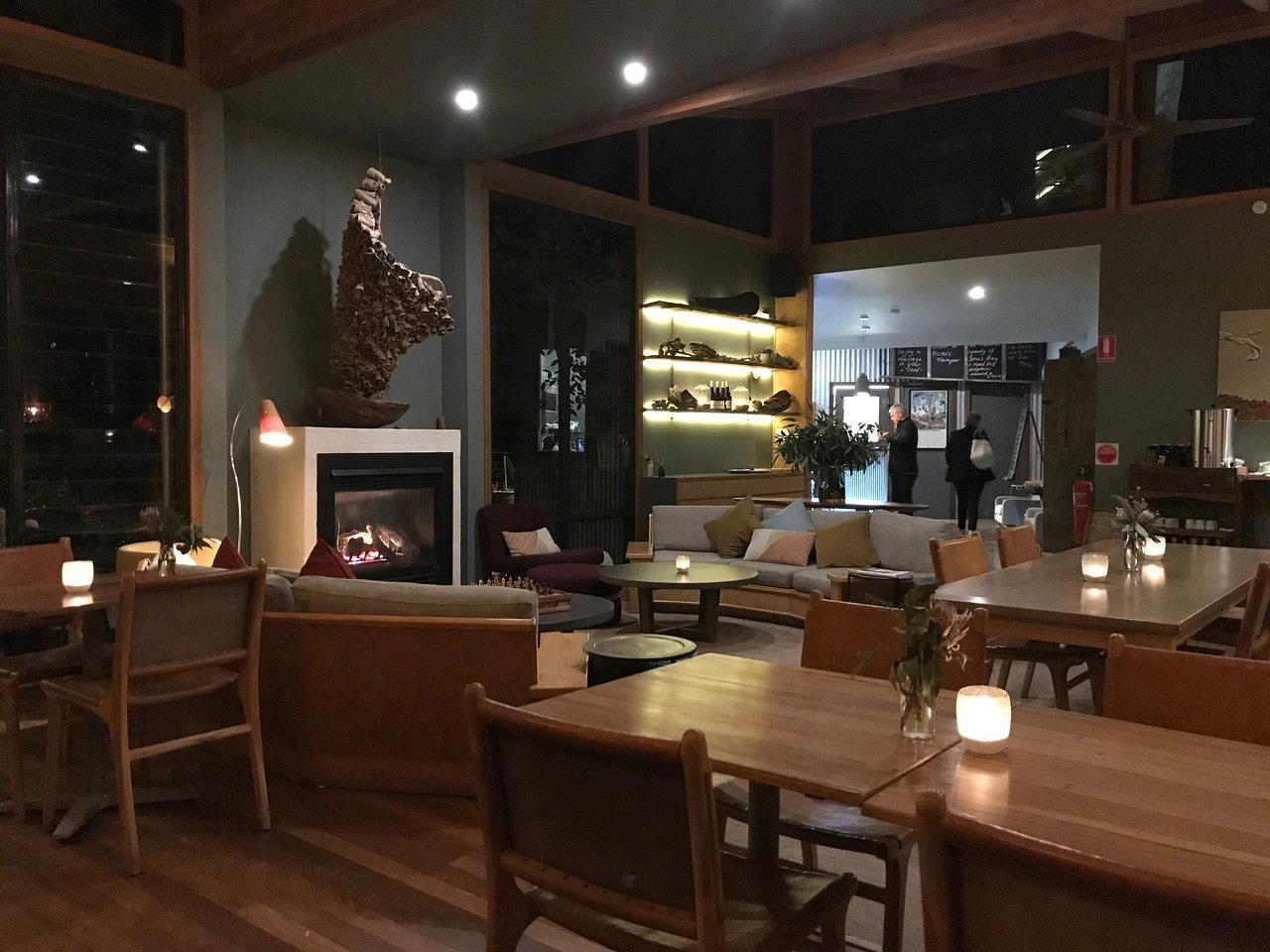
Hotels in Ulladulla
Browse all →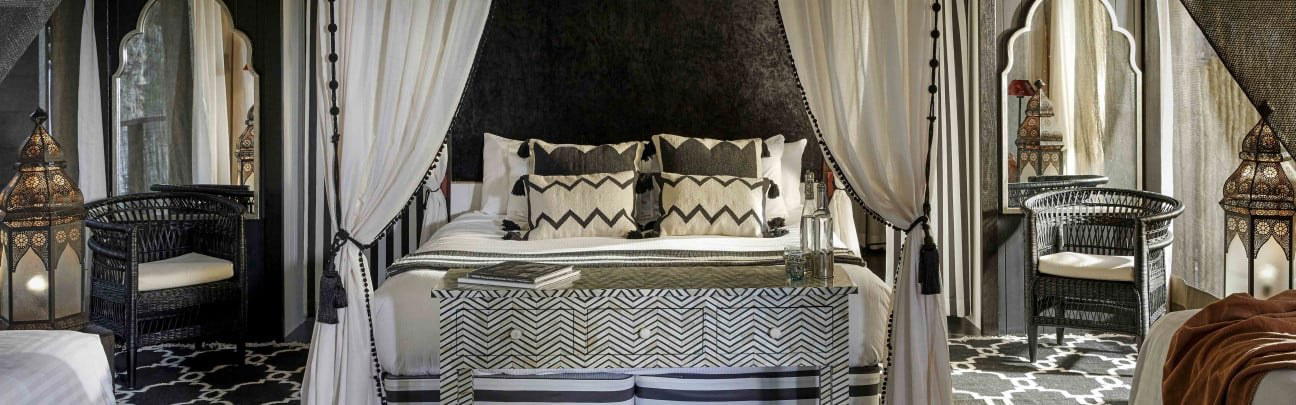
Details
- Scenic
- Romantic
- Rustic
- Elegant
- Cozy
- Sophisticated
- Romantic Getaway
- Group Outing
- Celebration
- Special Occasion
- Family
- Corporate Event
- Estate Grounds
- Vineyard Tour
- Terrace
- Panoramic View
- Garden
- Private Tasting
- Sustainable
- Vineyard
- Waterfront
- Mountain
- Garden
- Still Red
- Still White
- Still Rosé
- Sparkling
- Bar Tasting
- Seated Tasting
- Paired With Meal
- English
Relaxed coastal charm with a refined yet unpretentious dining room, sunny terraces and lawns overlooking vines and lake, and a warm, hospitable atmosphere oriented to long lunches, celebrations, and slow, wine-focused stays.