Croce di Febo

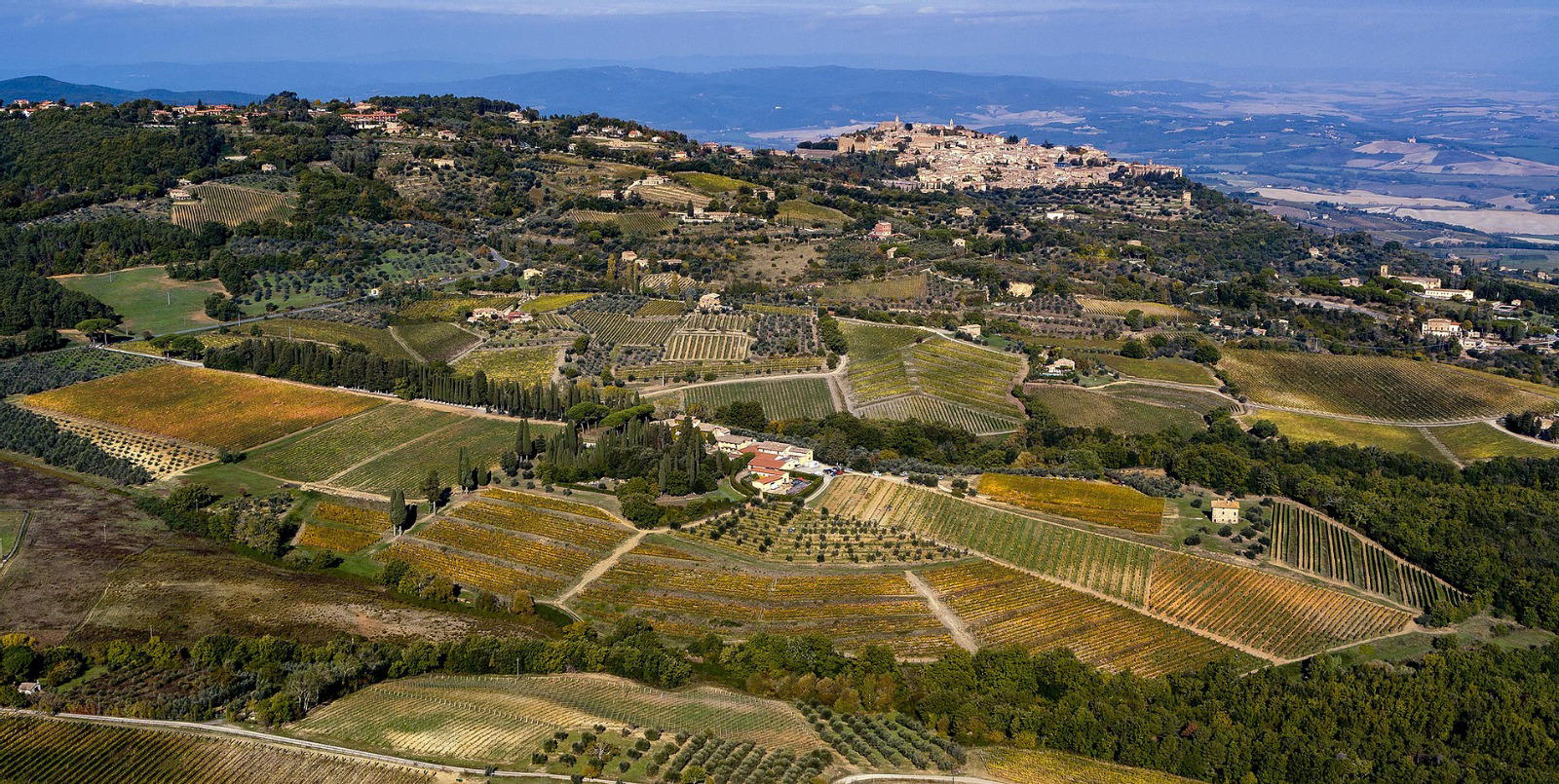
Croce di Febo is a small biodynamic estate in Montepulciano, focused on Sangiovese, native varieties, and parcel-led winemaking rather than scale. Its appeal is the close reading of clay-limestone vineyards, amphora and mixed-vessel cellar work, and a quieter Tuscan wine experience built around estate tastings, cave tastings, and a town enoteca.
Pearl is the En Primeur Club membership app — saves, bookings, and concierge access live there. Same editors, same standards.
- Address
- Montepulciano, Tuscany, Italien
- Directions
- Get directions
 Saves & bookings on Pearl
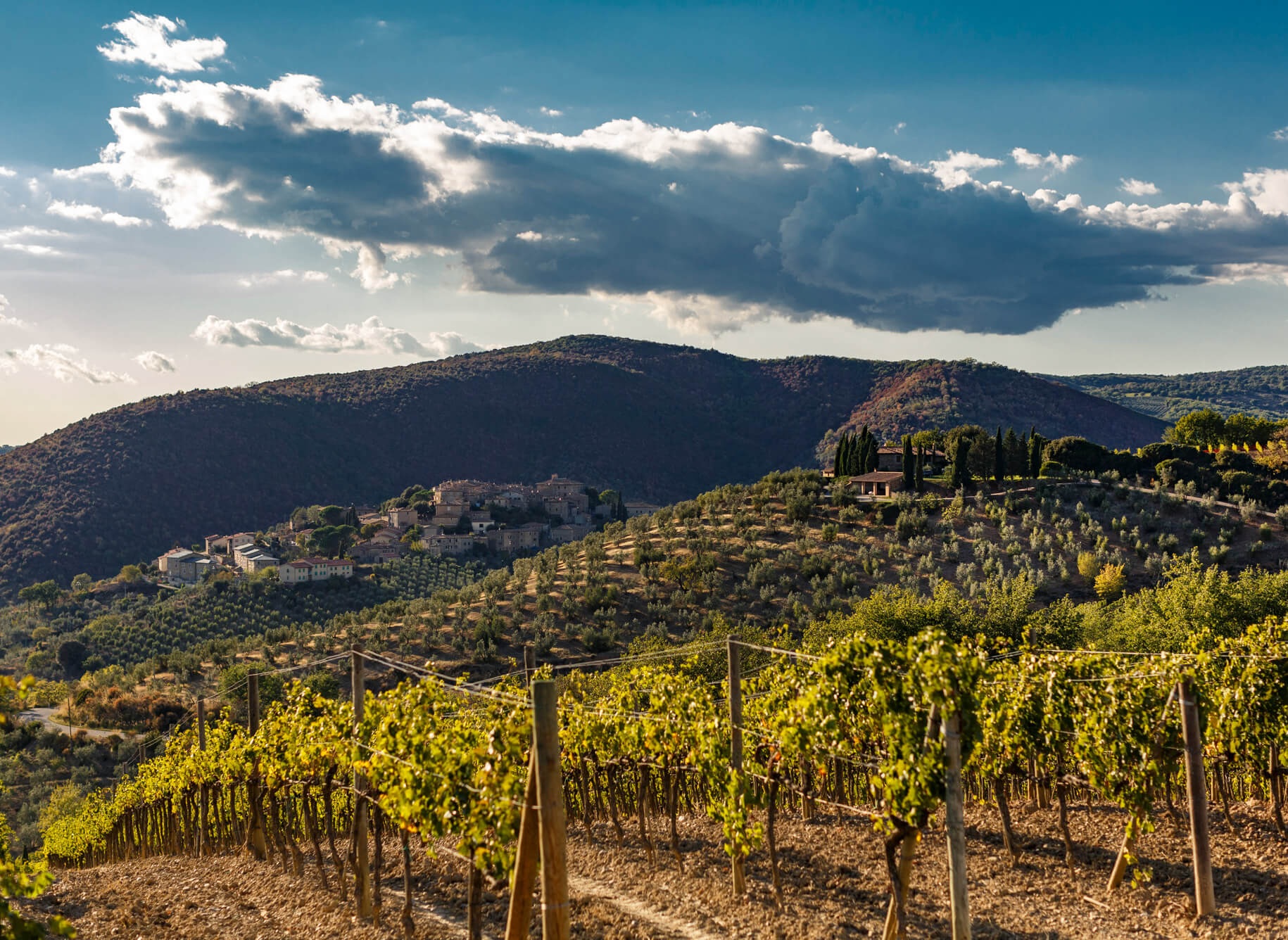
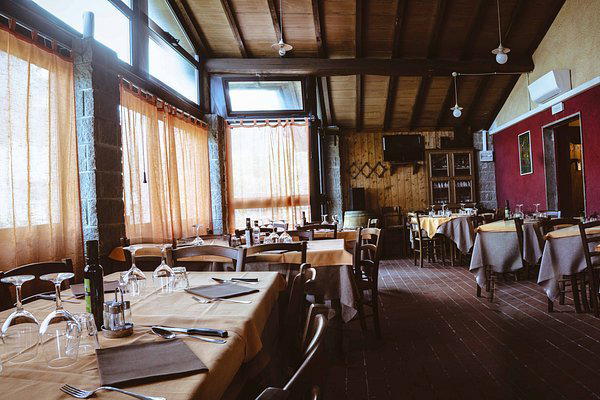
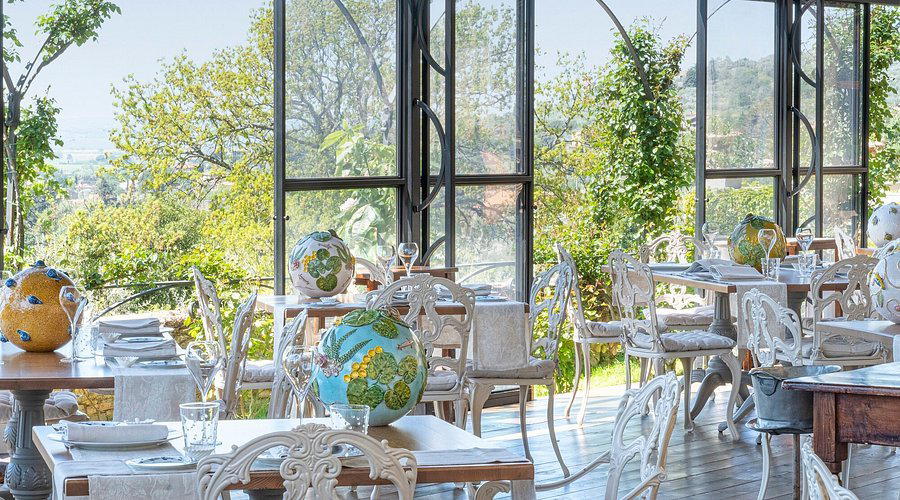
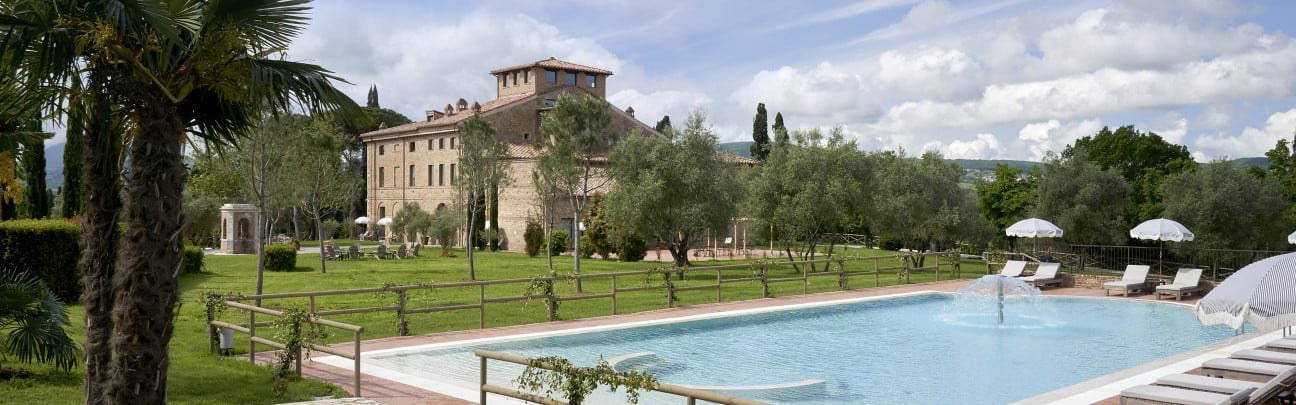
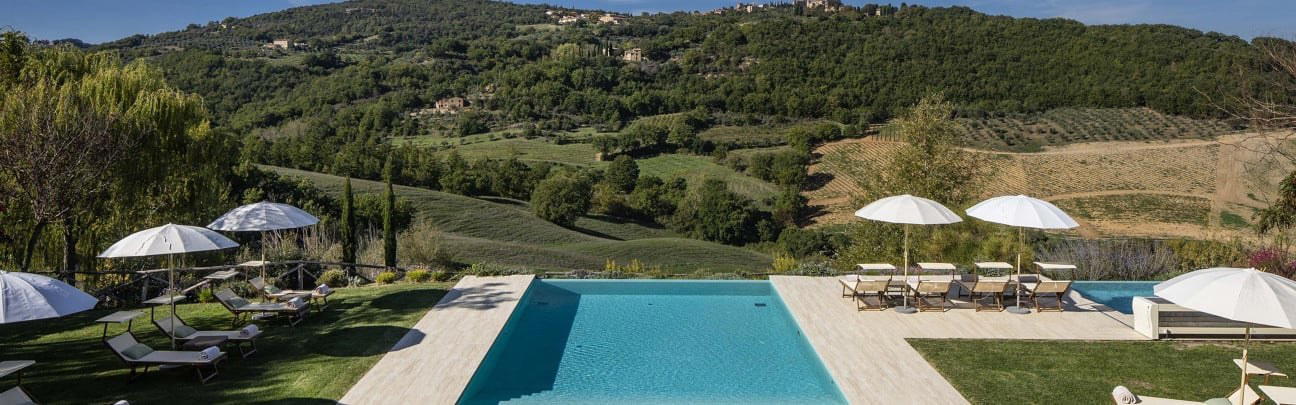
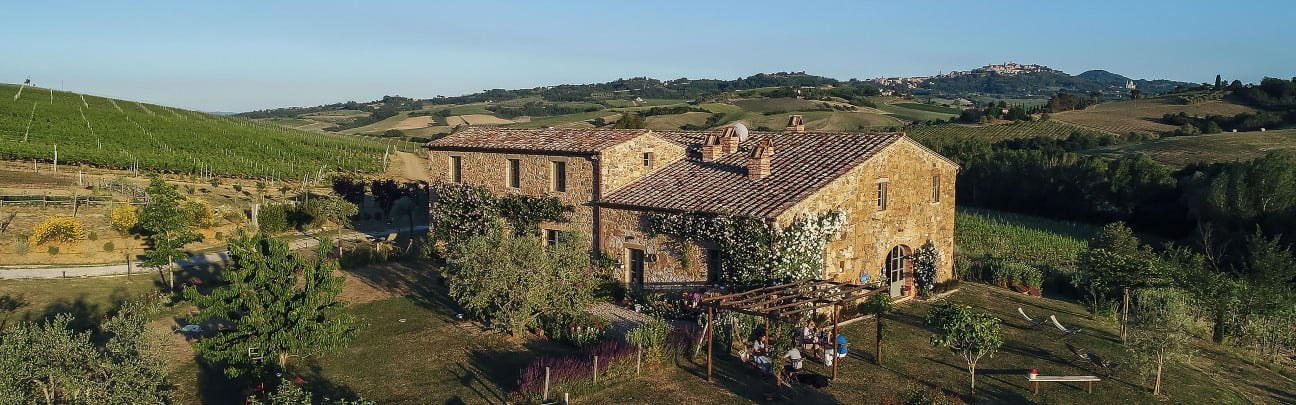
On the southern side of Montepulciano, Croce di Febo is best understood as a small artisan estate rather than a large commercial wine facility. The picture is intimate and terroir-focused: organic and biodynamic vineyards, natural winemaking, and a warm, family-run feel. For travelers using EP Club to plan a Montepulciano wine day, that is the reliable frame. This is a place to approach for its scale, its farming philosophy, and its sense of connection to the surrounding landscape, not for an overbuilt hospitality narrative or a long list of features.
Because the confirmed public data is limited, one useful way to write about Croce di Febo is with restraint. The estate sits within Montepulciano’s broader wine context, but specific claims about grape varieties, parcel counts, production totals, tour formats, tasting menus, cellar vessels, reservations, or named personnel should not be treated as established unless confirmed directly by the venue. What can be said is that Croce di Febo presents the quieter side of the area: a small, artisan producer where the emphasis is on organic and biodynamic vineyard work and natural winemaking.
Small-parcel Montepulciano, read through biodynamic farming
The winery’s strongest signal is its farming identity. The estate is described around organic and biodynamic vineyards, which places the emphasis on how the land is worked before anything reaches the glass. In Montepulciano, where wine tourism can sometimes lean toward grand estates and polished cellar experiences, that matters. A smaller, family-run setting changes the tone of a visit: the focus becomes atmosphere, place, and craft rather than scale.
The language around the winery also points toward natural winemaking. That should be read carefully: it supports a general understanding of the estate’s philosophy, but it does not verify any specific cellar technique, vessel, grape mix, certification, or production method beyond the broader natural-wine orientation. For EP Club readers, the practical takeaway is simple. Expect a producer whose identity is rooted in vineyard-first, terroir-aware work, and avoid assuming details that have not been confirmed.
This restraint is important because Montepulciano is a wine destination with many recognizable terms, and it is easy to overstate what is known. The winery can be placed in that regional conversation without claiming categories, bottle counts, vintages, or scores. Its value lies in the contrast it offers: a small artisan estate on the southern side of Montepulciano, shaped by organic and biodynamic vineyards and a more intimate mood than a large production facility.
The experience favors intimacy over spectacle
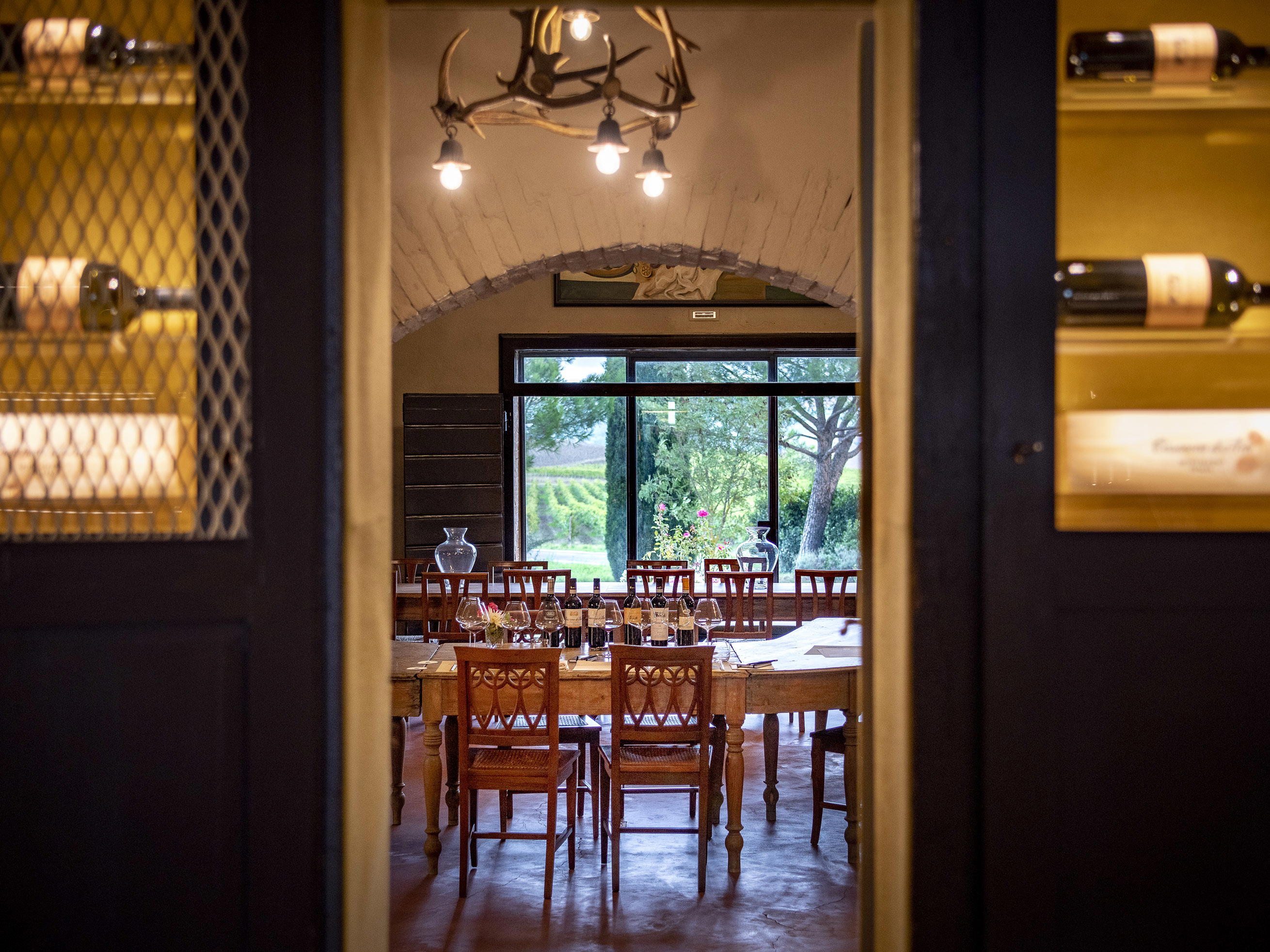
The description of the winery is atmospheric rather than programmatic. It has a warm, family-run feel and an intimate, terroir-focused character. That gives travelers a useful expectation: this is not framed as a grand commercial operation. It is better understood as a quieter estate experience where the appeal comes from proximity to the land and the people behind the wines.
At the same time, the page should not invent details about what a visit includes. Anyone planning around the winery should check the venue’s current channels before arriving, especially if timing, access, or a particular type of visit matters. The confirmed guidance is broader: the winery suits travelers who prefer small-scale, organic and biodynamic winemaking contexts over more theatrical wine-tourism settings.
Price is listed as $$, which places the venue in a moderate bracket for EP Club planning. That does not confirm individual tasting fees, bottle prices, or package costs, so those should not be assumed. The useful point is that winery can be considered without treating it as either a luxury splurge or a bargain stop. Its appeal is qualitative: artisan scale, family-run warmth, and a terroir-focused atmosphere in Montepulciano.
How to place it in a Montepulciano wine day
For a wine-focused itinerary, the winery works well as a counterpoint to broader Montepulciano exploration. The town has a wide range of wine and dining experiences, and a small biodynamic estate can help make that range clearer. Rather than building a day around claims, use the winery as the quieter, more intimate anchor: a place associated with organic and biodynamic vineyards, natural winemaking, and a family-run atmosphere on the southern side of Montepulciano.
When comparing it with other dining or wine options in Montepulciano, keep the comparison general. The winery is not presented here as the biggest, most awarded, or most elaborate choice. Its distinction is the opposite: it represents a smaller, artisan expression of the local wine landscape. That makes it especially relevant for travelers who want to understand Montepulciano beyond labels, architecture, or large-scale hospitality.
Particularly accurate planning advice is also the simplest. Treat the winery as a small, terroir-focused estate and verify practical details directly before you go. The confirmed identity is compelling enough without adding unsupported specifics: organic and biodynamic vineyards, natural winemaking, a warm family-run feel, and a setting in Montepulciano that favors intimacy over spectacle.
Recognition history
Dated appearances from independent guides and award organizations, with the underlying list record or original source where available.
Falstaff Winery - Listed
Falstaff
Continue exploring
More in Montepulciano
Wineries in Montepulciano
Browse all →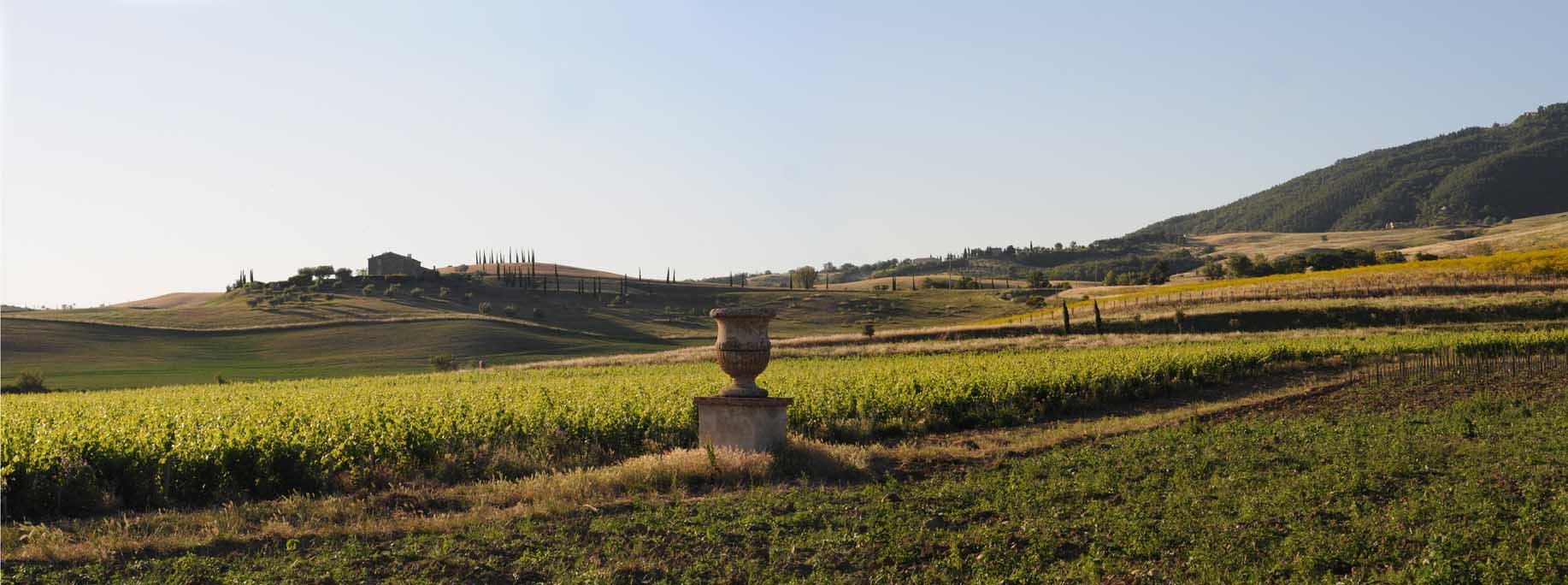
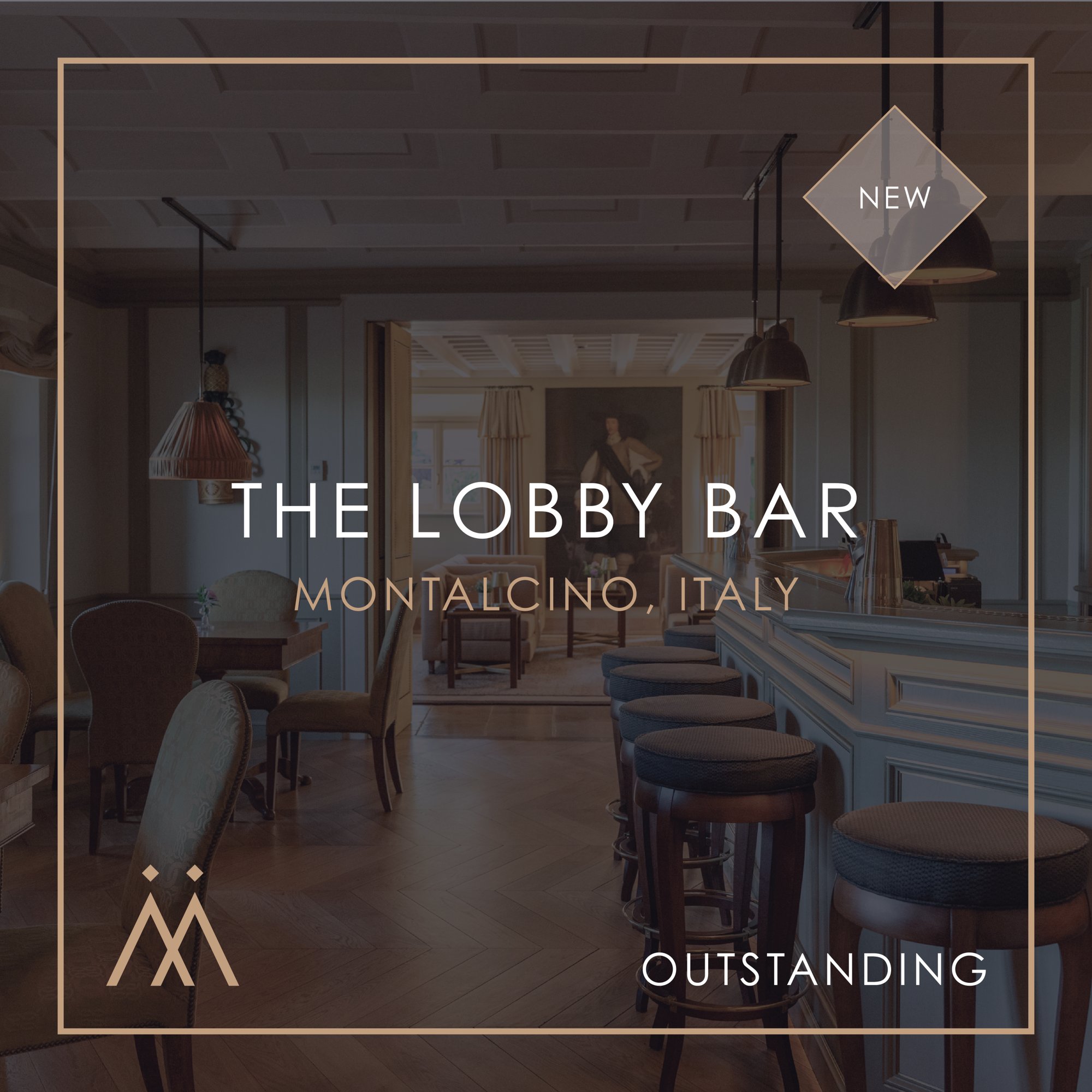
Bars in Montepulciano
Browse all →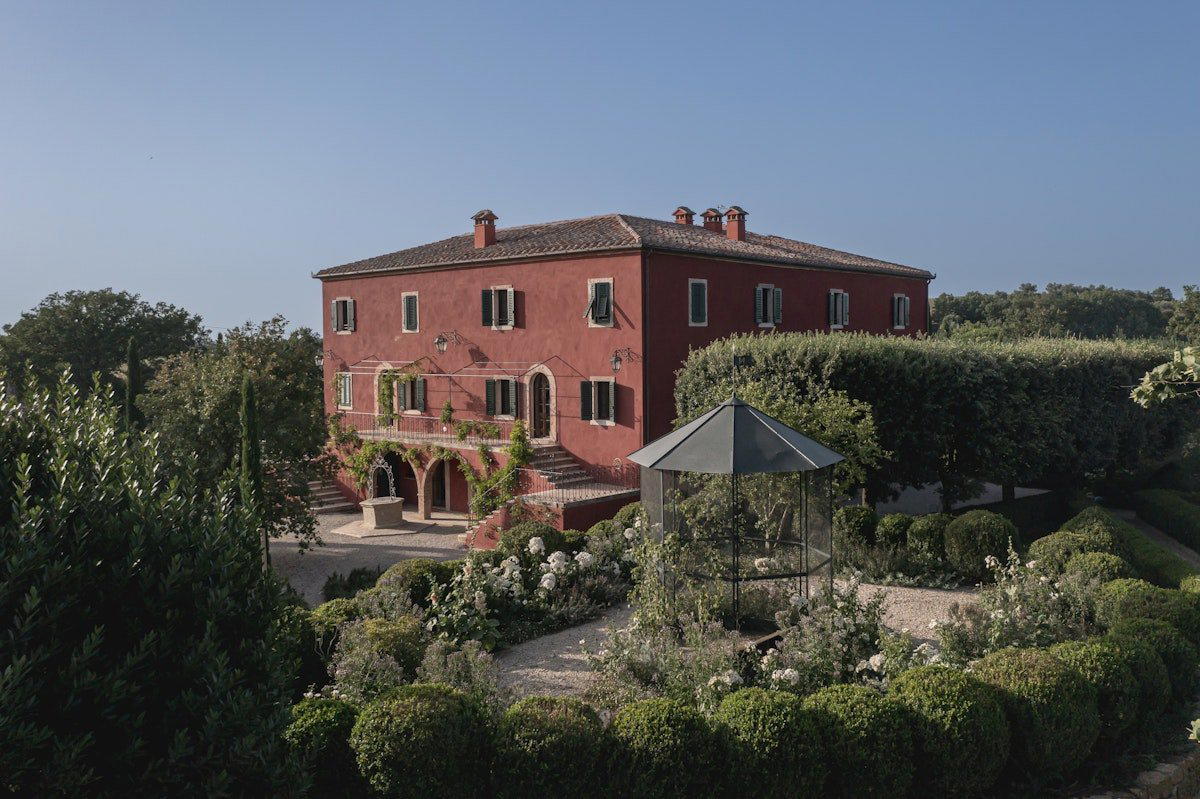
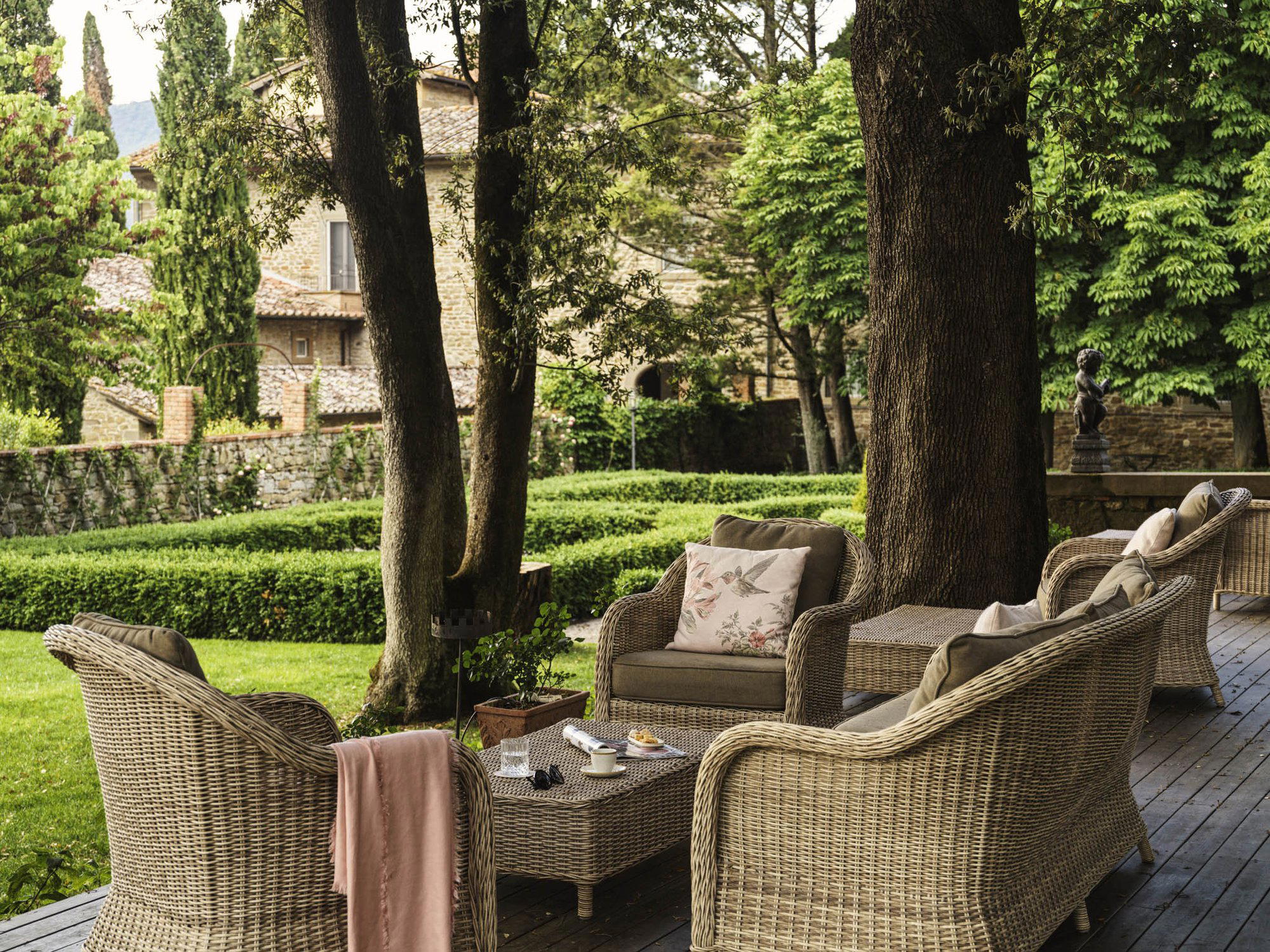
Restaurants in Montepulciano
Browse all →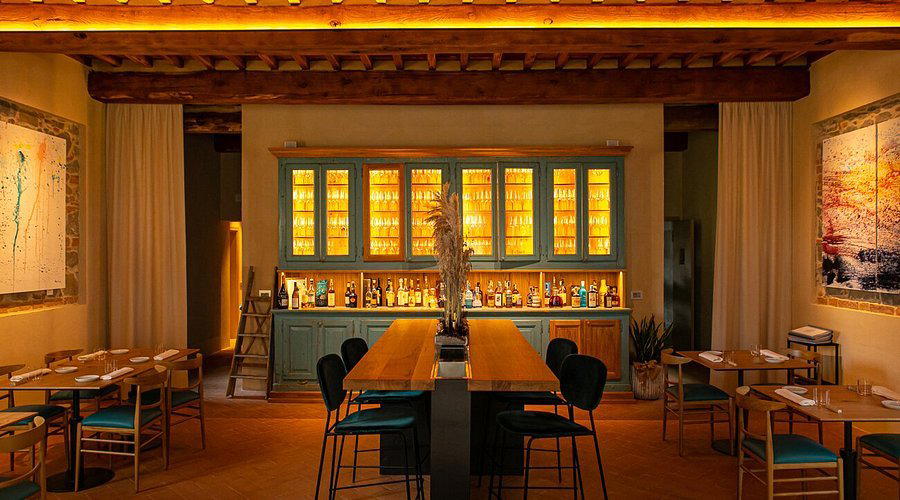
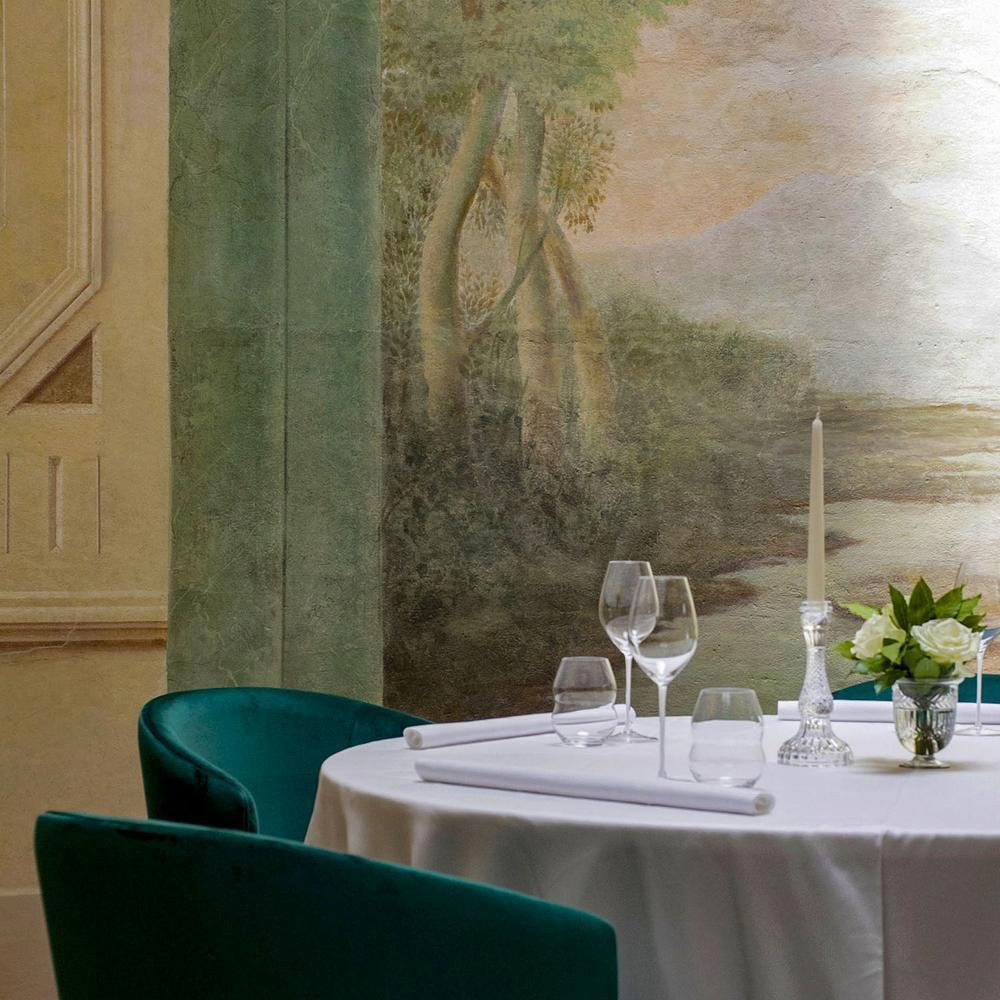
At a Glance
- Rustic
- Scenic
- Cozy
- Intimate
- Romantic Getaway
- Group Outing
- Wine Education
- Special Occasion
- Solo Exploration
- Vineyard Tour
- Estate Grounds
- Cave Tasting
- Panoramic View
- Private Tasting
- Organic
- Biodynamic
- Sustainable
- Vineyard
- Street Scene
- Montepulciano Doc/docg
- Sangiovese
- Ciliegiolo
- Malvasia
- Canaiolo Bianco
- Trebbiano
- Grechetto
- Still Red
- Still White
- Still Rosé
- Amphora
- Skin Contact
- Estate Tasting
- Wine Shop Tasting
- Cave/older Vintages Tasting
- Food Pairing Tasting
Small artisan estate on the southern side of Montepulciano with a warm, family-run feel, where organic/biodynamic vineyards and natural winemaking create an intimate, terroir-focused atmosphere rather than a large commercial facility.[Tuscan-wine-tours][crocedifebo.it