Clos Saint Julien

Falstaff Winery - Listed
Clos Saint Julien is a small Saint-Émilion Grand Cru Classé estate built around limestone, old vines and organic farming rather than scale. The visit is intimate and educational, with a vineyard-focused format that suits travelers who want to understand why a 1–1.2 hectare Right Bank plot can matter as much as a château facade.

Pearl is the En Primeur Club membership app — saves, bookings, and concierge access live there. Same editors, same standards.
- Address
- 66 av. Jacques Goudineau, 33330 Saint-Émilion, France
- Phone
- +33 5 57 24 72 44
- Hours
- Mon–Fri 8:30 AM–7 PMSat–Sun 10 AM–6 PM
- Website
- vignoblesjjnouvel.fr
- Directions
- Get directions
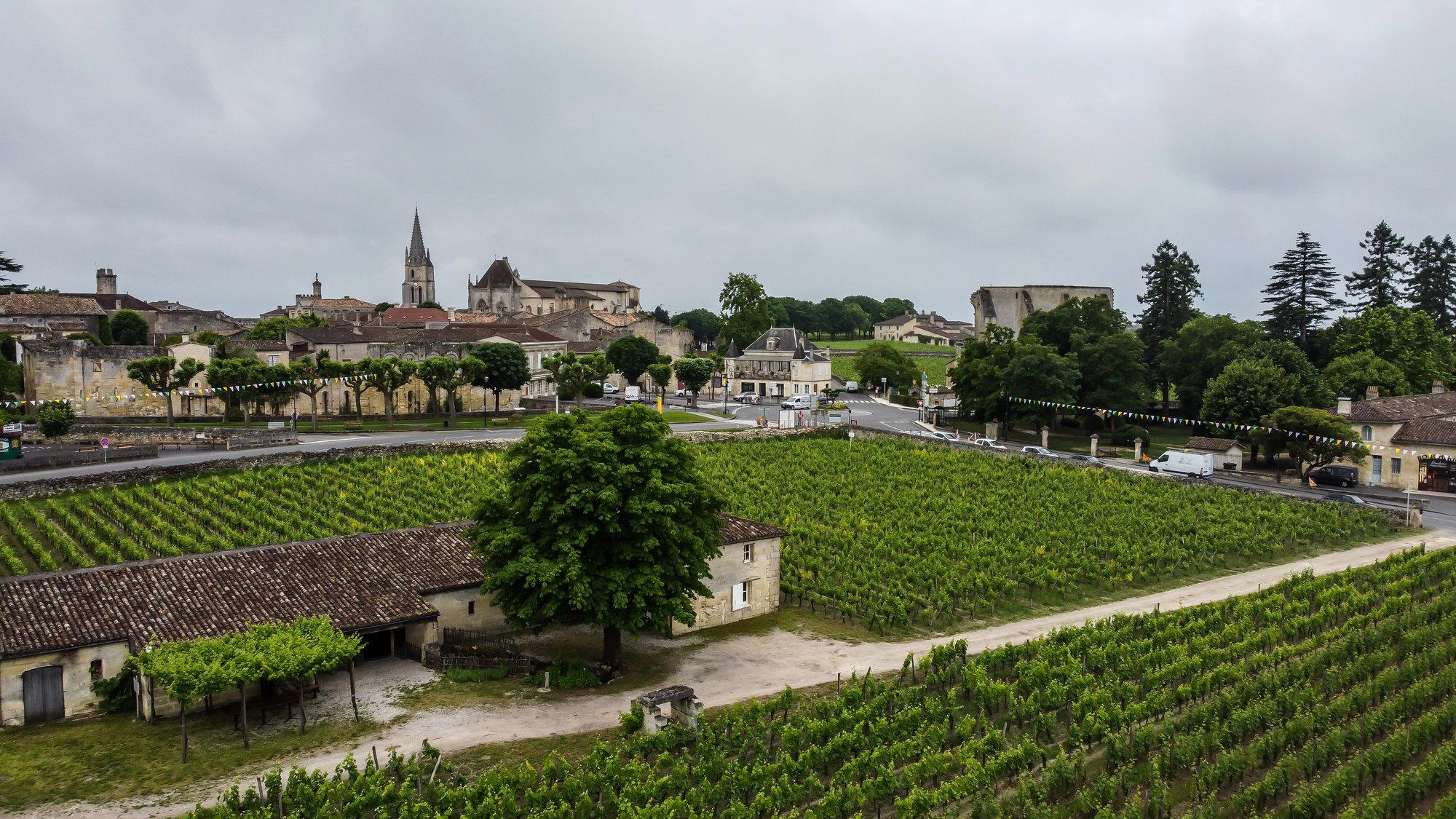
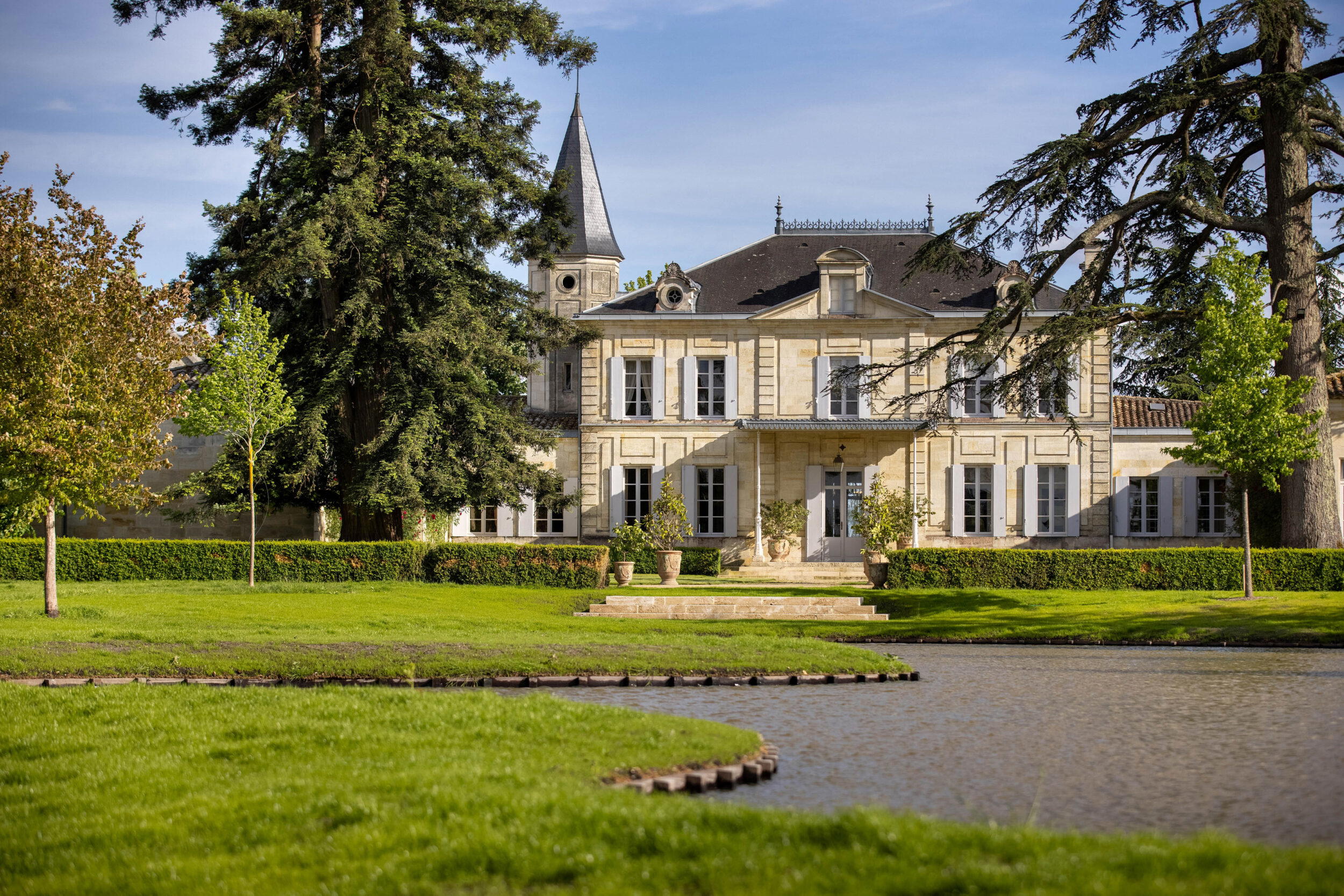
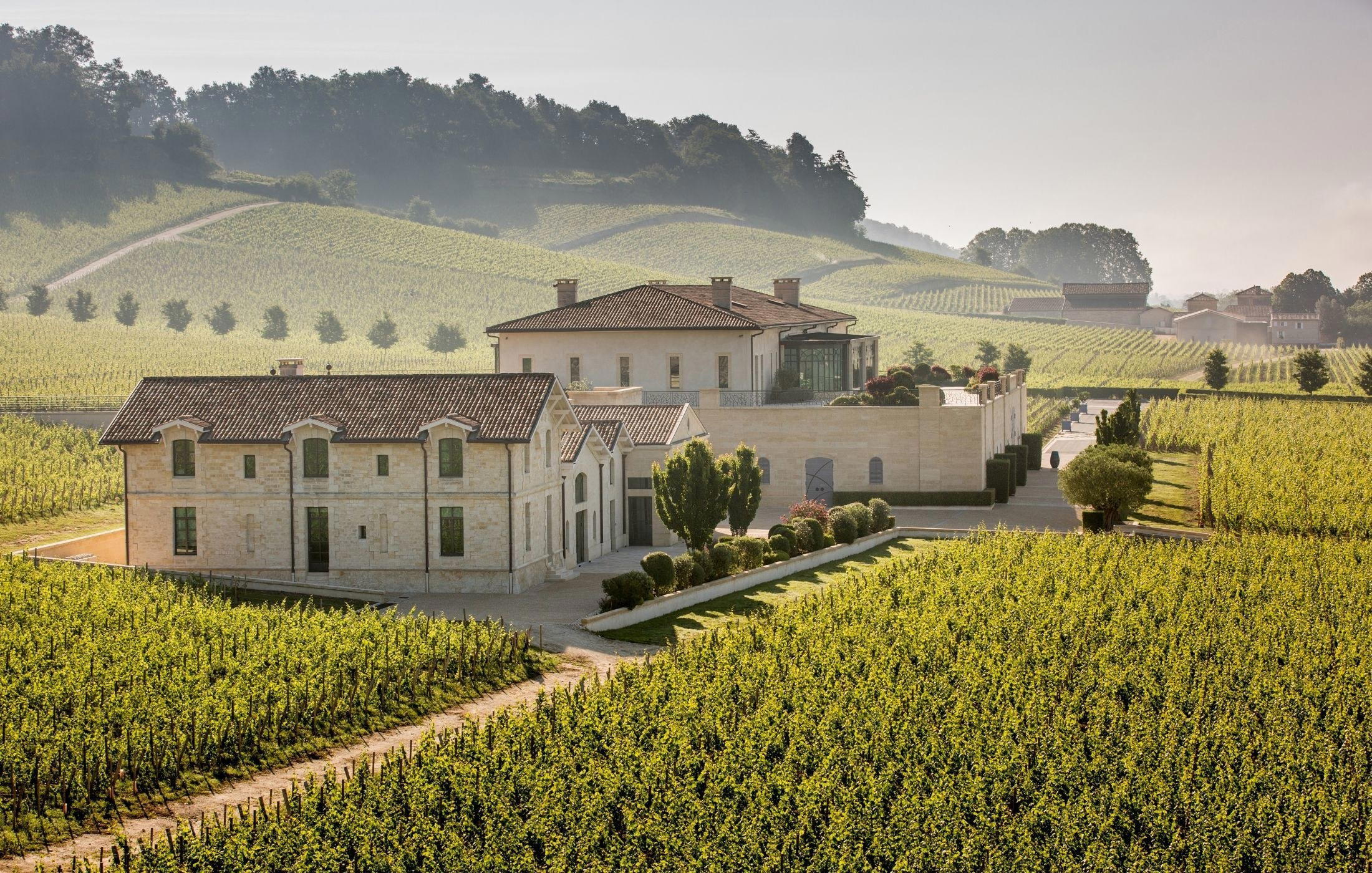
Approaching Clos Saint Julien, the scale is the first corrective. Saint-Émilion can feel grand from a distance, all limestone and cellar-door ceremony, but this estate works at a quieter register: a small walled limestone vineyard near the historic village, intimate enough for the land to become the main subject. The appeal here is not spectacle; it is a personally hosted, educational tasting focused on terroir and organic farming. That makes the visit feel less like a generic stop on a famous wine route and more like a close reading of one particular place. The interest is in the proportions, the setting and the way the estate frames its vineyard, rather than in a long list of amenities.
A small limestone clos in a classification-driven village
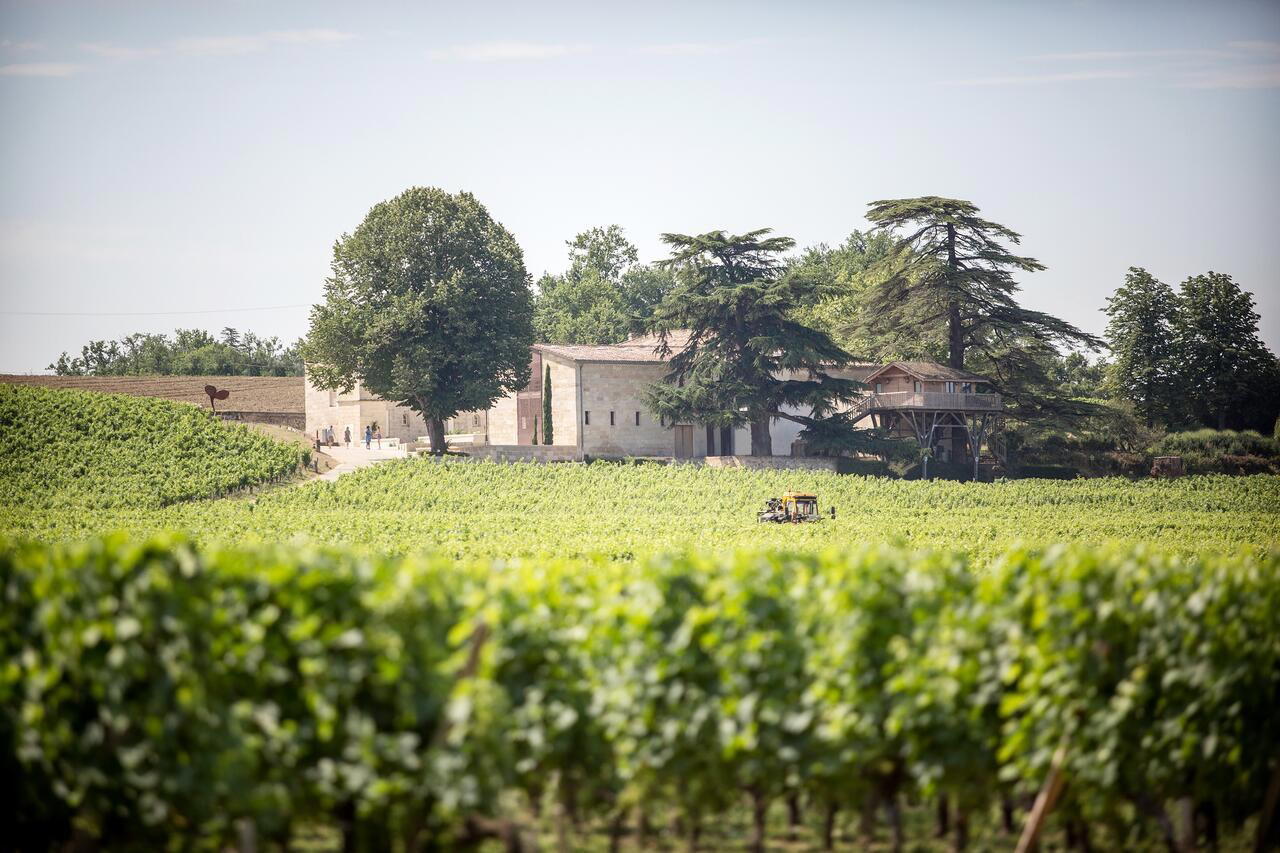
Clos Saint Julien is presented as an intimate, quietly elegant Grand Cru Classé estate in Saint-Émilion. Its setting, just steps from the historic village, gives the visit a concentrated sense of place rather than the feel of a large, highly programmed stop. In a village where classification and reputation can easily dominate the conversation, that intimacy is important: it keeps attention on the clos itself and on the relationship between the vineyard and its immediate surroundings.
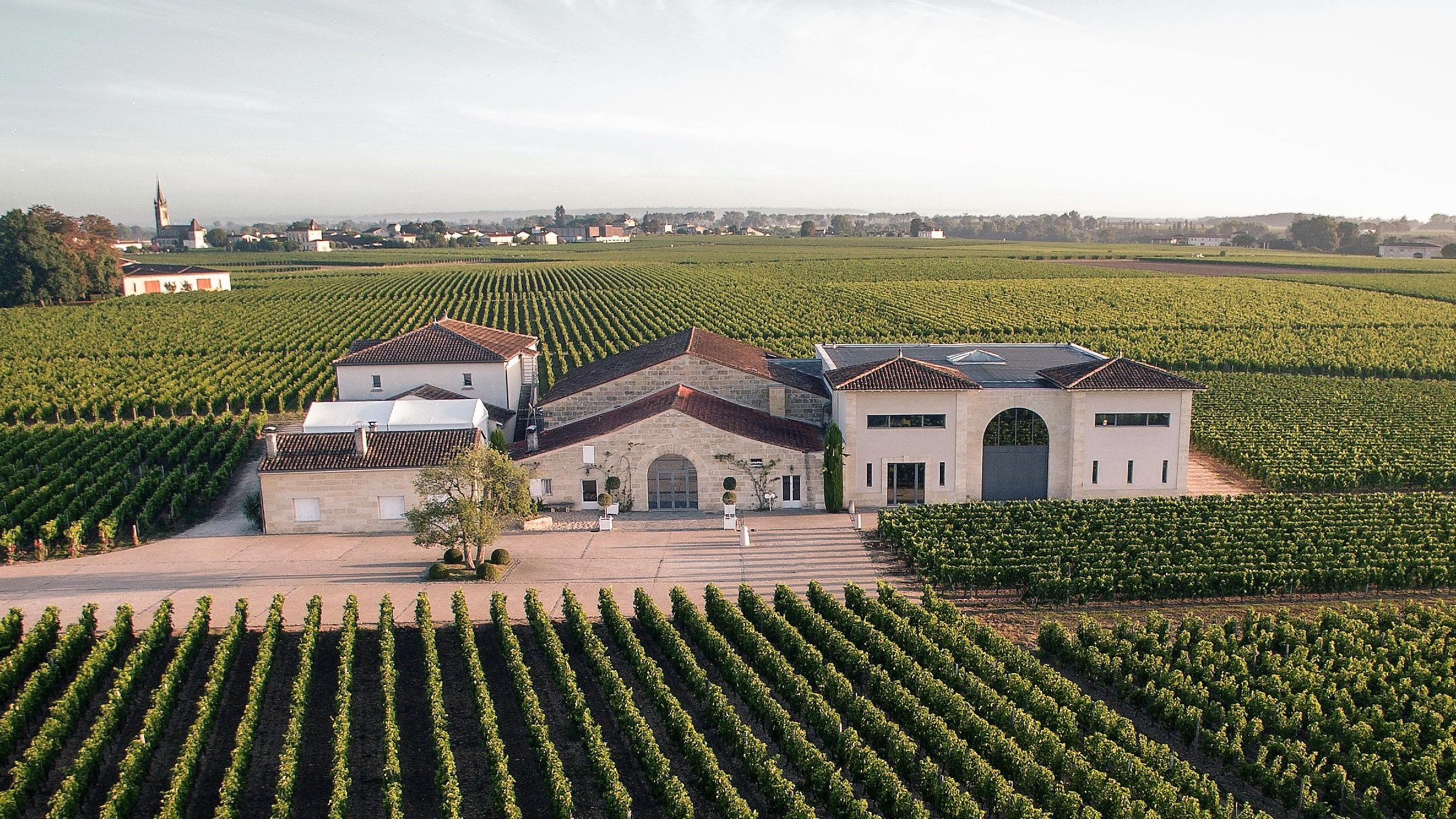
The central point is the vineyard itself: a small walled limestone site. That detail matters because the visit is best understood as a terroir lesson, not as a broad hospitality experience. The estate’s focus on organic farming gives the conversation a practical frame, connecting the vineyard setting with the way the property explains its work to visitors. Limestone, walls and proximity to the village are not decorative background notes here; they are the elements that shape the way the estate is introduced. The most satisfying reading of the visit is therefore site-first, with the tasting serving as a way to understand what is being described in the vineyard rather than as a separate performance.
Specific claims about production volumes, grape composition, cellar methods, ownership or vintage guidance should not be assumed unless confirmed directly when booking. That restraint is part of setting the right expectation: the confirmed appeal is the small limestone clos, the organic farming emphasis and the educational tasting, not a catalogue of technical details that may change or require direct confirmation.
The tasting format favors terroir over spectacle
The hospitality is not best described as a restaurant-style experience. The format is a personally hosted, educational tasting centered on terroir and organic farming. That suits the property: a small walled vineyard is most compelling when the visit stays close to the ground, the farming and the Saint-Émilion context. The pleasure is in having the estate explained at human scale, with the structure of the visit supporting attention rather than distracting from it.
The tone is intimate and quietly elegant rather than large-scale. It is a good fit for people who prefer a focused conversation over a polished production, and for travelers who want the tasting to clarify the vineyard rather than simply fill time between other plans.
Pricing is listed at $15 per person. Beyond that, details such as timing, language availability, group size, bottle availability or reservation requirements should be checked directly with Clos Saint Julien before planning the visit. That is especially sensible for a small, personally hosted format, where the quality of the experience depends on the visit matching what the estate is able to offer at the time. Confirming practical details in advance helps preserve the quiet, educational character that is the point of coming here.
How to place it in a Saint-Émilion itinerary
Clos Saint Julien is strongest for travelers who want a focused Saint-Émilion wine stop with a clear sense of place. It works well as part of a wine-focused day in Saint-Émilion, especially if the rest of the itinerary balances village time, other wine visits and a slower meal at other local dining rooms. Its compact nature is an advantage when treated correctly: rather than trying to make it carry an entire day, place it where a precise, terroir-led visit can sharpen the broader understanding of Saint-Émilion.
For a wider regional plan, keep the comparison general: Clos Saint Julien is a compact, terroir-focused estate visit rather than a broad leisure venue. If you are considering other Saint-Émilion options, use them to balance the day by pace, setting and the kind of experience you want, rather than assuming every estate visit follows the same format. This is the stop to choose when the appeal is concentration, proximity and explanation, not when the priority is a more expansive hospitality program.
The editorial case for Clos Saint Julien is specific: a Grand Cru Classé estate in Saint-Émilion where the story centers on a small walled limestone vineyard, organic farming and a personally hosted educational tasting. It is best approached as a quiet, place-led visit rather than as a promise of extras. Arrive with that expectation and the estate’s modest scale becomes its strength: a way to encounter Saint-Émilion through one clearly defined vineyard, carefully framed and closely observed.
Recognition history
Dated appearances from independent guides and award organizations, with the underlying list record or original source where available.
Falstaff Winery - Listed
Falstaff
Continue exploring
More in Saint-Émilion
Wineries in Saint-Émilion
Browse all →
Bars in Saint-Émilion
Browse all →
Restaurants in Saint-Émilion
Browse all →
Details
- Intimate
- Rustic
- Classic
- Scenic
- Elegant
- Romantic Getaway
- Solo Exploration
- Wine Education
- Group Outing
- Special Occasion
- Corporate Event
- Vineyard Tour
- Estate Grounds
- Historic Building
- Private Tasting
- Organic
- Vineyard
- Cabernet Franc
- Merlot
- Still Red
- Estate Tasting
- Vineyard Focused Tasting
- Vertical/vintage Focused Tasting
- English
- French
Current opening hours
- Monday
- 8:30 AM–7 PM
- Tuesday
- 8:30 AM–7 PM
- Wednesday
- 8:30 AM–7 PM
- Thursday
- 8:30 AM–7 PM
- Friday
- 8:30 AM–7 PM
- Saturday
- 10 AM–6 PM
- Sunday
- 10 AM–6 PM
Hours can change for holidays and private events. Last verified .
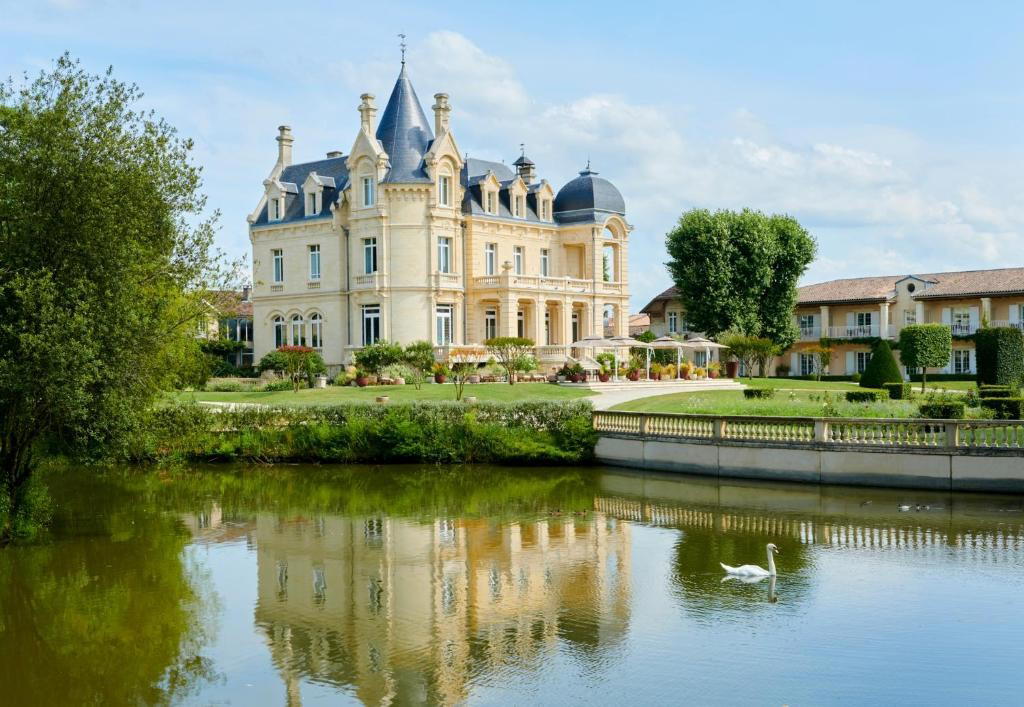
An intimate, quietly elegant Grand Cru Classé estate just steps from Saint-Émilion’s historic village, with a small walled limestone vineyard and a personally hosted, educational tasting focused on terroir and organic farming.