Clos Romanile

Clos Romanile is a micro-scale Saint-Émilion Grand Cru estate built around a single hectare of clay-limestone vines north of Saint-Émilion. The focus is narrow and serious: still red Bordeaux blend, organic sourcing, barrel work, and a production scale of roughly 1,000 to 1,500 bottles per year.
Pearl is the En Primeur Club membership app — saves, bookings, and concierge access live there. Same editors, same standards.
- Address
- 9 La Rose, 33330 Saint-Émilion, France
- Phone
- +33 9 61 51 18 81
- Directions
- Get directions
 Saves & bookings on Pearl
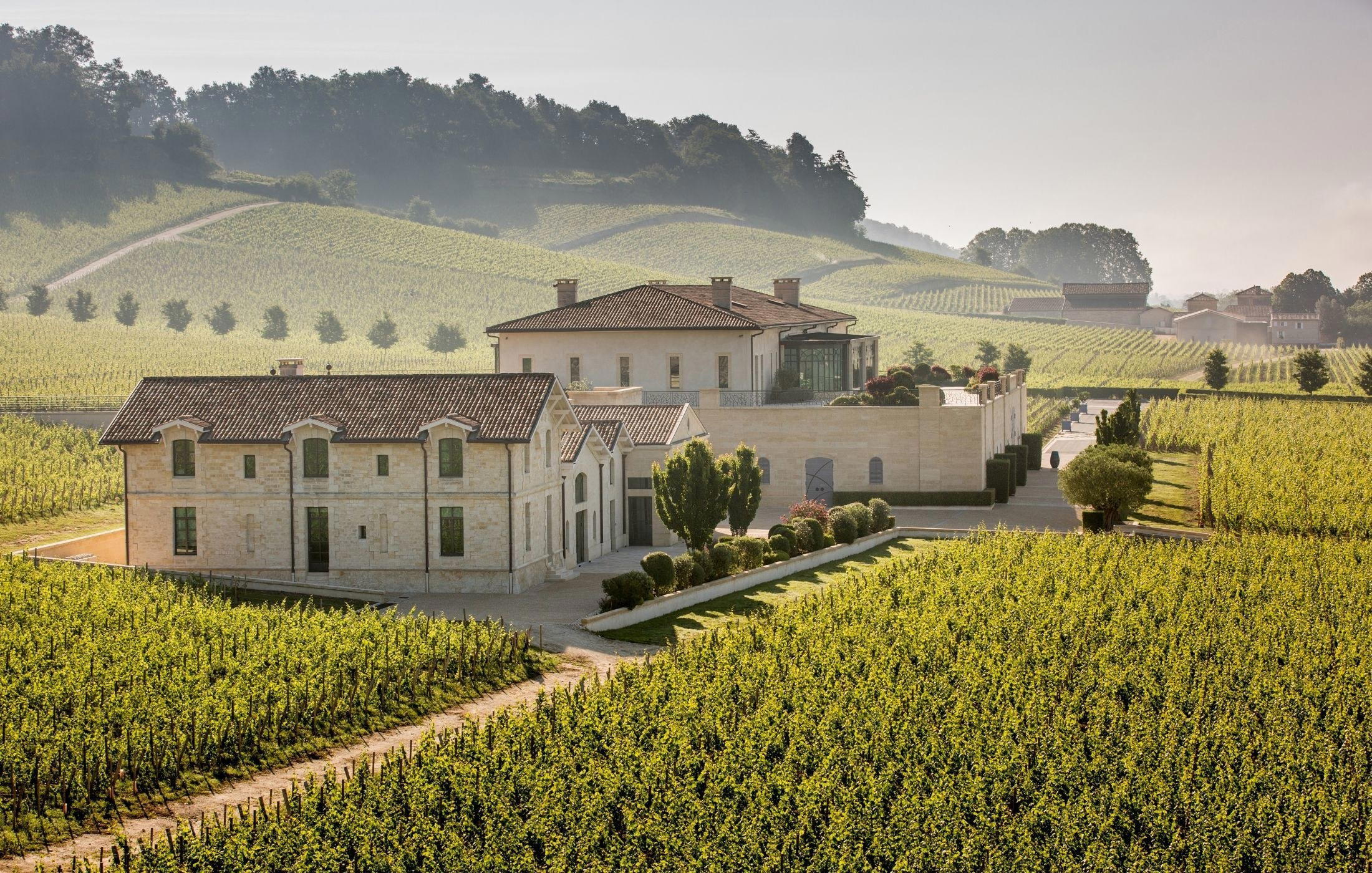
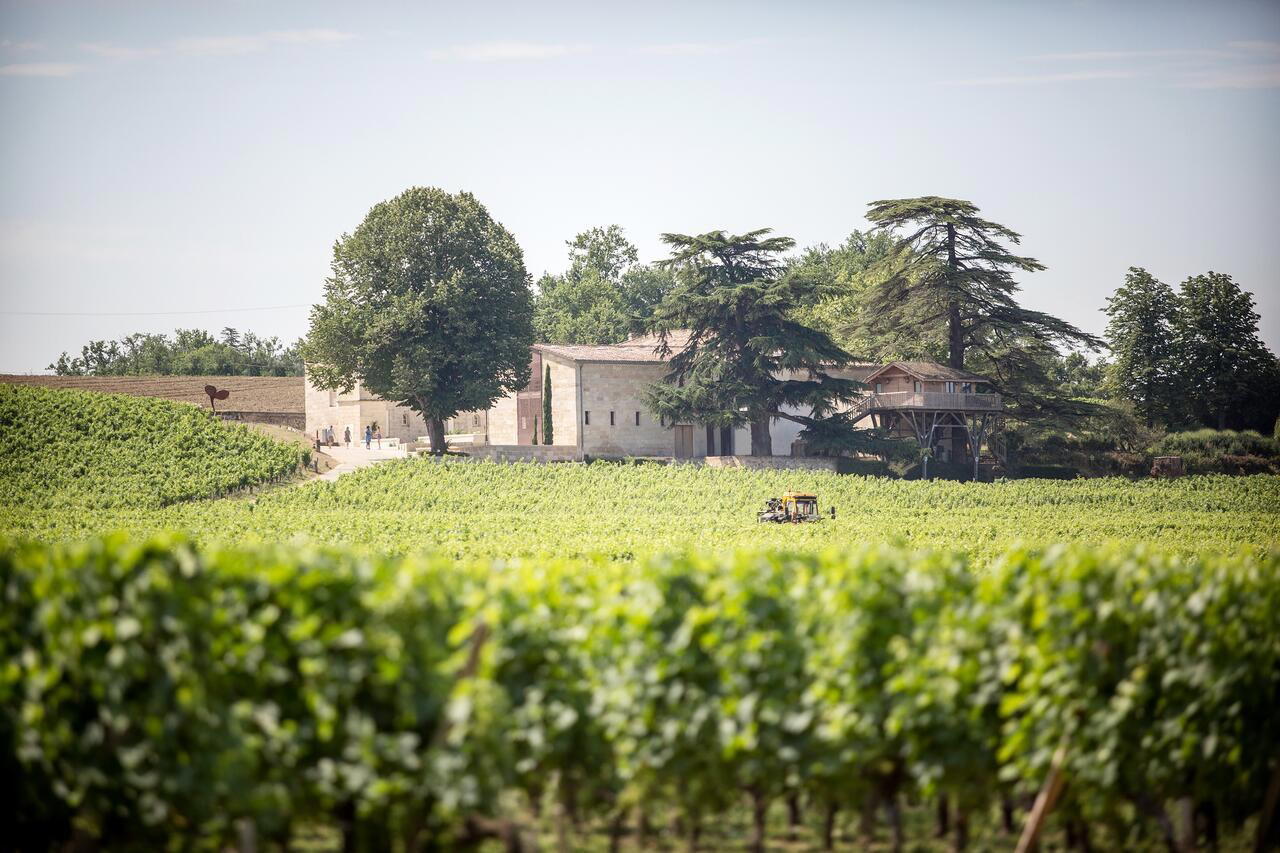
Approach Saint-Émilion through the lens of Clos Romanile and the usual château theatre gives way to something more compact, more closely held, and more defined by restraint. The story here is not grandeur, but scale: a tiny, artisanal Saint-Émilion Grand Cru estate centered on a one-hectare garden vineyard, with red wines described around craft, oak aging, power, elegance, and lively, juicy fruit. That compactness is not a side note; it is the frame through which the estate works well.
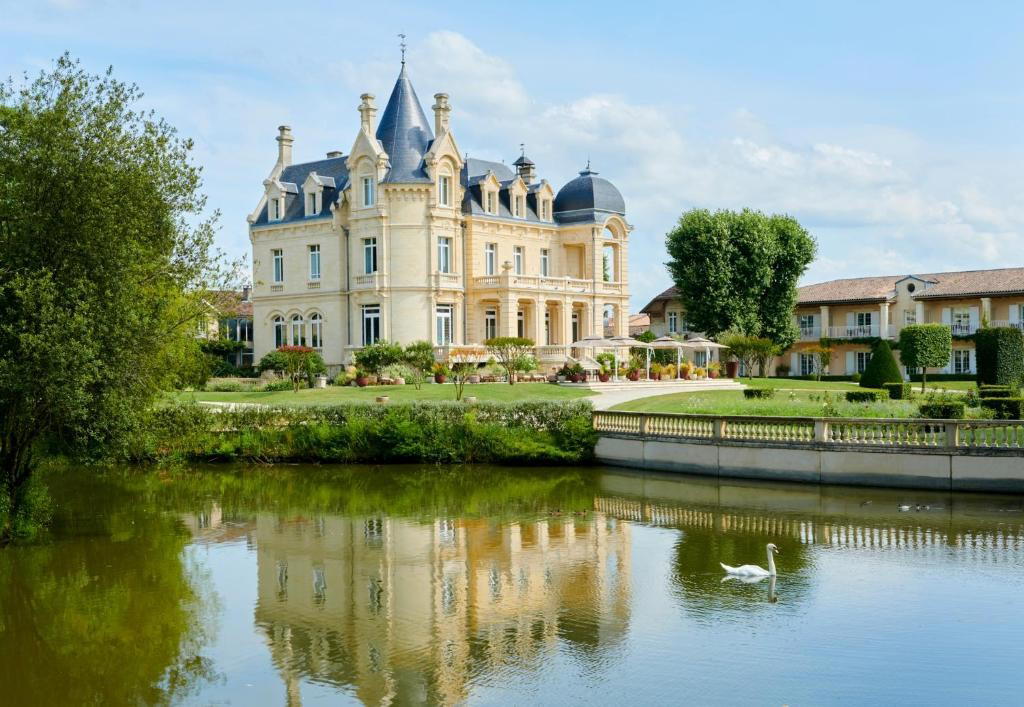
Because the available detail is narrow, Clos Romanile is best read as a focused micro-estate rather than as a broad visitor complex or a full hospitality program. Its appeal rests on intimacy, rustic charm, and a classic Saint-Émilion frame, not on an extensive list of public amenities or production claims. In practical terms, that means the value of the name is found less in spectacle and more in the idea of a precise, small-format Grand Cru identity.
A one-hectare Saint-Émilion Grand Cru built around focused craft
Clos Romanile’s most important fact is its scale: a one-hectare garden vineyard in Saint-Émilion Grand Cru. That size shapes expectations. This is a small, artisanal estate where the identity is tied to close attention and a compact expression of place rather than to a large range or a highly public-facing operation. A one-hectare frame naturally invites a different kind of reading: more concentrated, more personal, and more dependent on the character of a limited vineyard setting.
The wines are described as meticulously crafted, oak-aged reds that balance power with elegance and lively, juicy fruit. That is enough to place the estate in a premium Saint-Émilion context without inventing details about grape varieties, annual production, vineyard practices, winemaking personnel, or equipment that are not part of the public record. The language also points to a familiar tension in serious red wine: structure and polish on one side, freshness and fruit energy on the other.
The price signal is $$$, which supports the impression of a premium but intimate estate. For readers, the useful takeaway is simple: the winery is a small Saint-Émilion Grand Cru name for those interested in a concentrated, oak-aged red-wine expression from a one-hectare garden vineyard. It should be understood as a focused address, not as a place whose significance depends on breadth, scale, or a long list of extras.
The experience is closer to an intimate estate impression than a large-scale stop
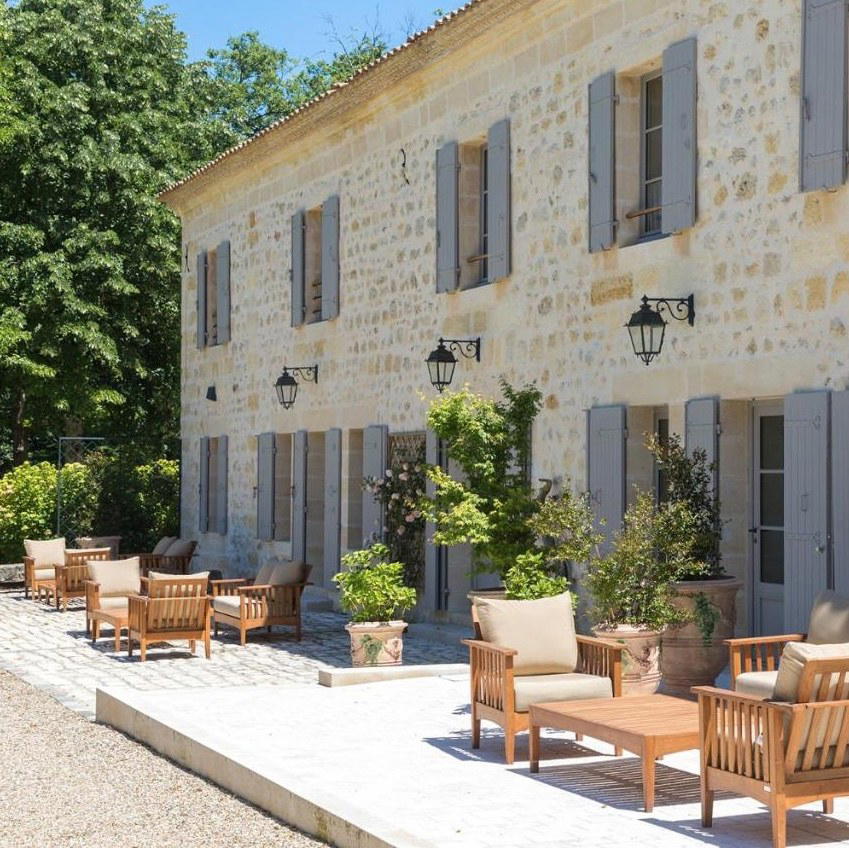
The winery is described with cues such as, intimate, rustic, and classic. Those words matter because they establish a mood without requiring embellishment: intimate suggests closeness and limited scale; rustic suggests a more grounded, less theatrical feel; classic keeps the estate within the recognizable language of Saint-Émilion rather than pushing it toward novelty for its own sake.
For that reason, it is safest to approach the winery as a small, focused estate whose appeal lies in its artisanal identity and one-hectare scale. Travelers should confirm any visit details directly with the venue rather than assuming public tastings, barrel visits, food pairings, private appointments, or other services. The limited public information makes caution especially important, since the estate’s profile is clear but its visitor framework is not presented as a broad hospitality offering.
The strongest reason to keep the winery on a Saint-Émilion list is not a long menu of amenities. It is the clarity of the profile: a tiny Grand Cru estate, a garden vineyard, oak-aged reds, and a balance of power, elegance, and juicy fruit. For the right traveler, that clarity can be more compelling than abundance, because it gives the estate a clean, easily understood identity.
How to place it within a Saint-Émilion itinerary
The winery works well as a specialist point of interest for travelers who want to understand the smaller, more intimate side of Saint-Émilion. Build the day around contrast: the village’s broader wine culture, then a compact estate whose identity is defined by a one-hectare garden vineyard and carefully made oak-aged reds. That contrast helps prevent the estate from being judged by the wrong standard; it is not trying to represent size, ceremony, or volume, but focus.
For regional context within Saint-Émilion, compare the winery with other Saint-Émilion estates generically, focusing on how scale, visitor expectations, and wine style can vary across the area. Because the comparison set does not support naming other venues, the emphasis should stay on the winery itself and on broader Saint-Émilion context. The useful comparison is conceptual rather than specific: small versus expansive, intimate versus public-facing, and concentrated craft versus wider presentation.
The editorial read is clear: the winery is for the traveler drawn to small scale and focused craft. Its interest lies in the discipline of a one-hectare Saint-Émilion Grand Cru garden vineyard and in oak-aged reds described for their balance of power, elegance, and lively, juicy fruit. Read on those terms, it becomes a compact but distinctive way to think about Saint-Émilion: not through grandeur, but through precision, restraint, and a sharply defined sense of place.
Recognition history
Dated appearances from independent guides and award organizations, with the underlying list record or original source where available.
Falstaff Winery - Listed
Falstaff
Continue exploring
More in Saint-Émilion
Wineries in Saint-Émilion
Browse all →
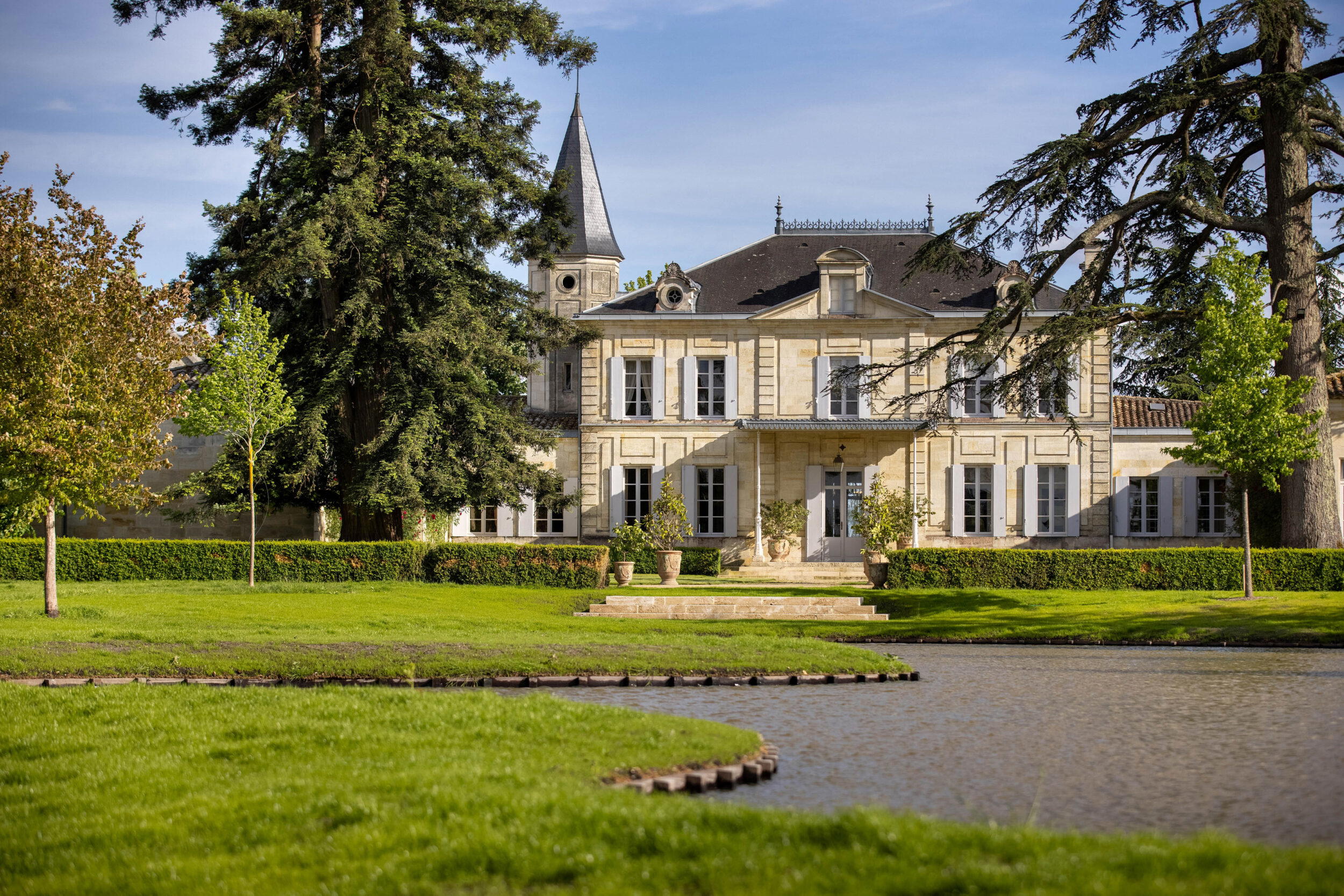
Bars in Saint-Émilion
Browse all →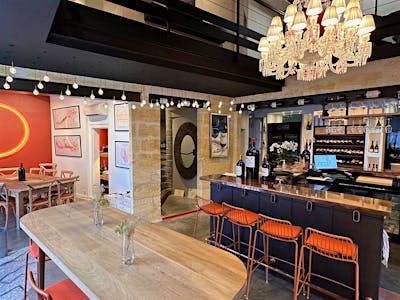
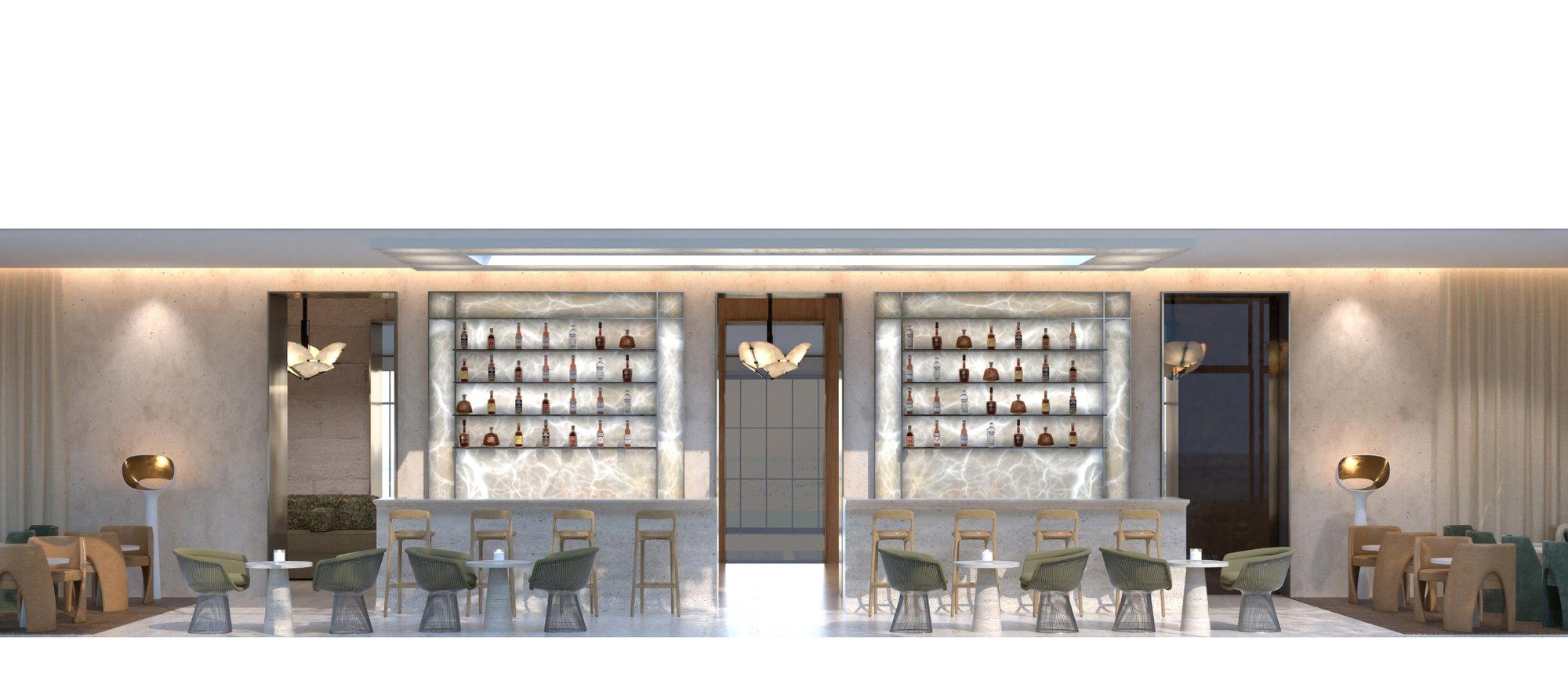
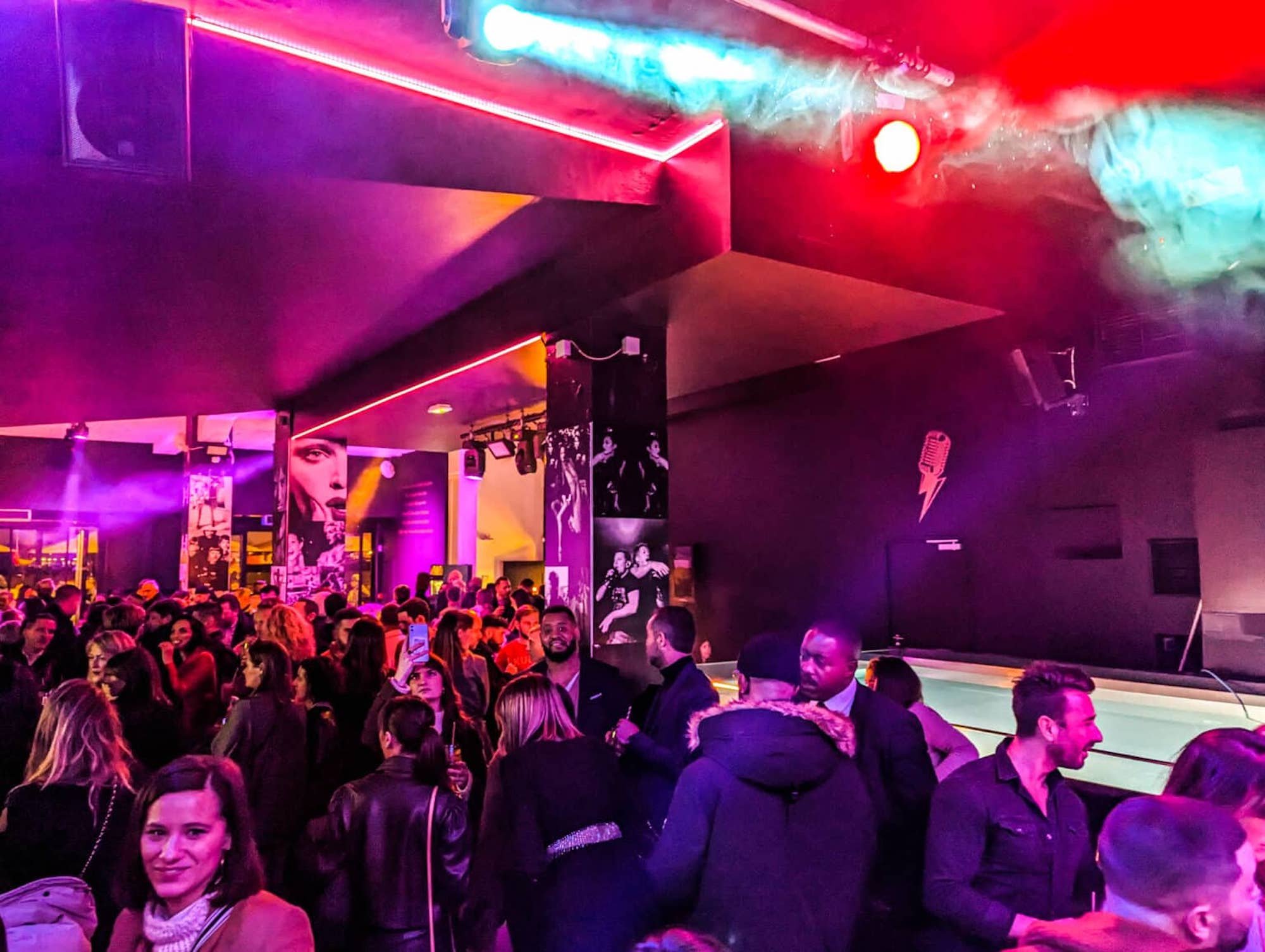
Restaurants in Saint-Émilion
Browse all →
At a Glance
- Intimate
- Rustic
- Classic
- Cozy
- Romantic Getaway
- Solo Exploration
- Wine Education
- Special Occasion
- Estate Grounds
- Vineyard Tour
- Private Tasting
- Organic
- Vineyard
- Garden
- Saint Emilion Grand Cru AOC
- Merlot
- Cabernet Sauvignon
- Still Red
- Private Tasting
- Barrel Tasting
A tiny, artisanal Saint-Emilion Grand Cru estate centered on a one-hectare garden vineyard, with a focus on meticulously crafted, oak-aged reds that balance power with elegance and lively, juicy fruit.