Clos la Madeleine

Falstaff Winery - Listed
Clos la Madeleine is a small Saint-Émilion Grand Cru estate shaped by limestone, clay, Merlot and Cabernet Franc rather than visitor spectacle. Its appeal is the scale: a compact vineyard setting in Saint-Émilion, private-tasting format, quiet tone and a terroir-led red-wine identity suited to collectors who want the appellation at close range.

Pearl is the En Primeur Club membership app — saves, bookings, and concierge access live there. Same editors, same standards.
- Address
- La Madeleine, 33330 Saint-Émilion, France
- Phone
- +33 5 57 51 78 96
- Website
- moueix.com
- Directions
- Get directions
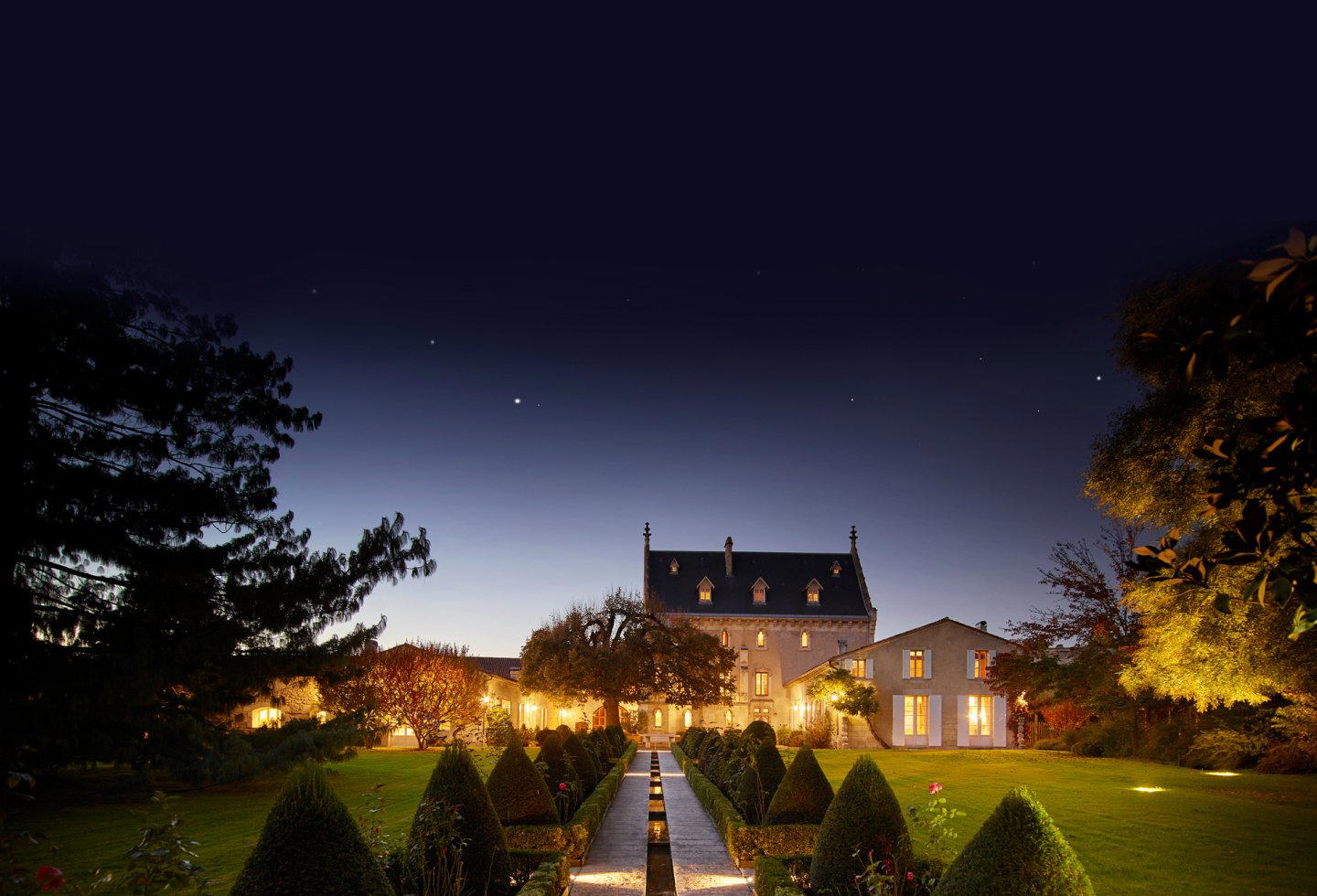
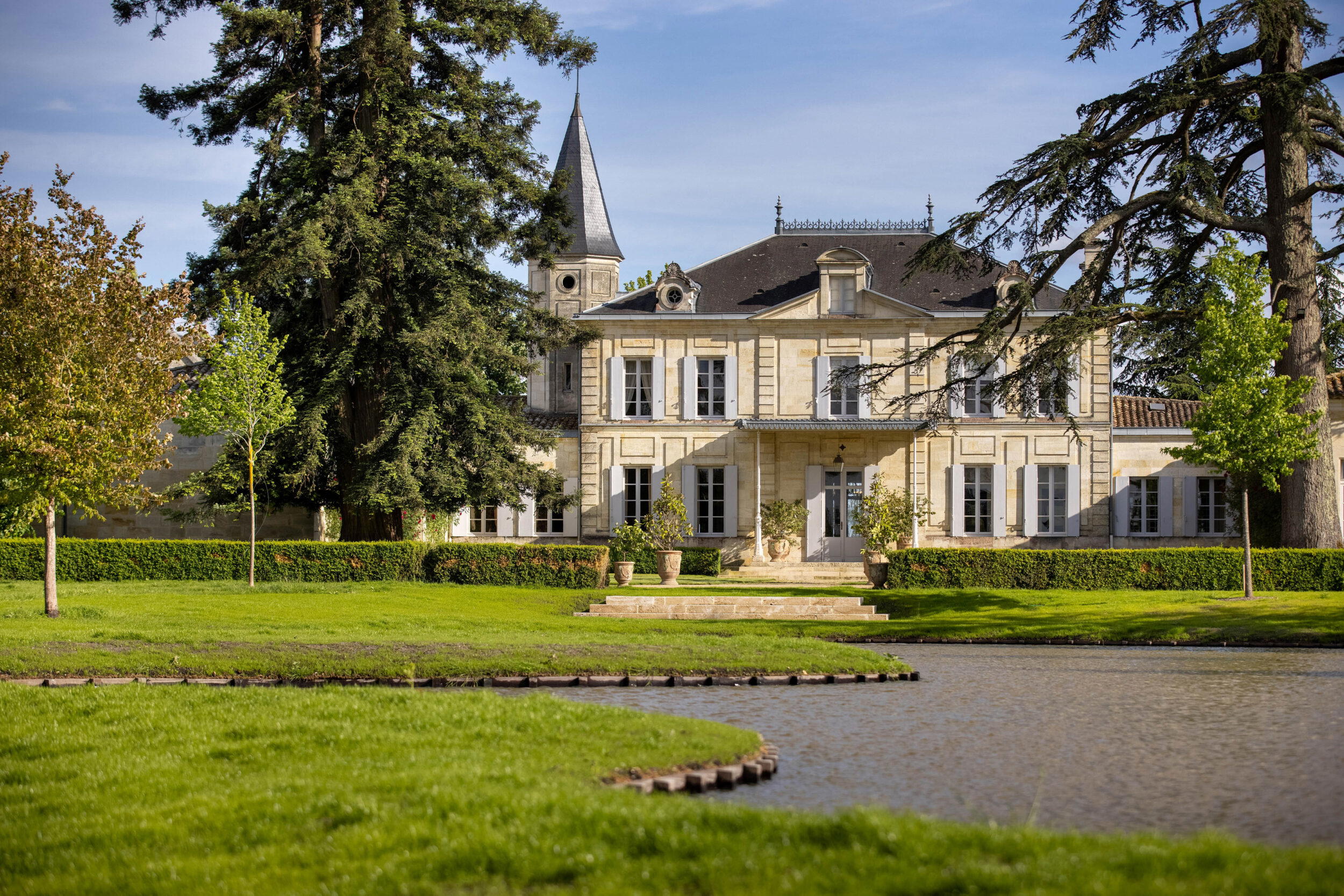
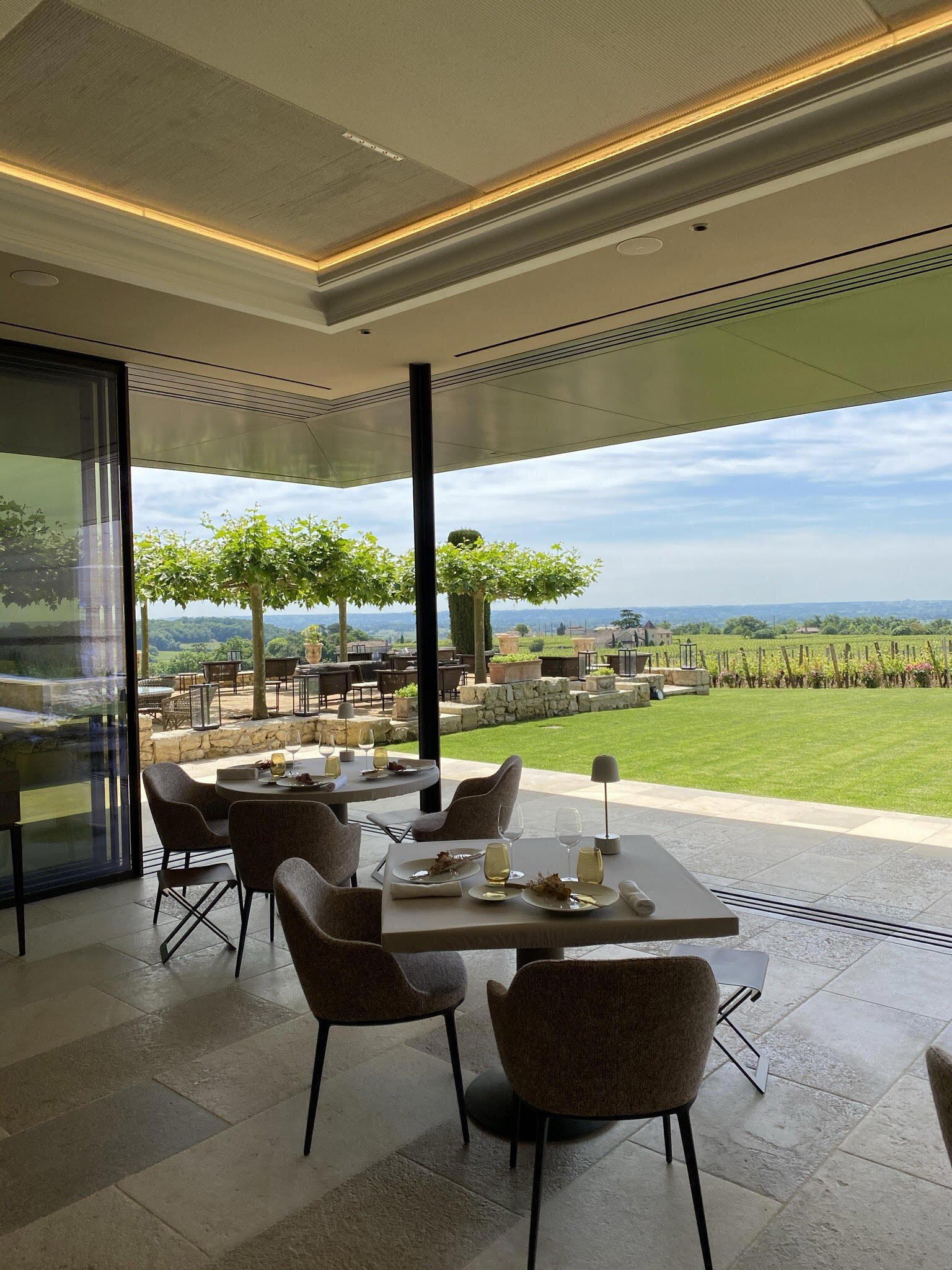
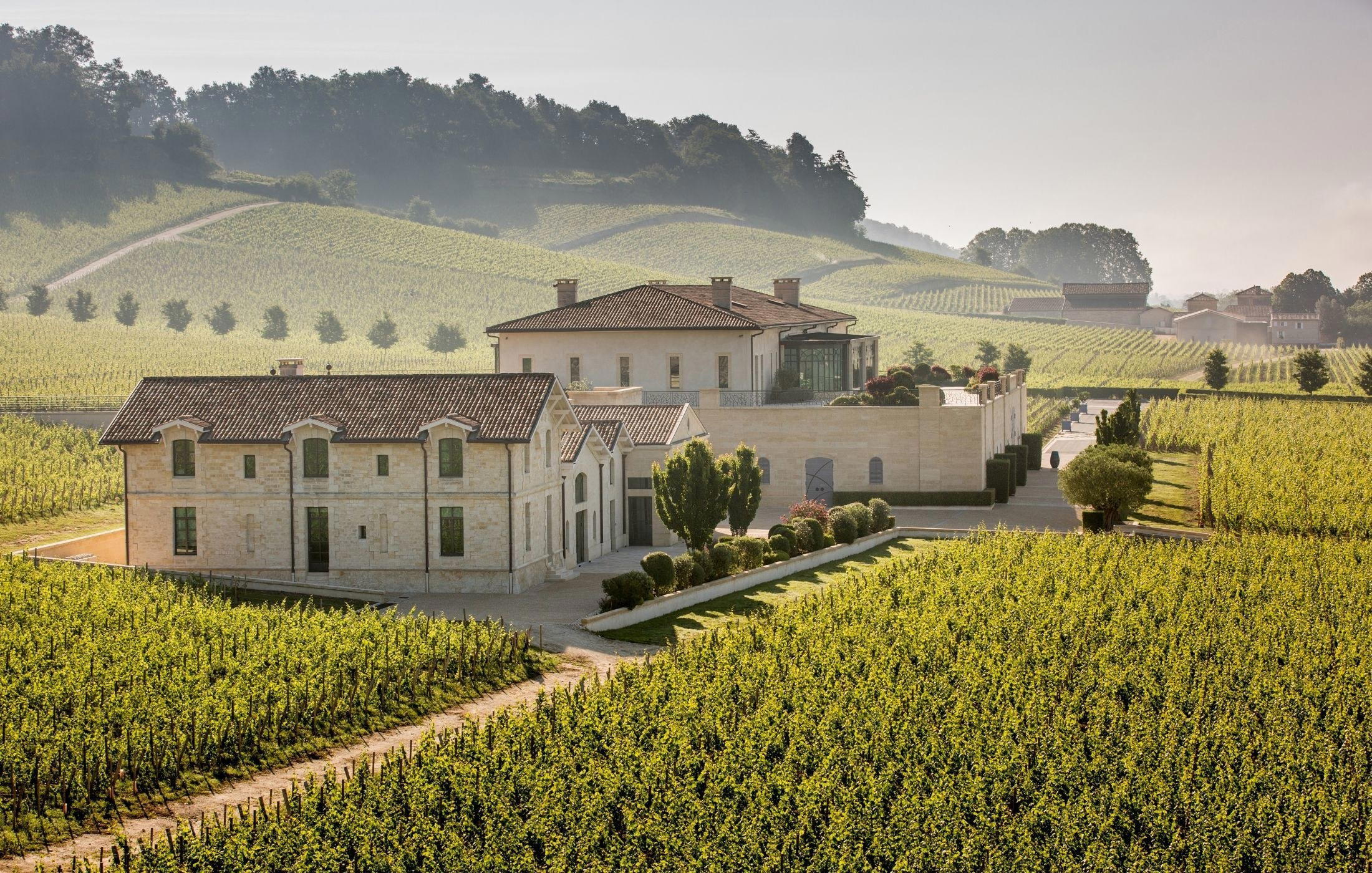
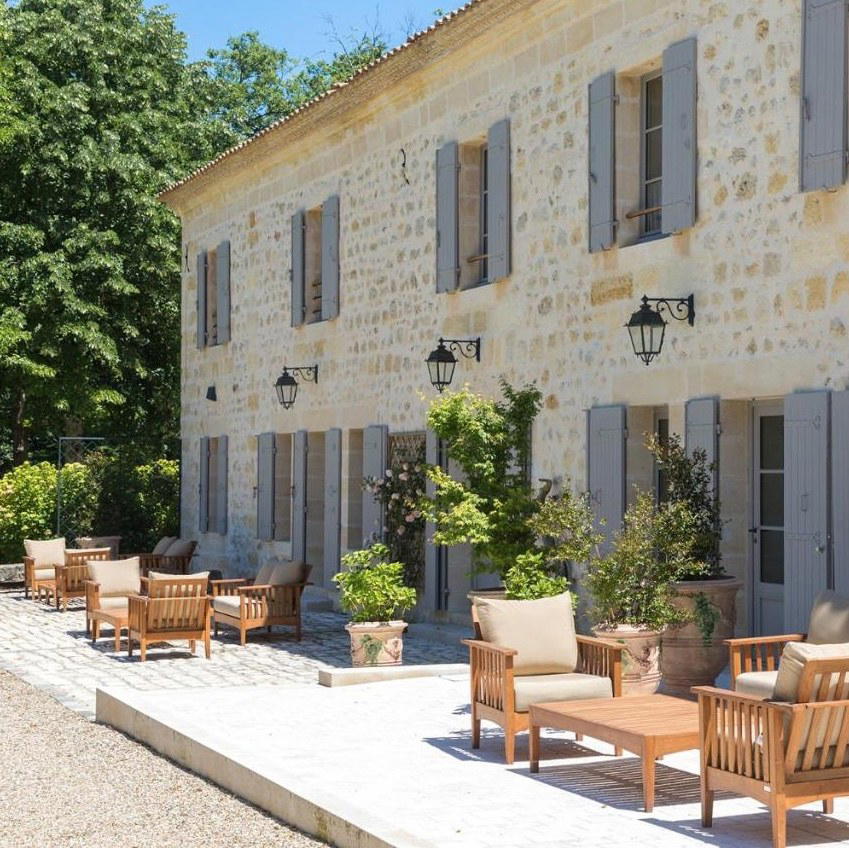
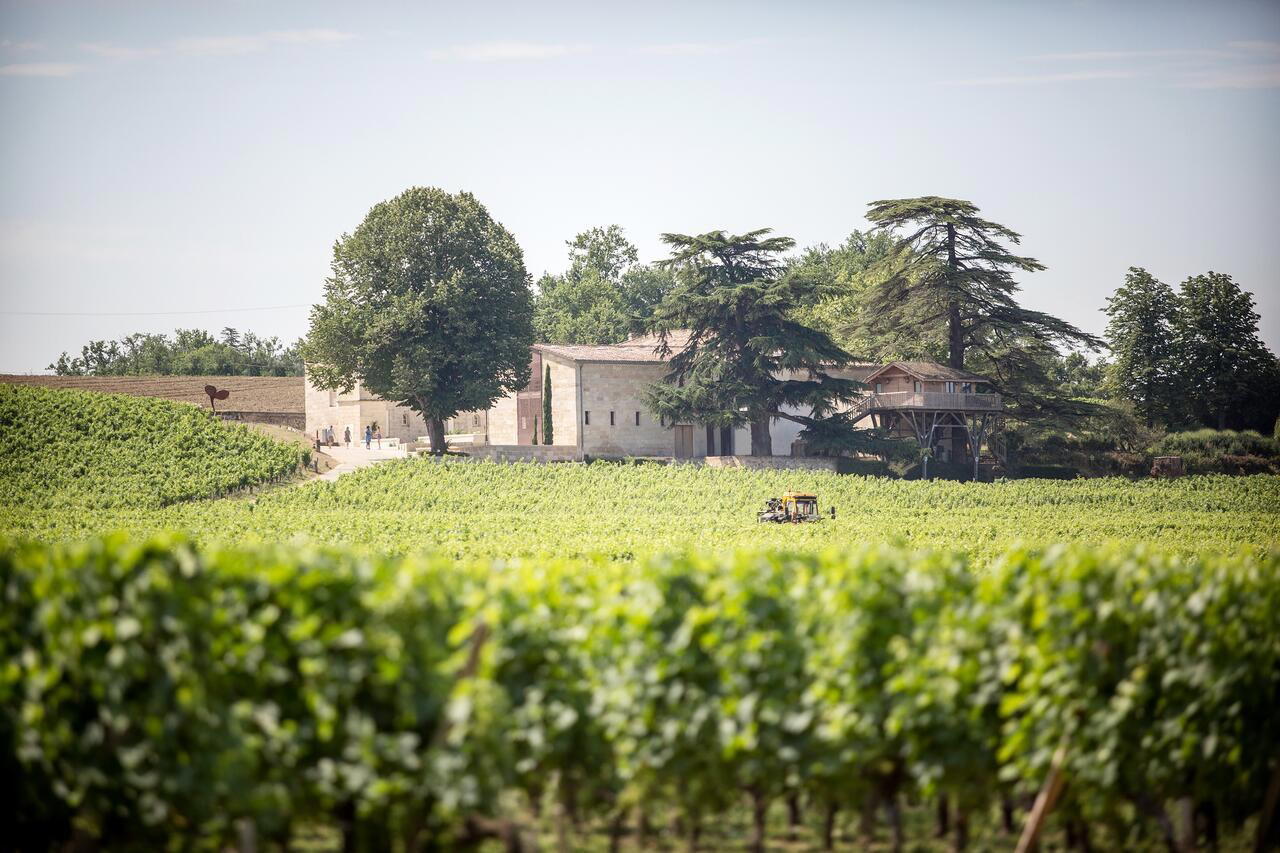
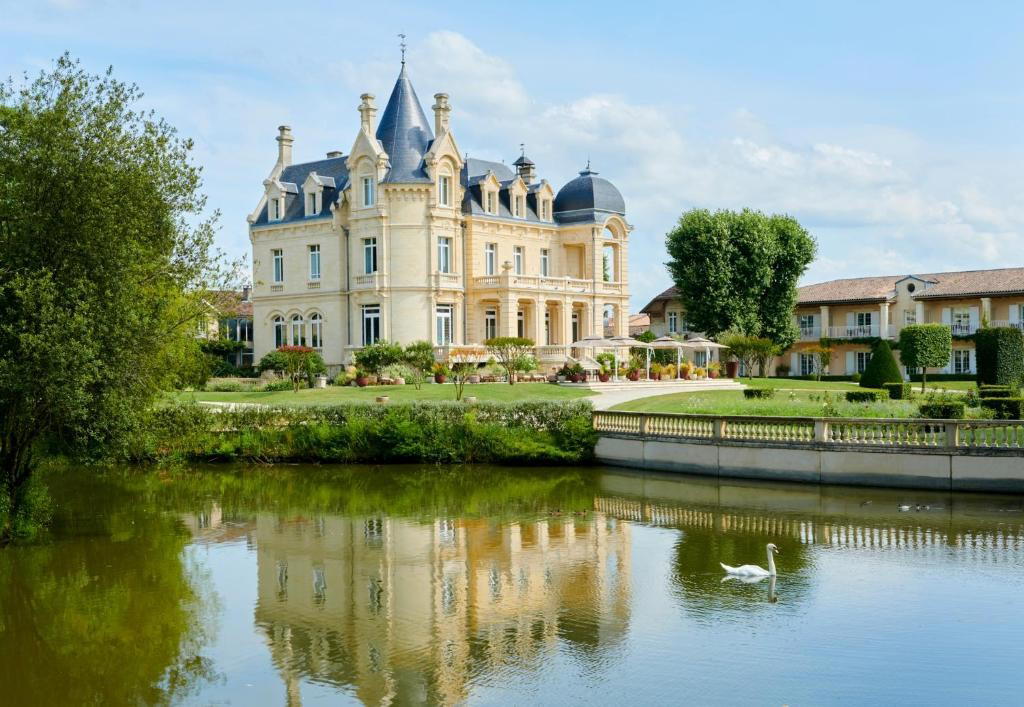
In Saint-Émilion, Clos la Madeleine is best understood as a small, historic vineyard estate rather than a high-volume hospitality stop. Its character is quiet, classic and intimate: a jewel-like, understated setting on south-facing limestone and clay plateau and terraces. The appeal is not spectacle, but a close sense of place in a recognisable wine village, where the landscape and the scale of the estate do much of the speaking.
Clos la Madeleine can be described as elegant and somewhat hidden in feel, with a setting shaped by slope, stone and vineyard context. That impression matters because it sets expectations correctly: this is a place to approach for atmosphere, proportion and setting, not for assumptions about a large visitor operation.
Limestone, clay and the smaller scale of Saint-Émilion
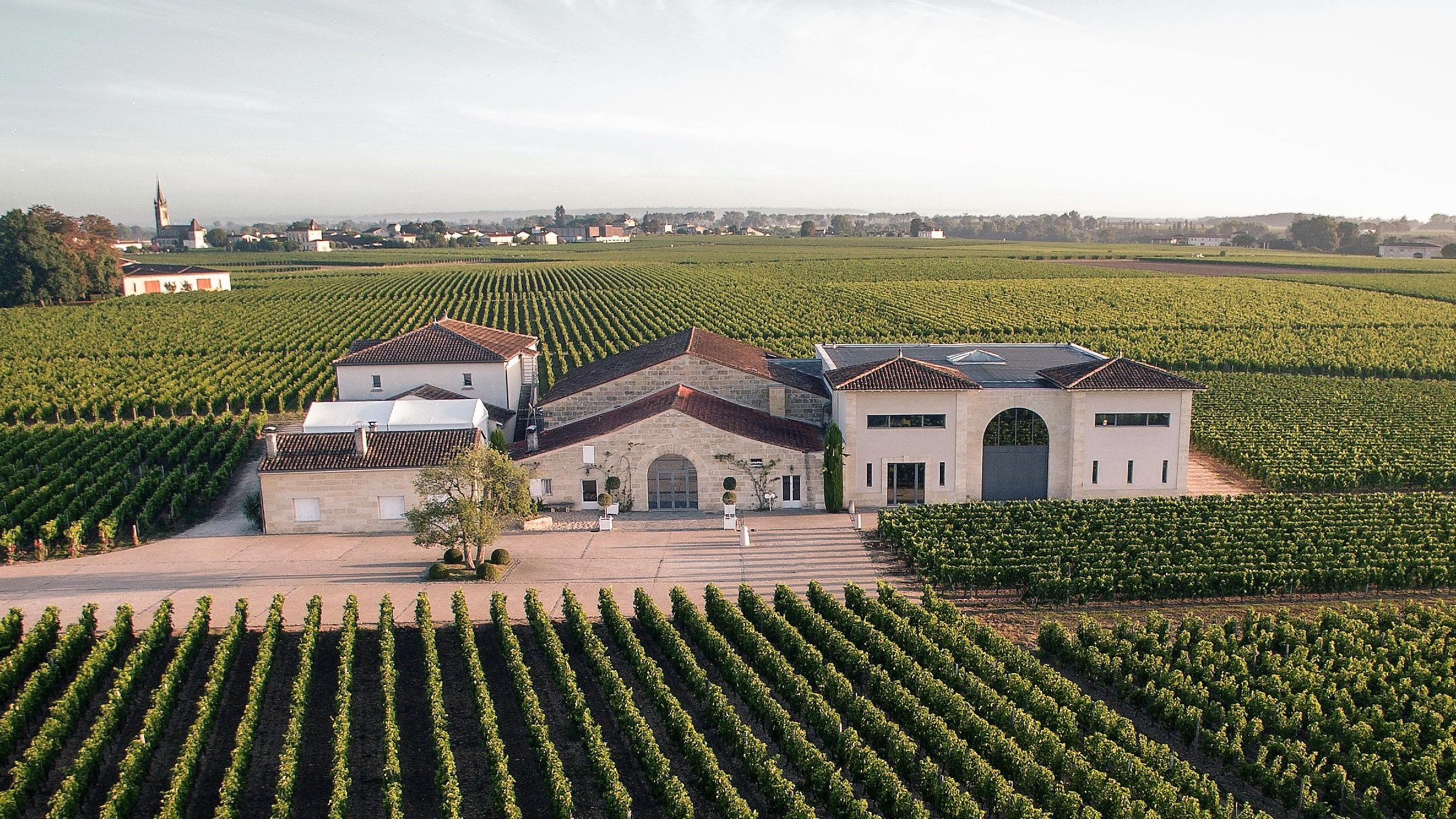
Clos la Madeleine’s identity is tied to its Saint-Émilion setting and to south-facing limestone and clay terraces. That is the most reliable way to frame the estate: as a compact, historic vineyard place where the physical site matters more than any invented hospitality hook. The wording should stay close to what is known, because the charm here is already strong enough without adding unsupported detail. The combination of village context, slope and stone gives the estate its sense of definition.
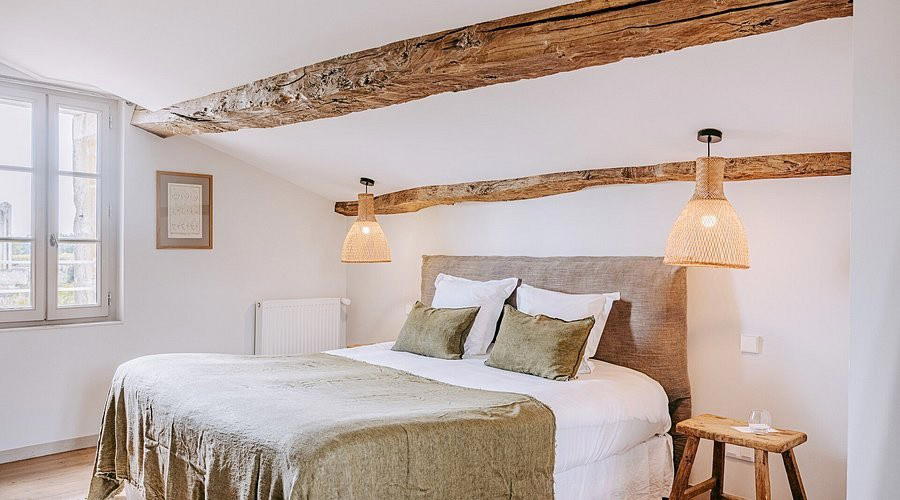
For visitors, the useful expectation is atmosphere rather than a guaranteed format. The estate is quiet, classic, intimate and elegant, with an understated character that suits travellers who prefer discreet vineyard settings over showier experiences. It is the kind of address that reads best as part of the texture of Saint-Émilion itself: composed, restrained and closely connected to its vineyard surroundings. Beyond that, details such as wine style, service structure, vineyard size and production scale should be confirmed directly before relying on them.
Price guidance is listed as $$$. That should be read only as a broad planning cue, not as a substitute for checking current arrangements or what, if anything, is included in a visit.
A restrained Saint-Émilion vineyard setting
Clos la Madeleine suits people looking for a more contemplative Saint-Émilion stop. Its appeal lies in the historic estate character, the south-facing limestone and clay position, and the quiet, intimate mood. That makes it a good fit for travellers who care about setting and atmosphere as much as formal programming. In practical terms, it is better approached with an eye for place: the relationship between vineyard, stone, slope and village, and the sense of a small estate held within that landscape.
Treat the estate as a refined Saint-Émilion vineyard setting whose practical arrangements need to be confirmed in advance. That cautious approach protects the experience from overstatement and keeps the focus on what is actually supported: elegance, restraint and a distinctive physical context.
The strongest grounded description is simple: Clos la Madeleine is an elegant, understated Saint-Émilion vineyard estate with a hidden-gem feel. Its sense of place comes from its historic scale and its limestone-and-clay terraces, not from claims about awards, scores or special services. In an area where wine travel can easily become a checklist of names and accolades, this is a useful distinction. The estate’s appeal is quieter and more architectural in the broadest sense: shaped by the land, by its compact presence, and by the way it sits within Saint-Émilion rather than by any promise of spectacle.
Where it fits in a Saint-Émilion itinerary
Clos la Madeleine works well in an itinerary built around quieter Saint-Émilion experiences. It is not necessary to frame it against named competitors; it can stand on its own as a small, historic estate with a classic and intimate character. For travellers mapping a day around the village, that means it is best considered as a place-led stop rather than a box to tick for a particular advertised format. Its value is in the calm, the setting and the sense of proportion.
Planning expectations should stay practical. The information supports a $$$ price range and an elegant, understated vineyard setting, but it does not confirm specific hours, booking requirements, menu offerings, accessibility details or tasting inclusions. Visitors should verify those details directly before making firm plans. That is especially important because the estate is being presented here through atmosphere and site, not through a confirmed visitor programme.
For wider planning around the village, place Clos la Madeleine alongside other Saint-Émilion options in a general way. Its role is best described as a quiet, place-led vineyard stop: south-facing limestone and clay, historic estate character, and a polished but restrained mood. It can help balance an itinerary by adding a smaller-scale, more discreet note, particularly for visitors who want Saint-Émilion to feel lived-in and landscape-led rather than overly staged.
Against a broader wine-travel map, Clos la Madeleine is not presented here through claims of range, ratings or programming. The grounded appeal is narrower and more atmospheric: a small Saint-Émilion estate with classic elegance, intimacy and a distinctive vineyard setting. That narrower appeal is also what makes the description credible. Clos la Madeleine is most compelling when treated not as a catalogue of features, but as a quiet historic vineyard estate whose identity rests in its limestone-and-clay position, its understated mood and its close connection to Saint-Émilion.
Recognition history
Dated appearances from independent guides and award organizations, with the underlying list record or original source where available.
Falstaff Winery - Listed
Falstaff
Continue exploring
More in Saint-Émilion
Wineries in Saint-Émilion
Browse all →
Bars in Saint-Émilion
Browse all →
Restaurants in Saint-Émilion
Browse all →
Details
- Quiet
- Classic
- Intimate
- Elegant
- Wine Education
- Special Occasion
- Solo Exploration
- Historic Building
- Cave Tasting
- Vineyard Tour
- Design Destination
- Vineyard
- Merlot
- Cabernet Franc
- Still Red
- Private Tasting
A small, historic Saint-Émilion vineyard estate set on south-facing limestone and clay plateau/terraces, with a jewel-like, understated character.