Cims de Porrera

Cims de Porrera is a small Priorat DOQ winery in Porrera, Tarragona, built around old Cariñena and Garnacha vines on steep llicorella slopes. Founded in 1996, it works from a village-cooperative model, producing about 70,000 bottles a year with a focus on still reds, village wines and the hard, mineral register that defines this corner of Catalonia.
Pearl is the En Primeur Club membership app — saves, bookings, and concierge access live there. Same editors, same standards.
- Address
- Porrera - Tarragona, Penedès, Catalunya, Spanien
- Directions
- Get directions
 Saves & bookings on Pearl
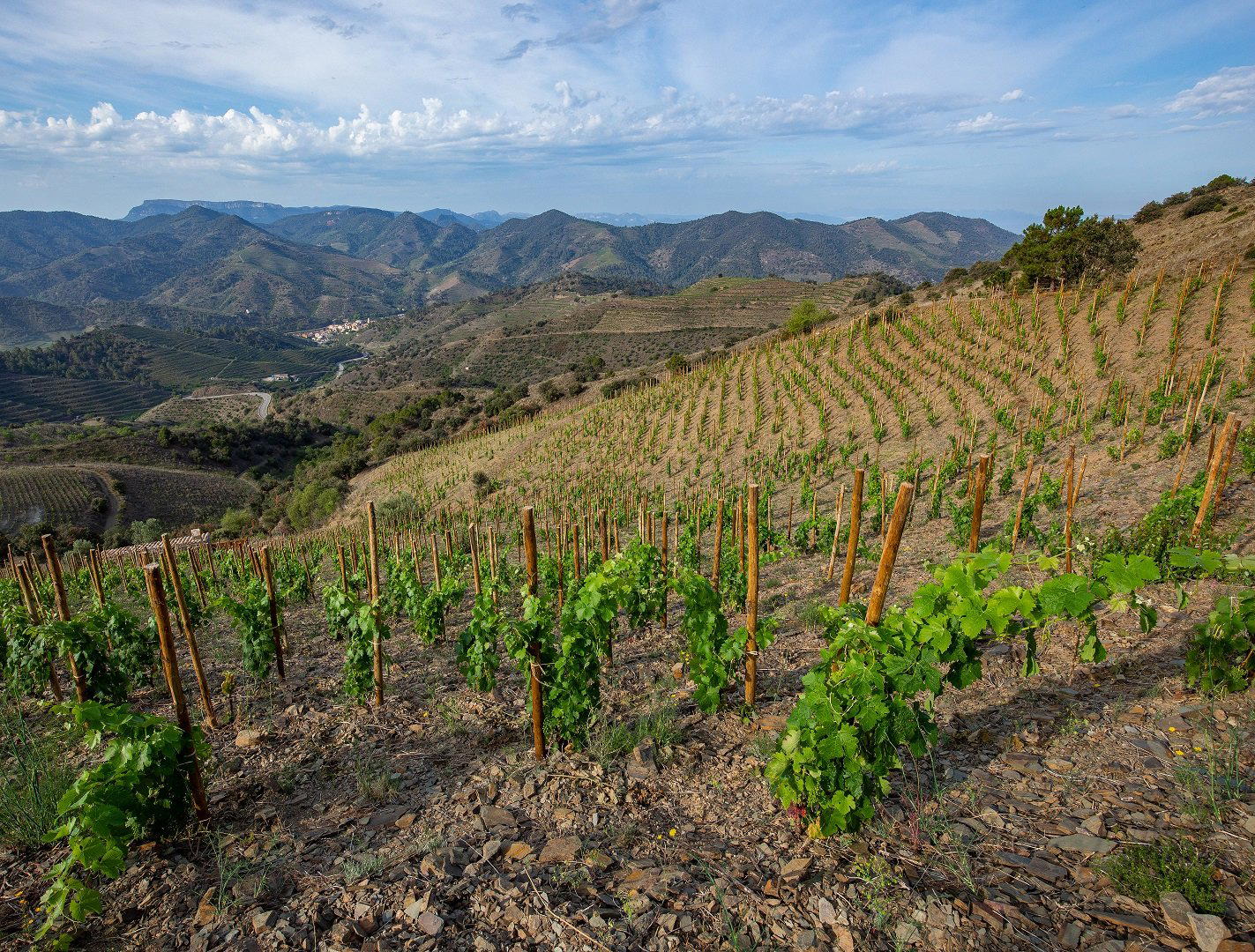
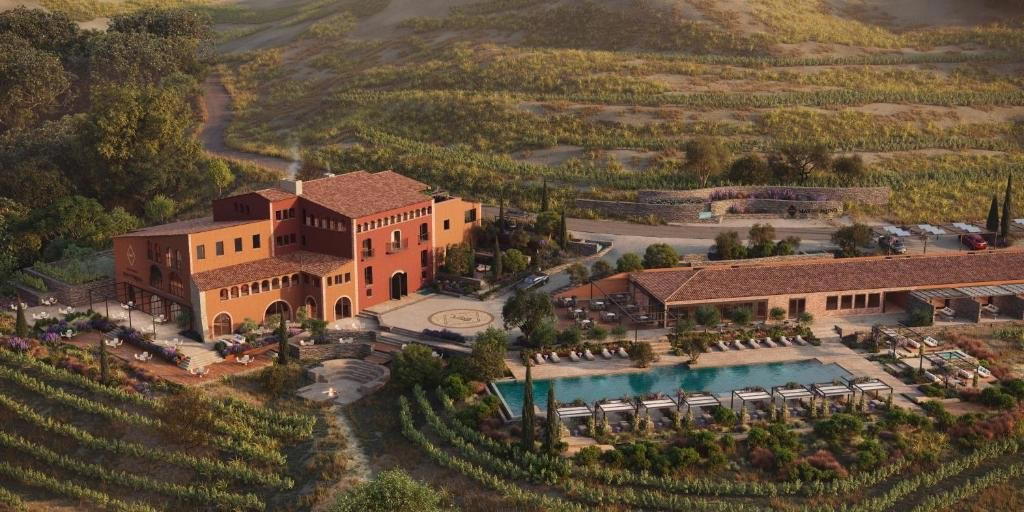
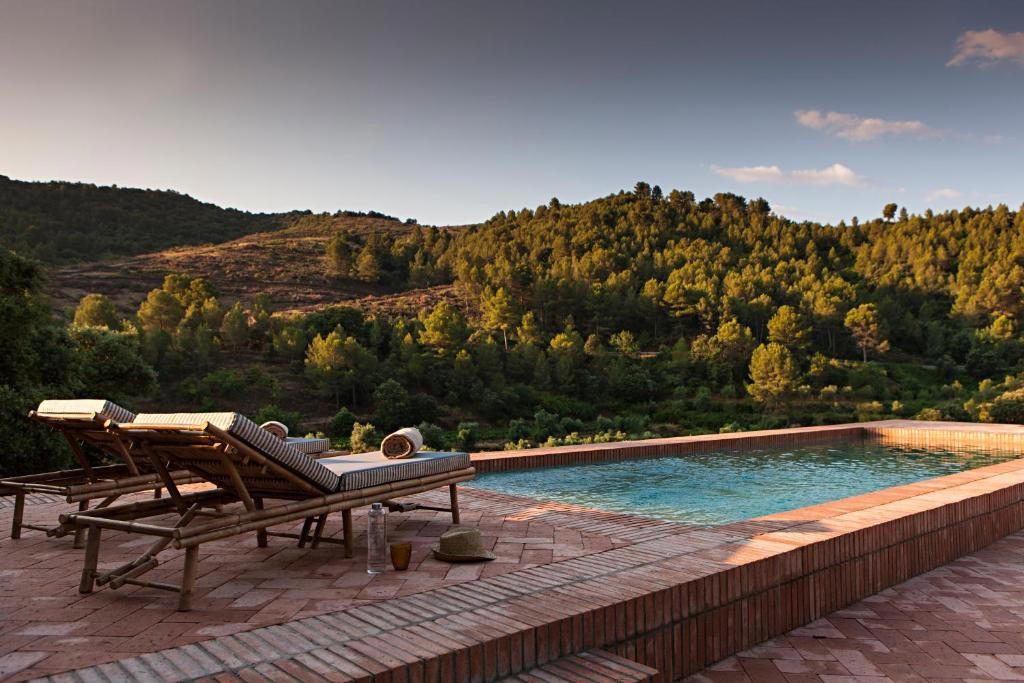
Approaching Cims de Porrera in Porrera Tarragona means reading the landscape as part of the identity: steep slate slopes, old low-yield vines and a high-altitude Priorat setting. The appeal is not a polished urban script, but a rugged wine-country context where terrain and village character shape the visit. Before any formal description of the venue, the place itself does much of the work: the slopes, the sense of altitude and the compact village setting make the wine identity feel inseparable from its surroundings.
The profile is deliberately narrow but clear: Cims de Porrera is tied to a small cooperative identity focused on premium wines in Porrera Tarragona. Rather than inventing a detailed cellar history, grape list, production scale or visitor format, a reliable way to understand it is through its setting and its modest price signal. That restraint matters, because the strongest confirmed impression is not a catalogue of services, but a coherent picture of a serious, landscape-led Priorat stop with a quiet local frame.
Old-vine Priorat, expressed through slate and restraint
Cims de Porrera fits its Priorat frame through steep slate slopes and old low-yield vines. Those facts are enough to explain why the venue reads as rustic, scenic and quietly serious, without needing claims about specific cuvées, vine ages, yields or winemaking details. The emphasis falls on the fundamentals that visitors can understand immediately: difficult terrain, sparse productivity and a setting that suggests concentration and patience rather than ease or spectacle.
The venue’s identity is best described as high-altitude Priorat with a small cooperative character and a focus on premium wines. That gives travellers a grounded expectation: this is a hidden-gem stop for people interested in the landscape and wine culture of Porrera Tarragona, not a page to treat as a full technical dossier. Its appeal is therefore less about checking off a branded experience and more about encountering a place where the local wine story feels compact, rugged and closely tied to the slopes around it.
What is clear is the broader character: rugged, quiet, scenic and rooted in the slopes around Porrera Tarragona. The value of the stop lies in that clarity. Even with limited confirmed detail, the profile is specific enough to place the winery within the mood of Priorat: serious without being showy, modest in presentation, and dependent on terrain as much as on any hospitality language.
A village cooperative frame rather than a luxury tasting-room script
The feel is rustic and quiet, closer to a small cooperative setting than a luxury hospitality script. The surrounding Priorat landscape is central to the experience: steep slate slopes, old vines and a sense of remoteness define the mood more than any confirmed amenity list. Visitors should read that as part of the point. This is not presented as a venue built around elaborate staging, but as one whose atmosphere comes from village scale, agricultural texture and the austere beauty of the high-altitude setting.
The price signal is listed as $$, placing the winery in a moderate bracket. That should be read alongside the venue’s premium-wine identity and rugged high-altitude context rather than as a promise about specific bottle prices, tasting fees or formats. In practical terms, the signal helps set expectations without overdefining the experience: it suggests accessibility relative to more refined price categories, while still leaving the emphasis on the premium-wine focus and the seriousness of the Priorat landscape.
For travellers building time in Porrera Tarragona, the winery works well as a quiet, scenic wine stop with a strong sense of place. It suits an itinerary shaped by atmosphere as much as by logistics, especially for visitors who want the village, the slopes and the old-vine setting to remain visible in the experience. The reward is not described here as luxury or abundance, but as focus: a compact wine-country reference point that keeps attention on the terrain.
Where it fits in a Porrera wine itinerary
Porrera Tarragona is compact enough that wine, food and lodging decisions are best planned together. Those elements make it especially useful as an anchor for understanding the local character, because they bring together the physical landscape, the village scale and the wine focus in one concise profile.
Travellers comparing options should treat the winery as a grounded reference point profile, while considering other dining, lodging and wine-related stops in Porrera Tarragona generically. Within that narrow frame, the recommendation is intentionally measured: come for the rugged Priorat context, the cooperative feel and the scenic old-vine setting, while avoiding assumptions about unconfirmed formats, services or technical detail.
Recognition history
Dated appearances from independent guides and award organizations, with the underlying list record or original source where available.
Falstaff Winery - 4 Stars
Falstaff
Continue exploring
More in Porrera Tarragona
Wineries in Porrera Tarragona
Browse all →
Bars in Porrera Tarragona
Browse all →
Restaurants in Porrera Tarragona
Browse all →
Hotels in Porrera Tarragona
Browse all →
At a Glance
- Rustic
- Quiet
- Scenic
- Wine Education
- Group Outing
- Special Occasion
- Estate Grounds
- Vineyard Tour
- Historic Building
- Dry Farmed
- Vineyard
- Mountain
- Priorat DOQ
- Carignan
- Grenache
- White Grenache
- White Picapoll
- Pedro Ximenez
- Still Red
- Still White
- Estate Tasting
- Retail Tasting
Rustic and rugged, with a high-altitude Priorat setting defined by steep slate slopes, old low-yield vines, and a small cooperative identity focused on premium wines.