
Falstaff Winery - Listed
Château Toumalin is a small family-run Canon-Fronsac estate in Fronsac, focused on Merlot-led right-bank Bordeaux reds from clay-limestone and clay-silica soils. Its 7.66 hectares, mature vines, and mixed barrel-and-tank aging place the emphasis on structure, ripe dark fruit, supple tannin, and a measured use of oak rather than showy extraction.

Pearl is the En Primeur Club membership app — saves, bookings, and concierge access live there. Same editors, same standards.
- Address
- Fronsac, Libournais, Nouvelle-Aquitaine, Frankreich
- Directions
- Get directions

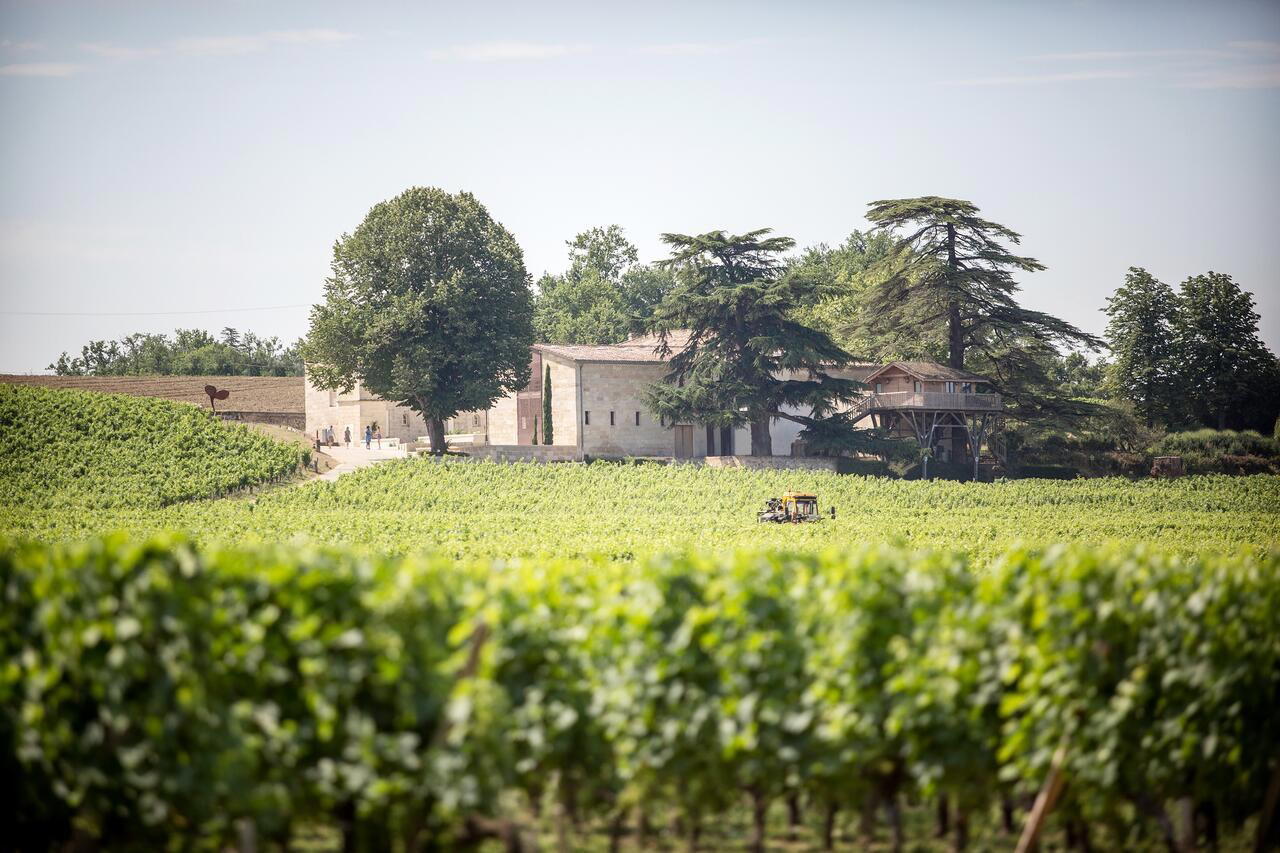
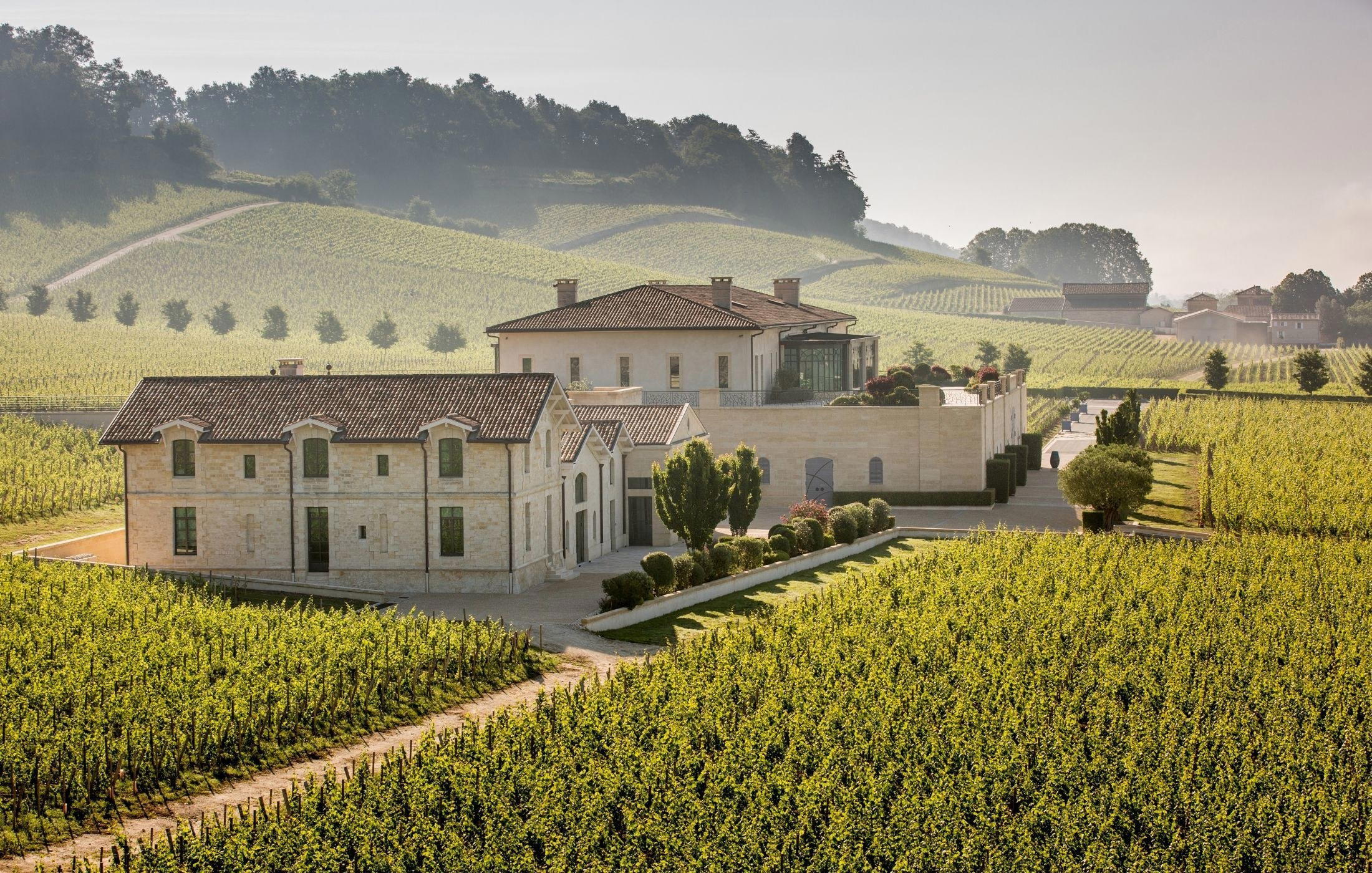
Château Toumalin is a family-run Canon-Fronsac estate in Fronsac, focused on right-bank Bordeaux reds. The picture is concise but useful: this is a classic, terroir-focused property whose wines are described through structure, elegance, ripe black-fruit character, supple tannins, and well-judged oak aging. For travelers or collectors looking at Fronsac, that gives the estate a clear identity without needing to lean on production figures, technical claims, or awards.
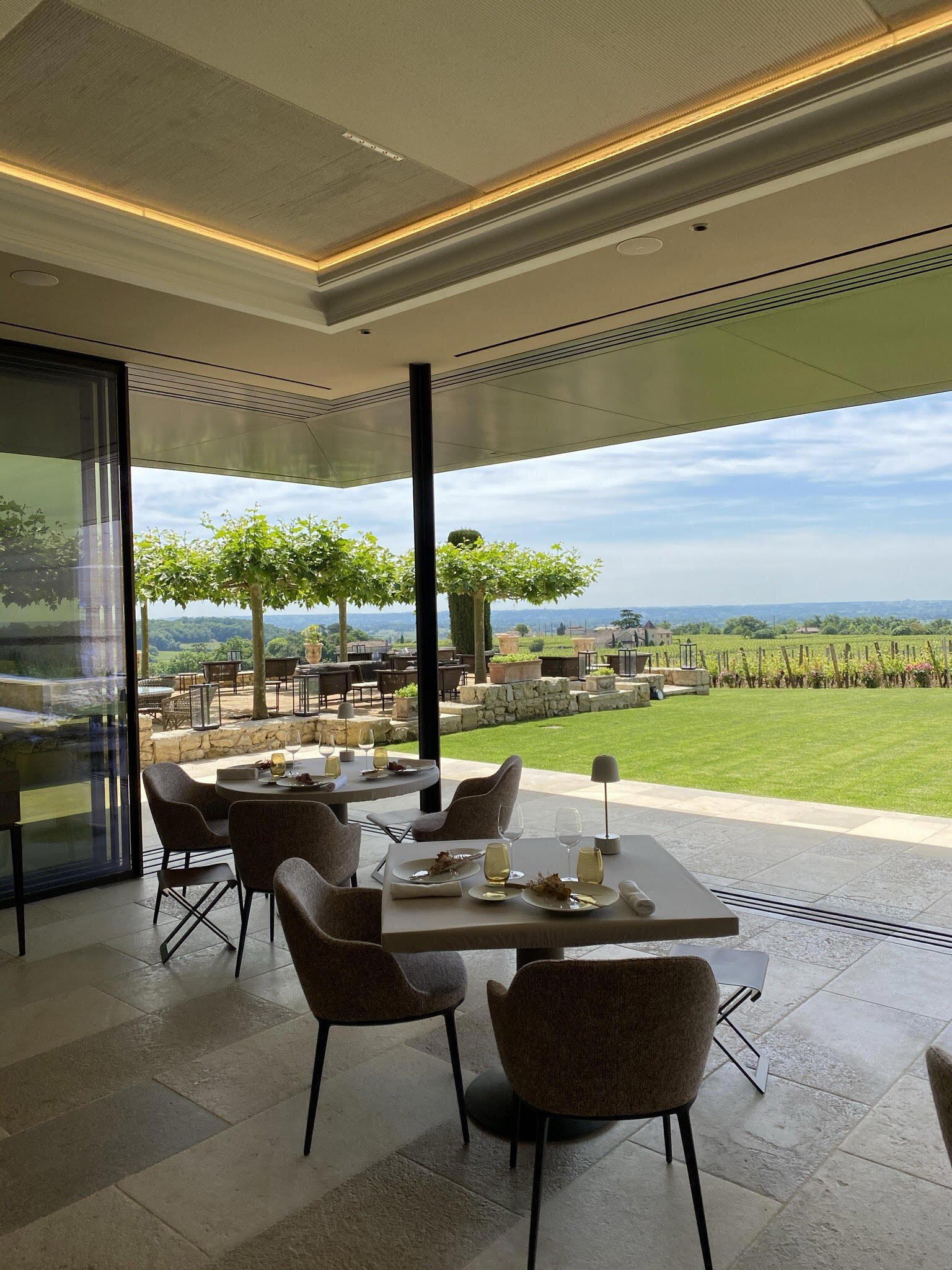
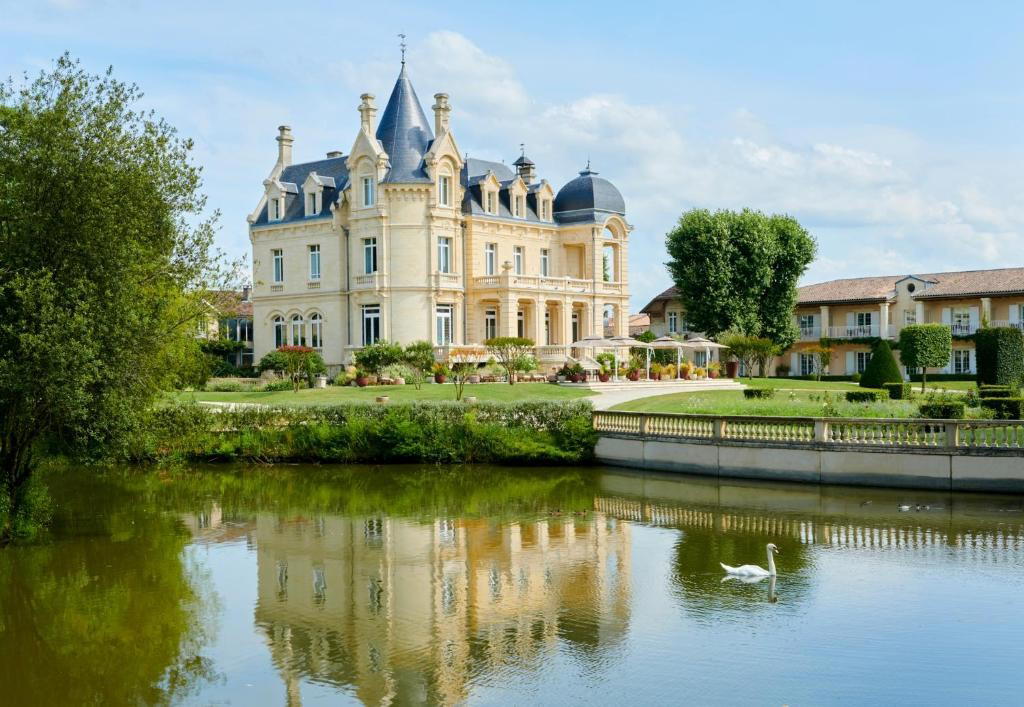
The attraction is not spectacle. Château Toumalin is best understood as a small-estate Bordeaux address with a scenic and romantic feel, where the appeal comes from the combination of place, family continuity, and a traditional red-wine style. The price marker is $$, placing it in an accessible middle range rather than presenting it as either a bargain label or a trophy purchase.
Classic Canon-Fronsac character in Fronsac
Canon-Fronsac sits within the broader right-bank Bordeaux conversation, and Château Toumalin fits that frame through wines described as structured yet elegant. The most important point is the style: ripe black fruits, supple tannins, and oak used with restraint. That combination suggests a red that aims for polish and balance rather than heaviness or excessive extraction.
The page can confidently describe Château Toumalin as a family-run Canon-Fronsac estate in Fronsac. It can also describe the wines as classic, elegant, terroir-focused right-bank Bordeaux reds. It should not invent a vineyard size, grape percentages, vine age, bottle production, cellar regimen, appointment policy, tasting duration, or vintage-specific score unless those details are elsewhere.
That restraint matters for a venue guide. Many Bordeaux estates have detailed technical sheets, but not every detail belongs in a premium guide unless it is confirmed. For Château Toumalin, the strongest grounded editorial angle is the estate’s style and setting: a family-run Canon-Fronsac property with scenic, romantic appeal and a red-wine profile built around fruit, tannin, and measured oak.
Aging choices that keep the fruit in view
The description points to well-judged oak aging, which is enough to establish the broad character without claiming a specific barrel percentage or maturation length. In practical terms, that means the oak is part of the wine’s frame rather than the headline. The reds are presented as classic and elegant, with ripe black-fruit notes supported by supple tannins.
This is the kind of Bordeaux profile that can appeal to drinkers who want structure but not severity. The emphasis on ripe black fruits gives the wine immediate aromatic generosity, while the tannic language keeps it in a serious right-bank register. “Supple” is important here: it suggests shape and grip without harshness. The oak note, described as well judged, supports the wine rather than obscuring its fruit or terroir focus.
Nothing in the record supports naming specific vintages, medals, scores, critics, or cuvées as confirmed highlights. Rather than presenting uncertain accolades as fact, the more honest reading is that Château Toumalin’s appeal rests on its estate identity and classic Canon-Fronsac expression. That is enough for readers who value grounded guidance over inflated claims.
How the estate fits into a Fronsac wine itinerary
For a Fronsac-focused plan, Château Toumalin works as a right-bank Bordeaux reference point with a quiet, scenic character. Its family-run identity and romantic setting make it especially relevant for visitors who want a more intimate sense of the appellation rather than a purely commercial tasting-room checklist. Any practical visit details, including opening arrangements, booking process, tasting format, payment methods, or tour length, should be confirmed directly before planning around them.
The cleaner approach is to compare by theme: classic red Bordeaux style, terroir focus, black-fruit depth, tannin texture, and oak balance. Those are the qualities that define the estate for readers.
The editorial case for Château Toumalin is therefore direct. It is a family-run Canon-Fronsac estate in Fronsac, priced at $$, with a classic and elegant right-bank red-wine style. The setting is scenic and romantic, and the wines are described through ripe black fruits, supple tannins, and measured oak. For travelers or Bordeaux drinkers who want Fronsac without unsupported marketing detail, that is the most reliable way to understand the estate.
Recognition history
Dated appearances from independent guides and award organizations, with the underlying list record or original source where available.
Falstaff Winery - Listed
Falstaff
Continue exploring
More in Fronsac
Wineries in Fronsac
Browse all →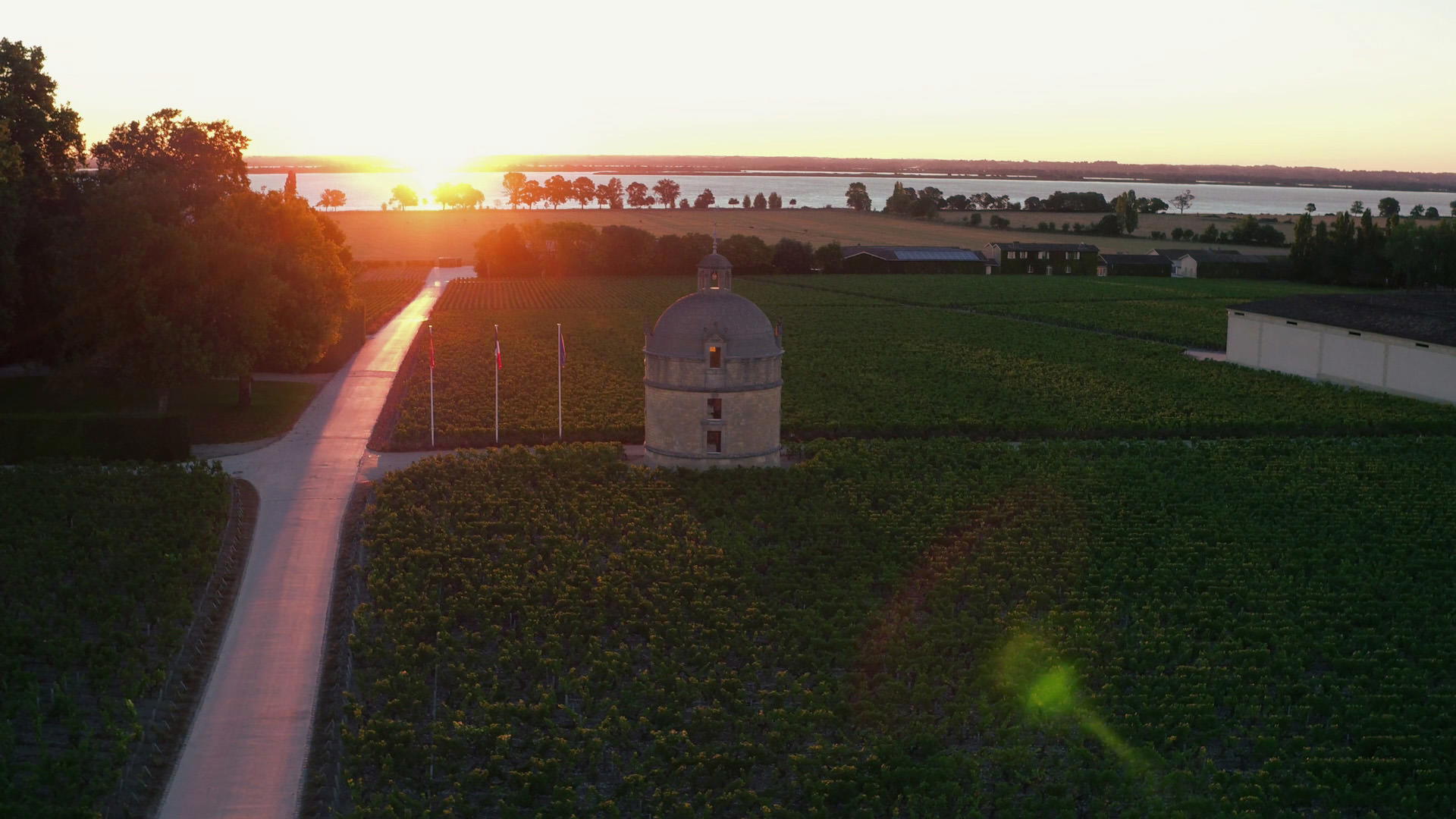
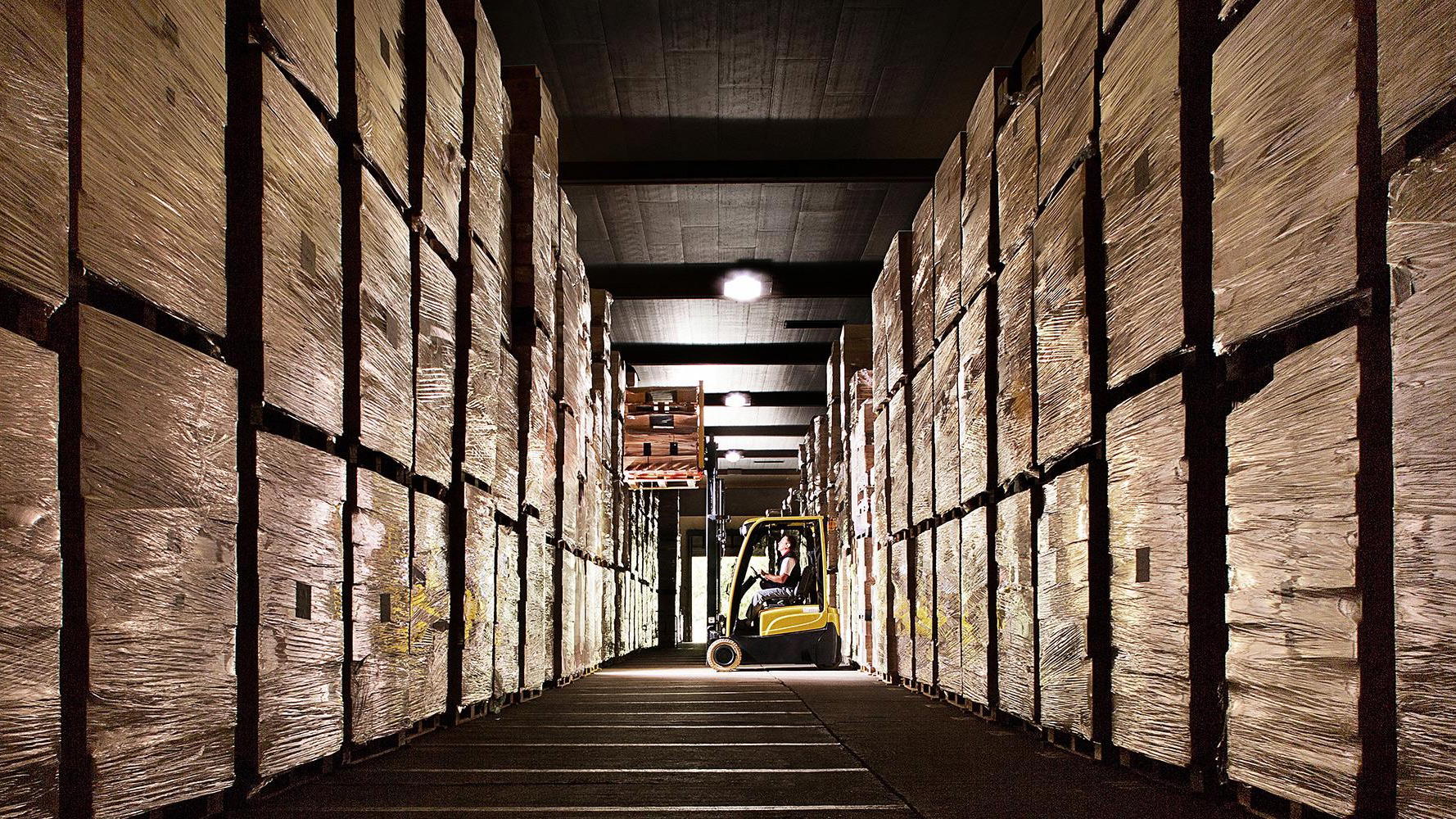
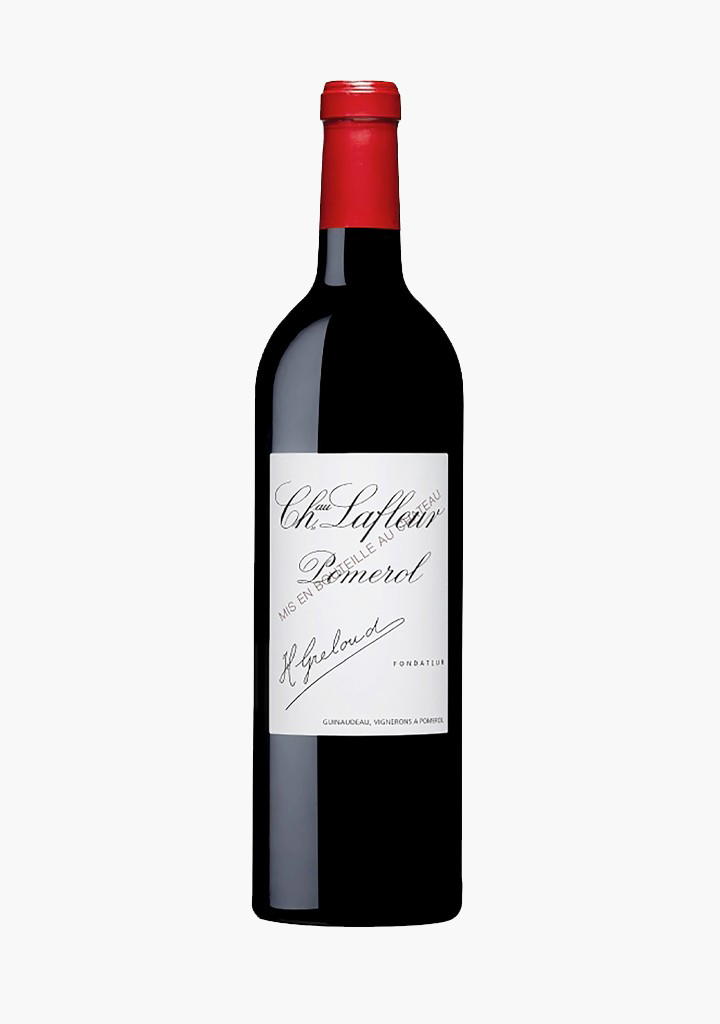
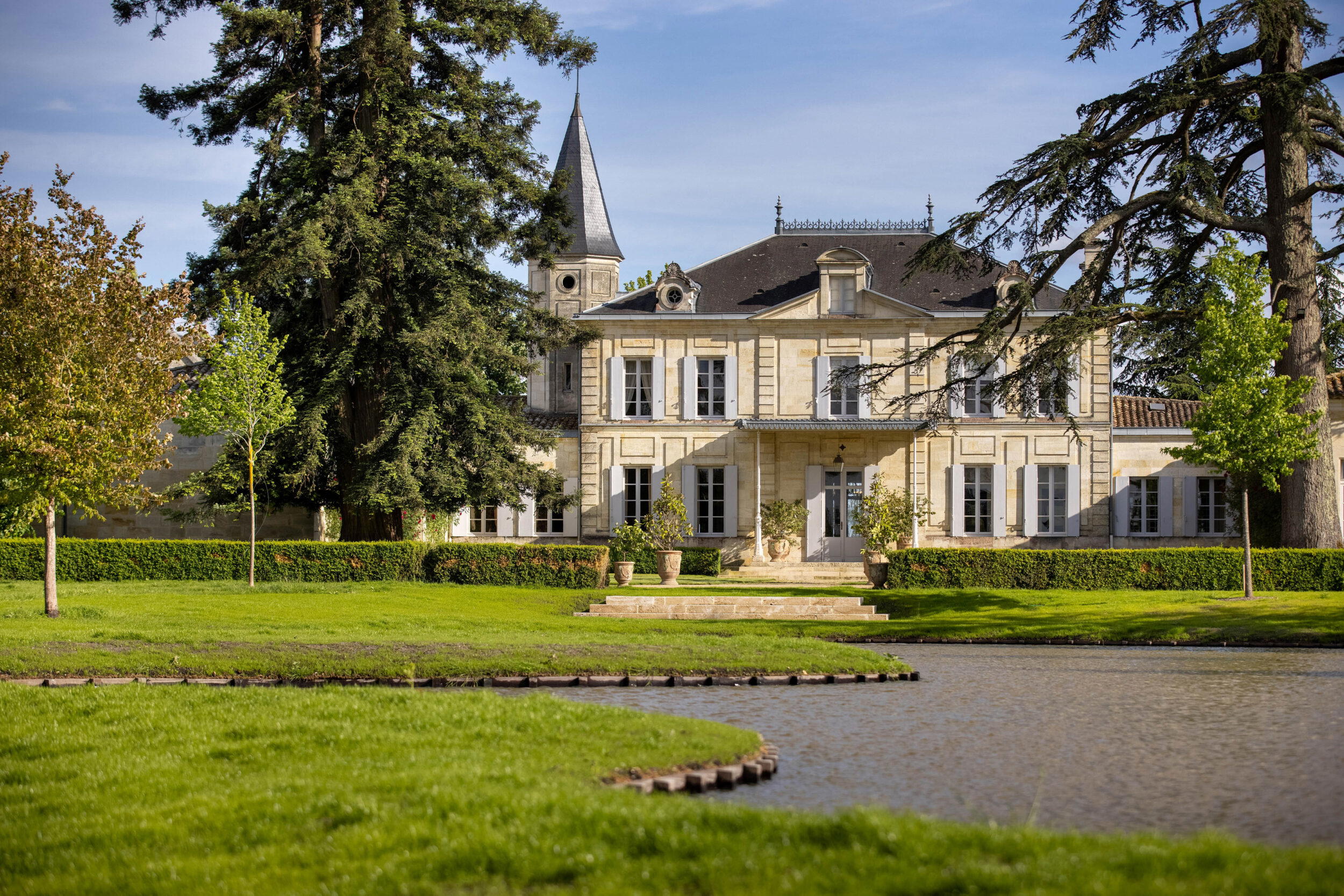
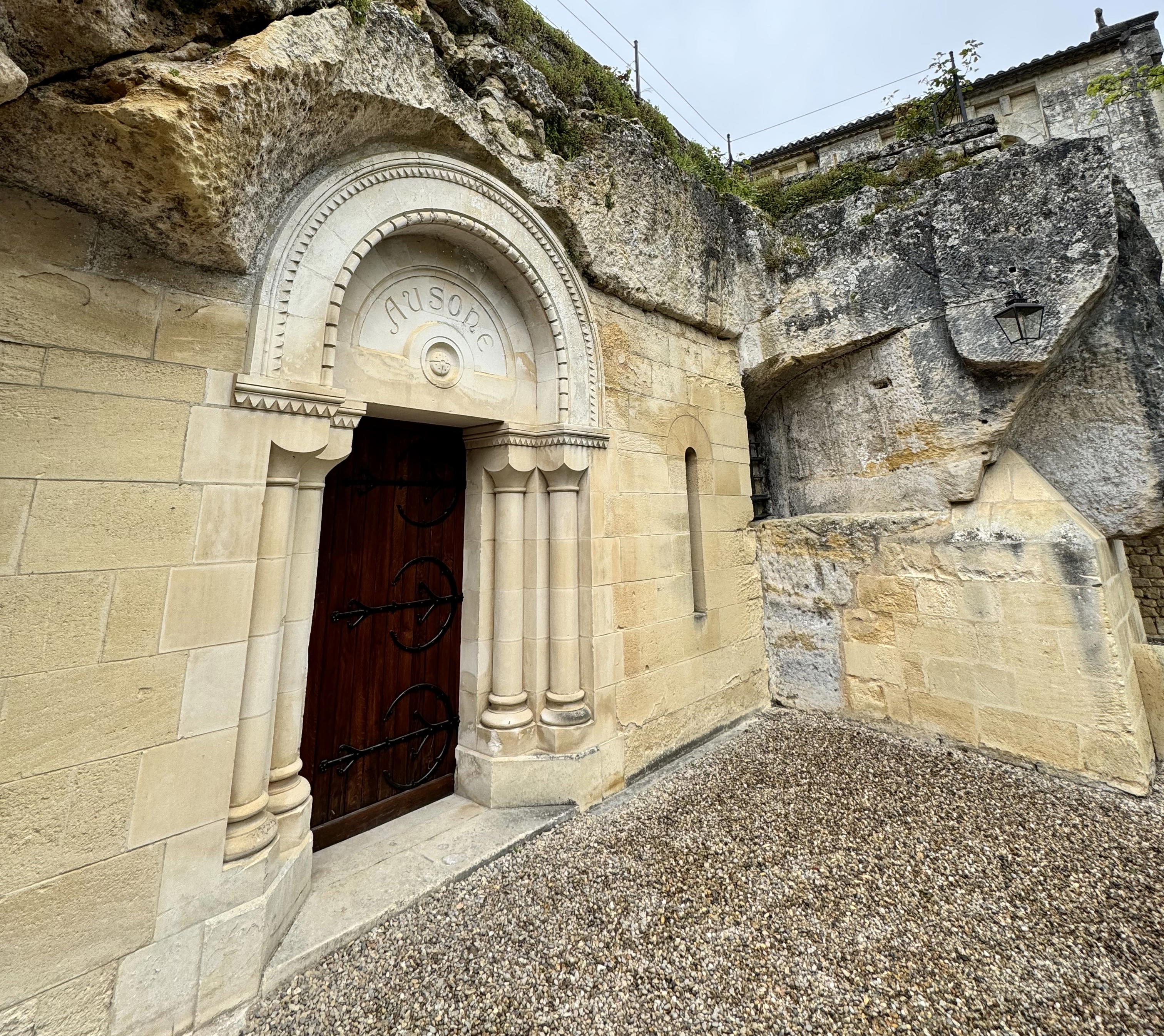
Bars in Fronsac
Browse all →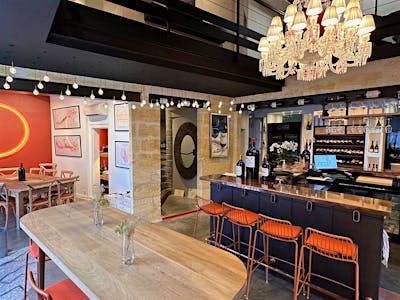
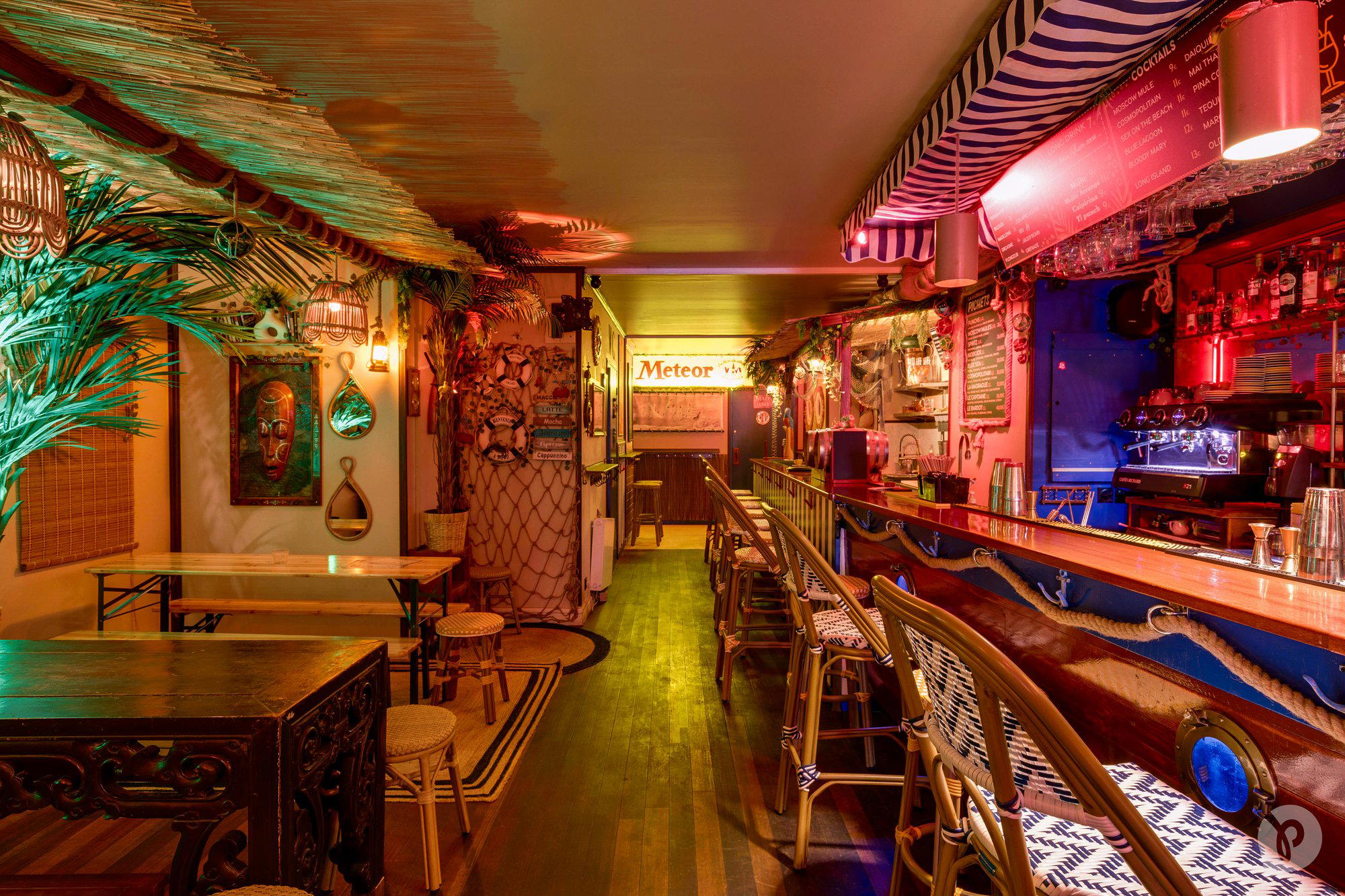
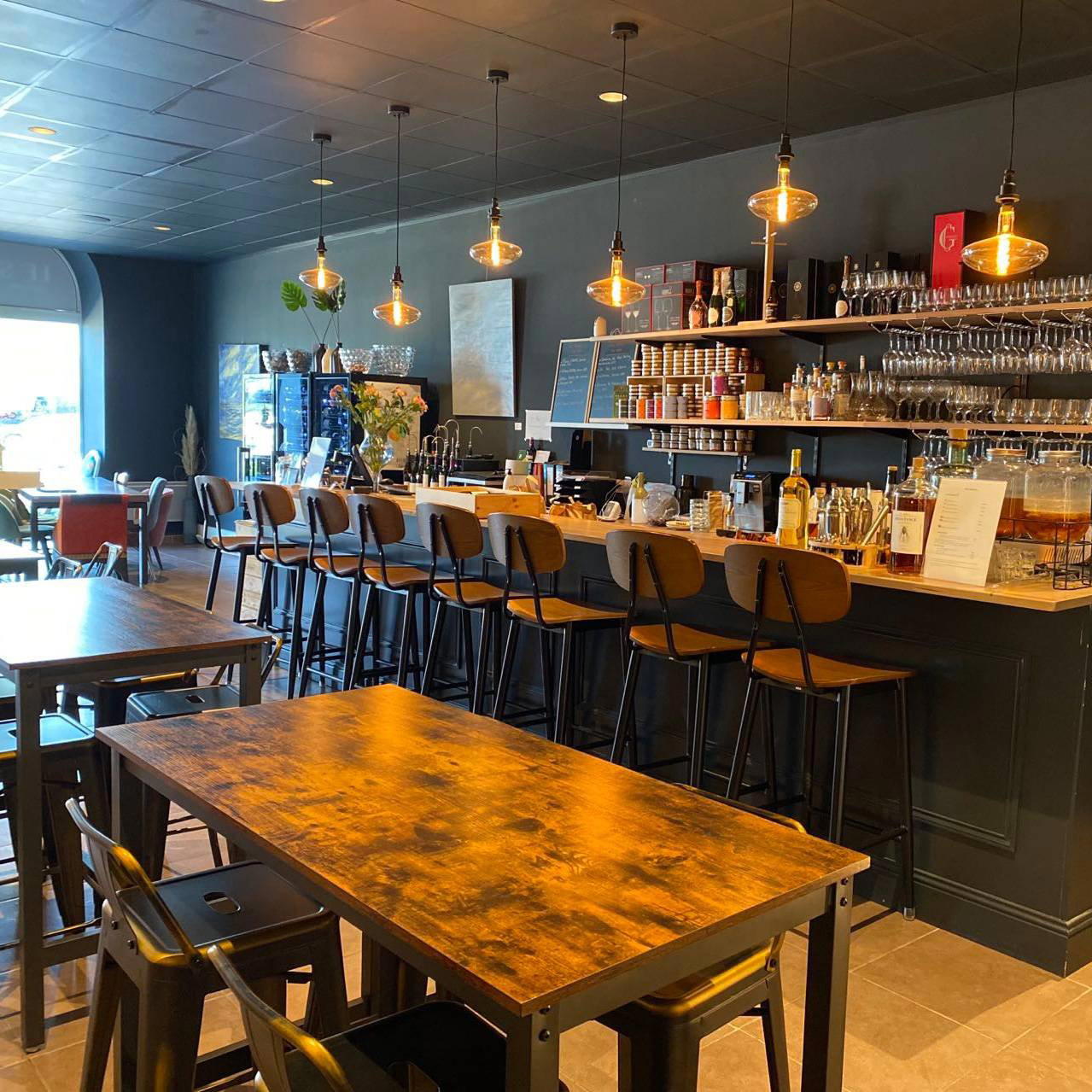
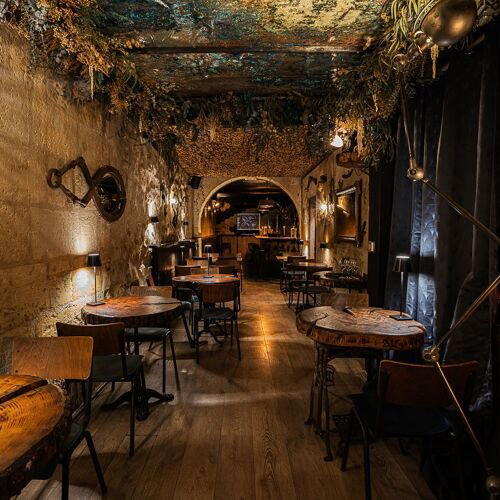
Restaurants in Fronsac
Browse all →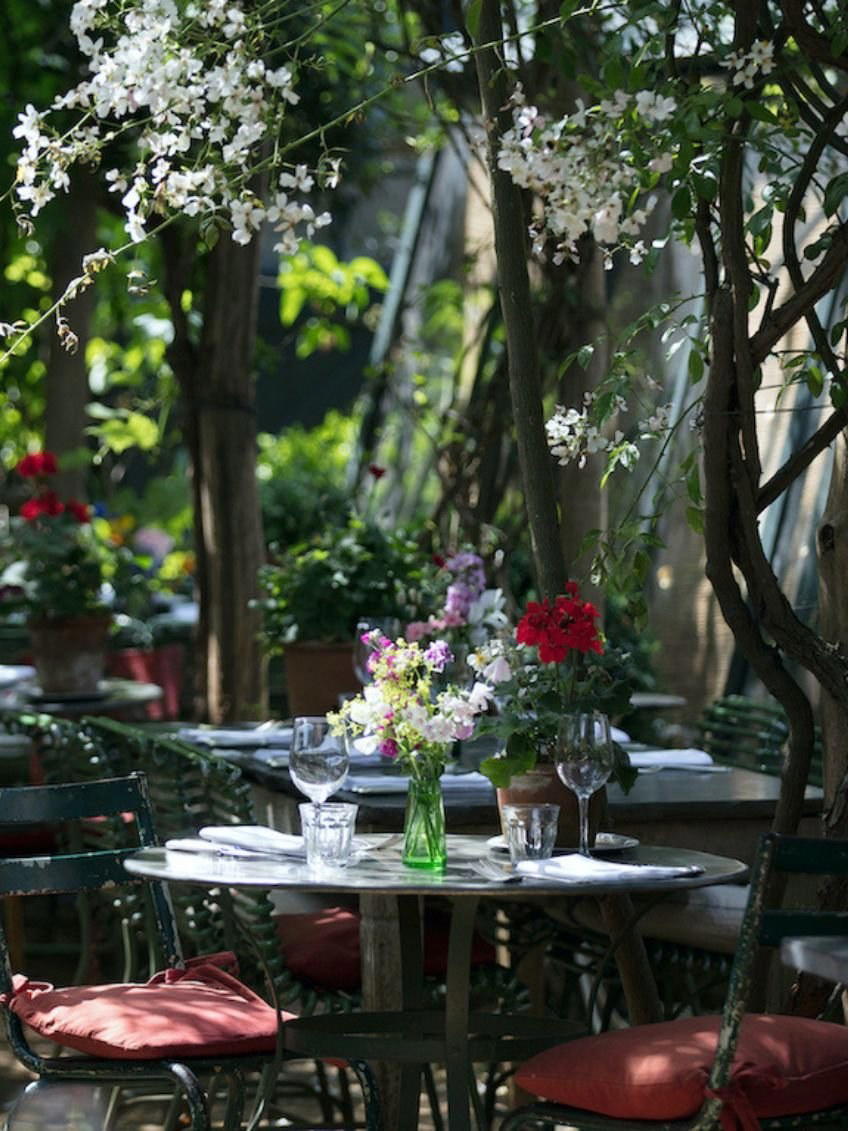
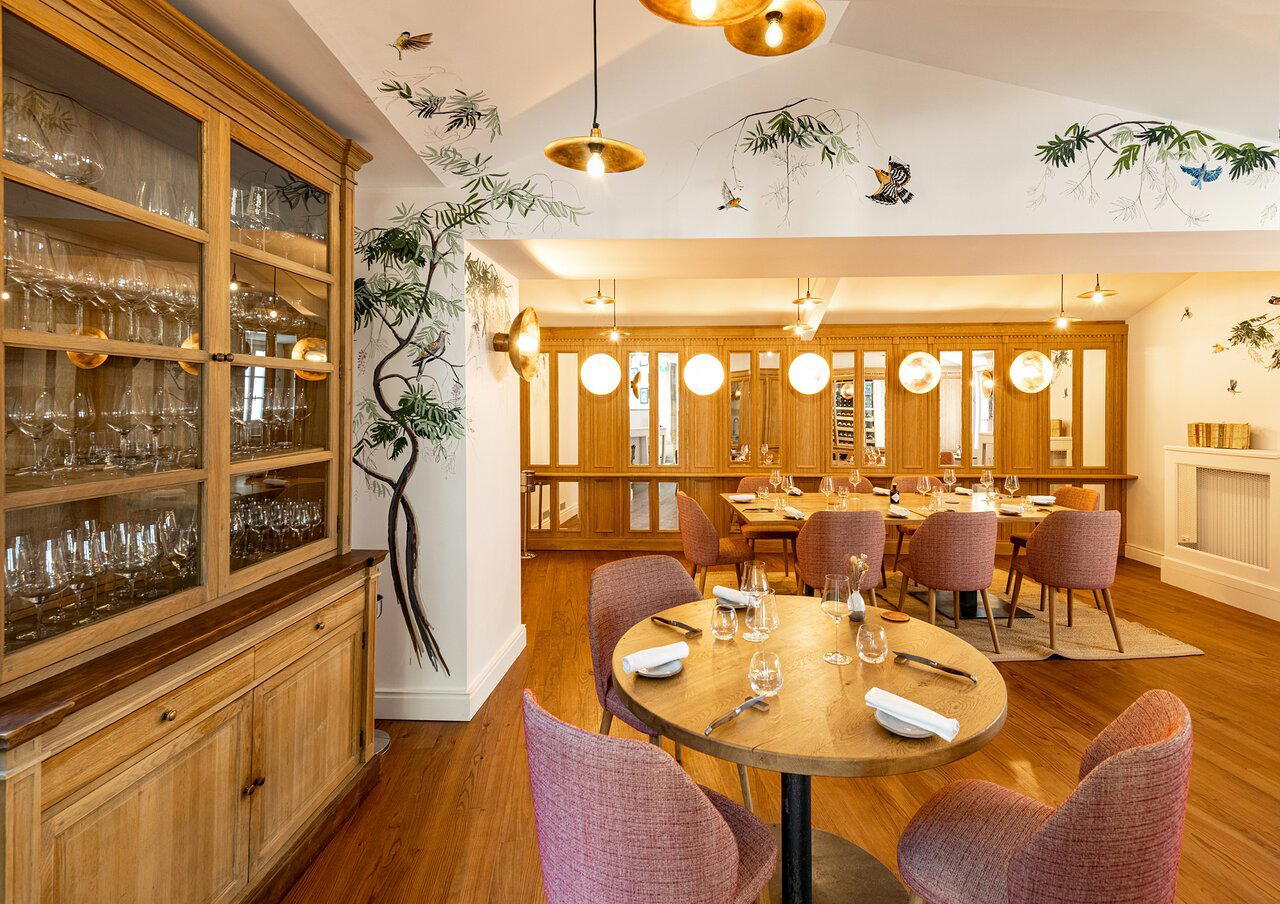
Details
- Classic
- Elegant
- Scenic
- Romantic
- Romantic Getaway
- Solo Exploration
- Wine Education
- Special Occasion
- Estate Grounds
- Sustainable
- Vineyard
- Merlot
- Cabernet Franc
- Still Red
- Estate Tasting
- French
A family-run Canon-Fronsac estate producing structured yet elegant right-bank Bordeaux reds, with a classic, terroir-focused style marked by ripe black fruits, supple tannins and well-judged oak aging.