
Falstaff Winery - 2 Stars
Champagne Heidsieck & Co Monopole is a heritage Champagne house in Reims Cedex 2, founded in 1785 and associated with classic brut styles rather than experimental cellar-door theatre. Its Blue Top Brut anchors a portfolio built on Pinot Noir, Chardonnay, and Pinot Meunier, with the house framed by Champagne AOC rules, long ageing culture, and Reims’ historic role in sparkling-wine commerce.
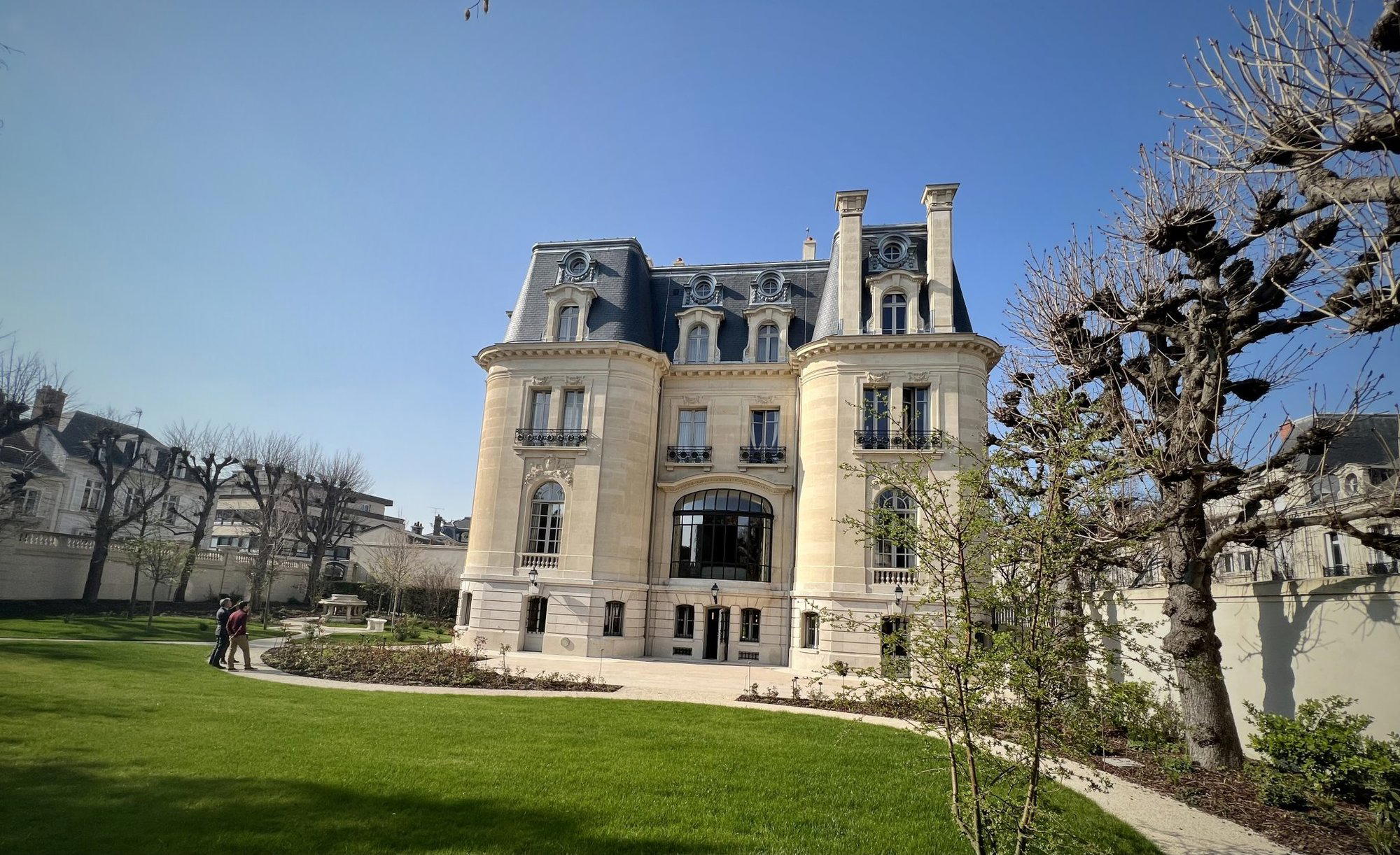
Reims sets a particular tone before the first glass: stone, chalk, cellar air, and the quiet formality of a city whose wine culture was built underground as much as in the vineyard. In that setting, Champagne houses are not simply tasting rooms. They are archives of blending decisions, long commercial memory, and the Champagne AOC’s strict method of turning still wine into something pressurised, aged, and regionally protected.
Champagne Heidsieck & Co Monopole belongs to the older grammar of the region. Founded in 1785, it sits in the heritage tier of Champagne, where age is not decorative but structural: the house identity comes from continuity, a recognisable brut style, and the discipline of assembling fruit from the region’s three central grapes, Pinot Noir, Chardonnay, and Pinot Meunier. Its ownership under Vranken-Pommery Monopole Group places it within the larger house model rather than the grower-producer conversation that has shaped much recent Champagne drinking.
Chalk, cool weather, and the house style behind Blue Top Brut
Champagne’s terroir is often discussed too romantically, but the useful facts are plain. The region’s cool climate slows ripening, preserving acidity; its chalk and limestone-rich soils regulate water and temperature; and the AOC framework requires secondary fermentation in bottle with extended maturation before release. Those conditions explain why Champagne can carry tension, fruit, and autolytic depth without relying on ripeness alone.
Within that system, Blue Top Brut functions as the house’s public calling card. The blend is led by Pinot Noir at 70%, with Chardonnay at 20% and Pinot Meunier at 10%, a composition that places structure and breadth ahead of a purely Chardonnay-driven line. For travellers trying to understand the house quickly, that ratio matters more than adjectives: Pinot Noir gives the blend its frame, Chardonnay sharpens it, and Meunier rounds the middle.
The house’s wider portfolio includes Blue Top Premiers Crus NV, Extra Dry NV, Gold Top Millesime Vintage Champagne, and Rosé Top Brut. The important distinction is not the number of labels but the way a large Champagne house uses blending to protect continuity across years. Vintage bottlings mark a specific harvest, while non-vintage brut relies on the cellar’s ability to maintain style despite weather variation. That is the central skill of the grandes maisons model.
A Reims cellar visit belongs to the heritage-house category
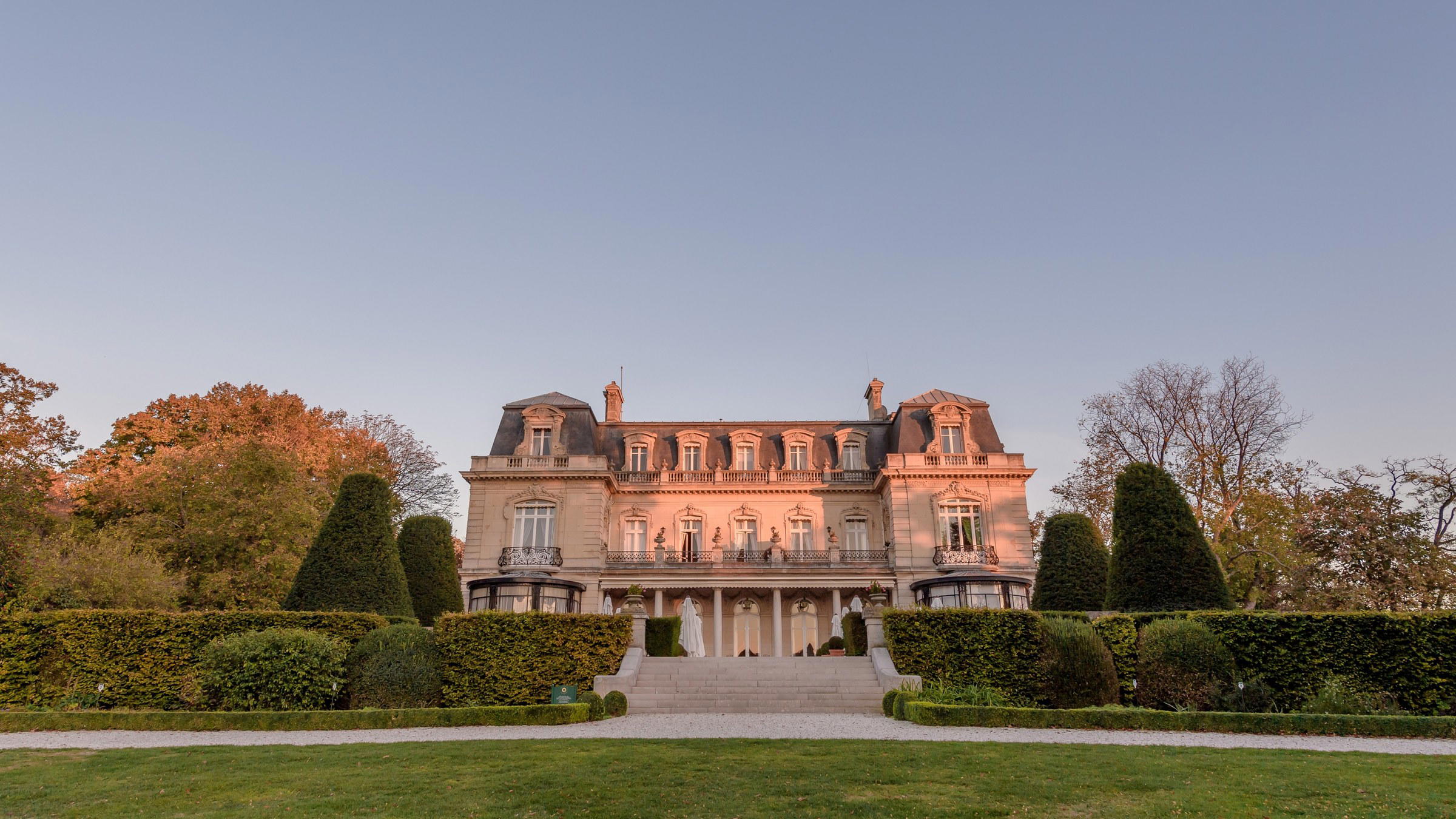
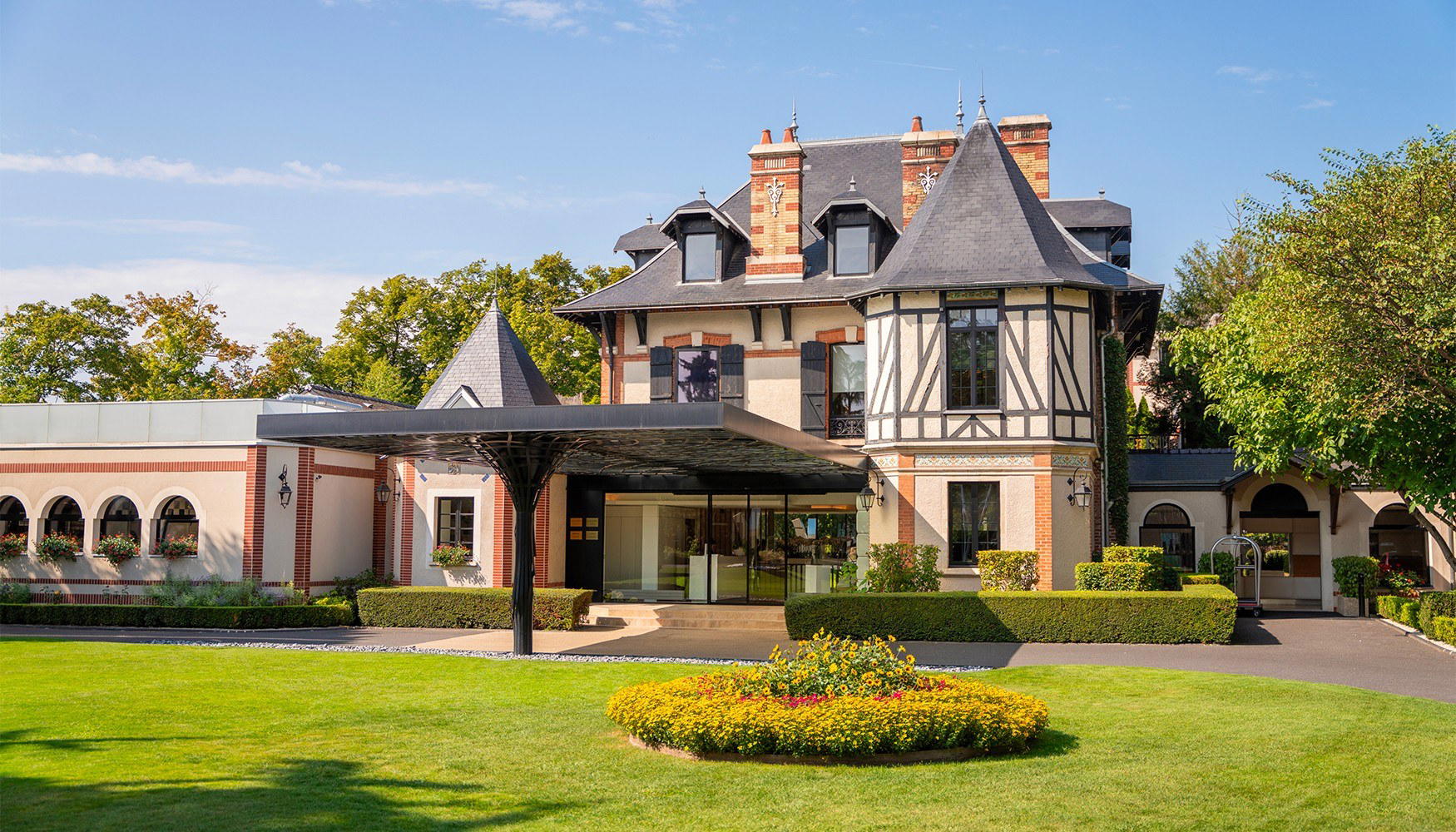
The experience here is better understood as classic Champagne hospitality than as a casual tasting bar. The setting is associated with cellar visits and private tastings, with a quiet, formal register that suits wine education, corporate groups, and occasion-driven travel. That matters for expectation-setting: this is not the modern natural-wine counter model, nor a vineyard picnic format. It is a house visit rooted in lineage, brand memory, and the controlled language of Champagne service.
Historical context is substantial. The Heidsieck name is tied to one of Champagne’s founding family lines, and the Monopole designation was adopted to distinguish this branch from other Heidsieck houses. Royal appointments to European courts, including Prussia, Germany, England, Sweden, and Tsar Nicolas II’s court, placed the label inside the 19th-century export culture that helped turn Champagne from a regional sparkling wine into an international luxury category. The better lesson is broader than courtly nostalgia: Champagne’s prestige was built through distribution, consistency, and the ability of houses to make recognisable styles travel.
One historical episode captures that export age in sharper relief. In 1916, a shipment of 3,000 bottles destined for the Imperial Russian Army was sunk by a German submarine and later rediscovered in 1998. The story is useful because it reveals the scale and direction of Champagne’s pre-revolutionary markets, not because old bottles need mythmaking. Champagne has always been as much about logistics as terroir.
How to place it in a wider Champagne itinerary
Reims Cedex 2 works well for travellers using Champagne as a study in contrasts: historic houses, cellar architecture, and the difference between large-brand blending and smaller-domain expression. For broader city planning, EP Club’s local rails give useful context across categories: Our full Reims Cedex 2 restaurants guide, Our full Reims Cedex 2 hotels guide, Our full Reims Cedex 2 bars guide, Our full Reims Cedex 2 wineries guide, and Our full Reims Cedex 2 experiences guide.
Seen through a national wine lens, the house also illustrates how Champagne differs from other French regions. The region’s identity is built on secondary fermentation, blending, and long cellar time, while many still-wine regions foreground vineyard parcel, ripeness, or varietal transparency. To widen that frame, look at A. Margaine in Villers-Marmery and Agrapart & Fils in Avize for more Champagne context, then contrast with southern and eastern references such as Abbaye de Fontfroide in Narbonne, Abbotts & Delaunay in Marseillette, Advini in Saint Felix De Lodez, Alain Brumont in Castelnau Riviere Basse, Alain Gras in Saint-Romain, and Albert Boxler in Niedermorschwihr. For cross-border perspective on how cellar-door culture shifts outside France, »der Steiner« Hans Steiner in Podersdorf am See and & Handwein in Mannheim push the comparison into Austria and Germany without flattening Champagne into a generic sparkling category.
The editorial case for Champagne Heidsieck & Co Monopole is clearest for travellers who want the classic house model explained through wine rather than spectacle. The founding date, the Champagne AOC framework, the Pinot Noir-led Blue Top Brut blend, and the Reims setting give the visit its substance. Come for a heritage reading of Champagne: cool-climate acidity, chalk-country structure, bottle fermentation, and the kind of brand continuity that only makes sense in a region where time in cellar is part of the product.
Frequently asked questions
What's the vibe at Champagne Heidsieck & Co Monopole?
The mood is classic Champagne-house rather than casual tasting bar: quiet, heritage-focused, and built around private tastings in Reims Cedex 2. Founded in 1785, it suits guests who want cellar context and the house style behind its brut wines.
Where exactly is Champagne Heidsieck & Co Monopole?
Champagne Heidsieck & Co Monopole is located at Reims Cedex 2, Grand Est, Frankreich, Reims Cedex 2.
Is Champagne Heidsieck & Co Monopole expensive?
Pricing at Champagne Heidsieck & Co Monopole is listed as $$$.
What should I know about Champagne Heidsieck & Co Monopole before I go?
Visits are by appointment only, with the experience centred on cellar visits and private tasting. The house is in Reims Cedex 2, in the Champagne AOC, and the dress code is smart casual.
Recognition history
Dated appearances from independent guides and award organizations, with the underlying list record or original source where available.
Falstaff Winery - 2 Stars
Falstaff
Request a visit to Champagne Heidsieck & Co Monopole
Tell us when you would like to go and how many people, and we put the request to the estate and reply to you by email.
Continue exploring
More in Reims
Wineries in Reims
All wineries in Reims →
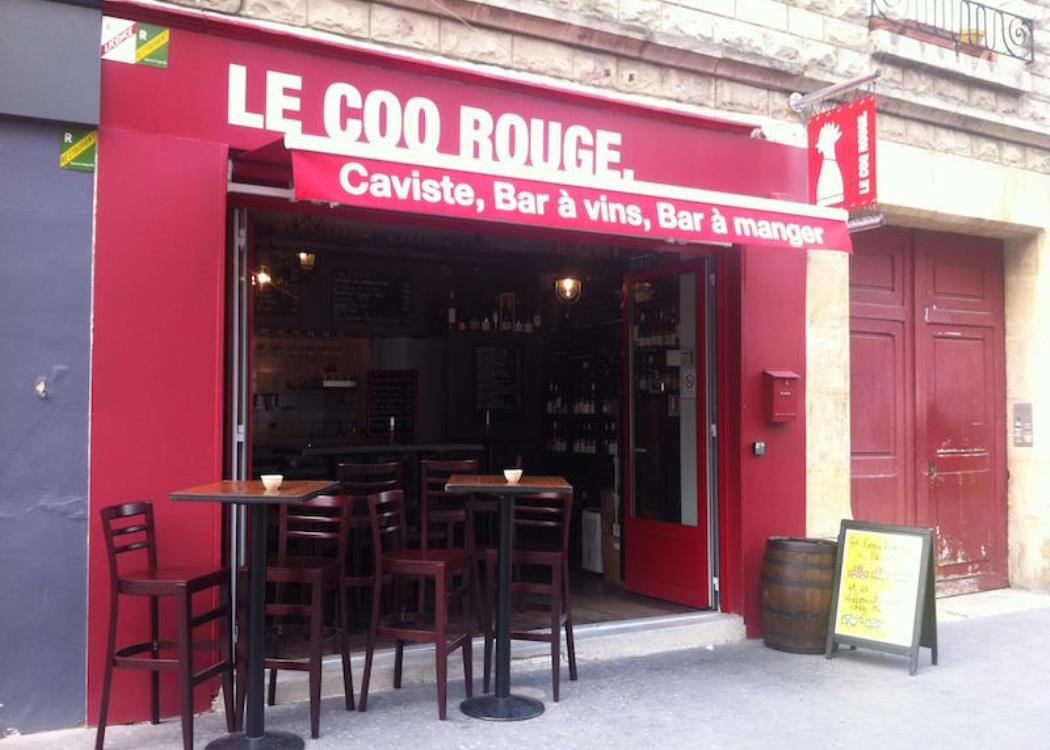
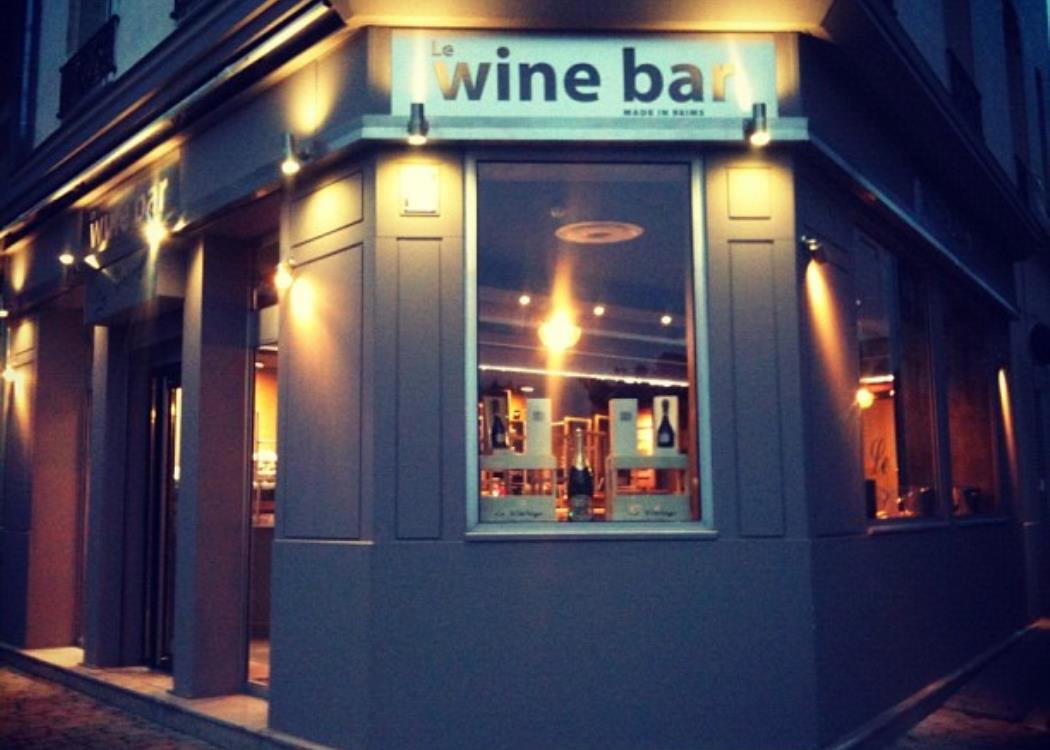
Bars in Reims
All bars in Reims →
Restaurants in Reims
All restaurants in Reims →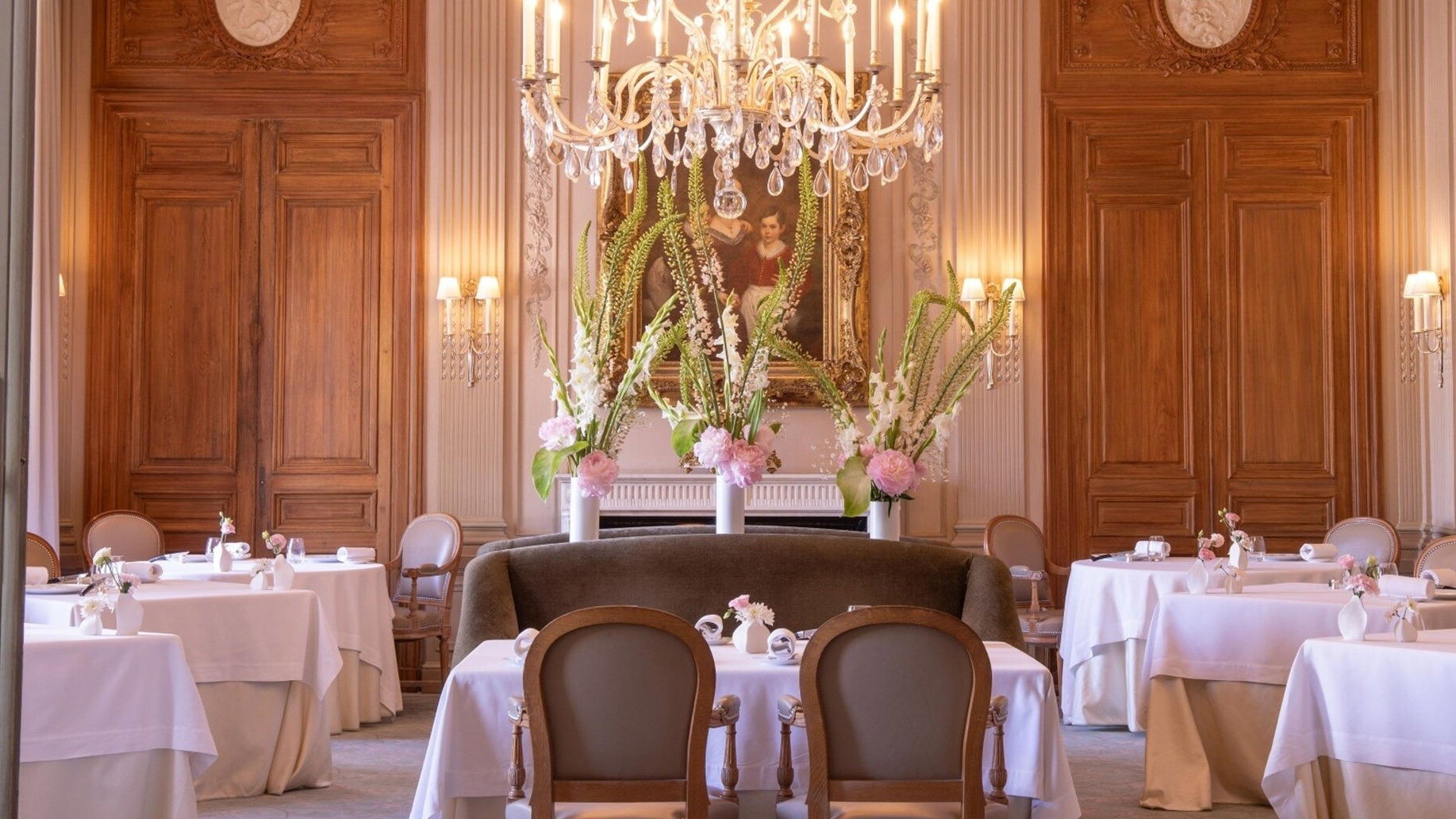
Details
- Classic
- Elegant
- Sophisticated
- Well Known
- Special Occasion
- Corporate Event
- Wine Education
- Historic Building
- Private Tasting
- Pinot Noir
- Chardonnay
- Pinot Meunier
- Sparkling
- Private Tasting
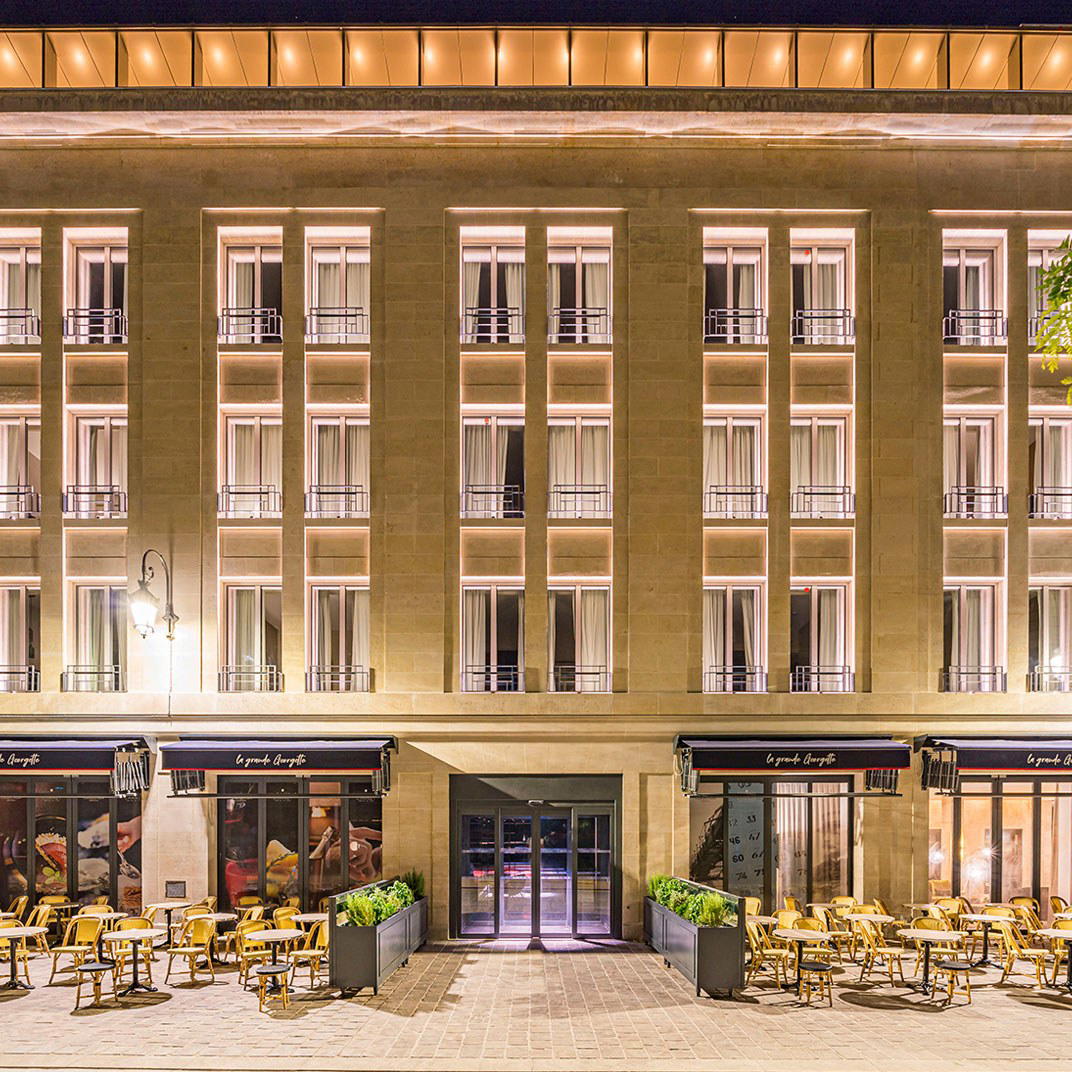
Classic Champagne-house atmosphere; likely heritage-focused and cellar-driven rather than casual or modern.