Château Simard

Falstaff Winery - 2 Stars
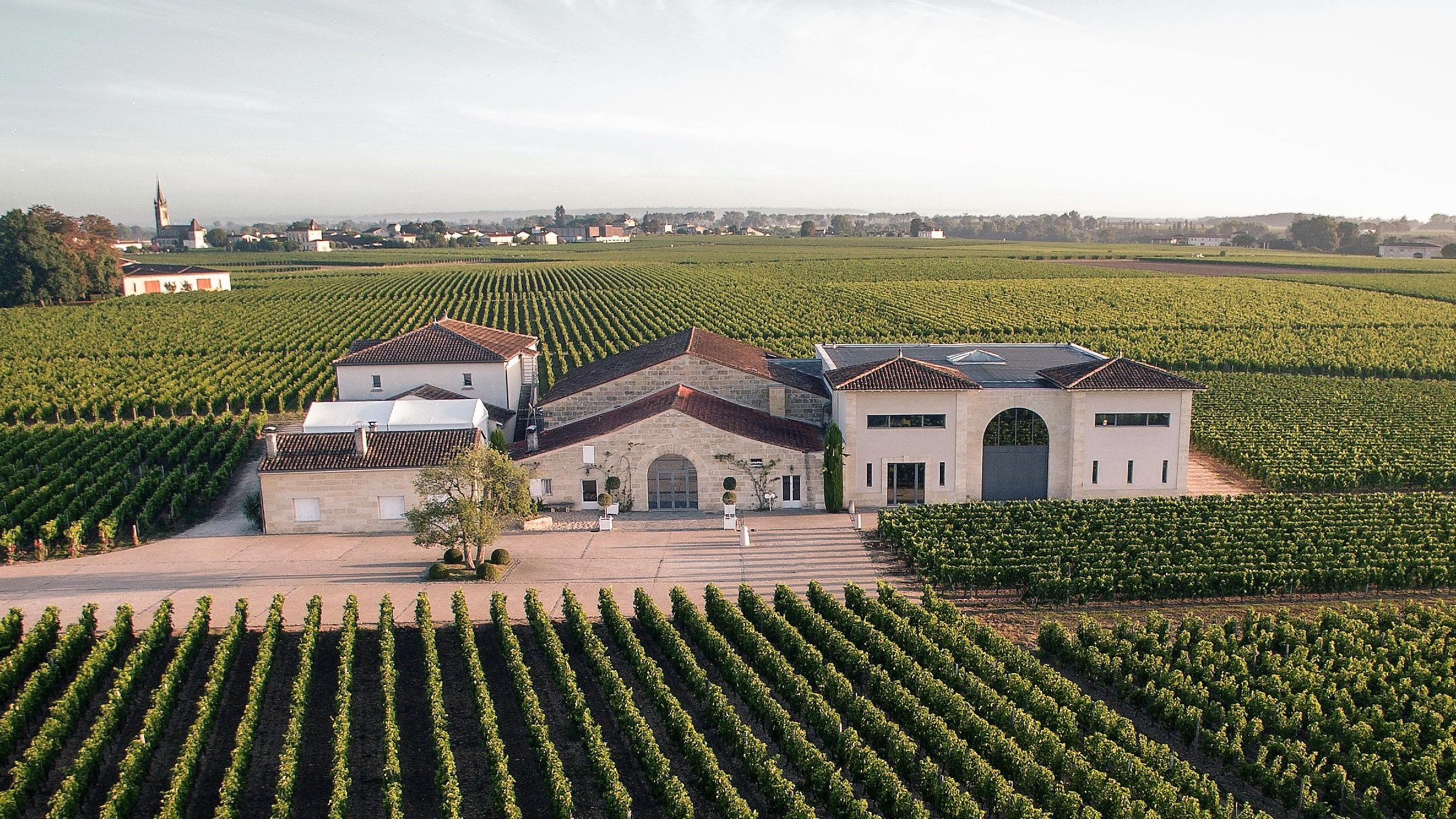
Château Simard is a Saint-Émilion Grand Cru estate shaped by Right Bank fundamentals: Merlot-led blends, mixed clay-limestone, sand and gravel soils, and a restrained Bordeaux cellar approach. The draw is not trophy-chasing gloss but a clear read of Saint-Émilion fruit from a 40-hectare property tied to Vignobles Vauthier and the Ausone circle.

Pearl is the En Primeur Club membership app — saves, bookings, and concierge access live there. Same editors, same standards.
- Address
- Lieu dit, Simard, 33330 Saint-Émilion, France
- Phone
- +33 5 57 24 24 57
- Website
- vignobles-vauthier.com
- Directions
- Get directions

In Saint-Émilion, Château Simard is best approached as a classic Right Bank Bordeaux estate rather than a venue defined by spectacle. The profile is focused and deliberately restrained: a historic estate producing Saint-Émilion Grand Cru reds that emphasize purity of fruit, concentration and generosity. Nothing in the positioning needs to be inflated with extra narrative to make the estate legible. Its appeal sits in the familiar Bordeaux language of place, red wine, tradition and balance.
For travelers building a wine-led day in Saint-Émilion, the useful takeaway is stylistic rather than procedural. Château Simard is described as classically elegant, easy-going and accessible, with wines presented as generous rather than flashy or heavily oaked. That distinction matters in a region where visitors may encounter many different expressions of prestige. Here, the emphasis is less on drama and more on a calm, historically rooted reading of Saint-Émilion: red wines with concentration, fruit and an approachable Right Bank character.
Saint-Émilion Grand Cru with a classical register
Château Simard’s identity centers on Saint-Émilion Grand Cru red wine made in a style that favors fruit clarity and balance. The estate is associated with concentrated yet approachable Right Bank Bordeaux, with an emphasis on elegance rather than overt oak or showiness. In practical terms, that gives the wines a profile that can be understood without needing to chase intensity for its own sake. The language around the estate points toward generosity, purity and a composed sense of structure rather than a more forceful or exhibitionist style.
That makes it a grounded reference point for visitors who want to understand a more classical, accessible expression of Saint-Émilion. Rather than framing the estate around technical details, the safer reading is simple: Château Simard represents historic Saint-Émilion through generous, fruit-focused Grand Cru reds. It is useful precisely because the message is not overly complicated. For someone learning the area, the estate can help anchor the idea that Saint-Émilion Grand Cru does not have to be read only through rarity, luxury cues or conspicuous polish; it can also be approached through balance, fruit, concentration and an easy-going sense of elegance.
For context across the area, compare Château Simard with other Saint-Émilion dining and wine options generically, keeping the focus on how different local experiences express the region’s landscape, history and wine culture. Some stops in Saint-Émilion may feel more restaurant-led, hotel-led or experience-led; Château Simard is best kept in the wine-estate category. That comparison helps set expectations correctly and prevents the visit from being judged by the wrong criteria. The relevant question is not whether it performs like a destination built around extras, but whether it helps place classic Right Bank Bordeaux within the wider Saint-Émilion day.
A historic Saint-Émilion estate
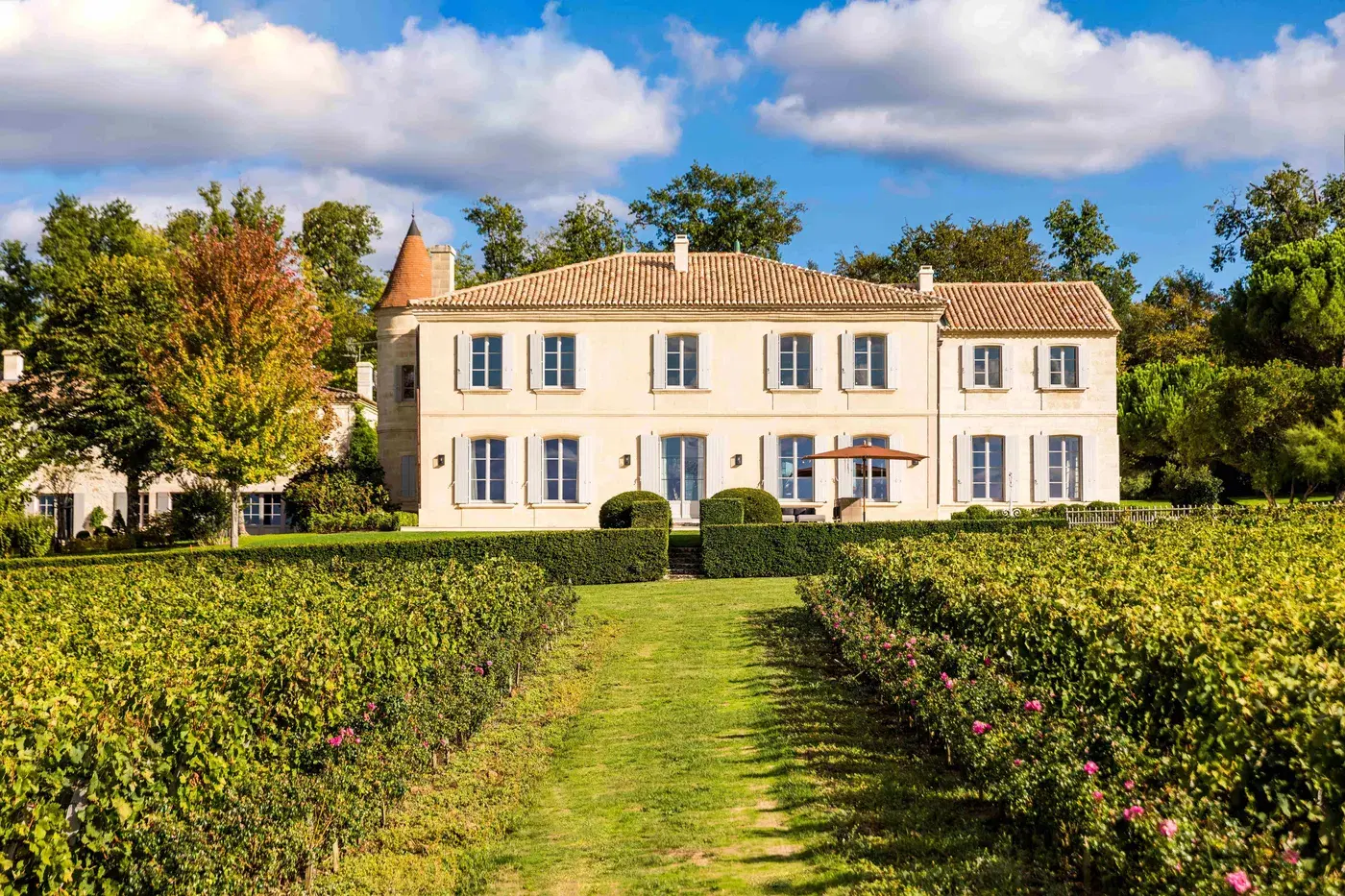
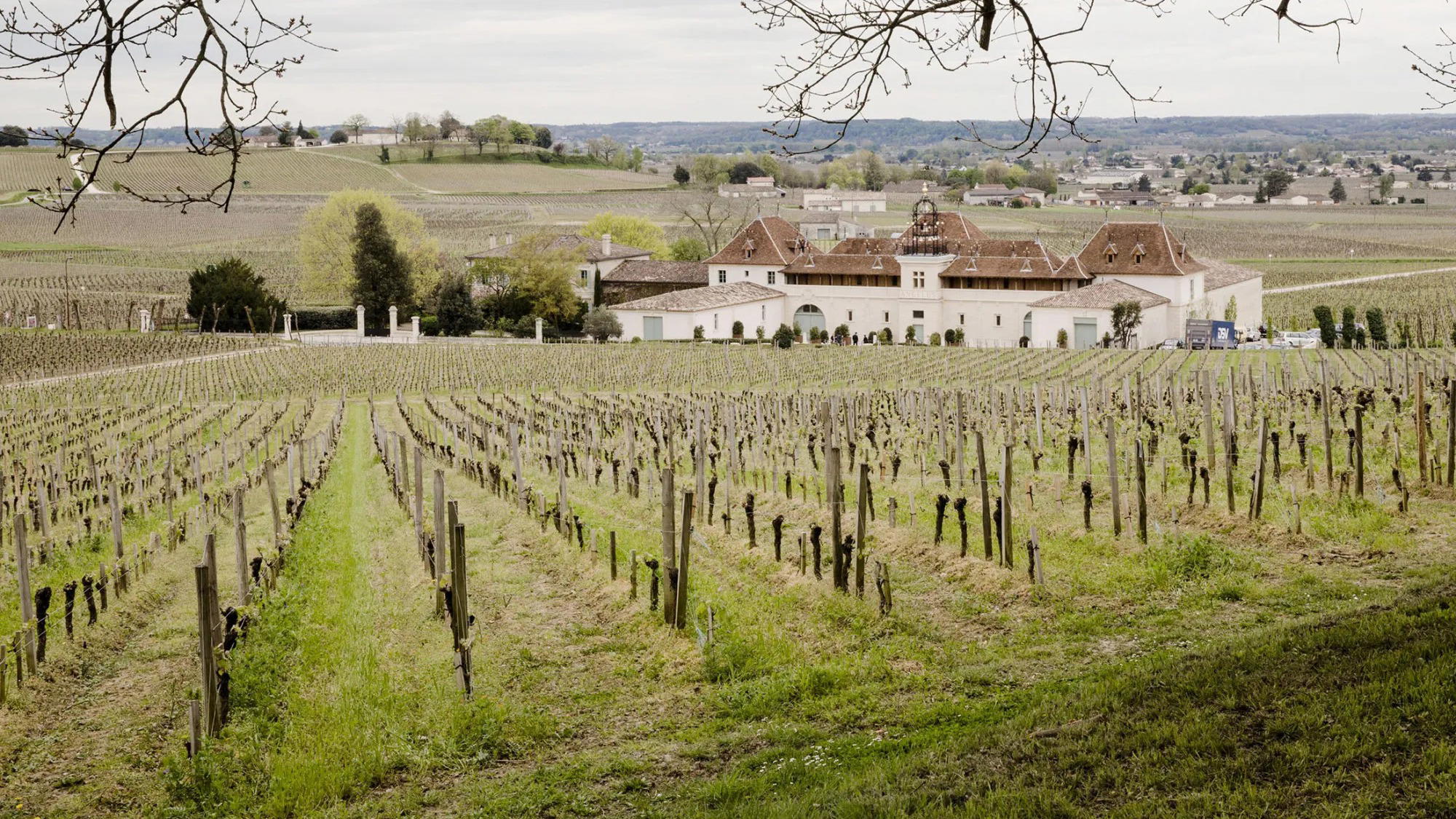
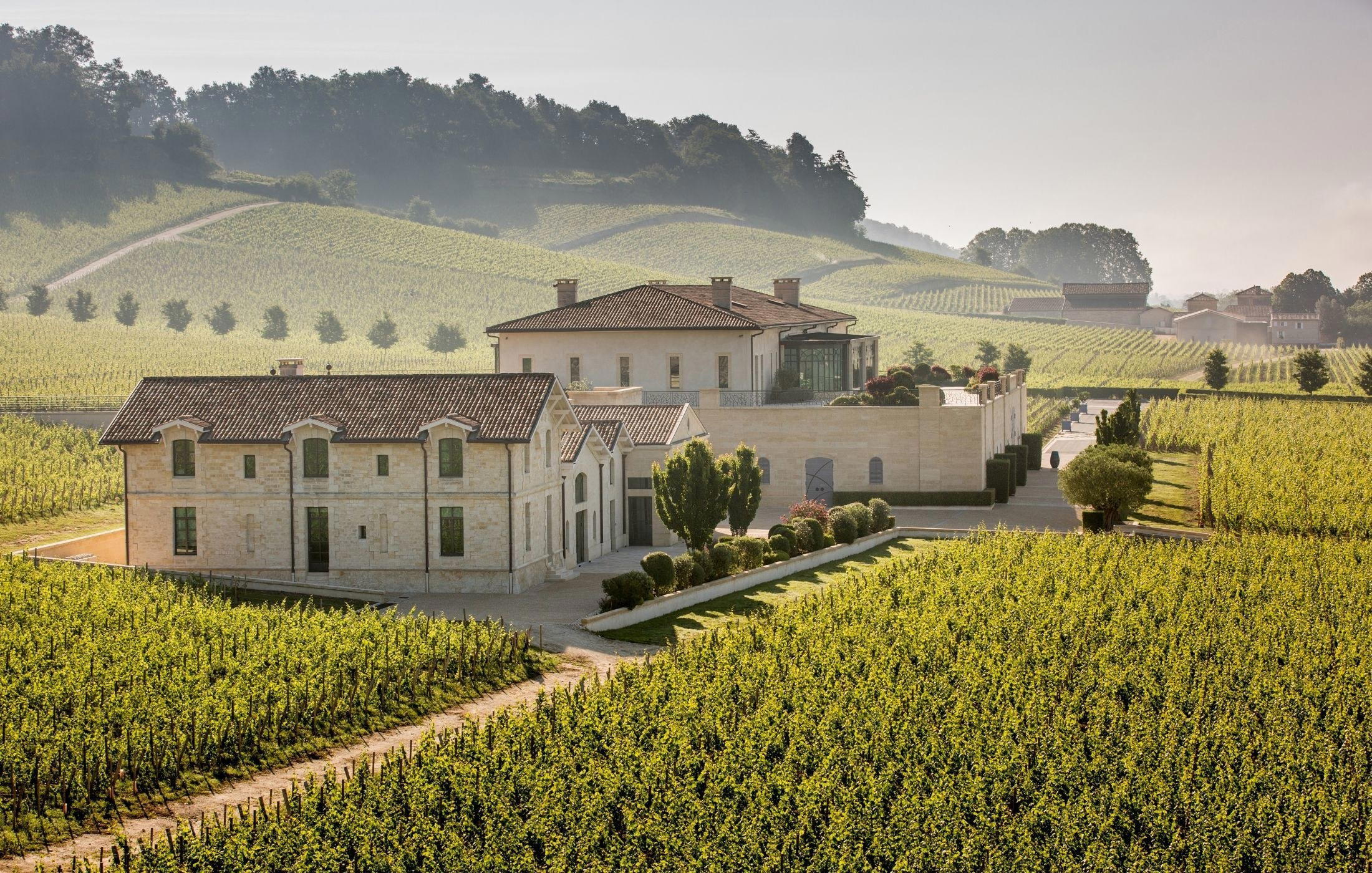
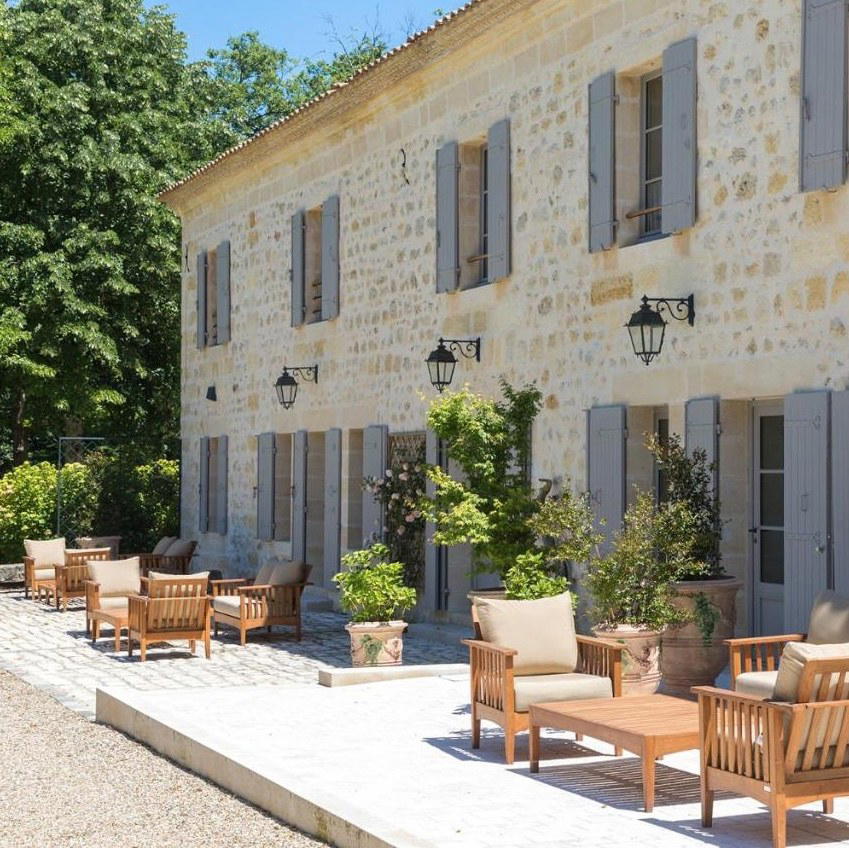
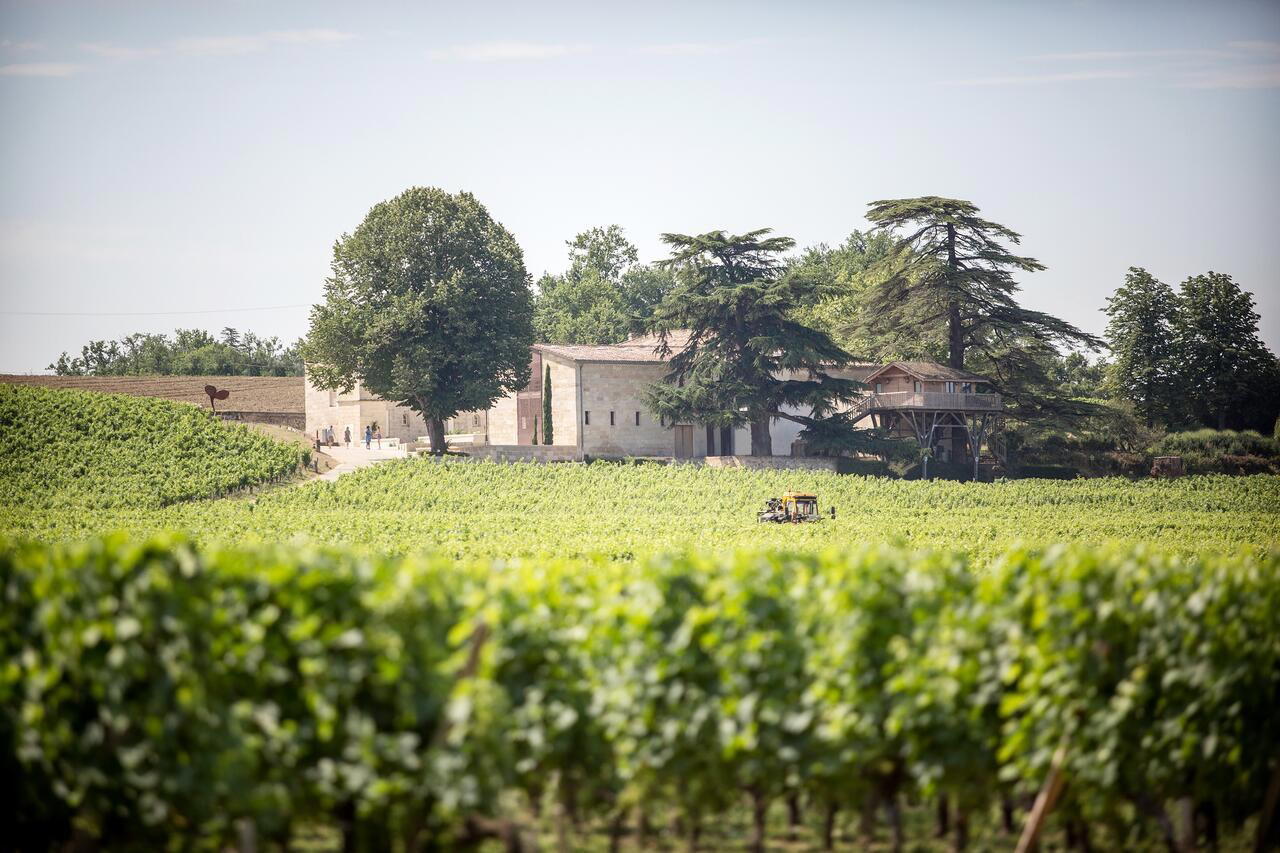
Château Simard is as a historic right-bank Bordeaux estate in Saint-Émilion. Its appeal is not based on a confirmed award claim or a highly specific public-visit format here, but on its role as a classic, scenic estate associated with accessible Saint-Émilion Grand Cru reds. That is an important editorial distinction. The estate should be presented on the strength of the information that is clear: history, location, Right Bank identity and a wine style described through generosity, elegance and fruit-led accessibility.
The tone is traditional and scenic rather than flashy. For visitors, collectors or Bordeaux learners, the estate’s profile points to an elegant, generous expression of Saint-Émilion rather than a luxury performance built around extras. It belongs to a slower, more classical way of reading the region, where a château is understood as part of the landscape and as a producer of wines tied to that landscape. The experience implied by the profile is therefore not one of novelty, but of context: a way to connect the name Saint-Émilion with Grand Cru reds that remain approachable in style.
Price is listed as $$$. That positioning should be read simply as a broad planning signal rather than as a detailed cost guide. It places Château Simard in a premium wine-region context without turning the page into a promise about specific pricing, inclusions or formats. As with any Saint-Émilion estate, the practical interpretation is to confirm details directly rather than assuming that the price marker explains the full visitor experience.
How to fold it into a Saint-Émilion day
Use Château Simard as a Saint-Émilion reference point for classic Right Bank Bordeaux: historic, scenic and centered on generous Grand Cru reds. It fits best into an itinerary for travelers interested in the region’s wine identity rather than in a page built around unconfirmed amenities. In that kind of day, the estate works as an anchor for understanding style and setting. It gives the itinerary a clear Bordeaux through-line: Saint-Émilion, Grand Cru red wine, fruit clarity, concentration and an elegant, accessible register.
Confirm any practical needs directly before visiting, including access, timing, tasting availability, language support, payment options or other logistics. This is especially important because the page does not establish a detailed public-visit structure. Treat the wine and estate profile as the reason for interest, then handle the operational questions separately and directly. That approach keeps expectations accurate and avoids relying on assumptions about access or services.
To build the rest of the day around it, use broader Saint-Émilion planning resources for restaurants, hotels, bars and experiences, and keep Château Simard in focus as the wine-estate reference: a classic Saint-Émilion property producing elegant, accessible Grand Cru reds. Framed this way, it can sit naturally beside other local stops without needing to compete with them. Let restaurants, hotels and bars provide their own kind of regional texture, while Château Simard carries the wine-estate role: historic, Right Bank, generous in style and rooted in the classical vocabulary of Saint-Émilion.
Recognition history
Dated appearances from independent guides and award organizations, with the underlying list record or original source where available.
Falstaff Winery - 2 Stars
Falstaff
Continue exploring
More in Saint-Émilion
Wineries in Saint-Émilion
Browse all →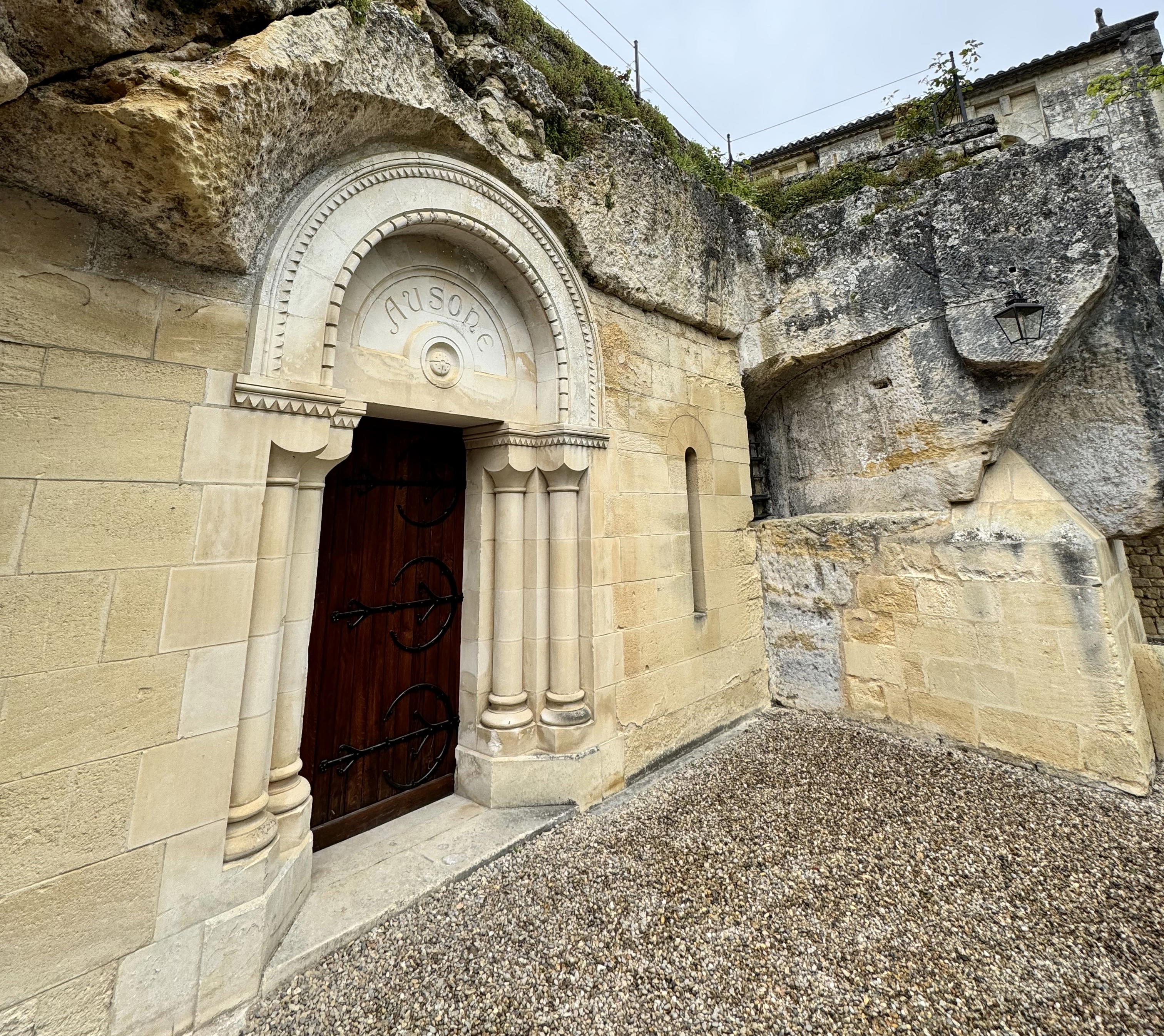
Bars in Saint-Émilion
Browse all →

Restaurants in Saint-Émilion
Browse all →
Details
- Classic
- Scenic
- Romantic
- Rustic
- Well Known
- Romantic Getaway
- Group Outing
- Solo Exploration
- Wine Education
- Special Occasion
- Estate Grounds
- Vineyard Tour
- Historic Building
- Vineyard
- Merlot
- Cabernet Franc
- Cabernet Sauvignon
- Still Red
- Standard Tasting
- Vineyard Tour And Tasting
- Estate Visit
- French
- English
Historic right-bank Bordeaux estate focused on purity of fruit, producing concentrated yet generous Saint-Émilion Grand Cru reds that are classically elegant, easy-going and accessible rather than flashy or heavily oaked.