
Château Schröder & Schÿler is Bordeaux wine culture in its merchant-house register: Chartrons history, grand cru selection and a businesslike tasting format rather than estate-tour theatre. Founded in 1739, the house is tied to Château Kirwan, a Margaux Third Growth from the 1855 Classification, and reads as a lesson in Bordeaux’s trade as much as its terroir.
Pearl is the En Primeur Club membership app — saves, bookings, and concierge access live there. Same editors, same standards.
- Address
- Bordeaux, Nouvelle-Aquitaine, Frankreich
- Directions
- Get directions
 Saves & bookings on Pearl
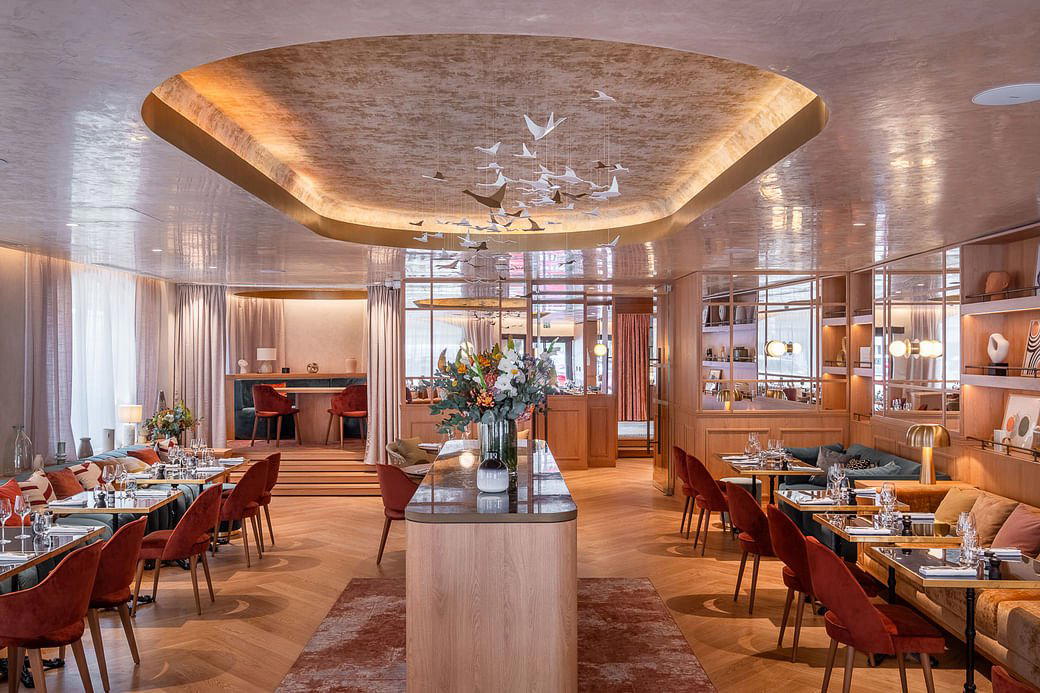
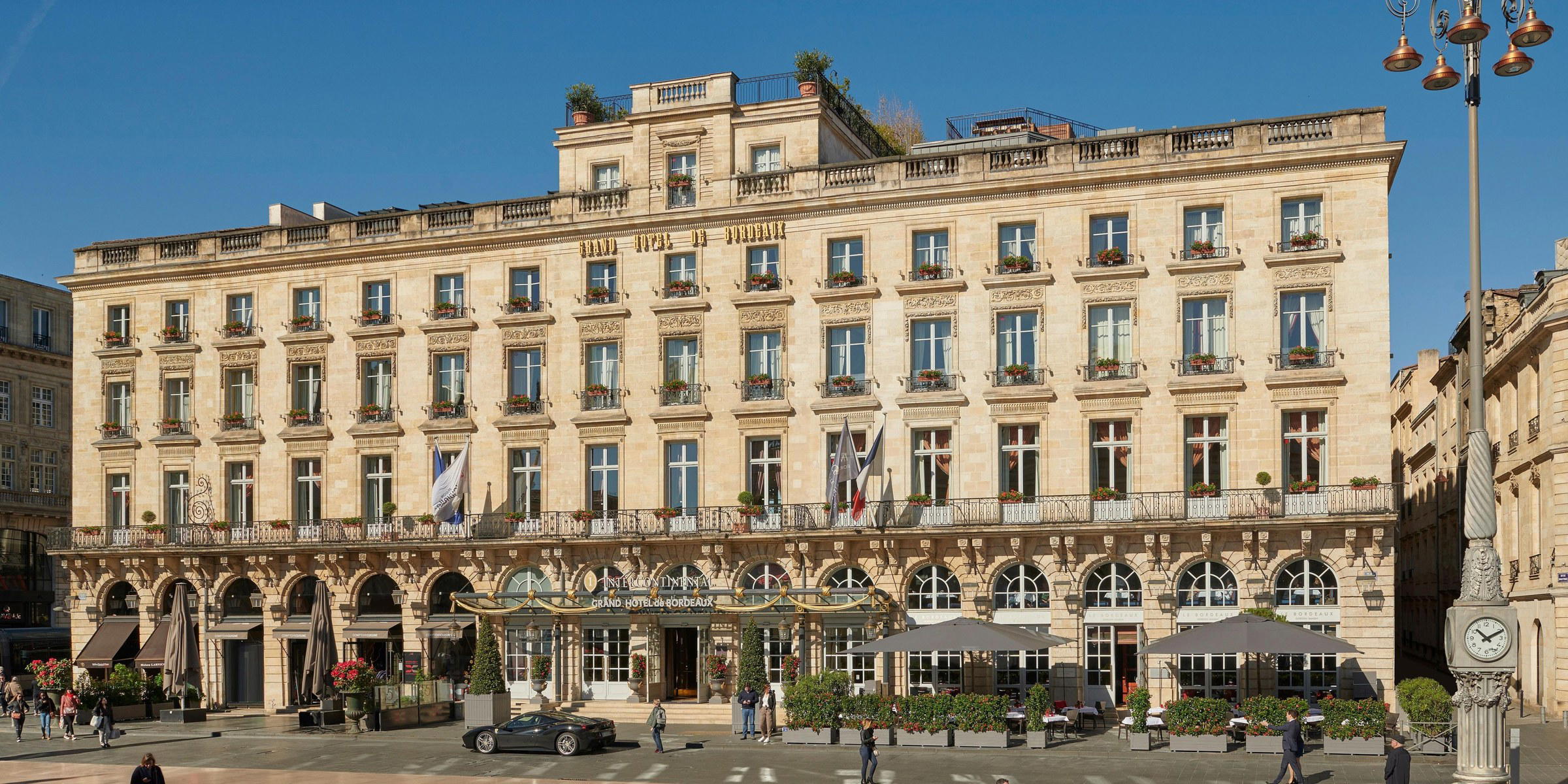
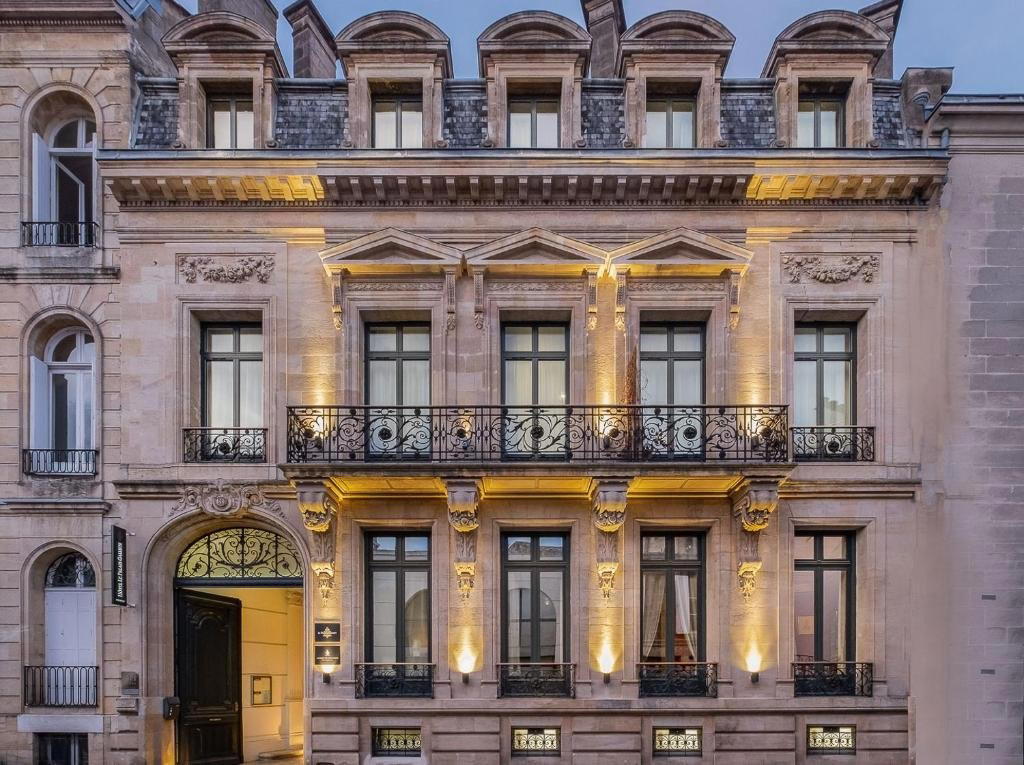
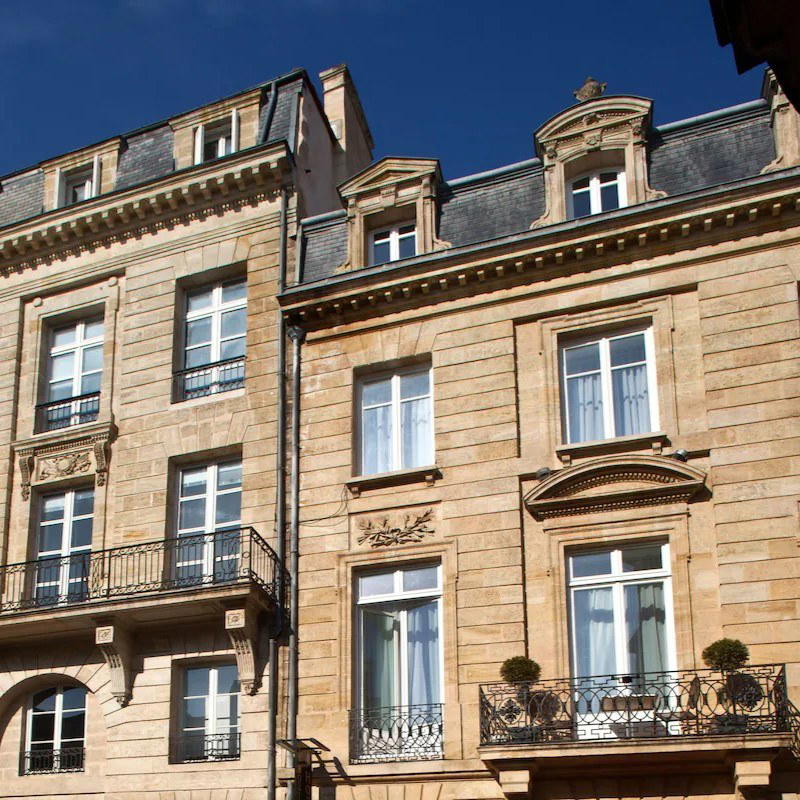
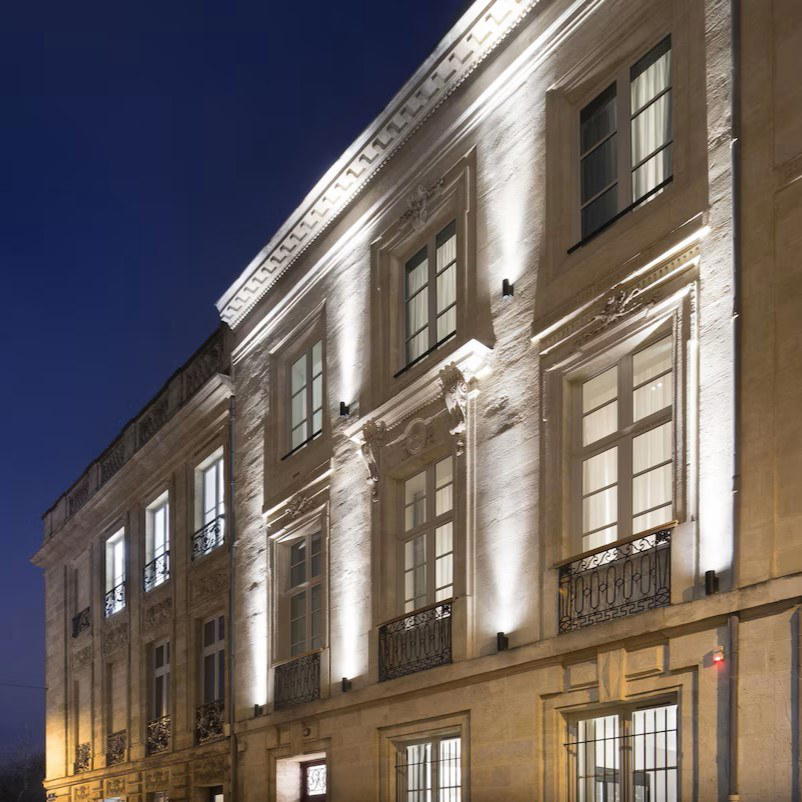
The mood here belongs to Bordeaux’s old wine trade rather than the vineyard postcard. Château Schröder & Schÿler is best understood as a historic Bordeaux négociant-house setting: composed, professional and focused on curated fine wines rather than estate tourism. This is not presented as a leisurely winery ambience, and the point is worth holding onto before arriving. It is a city-facing version of fine-wine culture, with a classic, sophisticated and businesslike tone.
That distinction matters for how to approach the venue. Bordeaux wine culture is not only about vineyard scenery; it also has a commercial and curatorial side, shaped by houses that have traditionally dealt in selection, reputation and presentation. Château Schröder & Schÿler fits that more formal register, where the emphasis is on selection, discretion and the atmosphere of an established wine house.
Bordeaux merchant culture, not estate tourism
The format should be read through the lens of a historic Bordeaux négociant house rather than a rural château visit. The appeal is in the polished, professional setting and the focus on fine wines, not in a broad hospitality or sightseeing experience. For travellers expecting vineyard romance, the useful shift is to treat this as a more city-based expression of Bordeaux wine culture, where the interest lies less in scenery and more in the codes of a traditional wine-merchant environment.
The editorial profile is intentionally restrained: classic, well-known and sophisticated, with a professional tone. Rather than relying on claims about individual bottles, specific vintages, service formats or estate links, the safest way to understand the house is as a curated fine-wine environment within Bordeaux. That restraint is part of the read: the venue is not being framed through spectacle, novelty or a checklist of extras, but through atmosphere, heritage and the manner of a serious wine house.
Its atmosphere is conventional in the Bordeaux sense: formal without needing theatricality, and businesslike without losing a sense of heritage. The comparison is not to a leisurely rural tasting route, but to a polished wine-house setting where selection and presentation matter. In that context, a certain quietness can feel appropriate rather than lacking; the tone is controlled, established and rooted in the merchant side of the city’s wine identity.
Fine-wine focus in a Bordeaux setting
Château Schröder & Schÿler is associated here with curated fine wines and a historic négociant-house atmosphere. That association gives the venue its place on a Bordeaux shortlist: it speaks to the city’s role as a centre of wine commerce and fine-wine culture, rather than to the pastoral imagery often attached to vineyard visits.
What can be said with confidence is narrower but still useful: this is a premium-feeling Bordeaux venue with a classic and sophisticated tone. It is better framed around atmosphere and wine-house identity than around detailed technical claims that have not been verified. In editorial terms, the value lies in setting expectations correctly, so the experience is approached as a refined wine-house encounter rather than as a comprehensive tour or casual tasting stop.
For readers building a wider Bordeaux map, use this venue as a marker for the city’s fine-wine and merchant-house character. Other dining and drinking options in Bordeaux can provide a different kind of hospitality experience, while Château Schröder & Schÿler remains focused on a more curated, professional wine setting. It can therefore sit alongside broader Bordeaux plans as the more formal, wine-trade-oriented point of reference.
The practical takeaway is simple: come expecting Bordeaux polish, a historic négociant-house mood and a fine-wine focus. Avoid assuming details such as a particular tasting structure, bottle list, language offering, shipping service, payment method or group format unless confirmed directly with the venue. That caution keeps the recommendation accurate while still recognising the appeal of the setting.
How to read the experience
The appeal is strongest for guests who want a classic Bordeaux wine-house atmosphere rather than vineyard scenery. The profile points to a professional, businesslike environment, with an emphasis on curated fine wines and a sophisticated sense of place. It is the kind of address to read through tone and context: polished, discreet and aligned with Bordeaux’s established fine-wine image.
Price level is listed as $$$, so it sits in a premium bracket. That positioning also matches the overall editorial impression: not casual or rustic, but refined, formal and more closely connected to Bordeaux’s fine-wine culture.
Within a wider Bordeaux itinerary, the contrast is instructive. Some wine experiences are built around landscape, production or leisurely hospitality; Château Schröder & Schÿler is better framed around the city’s historic négociant culture and a more formal fine-wine atmosphere. Other Bordeaux venues can round out the trip without changing the core identity of this one, especially for travellers who want to see different sides of the city’s wine life.
The editorial case for Château Schröder & Schÿler is therefore specific: go for a classic Bordeaux négociant-house mood, curated fine-wine focus and polished, businesslike atmosphere. It is less about spectacle than about a sophisticated sense of Bordeaux wine culture, and it works well when appreciated on those terms.
Recognition history
Dated appearances from independent guides and award organizations, with the underlying list record or original source where available.
Falstaff Winery - Listed
Falstaff
Continue exploring
More in Bordeaux
Wineries in Bordeaux
Browse all →
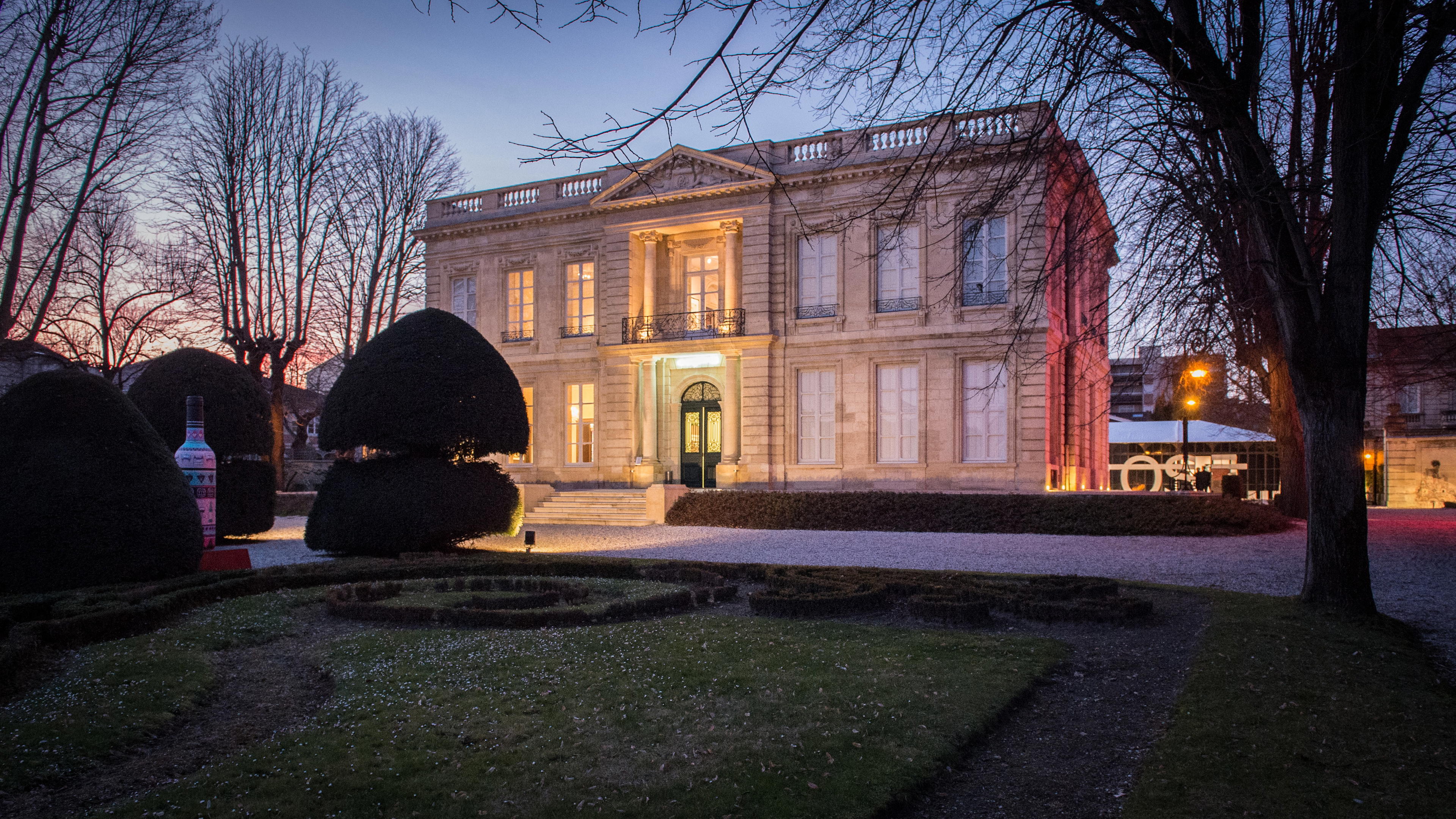
Bars in Bordeaux
Browse all →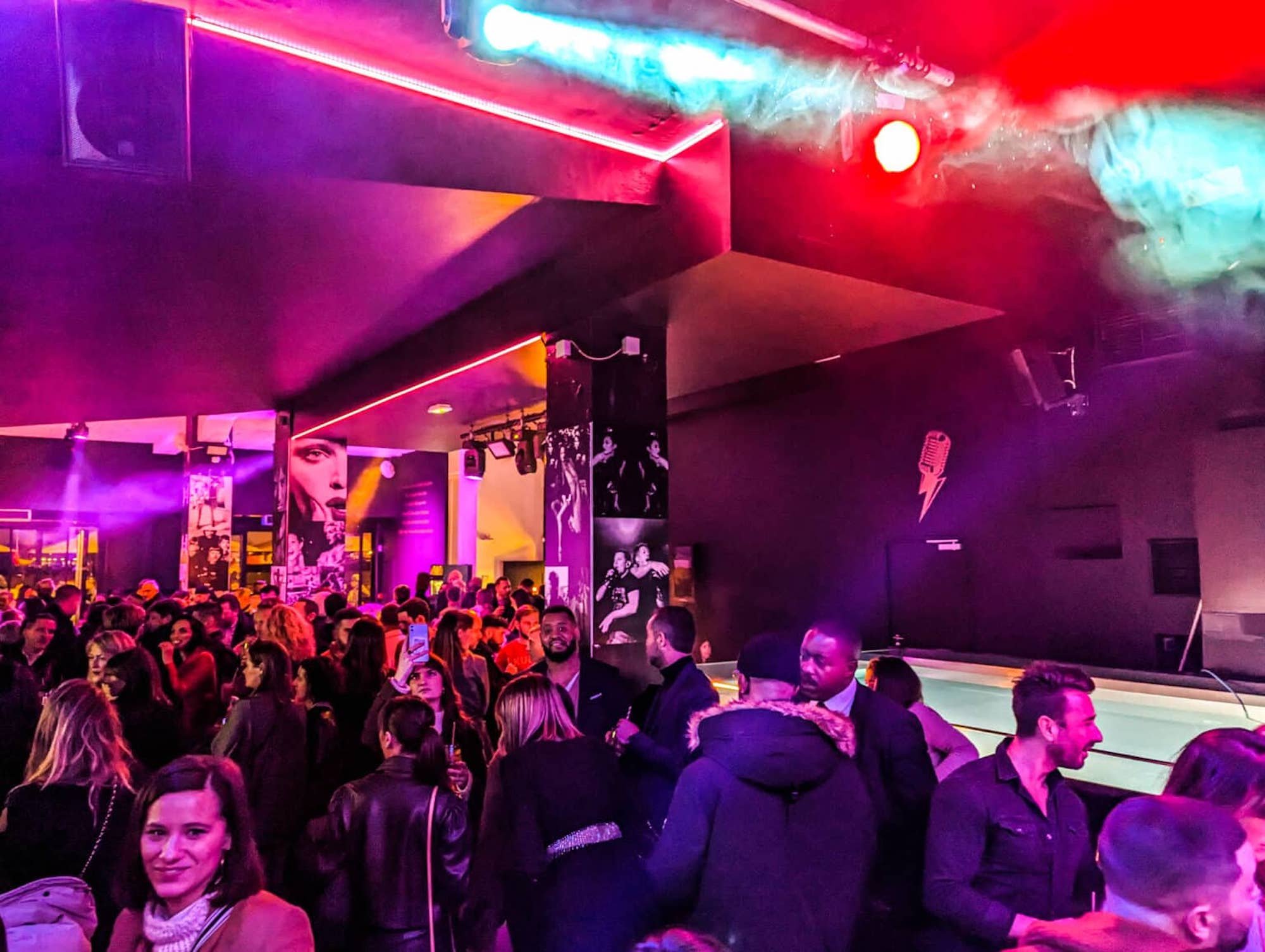
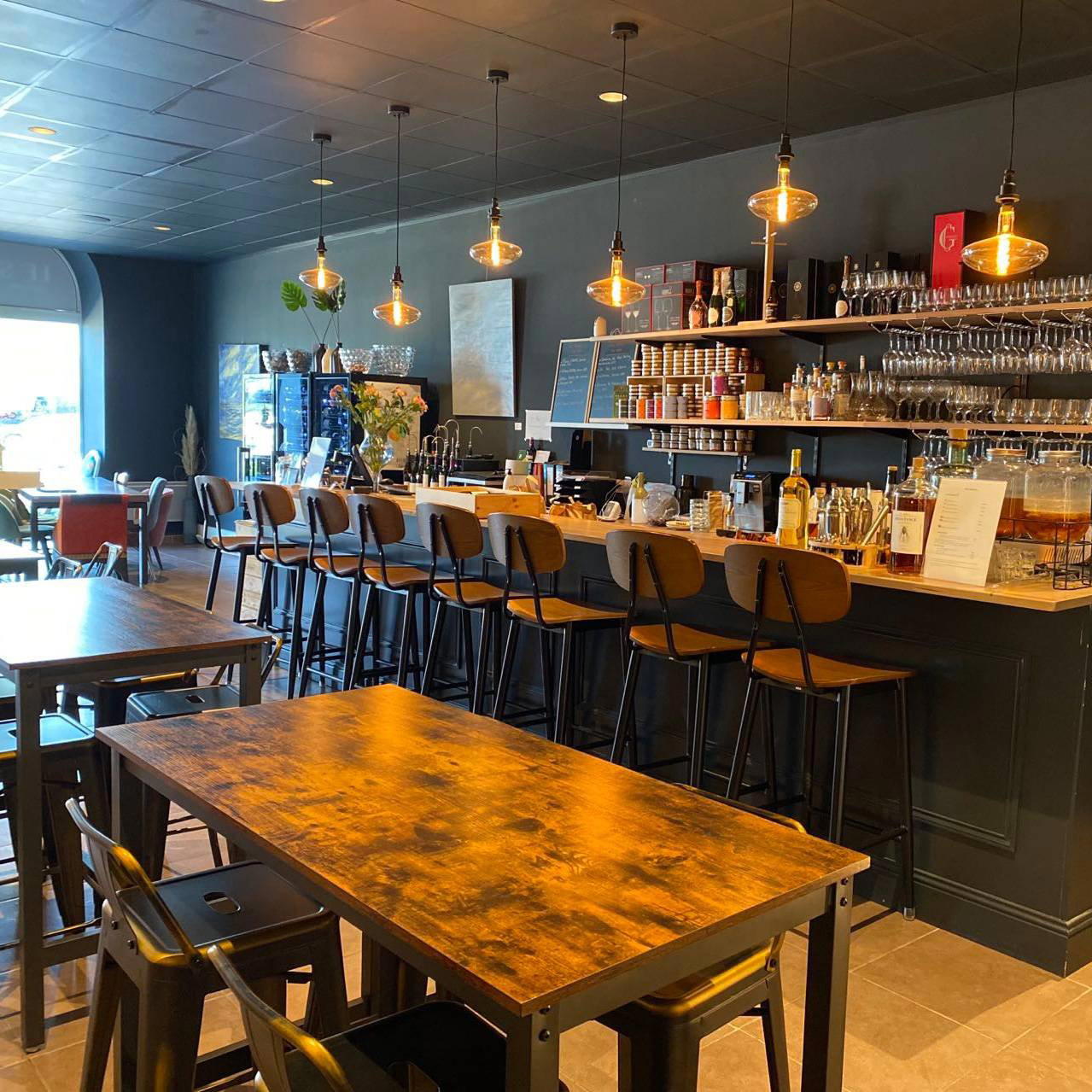
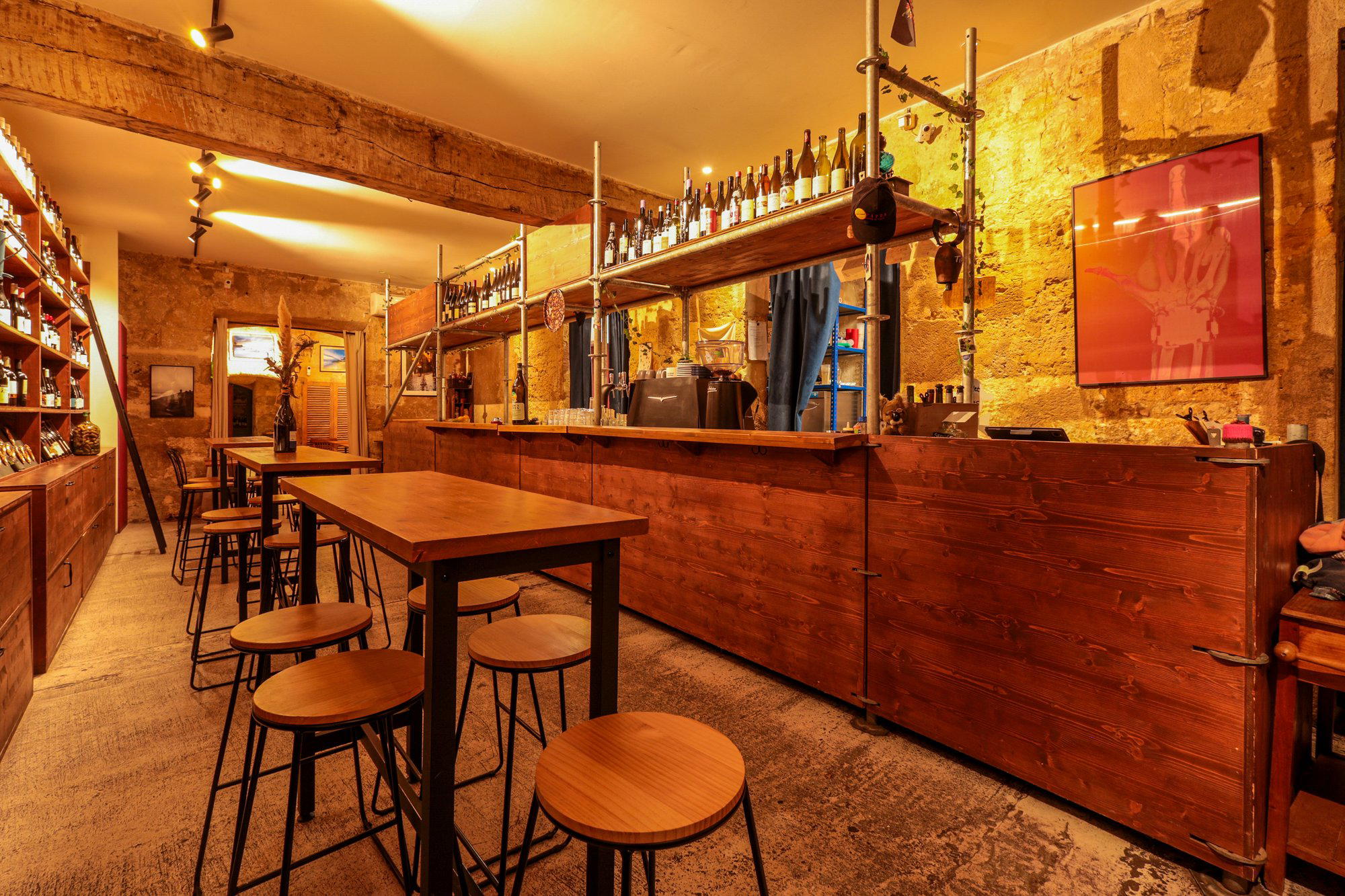
Restaurants in Bordeaux
Browse all →
At a Glance
- Classic
- Well Known
- Sophisticated
- Wine Education
- Corporate Event
- Solo Exploration
- Group Outing
- Bordeaux
- Cabernet Sauvignon
- Merlot
- Still Red
- Seated Tasting
- Library/old Vintages Focus
Historic Bordeaux négociant house atmosphere, focused on curated fine wines rather than estate tourism; professional, classic and businesslike rather than leisurely winery ambience.