Château Roylland

Falstaff Winery - 1 Stars
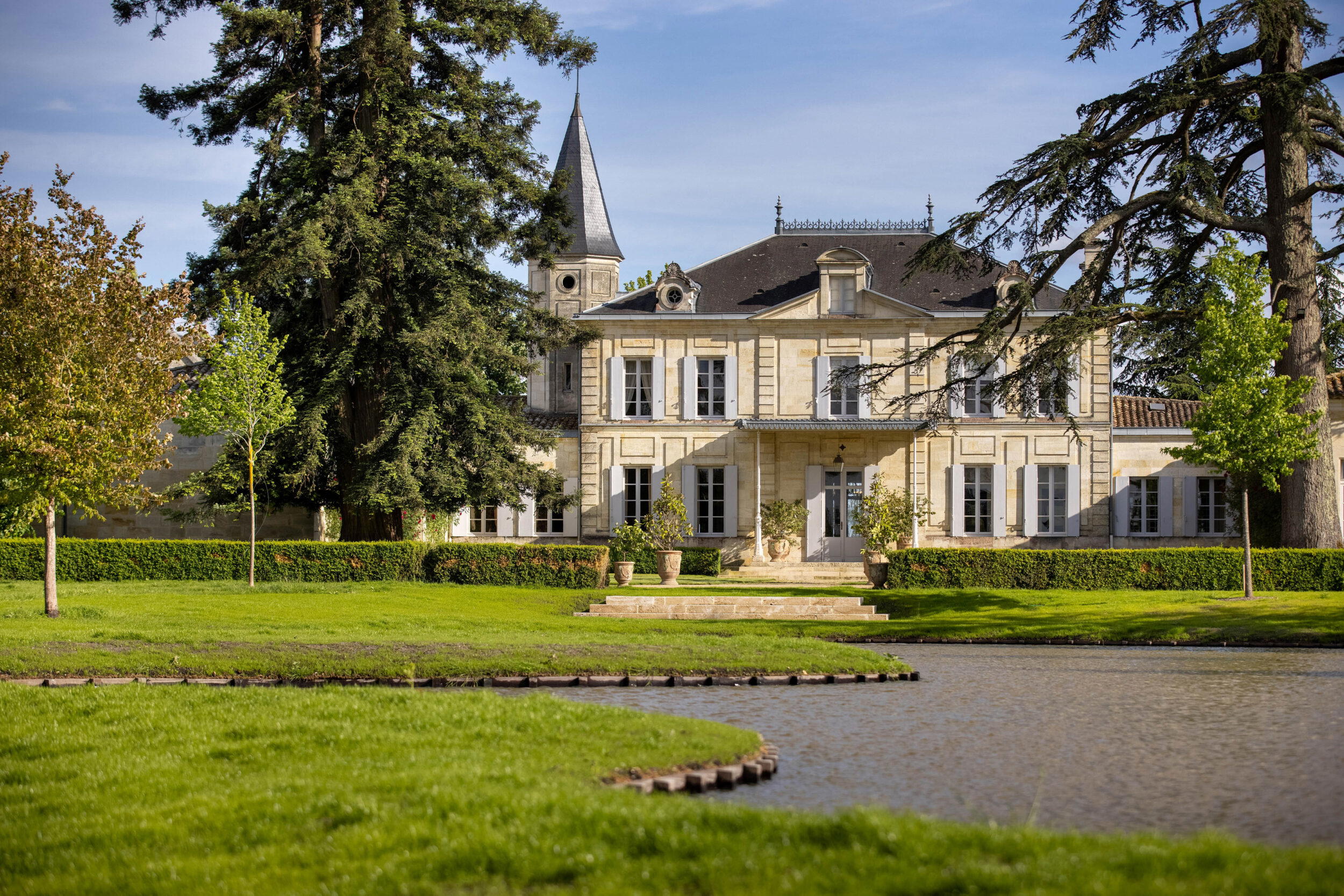
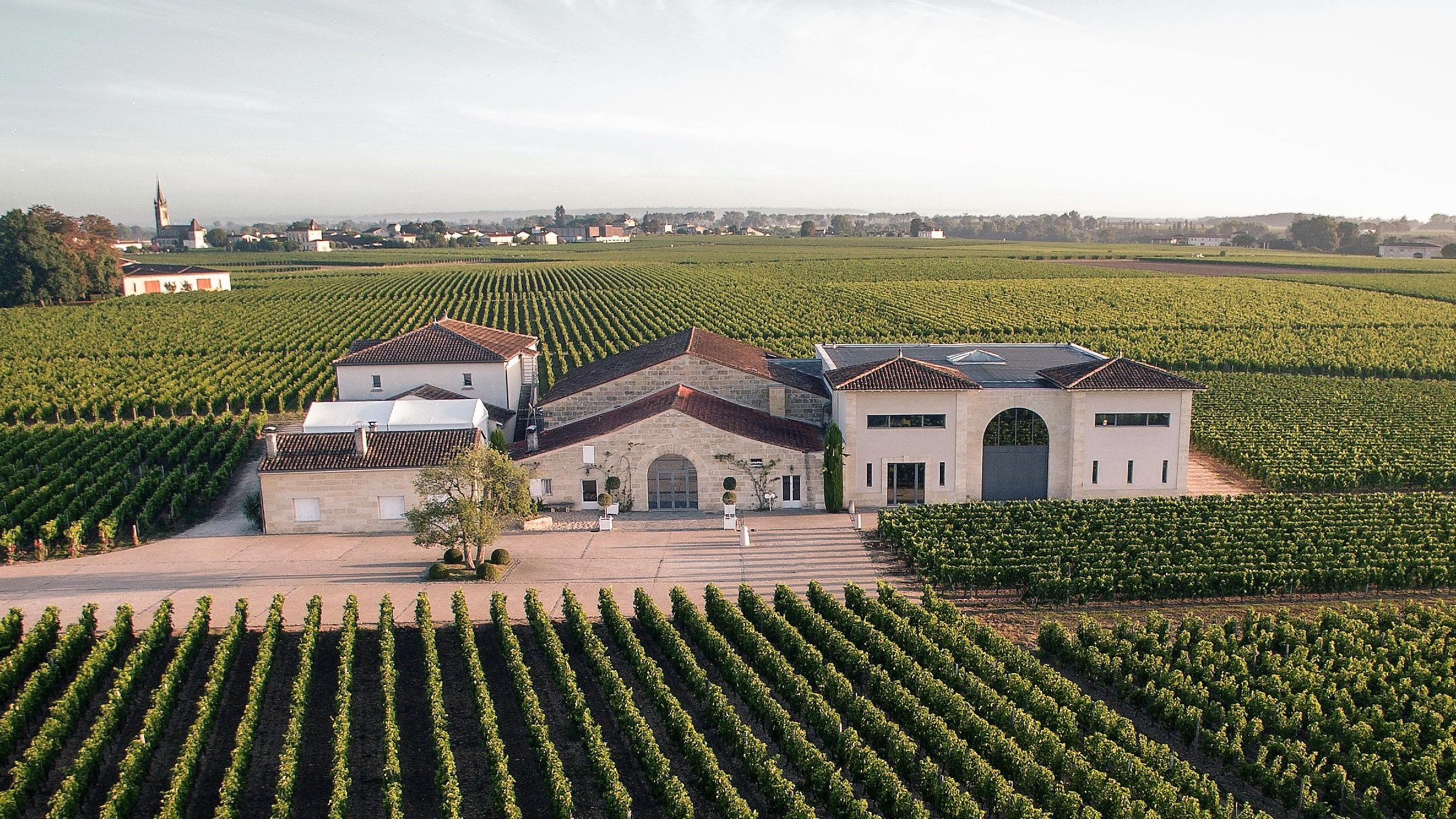
Château Roylland is a small Saint-Émilion Grand Cru estate shaped by clay and sandy-clay soils, Merlot-led blends, and a restrained cellar approach using barrels and ceramic amphorae. The appeal is not spectacle but scale: five hectares, sustainable viticulture, low-sulphite vinification since 2019, and red wines built around fruit clarity rather than showmanship.

Pearl is the En Primeur Club membership app — saves, bookings, and concierge access live there. Same editors, same standards.
- Address
- 1 Roylland, 33330 Saint-Émilion, France
- Phone
- +33 5 57 24 68 27
- Hours
- Mon–Thu 8:30 am–12 pm, 12:30–4:30 pmFri 8:30–11 amSat–Sun Closed
- Website
- chateau-roylland.fr
- Directions
- Get directions
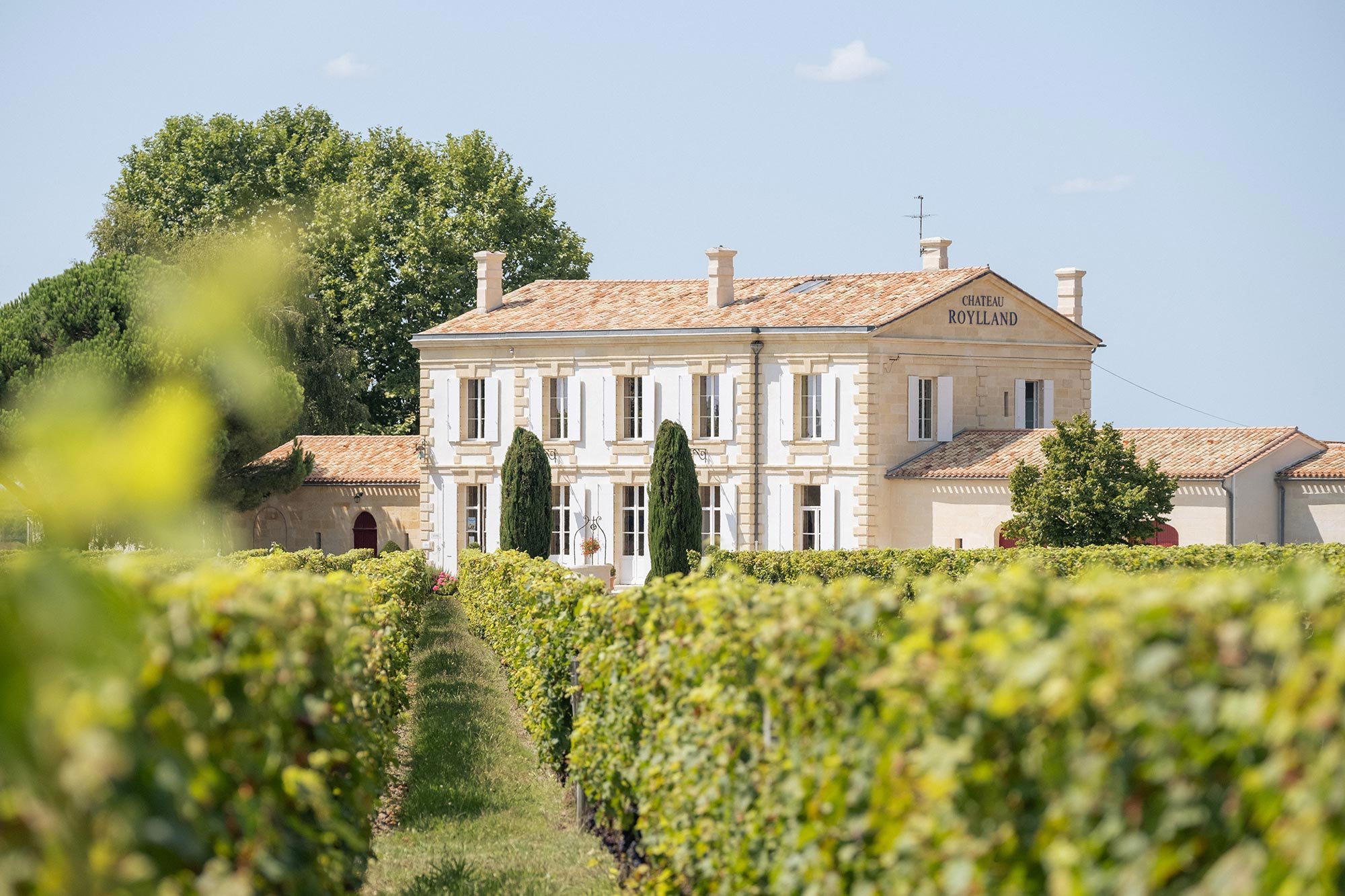
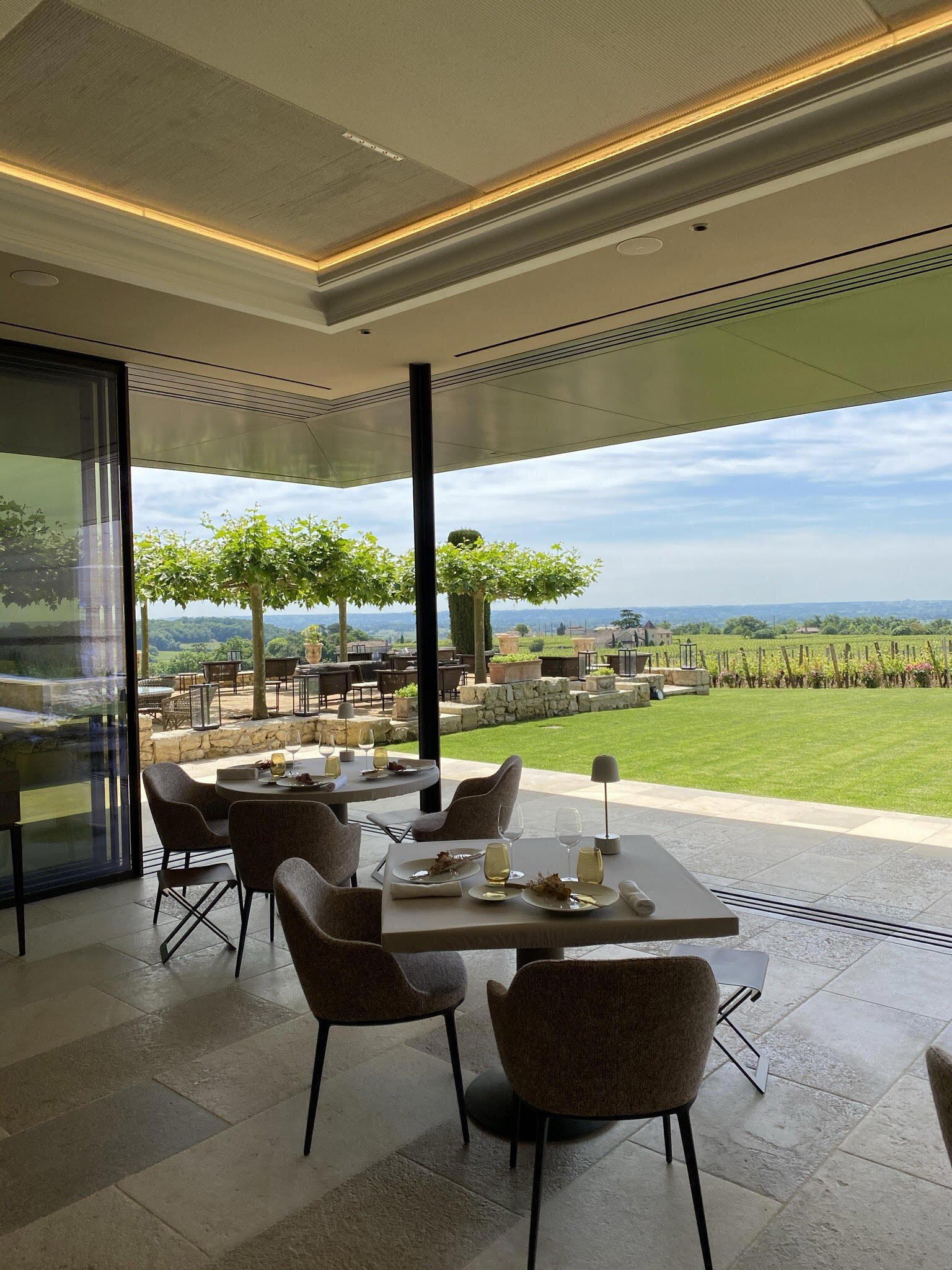
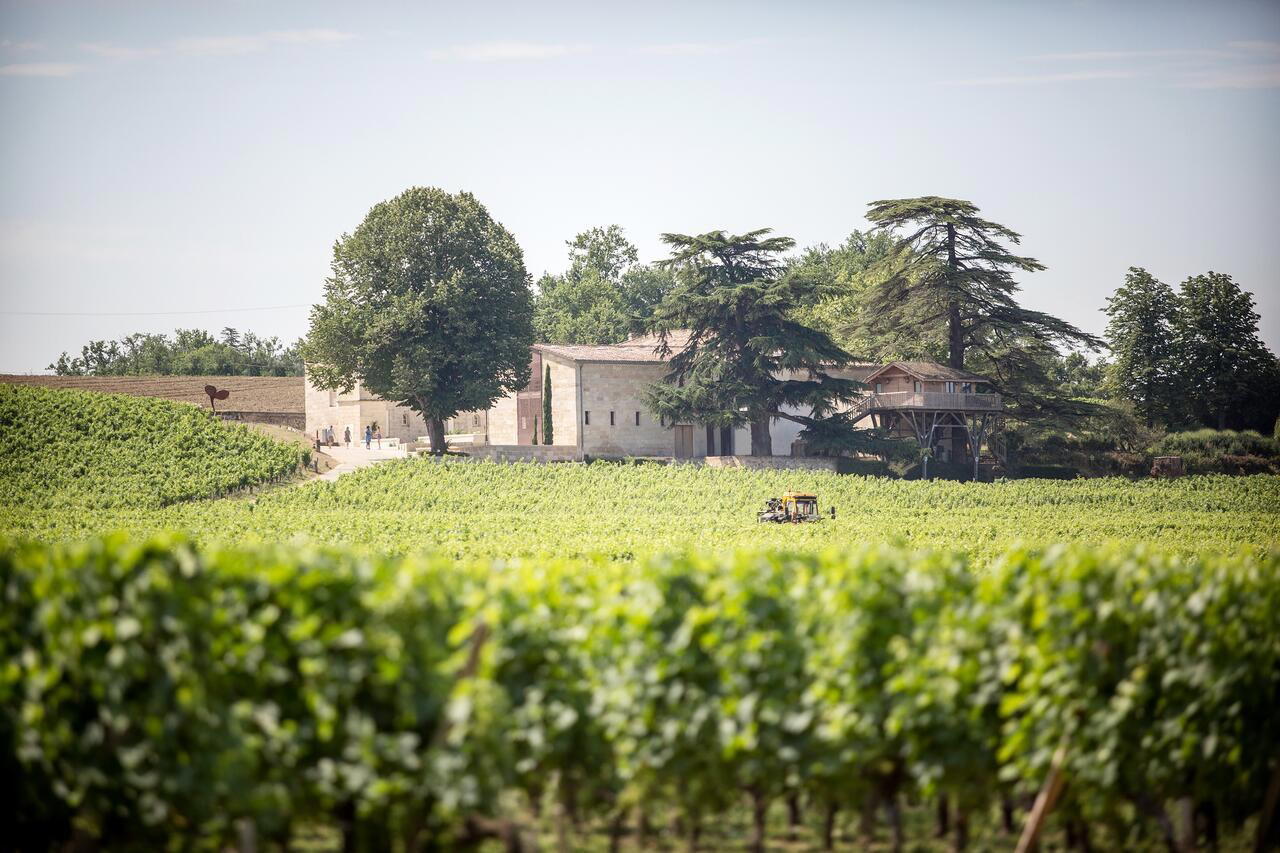
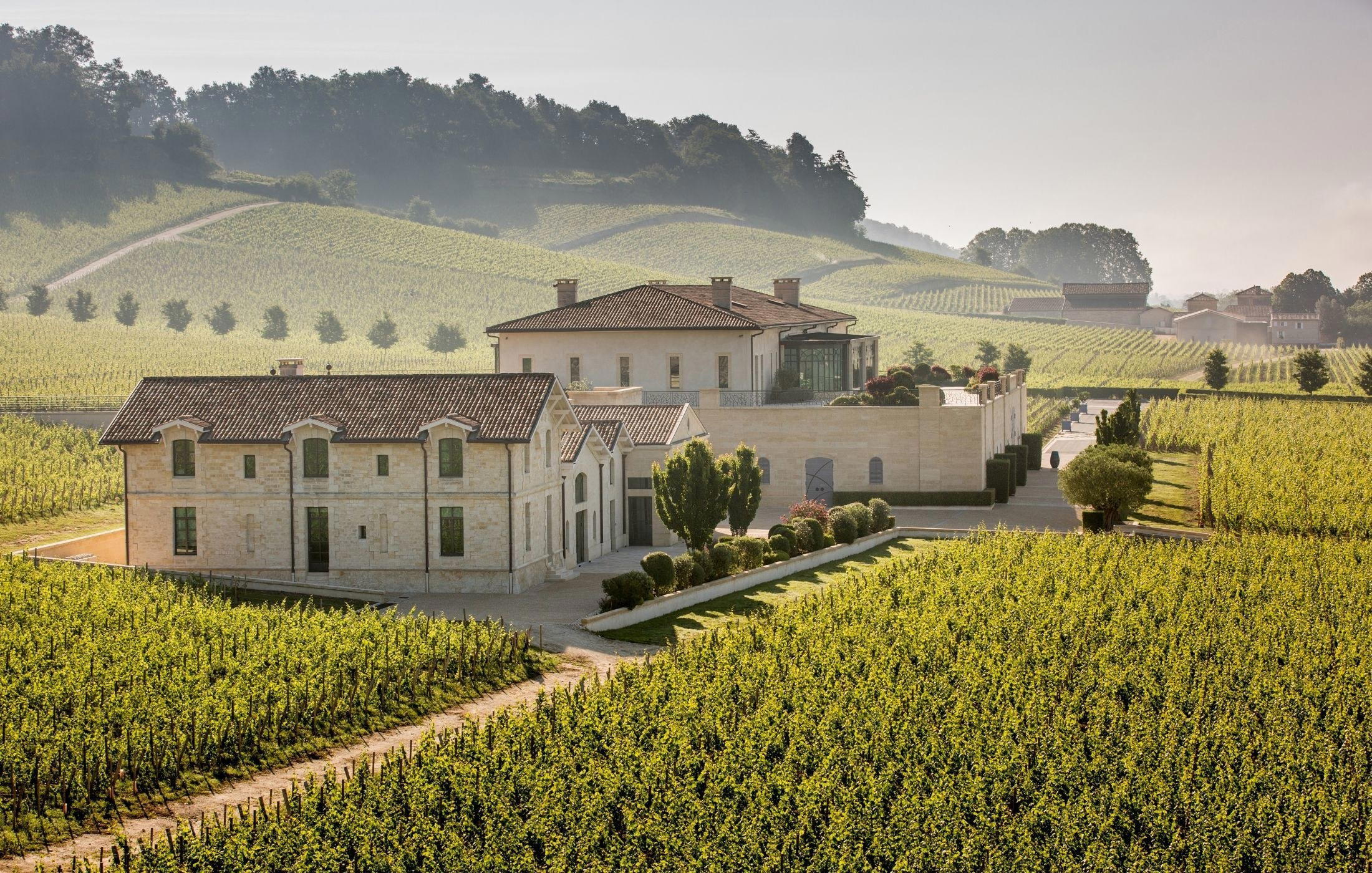
Château Roylland is a small, family-run Saint-Émilion Grand Cru estate. Its appeal is quiet rather than grandiose: the focus is on careful vineyard work, sustainable viticulture and red wines described as silky, fruit-driven, elegant and approachable. In a region where the name Saint-Émilion Grand Cru can carry a strong sense of expectation, Château Roylland reads as a more intimate proposition. The interest is not in spectacle, scale or a heavily staged visitor narrative, but in a contained estate identity built around the vineyard, the cellar and a restrained style of wine.
Saint-Émilion Grand Cru texture and approachability
Château Roylland is best understood through its restrained style. The language attached to the wines is telling: silky, fruit-driven, elegant and approachable. Those are not descriptions of power for its own sake, nor of a wine framed mainly by status. They suggest a Saint-Émilion Grand Cru expression that is more about texture, clarity and ease of enjoyment, with fruit and polish placed ahead of grandeur.
The estate’s stated emphasis is meticulous, sustainable viticulture and careful, low-sulphite vinification. For drinkers planning around Saint-Émilion, that makes Château Roylland a useful reference point for a more intimate, approachable expression of the appellation rather than a large-scale tourism experience. The emphasis on vineyard work matters because it places the source of the wine firmly in the land and the farming choices, while the reference to careful, low-sulphite vinification points to a cellar approach that is presented as measured rather than interventionist in tone.
This does not need to be overcomplicated. The central attraction is the combination of small-estate scale, family-run character and a red-wine profile that is described in soft, accessible terms. For visitors or drinkers who find Saint-Émilion easiest to understand through famous names and formal hierarchies, Château Roylland offers a different kind of entry point: one defined by modesty, texture and a quieter sense of place.
A small Grand Cru estate, not a luxury-tourism script
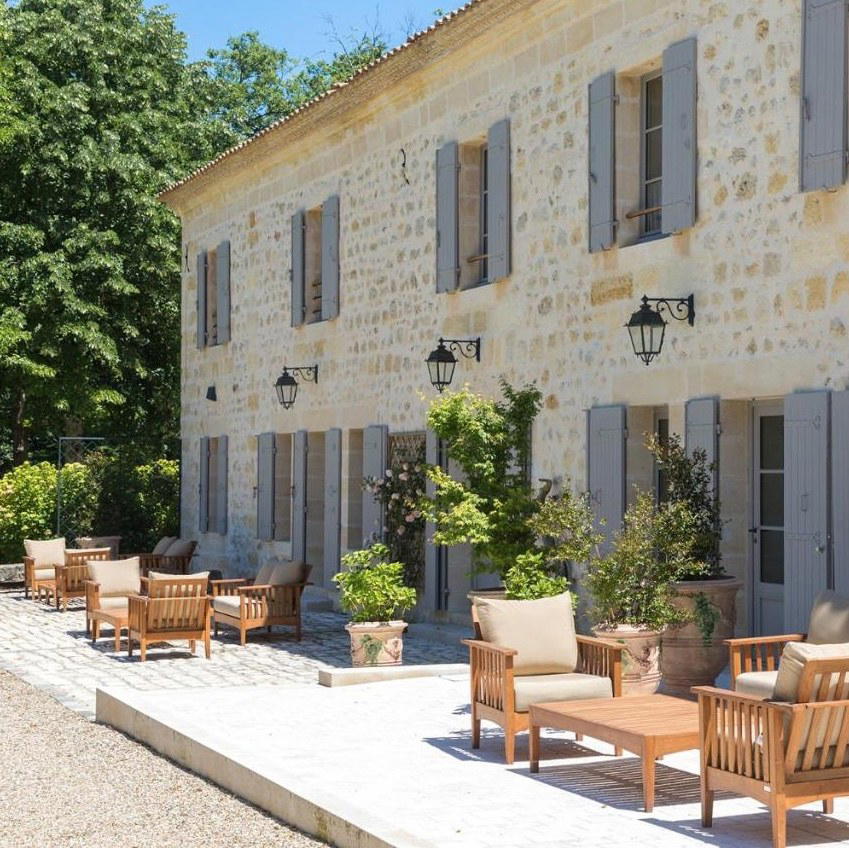
Saint-Émilion Grand Cru can mean many things in practice, from heavily visited château experiences to modest family-run estates where the vineyard and cellar remain the central point. Château Roylland belongs to that latter frame in the information available here. It is presented not as a polished luxury-tourism machine, but as a small estate whose relevance sits in its farming, its winemaking choices and the character of the wines themselves.
The strongest grounded reason to pay attention is the estate’s style. Its reds are described as silky and fruit-driven, with an elegant, approachable character rather than a grandiose one. That makes the estate relevant to travellers and wine drinkers who want a quieter Saint-Émilion reference. It is the kind of profile that can help balance an itinerary otherwise dominated by more prominent, more formal or more heavily visited addresses. In that context, Château Roylland’s value is comparative as much as individual: it shows how Saint-Émilion Grand Cru can be interpreted on a smaller and more restrained scale.
The family-run aspect also shapes the way the estate should be read. Without turning that into a romantic claim beyond the information given, it suggests a property where the sense of identity is closely tied to continuity, personal scale and hands-on attention. Paired with the stated focus on sustainable viticulture, this gives the estate a grounded, practical appeal: the narrative begins in the vineyard, continues through careful vinification and ends in wines described through softness, fruit and elegance.
Those details should not be treated as established unless confirmed by the estate or a reliable current source. That absence is important for how the estate is presented. Château Roylland should not be inflated with unsupported claims or made to seem more documented than it is. Its page works well when it stays close to what can be said with confidence: small, family-run, Saint-Émilion Grand Cru, sustainable in emphasis, low-sulphite in stated vinification approach, and stylistically silky, fruit-driven, elegant and approachable.
How to place it within a Saint-Émilion wine itinerary
For a Saint-Émilion itinerary, Château Roylland makes sense as a small-estate counterpoint to more prominent or more tourism-oriented addresses. It gives a way to think about Saint-Émilion Grand Cru through scale, sustainability and an approachable red-wine style. Rather than treating every stop as a search for the grandest name or the most elaborate visit, Château Roylland can help add proportion to the day: a reminder that the appellation also includes quieter estates where the conversation is more naturally about vineyard care, vinification choices and the feel of the wines in the glass.
That makes it especially useful when building a rounded understanding of the area. A Saint-Émilion trip can easily become a sequence of similar expectations if every address is chosen for prominence alone. Including a smaller, family-run Grand Cru estate such as Château Roylland introduces another register. The estate’s described profile gives travellers a framework for tasting and comparing: silky rather than imposing, fruit-driven rather than austere, elegant rather than showy, approachable rather than ceremonial.
For wider planning, EP Club’s local guides can help structure the rest of a stay: Our full Saint-Émilion wineries guide, Our full Saint-Émilion restaurants guide, Our full Saint-Émilion hotels guide, Our full Saint-Émilion bars guide, and Our full Saint-Émilion experiences guide. Other Saint-Émilion dining, lodging and wine options can be considered generically alongside Château Roylland depending on the kind of trip you are building. The estate is best used as one thoughtful component within that broader plan: a compact, understated Grand Cru reference for travellers who want Saint-Émilion to feel textured, varied and human in scale.
Recognition history
Dated appearances from independent guides and award organizations, with the underlying list record or original source where available.
Falstaff Winery - 1 Stars
Falstaff
Continue exploring
More in Saint-Émilion
Wineries in Saint-Émilion
Browse all →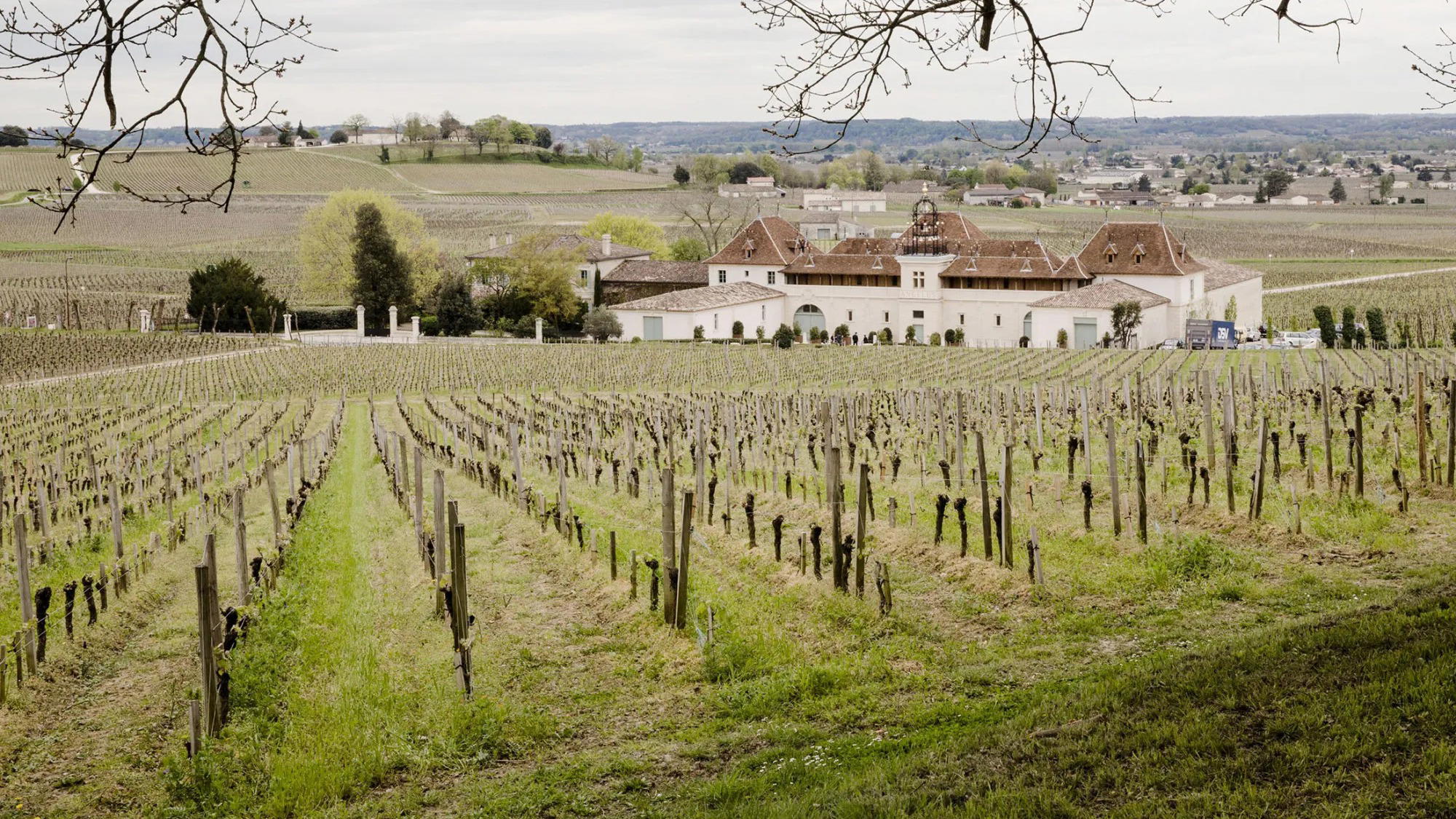
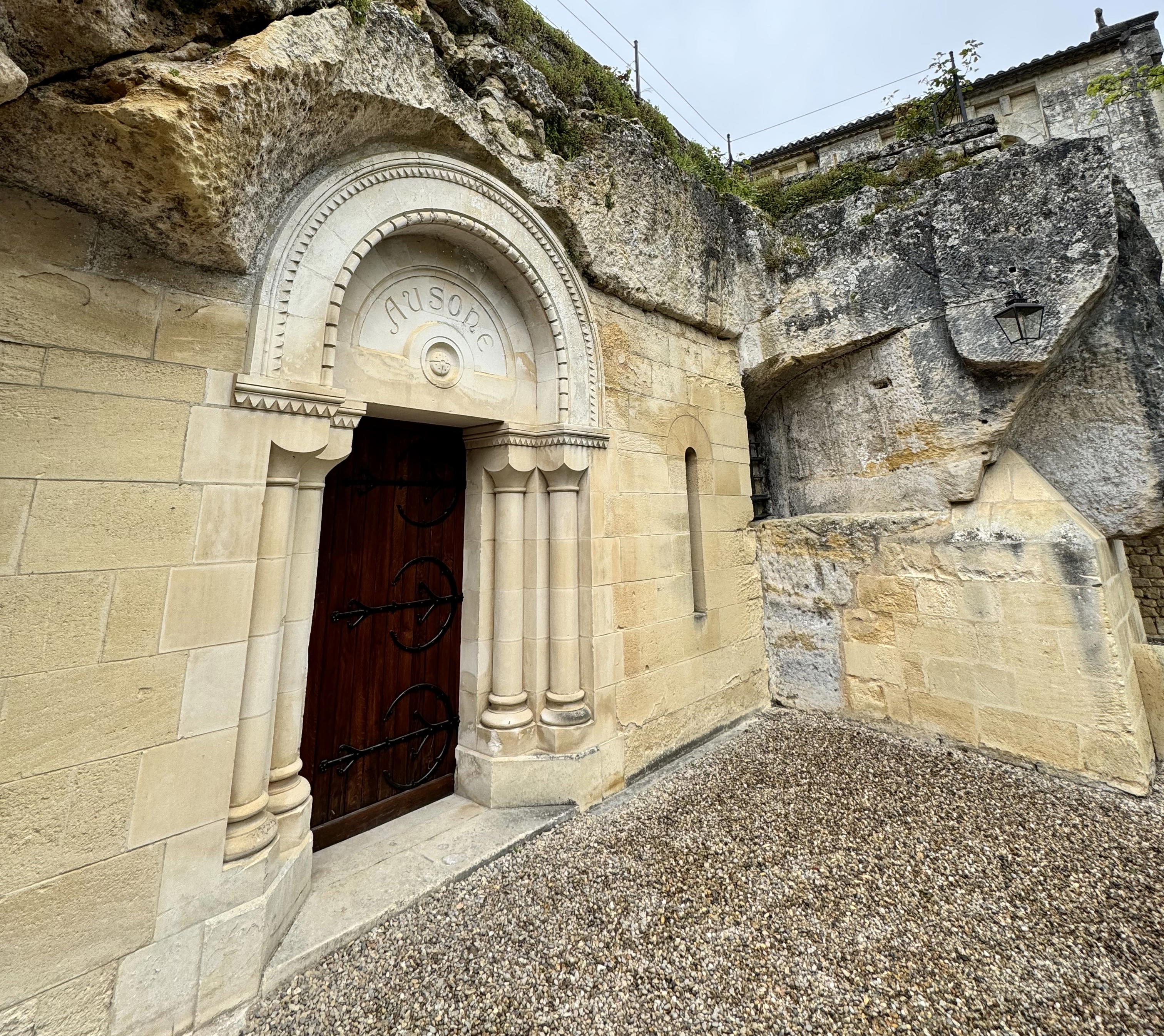
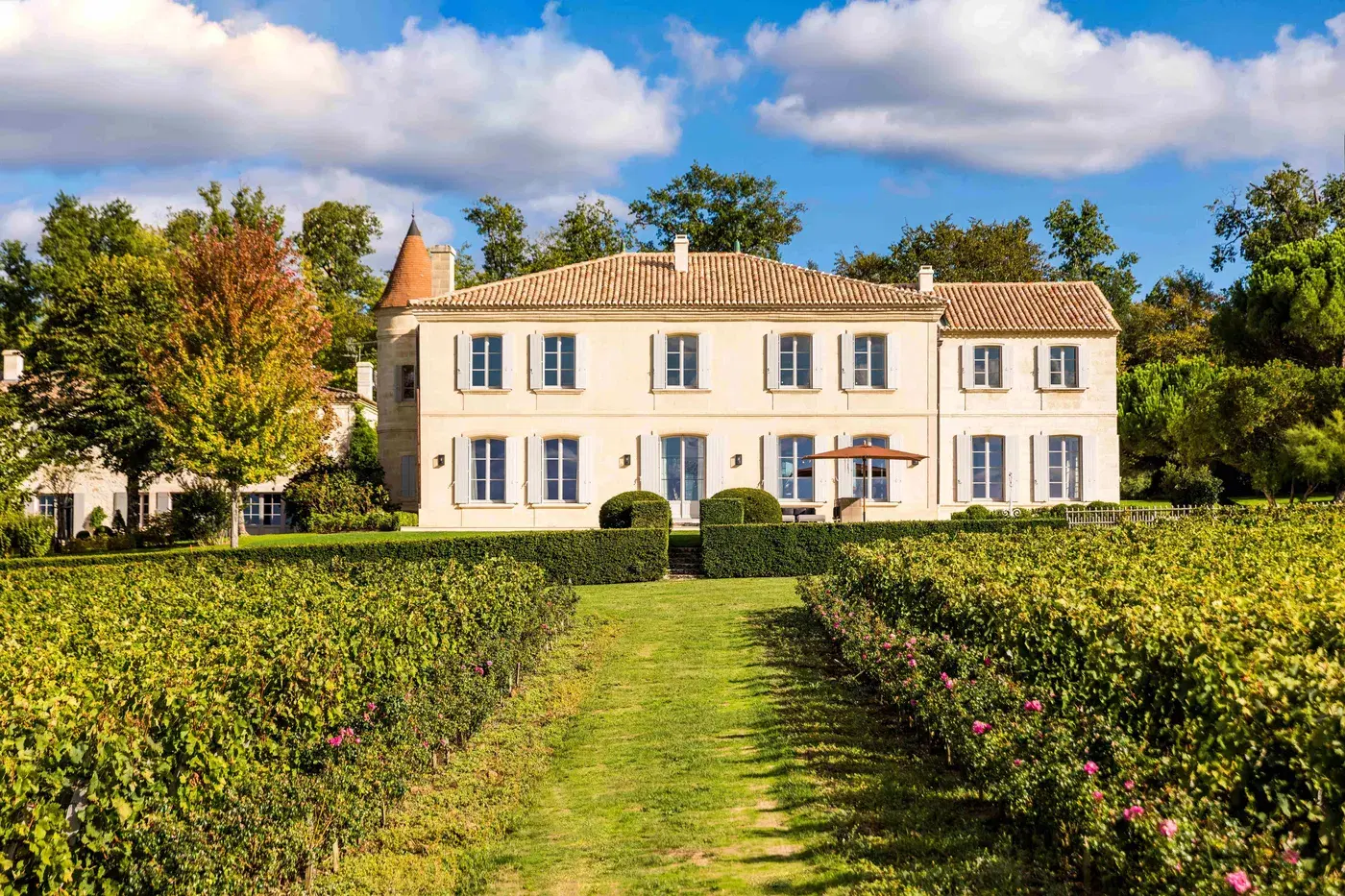
Bars in Saint-Émilion
Browse all →
Restaurants in Saint-Émilion
Browse all →
Details
- Classic
- Scenic
- Elegant
- Intimate
- Romantic Getaway
- Group Outing
- Wine Education
- Solo Exploration
- Estate Grounds
- Historic Building
- Vineyard Tour
- Sustainable
- Vineyard
- Merlot
- Cabernet Franc
- Still Red
- Amphora
- Standard Tasting
- Vineyard Tour
- French
- English
Current opening hours
- Monday
- 8:30 am–12 pm, 12:30–4:30 pm
- Tuesday
- 8:30 am–12 pm, 12:30–4:30 pm
- Wednesday
- 8:30 am–12 pm, 12:30–4:30 pm
- Thursday
- 8:30 am–12 pm, 12:30–4:30 pm
- Friday
- 8:30–11 am
- Saturday
- Closed
- Sunday
- Closed
Hours can change for holidays and private events. Last verified .
Small, family-run Saint-Émilion Grand Cru estate with a focus on meticulous, sustainable viticulture and careful, low-sulphite vinification, producing silky, fruit-driven reds that feel elegant yet approachable rather than grandiose or touristic.