
Falstaff Winery - 2 Stars
Château Rouget is a historic Pomerol estate whose modern interest lies in terroir rather than spectacle: Merlot-led Right Bank wine shaped by gravel, sand and clay, with organic certification from the 2023 vintage. Its scale, about 17 hectares and roughly 6,500 cases annually, gives it a different profile from tiny Pomerol properties while keeping the focus on structured, cellar-worked red Bordeaux.

Pearl is the En Primeur Club membership app — saves, bookings, and concierge access live there. Same editors, same standards.
- Address
- 6 Rte de Saint-Jacques-de -Compostelle, 33500 Pomerol, France
- Phone
- +33 5 57 51 05 85
- Hours
- Mon–Fri 10 AM–5 PMSat–Sun Closed
- Website
- chateau-rouget.com
- Directions
- Get directions

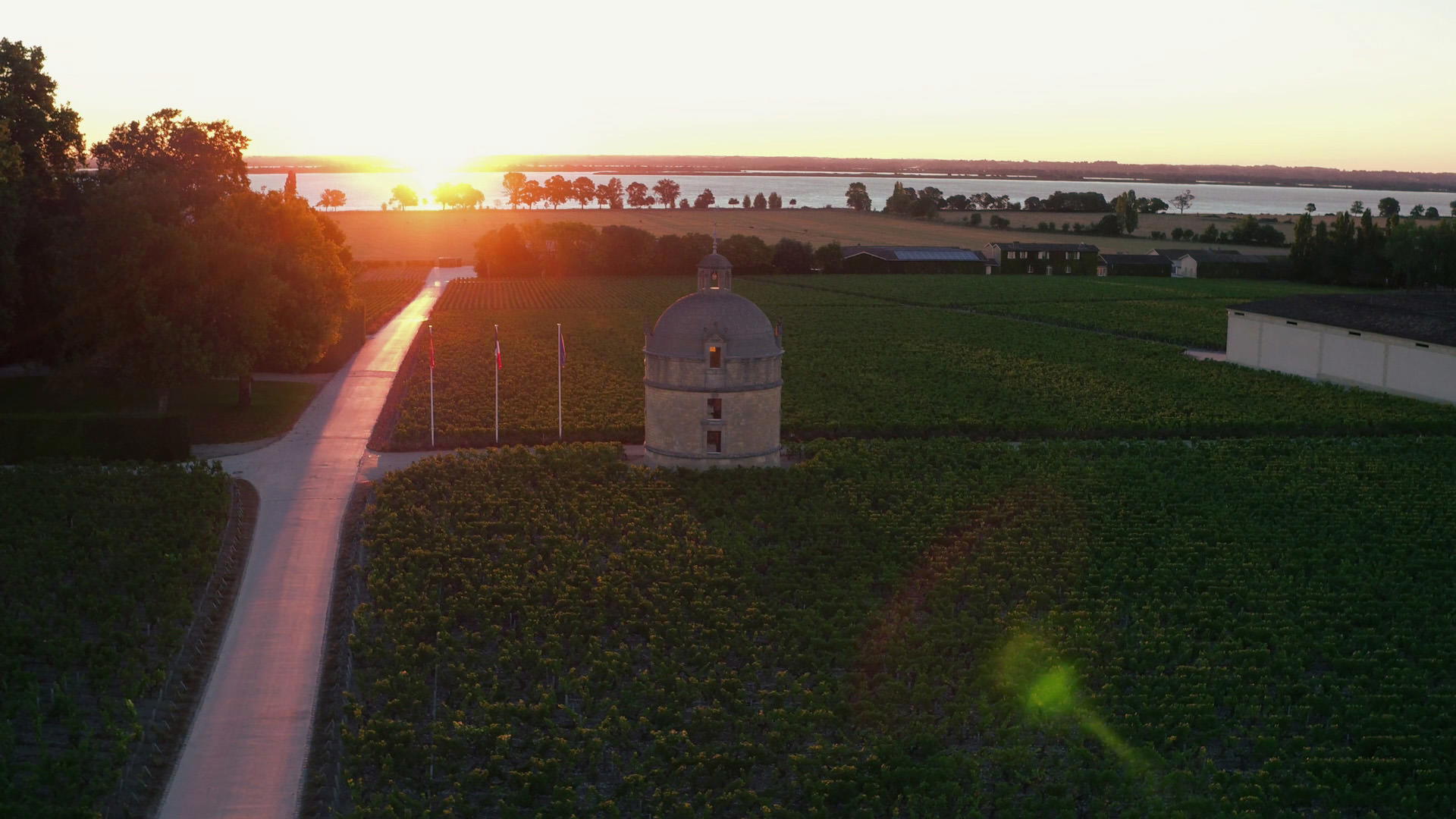
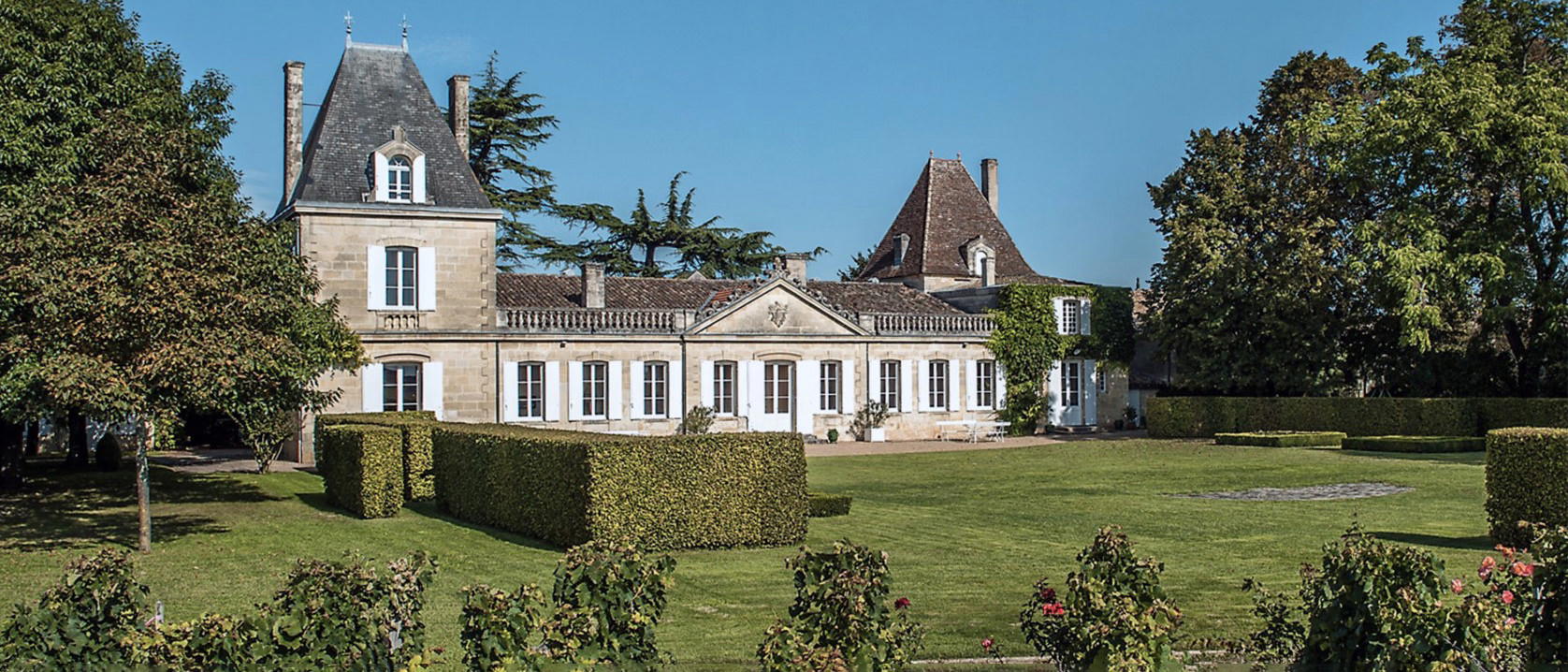
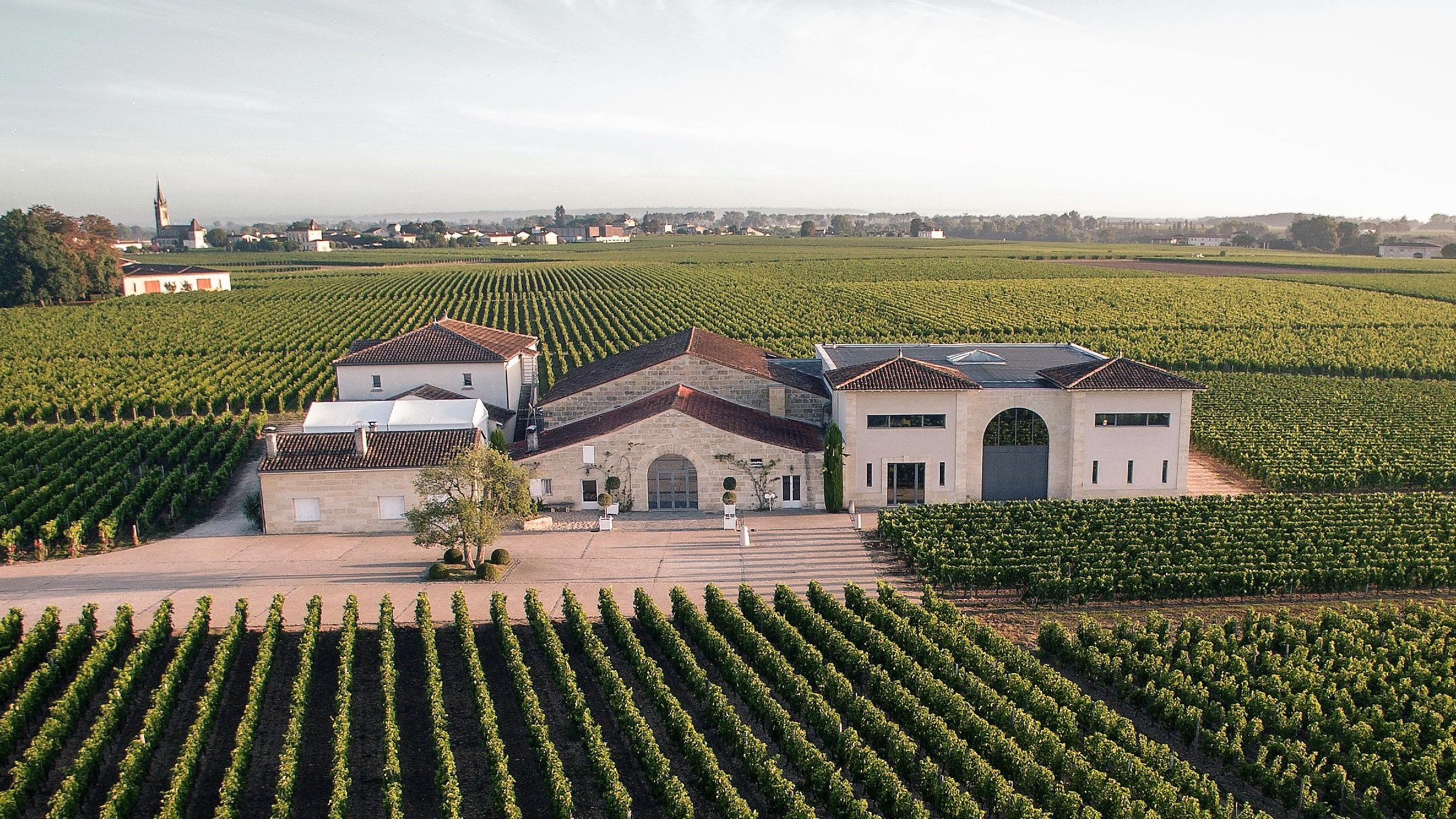
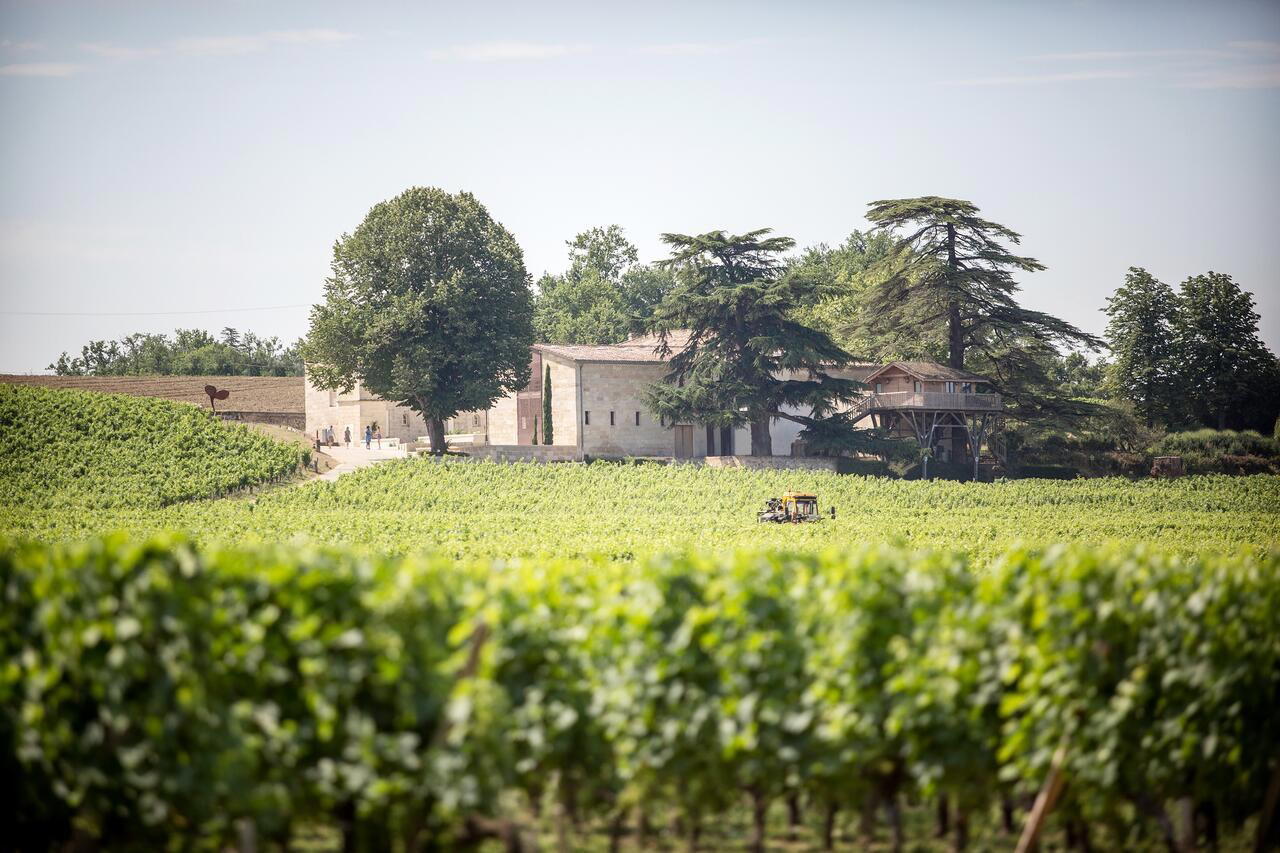
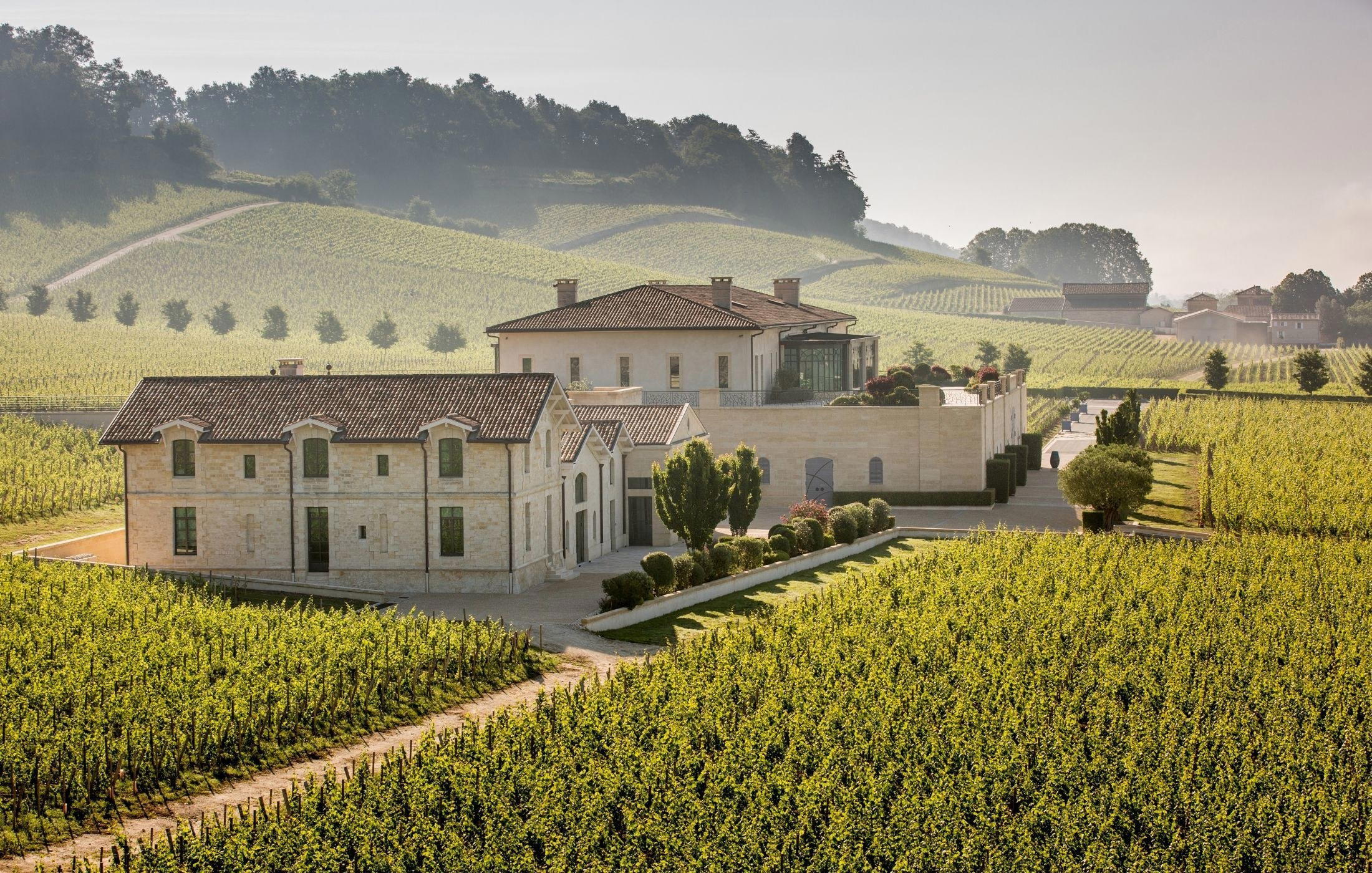
Approaching Pomerol, the drama is quiet: low vineyard rows, gravel underfoot, clay holding the Right Bank’s moisture, and estate buildings that read more agricultural than theatrical. Château Rouget belongs to that register. The point here is not château pageantry but the way Pomerol’s small, unclassified appellation turns Merlot into a serious language of texture, structure and age. In a region where official Bordeaux classifications do not provide the shorthand they do on the Left Bank, vineyard position, farming, cellar choices and vintage performance carry the argument.
Rouget’s strongest case begins with land. The estate works about 17 hectares, large by Pomerol standards, planted principally to Merlot with Cabernet Franc and a small Cabernet Sauvignon component. The soils are the Pomerol grammar book: gravel, sand and clay, with the estate spread across several parcels rather than a single neat block. That matters because Merlot behaves differently on gravel-drained ridges than it does in heavier clay. The resulting house style is not rustic or experimental; it sits in a polished, modern Right Bank mode, built around smooth tannin, oak-managed structure and a classic red Bordeaux frame.
Gravel, clay and a Merlot-led reading of Pomerol
Pomerol has always been an awkward fit for neat hierarchies. It lacks the 1855-style ranking system that shapes so much Bordeaux shorthand, yet its small surface area and Merlot-dominant vineyards have produced some of the Right Bank’s most closely watched wines. Rouget’s address in Pomerol gives it the appellation’s core advantage: clay that supports Merlot in warm years and gravel that helps drainage and definition. For drinkers used to Cabernet-led Left Bank structure, the appeal is different. Pomerol often works through breadth and texture first, then tannin and aromatic detail.
The estate’s blend reflects that logic. Merlot leads, Cabernet Franc adds frame, and the cellar program leans modern without abandoning recognisable Bordeaux convention. Vinification uses wood vats and temperature-controlled stainless steel, with plot separation allowing parcel differences to remain visible until blending. Whole-cluster fermentation accounts for close to 45 percent of production, while about 35 percent of the harvest is handled through barrel micro-vinification. Aging in 50 percent new French oak for 15 to 18 months puts Rouget firmly in the polished camp: not avant-garde, not austere, and not pretending that oak is absent.
The modern turning point is also measurable. The Labruyère family acquired the estate in 1992, and major replanting and cellar modernization followed from 2001. Michel Rolland has consulted since 1997, a credential that signals a particular school of Bordeaux precision: ripe fruit, managed extraction and careful oak integration. The estate’s first official record dates to 1700, but the current relevance is less about antiquity than about the post-1990s rebuilding of a Pomerol property with enough vineyard surface to matter in distribution.
Modern cellar work without losing the appellation's shape
Rouget’s production, roughly 6,500 cases a year, places it outside the tiny-allocation mythology that surrounds parts of Pomerol. That is useful for the drinker. It means the wines can appear with more regularity in serious retail and restaurant channels while remaining clearly in premium Bordeaux territory. The estate also produces Le Carillon de Rouget, a second wine that follows the familiar Bordeaux logic of using younger vines or less central parcels without forcing every lot into the grand vin.
Recent vintages show why Rouget has become a more interesting name for Right Bank buyers. The 2019 vintage received 93 points from The Wine Cellar Insider, and the same publication has highlighted a run of strong years including 2023, 2022, 2021, 2020, 2019, 2018, 2017, 2016, 2015, 2014, 2012, 2010, 2009, 2005 and 2000. The key editorial point is the break from 2015 onward: that period aligns with the maturity of replanting, renovated facilities and a more confident cellar regime. For collectors, the wines are usually framed around medium-term to long-term drinking rather than purely early pleasure, with a commonly cited window of 5 to 20 years in stronger vintages.
Organic certification beginning with the 2023 vintage adds another layer to the estate’s argument. In Bordeaux, sustainability claims can blur into broad language; certification gives the point more weight. For Pomerol, where parcels are small and land values concentrate pressure on every row, organic farming is not a decorative detail. It affects soil management, cover crop strategy and the long-term capacity of clay-gravel sites to keep producing wines with definition rather than weight alone.
How to place Rouget in a Pomerol itinerary
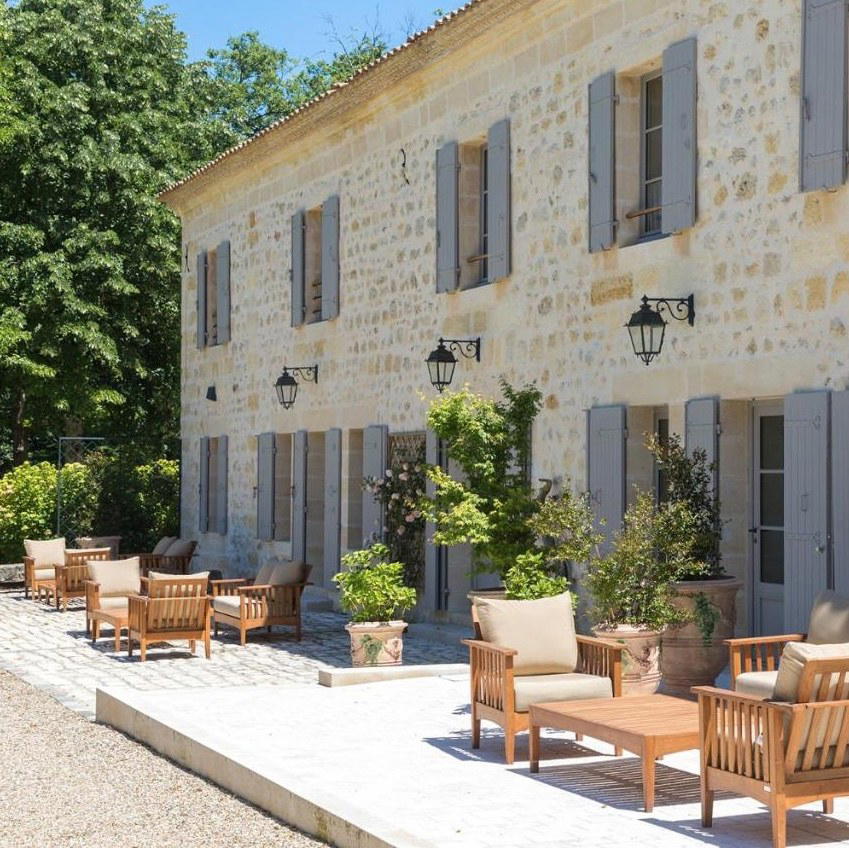
The hospitality format is appropriately restrained for a working château estate. Visits operate by appointment, and the useful mindset is wine education rather than casual drop-in tasting. Standard and vertical tastings are the formats to understand: the former introduces the estate’s current shape, while the latter is the sharper lens for seeing how Merlot, oak and bottle age interact across vintages. Food pairing is available, and groups are a sensible fit, but this is not a children-focused or dog-friendly stop.
For travellers building a Pomerol day, Rouget works as a terroir-led counterpoint to the restaurant, hotel and bar planning that often surrounds Bordeaux wine travel. Use Our full Pomerol wineries guide for the broader cellar map, then cross-reference Our full Pomerol restaurants guide, Our full Pomerol hotels guide, Our full Pomerol bars guide and Our full Pomerol experiences guide for the rest of the day. Nearby Pomerol winery pages worth bookmarking include Chateau La Croix du Casse, Chateau Petrus, Château Beau Soleil, Château Beauregard and Château Bel-Air. For a wider French and European wine-travel frame, compare the regional shift in mood with A. Margaine in Villers-Marmery, Abbaye de Fontfroide in Narbonne, Abbotts & Delaunay in Marseillette, »der Steiner« Hans Steiner in Podersdorf am See and & Handwein in Mannheim.
Recognition history
Dated appearances from independent guides and award organizations, with the underlying list record or original source where available.
Falstaff Winery - 2 Stars
Falstaff
Continue exploring
More in Pomerol
Wineries in Pomerol
Browse all →
Bars in Pomerol
Browse all →

Restaurants in Pomerol
Browse all →
Details
- Classic
- Elegant
- Well Known
- Romantic
- Sophisticated
- Wine Education
- Romantic Getaway
- Special Occasion
- Solo Exploration
- Group Outing
- Estate Grounds
- Historic Building
- Organic
- Sustainable
- Vineyard
- Merlot
- Cabernet Franc
- Cabernet Sauvignon
- Still Red
- Standard Tasting
- Vertical Tasting
Current opening hours
- Monday
- 10 AM–5 PM
- Tuesday
- 10 AM–5 PM
- Wednesday
- 10 AM–5 PM
- Thursday
- 10 AM–5 PM
- Friday
- 10 AM–5 PM
- Saturday
- Closed
- Sunday
- Closed
Hours can change for holidays and private events. Last verified .
Historic Right Bank Bordeaux estate focused on refined, modern winemaking; tastings of its Pomerol wines are typically described as elegant, silky and classic rather than rustic or avant‑garde, reflecting careful cellar work and oak aging.