Château Rocheyron


Michelin Main Selection · Falstaff Winery - Listed
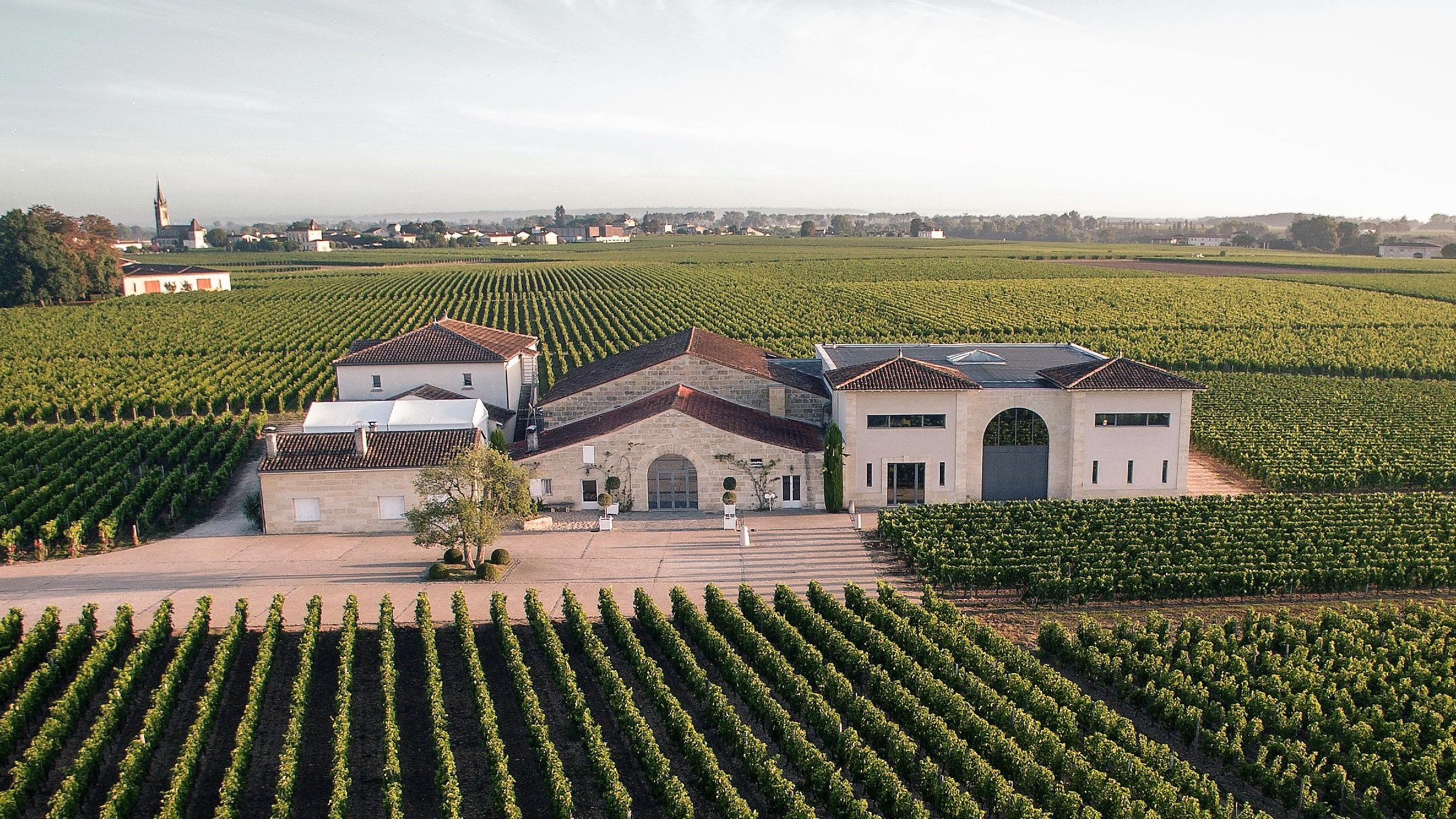
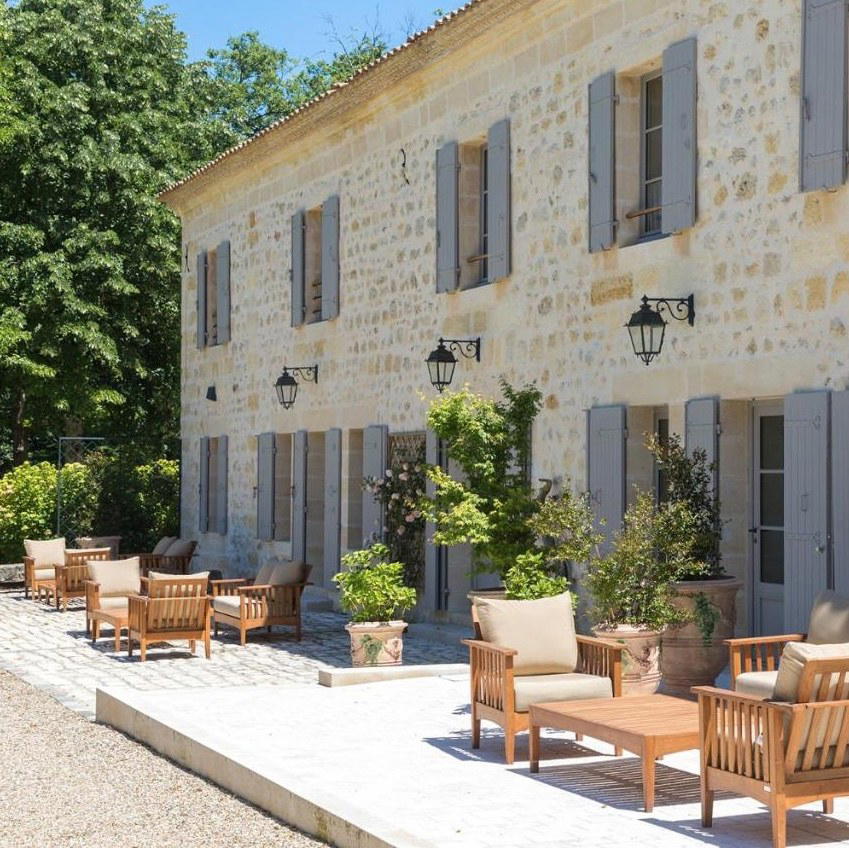
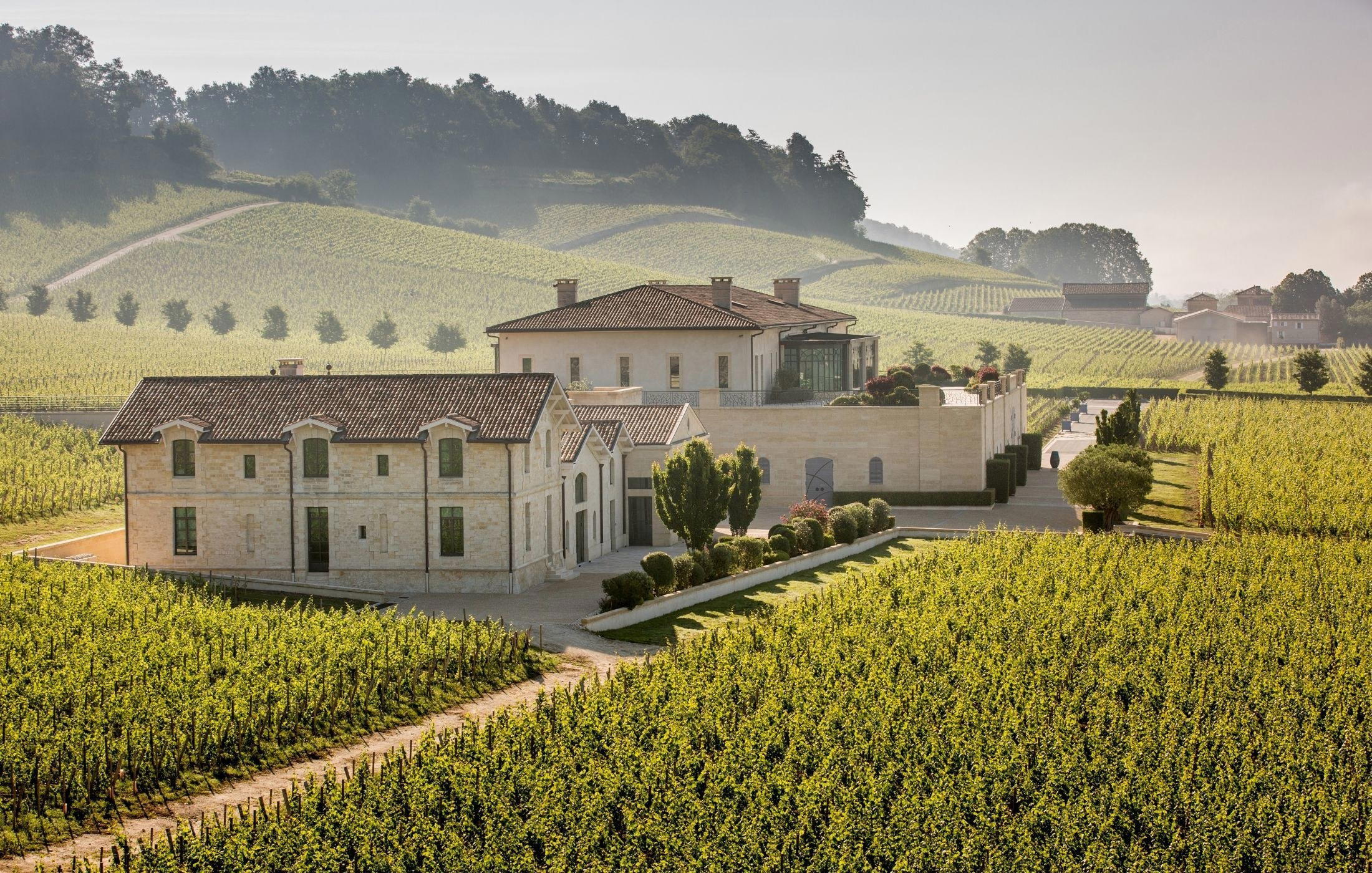
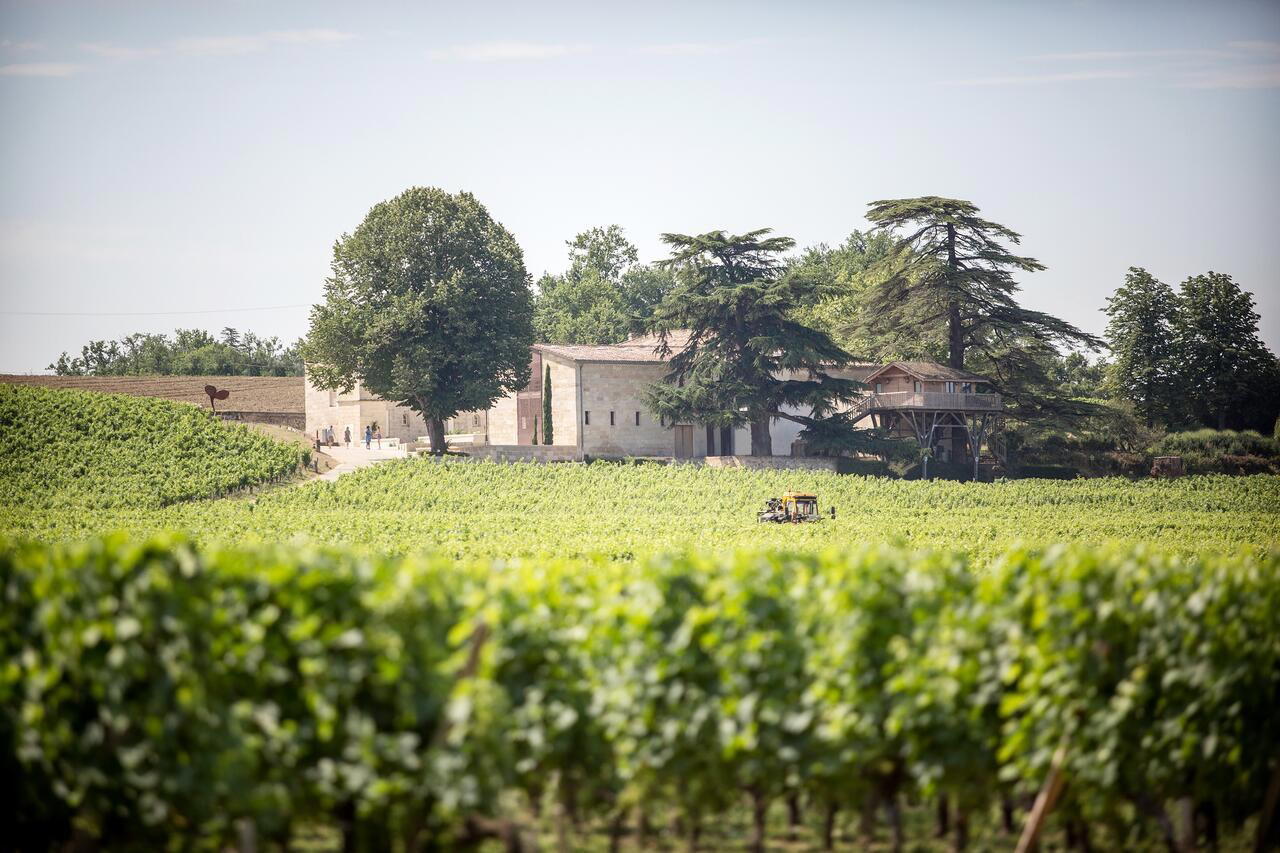
Château Rocheyron is a small Saint-Émilion Grand Cru estate shaped by limestone, low yields and biodynamic farming rather than cellar-door theatre. Its 8.45 hectares, planted mainly to Merlot with Cabernet Franc, produce a focused Right Bank red under the stewardship of Peter Sisseck and Silvio Denz.

Pearl is the En Primeur Club membership app — saves, bookings, and concierge access live there. Same editors, same standards.
- Address
- Lieu dit, 33330 Saint-Christophe-des-Bardes, France
- Phone
- +33 5 57 40 34 99
- Hours
- Mon–Fri 9 AM–12:30 PM, 2–5:30 PMSat–Sun Closed
- Directions
- Get directions

Château Rocheyron is a small, historic Right Bank estate in Saint-Émilion, set within the limestone-plateau context that gives this part of Bordeaux much of its identity. The picture is deliberately focused: a terroir-driven property where the emphasis is on biodynamic farming, low yields and gentle vinification rather than spectacle. For travellers and collectors, that makes the estate less useful as a place to summarize Saint-Émilion in broad strokes and more useful as a concentrated example of how a careful, site-led approach can shape long-lived wines.
Because the confirmed public details are limited, the honest way to read Château Rocheyron is through those core facts rather than through claims about exact acreage, grape percentages, production volumes, cellar equipment, founders, scores or visit formats. What can be said with confidence is that the estate’s identity is tied to limestone, restraint and meticulous vineyard work. It sits in the premium end of the market, with pricing listed as $$$$, and its appeal is strongest for people who already care about the relationship between farming, site and longevity in Saint-Émilion wine.
Limestone, biodynamics and the small-estate Saint-Émilion argument
Saint-Émilion is often discussed through reputation, classification and collector demand, but Château Rocheyron is best framed through place. The description places it on the Saint-Émilion limestone plateau, and that matters because limestone is one of the key lenses through which serious Right Bank wines are understood. Rather than presenting the estate as a broad hospitality destination, the available facts point to a quieter, more exacting property where the vineyard is the main subject.
Biodynamic farming is central to that identity. The term should not be treated as decoration or marketing shorthand here; within the profile, it is one of the few specific practices that defines the estate. Alongside low yields, it suggests a producer more interested in precision and expression than volume. That does not justify inventing technical details, certification timelines or cellar methods, but it does support a clear reading of Château Rocheyron as a property shaped by careful farming and a close reading of its site.
Gentle vinification is the other confirmed pillar. In practical terms, the phrase signals an approach that aims to avoid overwhelming the character of the fruit and the vineyard. The facts describe the wines as elegant and long-lived, which is an important distinction: the estate is not being presented as a casual, easy-drinking stop, but as a serious Saint-Émilion address where restraint and ageing potential are part of the appeal.
A premium Saint-Émilion estate, without inflated claims
The temptation with a property like Château Rocheyron is to fill in the gaps with the usual Bordeaux language: exact blends, barrel regimes, critic scores, vintage rankings, named owners, production numbers and tasting-room assumptions. The stronger editorial choice is to keep the profile narrow and accurate.
What remains is still meaningful. Château Rocheyron is a premium Saint-Émilion estate with a quietly meticulous, terroir-driven feel. Its position on the limestone plateau, its biodynamic orientation, its low-yield approach and its gentle vinification together create a coherent identity. Those points are enough to explain why the estate belongs in a serious Saint-Émilion wine itinerary, especially for visitors who value farming decisions and site expression over more general château tourism.
The $$$$ price marker also helps set expectations. This is not framed as an entry-level bottle or a casual add-on purchase. It is better understood as a high-end Saint-Émilion reference for drinkers who are looking for elegance, structure and longevity from a small historic Right Bank estate.
How to place it within a Saint-Émilion wine trip
Château Rocheyron fits best into an itinerary built around understanding Saint-Émilion through its limestone plateau and vineyard culture. It should be approached as a focused wine estate rather than as a dining venue or a general entertainment stop.
Within Saint-Émilion, the estate can be paired with other wine-focused stops and with unnamed local dining or hotel options as part of a broader trip. The useful comparison is not about ranking one address against another, but about seeing how different Saint-Émilion producers express site, farming choices and cellar restraint. Château Rocheyron’s confirmed character is precise: small, historic, limestone-plateau, biodynamic, low-yielding and gentle in vinification, with wines described as elegant and long-lived.
For readers building a route, the safest planning approach is to keep the confirmed facts separate from assumptions. Treat Château Rocheyron as a premium, terroir-led Right Bank estate in Saint-Émilion, verify visit logistics directly, and use the stop to think about how limestone, biodynamic farming and low yields can shape the profile of a serious Bordeaux wine.
Recognition history
Dated appearances from independent guides and award organizations, with the underlying list record or original source where available.
Michelin Main Selection
Michelin
Falstaff Winery - Listed
Falstaff
Continue exploring
More in Saint-Émilion
Wineries in Saint-Émilion
Browse all →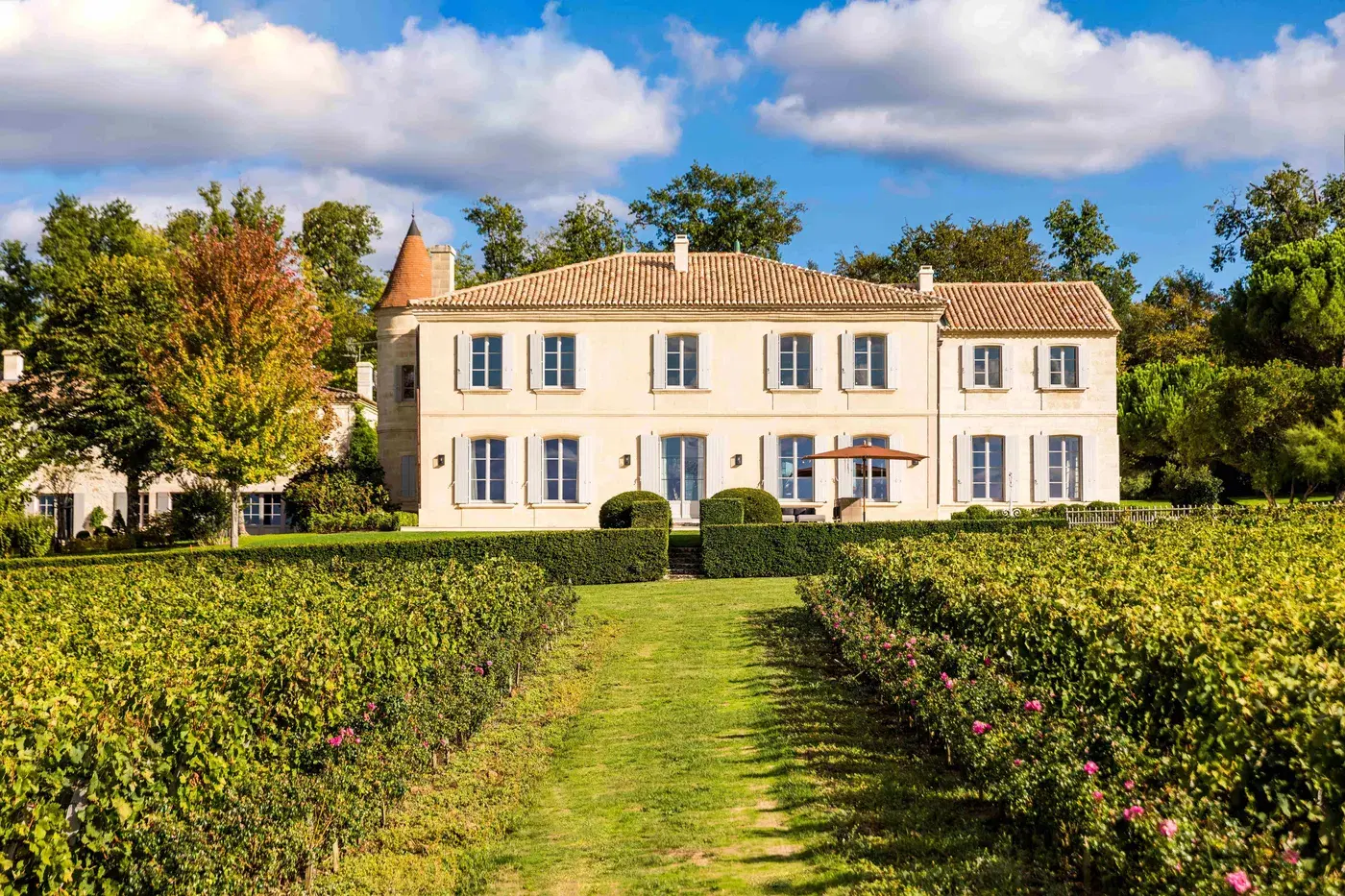
Bars in Saint-Émilion
Browse all →
Restaurants in Saint-Émilion
Browse all →
Details
- Classic
- Elegant
- Scenic
- Intimate
- Romantic Getaway
- Special Occasion
- Wine Education
- Solo Exploration
- Vineyard Tour
- Estate Grounds
- Historic Building
- Organic
- Biodynamic
- Sustainable
- Vineyard
- Merlot
- Cabernet Franc
- Still Red
Current opening hours
- Monday
- 9 AM–12:30 PM, 2–5:30 PM
- Tuesday
- 9 AM–12:30 PM, 2–5:30 PM
- Wednesday
- 9 AM–12:30 PM, 2–5:30 PM
- Thursday
- 9 AM–12:30 PM, 2–5:30 PM
- Friday
- 9 AM–12:30 PM, 2–5:30 PM
- Saturday
- Closed
- Sunday
- Closed
Hours can change for holidays and private events. Last verified .
A small, historic Right Bank estate on Saint-Émilion’s limestone plateau with a quietly meticulous, terroir-driven feel, emphasizing biodynamic farming, low yields and gentle vinification to craft elegant, long-lived wines rather than a tourist-focused visitor center.