Château Quintus

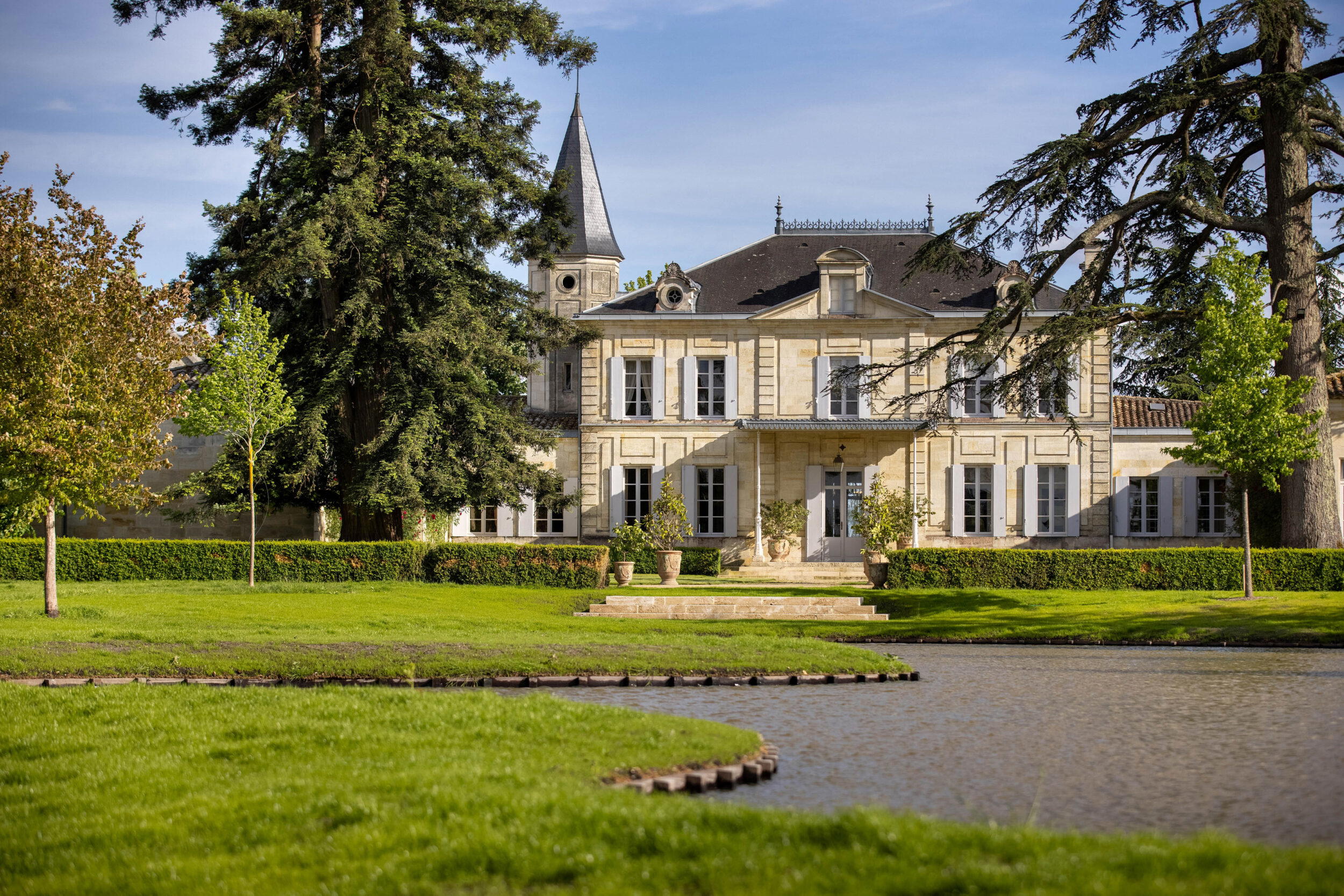
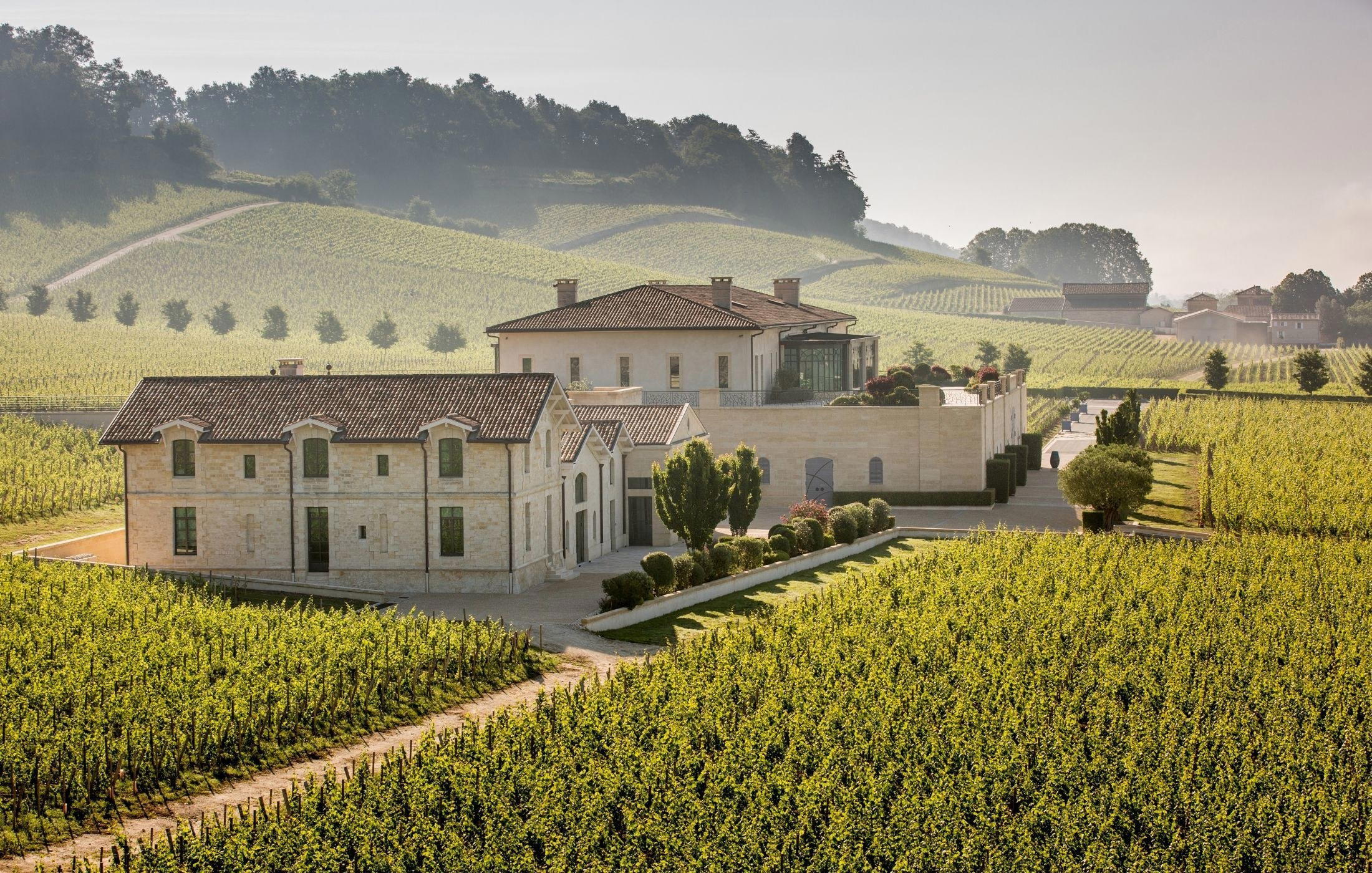
Château Quintus reads Saint-Émilion through height, limestone and biodiversity rather than spectacle. Created in 2011 under Domaine Clarence Dillon, the estate works roughly 42 hectares under vine on a high Right Bank promontory, with Merlot and Cabernet Franc shaped by slope, exposure and a rare Mediterranean green belt.
Pearl is the En Primeur Club membership app — saves, bookings, and concierge access live there. Same editors, same standards.
- Address
- 601 Daugay, 33330 Saint-Émilion, France
- Phone
- +33 5 57 24 69 44
- Website
- chateau-quintus.com
- Directions
- Get directions
 Saves & bookings on Pearl
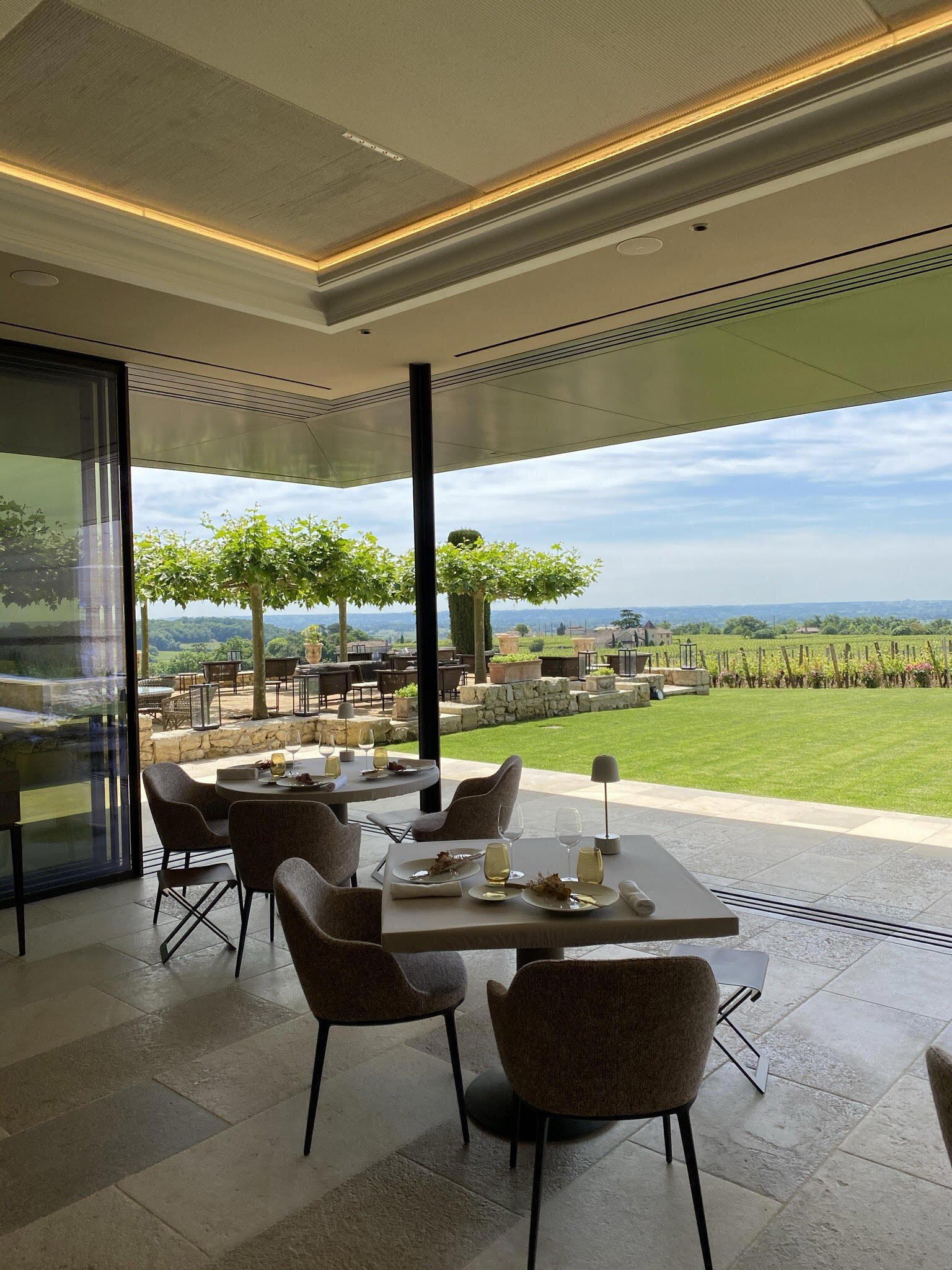
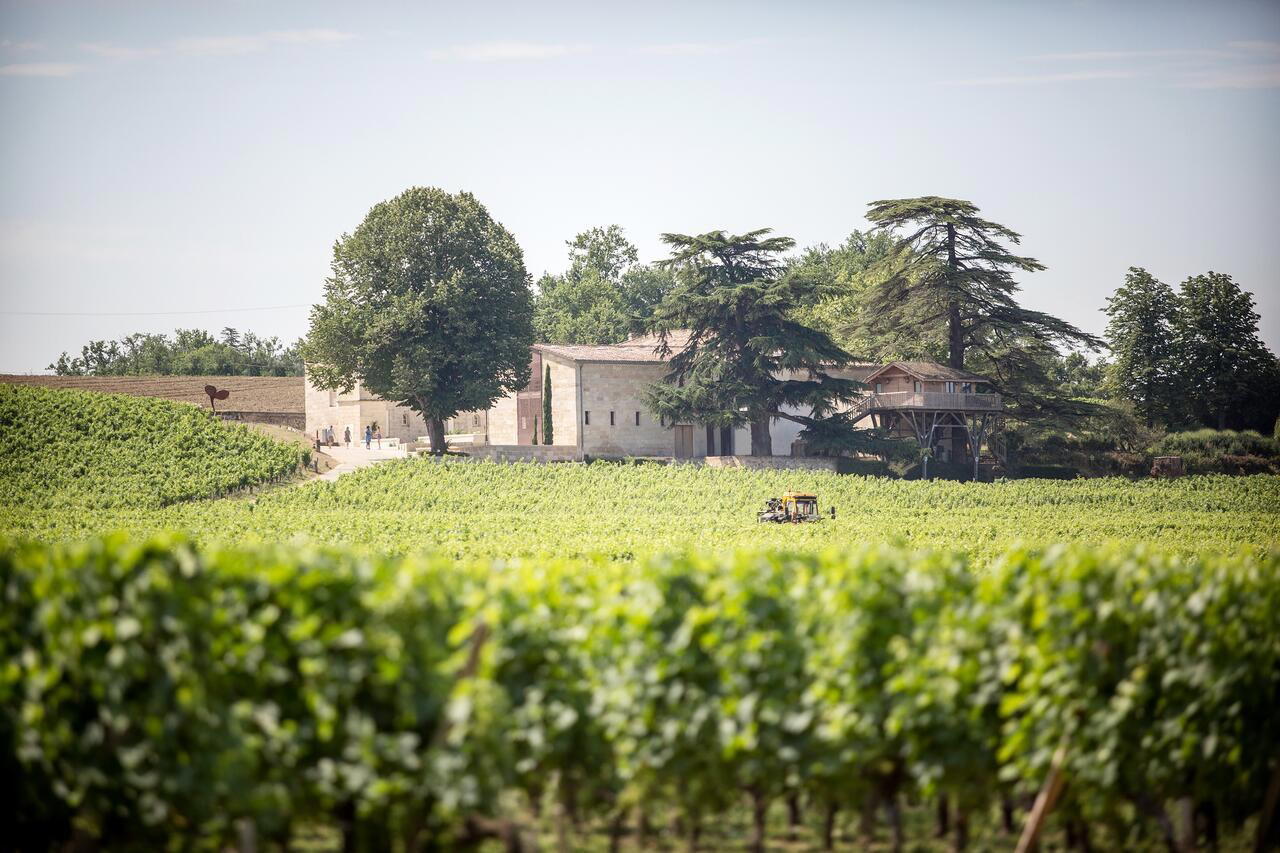
Château Quintus is best understood through its setting in Saint-Émilion: a serene, high-perched Right Bank Bordeaux estate with panoramic vineyard views. The picture is one of elevation, openness and vineyard landscape rather than a page built around unconfirmed service details, rankings or production claims. For EP Club readers, the useful takeaway is simple: this is a refined, scenic estate where the atmosphere is closely tied to Saint-Émilion limestone terroir and a nature-immersed sense of place. Its identity comes across most clearly when approached as part of the landscape, with the estate’s calm presence and broad outlook doing much of the storytelling.
The estate’s appeal rests on a combination of historic Saint-Émilion context and a distinctive natural frame. Its position above the surrounding vineyards gives the experience a broad, contemplative quality, while the presence of a rare belt of Mediterranean vegetation adds a softer ecological edge to the landscape. Those are the grounded details to keep in view. They also explain why the estate reads less as a checklist destination and more as a place where setting, terrain and atmosphere are central to the appeal.
A limestone promontory that defines the Saint-Émilion expression
Saint-Émilion is inseparable from limestone, and Château Quintus is described through that historic limestone terroir. That does not require overstatement. Without parcel data, elevation figures, grape ratios or technical cellar information, one accurate way to read the estate is through the broader sensory and geographical impression: high ground, vineyard panoramas, limestone identity and Right Bank Bordeaux calm. The result is a portrait shaped by place rather than by technical detail, which is often a reliable way to understand a venue when confirmed practical information is limited.
This makes Château Quintus especially relevant for travellers who care about landscape as much as labels. The setting suggests a more reflective kind of wine-country visit, where the view, the slope and the surrounding vegetation shape the mood. The price category is $$$$, so visitors should also understand it as a premium Saint-Émilion stop rather than a casual, low-cost outing. In that sense, its value lies in the combination of setting and refinement: a polished Right Bank address where the visual experience is part of what defines the visit.
Treat the winery as a scenic and elegant estate experience in Saint-Émilion, then confirm any practical visit requirements directly before going. That approach keeps expectations accurate while still leaving room to appreciate the estate’s most reliable strengths: its refined setting, vineyard outlook and quiet sense of place.
Biodiversity is part of the estate logic, not a decorative claim
Among the more distinctive details about the winery is the rare belt of Mediterranean vegetation around the estate. That matters because it gives the property a more nature-immersed identity than a simple vineyard panorama alone. The atmosphere is not just polished; it is also framed by plant life, open views and the feeling of a high, calm Right Bank site. The surrounding vegetation gives the estate a gentler edge, softening the formality that can sometimes attach to premium Bordeaux addresses.
It would be inaccurate, however, to turn that setting into unsupported technical claims about farming methods, biodiversity programs, soil management or vineyard certification. The grounded point is visual and atmospheric: the winery blends historic Saint-Émilion limestone terroir with a distinctive natural environment. That combination is enough to explain why the estate can feel both elegant and quietly removed from a more crowded wine-route rhythm. It also gives the visit a specific character: not only a stop among vines, but a setting where the vineyard landscape appears in dialogue with surrounding plant life.
For visitors, this distinction helps set expectations. Its confirmed appeal is as a premium Saint-Émilion estate with panoramic vineyard views and a refined, nature-led mood. The emphasis should remain on what can be stated with confidence: a calm, refined property whose landscape helps define the experience.
How to read the visit within a wider Saint-Émilion itinerary
Within a Saint-Émilion itinerary, the winery works well as a scenic anchor: a place to understand the landscape, the limestone setting and the refined Right Bank atmosphere. Build the rest of the day around other dining, lodging or wine-country stops in Saint-Émilion generically, rather than relying on claims about what is offered on site. Seen this way, the estate functions as a contextual stop, helping frame the wider area through its views, elevation and calm vineyard setting.
The practical profile is intentionally concise. Price is listed as $$$$, and the atmosphere is scenic, elegant and calm. The estate is in Saint-Émilion, with panoramic vineyard views and a refined setting shaped by historic limestone terroir and Mediterranean vegetation. Those facts are enough to position it for travellers seeking a premium, landscape-forward Bordeaux experience. They also help separate confirmed character from speculation, which is important when planning a polished wine-country day.
If you are comparing options, keep the winery in its own lane: a high-perched Saint-Émilion estate defined by view, terroir and atmosphere. It is best approached with an eye for place, patience for the landscape and a preference for quiet refinement over overstated promises.
Recognition history
Dated appearances from independent guides and award organizations, with the underlying list record or original source where available.
Falstaff Winery - Listed
Falstaff
Continue exploring
More in Saint-Émilion
Wineries in Saint-Émilion
Browse all →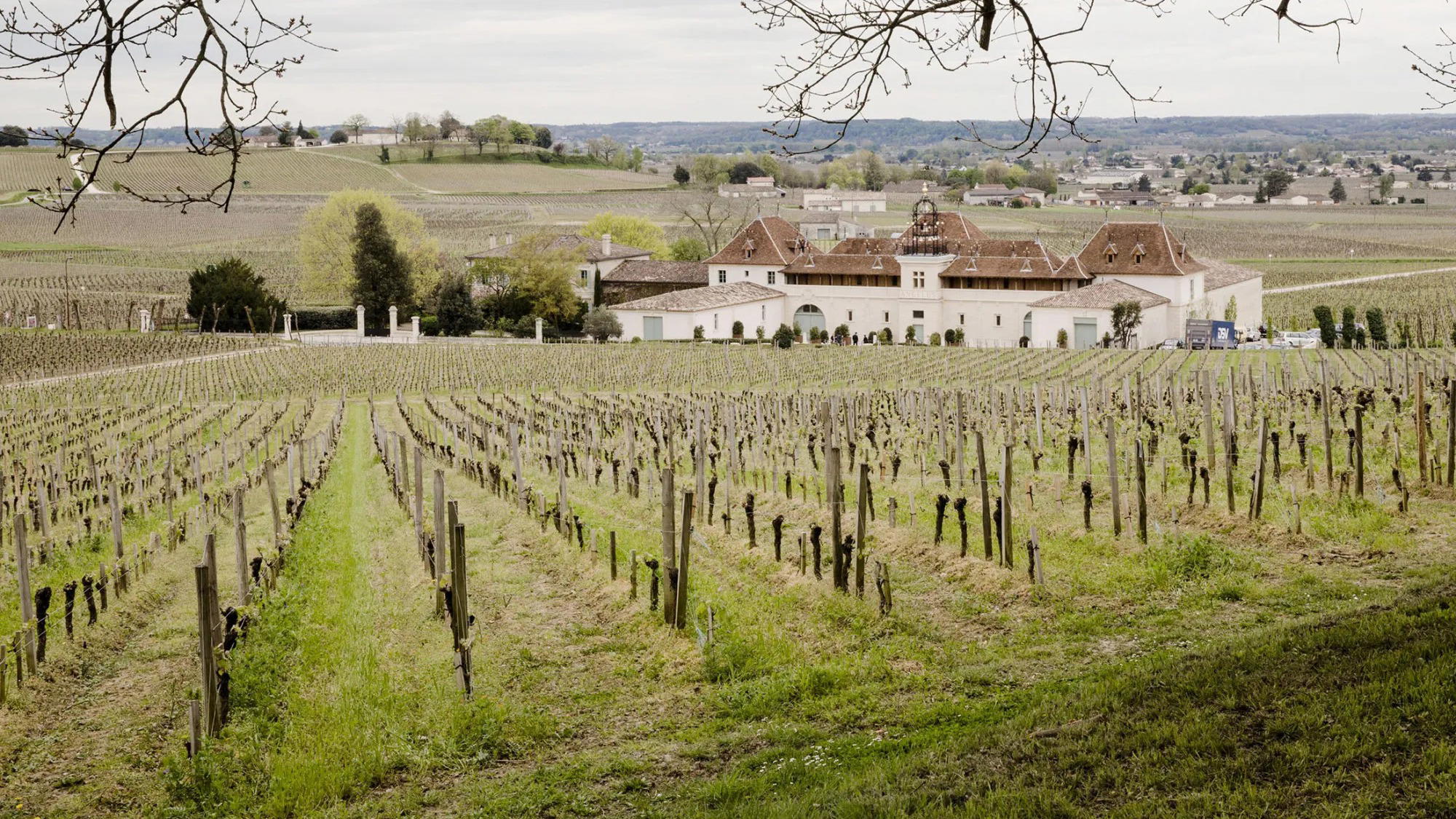
Bars in Saint-Émilion
Browse all →
Restaurants in Saint-Émilion
Browse all →
At a Glance
- Scenic
- Elegant
- Classic
- Well Known
- Romantic
- Sophisticated
- Romantic Getaway
- Group Outing
- Wine Education
- Special Occasion
- Solo Exploration
- Vineyard Tour
- Estate Grounds
- Panoramic View
- Historic Building
- Private Tasting
- Sustainable
- Vineyard
- Garden
- Saint Émilion Grand Cru AOC
- Merlot
- Cabernet Franc
- Still Red
- Estate Flight
- Vertical Tasting
- Private Guided Tasting
Current opening hours
- Monday
- Closed
- Tuesday
- Closed
- Wednesday
- Closed
- Thursday
- Closed
- Friday
- Closed
- Saturday
- Closed
- Sunday
- Closed
Hours can change for holidays and private events. Last verified .
A serene, high-perched Right Bank Bordeaux estate with panoramic vineyard views, blending historic Saint-Émilion limestone terroir and a rare belt of Mediterranean vegetation into a refined, nature-immersed atmosphere.