Château Petit Gravet Aîné

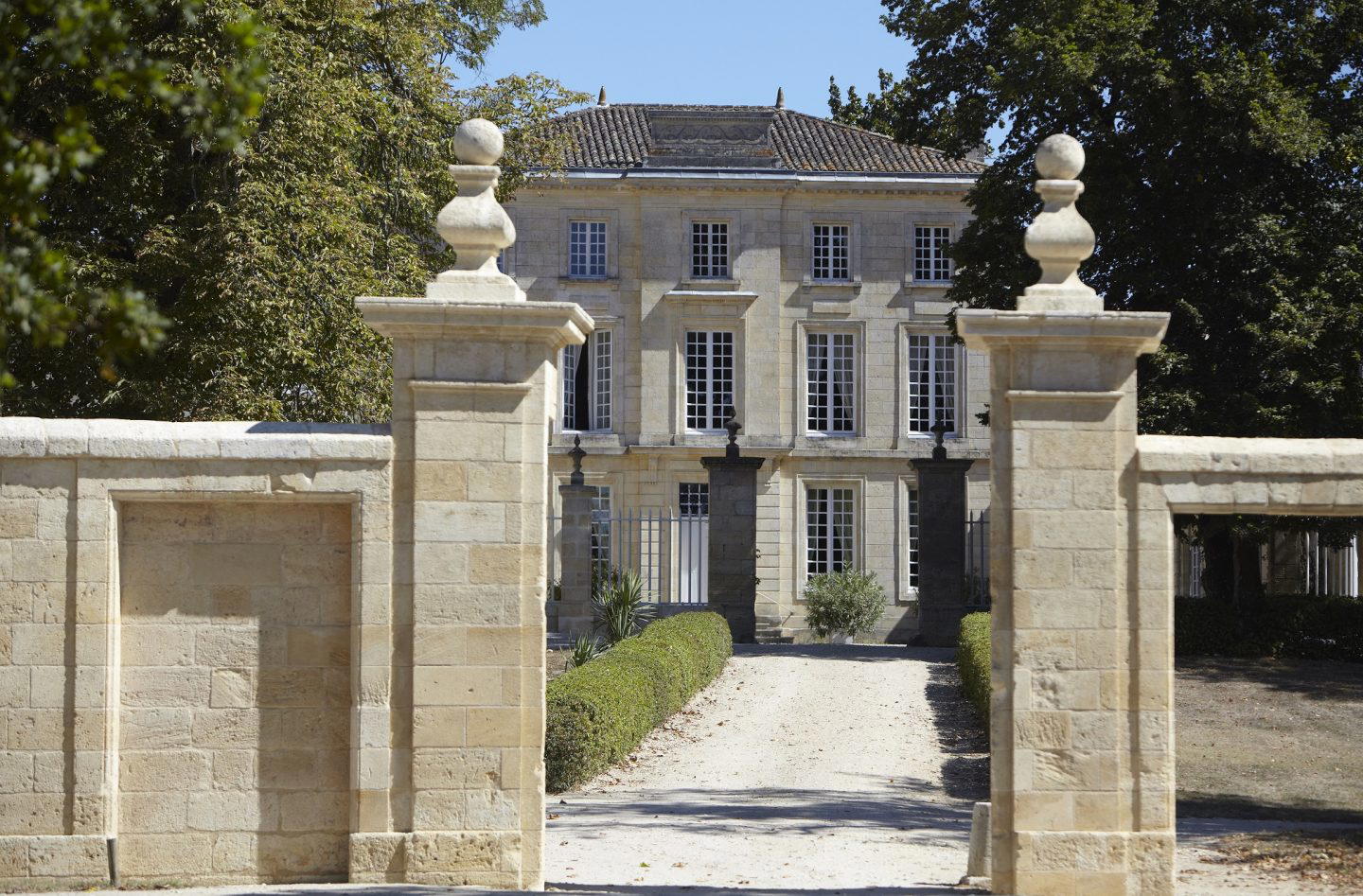
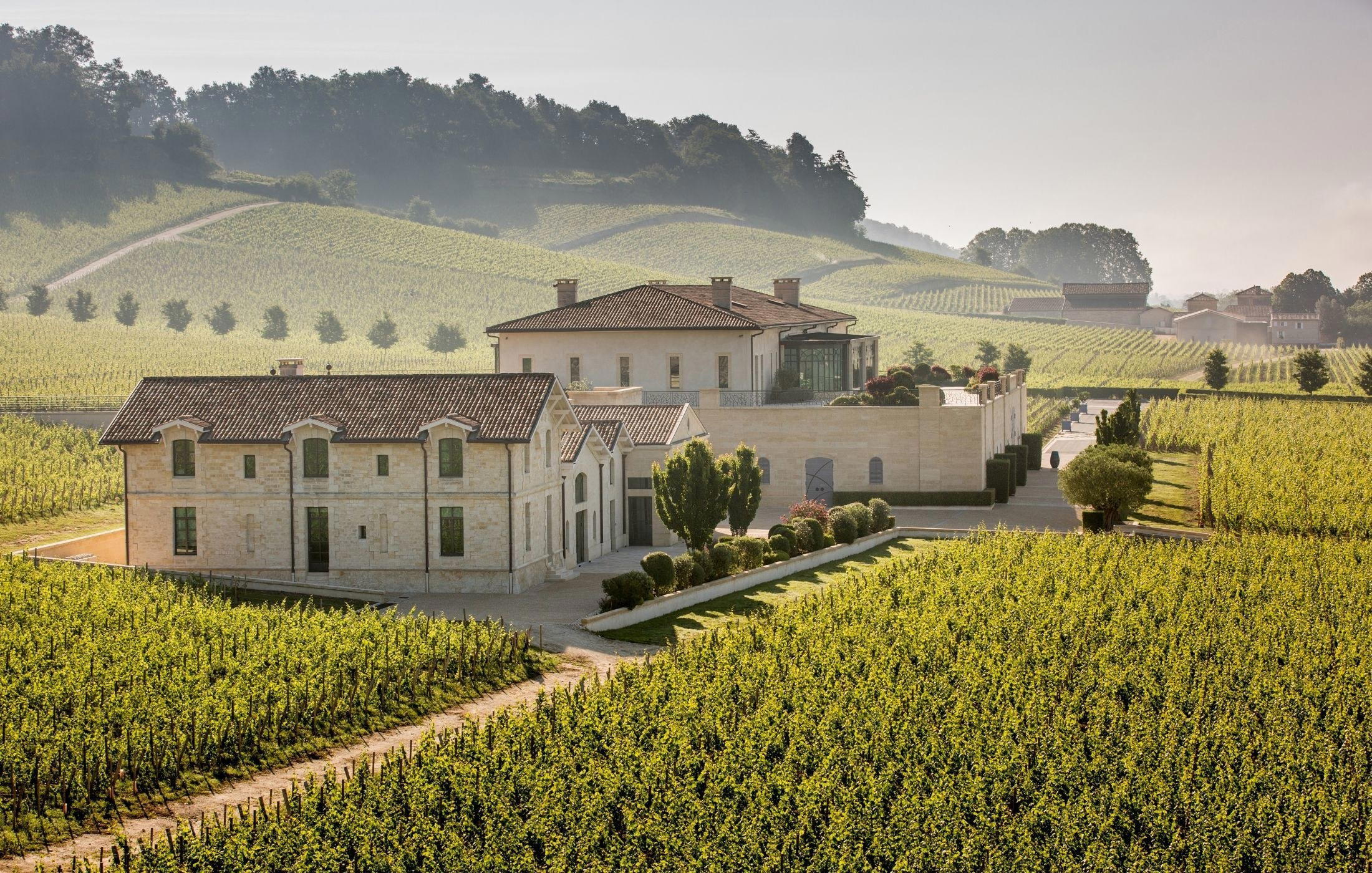
Château Petit Gravet Aîné is a small Saint-Émilion estate shaped by clay-limestone soils, old vines and an unusually Cabernet Franc-led profile for the appellation. Its 3.66 hectares and annual production of about 7,000 bottles place it in the low-volume, collector-minded tier of right-bank Bordeaux, with recent vintages drawing strong scores from Jeb Dunnuck, Vinous and other critics.
Pearl is the En Primeur Club membership app — saves, bookings, and concierge access live there. Same editors, same standards.
- Address
- Saint-Émilion, Libournais, Nouvelle-Aquitaine, Frankreich
 Saves & bookings on Pearl
Château Petit Gravet Aîné is an intimate right-bank Bordeaux estate in Saint-Émilion. The profile is focused rather than broad: it is known for Saint-Émilion Grand Cru wines dominated by old-vine Cabernet Franc, with a character described through exotic, floral and mineral-driven notes. For serious enthusiasts, the appeal is less about a public hospitality narrative and more about a refined yet powerful expression of the appellation, where the interest sits in the glass and in the way the estate’s style sharpens familiar right-bank expectations.
One grounded way to approach Château Petit Gravet Aîné is as a wine-focused Saint-Émilion estate with a $$$ price profile and a romantic, intimate mood, rather than as a venue with confirmed public tasting times or a documented visitor format. In practical terms, that means treating it first as a name to understand stylistically, not as a fully mapped visitor stop with every logistical detail already established.
Cabernet Franc shifts the Saint-Émilion conversation
Château Petit Gravet Aîné is distinctive in the record for Saint-Émilion Grand Cru wines dominated by old-vine Cabernet Franc. That matters because Cabernet Franc can bring a different kind of focus to right-bank Bordeaux: aromatic lift, floral detail and mineral tension, alongside structure and power. In a region often approached through broad assumptions about plushness and depth, that grape emphasis helps make the estate feel more specific and more sharply drawn.
The estate’s identity is best understood through that balance. Its wines are described as exotic, floral and mineral-driven, with a refined yet powerful character. Those descriptors point to a style that is not simply about weight, but about contrast: perfume against firmness, elegance against concentration, and a sense of mineral line within a serious Saint-Émilion frame.
For readers assessing the estate, the strongest confirmed point is stylistic rather than numerical. The winery appeals to serious enthusiasts who are interested in a Cabernet Franc-led expression of Saint-Émilion Grand Cru, especially where intimacy and right-bank character matter more than scale or spectacle. It is a useful reminder that the appellation can be read through nuance as much as through reputation, and that grape emphasis can change the way a familiar place presents itself.
Old-vine identity and a focused profile
The information supports the old-vine Cabernet Franc identity, but it does not confirm precise acreage, annual bottle production or ownership history. Those details should therefore be left aside unless confirmed directly by the estate or another reliable current source. For a venue page, that restraint is important: it keeps the focus on what is actually established, rather than filling gaps with assumptions that may not reflect the current estate.
What can be said is narrower and more useful: the winery is presented as an intimate estate in Saint-Émilion, with wines that lean into floral, exotic and mineral-driven expression. That makes it a distinctive reference point for drinkers looking beyond generic Bordeaux categories. Instead of reducing the estate to a checklist of production facts, it is better understood as a focused stylistic marker within the broader Saint-Émilion landscape.
The $$$ price indication also places it in a premium context without implying any confirmed tasting fee, bottle price, menu, tour structure or retail availability. Treat the price marker as a broad planning signal, not as a substitute for current estate information. It suggests the kind of expectations a traveller or collector may bring, while still requiring direct confirmation for anything transactional or visit-specific.
How to place it in a Saint-Émilion itinerary
For travellers building a wine-led stay in Saint-Émilion, the winery belongs in a more serious right-bank itinerary. Its mood is intimate and romantic, and its appeal is strongest for drinkers already interested in the difference between broader Saint-Émilion expectations and a Cabernet Franc-dominated Grand Cru profile. It is the kind of estate to consider when the goal is not just to visit famous names, but to understand how a focused identity can shape the experience of a place.
Use the wider Saint-Émilion plan to give the wine context. For château-focused research, start with Our full Saint-Émilion wineries guide, then cross-reference local dining through Our full Saint-Émilion restaurants guide, hotels through Our full Saint-Émilion hotels guide, bars through Our full Saint-Émilion bars guide and cultural planning through Our full Saint-Émilion experiences guide. Nearby wine research on EP Club can also stay focused on the winery and other unnamed Saint-Émilion options. That broader structure helps keep the estate in proportion: as a serious wine reference within a complete Saint-Émilion stay, rather than a standalone claim about hospitality.
For readers extending the cellar map beyond a single stop, the useful comparison is not a ranking. It is the habit of reading wine through place, grape emphasis and style before leaning on unconfirmed production figures, scores or hospitality claims. The winery fits that approach well, because the clearest available picture is one of intimacy, old-vine Cabernet Franc, and a refined but powerful Saint-Émilion Grand Cru expression.
Recognition history
Dated appearances from independent guides and award organizations, with the underlying list record or original source where available.
Falstaff Winery - Listed
Falstaff
Continue exploring
More in Saint-Émilion
Wineries in Saint-Émilion
Browse all →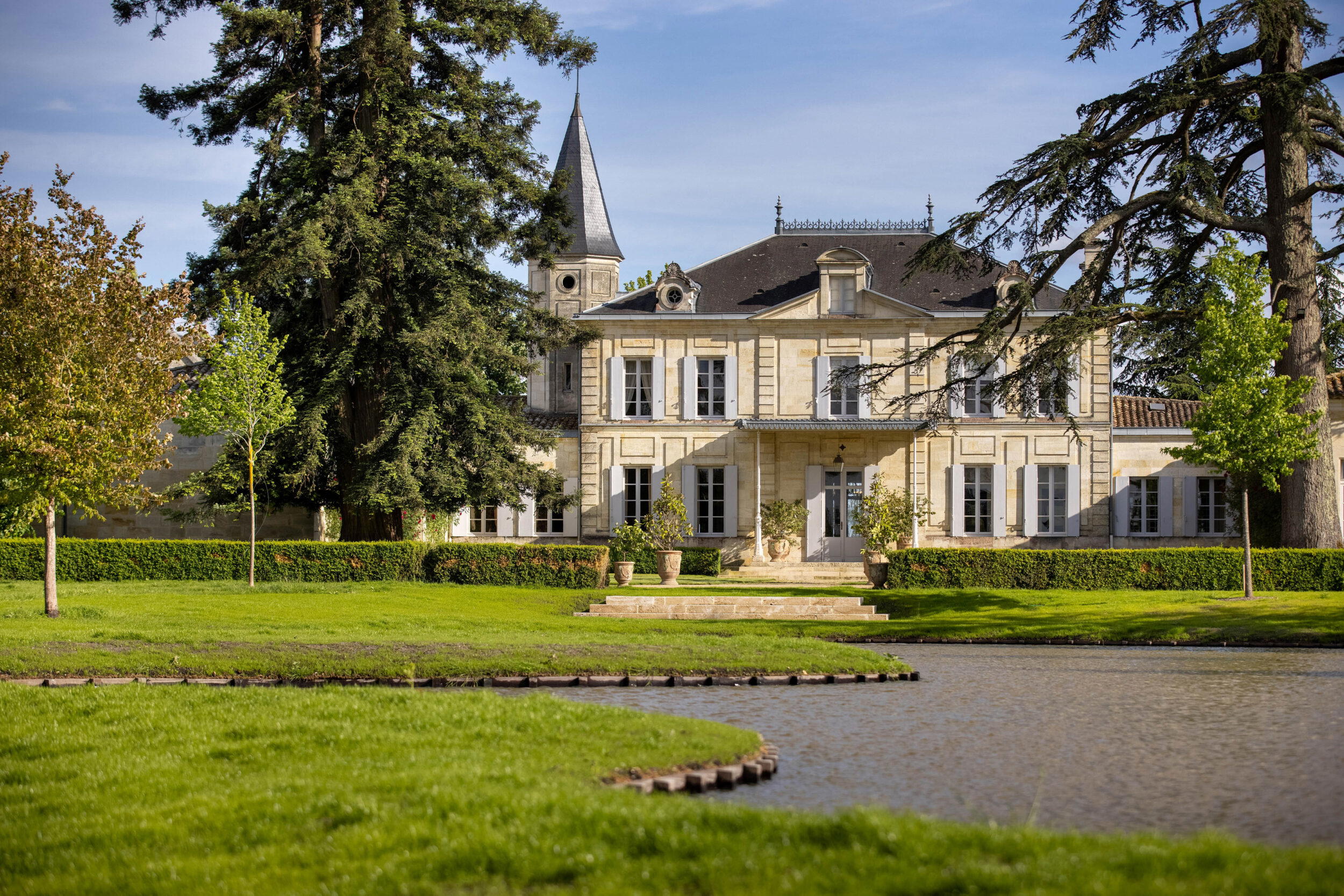
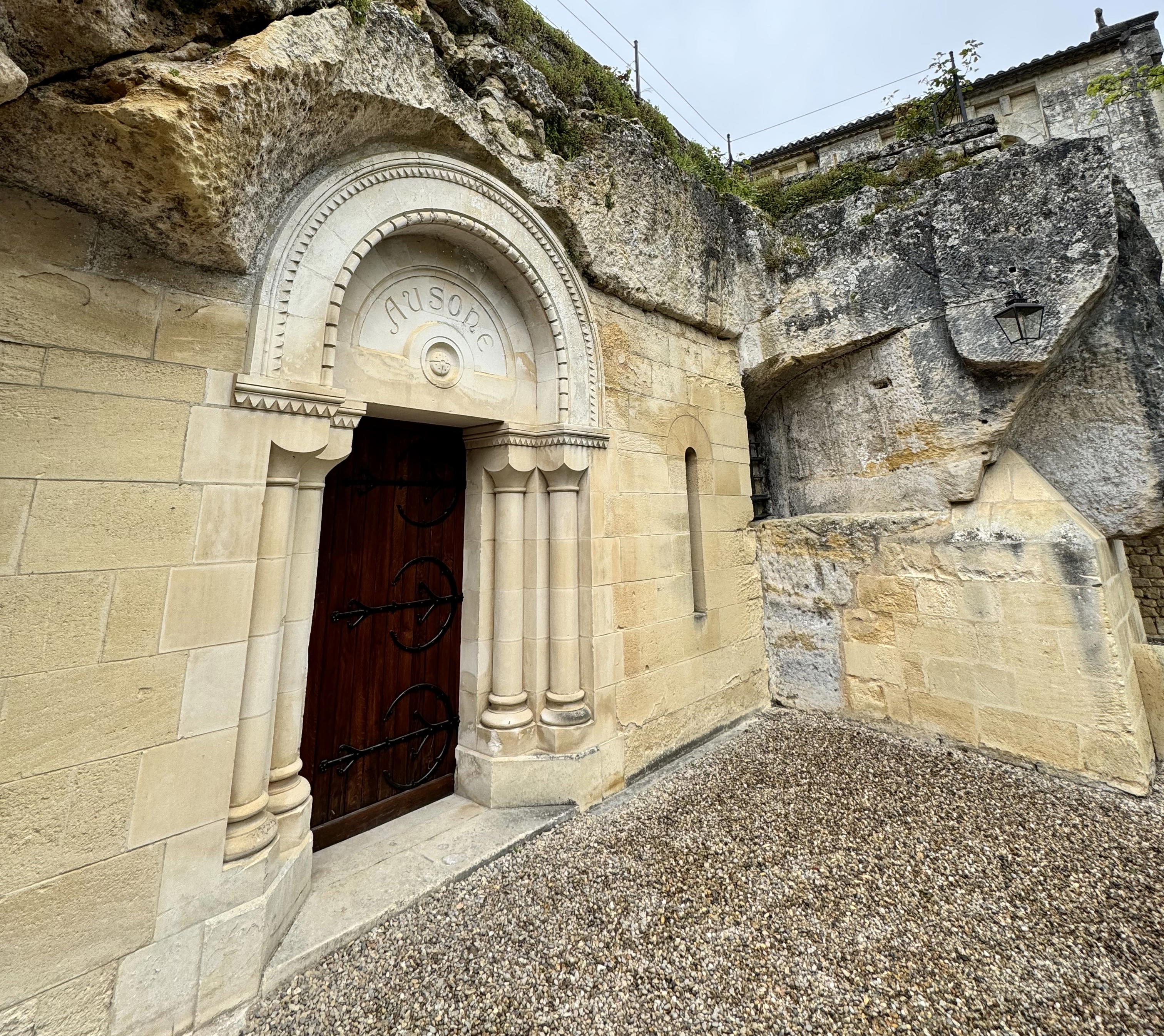
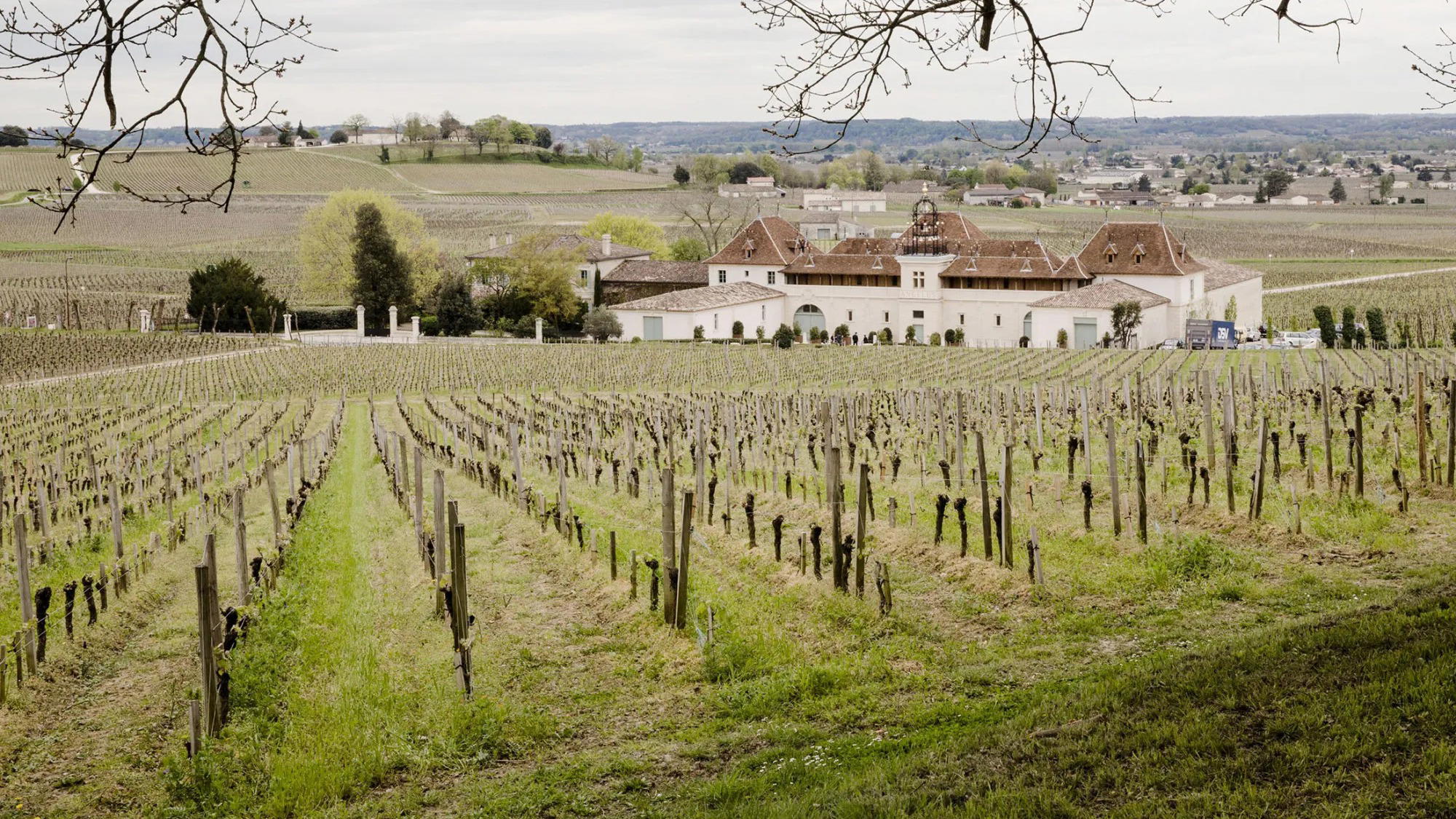
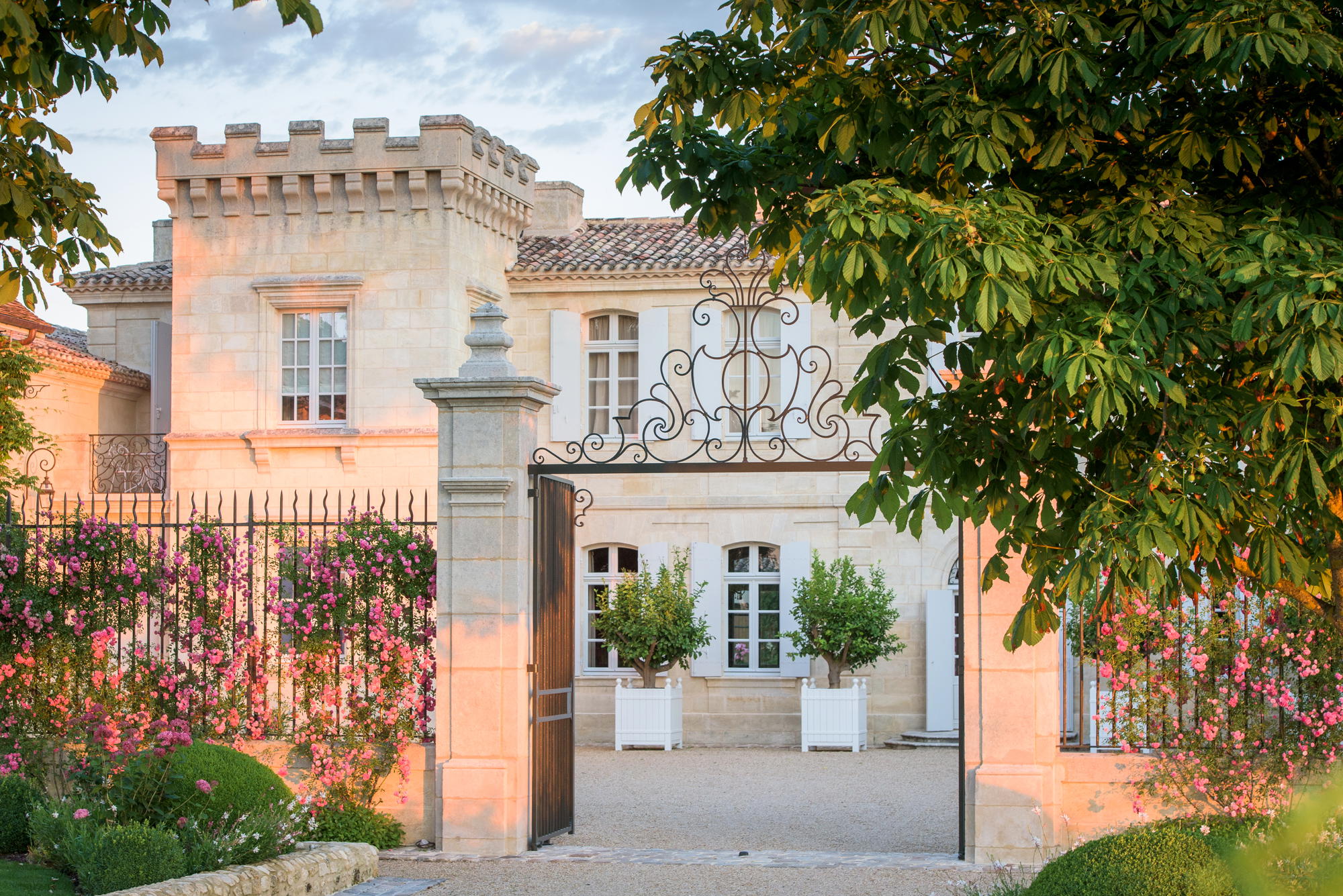
Bars in Saint-Émilion
Browse all →
Restaurants in Saint-Émilion
Browse all →
At a Glance
- Romantic
- Quiet
- Classic
- Intimate
- Sophisticated
- Romantic Getaway
- Solo Exploration
- Wine Education
- Special Occasion
- Estate Grounds
- Historic Building
- Sustainable
- Vineyard
- Saint Émilion Grand Cru AOC
- Cabernet Franc
- Merlot
- Still Red
- Standard Tasting
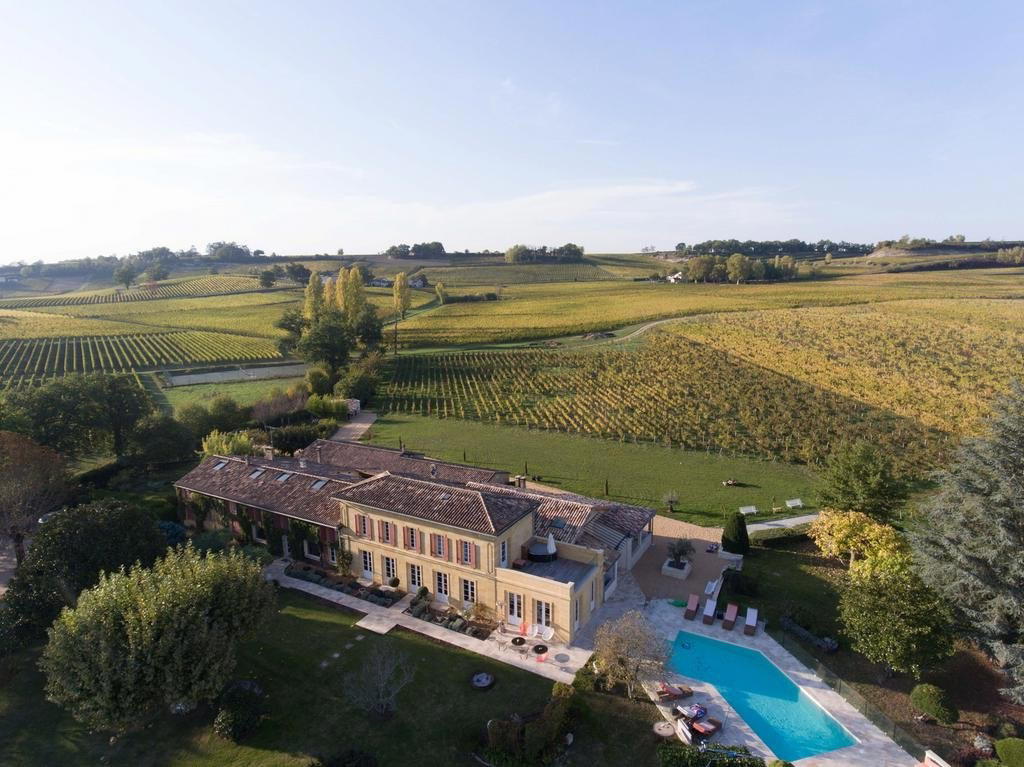
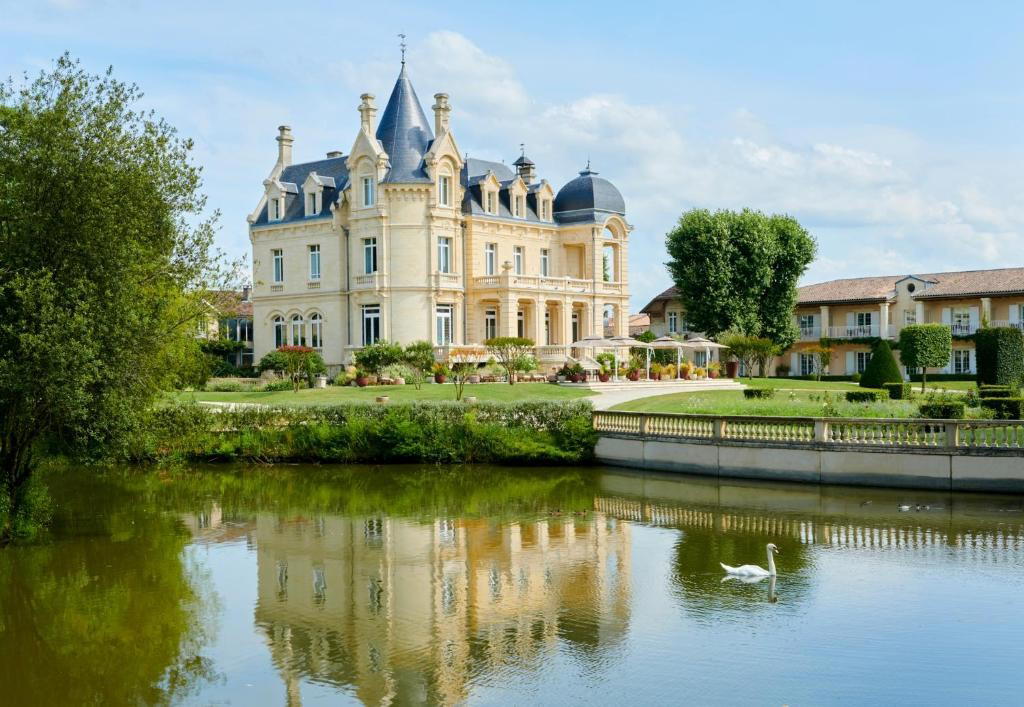
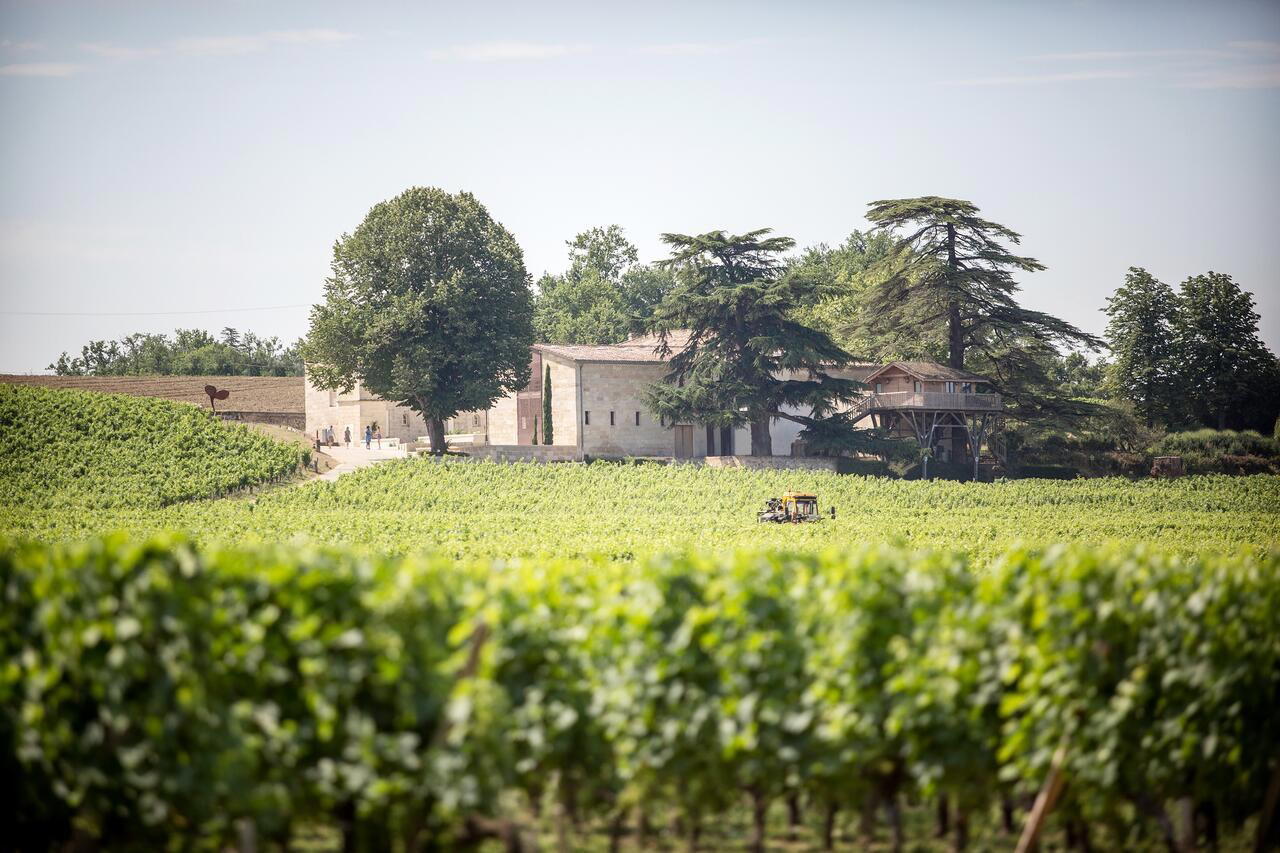
An intimate right-bank Bordeaux estate known for exotic, floral and mineral-driven Saint-Émilion Grand Cru wines dominated by old-vine Cabernet Franc, giving a refined yet powerful character that appeals to serious enthusiasts.