
Château Penin gives Génissac a grounded Bordeaux counterpoint to grand-label theatre: family continuity, gravel-driven Merlot, clairet, rosé and dry white wines shaped for clarity rather than display. The estate dates to 1854, works under HVE 3 certification, and suits travelers who want Bordeaux Supérieur context with practical, approachable tasting energy.
Pearl is the En Primeur Club membership app — saves, bookings, and concierge access live there. Same editors, same standards.
- Address
- Génissac, Bordeaux Superieur, Nouvelle-Aquitaine, Frankreich
- Directions
- Get directions
 Saves & bookings on Pearl
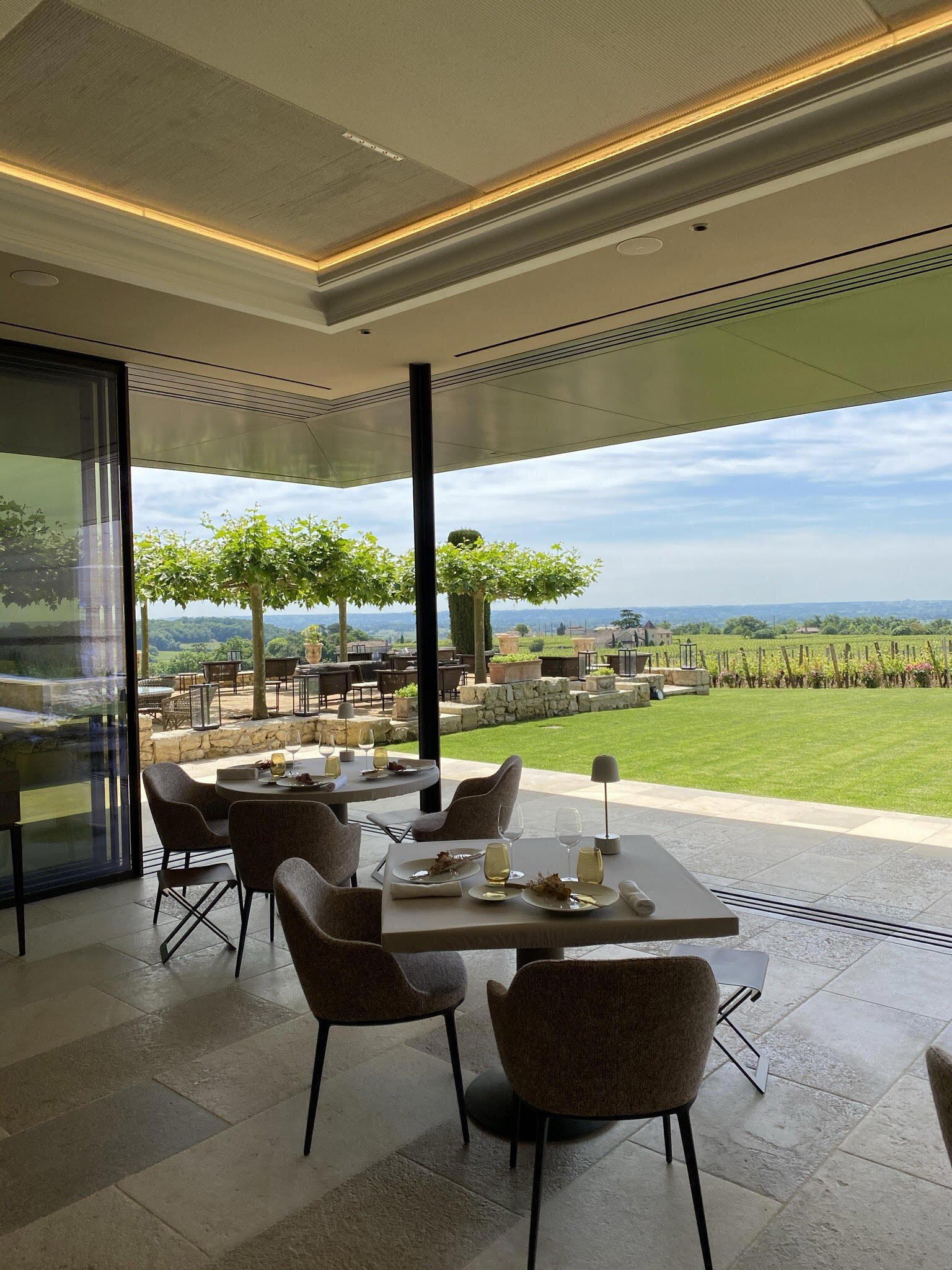
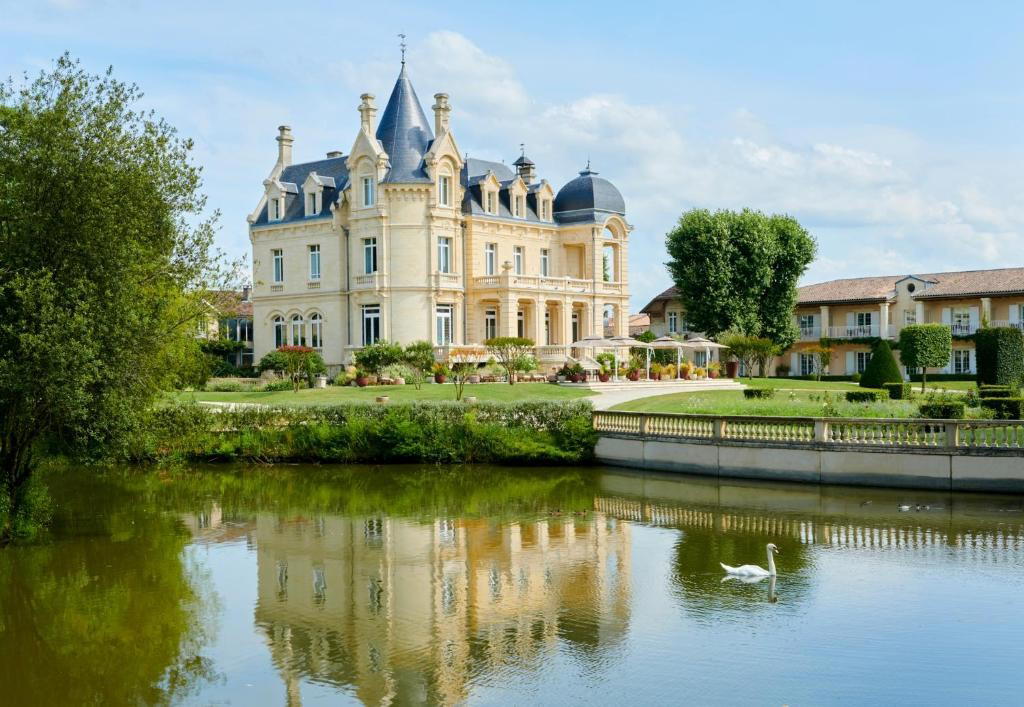
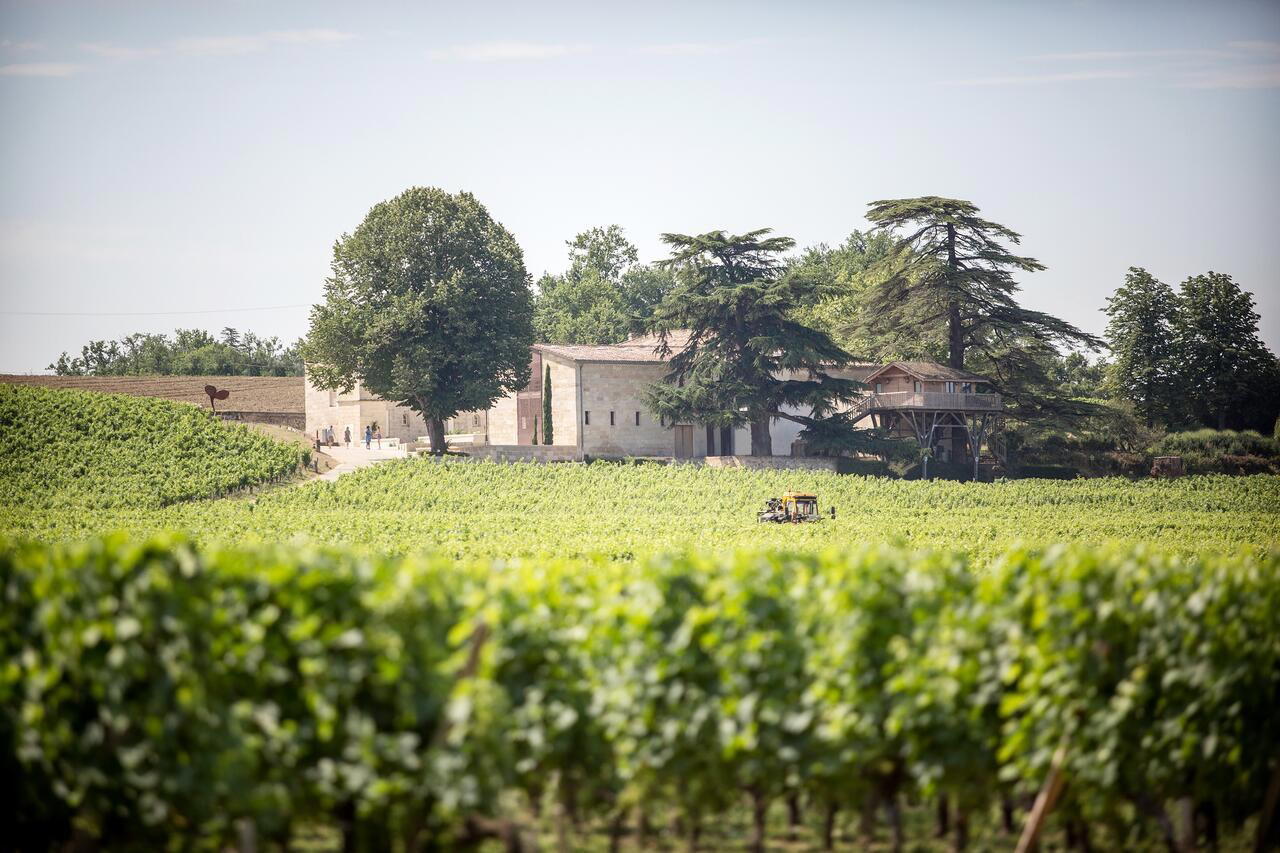
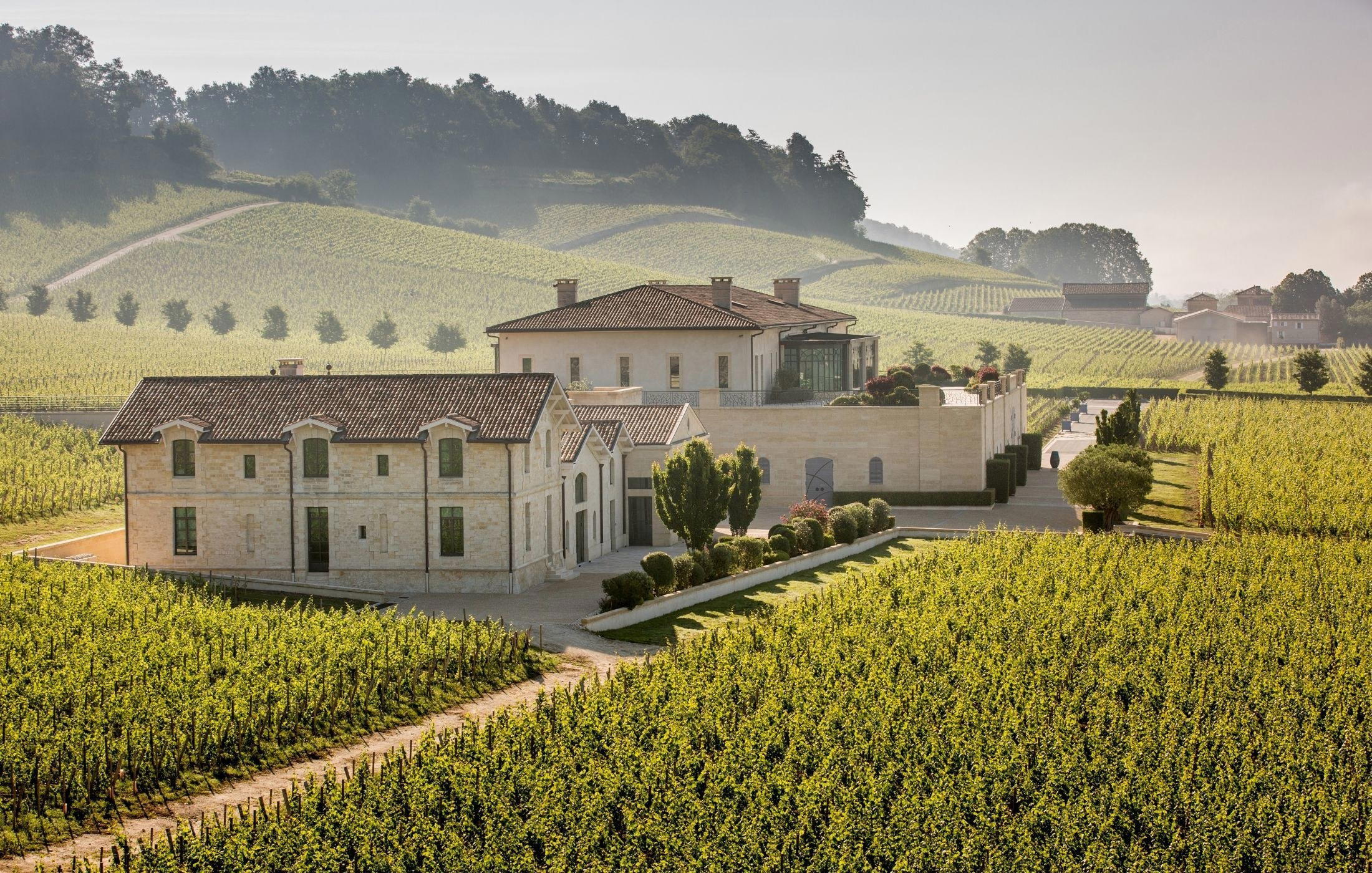
Château Penin in Genissac is best described through the essentials: a family-run Bordeaux estate on gravelly soils along the Dordogne, with a direct, convivial atmosphere. The appeal is not ostentation; it is a rustic, scenic setting where the emphasis is on terroir expression, sustainable farming and approachable wines built for pleasure. In that sense, the estate reads as an accessible point of entry into Bordeaux: not a place defined by spectacle, but by the more everyday realities of land, family stewardship and wines intended to be enjoyed without unnecessary ceremony.
What can be said with confidence is that Château Penin presents itself as a grounded Bordeaux estate rather than a luxury showpiece, with a focus on place, farming and accessible wine culture in Genissac. Its strength, based on the information available, lies in that clarity. The setting, the family-run character and the practical language around sustainability and terroir all point toward a visit shaped by substance rather than grandeur.
Gravel, terroir and the practical side of Bordeaux
A reliable way to frame Château Penin is through its site. The estate is associated with gravelly soils along the Dordogne, a setting that gives the visit its agricultural and scenic character. For travelers interested in Bordeaux beyond grand labels and formal prestige, that makes the property a useful stop: the story is about land, farming choices and drinkability. The gravelly context matters because it places the wine conversation close to the ground, literally and figuratively, encouraging visitors to think about how landscape and soil shape the identity of an estate.
The description points to sustainable farming and terroir expression, but it does not confirm specific grape varieties, cuvées, vineyard size, ageing methods, certifications or production figures. Those details should be checked directly with the estate before planning a visit around a particular wine style or technical claim. This is especially important in Bordeaux, where expectations can easily be shaped by assumptions about appellations, blends or cellar practices. Here, the safest reading is more general and more useful: the winery is presented as a place where farming choices and site expression are part of the appeal.
Price is listed as $$, which supports the overall impression of an approachable, pleasure-driven estate. Rather than presenting the winery as a trophy destination, it is more accurate to treat it as a convivial Bordeaux address in Genissac where the setting and the family-run character are central to the experience. The value of that approach is its modesty. It suggests a visit that can be appreciated for atmosphere, landscape and direct wine culture, without requiring the trappings of a highly polished luxury appointment.
Visitors interested in particular bottles, colors or formats should contact the winery directly before arranging a trip. That caution is not a drawback so much as a practical planning note: if a visit depends on a certain style of wine or a specific bottle being available, it is better to verify rather than assume. The estate’s broader profile is clear, but the fine details of what is poured or sold at any given moment are not established here.
What remains well grounded is the broader character: a Bordeaux estate focused on terroir, sustainable farming and approachable wines. That makes the estate relevant for travelers who want a less ceremonial view of the region, especially those who value a scenic, rustic atmosphere over luxury signaling. The winery’s appeal is therefore best understood in terms of tone as much as content. It belongs on the map for visitors who want Bordeaux to feel connected to farming and place, not only to reputation.
For planning, keep the expectations simple and evidence-based. The winery is a family-run Bordeaux estate in Genissac with $$ pricing and a convivial feel. Any more specific claims about awards, tasting duration, languages, parking, payment methods, grape varieties or visitor services should be checked directly before relying on them. This keeps the experience aligned with what is actually known and avoids turning a grounded estate profile into something more inflated than the available information supports.
Who should put this estate on a Genissac itinerary
The winery suits visitors looking for a relaxed Bordeaux estate experience in Genissac: scenic, rustic and centered on the relationship between soils, farming and wine. It is a better fit for travelers who appreciate approachable, terroir-minded estates than for those seeking a highly staged or ostentatious hospitality experience. The ideal visitor is someone who enjoys the quieter side of wine travel, where the pleasure comes from understanding a place and its character rather than chasing status or spectacle.
For a broader Genissac stay, pair the winery with other local dining or travel options as needed, while confirming current availability and services directly. The profile is intentionally focused: family-run Bordeaux estate, gravelly Dordogne setting, sustainable farming, convivial atmosphere and $$ pricing. Taken together, those points create a coherent picture of an estate whose appeal is rooted in accessibility, landscape and a direct sense of Bordeaux hospitality.
Recognition history
Dated appearances from independent guides and award organizations, with the underlying list record or original source where available.
Falstaff Winery - Listed
Falstaff
Continue exploring
More in Genissac
Wineries in Genissac
Browse all →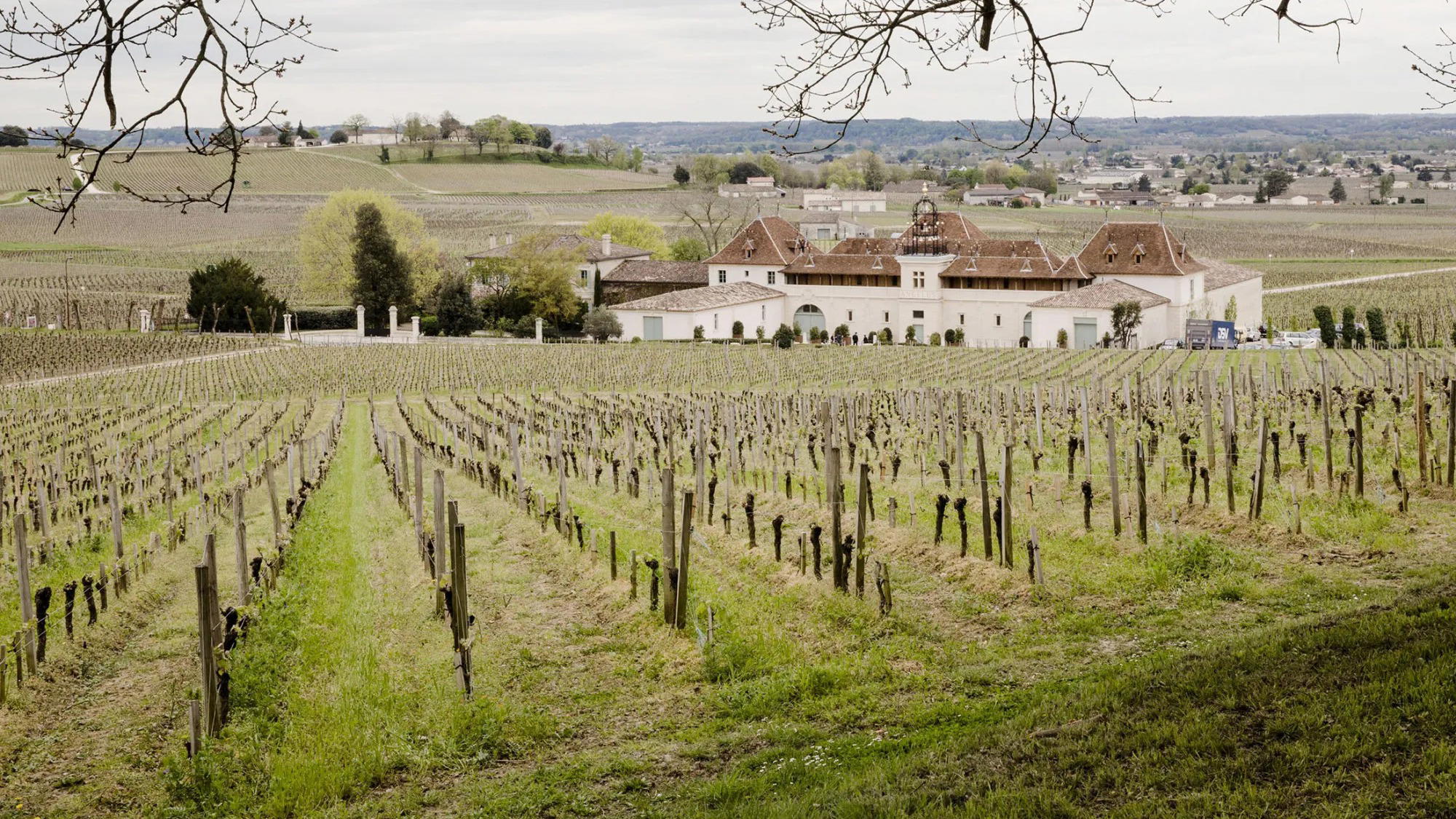
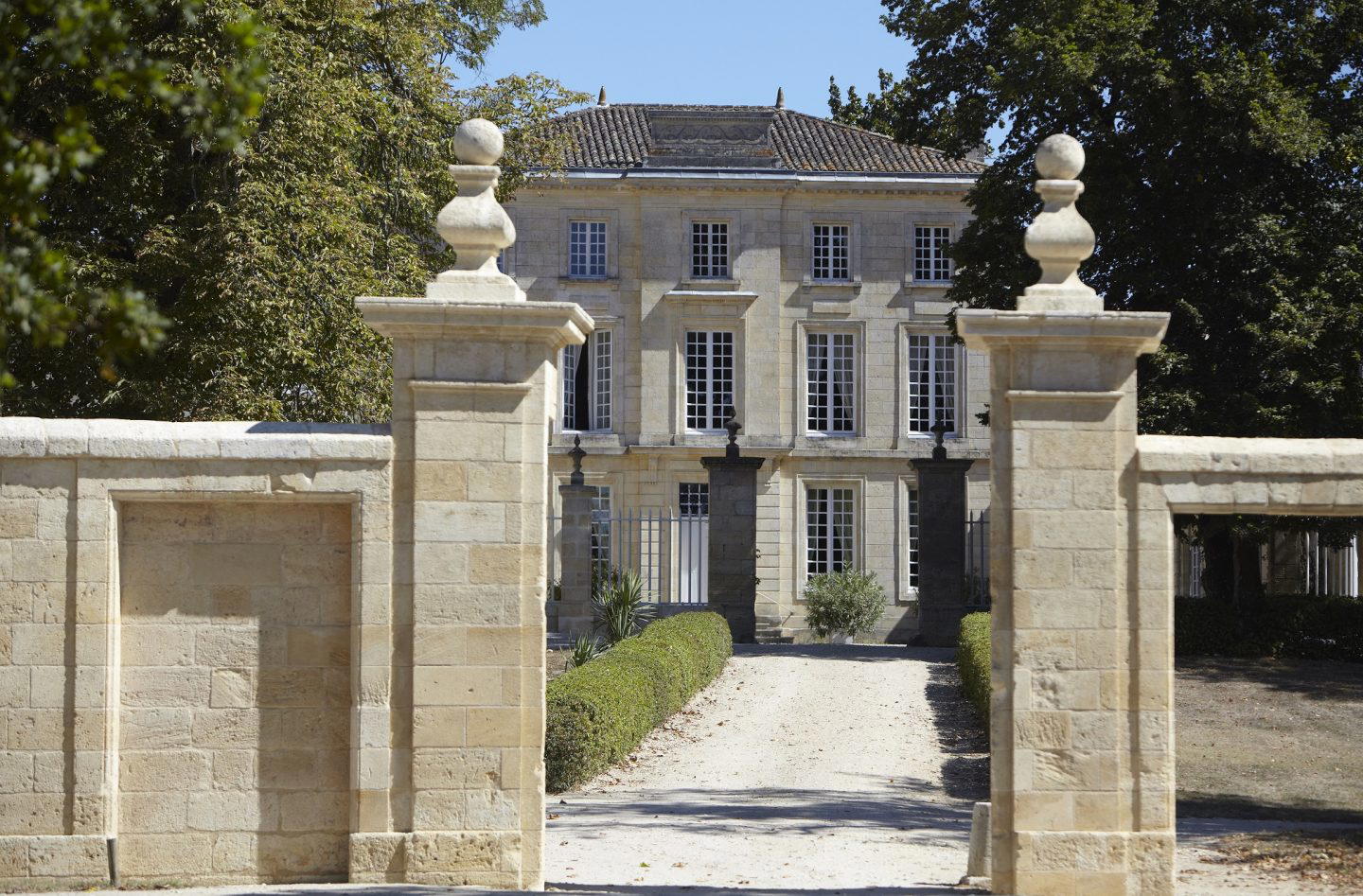
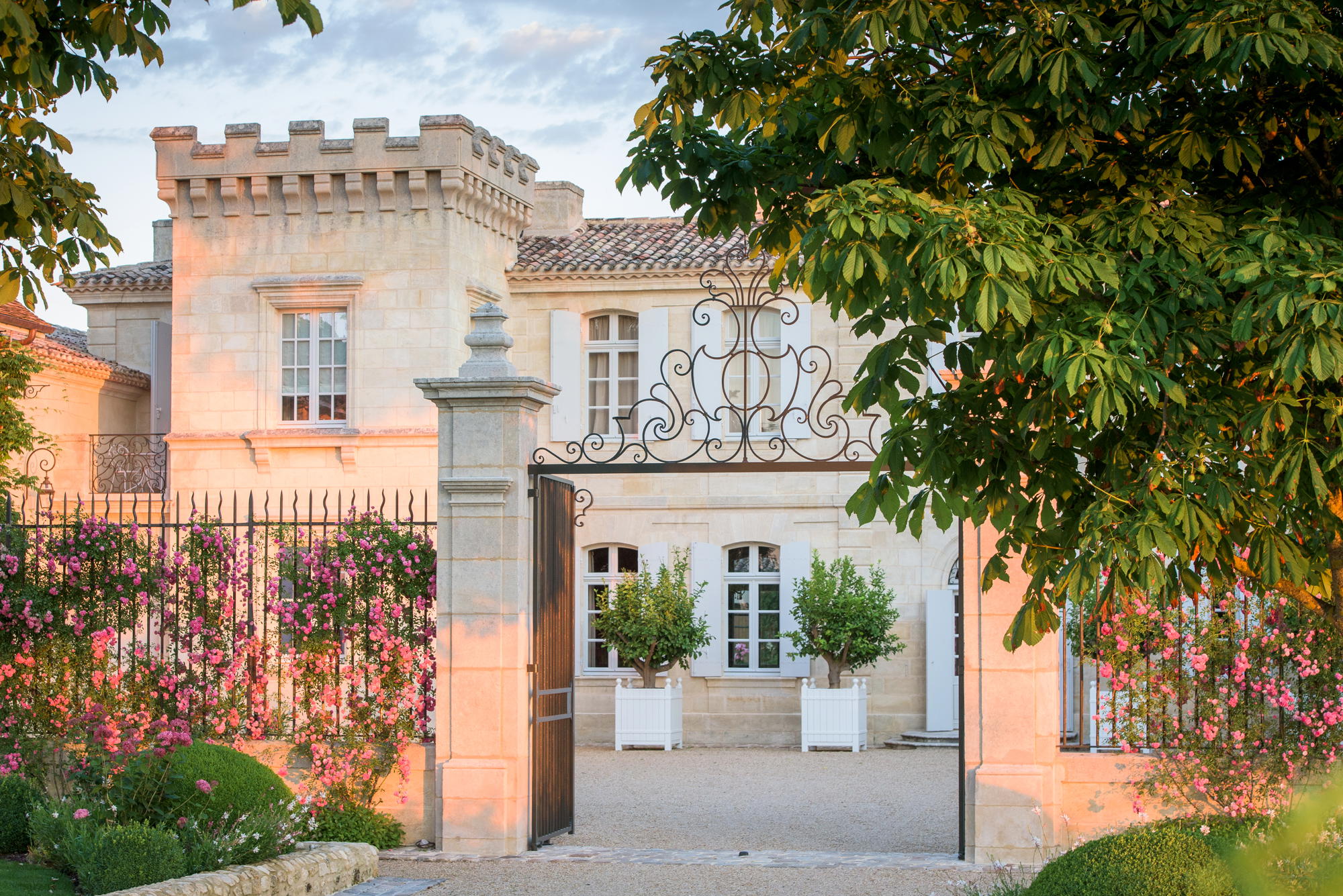
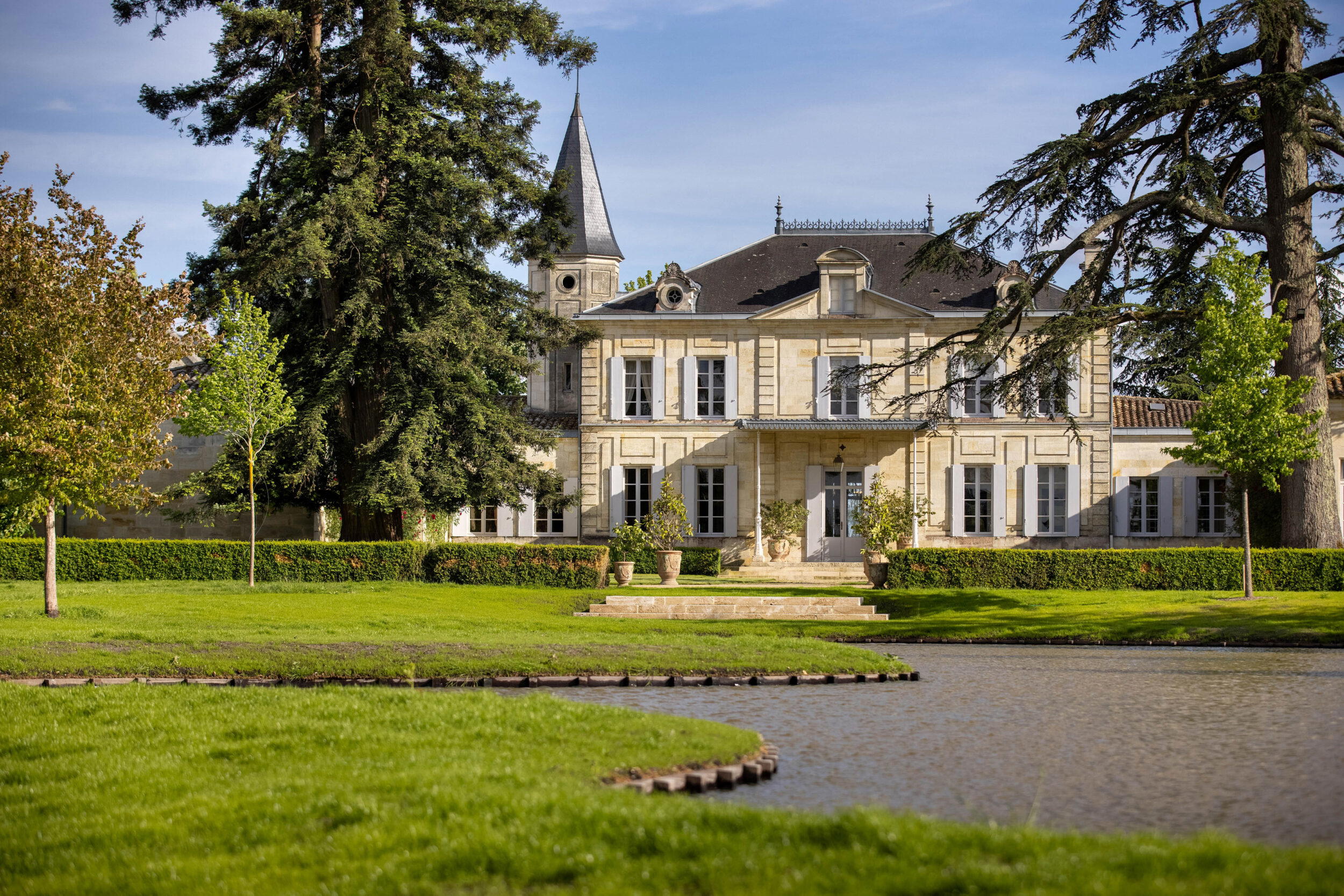
Bars in Genissac
Browse all →
Restaurants in Genissac
Browse all →
At a Glance
- Scenic
- Rustic
- Classic
- Intimate
- Solo Exploration
- Wine Education
- Group Outing
- Romantic Getaway
- Estate Grounds
- Vineyard Tour
- Sustainable
- Vineyard
- Bordeaux Supérieur AOC
- Merlot
- Cabernet Sauvignon
- Sauvignon Blanc
- Sauvignon Gris
- Semillon
- Still Red
- Still White
- Still Rosé
- Standard Tasting
- Vineyard Visit
Family-run Bordeaux estate on gravelly soils along the Dordogne, with a direct, convivial atmosphere focused on terroir expression, sustainable farming, and pleasure-driven, approachable wines rather than ostentation.