Château Patris

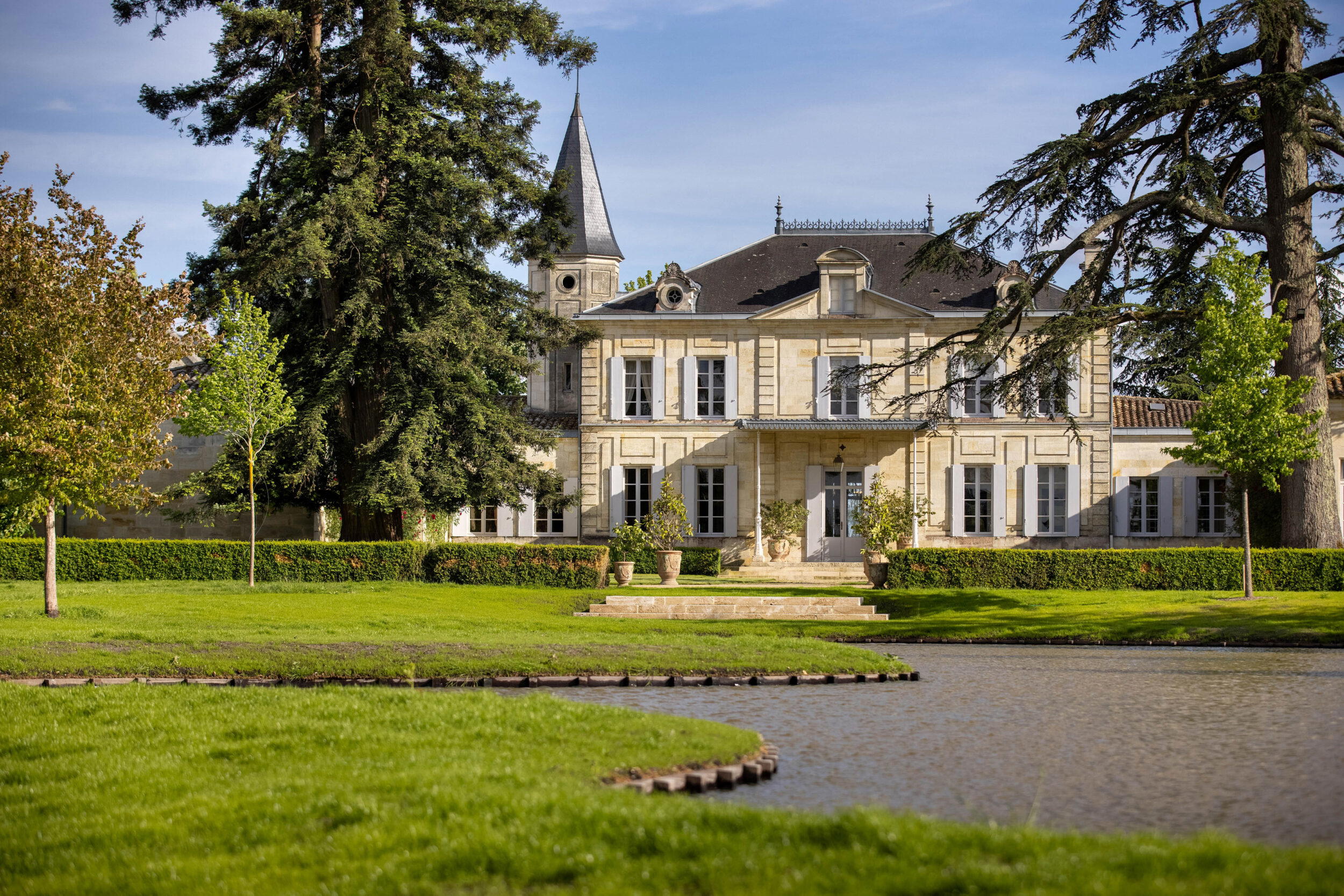
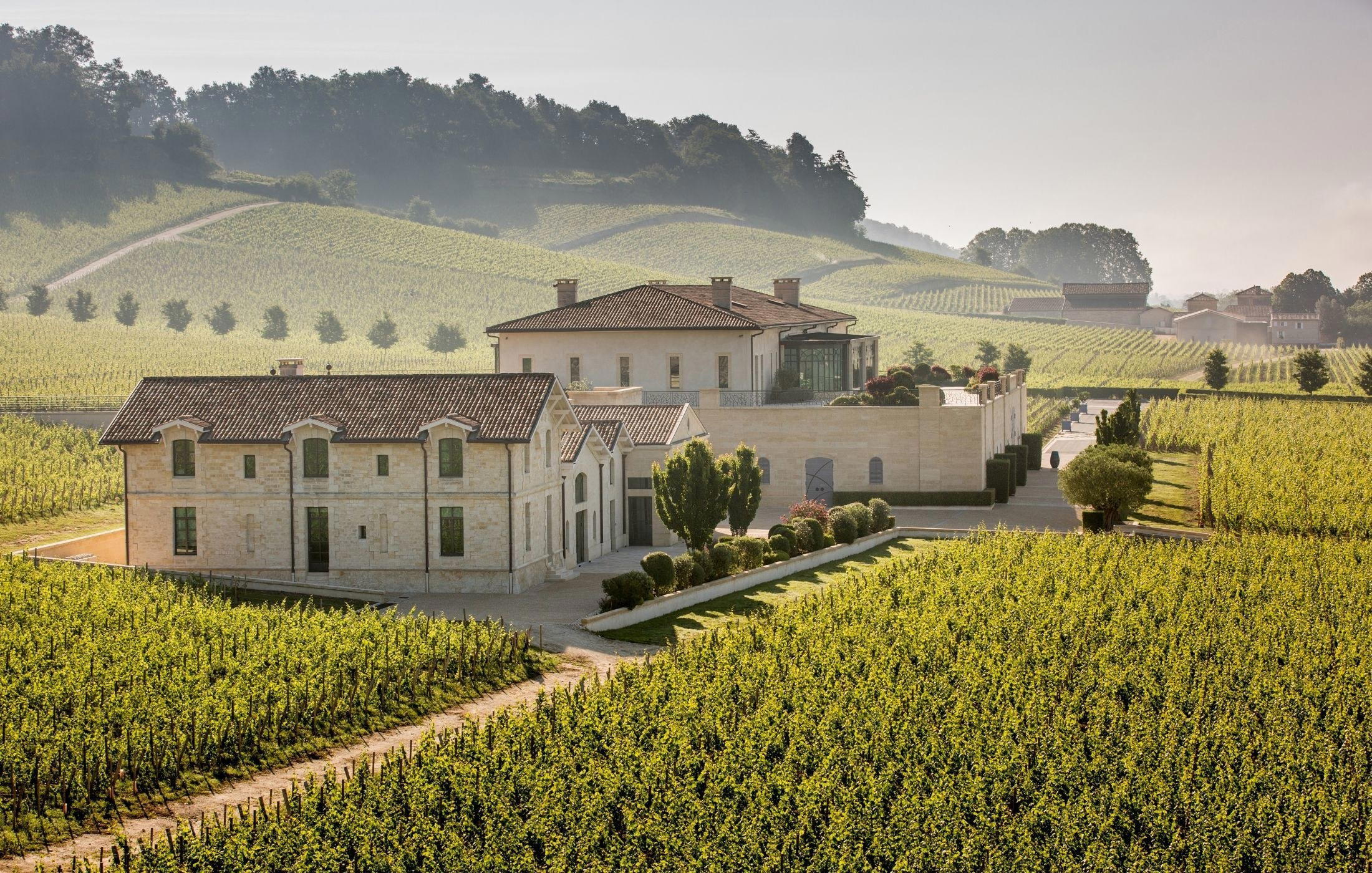
Château Patris is a small, family-owned Saint-Émilion Grand Cru estate shaped by Merlot, sandy clay-limestone soils, and the quieter agricultural side of the Right Bank. The appeal is not spectacle; it is a vineyard-led reading of Saint-Émilion, with manual harvesting, low yields, and a cellar program built around red Bordeaux rather than hospitality theatre.
Pearl is the En Primeur Club membership app — saves, bookings, and concierge access live there. Same editors, same standards.
- Address
- Patris, 33330 Saint-Émilion, France
- Phone
- +33 5 57 55 19 60
- Website
- chateau-patris.com
- Directions
- Get directions
 Saves & bookings on Pearl
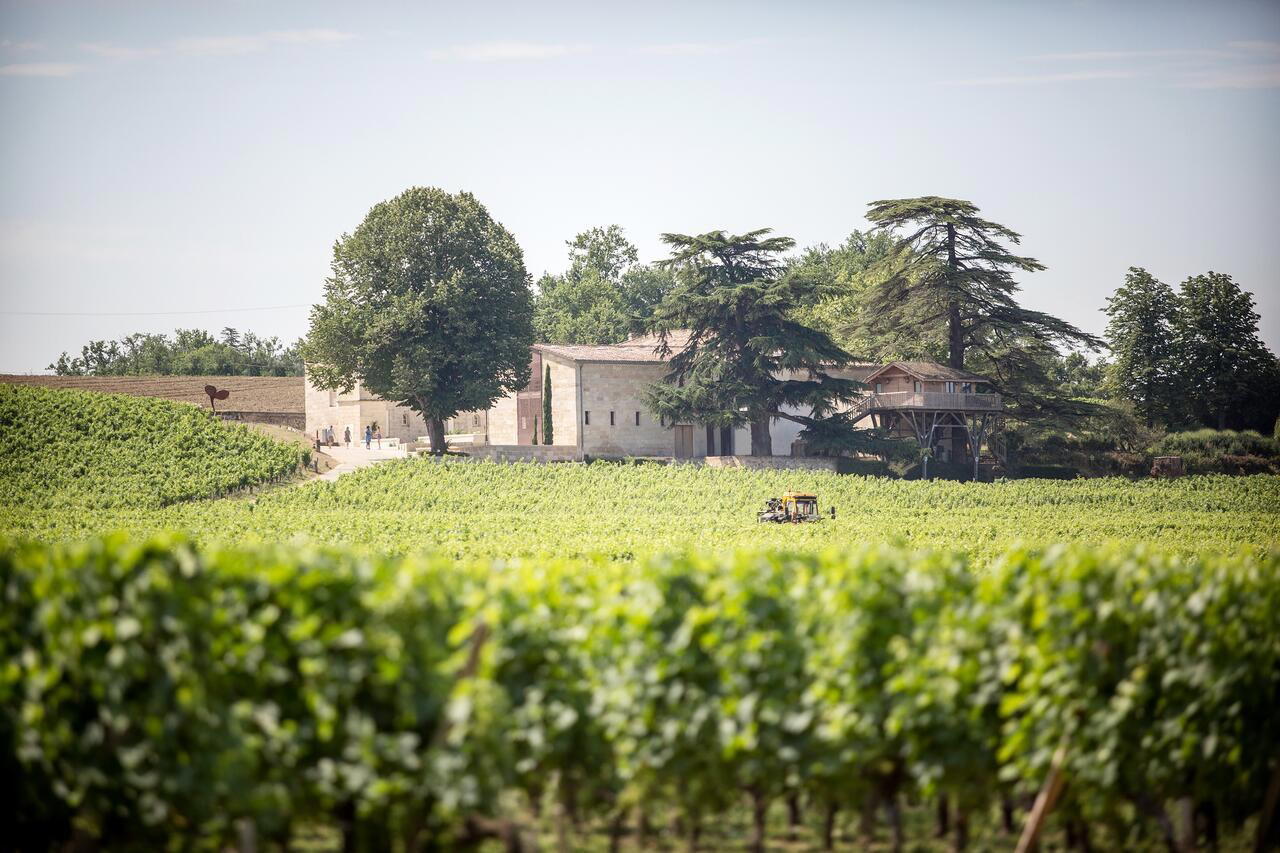
Château Patris is a Saint-Émilion estate with a traditional Right Bank Bordeaux character: agricultural, vineyard-centric, and focused on terroir-driven Saint-Émilion Grand Cru reds. Its appeal is less about design polish or destination-winery spectacle than about the classic, rustic feel of a working vineyard setting in Saint-Émilion. That distinction matters, because one accurate way to approach Château Patris is not as a broad lifestyle address, but as a place rooted in the fundamentals of the appellation: vines, landscape, red wine, and the quieter rhythms of a wine estate.
Saint-Émilion Grand Cru reds in a traditional Right Bank setting
Château Patris is best understood through the essentials: it is in Saint-Émilion, it is associated with terroir-driven Saint-Émilion Grand Cru red wines, and its atmosphere is classic, rustic, scenic, and intimate. Those are the points that give the estate its shape for a visitor or reader. They suggest a property where the identity comes from place and vineyard context rather than from a highly staged visitor experience. Beyond that, specific claims about grape percentages, vineyard size, yields, production methods, ownership, winemaking personnel, scores, or awards should be treated cautiously unless confirmed directly by the estate.
For visitors or readers comparing Saint-Émilion options, the useful framing is broad rather than overly specific. The winery represents the quieter, agricultural side of the area: a Right Bank Bordeaux estate where the vineyard remains the main point of interest. That does not make it less relevant; it simply places it in a more traditional category. The draw is the sense of being close to the land and to the Saint-Émilion wine context, rather than the promise of a polished hospitality complex. Other dining, hotel, bar, and experience planning in Saint-Émilion can be considered separately, but the winery itself should be approached as a wine-estate stop rather than as a restaurant, bar, or design-led hospitality venue.
The grounded takeaway is simpler: the winery is a traditional Saint-Émilion estate focused on terroir-driven Grand Cru reds. That summary is intentionally restrained, but it is also useful. It keeps the focus on what can be said with confidence and avoids stretching the estate into categories that are not supported by the available description.
A Right Bank estate format, not a destination-winery performance
A reliable way to describe the winery is as a classic, rustic, scenic, and intimate Right Bank Bordeaux estate. The setting is vineyard-centric and agricultural, with the emphasis on Saint-Émilion terroir rather than on a design-forward tasting-room identity or a large hospitality program. In practical terms, that means expectations should be calibrated around the wine-estate format itself: a sense of place, a working-vineyard atmosphere, and a focus on red wines from Saint-Émilion Grand Cru rather than on spectacle, branding, or resort-style amenities.
Anyone planning a visit should check the winery directly for current practical information before making plans. That is especially important for a property best described in traditional estate terms, where the details that matter to visitors may depend on direct confirmation rather than on assumptions. Current access, visit structure, and any practical arrangements should come from the estate, not from generalized expectations about Saint-Émilion tourism.
Recognition should also be kept general unless confirmed by the estate or another reliable current source. The material here supports describing the winery as a Saint-Émilion Grand Cru red-wine estate, but it does not support specific award claims, critic scores, rankings, or vintage-by-vintage accolades. This conservative approach is not a weakness; it is the right editorial stance for a venue page where accuracy matters. The estate can still be understood clearly without attaching distinctions to it.
How to place it within a Saint-Émilion trip
The winery works well for travelers interested in the vineyard side of Saint-Émilion: traditional Right Bank Bordeaux atmosphere, a rustic and scenic setting, and a focus on terroir-driven Grand Cru reds. It is not grounded to describe it as a dining destination, a bar, a hotel, or a winery built around elaborate hospitality programming. Its role is more specific and more modest: it belongs in the part of a Saint-Émilion plan that is about understanding the wine landscape itself.
For a broader Saint-Émilion itinerary, pair any winery research with current information from the estate and with separate planning for restaurants, hotels, bars, and non-wine experiences in Saint-Émilion. That separation helps keep expectations clean. A meal, overnight stay, or bar stop should be planned on its own terms, while the winery should be considered through the lens of wine, vineyard setting, and traditional estate character. The clearest fit is the traveler who wants a quieter, vineyard-centered view of the area rather than a design-driven destination winery.
Recognition history
Dated appearances from independent guides and award organizations, with the underlying list record or original source where available.
Falstaff Winery - 2 Stars
Falstaff
Falstaff Winery - Listed
Falstaff
Continue exploring
More in Saint-Émilion
Wineries in Saint-Émilion
Browse all →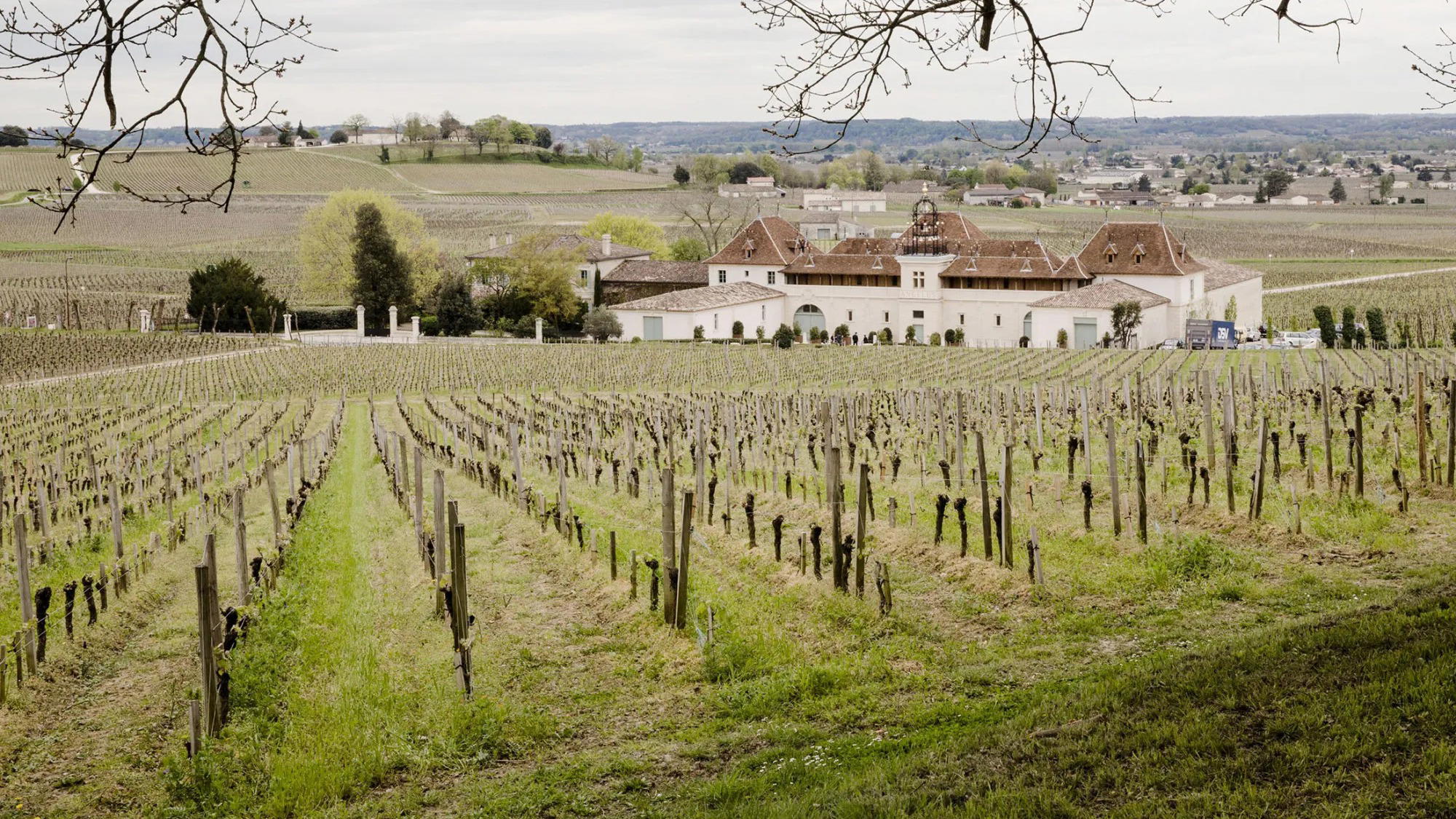
Bars in Saint-Émilion
Browse all →
Restaurants in Saint-Émilion
Browse all →
At a Glance
- Classic
- Rustic
- Scenic
- Intimate
- Romantic Getaway
- Wine Education
- Solo Exploration
- Estate Grounds
- Vineyard Tour
- Private Tasting
- Vineyard
- Saint Émilion Grand Cru AOC
- Merlot
- Cabernet Franc
- Cabernet Sauvignon
- Still Red
- Seated Tasting
- Barrel Tasting
- Vineyard Walk
Traditional Right Bank Bordeaux estate focused on terroir-driven Saint-Émilion Grand Cru reds, with an agricultural, vineyard-centric feel rather than a design-driven destination winery.