Château Moulin du Cadet

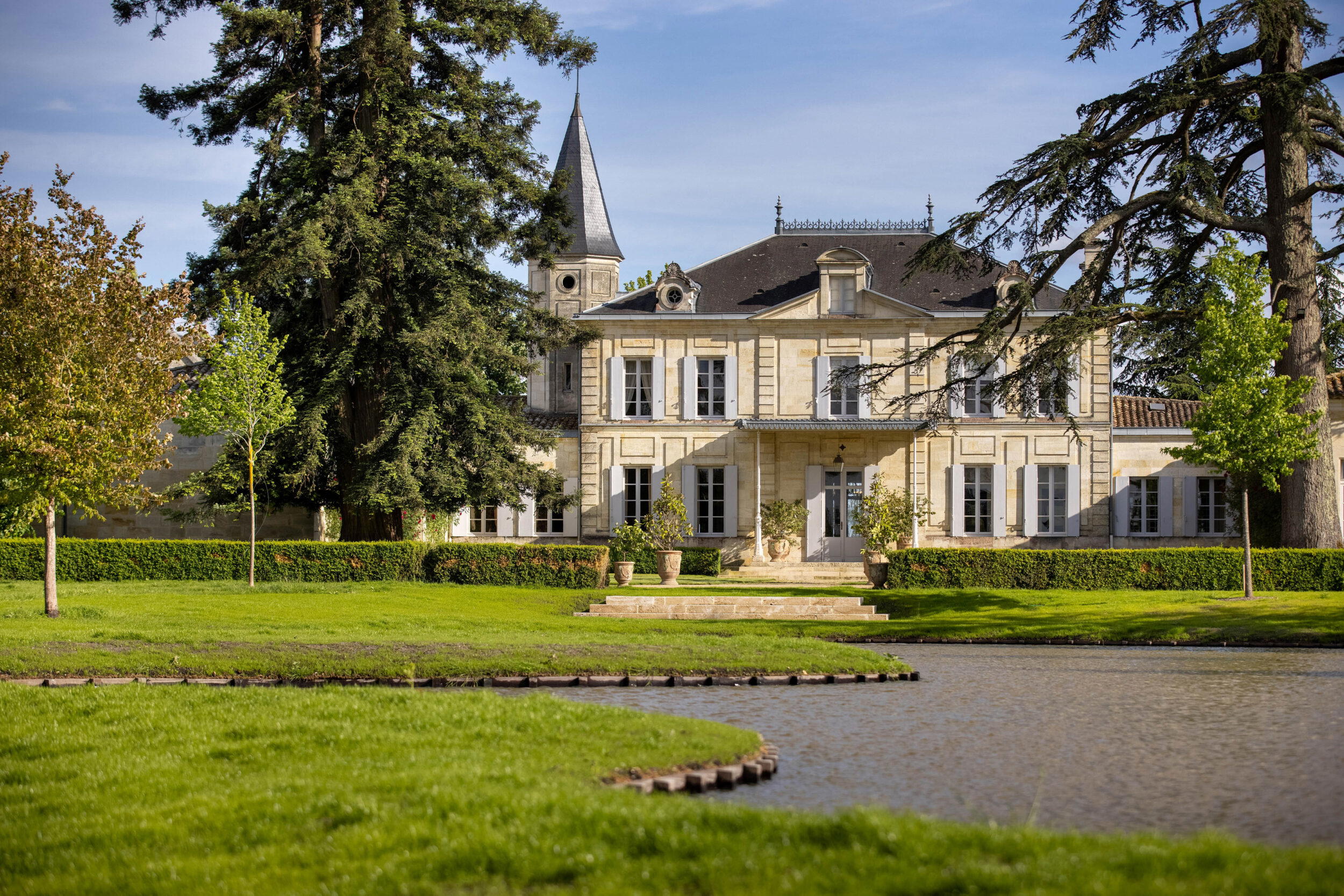
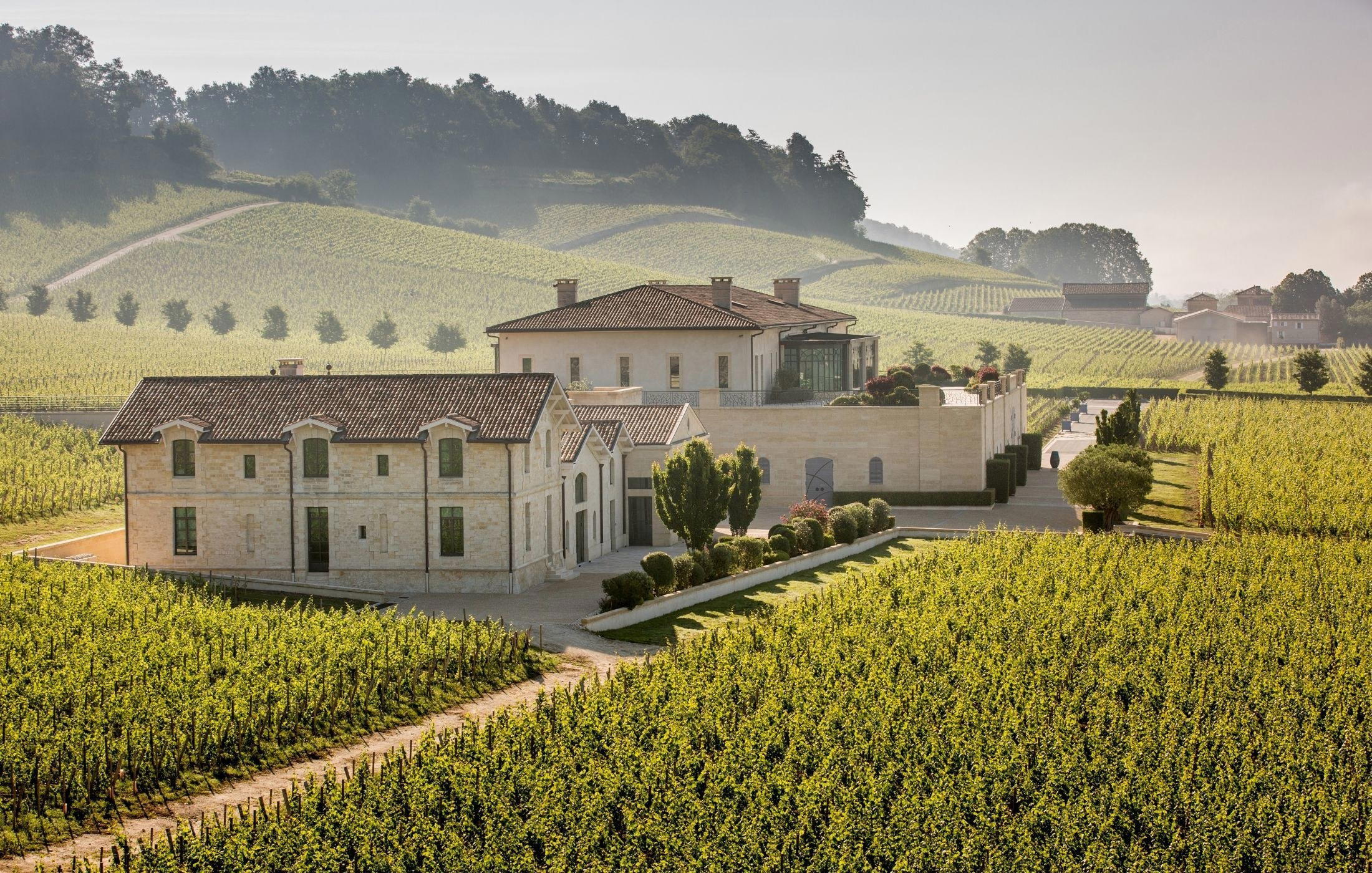
Château Moulin du Cadet is a small Saint-Émilion Grand Cru Classé estate shaped by clay-limestone soils, Merlot, and biodynamic farming rather than cellar-door spectacle. Its 2.85 hectares on Cadet hill produce a single still red wine in limited volume, making it a useful lens on the quieter, terroir-led side of Right Bank Bordeaux.
Pearl is the En Primeur Club membership app — saves, bookings, and concierge access live there. Same editors, same standards.
- Address
- 1 Au Cadet, 33330 Saint-Émilion, France
- Phone
- +33 9 60 12 95 17
- Website
- chateau-sansonnet.com
- Directions
- Get directions
 Saves & bookings on Pearl
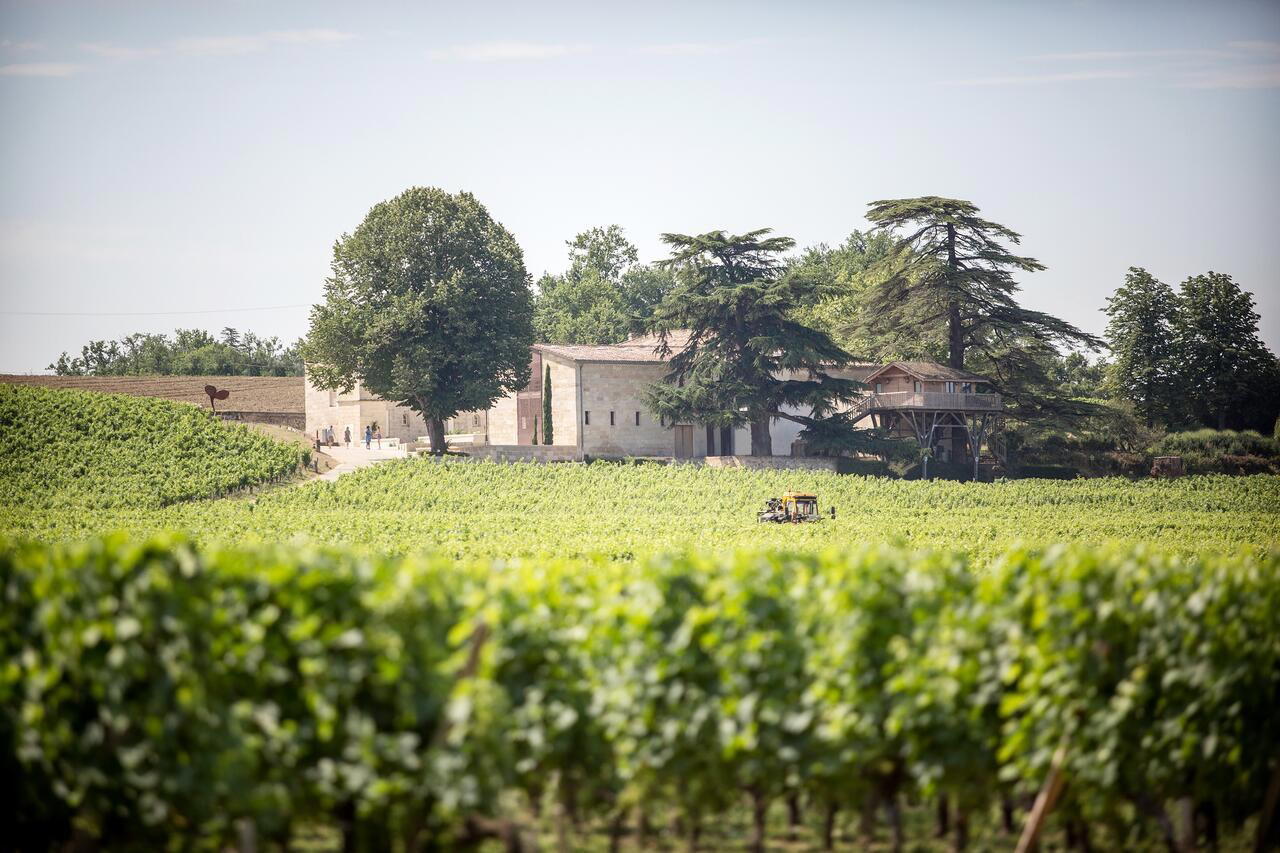
Château Moulin du Cadet is a historic Right Bank Bordeaux estate in Saint-Émilion, focused on elegant, silky-textured Saint-Émilion Grand Cru Classé Merlot. The atmosphere is refined and classic, with the emphasis placed on terroir-driven wine rather than a tourism-heavy format. For readers looking beyond spectacle, the appeal is the estate’s focus on organically and biodynamically farmed wines and a quieter, wine-first sense of place. It is the kind of address best approached through the lens of Bordeaux tradition, vineyard expression, and the particular character of Merlot on the Right Bank, rather than through the expectations of a broad visitor attraction.
Saint-Émilion, the Right Bank, and Merlot
Château Moulin du Cadet belongs to the Saint-Émilion tradition of Merlot-led Right Bank Bordeaux. The draw is the character of the wine itself: elegant, silky-textured Saint-Émilion Grand Cru Classé Merlot shaped by terroir-driven farming. In this context, Merlot is not presented as a generic grape variety but as the central thread connecting the estate to its place, its classification, and its style. The interest lies in how that familiar Right Bank language becomes focused, polished, and estate-specific.
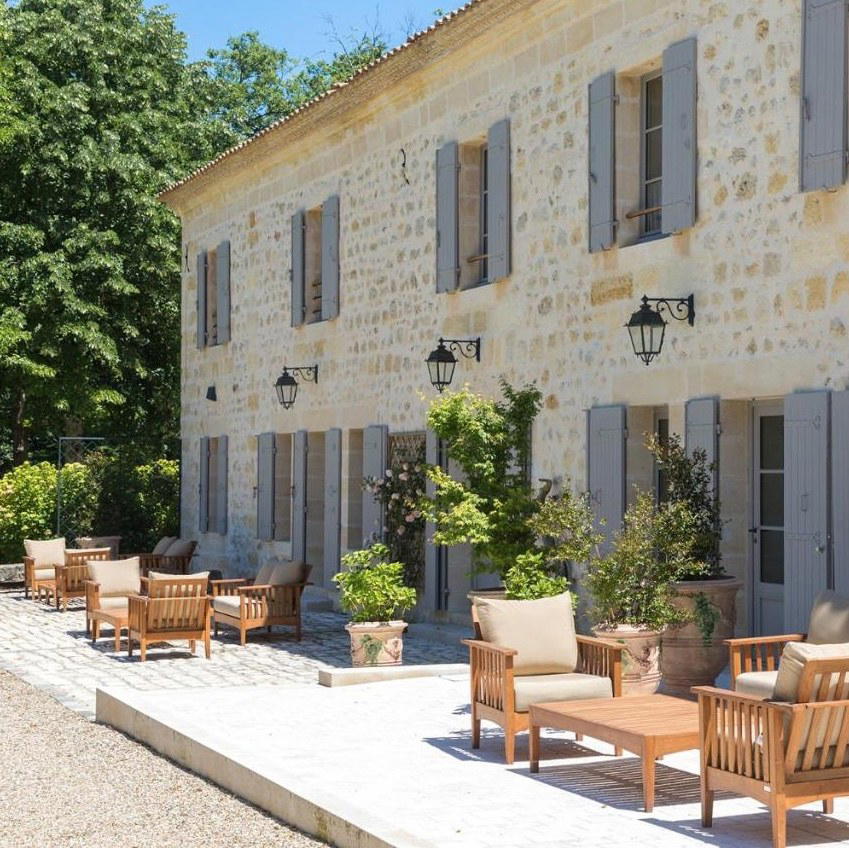
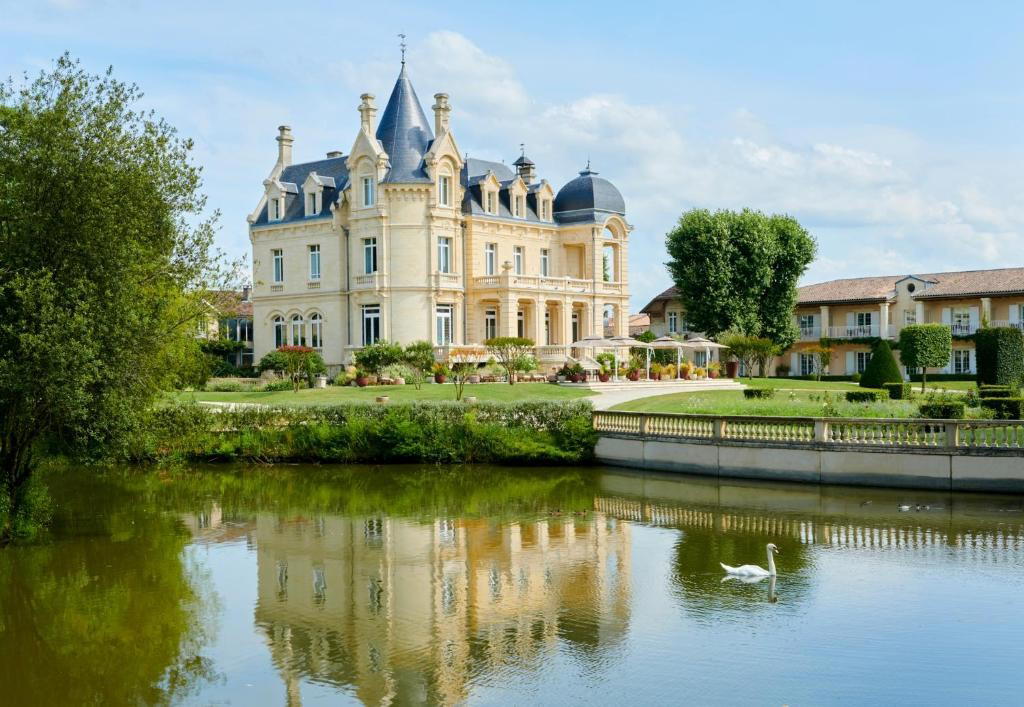
The estate is best understood as a classic, refined Bordeaux address rather than a tourism-heavy stop. Its identity centers on Saint-Émilion Grand Cru Classé wine, organic and biodynamic farming, and a focused expression of Merlot. That gives the experience a relatively quiet frame: less about spectacle, more about the seriousness of a historic property whose value is communicated through the vineyard and the glass. For visitors who respond to restraint, this is part of the appeal.
For readers mapping Saint-Émilion more broadly, use Château Moulin du Cadet as a focused example of a historic Right Bank estate where farming philosophy and Merlot expression matter. Other Saint-Émilion dining, hotel, and wine options can be considered separately depending on the shape of the trip. The château works especially well as a reference point within that wider planning, because it clarifies one particular side of Saint-Émilion: classic, refined, wine-led, and rooted in the Grand Cru Classé conversation.
A focused estate with organic and biodynamic farming
The clearest detail is the estate’s emphasis on terroir-driven, organically and biodynamically farmed wines. That matters because the winery’s appeal is tied to how the vineyard and farming approach translate into the glass, rather than to a tourism-heavy format. The farming language is central to understanding the estate’s positioning: it suggests that the wine is meant to be read through soil, site, and careful cultivation, with the château’s identity formed by the relationship between place and practice.
In practical terms, expect the tone to be classic and wine-centered. The estate is associated with elegant, silky-textured Saint-Émilion Grand Cru Classé Merlot, making it a useful reference point for drinkers interested in the more refined side of Right Bank Bordeaux. The emphasis on texture is important here. Rather than framing the wine through scale or display, the description points toward polish, elegance, and a smoothness that suits the estate’s understated character.
Specifics such as visit formats and appointment policies are not included in available information here, so they should be confirmed directly before planning around them. The grounded reason to consider the winery is its status as a historic Saint-Émilion Grand Cru Classé estate focused on terroir-driven Merlot from organic and biodynamic farming. That is enough to define its place clearly: it is not being recommended for a long list of amenities or visitor extras, but for a coherent wine identity that aligns farming philosophy, Right Bank setting, and classic Saint-Émilion style.
How to place it in a Saint-Émilion itinerary
The winery is well suited to travelers who care about wine character, farming, and Right Bank Bordeaux context more than a tourism-heavy château experience. Its profile points to a refined, classic atmosphere and a Merlot-focused Saint-Émilion Grand Cru Classé identity. In itinerary terms, it works well for visitors who want their Saint-Émilion planning to include at least one estate where the main subject is the wine itself: how it reflects place, how it fits the Right Bank tradition, and how organic and biodynamic farming inform the estate’s point of view.
For a fuller Saint-Émilion plan, pair the estate with broader city research rather than treating it as the only stop: Our full Saint-Émilion wineries guide, Our full Saint-Émilion restaurants guide, Our full Saint-Émilion hotels guide, Our full Saint-Émilion bars guide, and Our full Saint-Émilion experiences guide. Beyond that, compare it generically with other wine-focused destinations to understand how different regions and formats can change the experience. Within Saint-Émilion itself, the winery can serve as the quieter, more classical anchor in that research: a historic Right Bank estate whose appeal rests on refined Merlot, terroir-driven thinking, and a wine-first sense of place.
Recognition history
Dated appearances from independent guides and award organizations, with the underlying list record or original source where available.
Falstaff Winery - Listed
Falstaff
Continue exploring
More in Saint-Émilion
Wineries in Saint-Émilion
Browse all →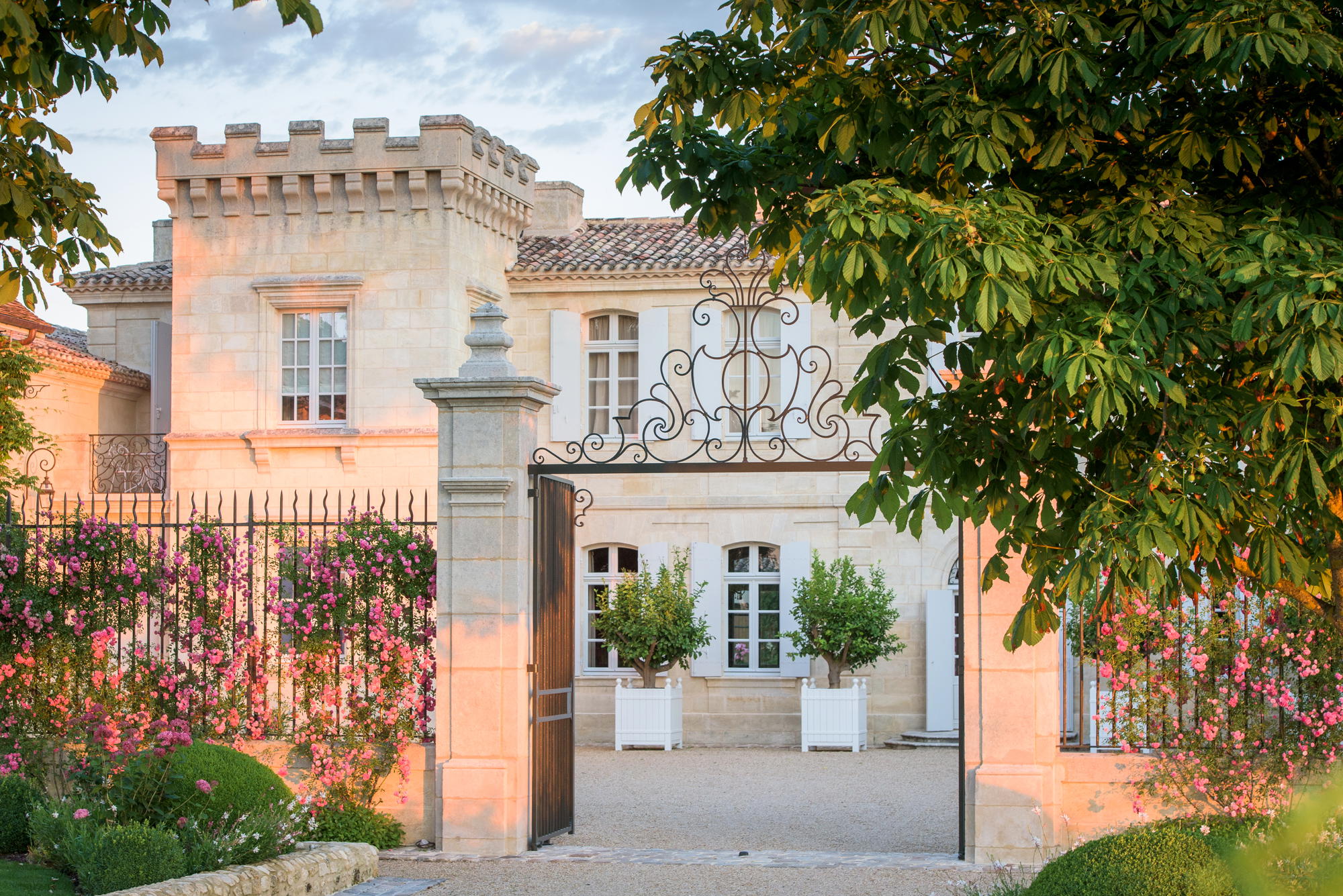
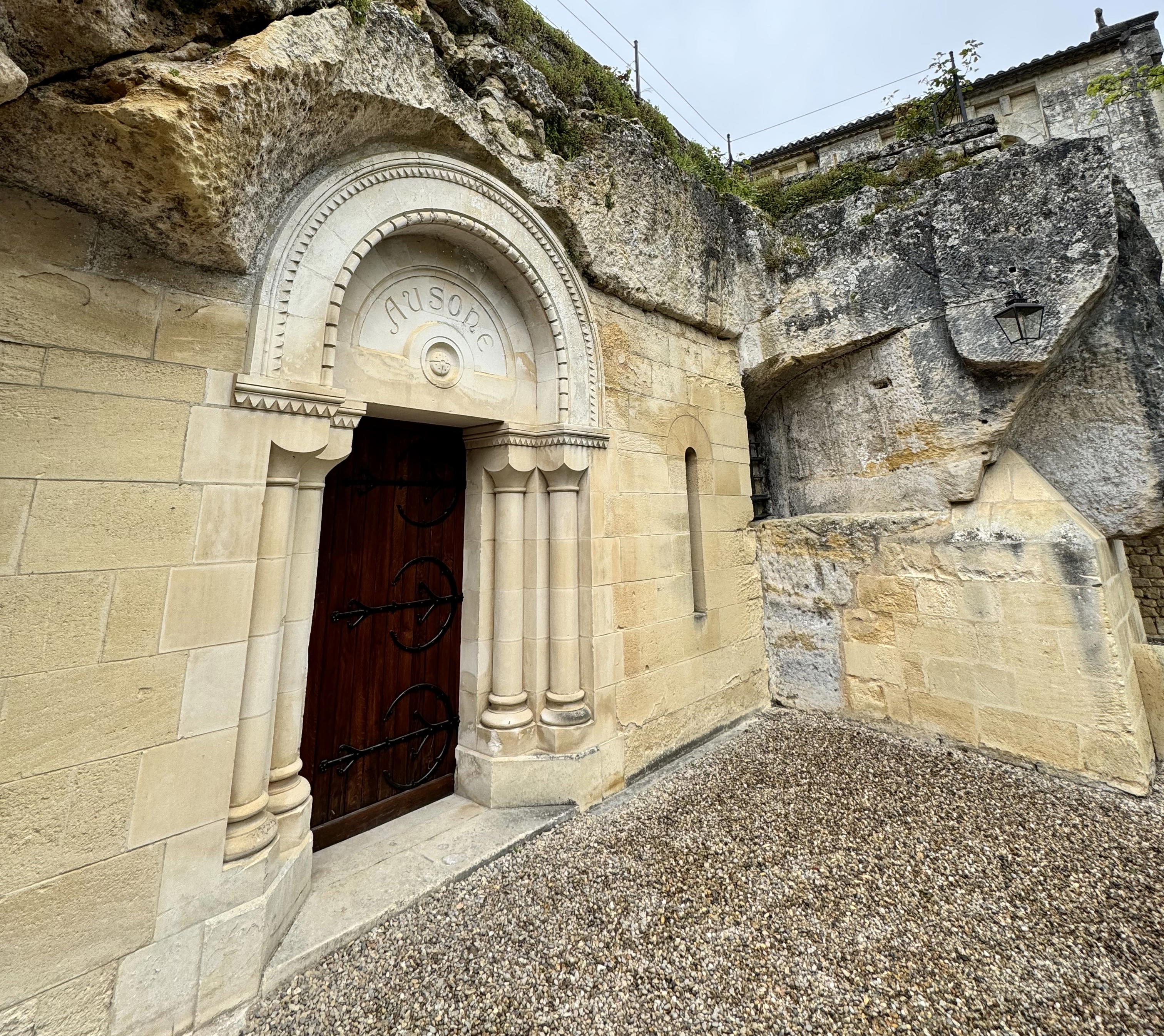
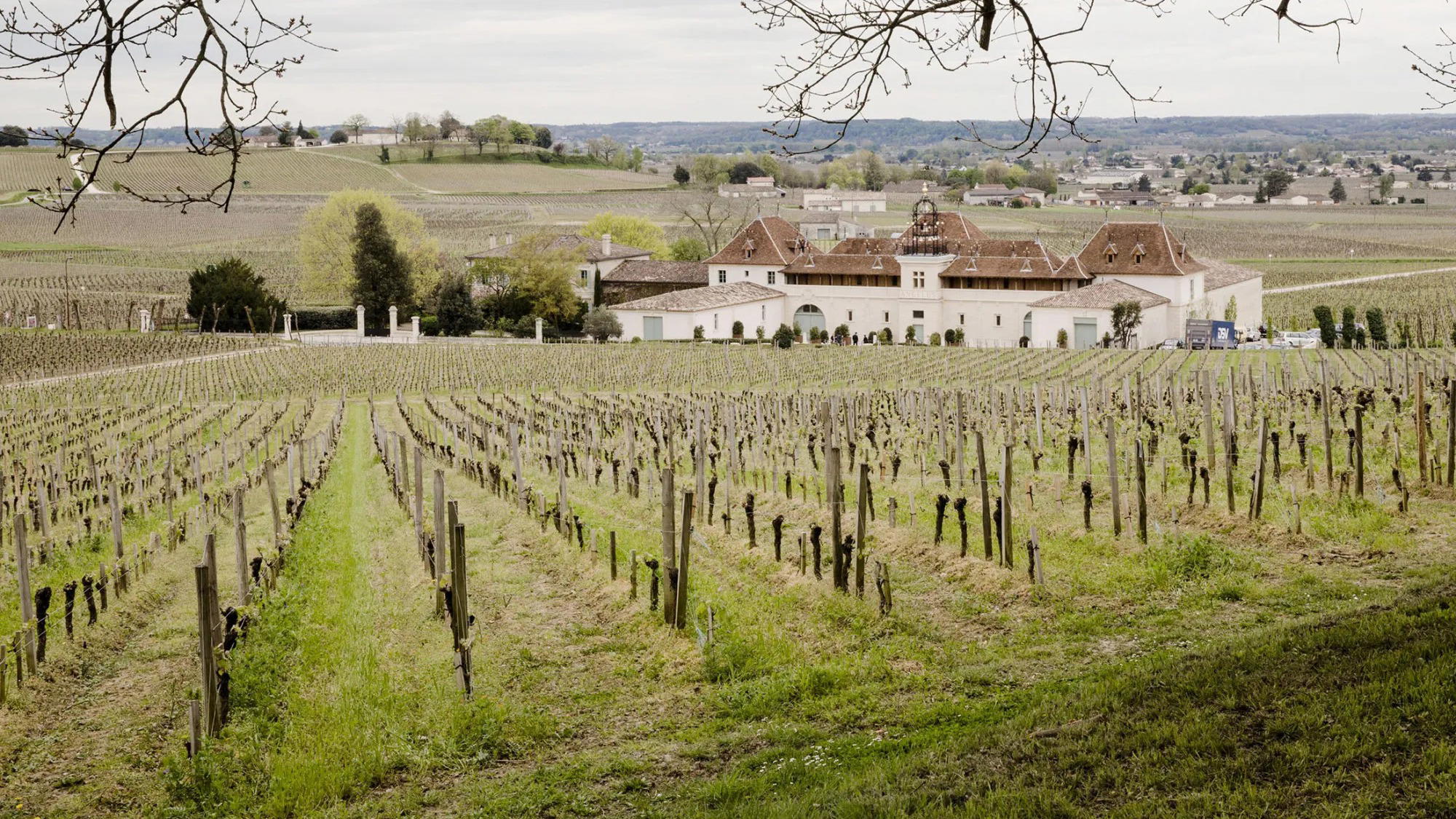
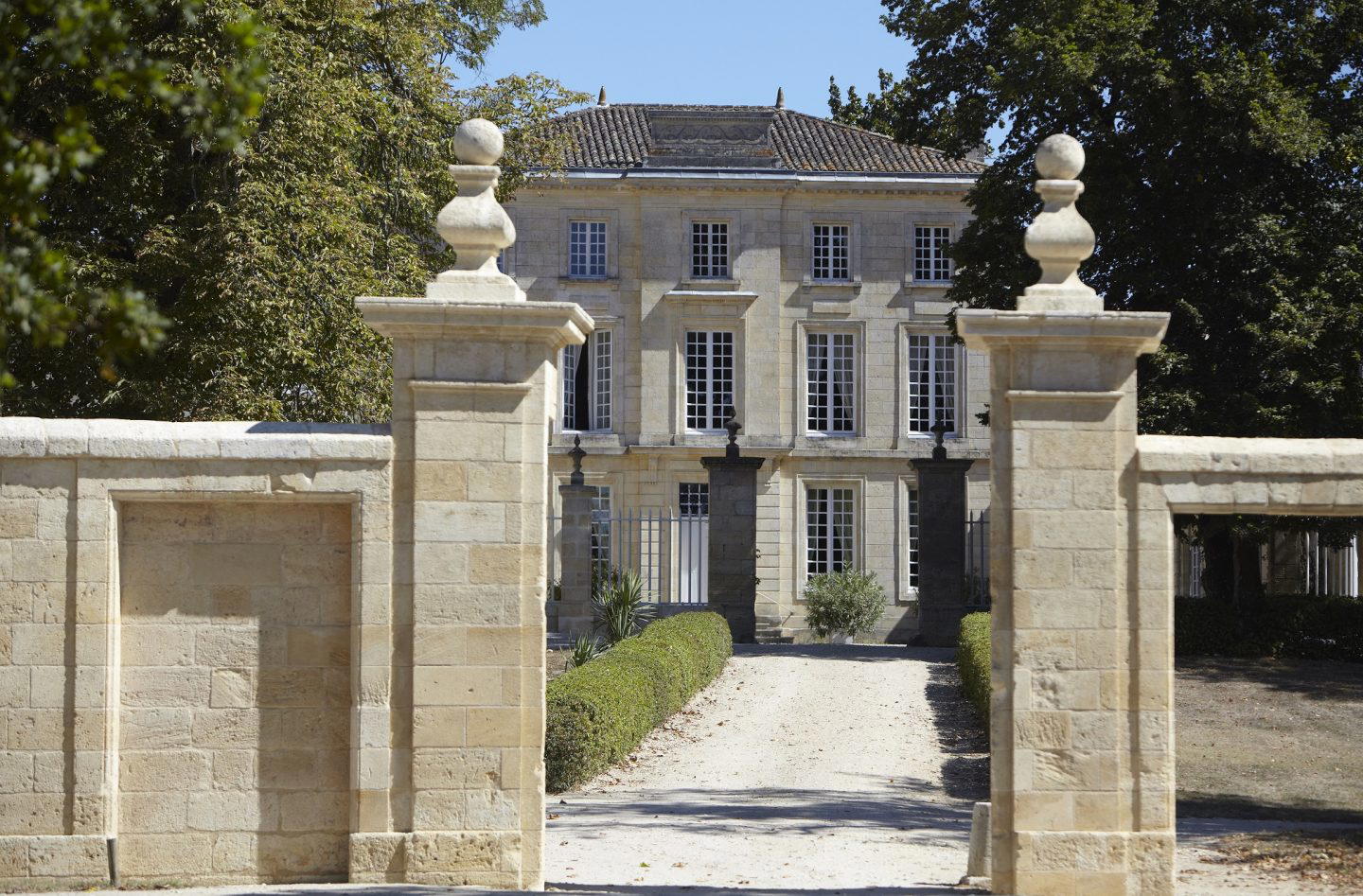
Bars in Saint-Émilion
Browse all →
Restaurants in Saint-Émilion
Browse all →
At a Glance
- Classic
- Elegant
- Scenic
- Intimate
- Sophisticated
- Romantic Getaway
- Group Outing
- Wine Education
- Special Occasion
- Solo Exploration
- Estate Grounds
- Private Tasting
- Vineyard Tour
- Historic Building
- Organic
- Biodynamic
- Sustainable
- Vineyard
- Saint Émilion Grand Cru AOC
- Merlot
- Still Red
- Standard Tasting
- Private Tasting
- Vertical Tasting
Historic right-bank Bordeaux estate producing elegant, silky-textured Saint-Émilion Grand Cru Classé Merlot, with a refined, classic atmosphere focused on terroir-driven, organically and biodynamically farmed wines rather than tourism-heavy experiences.