Château Lucia

Falstaff Winery - 3 Stars
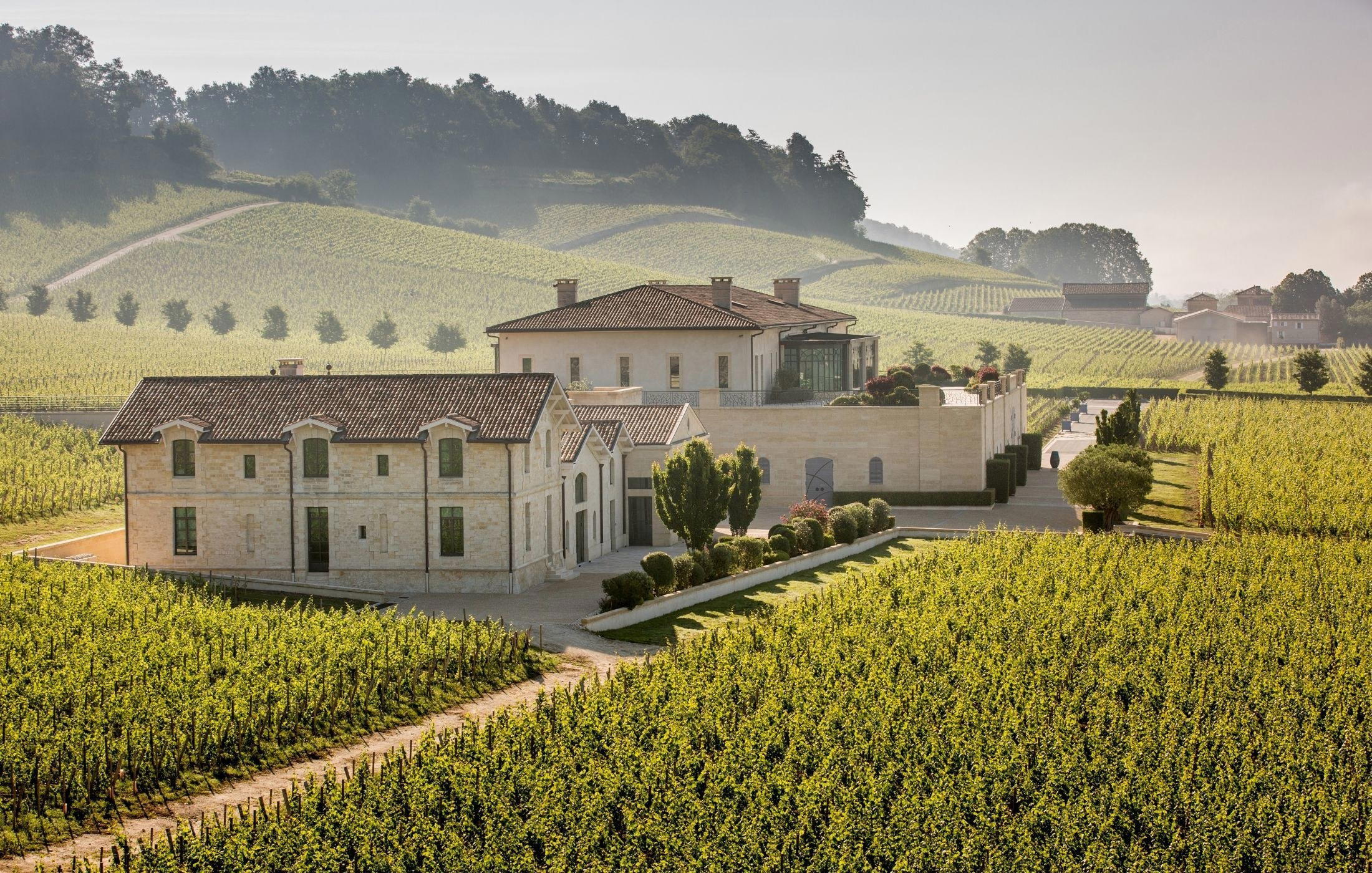
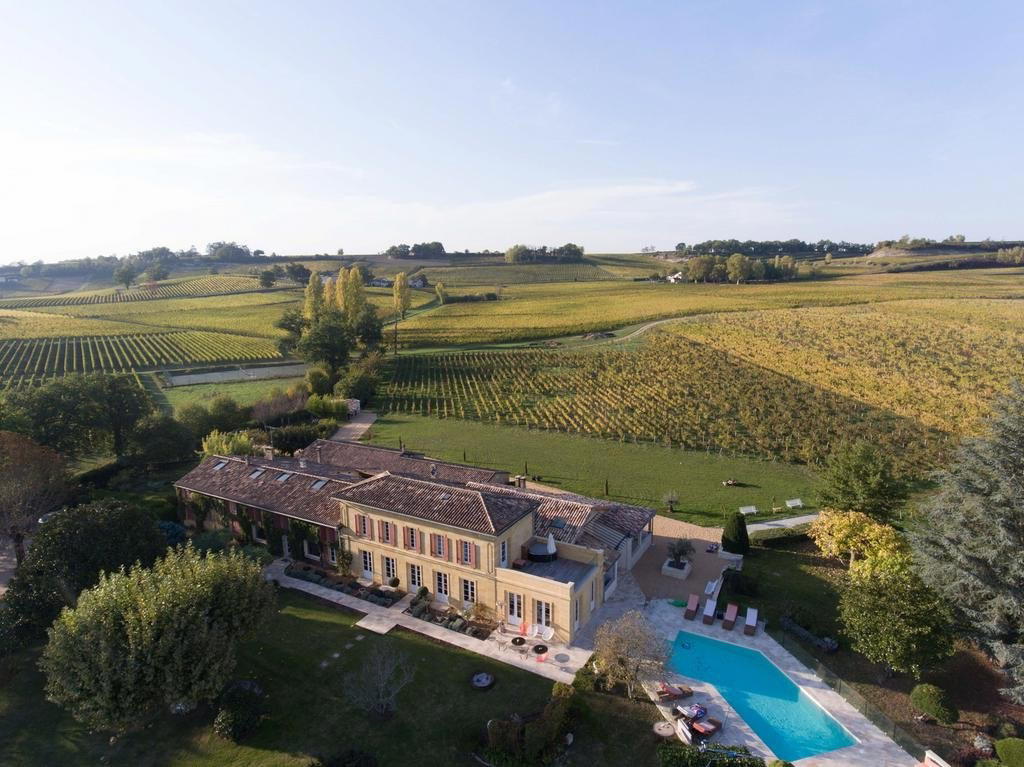
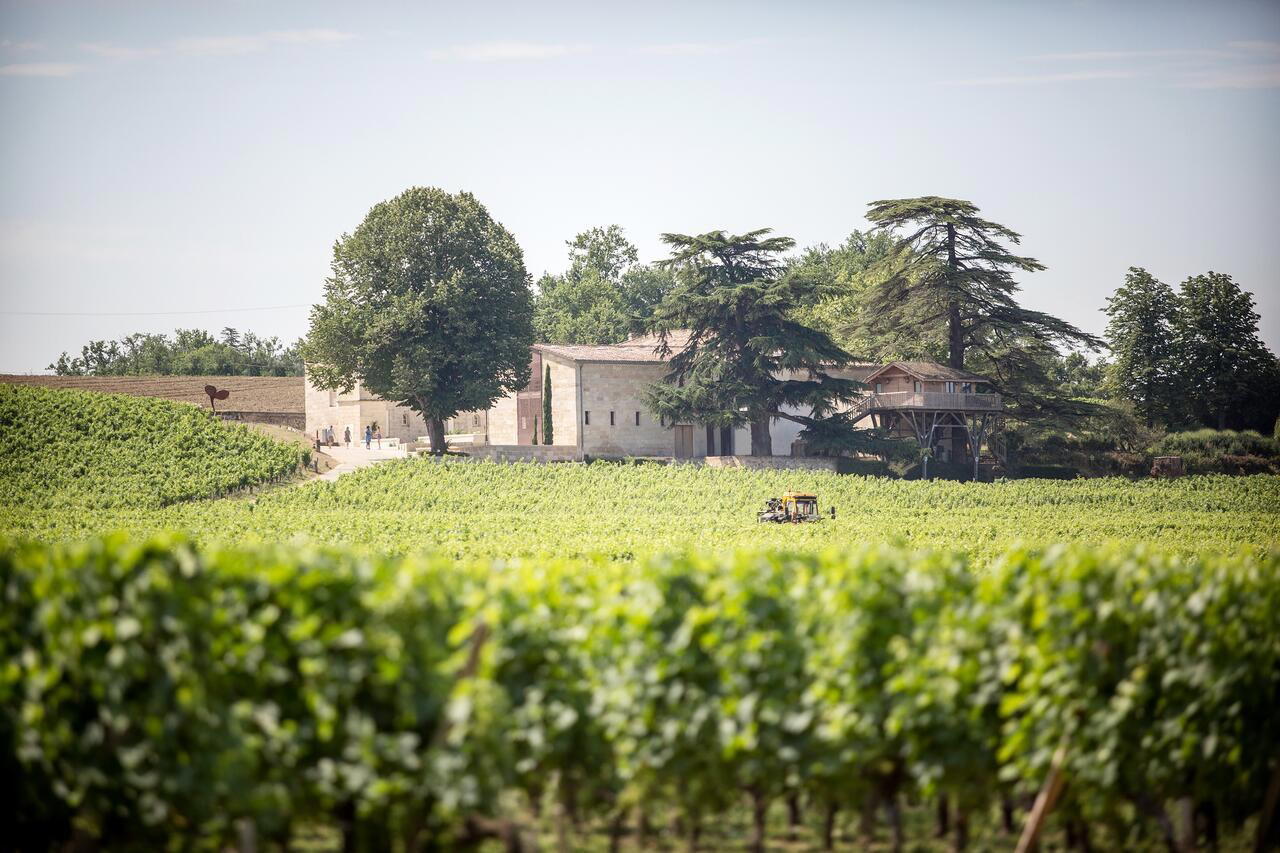
Château Lucia sits in the modern Saint-Émilion Grand Cru idiom: small production, Merlot-led richness, old-vine depth, and cellar work built around gravity rather than force. Its 4.3 hectares of clay-limestone vineyard, vines reaching back to 1901, and recent 90–93 point critical range make it a focused Right Bank address for drinkers who want polished Bordeaux without waiting decades.

Pearl is the En Primeur Club membership app — saves, bookings, and concierge access live there. Same editors, same standards.
- Address
- Saint-Émilion, Nouvelle-Aquitaine, Frankreich

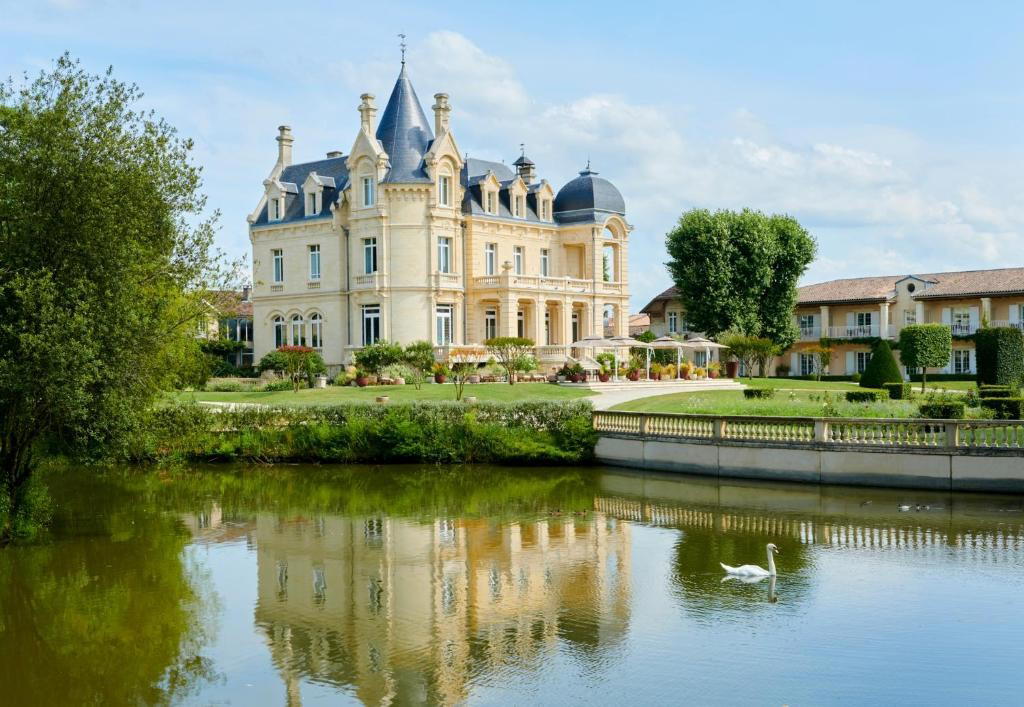
Château Lucia is a Saint-Émilion Bordeaux estate best described through a modern, polished lens. What is confirmed is the estate’s forward, opulent identity: a sophisticated, quiet setting with a small-cellar, gravity-flow production setup and a rich-wine style. In other words, the page is strongest when it treats Château Lucia less as a checklist of technical specifications and more as a clearly framed Saint-Émilion reference for a certain mood of Bordeaux: composed, contemporary, and built around richness rather than understatement.
That makes Château Lucia a useful reference point for travelers and collectors who are drawn to Saint-Émilion’s more modern expression rather than a rustic or casual one. The available information supports a careful description of mood and production philosophy, but not a detailed claim about vintages, cellar regimen, ownership, appointments, or individual cuvées. The distinction matters, because Saint-Émilion can be approached in many ways: through architecture, tastings, village wandering, restaurant planning, or collecting research. Château Lucia’s profile belongs most securely to the modern, refined side of that map.
A polished Saint-Émilion estate with a modern frame
Château Lucia sits within the Saint-Émilion context as a Bordeaux estate with a sophisticated, opulent presentation. Its identity is described as forward and modern, with a quiet tone rather than a loud hospitality or nightlife-driven atmosphere. That quietness is an important part of the reading: the estate is not best understood as a high-energy destination or a casual stop, but as a more contained and polished address whose appeal is tied to style, production posture, and a sense of restraint around the visit experience.
For readers comparing options in Saint-Émilion, the safest way to understand Château Lucia is as a polished, rich-wine estate rather than as a page defined by statistics. That limitation does not make the profile less useful; it simply means the emphasis should remain on what is actually supported. The confirmed picture is of an estate associated with a modern Bordeaux expression and a small-cellar, gravity-flow production setup, not a fully documented technical dossier.
The small-cellar, gravity-flow point gives the profile some production texture without requiring unsupported detail. For a traveler, that helps position Château Lucia as a place to research when the interest is not only in Saint-Émilion as a destination, but in the way a modern estate presents its winemaking identity.
The price level is listed as $$$, which places the venue in a premium bracket. That should be read broadly rather than as a promise about any particular bottle, tasting, or service cost. In planning terms, it signals that Château Lucia belongs on a more considered Saint-Émilion itinerary, especially for visitors who are already comfortable with premium Bordeaux settings and who want a polished, quiet counterpoint to more casual stops.
How to read Château Lucia in a Saint-Émilion itinerary
Château Lucia is best approached as a quiet, modern, opulent Bordeaux estate in Saint-Émilion. The appeal is the combination of a polished rich-wine identity and a small-cellar, gravity-flow production setup. Those are the firm points; more granular claims about the visitor experience should be checked directly before planning around them.
If you are building a broader Saint-Émilion trip, pair this profile with current local research on other Saint-Émilion dining, lodging, bars, wineries, and experiences. The best use of the page is therefore comparative and directional: it helps identify the kind of estate Château Lucia be, while leaving practical planning questions open for direct confirmation.
For collectors, the same caution applies. For travelers, it can help clarify whether the estate’s mood aligns with the day being planned: quiet rather than bustling, sophisticated rather than informal, modern rather than traditional in presentation. Those are meaningful distinctions, even without a long list of technical details.
For a wider local plan, use Château Lucia as the reference point and compare it with other Saint-Émilion options generically rather than assuming shared formats, hours, or hospitality styles. The most reliable next step is to confirm current visit details directly with the estate before making time-sensitive plans. Approached that way, Château Lucia works well as a concise but useful marker on the Saint-Émilion map: a premium, polished, modern Bordeaux estate whose identity is clear, even where the finer operational details remain outside the confirmed record.
Recognition history
Dated appearances from independent guides and award organizations, with the underlying list record or original source where available.
Falstaff Winery - 3 Stars
Falstaff
Continue exploring
More in Saint-Émilion
Wineries in Saint-Émilion
Browse all →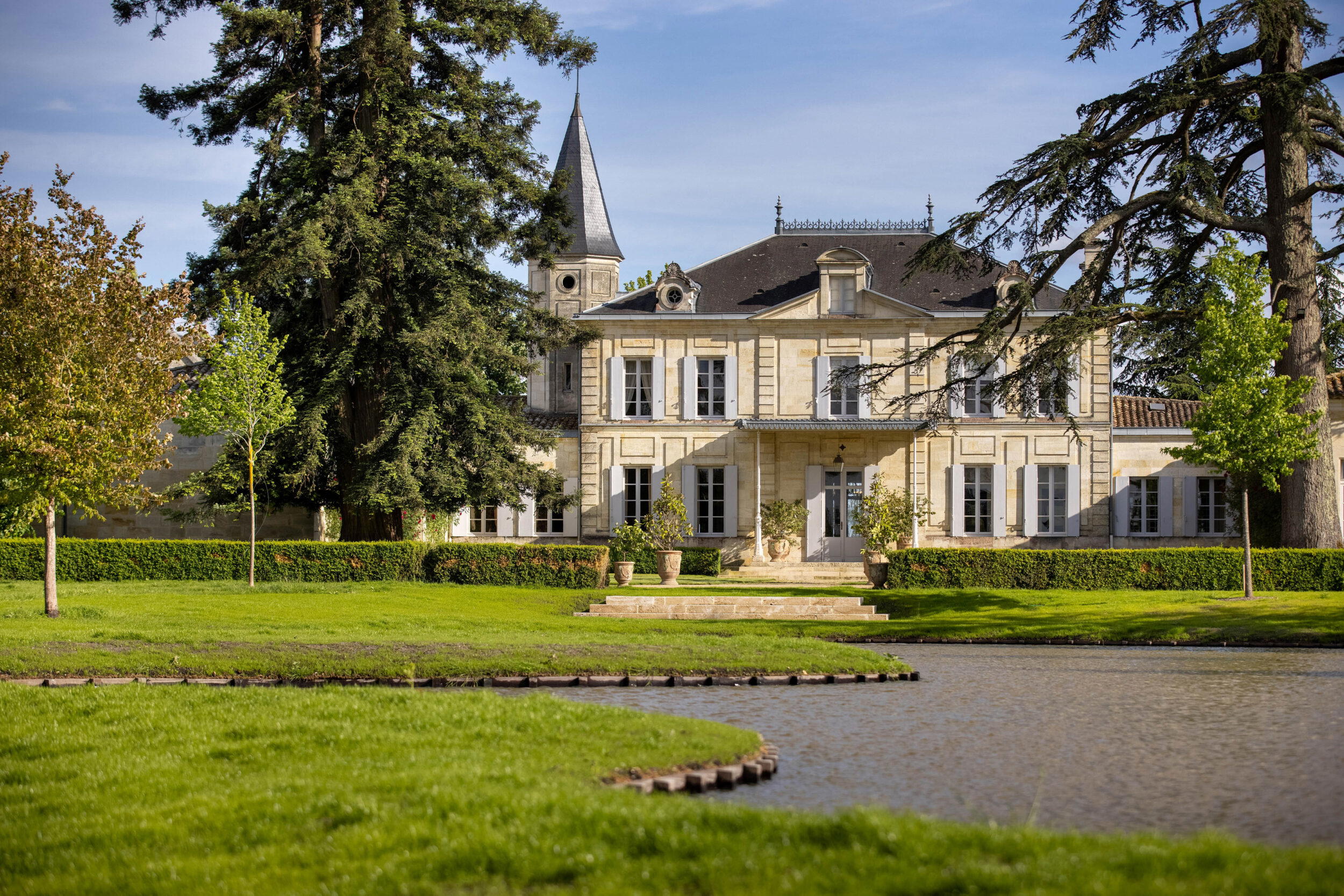
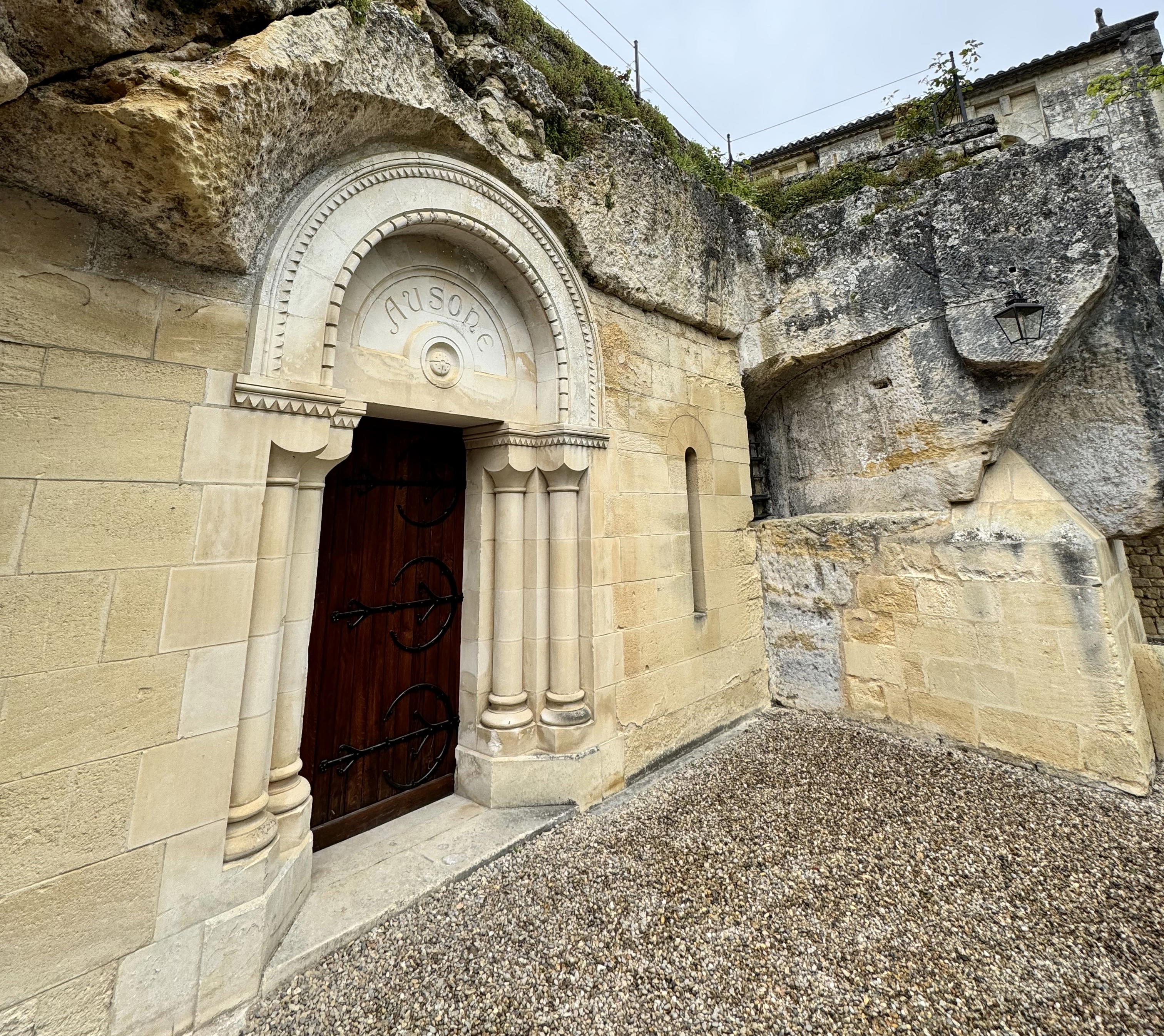
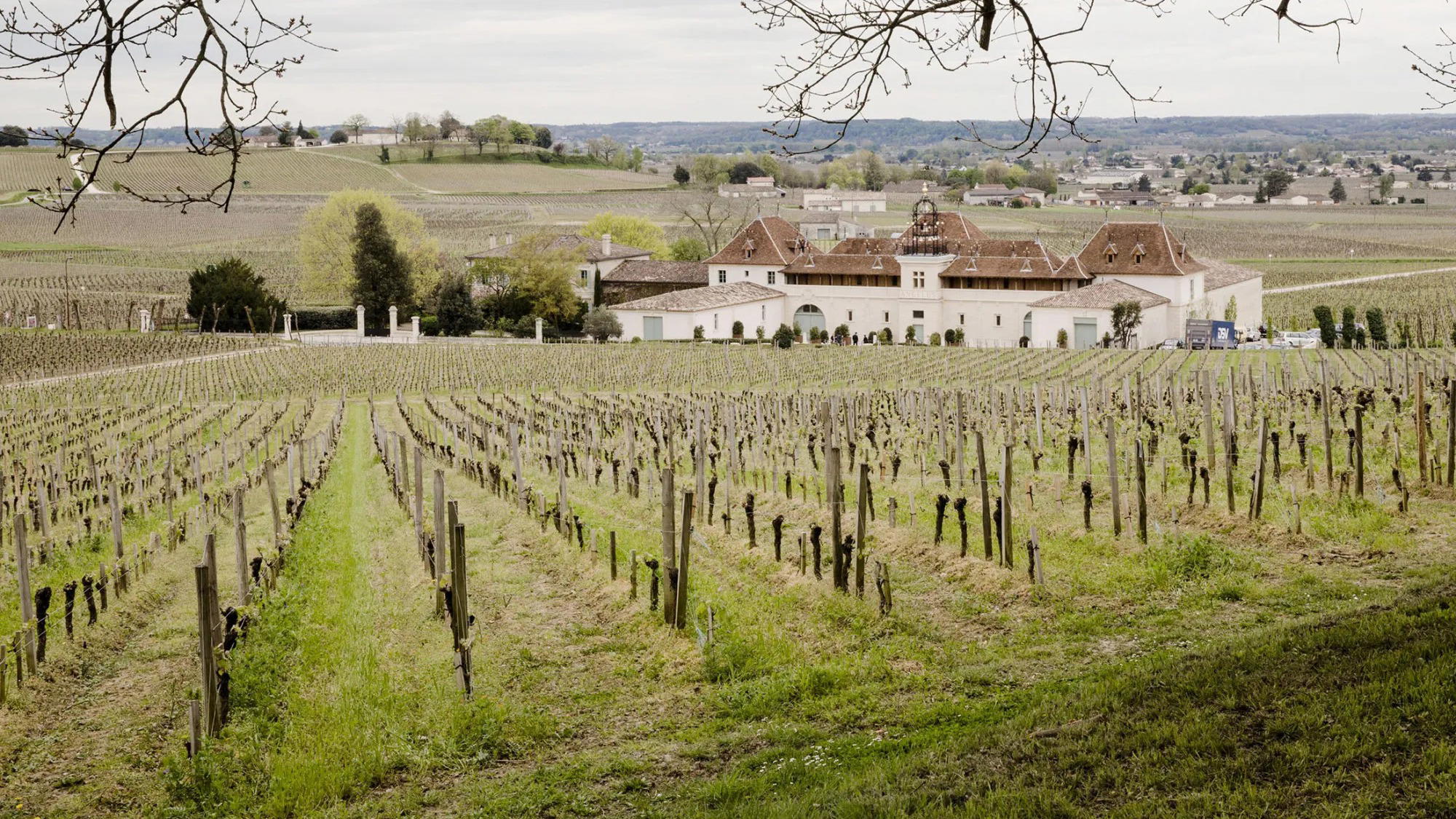
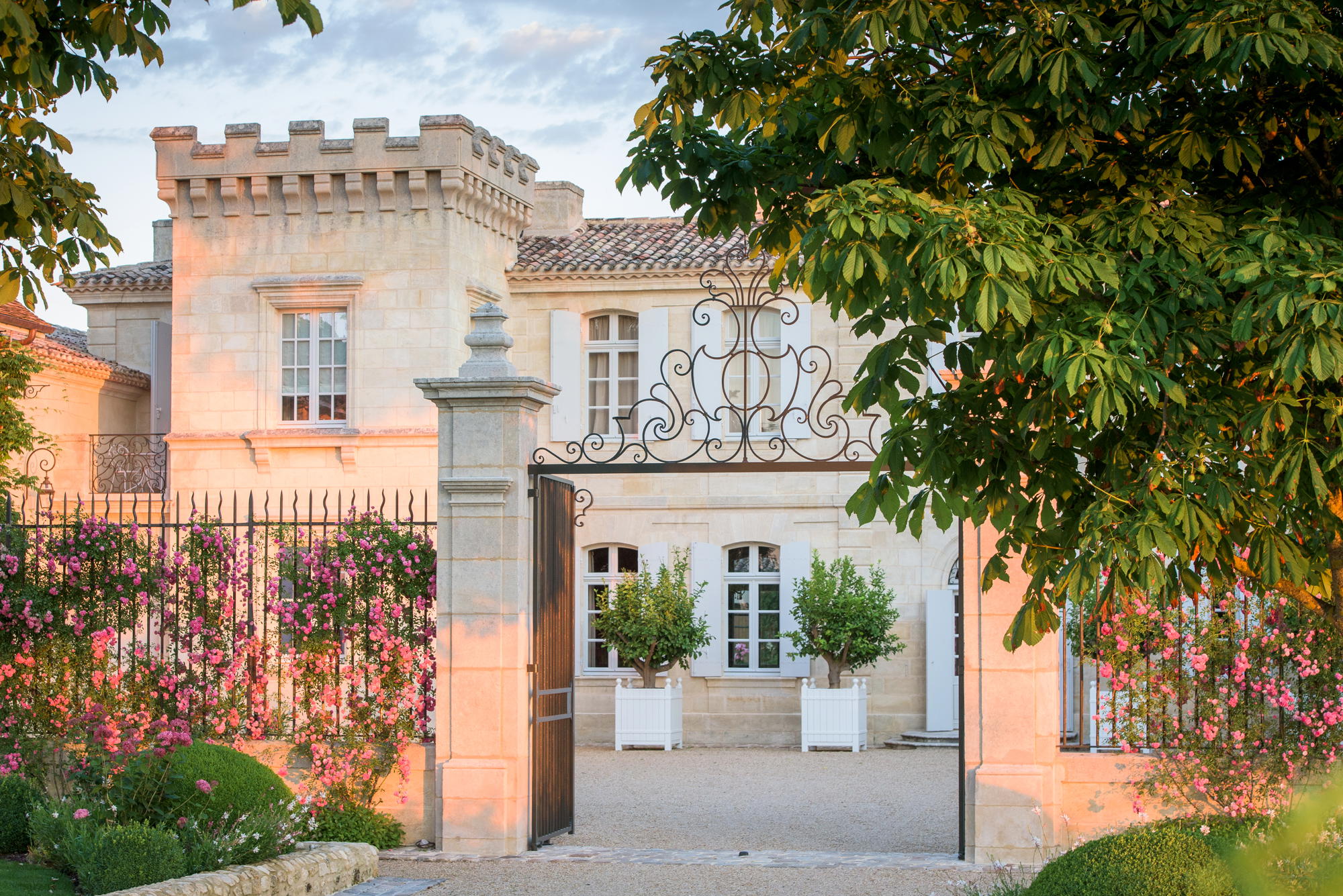
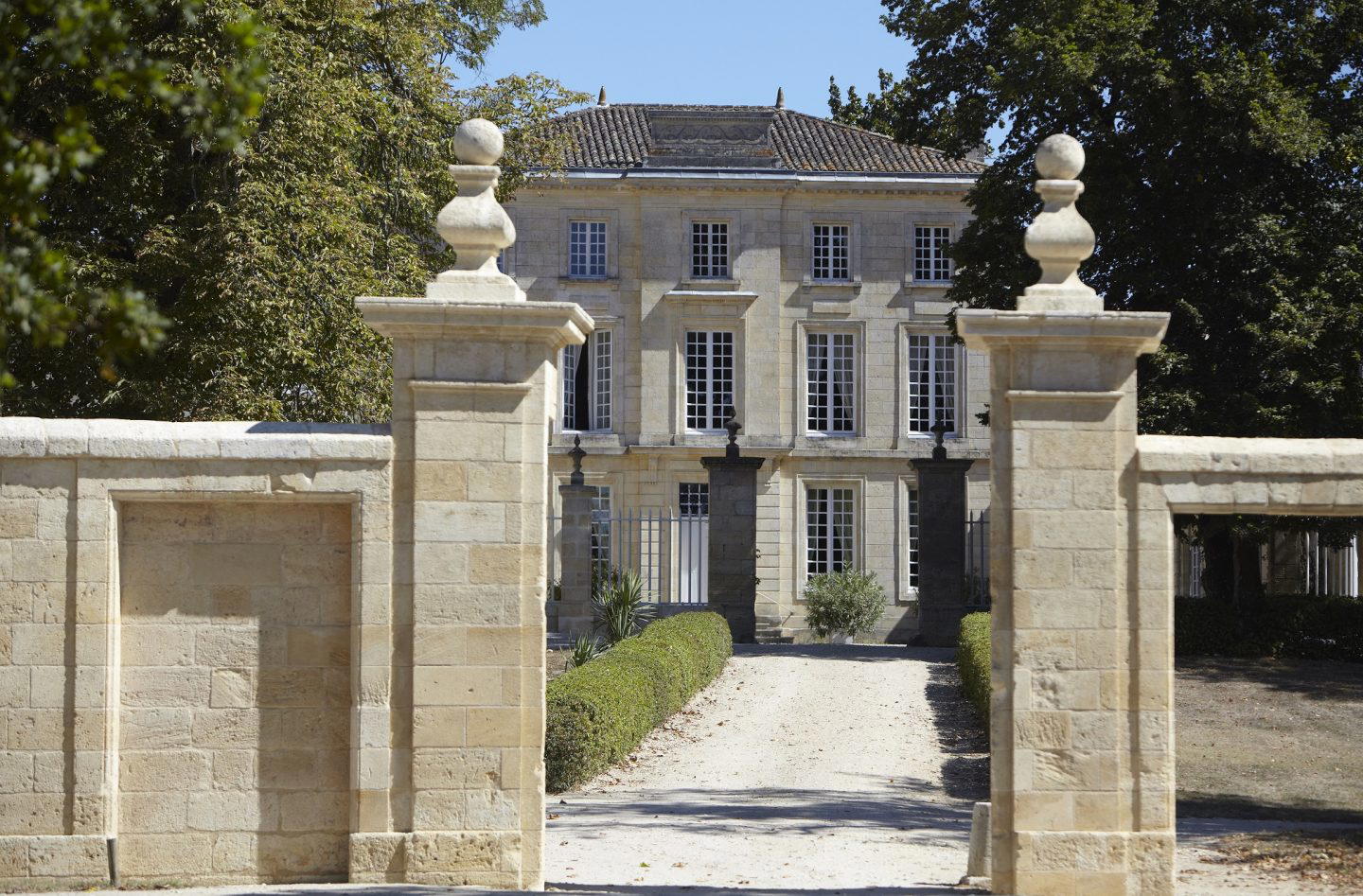
Bars in Saint-Émilion
Browse all →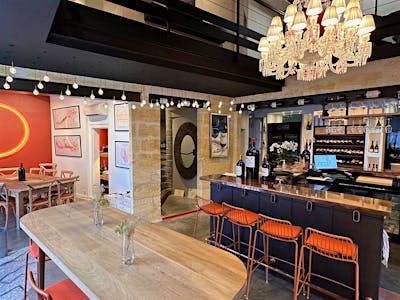
Restaurants in Saint-Émilion
Browse all →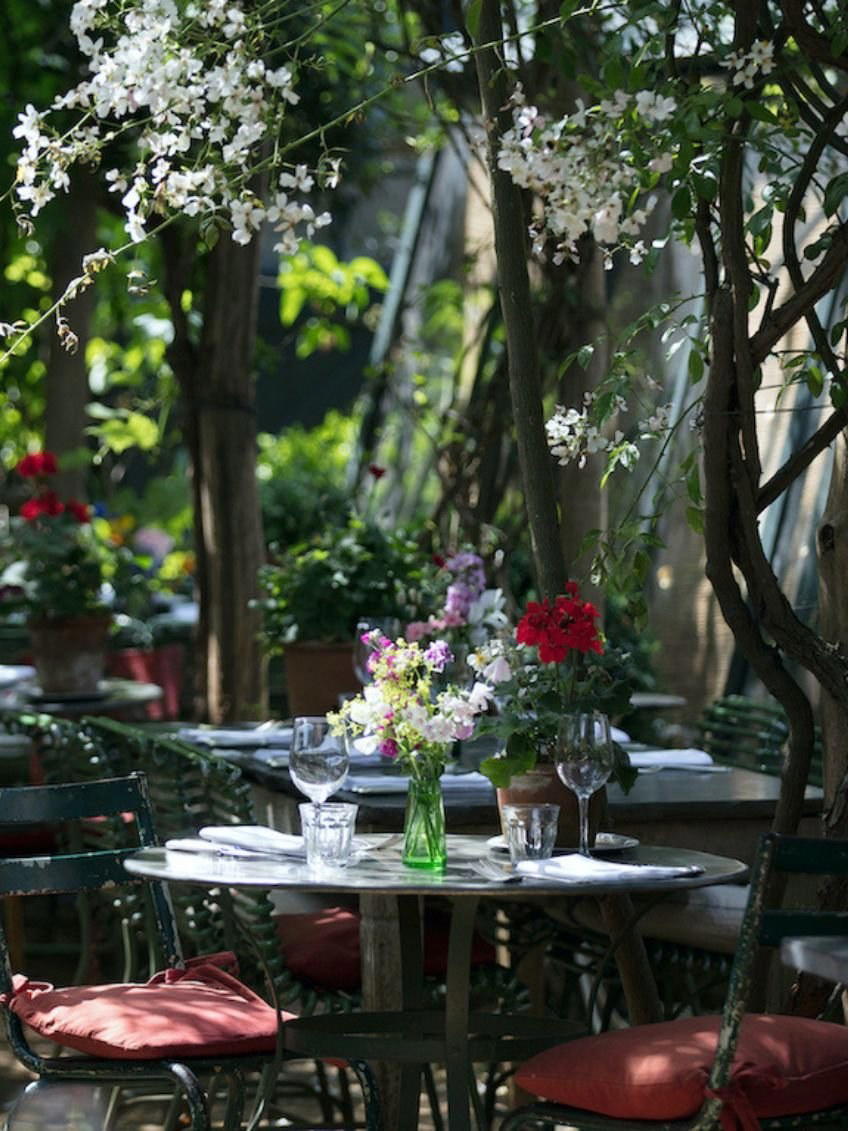
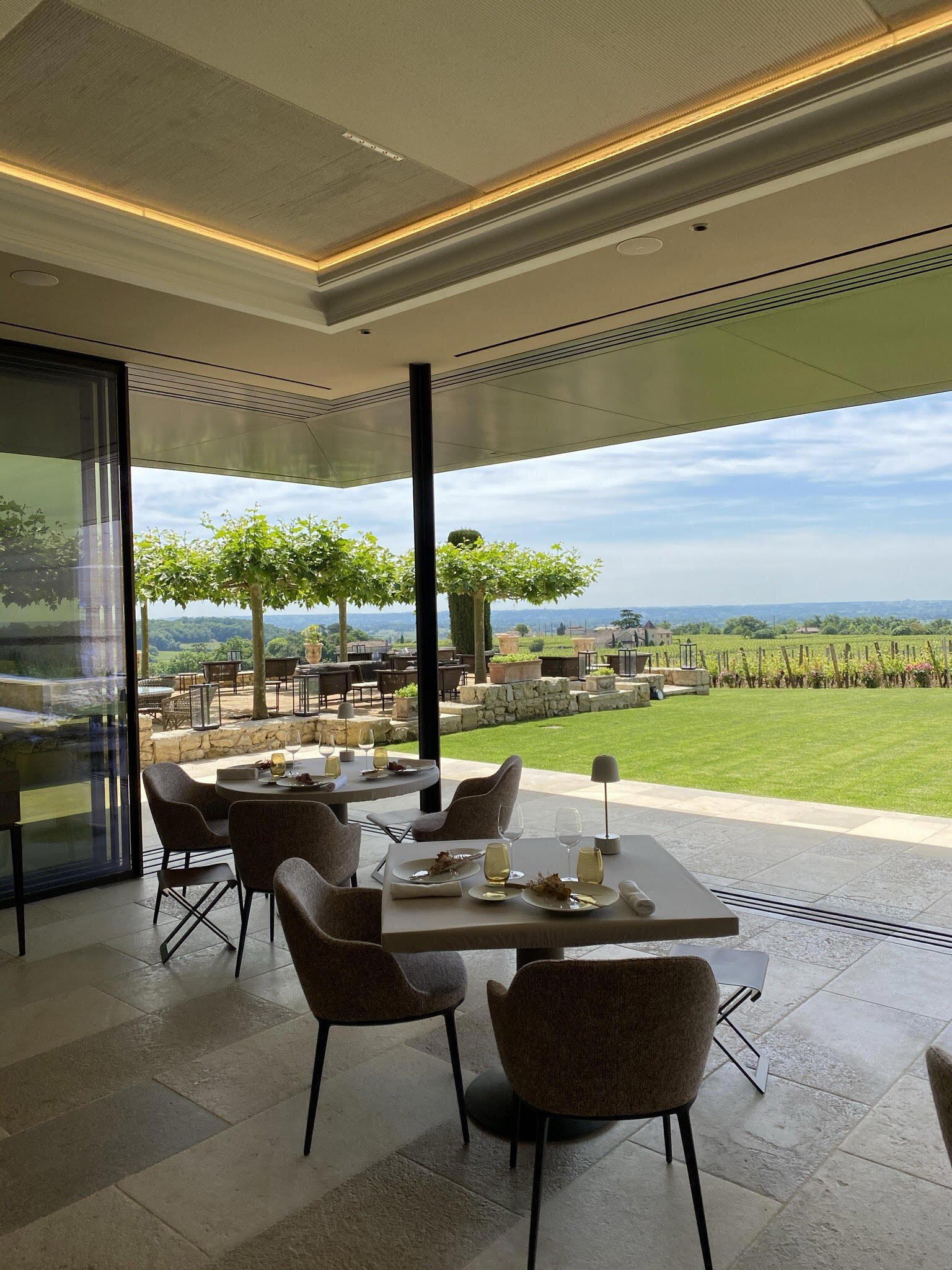
Details
- Sophisticated
- Ornate
- Modern
- Quiet
- Special Occasion
- Wine Education
- Solo Exploration
- Historic Building
- Barrel Room
- Vineyard Tour
- Private Tasting
- Vineyard
- Merlot
- Cabernet Franc
- Still Red
- Vertical Tasting
- Estate Tasting
A modern-styled, forward, ornate Bordeaux estate with a small-cellar, gravity-flow production setup and a polished, rich-wine identity.