
Falstaff Winery - Listed
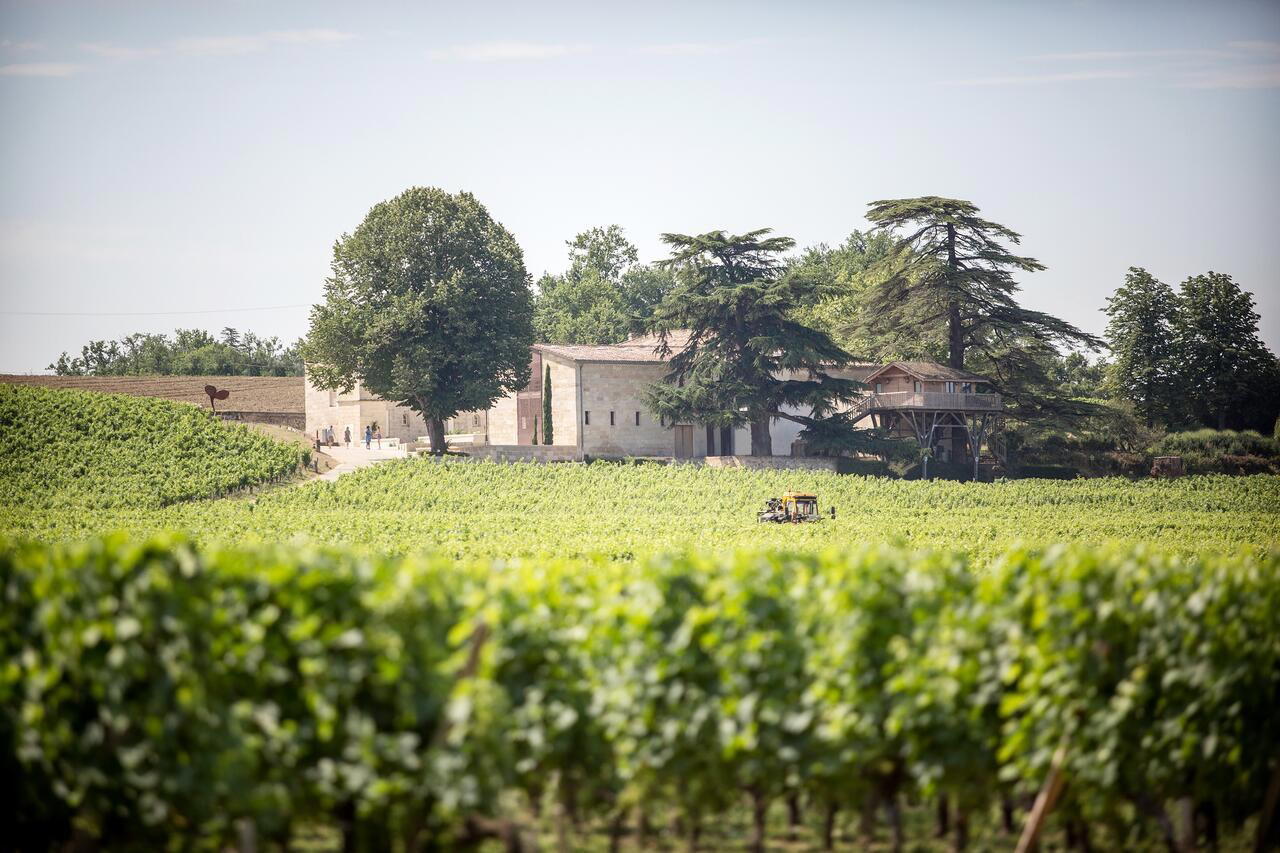
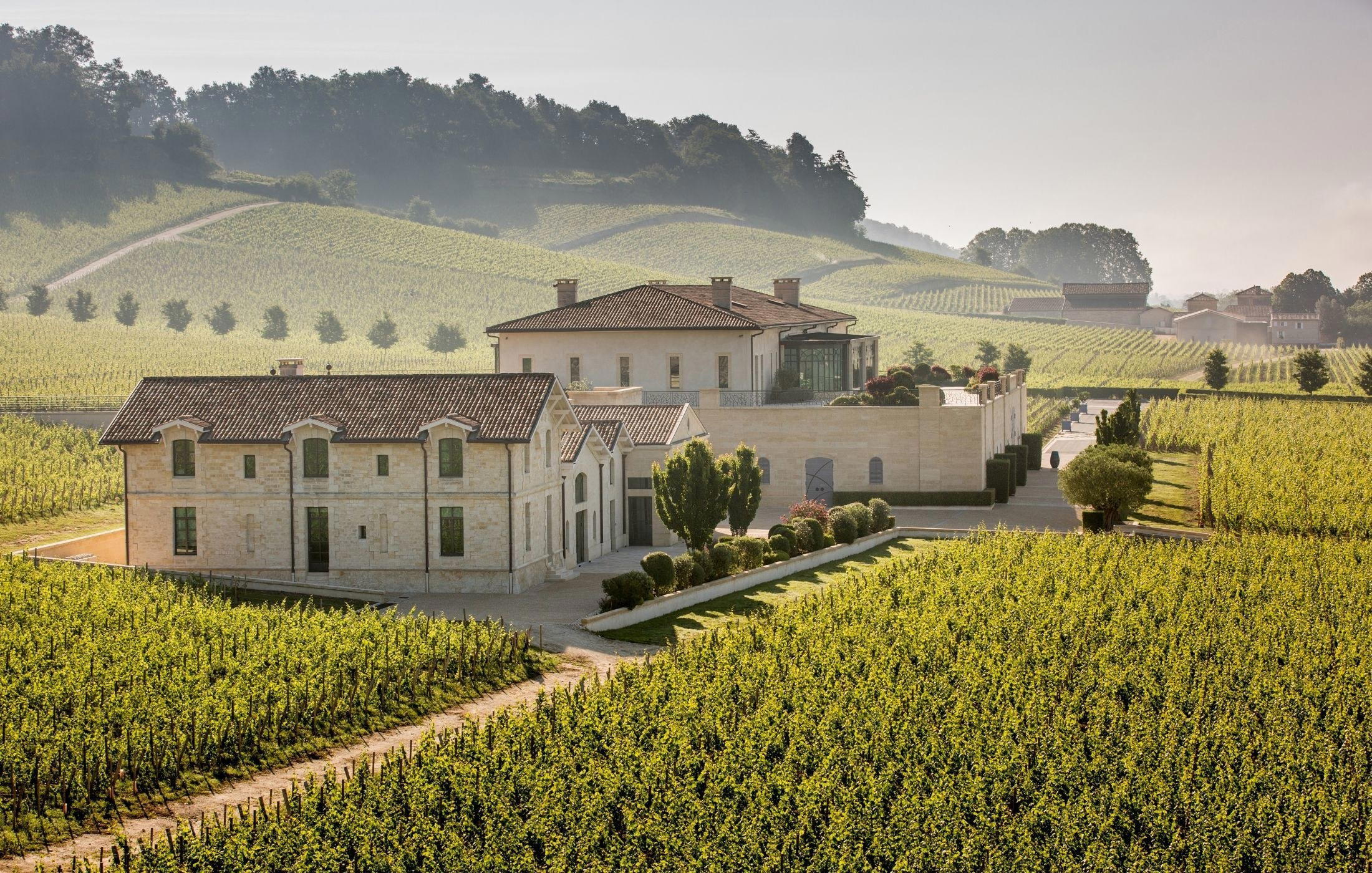
Château Les Trois Croix is a small Right Bank estate in Fronsac, shaped by clay-limestone soils, mature Merlot and Cabernet Franc vines, and a serious cellar-first temperament. The appeal is not tasting-room theatre, but the Fronsac proposition itself: structured red Bordeaux with mineral tension, family continuity, and critic recognition without Saint-Émilion pricing.

Pearl is the En Primeur Club membership app — saves, bookings, and concierge access live there. Same editors, same standards.
- Address
- Fronsac, Nouvelle-Aquitaine, Frankreich
- Directions
- Get directions

Château Les Trois Croix is a traditional Right Bank Bordeaux estate in Fronsac, with a serious, classic atmosphere rather than a casual tasting-room feel. The profile is focused on structured, age-worthy red wines that balance ripe dark fruit with mineral tension and refined tannins. In practical terms, this is a venue to think of first through the lens of Bordeaux style: measured, composed and built around the character of the wine rather than around a broad visitor experience.
For visitors planning around Fronsac, the estate is best understood as a Bordeaux wine stop for drinkers interested in structure, maturity and a more traditional sense of place. It is not best framed as a loose, drop-in leisure stop; the available description points instead toward a more classic encounter with Right Bank red wine, where the appeal lies in depth, restraint and the promise of development over time.
Structured Right Bank reds in Fronsac
The clearest description of Château Les Trois Croix is stylistic: a Right Bank Bordeaux estate centered on structured, age-worthy red wines. Expect the emphasis to be on ripe dark fruit, mineral tension and refined tannins rather than on a casual hospitality concept or broad leisure programming. That combination gives a useful sense of the wines’ shape: fruit provides richness, the mineral tension brings line and firmness, and the tannins suggest polish rather than roughness.
The price level is listed as $$$, placing the venue in a premium bracket. That does not, by itself, define the whole experience, but it does help set expectations for visitors comparing Fronsac wine stops. Château Les Trois Croix should be considered with the seriousness and focus implied by that bracket, especially for drinkers who are deliberately seeking classic Bordeaux structure rather than a simple tasting diversion.
Because the confirmed information is intentionally narrow, it is better to frame Château Les Trois Croix by its wine style and atmosphere than by claims about cellar methods, vineyard details, ratings or visitor services. The most reliable reading is therefore deliberately restrained: this is a traditional Fronsac estate whose identity, as presented, rests on red wines with age-worthy structure, dark-fruited depth, mineral tension and refined tannins. Anything beyond that should be checked directly rather than assumed.
A classic, serious Bordeaux atmosphere
Château Les Trois Croix is described as traditional and serious, with a focus on the character of its red wines. That makes it a stronger fit for visitors who want a classic Right Bank Bordeaux context than for those seeking a casual tasting-room vibe. The atmosphere, as described, support concentration on the wines themselves: their balance, their structure and their place within a Fronsac itinerary.
Those specifics should not be treated as established facts without direct confirmation from the estate or another reliable source. This matters because Bordeaux estates are often discussed through layers of reputation, history and critical context; here, the responsible approach is to avoid filling in those gaps and to stay close to what is actually known.
For practical planning, confirm current visiting arrangements, availability and any tasting requirements directly with Château Les Trois Croix. The location is Fronsac. Since the confirmed description does not include detailed visitor-service information, planning should be handled carefully: check before building a route around the estate, and avoid assuming that the experience will resemble more informal tasting-room formats elsewhere.
How to place it in a Fronsac itinerary
In a Fronsac itinerary, Château Les Trois Croix works well as a serious Bordeaux wine stop focused on structured, age-worthy reds. The draw is the estate’s traditional Right Bank character and its balance of ripe dark fruit, mineral tension and refined tannins. For the right visitor, that is enough of a reason to make space for it: the appeal is not breadth or spectacle, but a clear, classic wine identity.
When comparing options, keep the focus on Château Les Trois Croix and other Fronsac dining or wine stops generically rather than relying on named comparisons. Build the route around confirmed logistics, and check the venue’s current information before making plans.
Against the broader Bordeaux landscape, the grounded case for Château Les Trois Croix is simple: a traditional Fronsac estate with a classic, serious atmosphere and a focus on structured red wines.
Recognition history
Dated appearances from independent guides and award organizations, with the underlying list record or original source where available.
Falstaff Winery - Listed
Falstaff
Continue exploring
More in Fronsac
Wineries in Fronsac
Browse all →
Bars in Fronsac
Browse all →
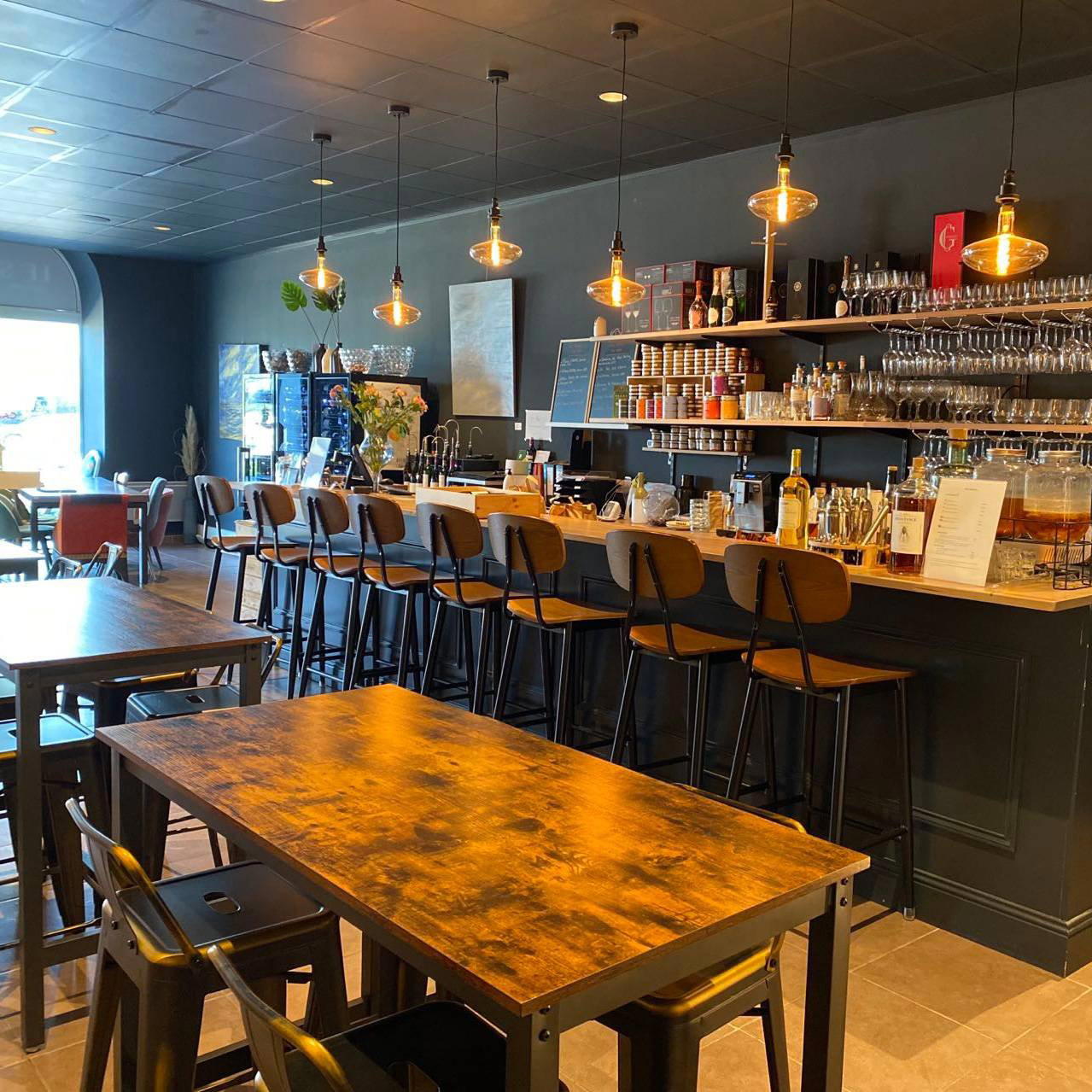
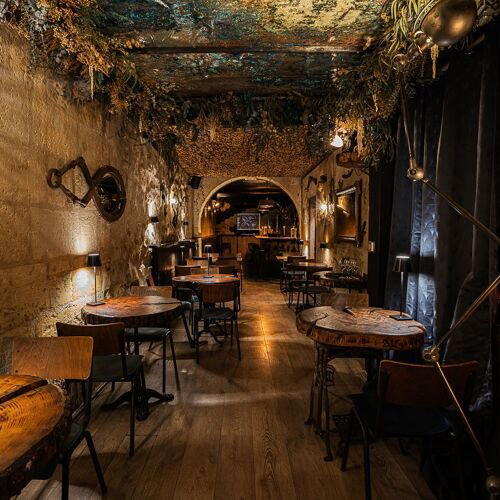
Restaurants in Fronsac
Browse all →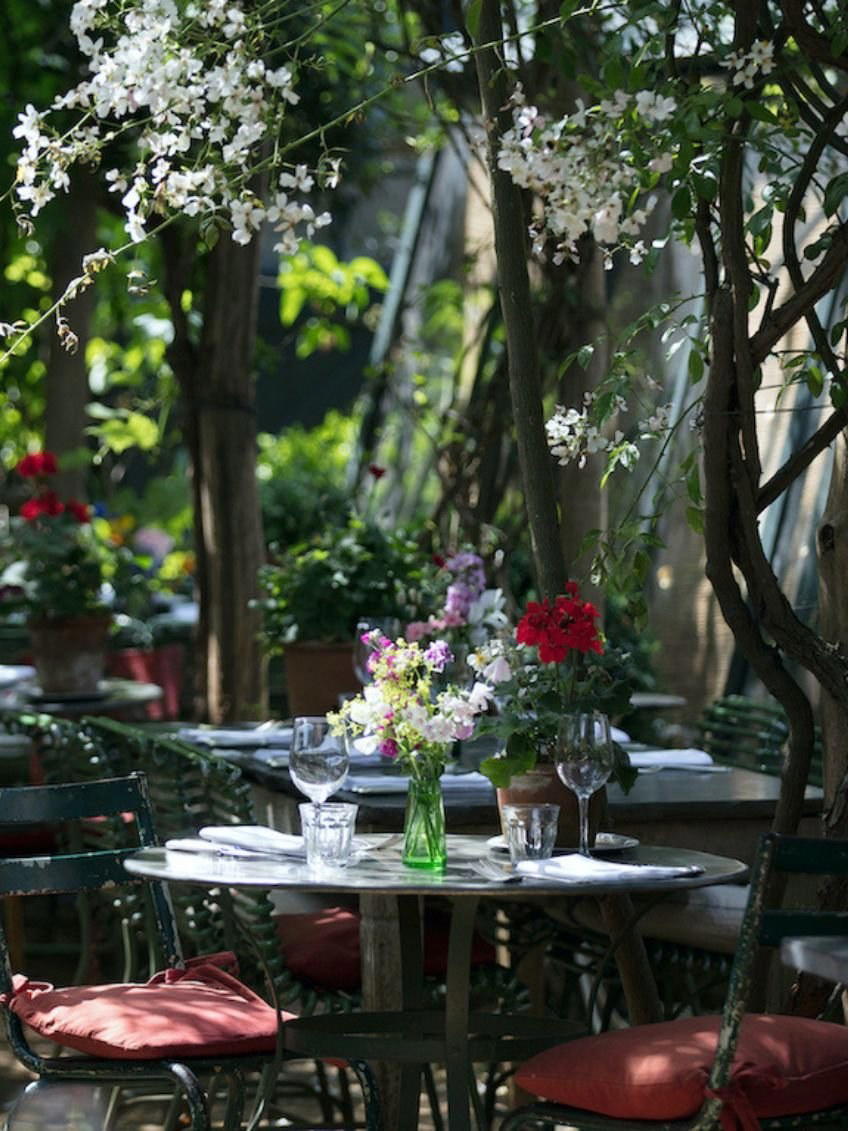
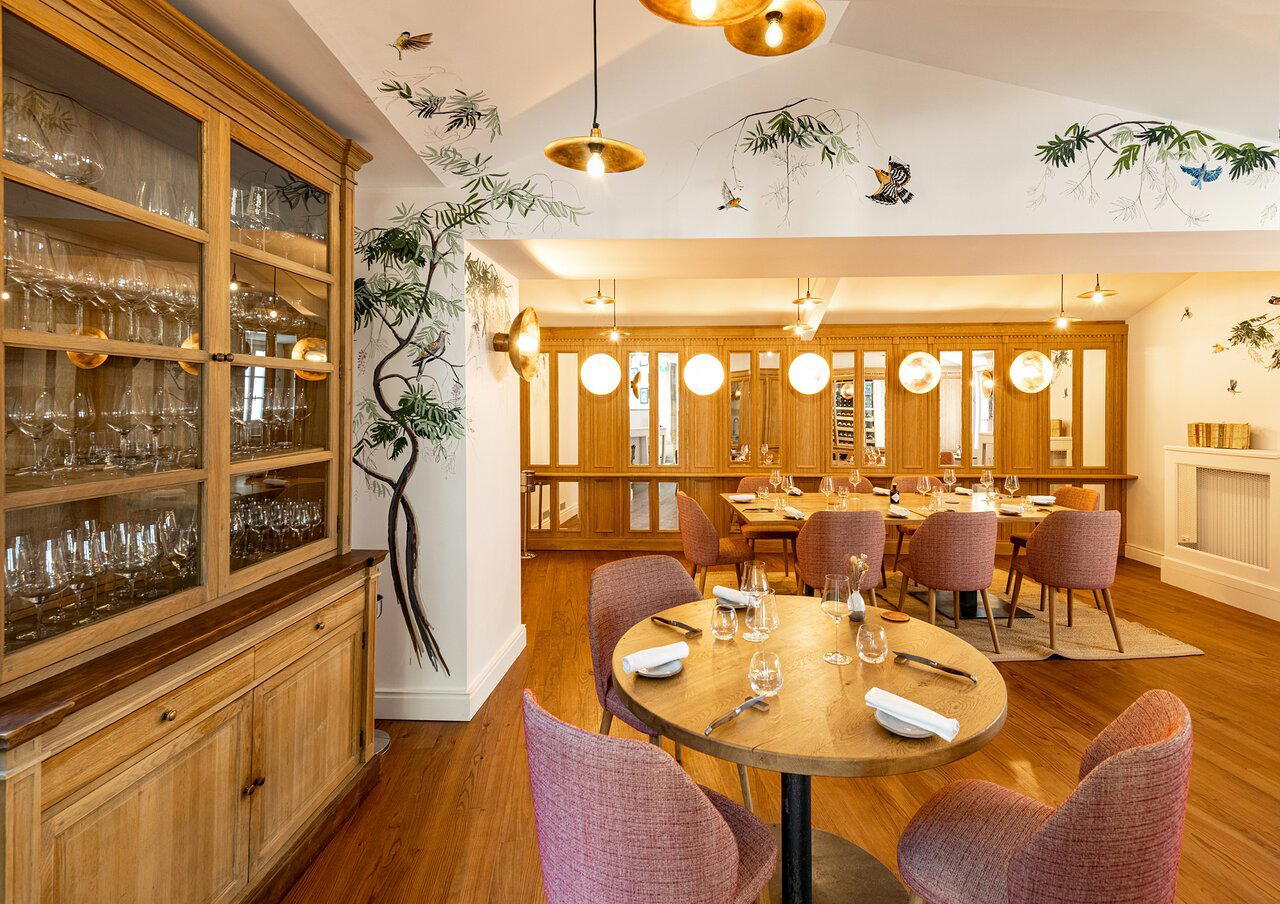
Details
- Classic
- Rustic
- Romantic
- Scenic
- Sophisticated
- Romantic Getaway
- Special Occasion
- Wine Education
- Solo Exploration
- Vineyard
- Merlot
- Cabernet Franc
- Still Red
Traditional right-bank Bordeaux estate focused on structured, age-worthy red wines that balance ripe dark fruit with mineral tension and refined tannins, offering a classic, serious atmosphere rather than a casual tasting-room vibe.