Château Les Grandes Murailles

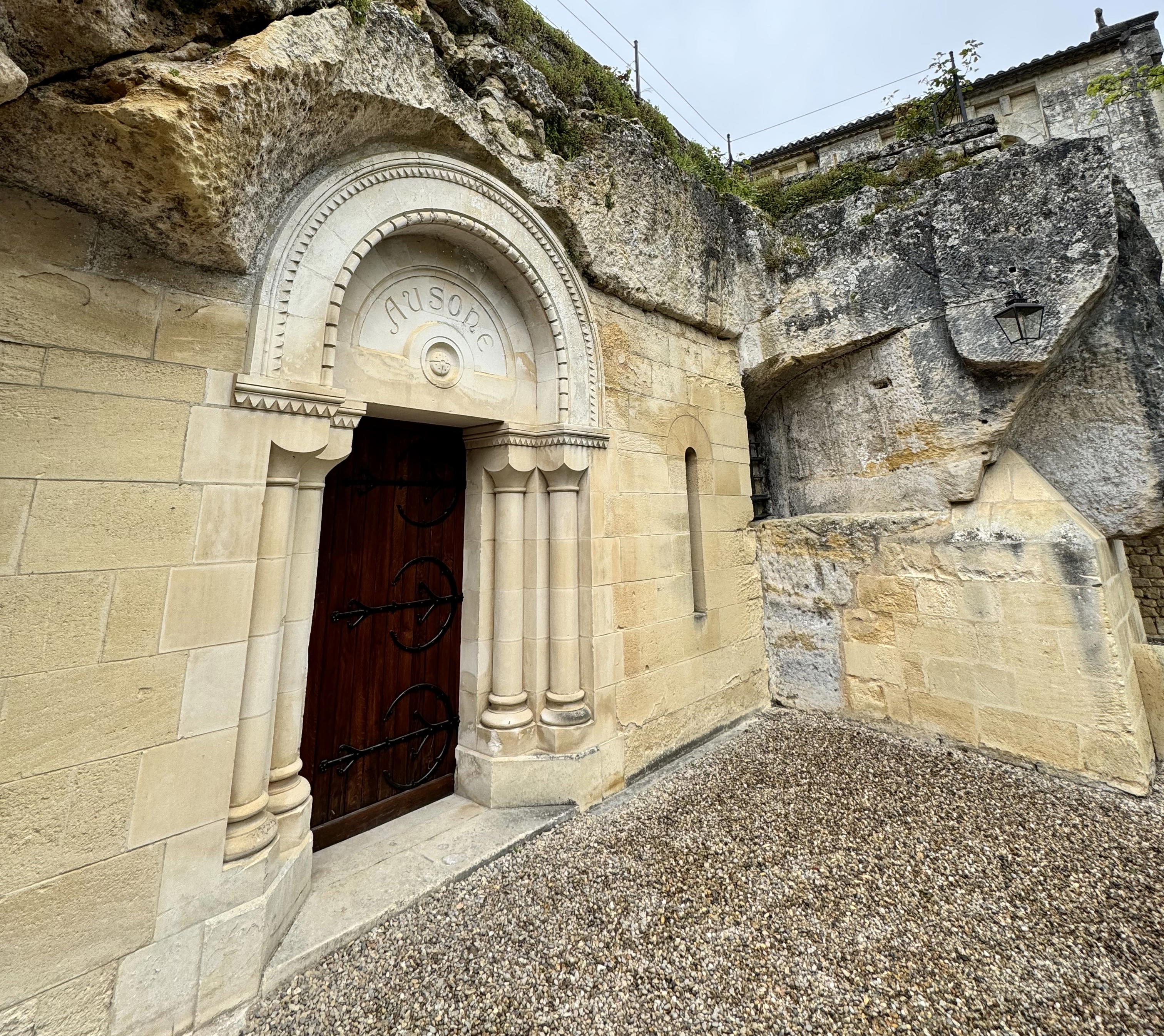
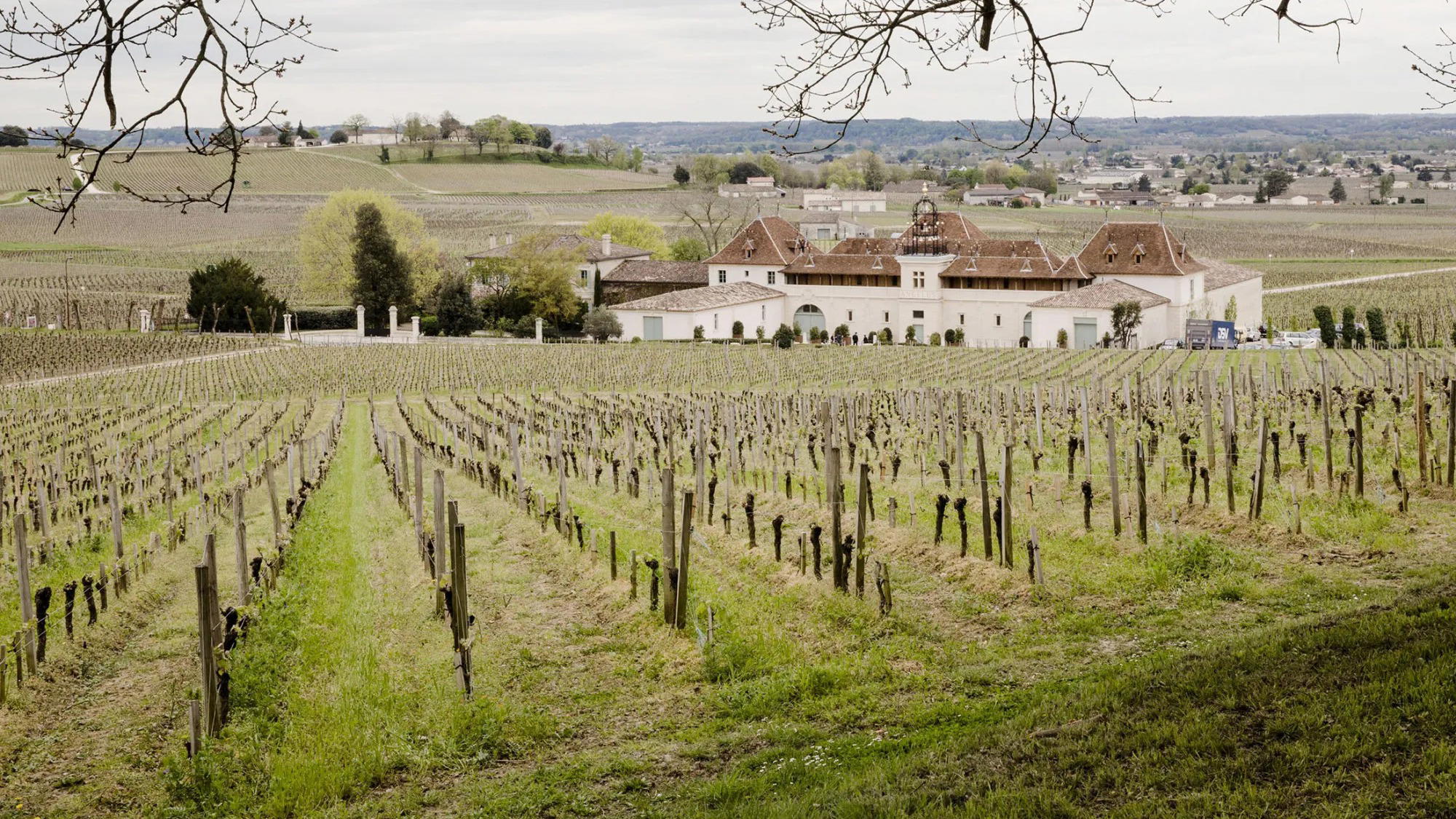
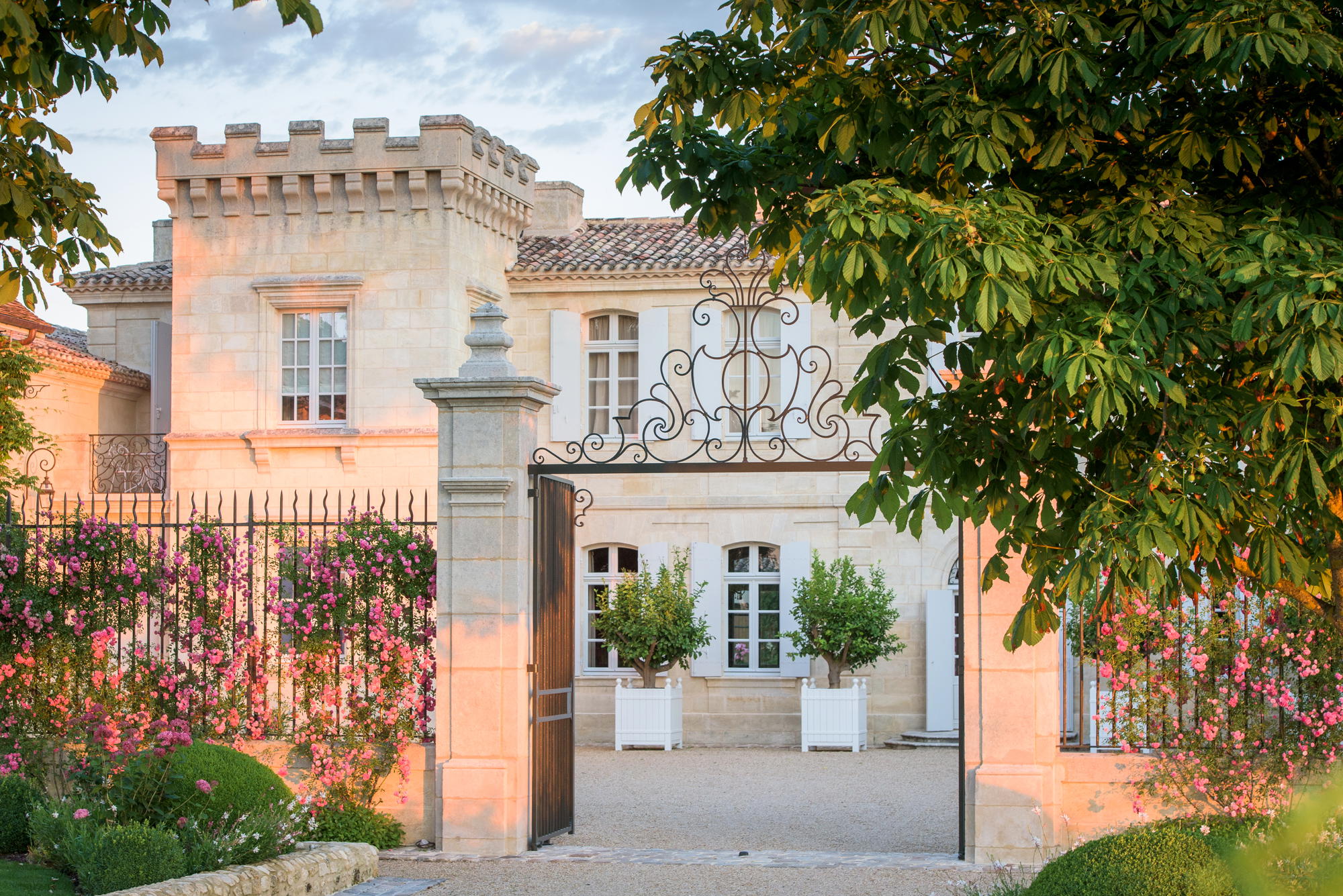
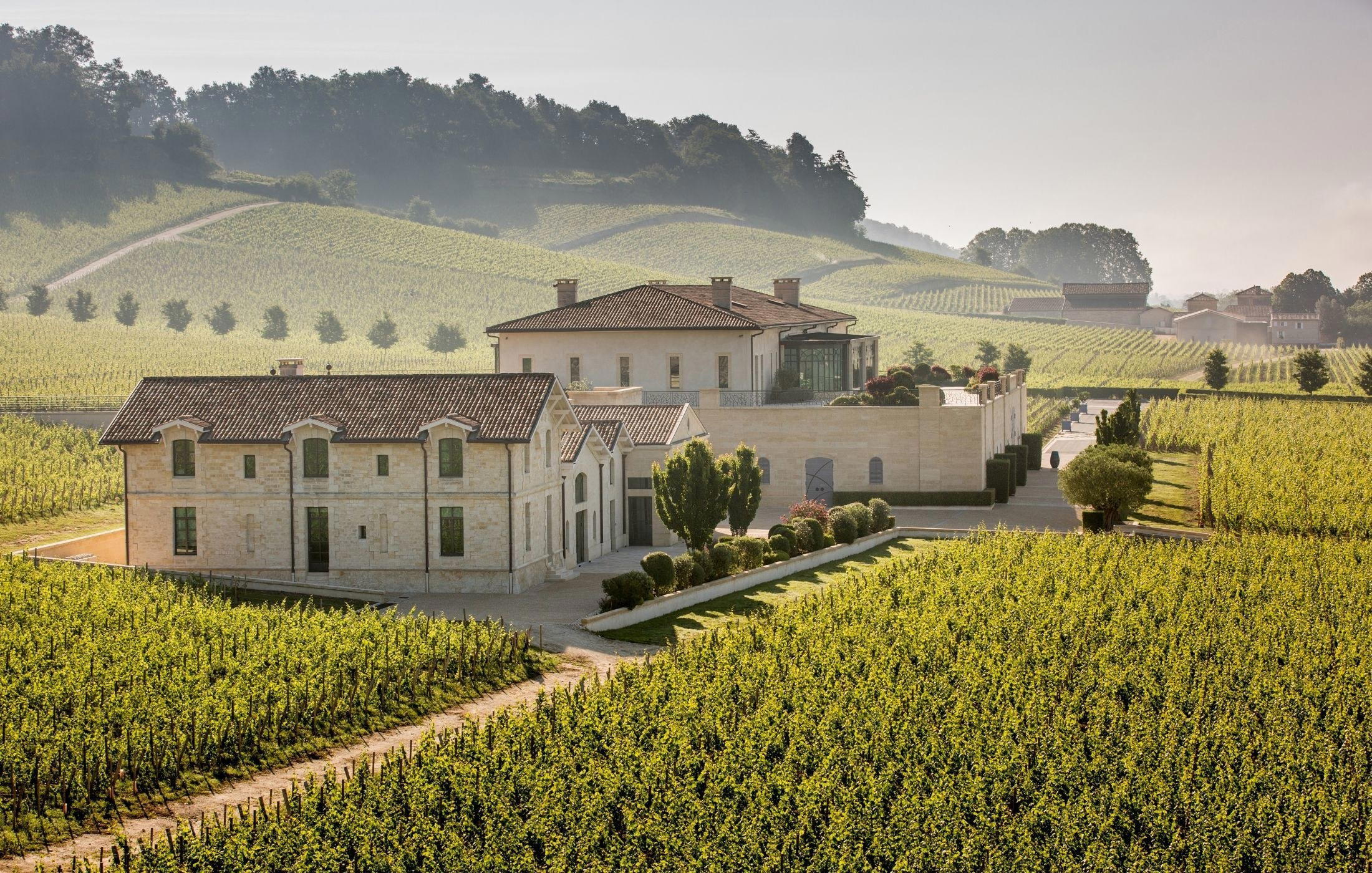
Château Les Grandes Murailles is a tiny Saint-Émilion Grand Cru Classé estate defined by limestone, Merlot, and scale: roughly two hectares, one red wine, and around 500 cases per vintage. The appeal is not breadth but precision, with clay-limestone soils, manual harvesting, amphora use in recent vintages, and a medieval wall framing one of the appellation’s more intimate vineyard settings.
Pearl is the En Primeur Club membership app — saves, bookings, and concierge access live there. Same editors, same standards.
- Address
- Saint-Émilion, Nouvelle-Aquitaine, Frankreich
 Saves & bookings on Pearl
Château Les Grandes Murailles is a small grand cru classé estate in Saint-Émilion, closely associated with the appellation’s limestone plateau. The profile is narrow but useful: this is a Saint-Émilion Merlot estate where the interest lies in texture, mineral tension, and the balance between power and elegance. In that sense, it is not a venue that needs a long list of supporting attractions to make its point. Its relevance is concentrated in a compact set of ideas: site, scale, grape variety, and a polished style shaped around refinement rather than excess.
Rather than build the story around visitor details, the safest way to read Château Les Grandes Murailles is through what is confirmed: a tiny estate, a plateau setting, and Merlot described in refined, medium- to full-bodied terms. For travelers comparing Saint-Émilion producers, it is best treated as a focused wine estate rather than a broadly documented hospitality venue. That distinction matters, because particularly reliable reading here comes from the wine identity itself, not from assumptions about how the estate may or may not receive guests.
Limestone plateau Merlot, reduced to a single argument
The estate’s strongest claim is stylistic and geological. Château Les Grandes Murailles is tied to Saint-Émilion’s limestone plateau, and its Merlot is described as intensely refined, medium- to full-bodied, with silky, supple tannins and mineral salinity. Those descriptors place the emphasis on shape and feel as much as on weight. The wine is presented less as a simple expression of ripeness than as a study in how richness can be carried by freshness, texture, and a persistent mineral edge.
That profile gives the wine its central tension: richness without losing line, and power without abandoning elegance. The language around the estate points to a Merlot that should be understood through poise, not just density. Silky tannins suggest polish; supple structure suggests accessibility of texture; mineral salinity brings the discussion back to the plateau and to the sense of precision associated with it.
What can be said with confidence is that winery belongs to the smaller, more focused side of Saint-Émilion: a grand cru classé estate whose reputation rests on refined Merlot from the plateau rather than on a broad range of visitor amenities. For a wine-focused reader, that is already a clear position. The estate’s story is narrow, but it is not vague: it points repeatedly back to limestone, Merlot, texture, salinity, and the controlled balance between body and elegance.
Why the small-estate format matters in Saint-Émilion
Small scale matters because it concentrates attention on the identity of the wine. At the winery, the description points to medium- to full-bodied Merlot with supple tannins, mineral salinity, and a balance of power and elegance. In a region where many estates can be discussed through architecture, tourism infrastructure, or broad brand narratives, a compact estate is easier to understand through the wine’s core message. Here, that message is unusually compressed: the plateau setting and the Merlot profile do most of the work.
Those are the useful reference points for understanding the estate. That restraint is important, because adding unsupported detail would blur the cleanest reading of the property. The confirmed material is sufficient to frame the winery as a precise Saint-Émilion reference rather than a general-purpose travel stop.
In a broader Saint-Émilion itinerary, the winery can be understood as a compact, site-focused estate. Other dining and wine options in Saint-Émilion may provide additional context for the village, but the case for this address rests on its own plateau Merlot profile. It is most useful for travelers who want to compare expressions of Merlot within the appellation and who are interested in how a small grand cru classé estate can communicate a clear sense of place through texture and balance.
Publicly visitor-format details are limited. The grounded reason to pay attention to the winery is not a confirmed tour structure, tasting length, language offering, parking setup, or food-pairing program; it is the estate’s small grand cru classé identity and its refined Merlot from Saint-Émilion. In practical terms, that means expectations should stay disciplined. The available profile supports interest in the wine and the site, but it does not support detailed assumptions about the on-the-ground experience.
Travelers should confirm practical arrangements directly before planning any visit. That includes treating any visit as something to verify in advance rather than infer from the estate’s classification or reputation. For anyone building a Saint-Émilion schedule, this is the cautious approach: let the confirmed wine identity guide interest, and let direct confirmation settle the logistics.
For wine-focused visitors, the appeal is direct: the winery offers a concise way to think about Saint-Émilion Merlot through limestone, texture, salinity, and elegance, without relying on unconfirmed hospitality claims. Its value lies in that clarity. The estate may be small, and the publicly available visitor detail may be limited, but the stylistic argument is coherent: a refined, medium- to full-bodied Merlot expression from the limestone plateau, defined by supple tannins, mineral tension, and a measured balance of power and finesse.
Recognition history
Dated appearances from independent guides and award organizations, with the underlying list record or original source where available.
Falstaff Winery - Listed
Falstaff
Continue exploring
More in Saint-Émilion
Wineries in Saint-Émilion
Browse all →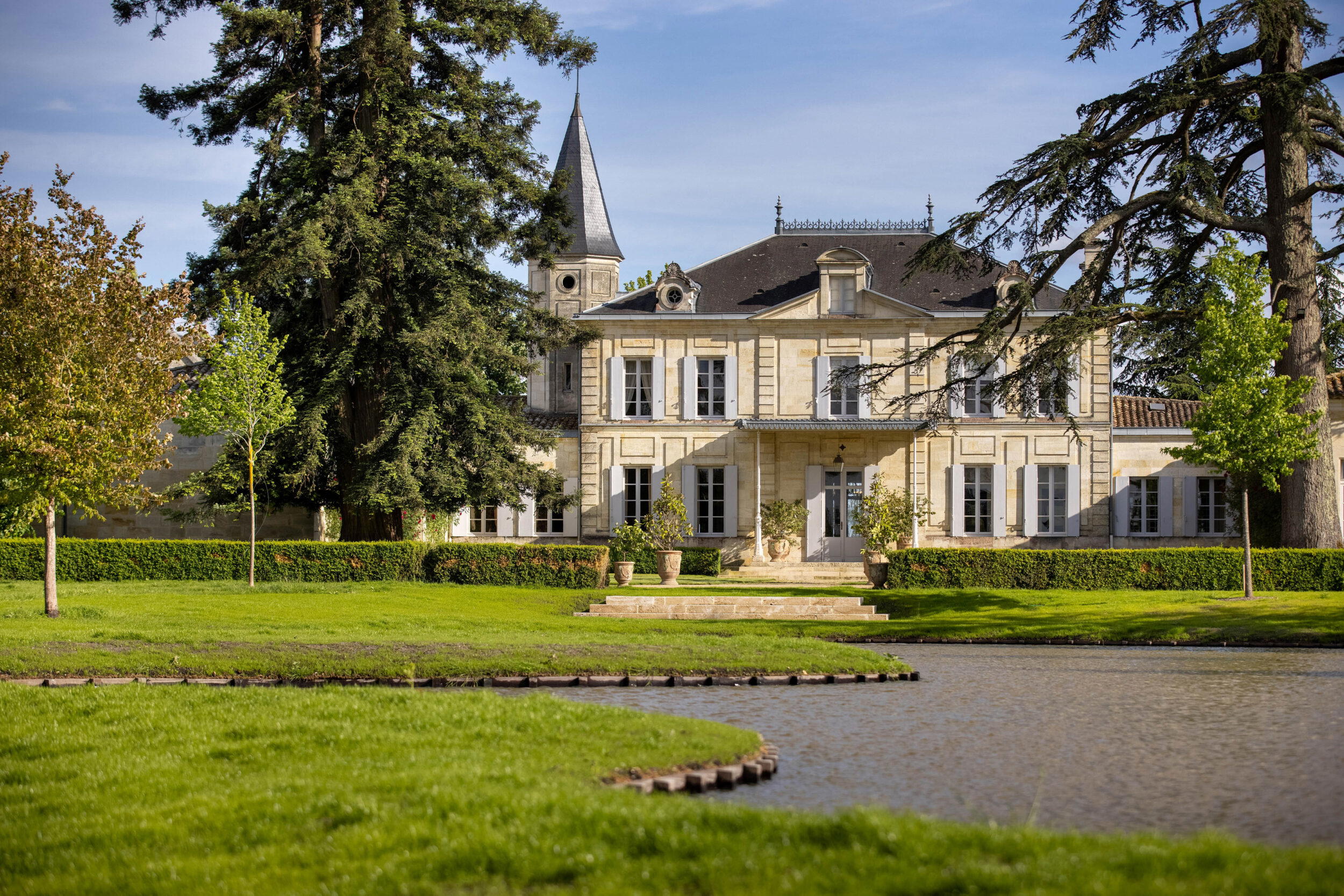
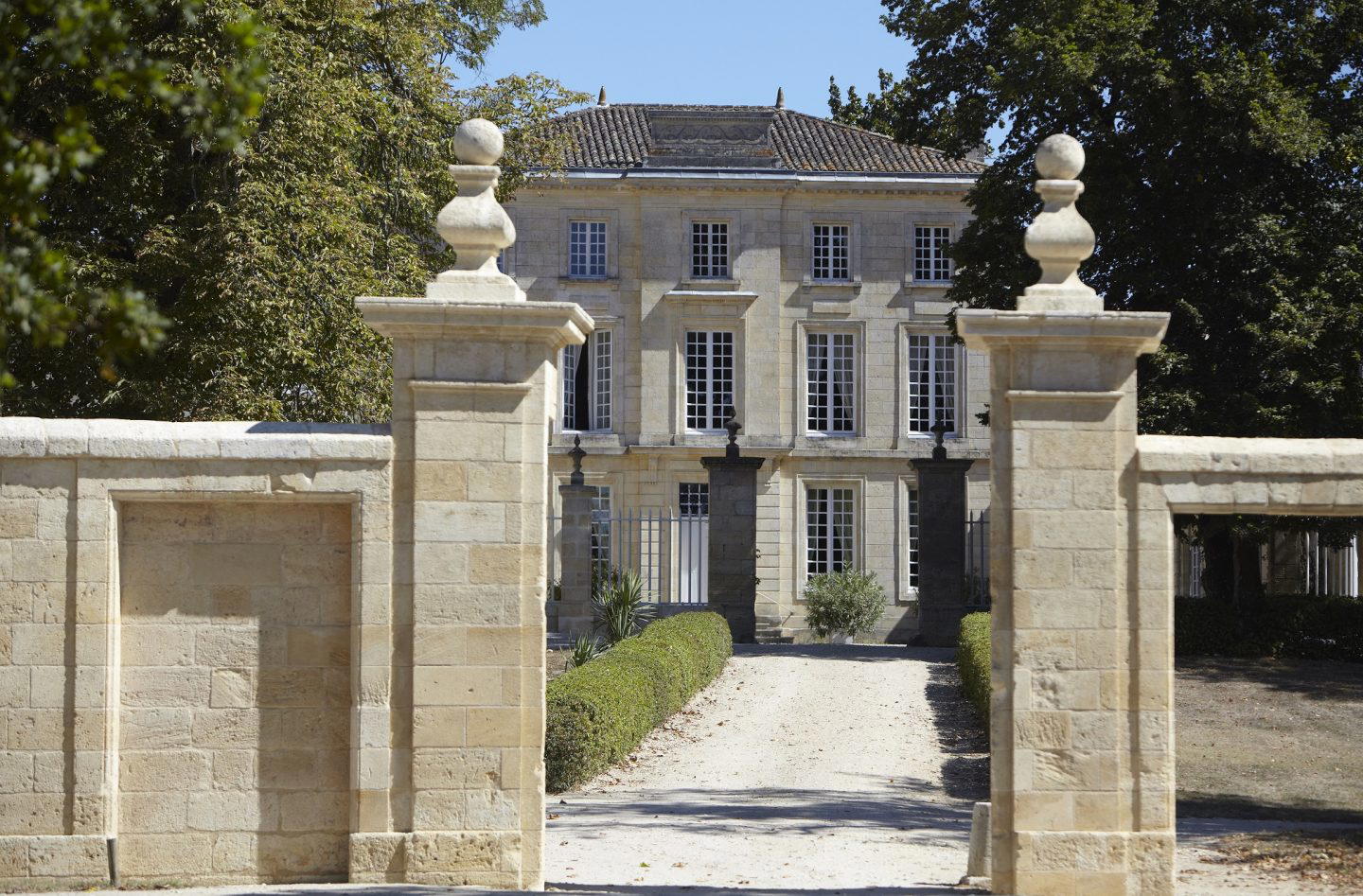
Bars in Saint-Émilion
Browse all →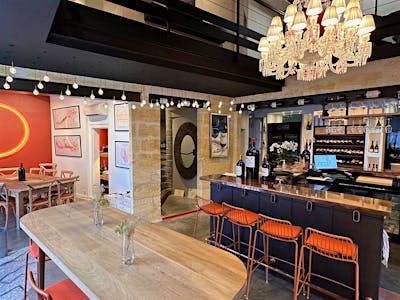
Restaurants in Saint-Émilion
Browse all →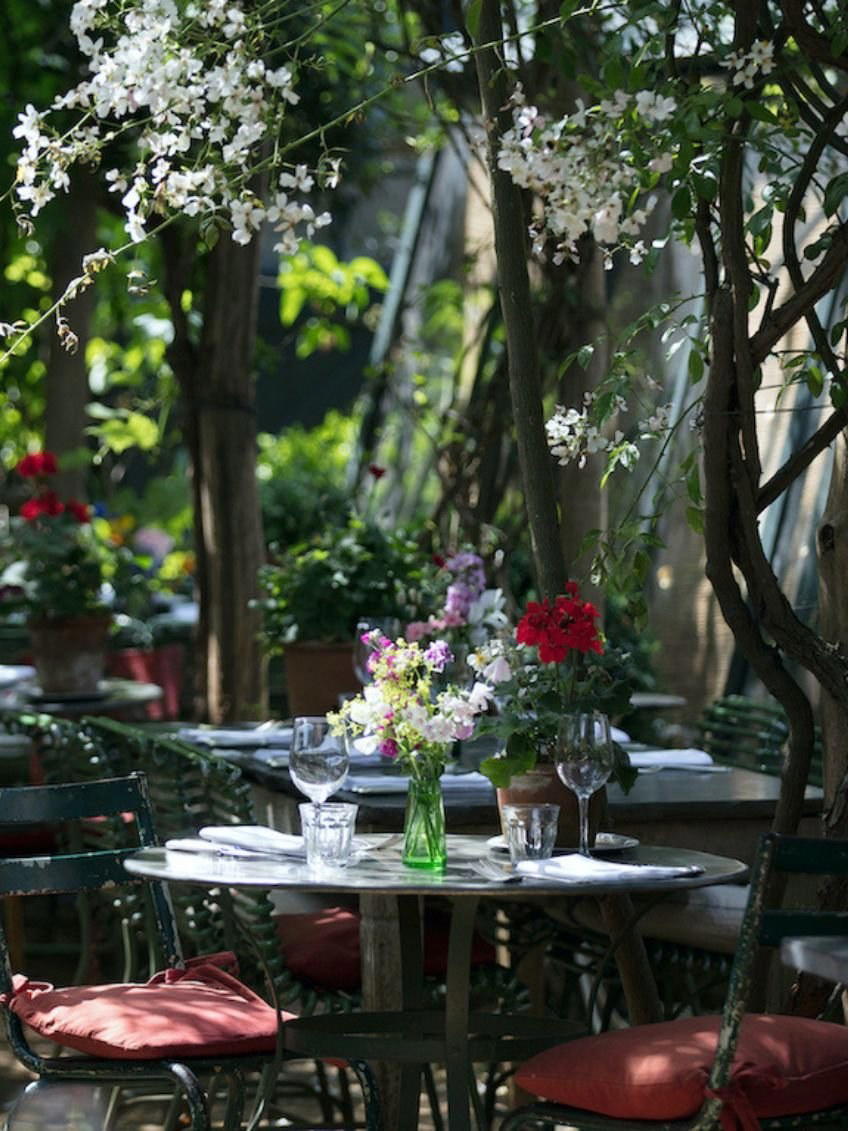
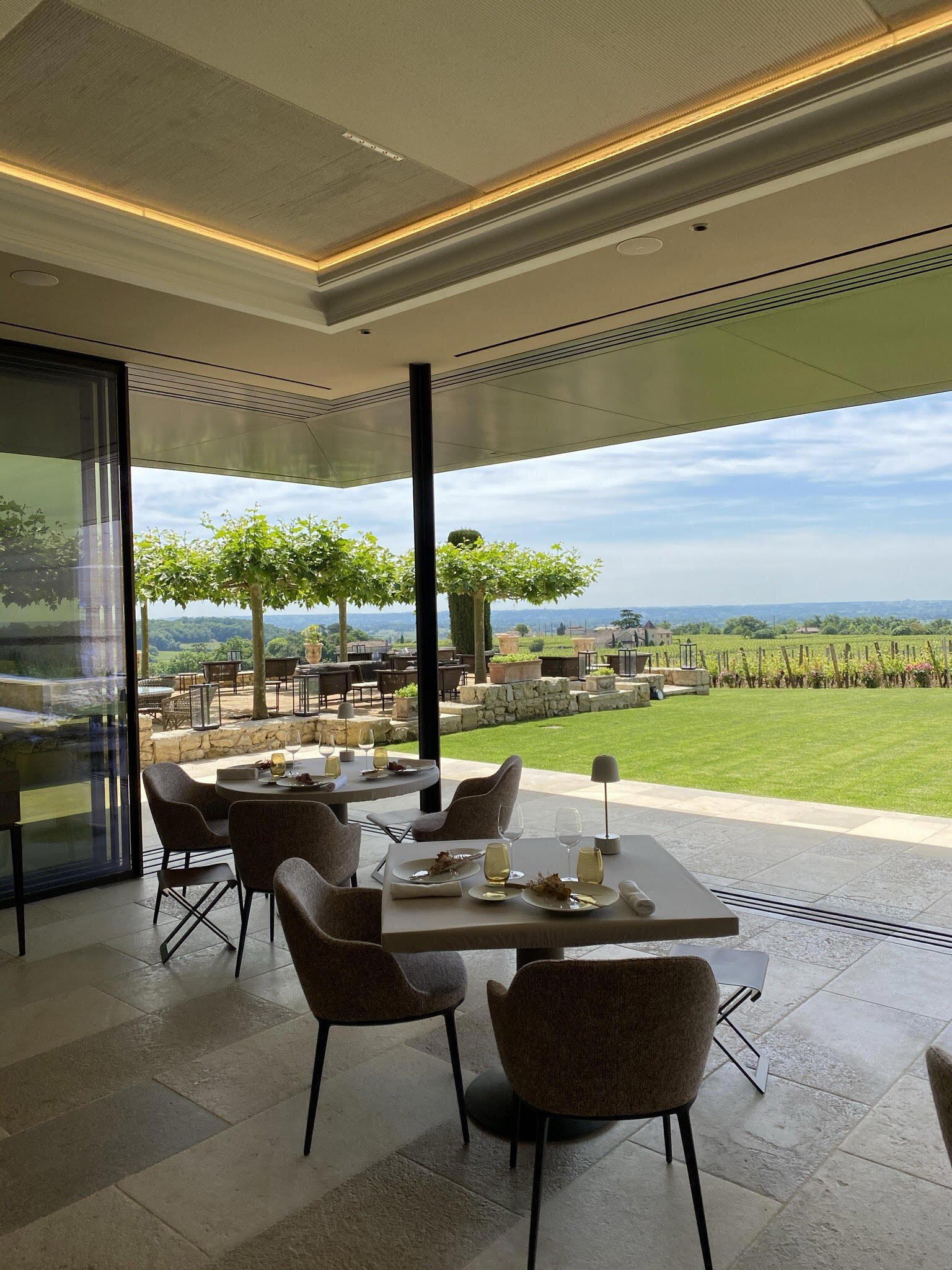
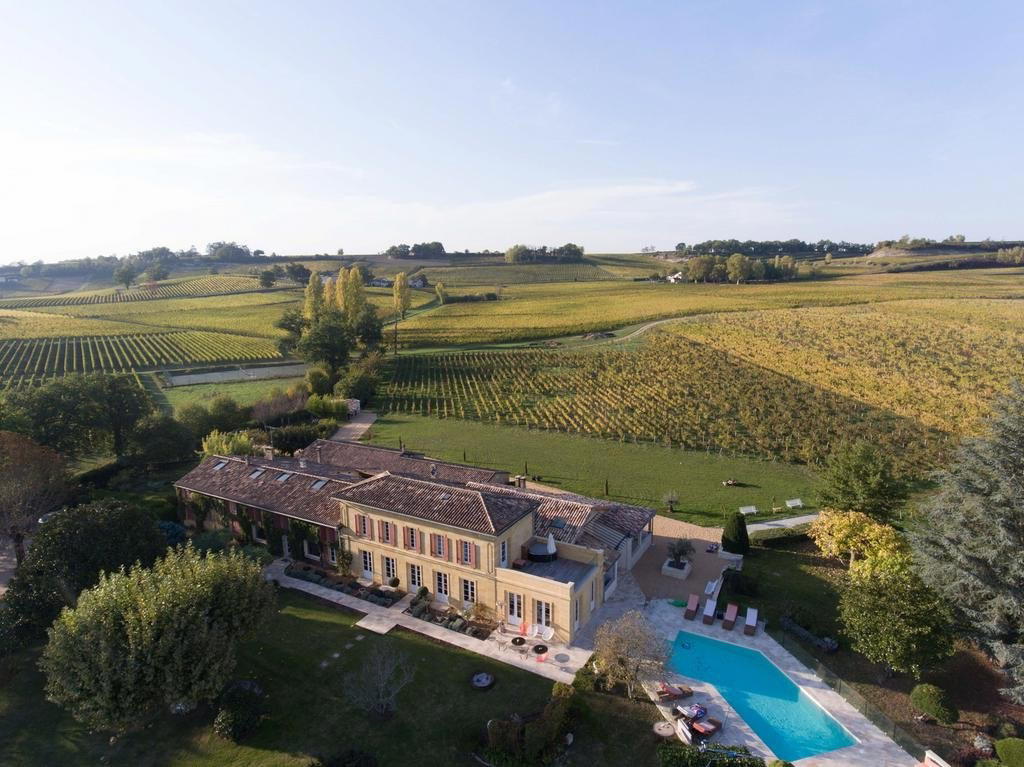
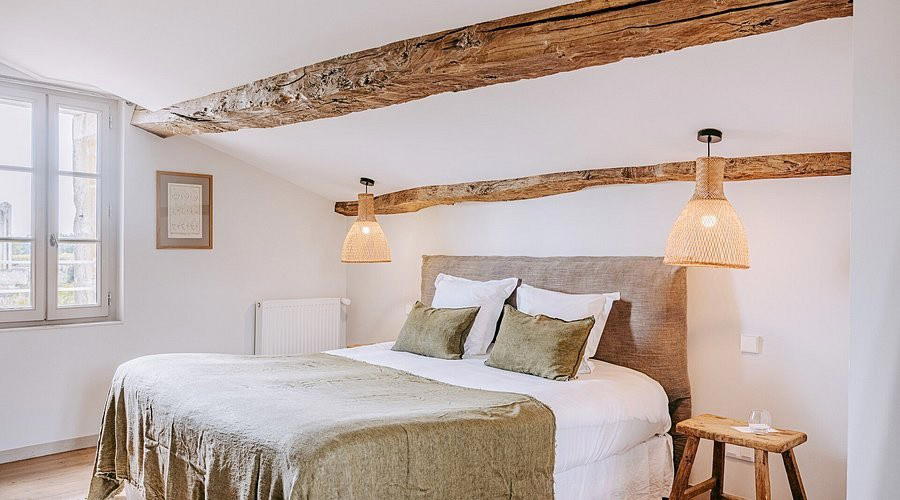
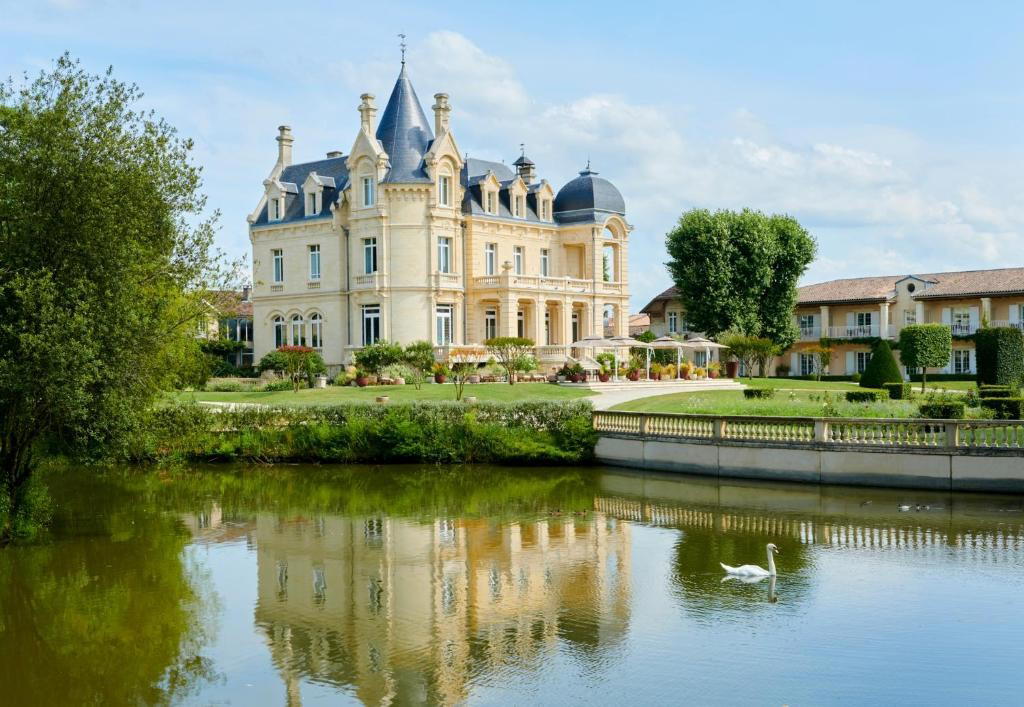
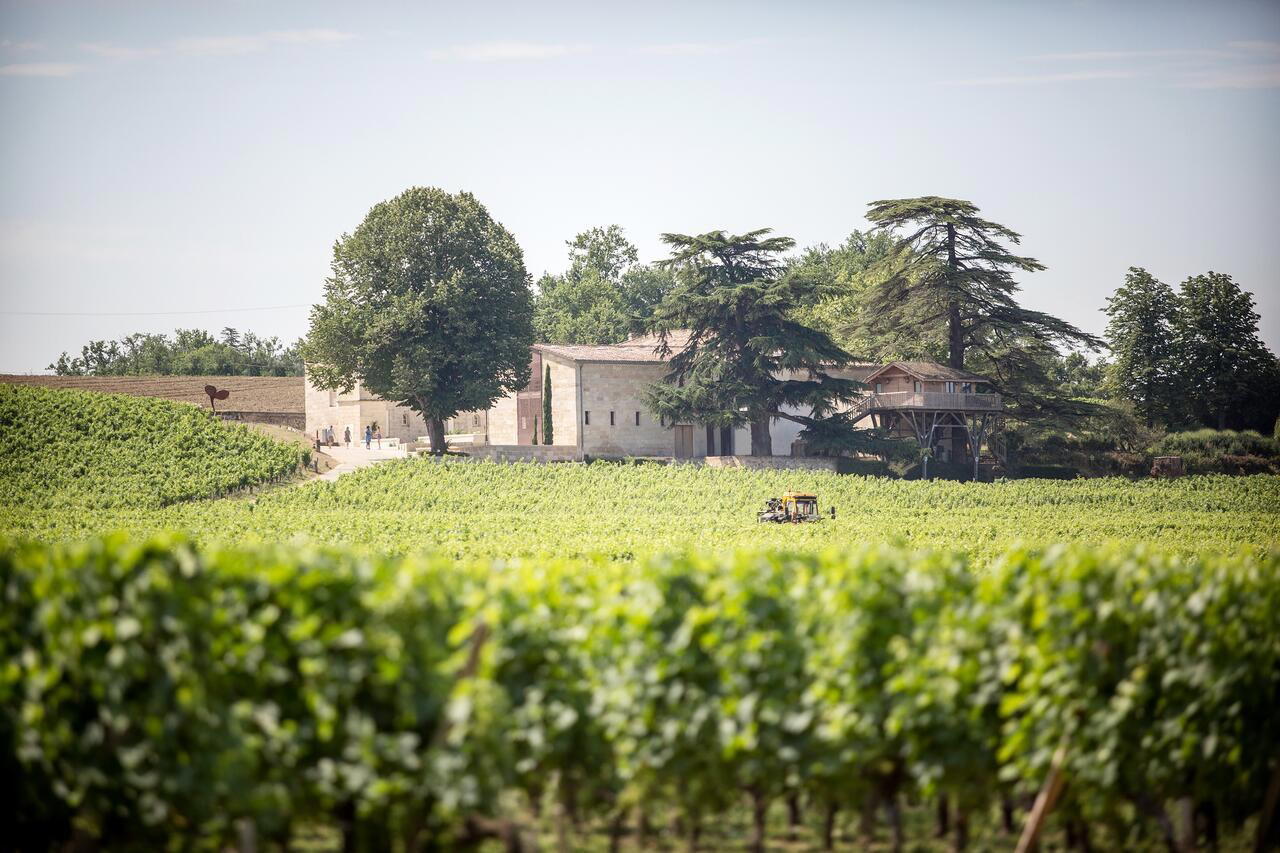
At a Glance
- Scenic
- Elegant
- Romantic
- Classic
- Intimate
- Romantic Getaway
- Group Outing
- Special Occasion
- Wine Education
- Solo Exploration
- Vineyard Tour
- Estate Grounds
- Historic Building
- Panoramic View
- Private Tasting
- Vineyard
- Garden
- Saint Émilion Grand Cru Classé
- Merlot
- Still Red
- Amphora
- Seated Tasting
- Private Tasting
A tiny grand cru classé estate on Saint-Émilion’s limestone plateau, producing intensely refined, medium- to full-bodied Merlot with silky, supple tannins, mineral salinity, and a balance of power and elegance that reviewers describe as creamy, generous, and stylish.