Château Les Belles Murailles

Château Les Belles Murailles sits in Saint Loubes with the quiet grammar of a family-run Bordeaux estate: Merlot-led red blends, limestone and sandy soils, and 12 months in French oak. The interest here is not spectacle but terroir expression, a traditional Bordeaux AOC profile shaped by river-moderated climate and a production story dating to 1896.
Pearl is the En Primeur Club membership app — saves, bookings, and concierge access live there. Same editors, same standards.
- Address
- Saint-Loubès, Entre-Deux-Mers, Nouvelle-Aquitaine, Frankreich
- Directions
- Get directions
 Saves & bookings on Pearl
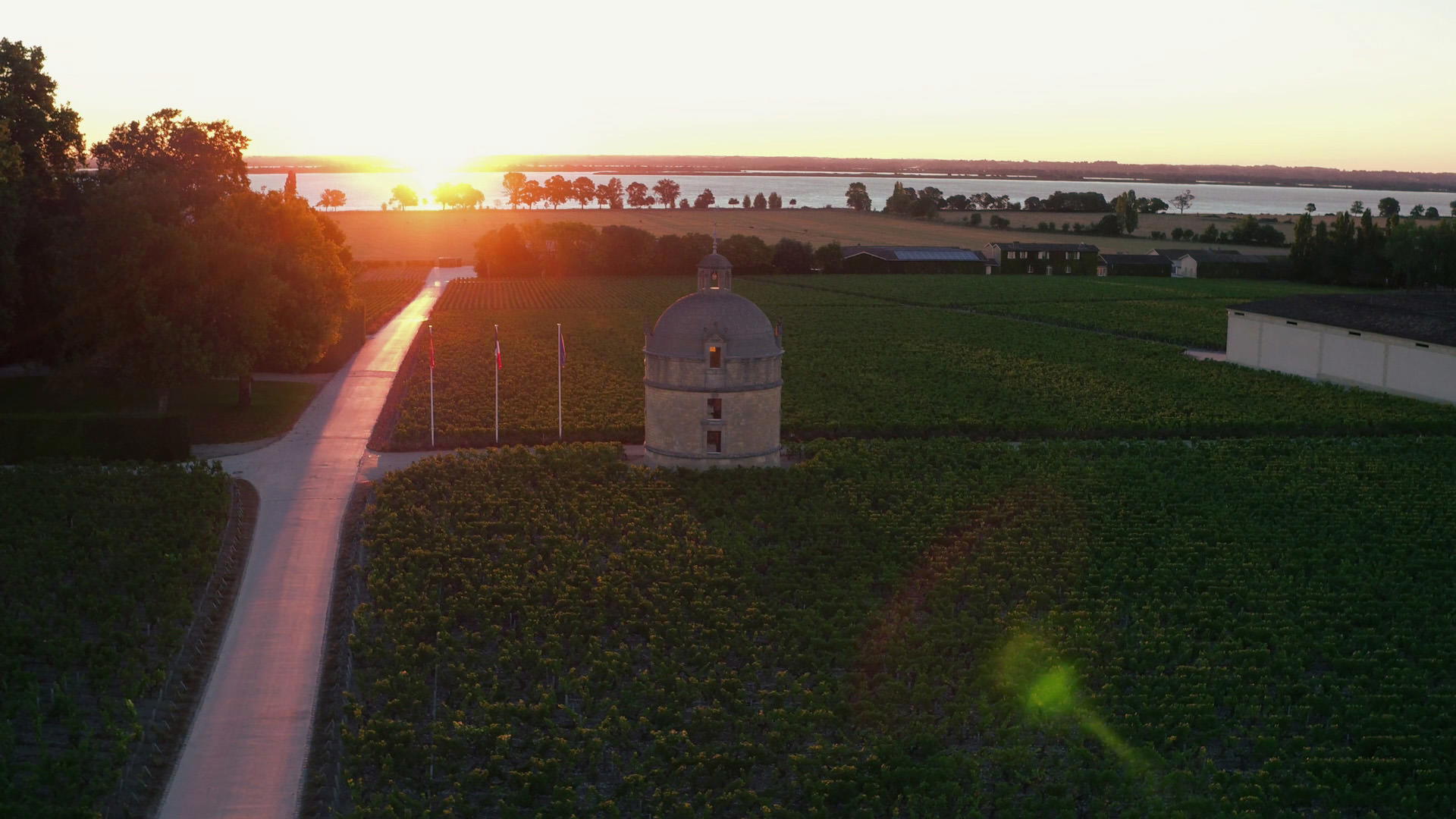
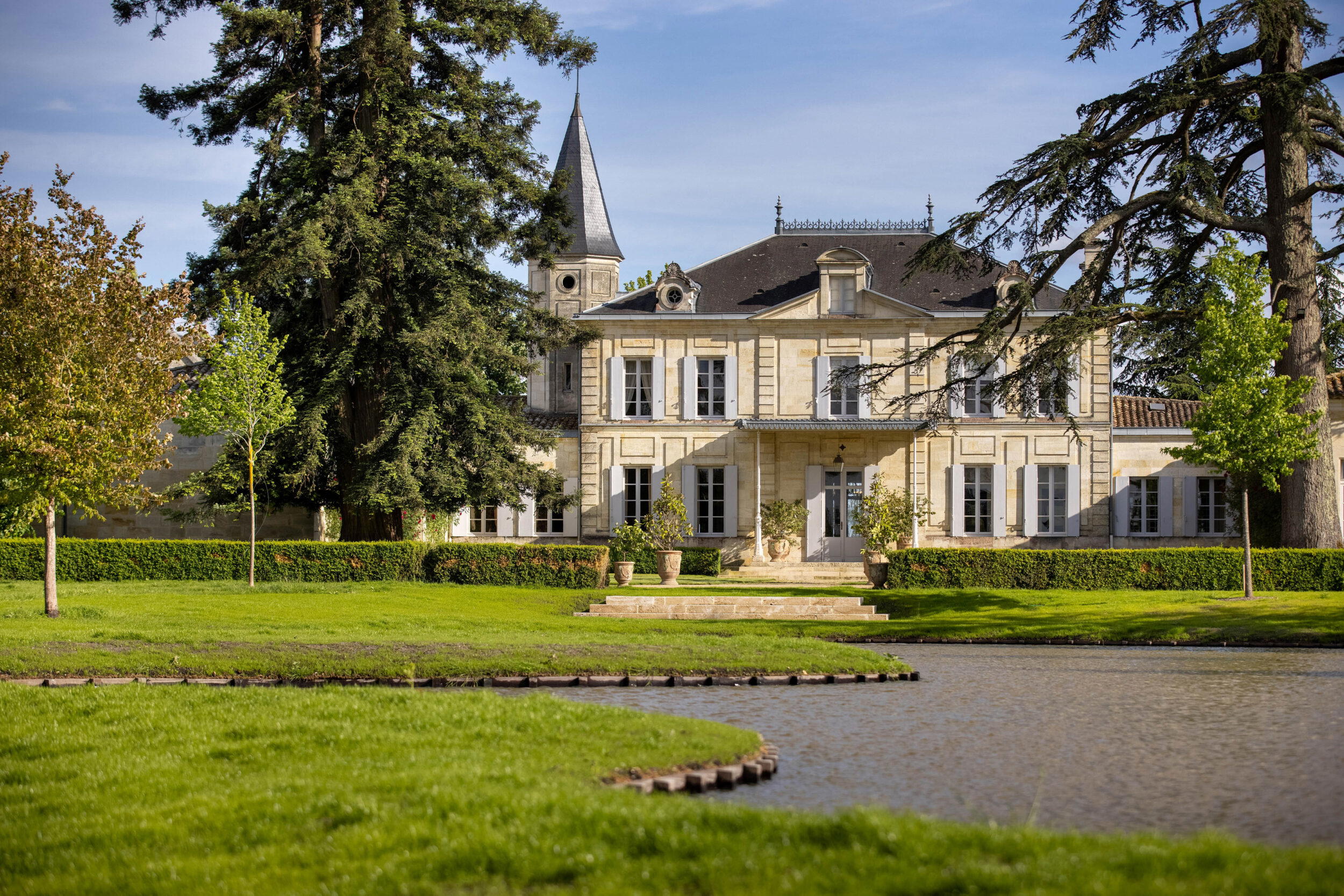
Château Les Belles Murailles in Saint Loubes is best approached as a quiet Bordeaux wine-estate address rather than as a venue defined by spectacle. The picture is deliberately simple: a traditional estate atmosphere, a classic oak-aged red-wine profile, and a family-domain narrative dating back to 1896. That combination gives the place its shape without requiring a long list of added promises. It is the kind of profile that reads as restrained and local, with the emphasis falling on continuity, setting and red wine rather than on a heavily packaged visitor experience.
Because only limited details are confirmed, expectations should stay focused on the essentials. The setting is described as classic, rustic, quiet and intimate, with a red-wine identity that sits in a traditional Bordeaux register. Specific claims about menus, visitor formats, grape varieties, production details, opening hours or services should be checked directly before planning around them. In practical terms, this means treating the available description as a guide to mood rather than a complete operational brief. The reliable takeaway is not a detailed programme, but a clear sense of tone: modest, wine-led and grounded in a long family-domain story.
A classic, quiet Saint Loubes wine-estate profile
The strongest confirmed impression of Château Les Belles Murailles is atmospheric. Its appeal lies less in headline-making features than in the understated language of a traditional estate. For travellers who respond to quieter places, that can be the central draw: a setting that suggests Bordeaux heritage, rustic calm and a red-wine focus without presenting itself as something more elaborate than the public record supports.
The mood is classic and rustic rather than flashy. For travellers considering Château Les Belles Murailles, the appeal is the quieter register of Saint Loubes: a more intimate estate setting, a traditional red-wine identity and a sense of continuity rather than a highly staged hospitality concept. The family-domain narrative dating back to 1896 reinforces that sense of continuity. It gives the estate a historical frame, but the emphasis remains measured: this is not a cue to infer unconfirmed practices, only a reason to understand the venue as part of a longer local wine story.
Pricing is listed as $$, placing it in a moderate bracket. That indication is useful mainly as a broad positioning signal. It should not be read as a substitute for confirming current costs, availability or what is included in any visit, since those specifics are not established here.
A quiet Bordeaux profile rather than a tourism spectacle
The available information points to a classic Bordeaux estate mood: rustic, quiet, intimate and shaped by a family-domain narrative. Its red-wine profile is described as oak-aged and traditional. Those are the core elements to keep in view. They suggest a venue whose identity is built around familiar Bordeaux cues, but they do not provide enough evidence to expand into technical detail or to make assumptions about grape composition, cellar methods or the structure of tastings.
For visitors, that means the venue is most compelling as a low-key Saint Loubes wine stop. It should not be framed around unsupported claims about appointment policies, cellar practices, named personnel, grape composition or formal tasting formats. Those details may matter in practice, but they are not part of the public record here. The better approach is to let the confirmed character do the work: quiet, traditional, red-wine oriented and modest in presentation. In that frame, the winery is easier to appreciate on its own terms, without burdening it with expectations that have not been documented.
If the winery is part of a broader day in Saint Loubes, plan the rest of the itinerary separately and confirm practical details directly. Other dining in Saint Loubes can be considered generically, but this venue’s confirmed identity remains the wine-estate atmosphere itself. It is therefore best used as one considered element in a day rather than as a fully defined anchor around which every practical detail can be assumed. Keeping the plan flexible is consistent with the and helps preserve the understated nature of the stop.
How to place it within a wider French wine itinerary
Within a French wine itinerary, the winery functions as a modest, traditional Saint Loubes reference point. Its confirmed strengths are not luxury staging or documented technical detail, but a classic estate atmosphere, an oak-aged red-wine profile and a family narrative associated with 1896. That makes it especially relevant for travellers who are mapping the quieter side of a Bordeaux-adjacent route, where a sense of place can matter as much as formal programming.
That makes it useful for travellers who want a quieter Bordeaux-adjacent experience in Saint Loubes. Keep the plan flexible, verify current access and services before visiting, and treat the estate as a restrained, traditional stop rather than a destination defined by unconfirmed awards, formats or production claims. In editorial terms, one accurate way to frame the winery is as a calm, classic wine-estate address with a traditional red-wine identity, not as a venue whose value depends on additional claims. The restraint is part of the profile: simple, intimate, and best understood through the limited but coherent details that are actually available.
Recognition history
Dated appearances from independent guides and award organizations, with the underlying list record or original source where available.
Falstaff Winery - Listed
Falstaff
Continue exploring
More in Saint Loubes
Wineries in Saint Loubes
Browse all →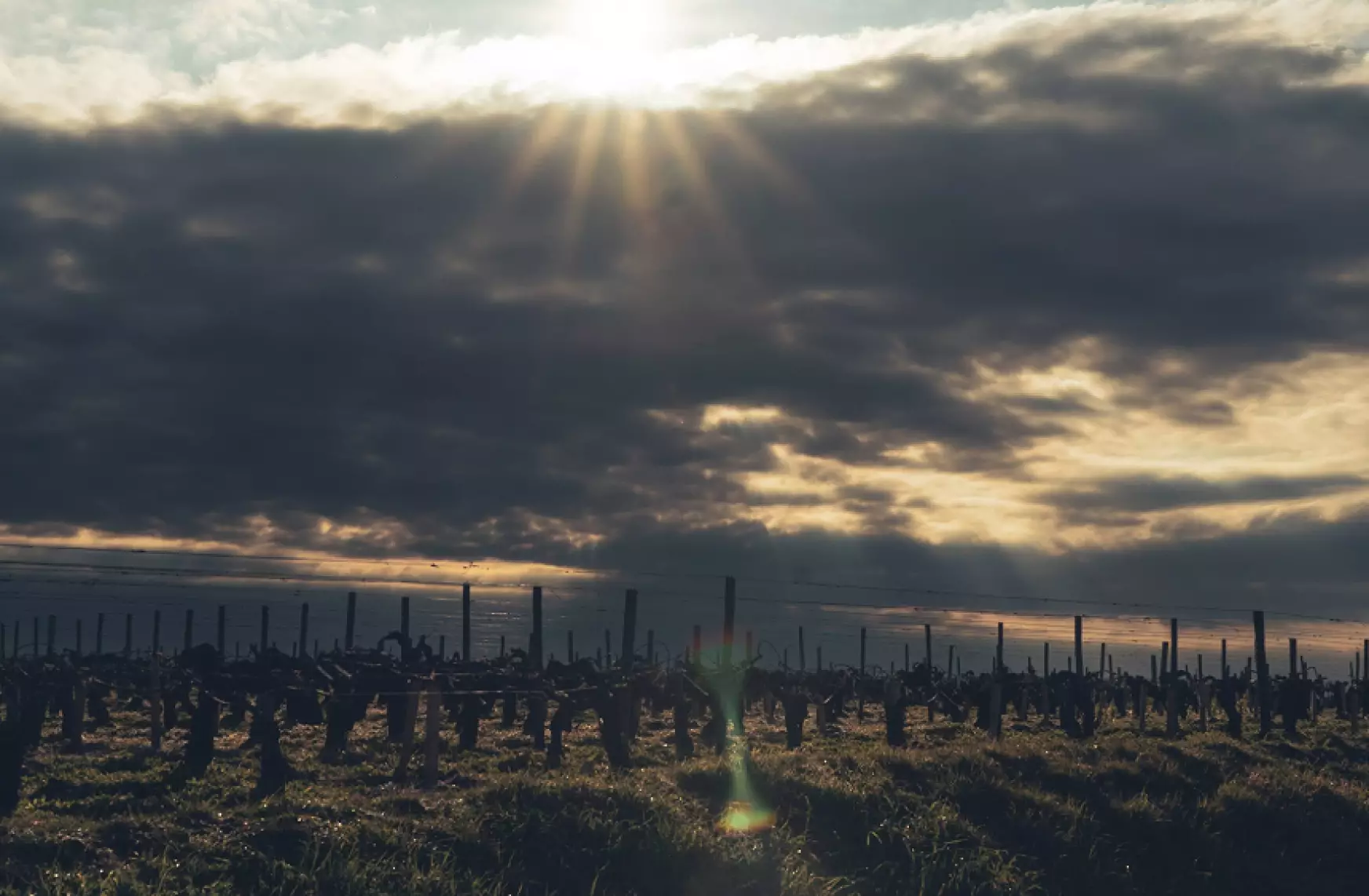
Bars in Saint Loubes
Browse all →
Restaurants in Saint Loubes
Browse all →
At a Glance
- Classic
- Rustic
- Quiet
- Intimate
- Solo Exploration
- Special Occasion
- Historic Building
- Private Tasting
- Bordeaux AOC
- Merlot
- Cabernet Sauvignon
- Cabernet Franc
- Malbec
- Petit Verdot
- Still Red
- Tasting Room
Traditional Bordeaux wine estate atmosphere with a classic, oak-aged red-wine profile and a family-domain narrative dating back to 1896.