Château Le Prieuré

Falstaff Winery - 2 Stars
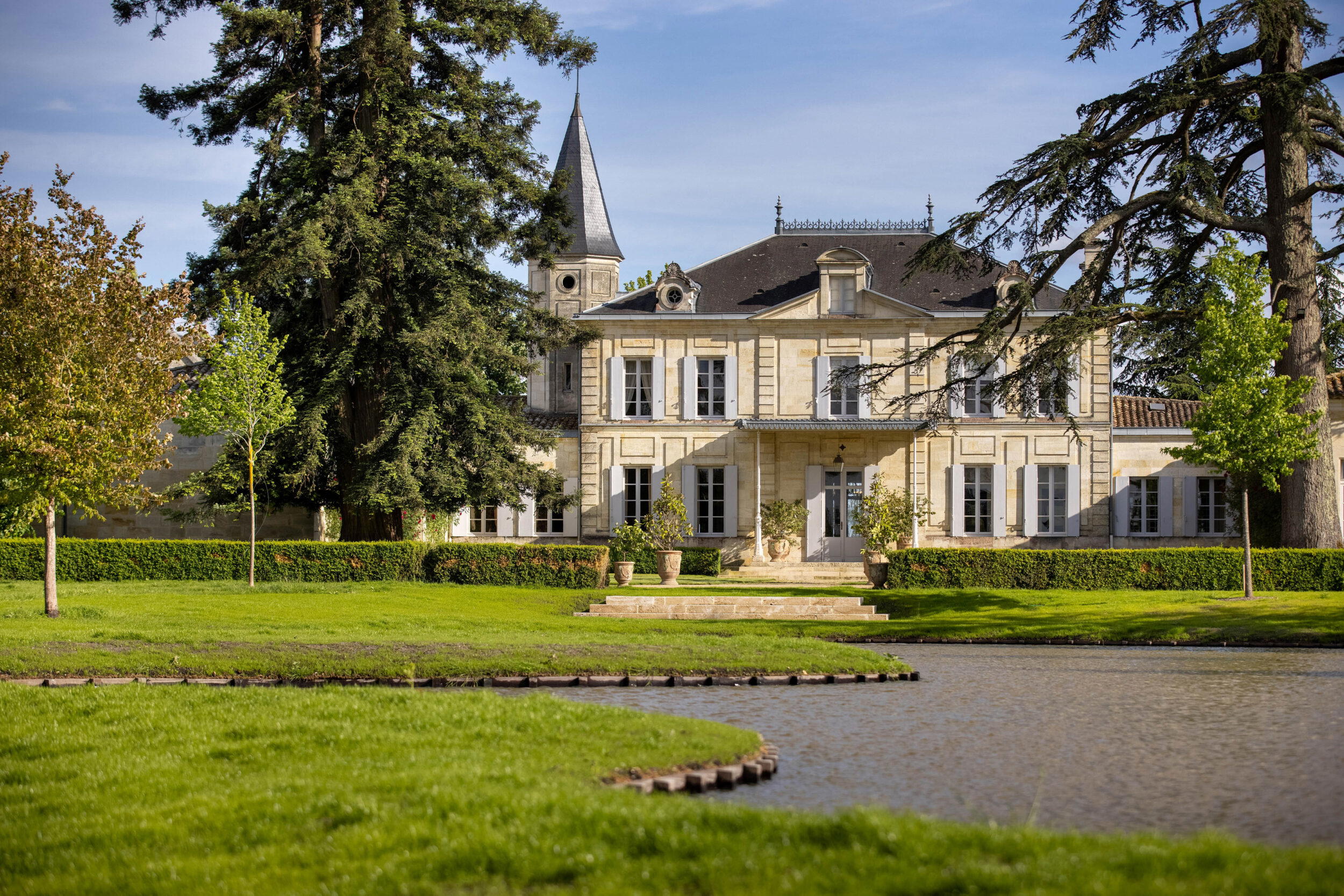
Château Le Prieuré belongs to the limestone-plateau idiom of Saint-Émilion: Merlot and Cabernet Franc shaped by clay-limestone soils, high parcels, organic and biodynamic farming, and small-scale production. Its Grand Cru Classé status, 1696 origins and recent critic scores place it in the serious Right Bank conversation without pushing the experience into showmanship.

Pearl is the En Primeur Club membership app — saves, bookings, and concierge access live there. Same editors, same standards.
- Address
- 44 Chem. de Fongaban, 33330 Saint-Émilion, France
- Phone
- +33 5 57 51 64 58
- Hours
- Mon–Fri 10 AM–5 PMSat–Sun 10 AM–12 PM
- Website
- chateauleprieure.com
- Directions
- Get directions
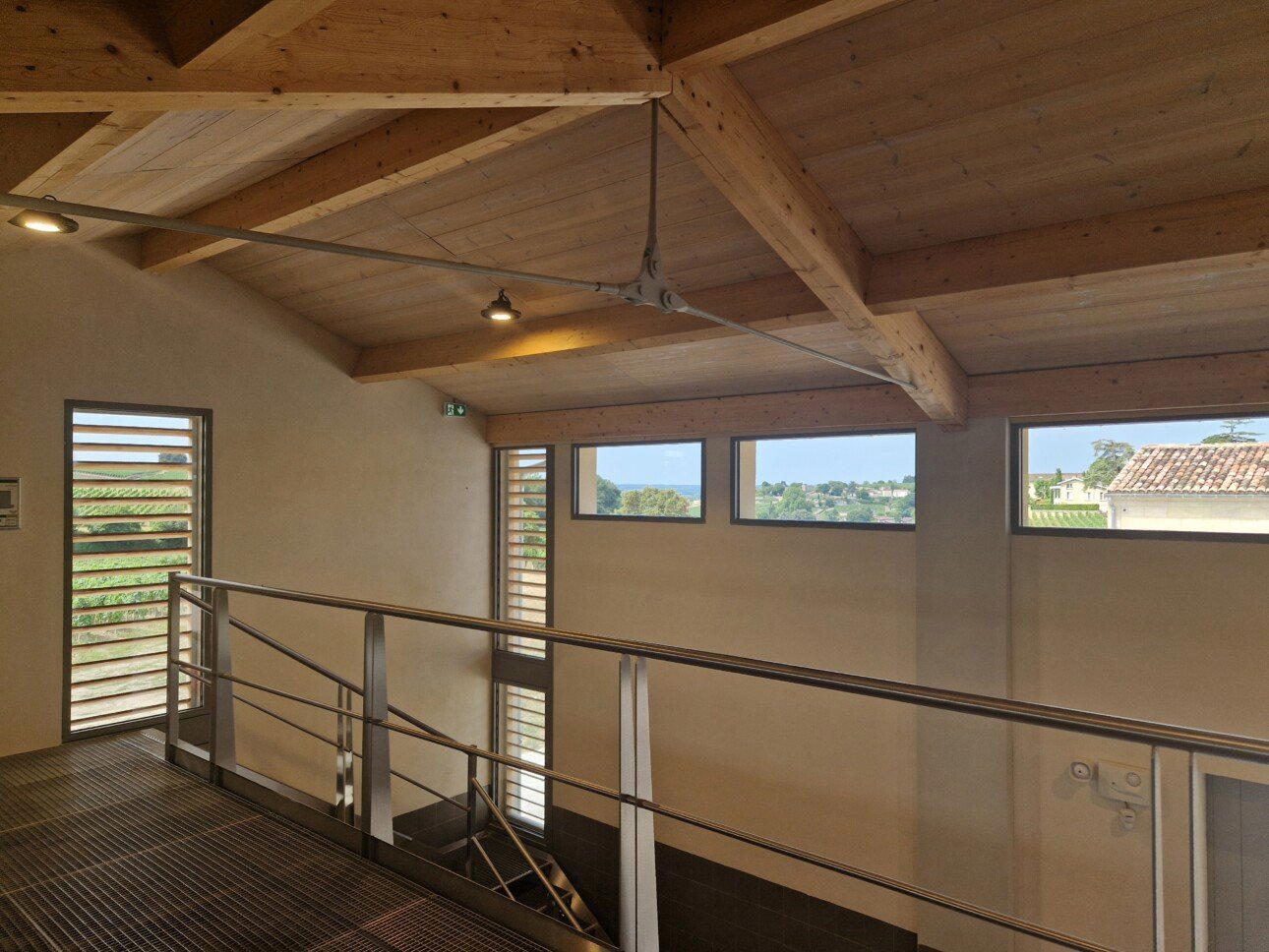
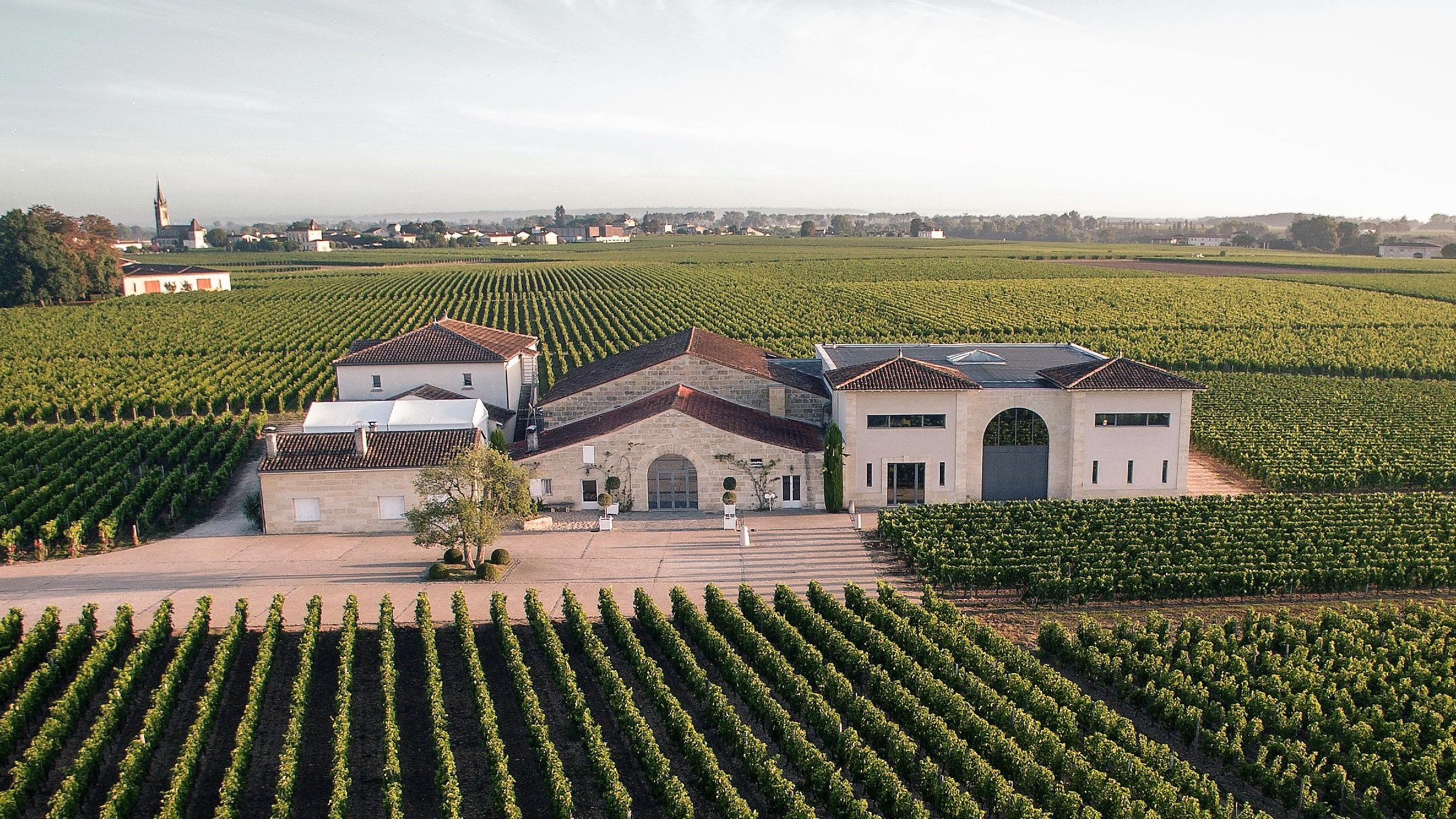
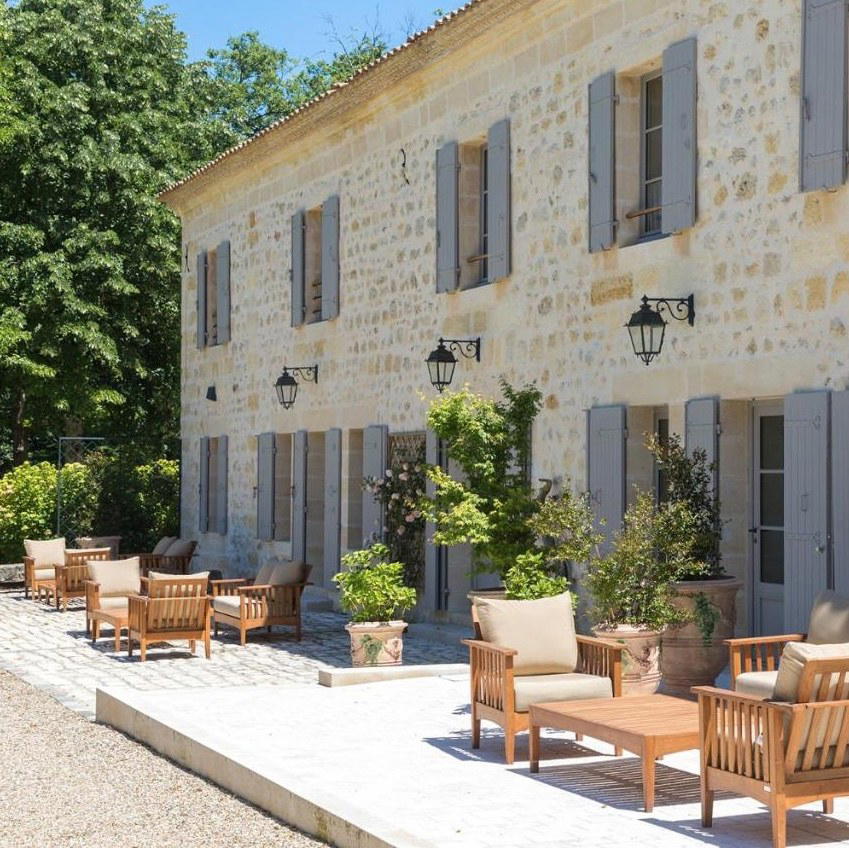
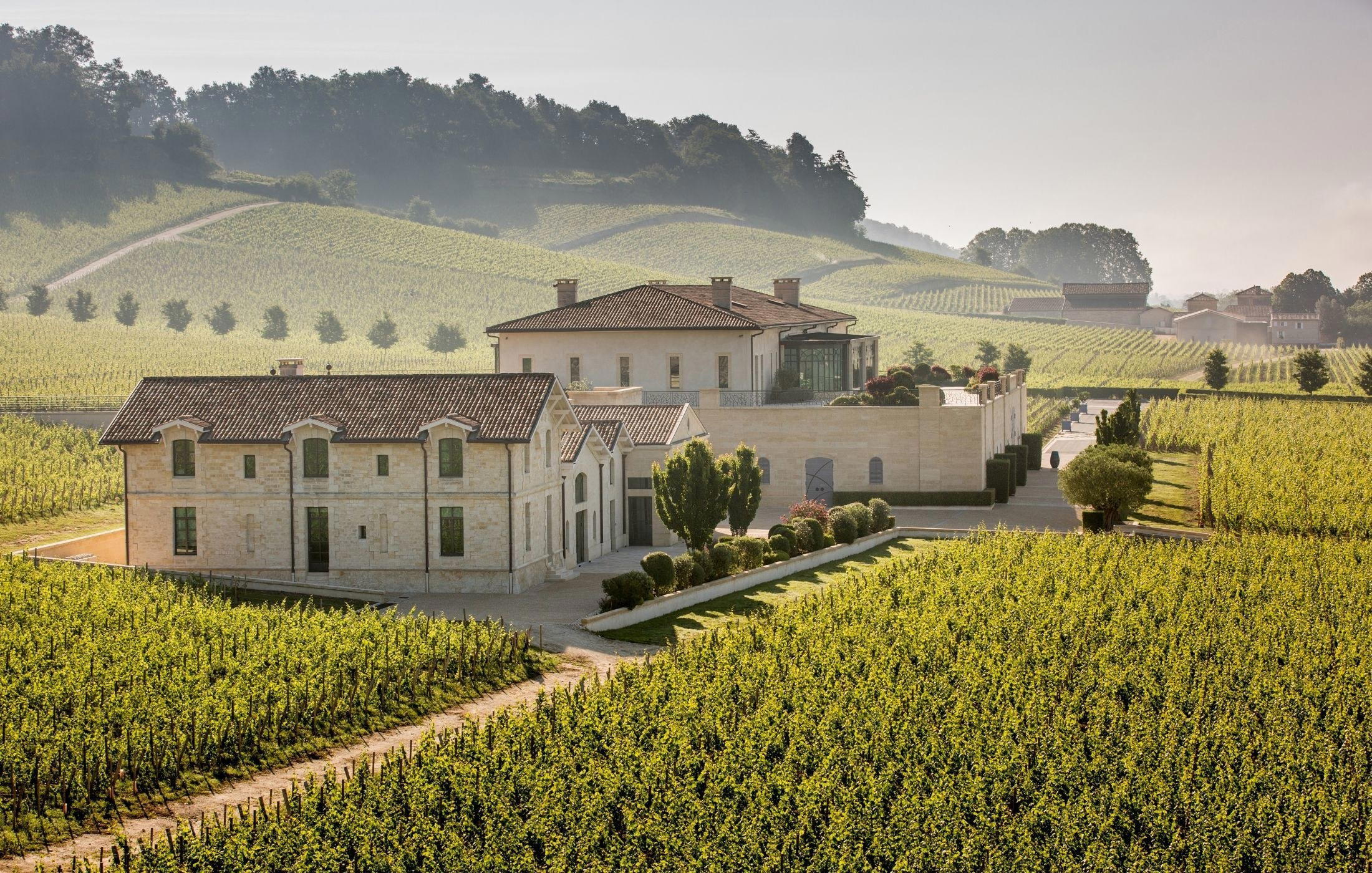
Château Le Prieuré is a historic Saint-Émilion grand cru classé estate, best understood through its limestone-plateau setting and parcel-divided vineyards. The story here is focused rather than expansive: a classified Saint-Émilion property whose red wines are described in terms of freshness, precision and elegance, with floral, red-fruit and sweet-spice notes supported by a fine chalky character. That makes the estate less about spectacle and more about a clear relationship between place and style, where the language used for the wines repeatedly returns to balance, definition and a sense of mineral restraint.
Its appeal rests on the relationship between historic estate identity, limestone vineyards and refined red-wine expression. In practical editorial terms, Château Le Prieuré is most useful to understand as a Saint-Émilion reference point: a property whose classification and setting provide context, while its tasting descriptors point toward poise rather than power.
Limestone plateau vineyards and a wine built on restraint
The key point is the estate’s limestone-plateau context. Château Le Prieuré’s reds are described in a register of freshness, precision and elegance rather than heaviness. That distinction matters in Saint-Émilion, where the most meaningful descriptions often begin with site and texture. Here, the emphasis on limestone and divided parcels frames the wines as expressions of nuance, not simply ripeness or scale.
The wine profile is grounded in red-fruit, floral and sweet-spice notes, with fine chalky texture. Those descriptors point toward a composed, terroir-driven style rather than a broad or showy one. Red fruit suggests clarity and lift; floral notes add aromatic delicacy; sweet spice brings detail without changing the central impression of restraint. The chalky element is especially important because it gives the description shape, implying a fine-grained structure that carries the wine without making it feel heavy.
Dependable summary is simpler: Château Le Prieuré is a Saint-Émilion grand cru classé estate associated with parcel-divided limestone vineyards and refined red wines. The most accurate reading is not to overcomplicate the picture, but to keep the essentials in view: classification, limestone, parcels, freshness, elegance and chalky finesse.
A classified estate with history, but the present tense matters more
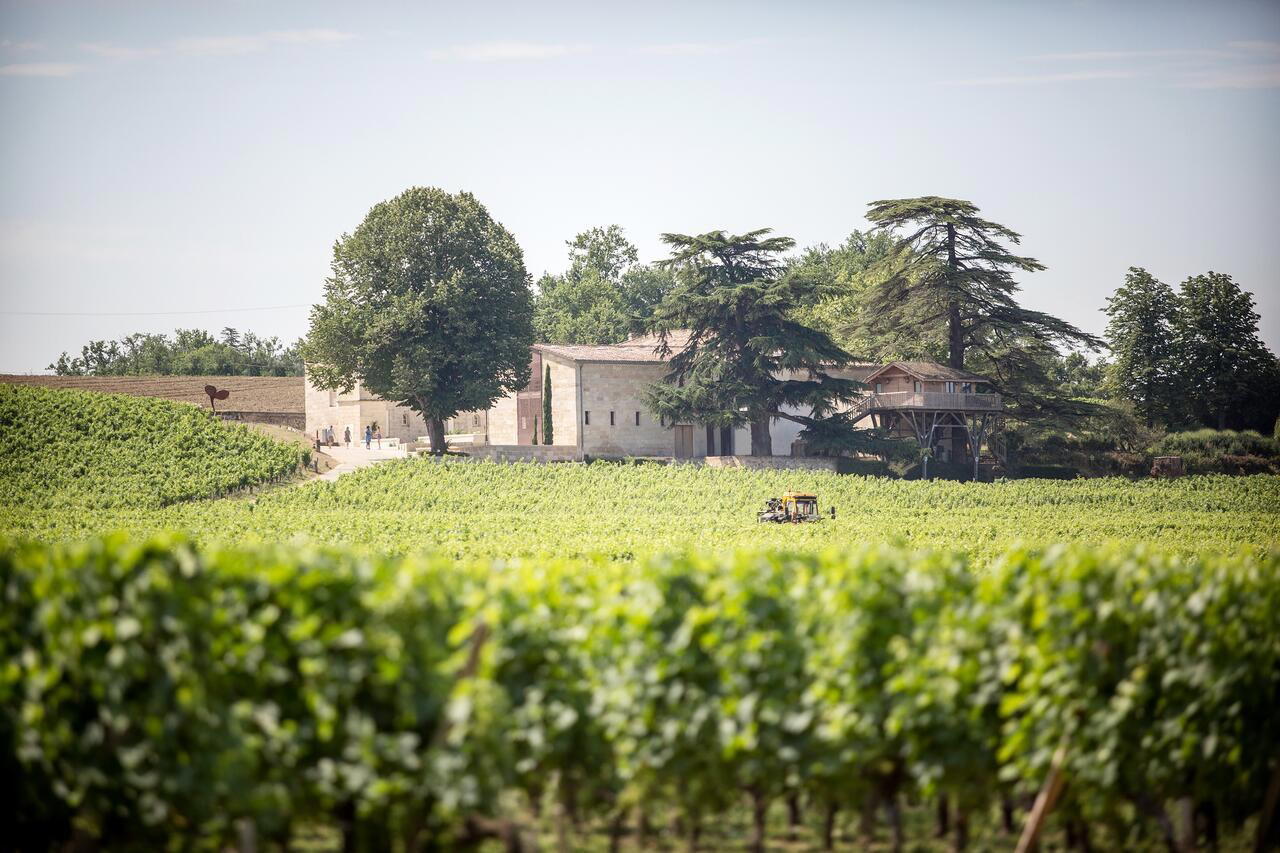
Château Le Prieuré’s positioning is historical and regional: a grand cru classé estate in Saint-Émilion. That status gives the property an established place within the appellation’s landscape, while the wine description keeps attention on freshness, floral lift, red fruit, sweet spice and chalky finesse. The classification provides the frame, but the current usefulness of the estate for readers lies in how clearly its identity can be understood through the wines’ stated character.
This is a case where restraint in description is part of the accuracy. Rather than filling gaps with unsupported detail, the stronger approach is to let the themes carry the profile: a historic classified property, rooted in limestone, producing red wines associated with precision and elegance.
For travelers considering Château Le Prieuré as part of a Saint-Émilion visit, it is best approached as a wine-focused estate rather than as a page promising particular tour inclusions, visitor services or reservation rules. Confirm any practical arrangements directly before planning around them. The estate’s interest, as presented here, is not in a long list of amenities, but in its role as a compact expression of Saint-Émilion’s historic and geological vocabulary.
How to place it within a Saint-Émilion itinerary
Saint-Émilion rewards attention to site, and Château Le Prieuré fits that lens through its parcel-divided limestone plateau vineyards. It can serve as a useful reference point for understanding how a historic grand cru classé estate may express freshness, elegance and chalky structure in red wine. For visitors trying to read the appellation through its landscapes and bottles, that makes the property a clean example of how classification and terroir can be discussed together without losing sight of taste.
Readers comparing the broader local scene should keep the comparison general: other Saint-Émilion wine estates and dining options may offer different emphases, but Château Le Prieuré’s identity is centered on historic classification, limestone terroir and refined red-wine character. Its place in such a comparison is therefore not about claiming superiority or difference in unsupported terms, but about recognizing a particular stylistic center: floral lift, red fruit, sweet spice, freshness and chalky precision.
For a fuller day in Saint-Émilion, build around confirmed appointments and current information. The most reliable planning approach is to verify visit availability, timing and any tasting details directly, then place Château Le Prieuré within a wider itinerary focused on the town, the vineyards and the region’s red-wine traditions. Seen that way, the estate adds a focused, limestone-led perspective to the day: historically grounded, stylistically restrained and best appreciated through careful attention to site and glass.
Recognition history
Dated appearances from independent guides and award organizations, with the underlying list record or original source where available.
Falstaff Winery - 2 Stars
Falstaff
Continue exploring
More in Saint-Émilion
Wineries in Saint-Émilion
Browse all →
Bars in Saint-Émilion
Browse all →

Restaurants in Saint-Émilion
Browse all →
Details
- Classic
- Scenic
- Elegant
- Romantic
- Intimate
- Romantic Getaway
- Group Outing
- Wine Education
- Special Occasion
- Solo Exploration
- Estate Grounds
- Vineyard Tour
- Historic Building
- Organic
- Biodynamic
- Sustainable
- Vineyard
- Merlot
- Cabernet Franc
- Still Red
- Standard Tasting
- Estate Tasting
- German
- English
- Spanish
- French
- Portuguese
Current opening hours
- Monday
- 10 AM–5 PM
- Tuesday
- 10 AM–5 PM
- Wednesday
- 10 AM–5 PM
- Thursday
- 10 AM–5 PM
- Friday
- 10 AM–5 PM
- Saturday
- 10 AM–12 PM
- Sunday
- 10 AM–12 PM
Hours can change for holidays and private events. Last verified .
Historic Saint-Emilion grand cru classé estate with parcel-divided limestone plateau vineyards, offering refined, terroir-driven red wines described as fresh, precise and elegant, with floral, red-fruit and sweet spice notes and fine chalky tannins.