Château Le Conseiller

Château Le Conseiller belongs to the quieter side of right-bank Bordeaux: small-scale, Merlot-led, and grounded in clay and silt rather than grand classification theatre. Its Bordeaux Supérieur AOC bottling comes from densely planted vines and a 19th-century estate setting near Saint-Émilion, with barrel malolactic fermentation adding polish while keeping the wine’s appeal direct and convivial.
Pearl is the En Primeur Club membership app — saves, bookings, and concierge access live there. Same editors, same standards.
- Address
- Saint-Emilion, Center-Val de Loire, Frankreich
 Saves & bookings on Pearl
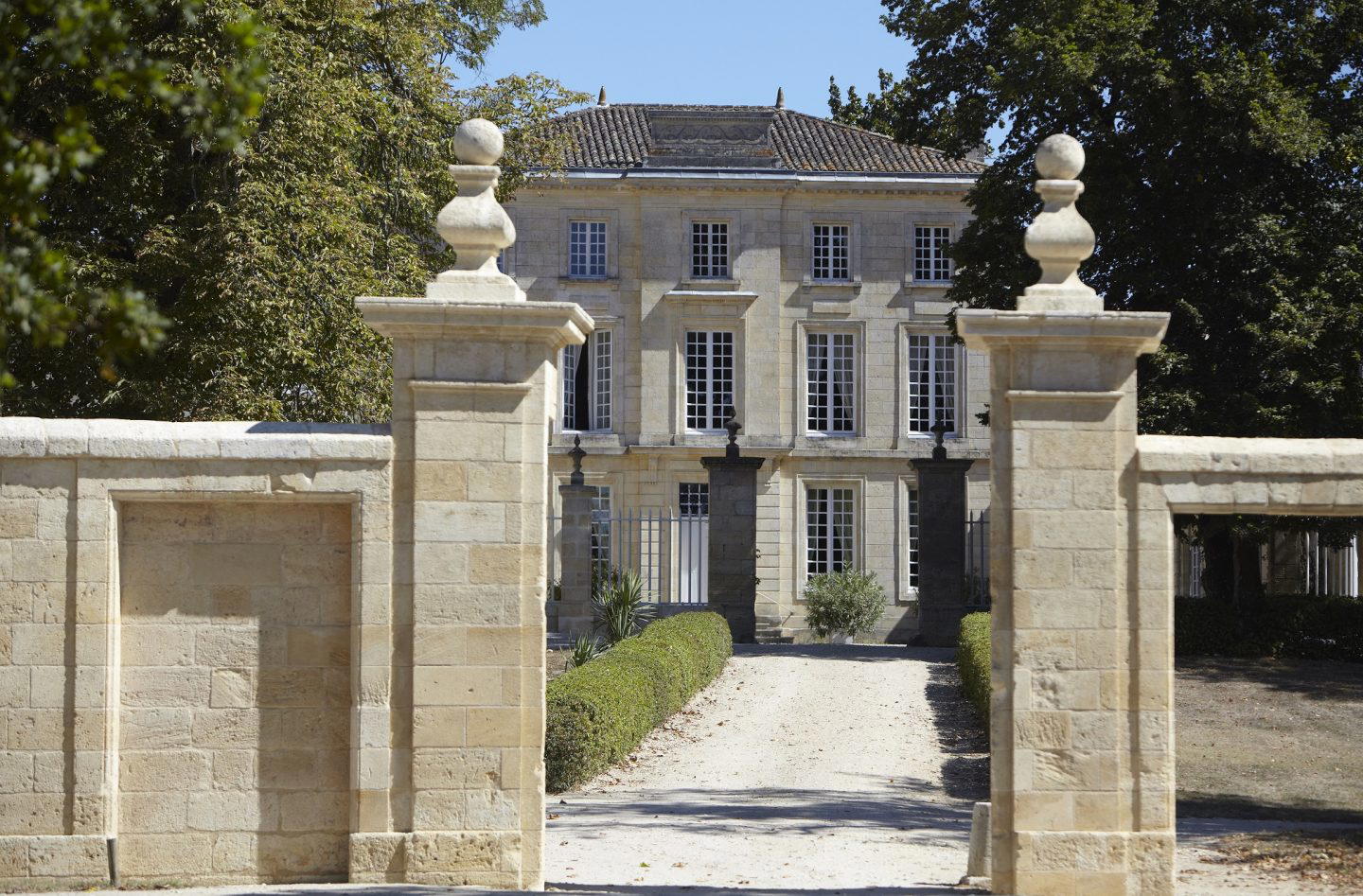
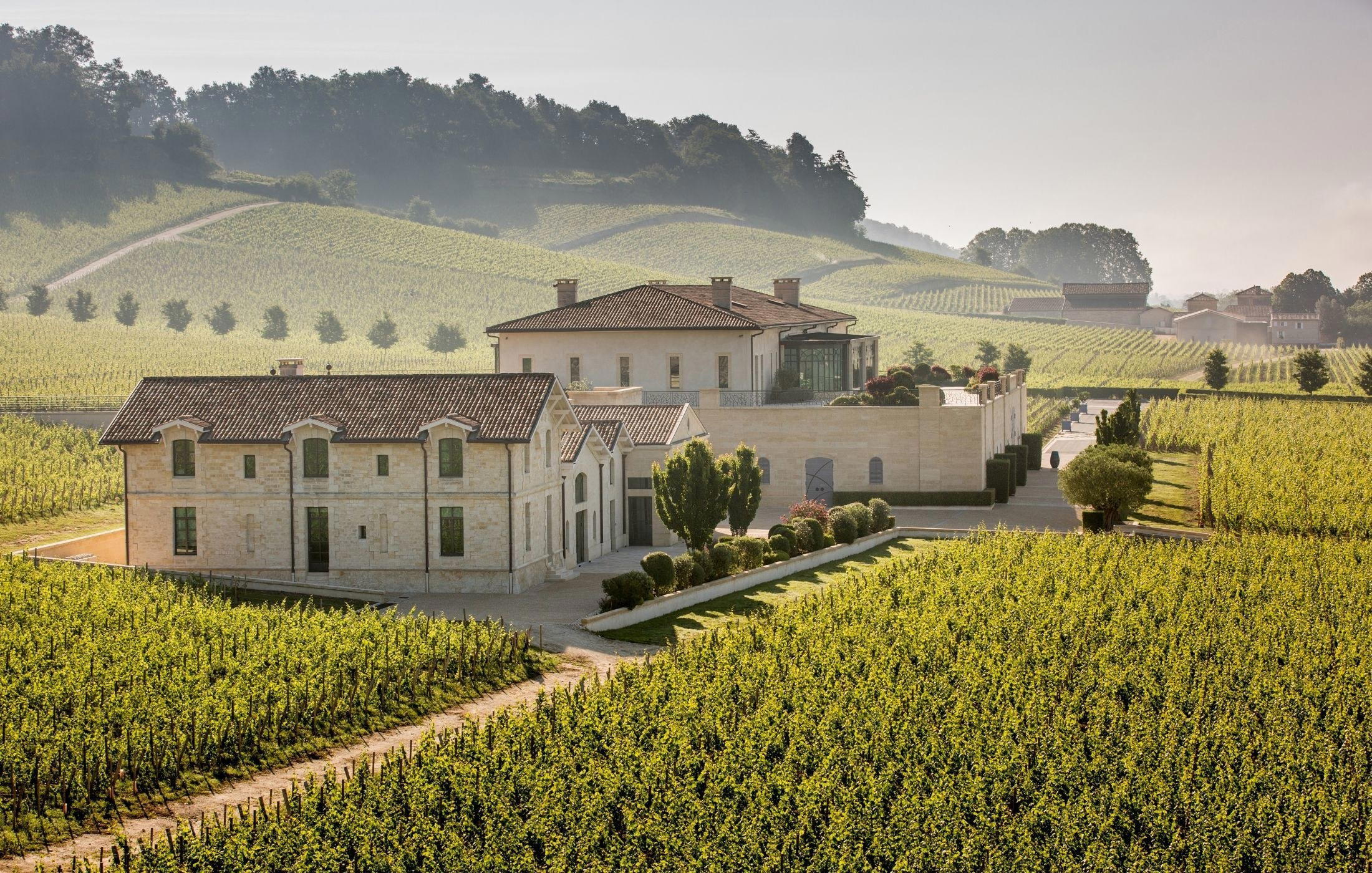
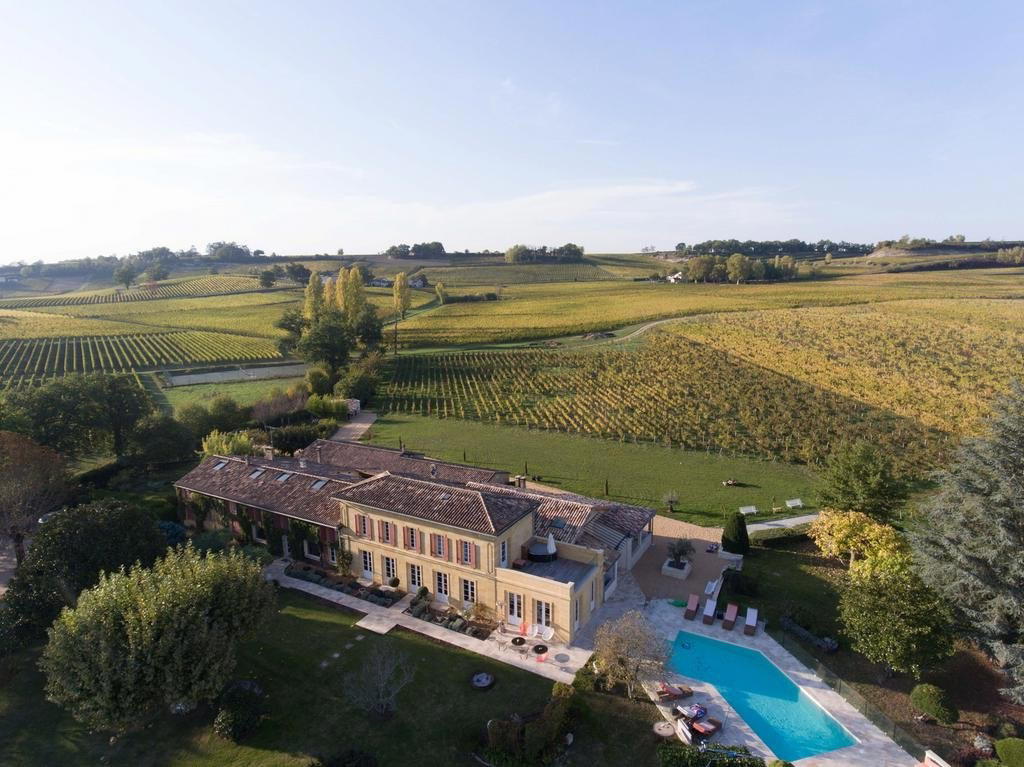
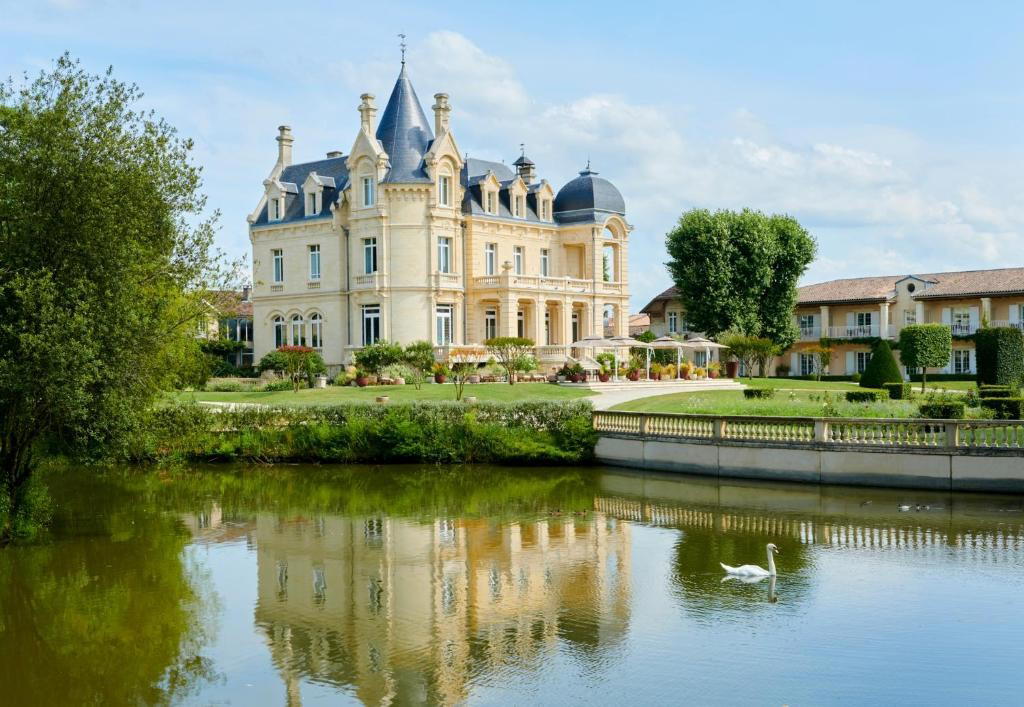
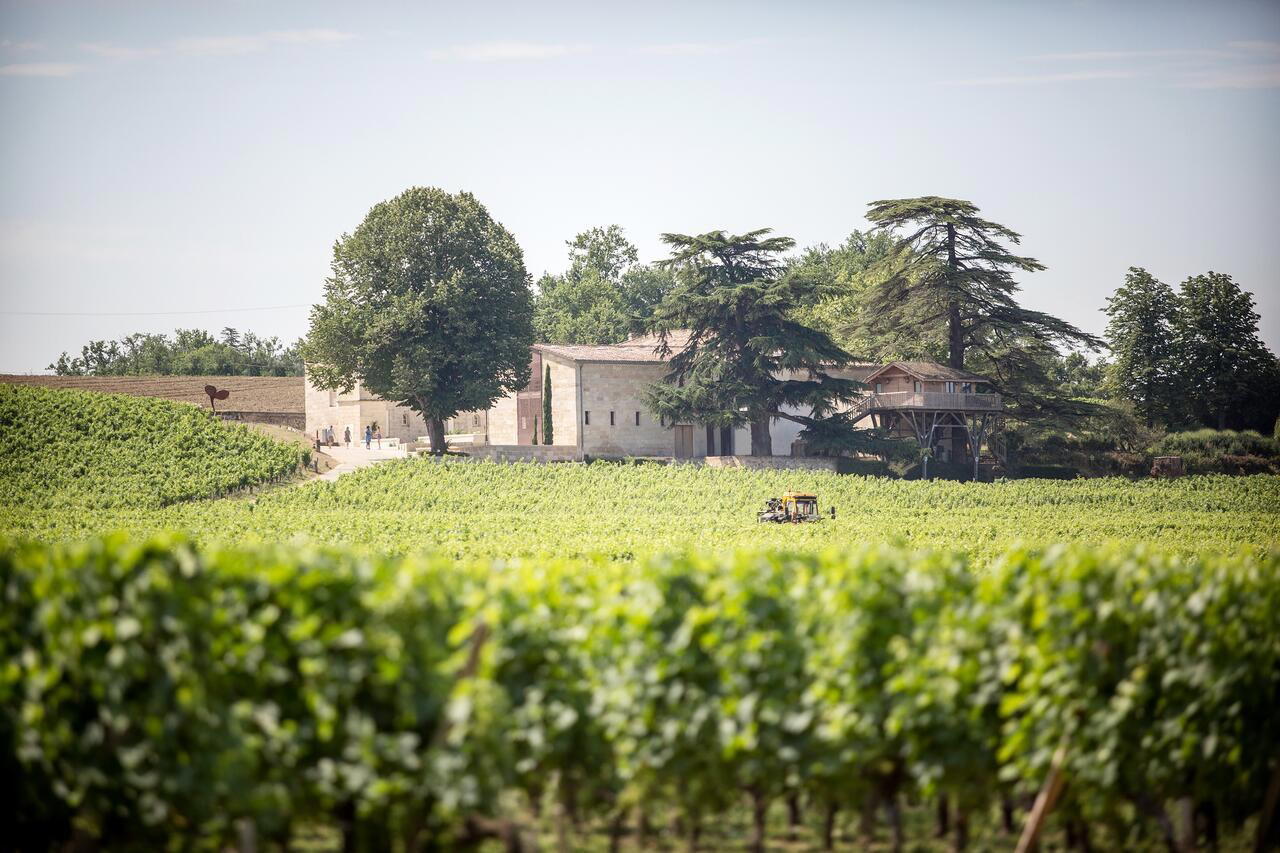
Château Le Conseiller is a historic right-bank Bordeaux estate in Saint-Émilion, set in a classic, scenic and rustic building surrounded by vineyard land. The picture is concise but evocative: densely planted Merlot vineyards on clay and silt soils, with wines described as deep, full-bodied and lively, emphasizing pleasure, balance and conviviality. Rather than needing a long list of external credentials to make sense, the estate reads most clearly through the fundamentals of place, grape and soil. It is a Bordeaux address whose identity is carried by the familiar right-bank relationship between Merlot and heavier, moisture-retentive ground, expressed in a style that is meant to feel generous without losing freshness.
Clay, silt and Merlot in Saint-Émilion
Château Le Conseiller is best understood through its right-bank Bordeaux setting and its Merlot vineyards. Clay and silt soils are central to the estate’s identity, and the wines are framed around depth, body and liveliness rather than around a confirmed award profile or a detailed public service format. That matters because it keeps the reading of the estate rooted in what is actually known: a Saint-Émilion vineyard context, a Merlot-led character, and a wine description that favors texture, energy and drinkability over technical embellishment.
The useful distinction is style rather than spectacle. Château Le Conseiller’s case rests on a historic Saint-Émilion estate setting, densely planted Merlot vines, and a wine profile built for balance and shared enjoyment. The words used around the wines are not austere or severe; they point instead toward fullness, liveliness and conviviality. In practical terms, that positions the estate as one to understand through the pleasures of Bordeaux’s right bank rather than through a heavily staged visitor narrative.
The wider Saint-Émilion area rewards context. Travellers building a wine-focused stay can compare the winery with other nearby wine and dining options in Saint-Émilion generically, while keeping the estate’s own identity in view: historic, scenic, rustic, and rooted in right-bank Bordeaux vineyard character. The surrounding idea is not complexity for its own sake, but continuity: vineyard land, traditional estate architecture, Merlot plantings and the clay-and-silt base that helps shape the wines’ depth and body.
An estate profile built around Merlot
Clearest idea at the winery is Merlot from clay and silt soils. Rather than relying on technical claims, vintage figures or cellar details, the grounded reading is direct: a right-bank Bordeaux estate producing deep, full-bodied yet lively wines with an emphasis on pleasure, balance and conviviality. That combination is important, because fullness alone would describe only part of the picture. The repeated note of liveliness suggests wines intended to retain movement and lift, while balance keeps the sense of generosity from becoming heavy in the way the estate is presented.
That makes the estate appealing for readers who want a concise Saint-Émilion reference point without overstating what is publicly confirmed. The profile supports a classic vineyard-led Bordeaux experience, not a detailed claim about menus, tasting formats, appointments, ownership, production volume or specific winemaking methods. The winery is therefore best approached through its confirmed outline: place, soil, grape variety and general style. Those elements are enough to create a coherent impression, and they are also the safest way to describe the estate without turning a compact profile into speculation.
Within Saint-Émilion, the winery can be read as part of the broader right-bank conversation around Merlot, clay and silt. Its appeal is the combination of historic setting, rustic scenic character and a wine style described as both full-bodied and lively. The estate’s language is grounded rather than promotional, and that restraint is useful. It lets the main themes stand clearly: a classic Bordeaux landscape, a Merlot-centered vineyard identity and wines presented as deep, balanced and sociable.
How to read it in a Saint-Émilion trip
The winery is better understood as a right-bank Bordeaux estate than as a hospitality-heavy destination. The information points to a historic building, vineyard scenery, Merlot plantings and wines that emphasize depth, liveliness, pleasure and balance. For a traveller, that means the estate belongs in the mental map of Saint-Émilion through terroir and setting first. Its value in a trip plan is not dependent on elaborate confirmed amenities, but on the clarity of its Bordeaux identity.
For planning purposes, keep the expectations simple and factual. The winery is in Saint-Émilion, its price level is listed as $$, and its identity is tied to densely planted Merlot vineyards on clay and silt soils. That caution is part of a fair description: it protects the estate from being oversold, while still allowing its established character to come through.
The through-line is place: Saint-Émilion, right-bank Bordeaux, Merlot, clay and silt, and a historic rustic estate setting. That is enough to frame the winery honestly without adding unsupported detail. Read it as a concise expression of the region rather than a fully documented visitor operation: scenic, vineyard-based, rooted in Merlot, and described through wines that aim for depth, liveliness, balance and convivial pleasure.
Recognition history
Dated appearances from independent guides and award organizations, with the underlying list record or original source where available.
Falstaff Winery - Listed
Falstaff
Continue exploring
More in Saint-Émilion
Wineries in Saint-Émilion
Browse all →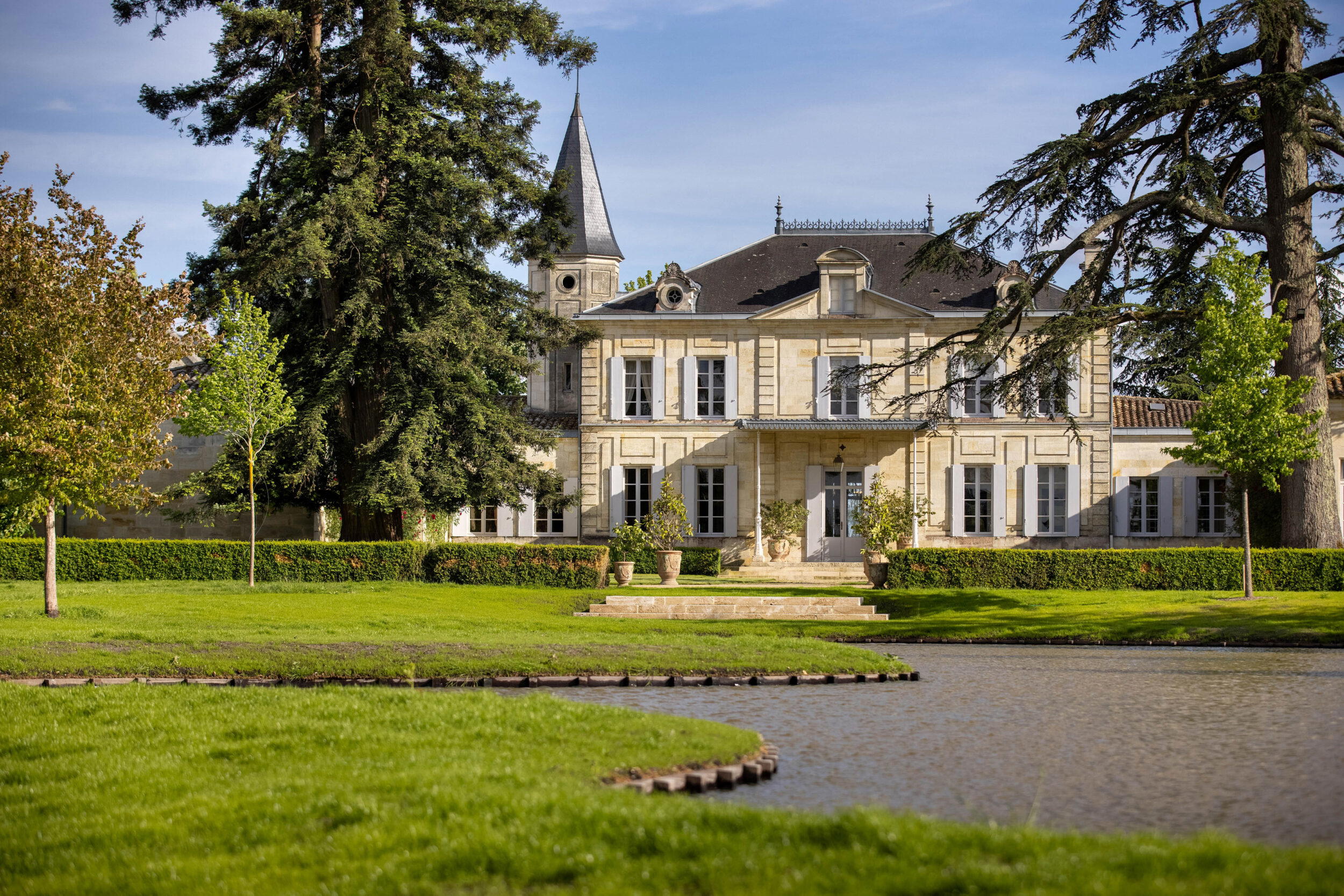
Bars in Saint-Émilion
Browse all →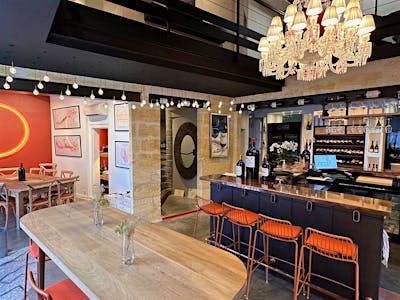
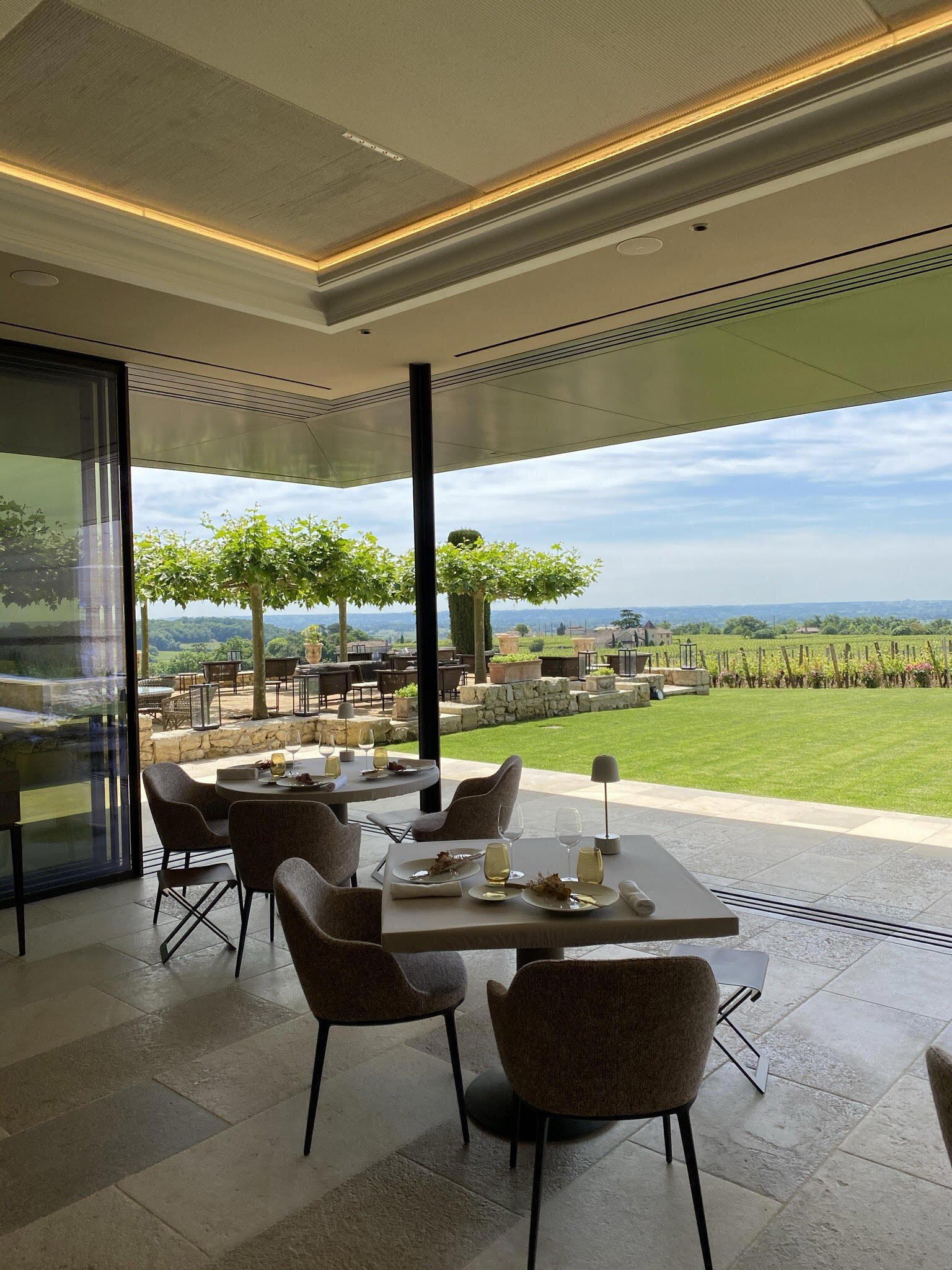
Restaurants in Saint-Émilion
Browse all →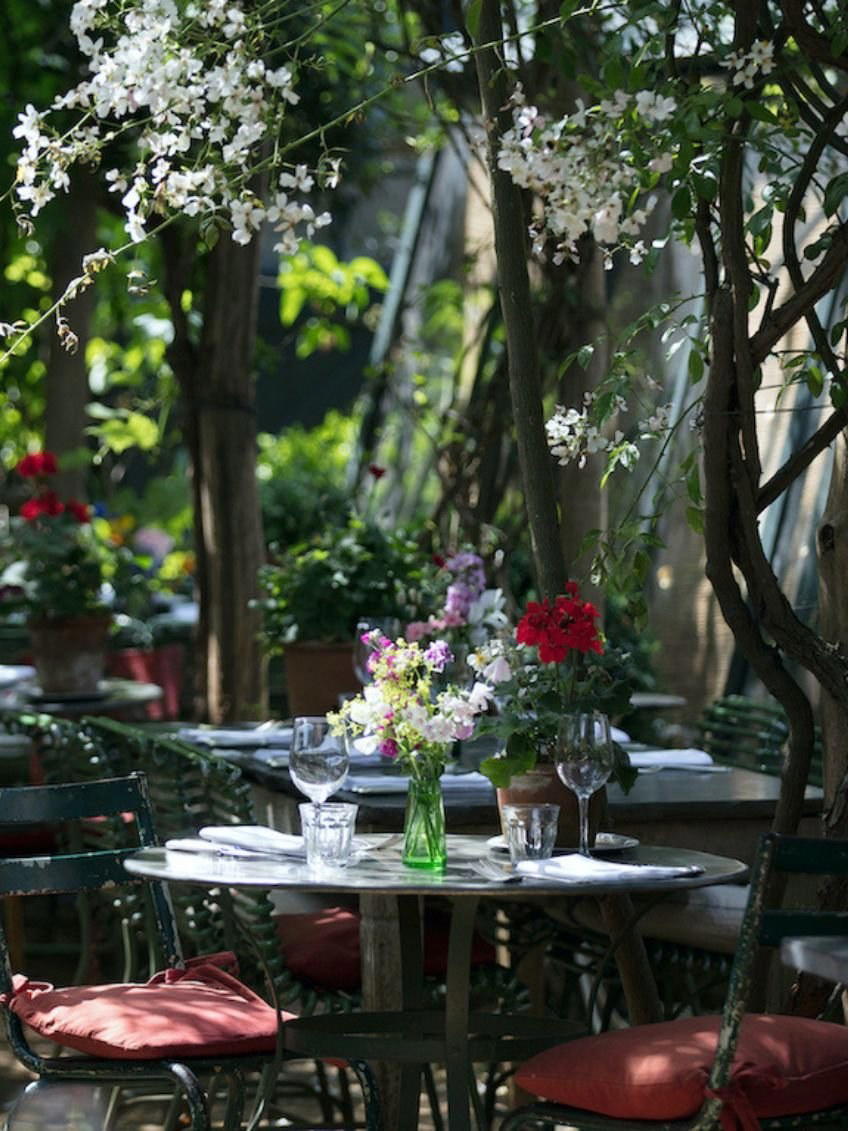
At a Glance
- Classic
- Scenic
- Rustic
- Romantic Getaway
- Solo Exploration
- Wine Education
- Estate Grounds
- Vineyard Tour
- Historic Building
- Vineyard
- Waterfront
- Bordeaux Supérieur AOC
- Merlot
- Still Red
- Standard Tasting
Historic right-bank Bordeaux estate with densely planted merlot vineyards on clay and silt soils, producing deep, full-bodied yet lively wines that emphasize pleasure, balance and conviviality.