
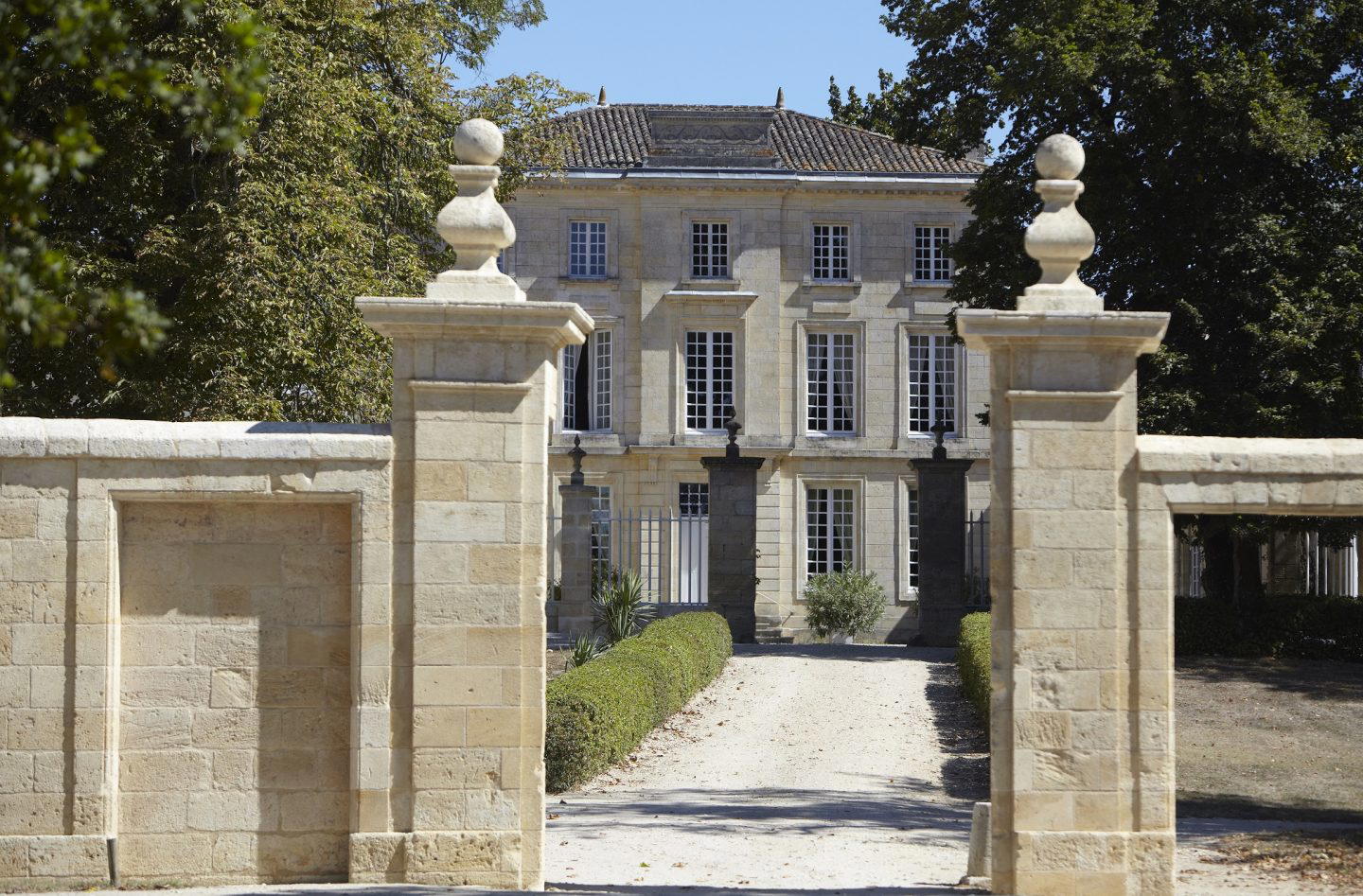
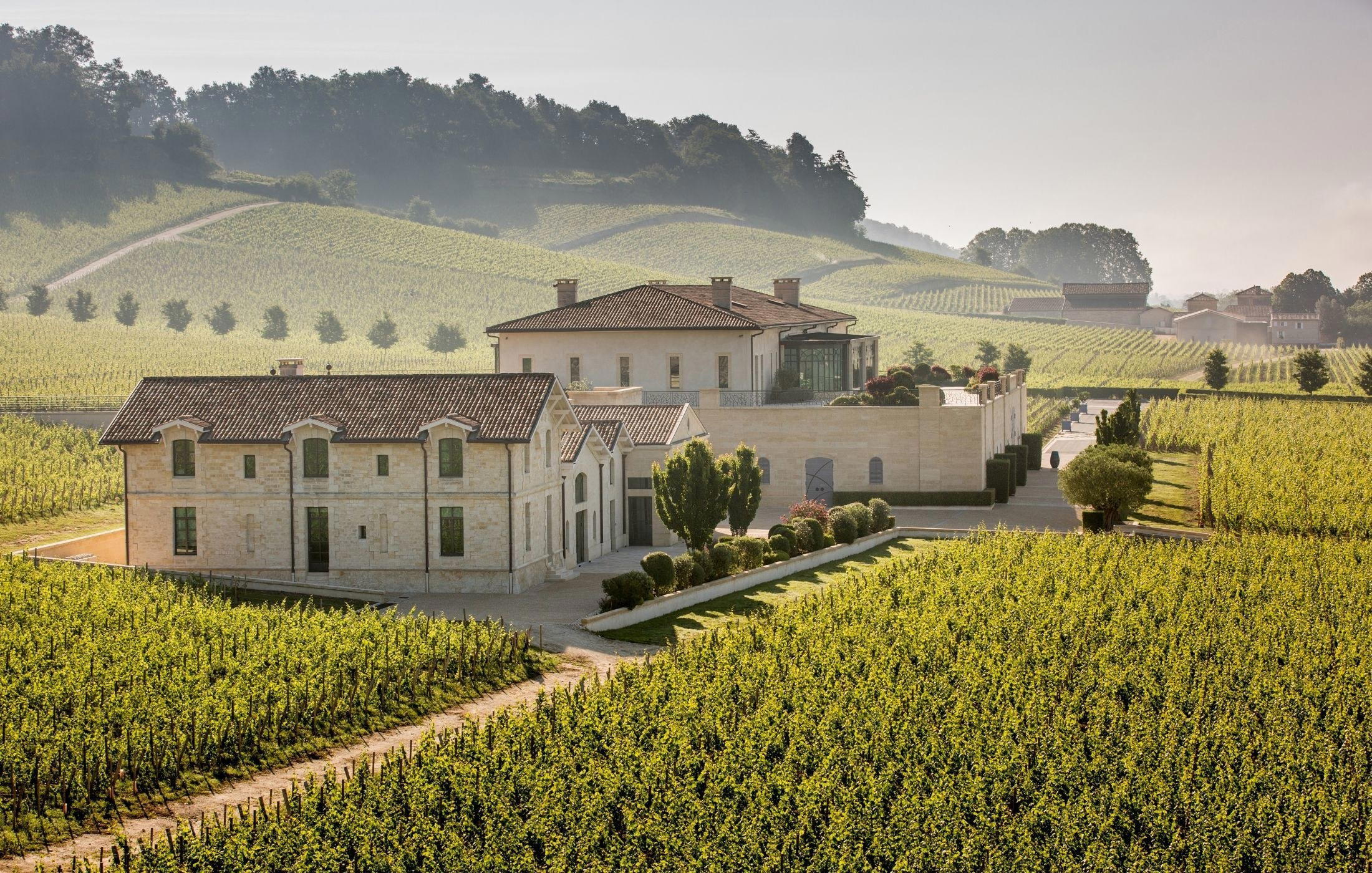
Château Le Bon Pasteur is a small Pomerol estate shaped by gravel-clay soils, Merlot-led plantings and a modern Bordeaux cellar vocabulary associated with Michel Rolland. The draw is not spectacle but terroir reading: parcel work, polished élevage and a quiet estate format that suits visitors interested in how Pomerol’s compact vineyards translate into structured red wine.
Pearl is the En Primeur Club membership app — saves, bookings, and concierge access live there. Same editors, same standards.
- Address
- Pomerol, Center-Val de Loire, Frankreich
- Directions
- Get directions
 Saves & bookings on Pearl
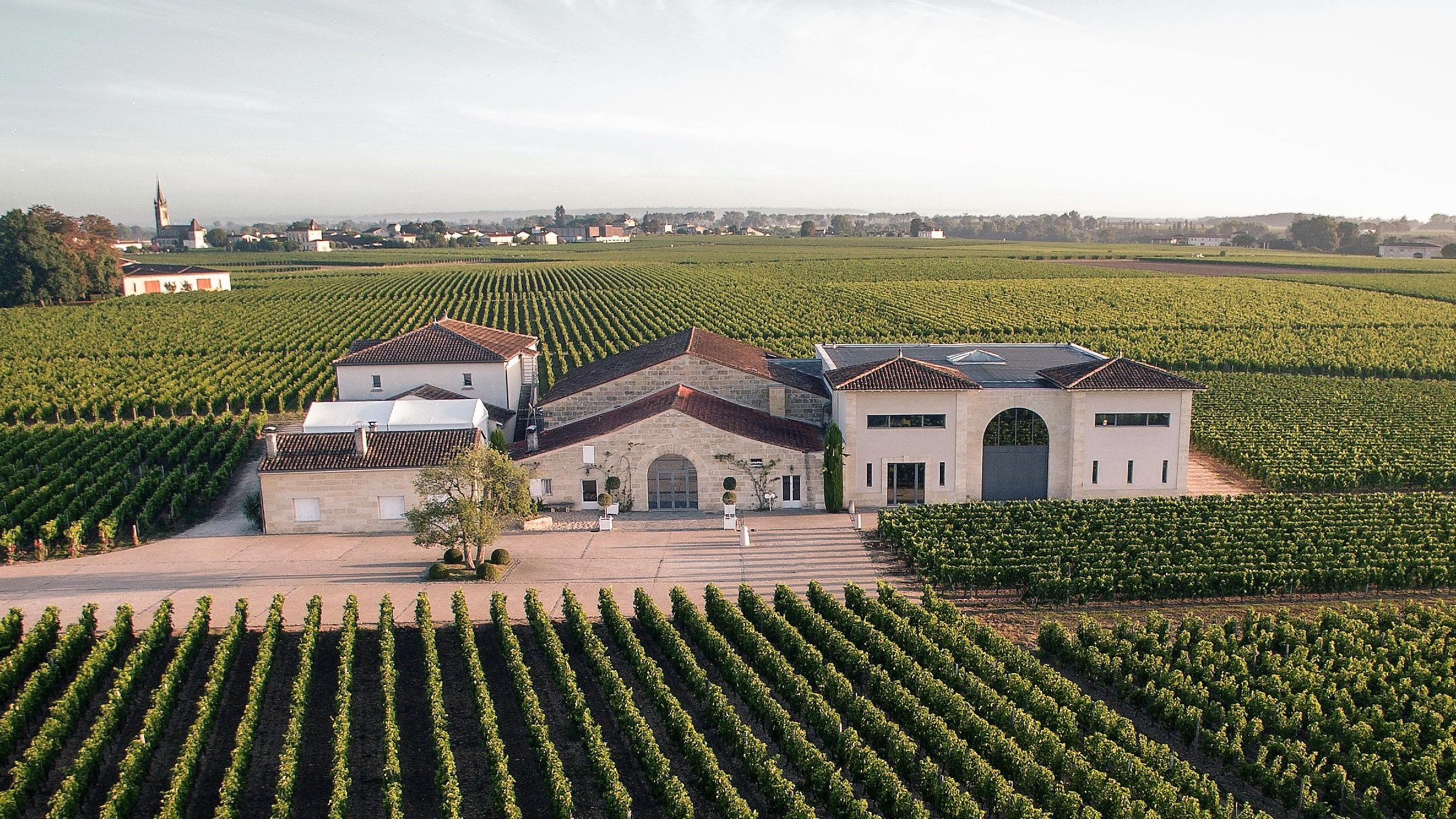
Pomerol does not announce itself with avenues or monumental château theatre. Its quieter approach is more telling: vines close to houses, precision cellars, and reputations carried by parcels as much as architecture. Château Le Bon Pasteur belongs to this side of the appellation, where the conversation starts with gravel, clay, Merlot and the small-scale decisions that turn a compact vineyard into a wine with an international following.
The estate sits firmly in red Bordeaux rather than visitor-led wine tourism. Its Pomerol AOC wine is based mainly on Merlot, with Cabernet Franc as the principal partner, and its holdings cover roughly 6.6 to 7 hectares in the appellation. In Pomerol, where boundaries are tight and brand hierarchies fierce, that scale encourages close parcel attention and leaves little room for anonymous fruit. The house style is associated with refinement, ripe tannin management and a polished modern reading of Pomerol rather than rusticity.
Gravel, clay and the modern Pomerol reading
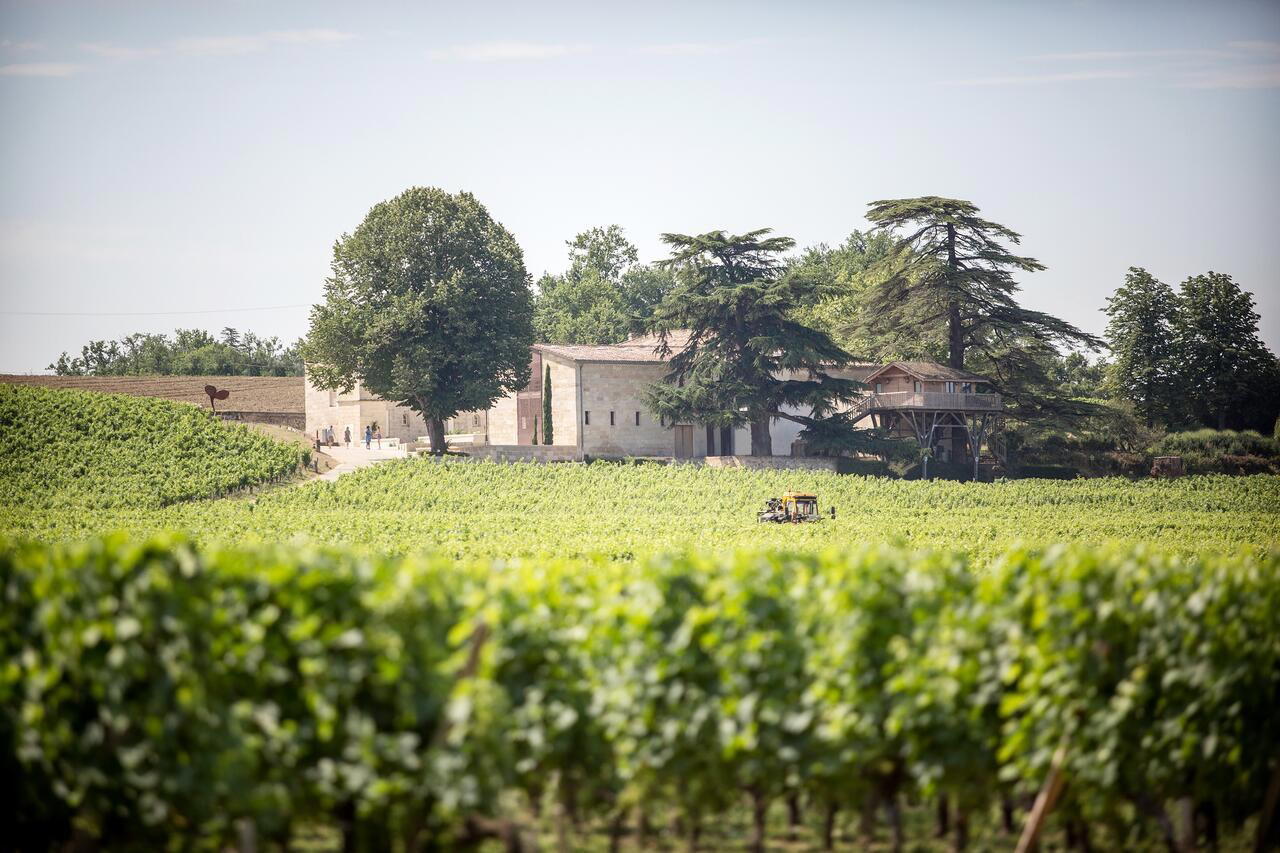
Château Le Bon Pasteur is best understood through Pomerol’s soil conversation. The estate is described around gravel-clay and gravel-sand soils, planted mainly to Merlot and Cabernet Franc. These are not decorative details: Merlot on Pomerol clay can bring depth and density; gravel supports drainage and warmth; Cabernet Franc adds structure and aromatic lift when used well. The identity follows that equation: still red wine, small production scale, and texture over breadth of range.
Michel Rolland’s association gives the property a clear place in Bordeaux’s late-20th-century evolution. Le Bon Pasteur became a working site for techniques that made modern Bordeaux more precise and more controversial: later picking for physiological ripeness, micro-vinification in smaller lots, micro-oxygenation, and élevage often involving 100% new French oak. Those choices pushed Pomerol toward a riper, more polished register, explaining why the estate is read as both a technical reference point and a family-origin château.
The cellar infrastructure reinforces this. A 1987 vinification cellar with small 70-hectolitre tanks and temperature control enabled parcel-by-parcel work when such precision was becoming a defining ambition across ambitious Bordeaux estates. For visitors interested in wine as agricultural craft rather than hospitality performance, this is the story: the estate’s personality comes from small parcels, Merlot dominance and controlled extraction, not a broad tasting-room spectacle.
History sits beneath the modern sheen. The estate dates to the 1920s, founded by Joseph and Hermine Dupuy, and the vineyard mosaic reached its current shape in 1955 with 49 cadastral parcels across three appellation areas. Since 1978, wines from the Saint-Émilion and Lalande-de-Pomerol parcels have been bottled separately as Château Rolland-Maillet and Château Bertineau Saint-Vincent, leaving the Pomerol bottling to carry the central identity. That separation clarifies the terroir message: Pomerol is the focused core, not a broad regional label.
A small estate experience rather than château theatre
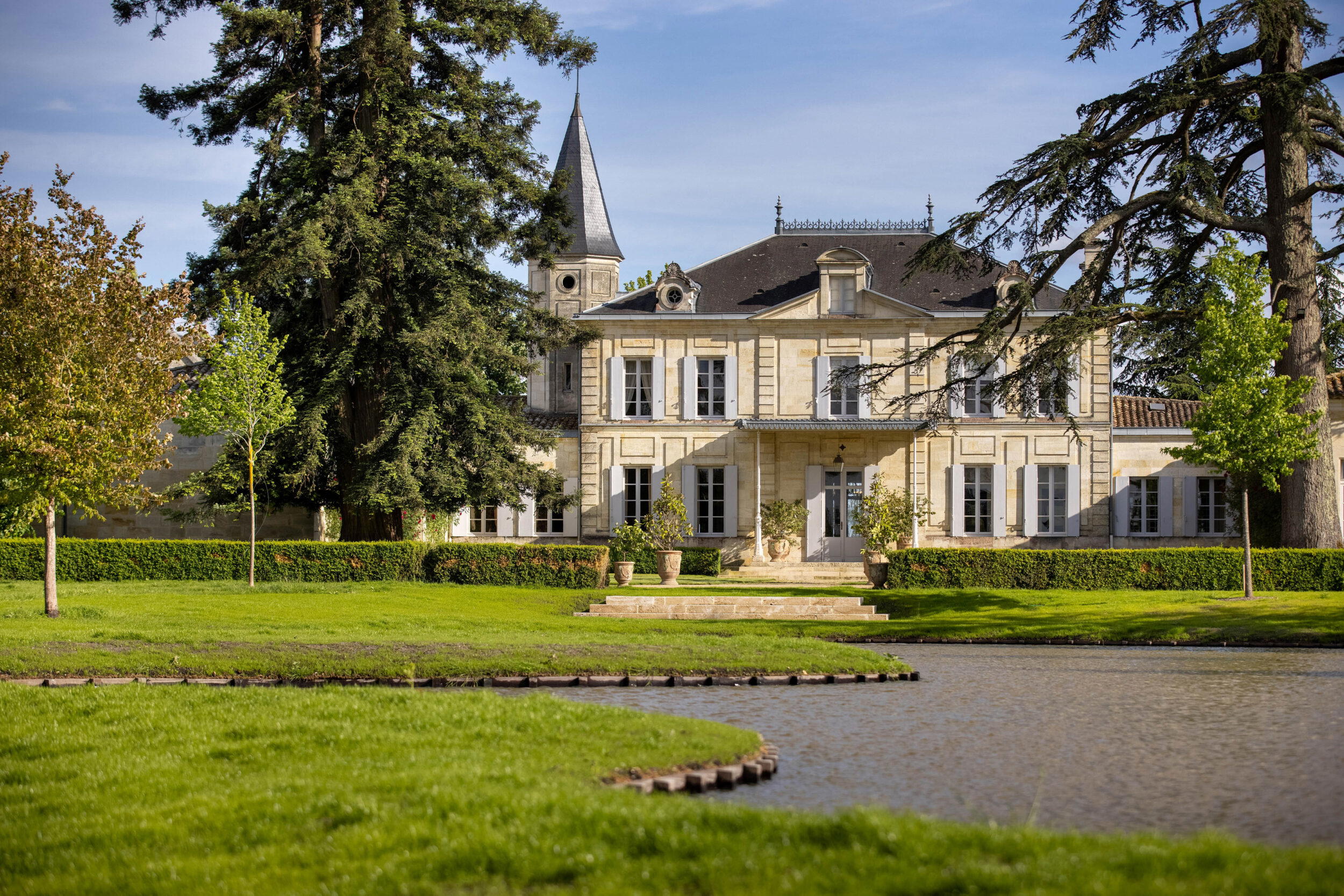
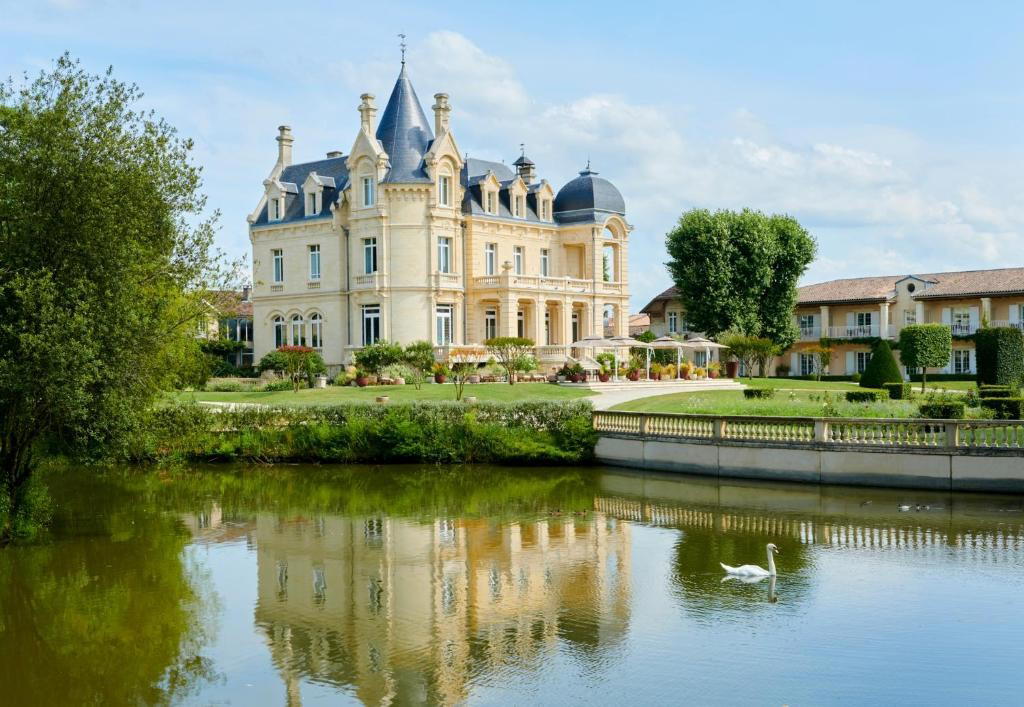
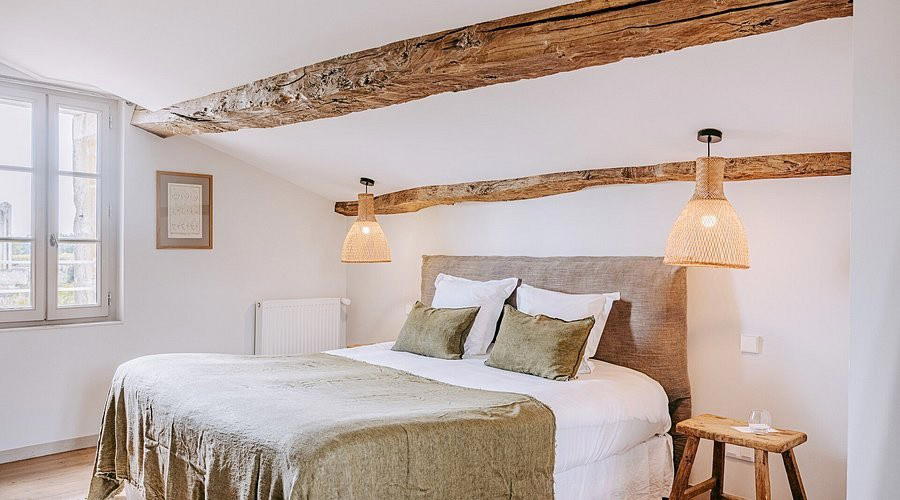
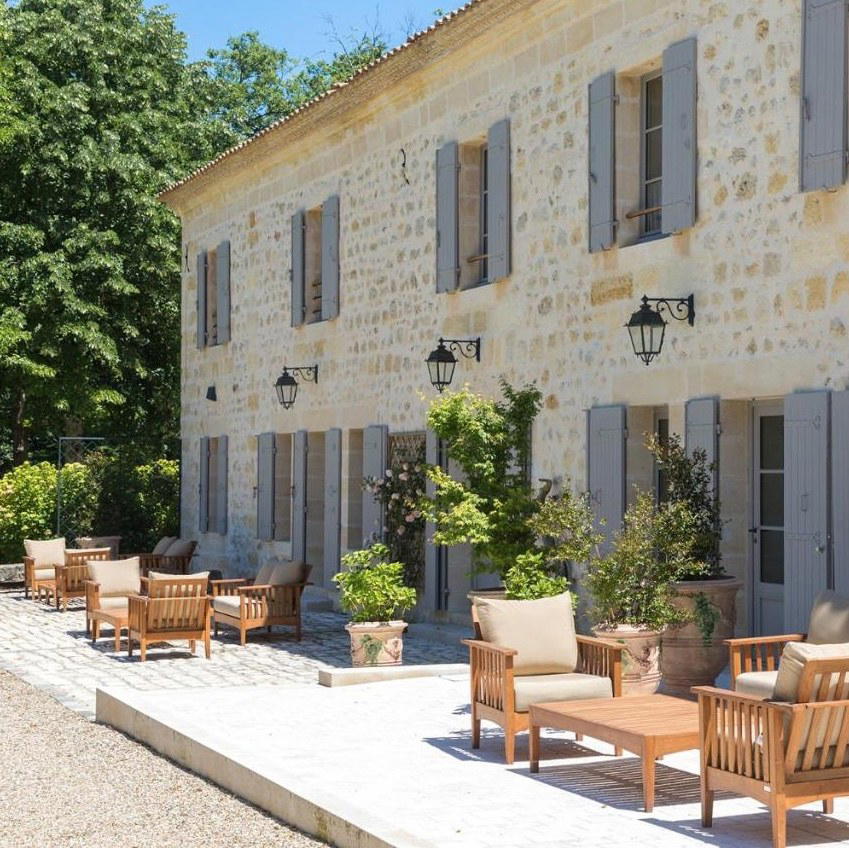
Château Le Bon Pasteur’s atmosphere is described as refined, elegant, classic and quiet, suiting Pomerol better than forced grandeur. The property has a historic element, including a small house dating from 1865 used as a tasting room, but reads more as a working wine property than a destination staged around arrival. In this part of Bordeaux, stronger visits reward attention to vineyard placement, cellar choices and vintage structure rather than scripted luxury cues.
Ownership places the estate within a wider Bordeaux shift. In 2013, the Rolland family sold the winery to the Goldin Group, a Hong Kong-based investment company led by Sutong Pan, making it part of the wave of international capital entering Right Bank properties. The more interesting signal is that Pomerol estates with limited land and recognizable stylistic identities became global assets, even while remaining physically intimate.
For readers mapping Pomerol beyond one cellar, the appellation is better understood through multiple lenses: classic Merlot-led estates, smaller family properties, and labels with strong fine-wine market recognition. EP Club’s full Pomerol wineries guide is the natural starting point. Nearby wine planning can also sit alongside the city’s hospitality layers through Pomerol restaurants, Pomerol hotels, Pomerol bars and Pomerol experiences.
Within the Pomerol wine map, readers often cross-reference estates to see how small differences in land, cellar emphasis and market position change Merlot-led Bordeaux. EP Club’s winery pages for Chateau La Croix du Casse, Chateau Petrus, Château Beau Soleil, Château Beauregard and Château Bel-Air help frame that broader appellation study without reducing Pomerol to one style.
Who should make time for it
This is a stronger choice for travellers who read Bordeaux through viticulture and winemaking detail than for visitors seeking a high-energy tasting circuit. The estate is appointment only, small in capacity, and better aligned with wine education, solo exploration or a special-occasion cellar stop than casual group touring. Dress is smart casual: polished enough for a serious estate visit, not theatrical.
The price signal sits at $$$, and the value is intellectual as much as sensory: connecting Pomerol’s compact vineyard structure with techniques that helped define a modern, polished Bordeaux style. There is no need to force a grand narrative onto the visit. The land, Merlot-Cabernet Franc frame, 1920s foundation, 1987 cellar and Rolland connection already supply the substance.
Travellers building a wider wine itinerary in France and Europe can compare how small estates express place across regions. EP Club’s cellar coverage extends from A. Margaine in Villers-Marmery and Abbaye de Fontfroide in Narbonne to Abbotts & Delaunay in Marseillette, »der Steiner« Hans Steiner in Podersdorf am See and & Handwein in Mannheim. Against that European field, the winery’s interest is sharply Bordeaux: a compact Pomerol estate where soil, Merlot and cellar control define the experience.
Recognition history
Dated appearances from independent guides and award organizations, with the underlying list record or original source where available.
Falstaff Winery - 3 Stars
Falstaff
Continue exploring
More in Pomerol
Wineries in Pomerol
Browse all →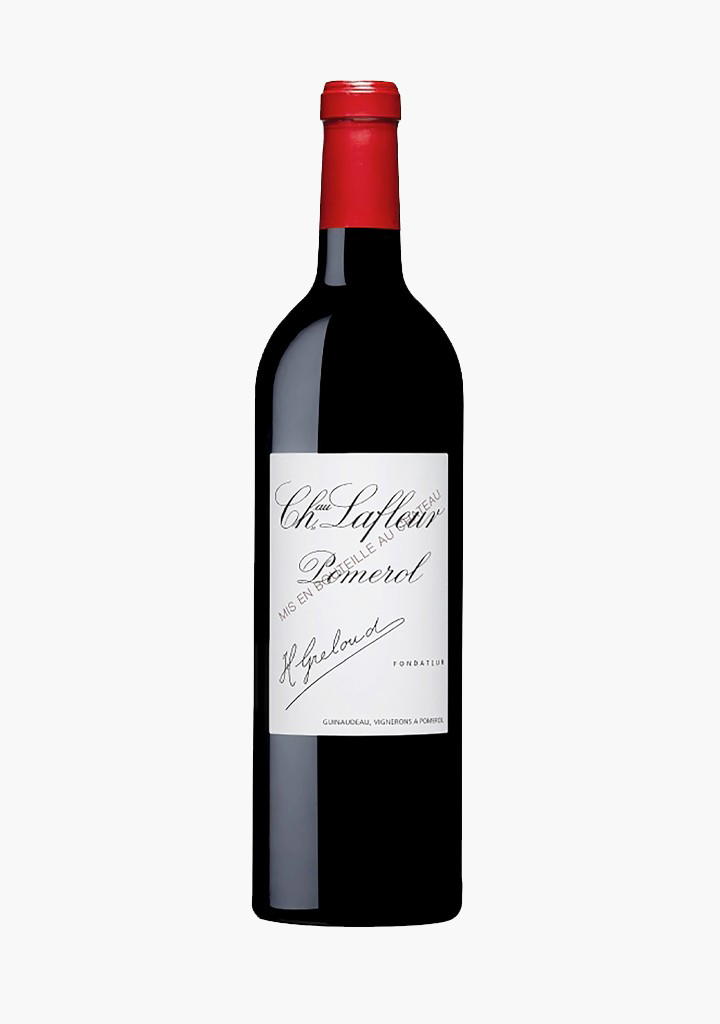
Bars in Pomerol
Browse all →

Restaurants in Pomerol
Browse all →
At a Glance
- Elegant
- Sophisticated
- Classic
- Quiet
- Special Occasion
- Solo Exploration
- Wine Education
- Estate Grounds
- Historic Building
- Pomerol AOC
- Merlot
- Cabernet Franc
- Still Red
- Estate Tasting
Refined, elegant, and terroir-driven, with a focus on complex, richly elegant wines rather than a hospitality-forward visitor experience.