Château La Serre

Château La Serre is a small Saint-Émilion Grand Cru Classé estate on the limestone plateau above the medieval town, focused on Merlot-led red wine with Cabernet Franc in support. Its appeal lies in scale and soil: 7 hectares, shallow clay over limestone, family ownership since 1956, and a style built around freshness, structure and cellar age rather than sheer force.
Pearl is the En Primeur Club membership app — saves, bookings, and concierge access live there. Same editors, same standards.
- Address
- Lasserre, 33330 Saint-Émilion, France
- Phone
- +33 5 57 24 71 38
- Website
- chateaulaserre.com
- Directions
- Get directions
 Saves & bookings on Pearl
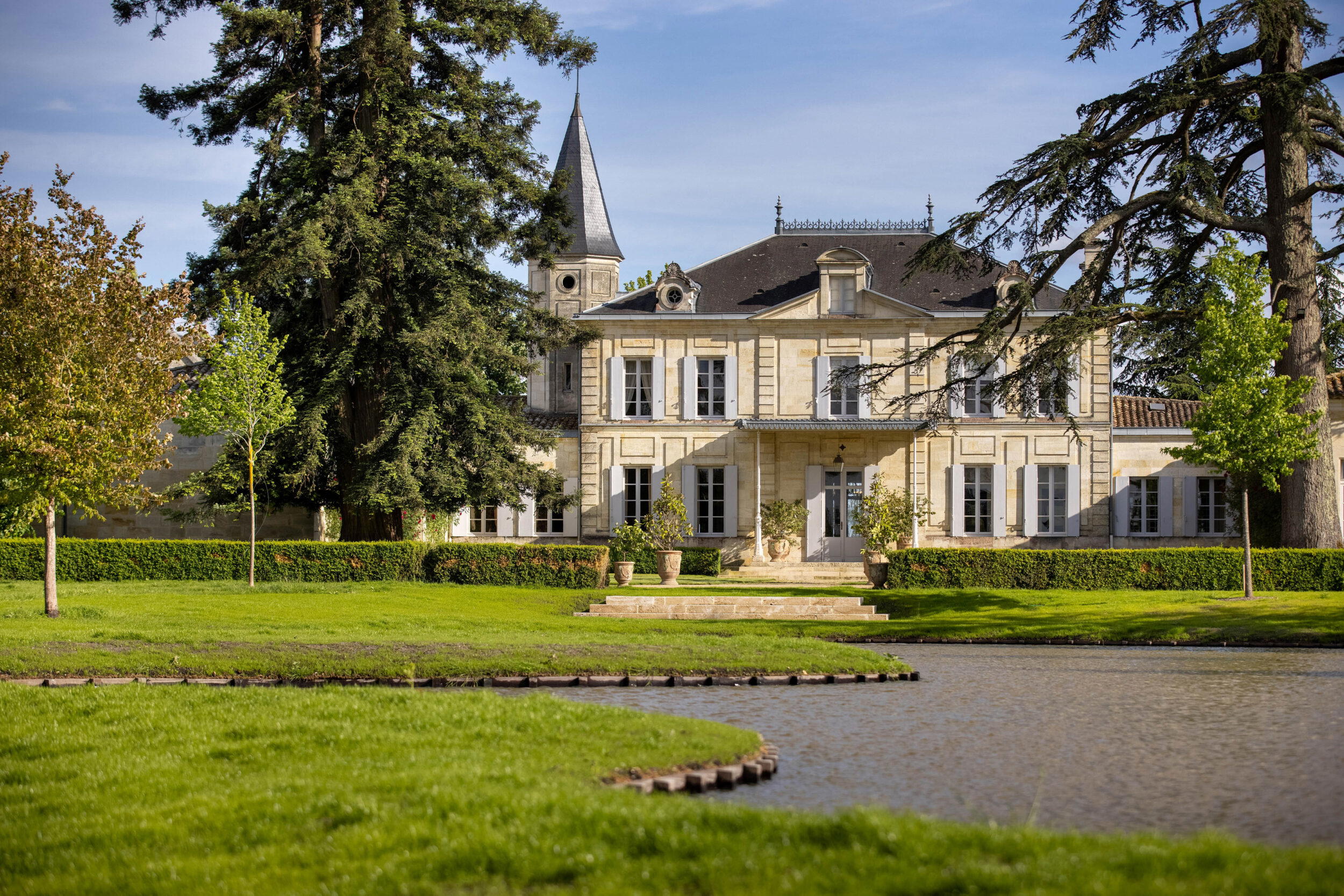
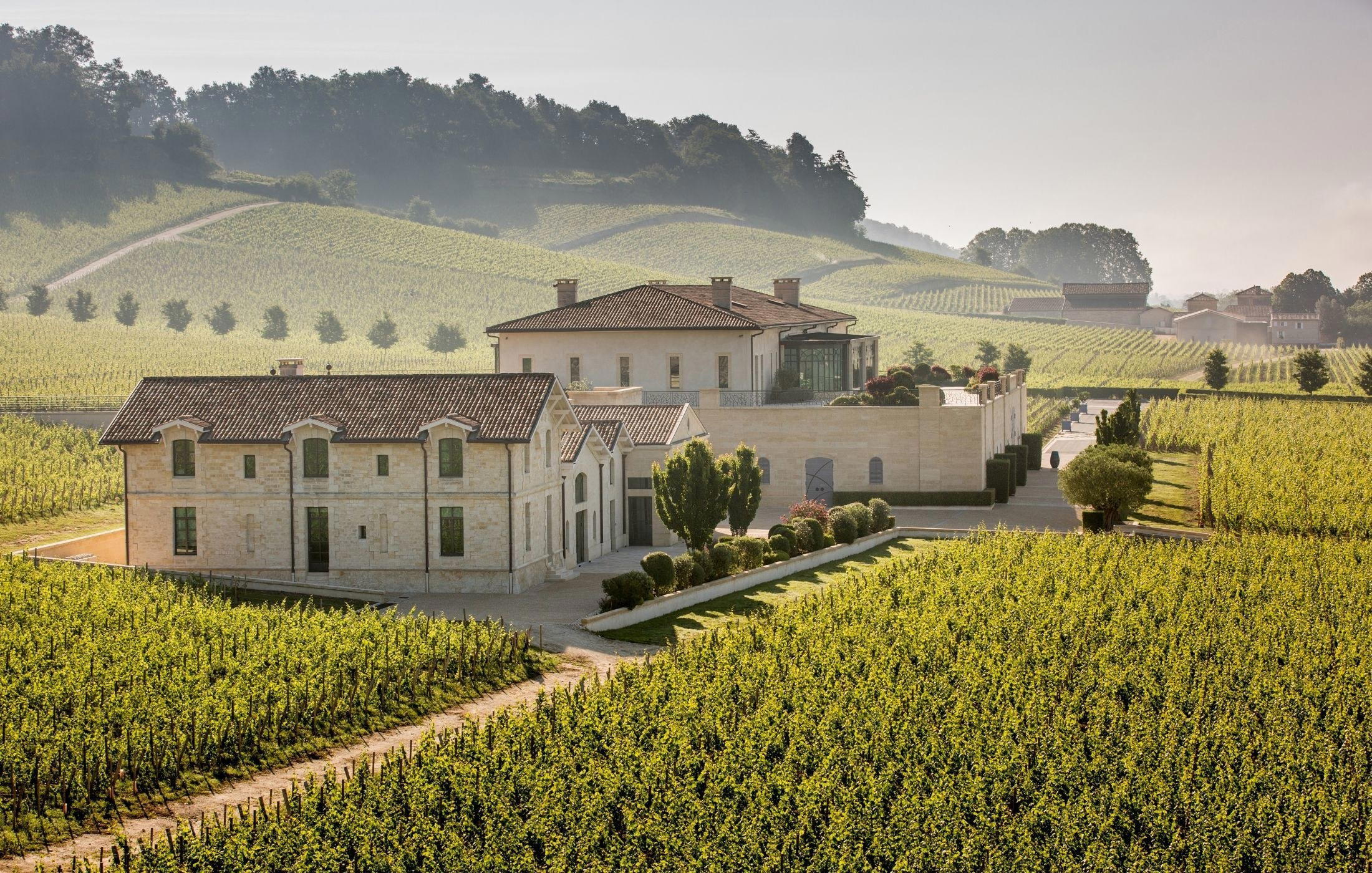
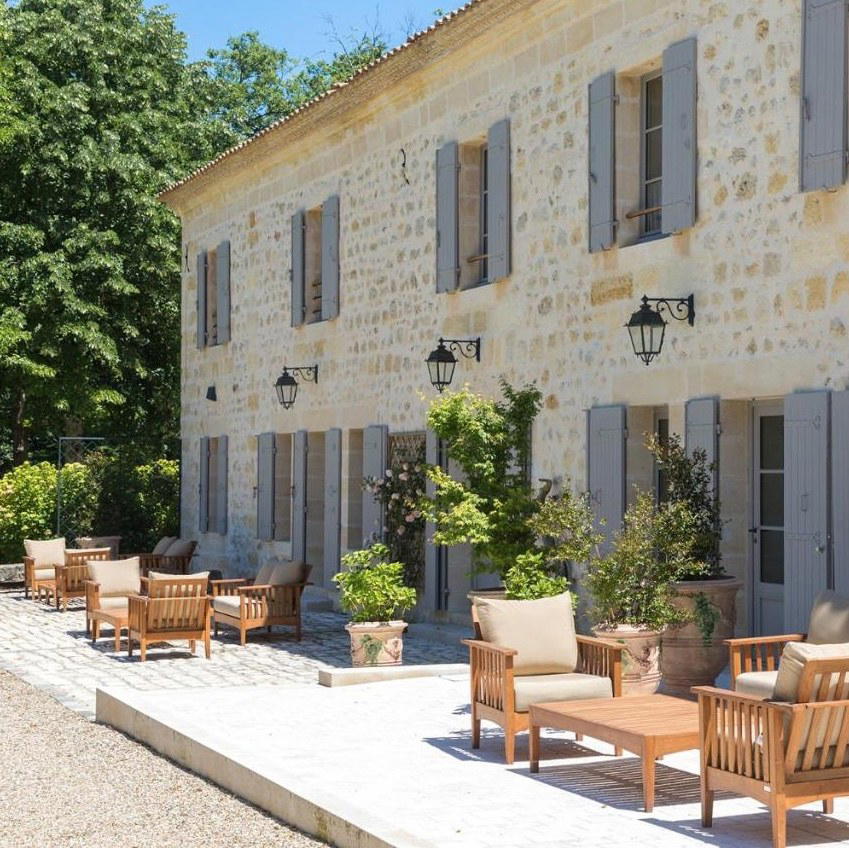
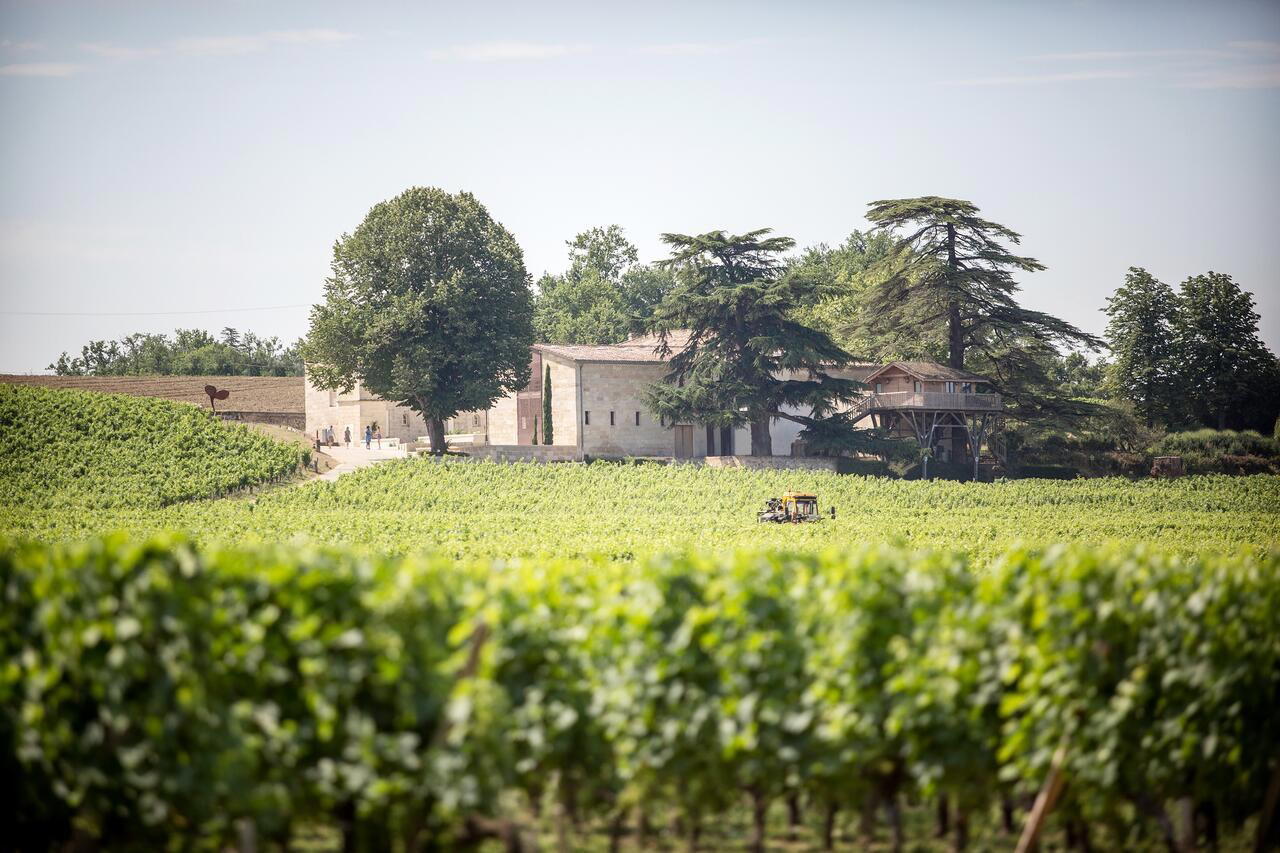
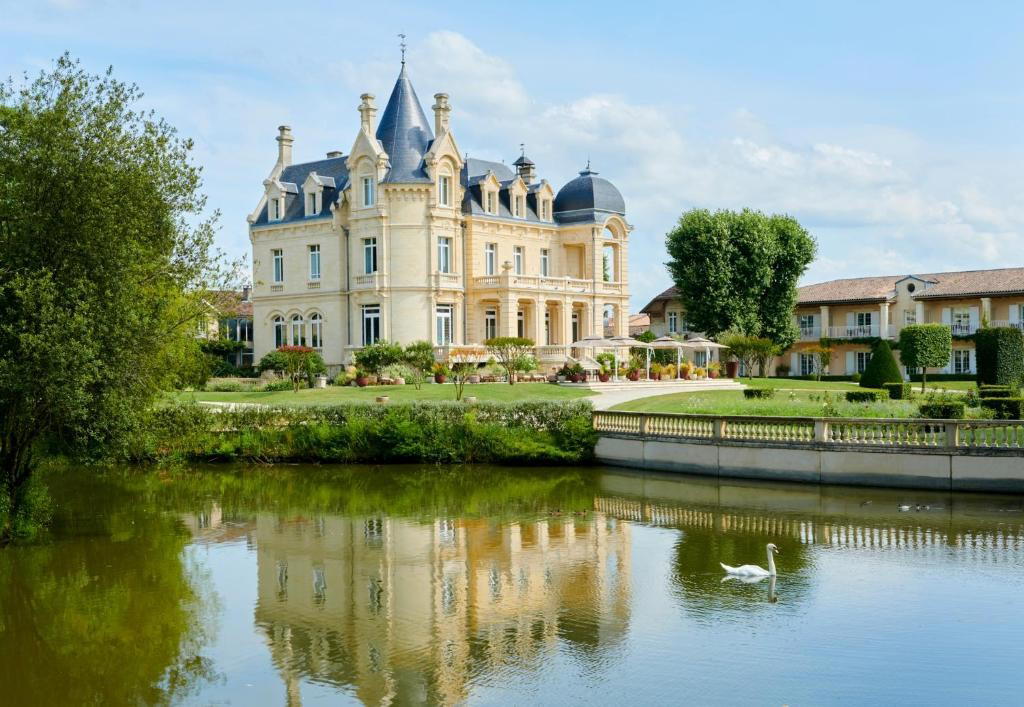
In Saint-Émilion, Château La Serre is best understood through its setting: a historic Right Bank Bordeaux estate with a classic stone château residence dating from the late 17th century, set amid limestone vineyards on the upper plateau. The atmosphere is intimate, traditional and quietly elegant rather than showy, with the emphasis falling naturally on place, architecture and vineyard landscape rather than on spectacle.
Because the public details available here are limited, a reliable way to frame Château La Serre is by place and mood rather than by production figures, classifications, grape percentages, cellar methods or visitor arrangements. The grounded facts are the Saint-Émilion location, the historic château character, the limestone-vineyard setting and the listed price level of $$$. That narrower frame is useful: it keeps the focus on what is actually confirmed, while still giving readers a clear sense of the estate’s likely appeal within a Right Bank Bordeaux itinerary.
Limestone plateau Saint-Émilion in a historic Right Bank frame
Château La Serre’s appeal rests on its Saint-Émilion context and its upper-plateau vineyard setting. The late-17th-century stone residence gives the estate a classic Bordeaux presence, while the surrounding limestone vineyards reinforce the sense of a traditional Right Bank property shaped by its landscape. In a region where the relationship between village, vineyard and stone architecture is central to the visitor experience, those elements matter as much as any more technical description would.
That makes it a useful reference point for travelers who want a quieter, estate-led expression of Saint-Émilion. Rather than presenting the château as a checklist of services or claims, it is more accurate to see it as a setting with a particular tone: historic, compact in feeling, and rooted in the visual language of the plateau.
The tone is not that of a large, spectacle-driven destination. The available description points instead toward a more restrained kind of Bordeaux elegance, where the stone residence, the vineyard surroundings and the Saint-Émilion address do most of the work.
A quieter Saint-Émilion register
Saint-Émilion has many ways to experience wine country, from formal estate visits to meals in town and broader countryside itineraries. The winery fits into that landscape as a traditional estate with a historic château feel, rather than as a venue defined here by awards, menu formats, tasting structures or hospitality claims.
For readers comparing options, particularly dependable takeaways are simple: the winery is in Saint-Émilion, the price level is listed as $$$, and the setting is a classic late-17th-century stone château amid limestone vineyards on the upper plateau. Anything more specific should be checked with the estate or a current booking source, especially if the visit depends on a particular format, timing, access arrangement or hospitality expectation.
That restraint is part of the editorial value. The result is a cleaner, more trustworthy portrait: not a broad promise of what might happen there, but a careful reading of what is known.
How to place it within a wider wine route
For travelers building a Saint-Émilion itinerary, the winery can be considered alongside other unnamed local dining, lodging and wine-country experiences. The key is to decide whether a historic, intimate estate atmosphere is the right fit for the day. If the priority is a strong sense of place, with a château residence and limestone vineyards framing the experience, the estate’s profile is easy to understand.
When comparing it with other wine destinations more broadly, focus on confirmed basics: location, setting, price level and the kind of atmosphere you want. The winery’s profile points to a traditional Saint-Émilion estate mood rather than to any confirmed service format, visitor capacity, food program or tasting schedule. That makes it best approached as part of the broader texture of Saint-Émilion rather than as a page promising a specific set of amenities.
The editorial case for the winery is strongest for readers who value the setting itself: a late-17th-century stone château residence, limestone vineyards on the upper plateau and a quietly elegant Right Bank Bordeaux feel in Saint-Émilion. Within those boundaries, the estate has a clear identity: historic, place-driven and grounded in the landscape that defines this part of Bordeaux.
Recognition history
Dated appearances from independent guides and award organizations, with the underlying list record or original source where available.
Falstaff Winery - Listed
Falstaff
Continue exploring
More in Saint-Émilion
Wineries in Saint-Émilion
Browse all →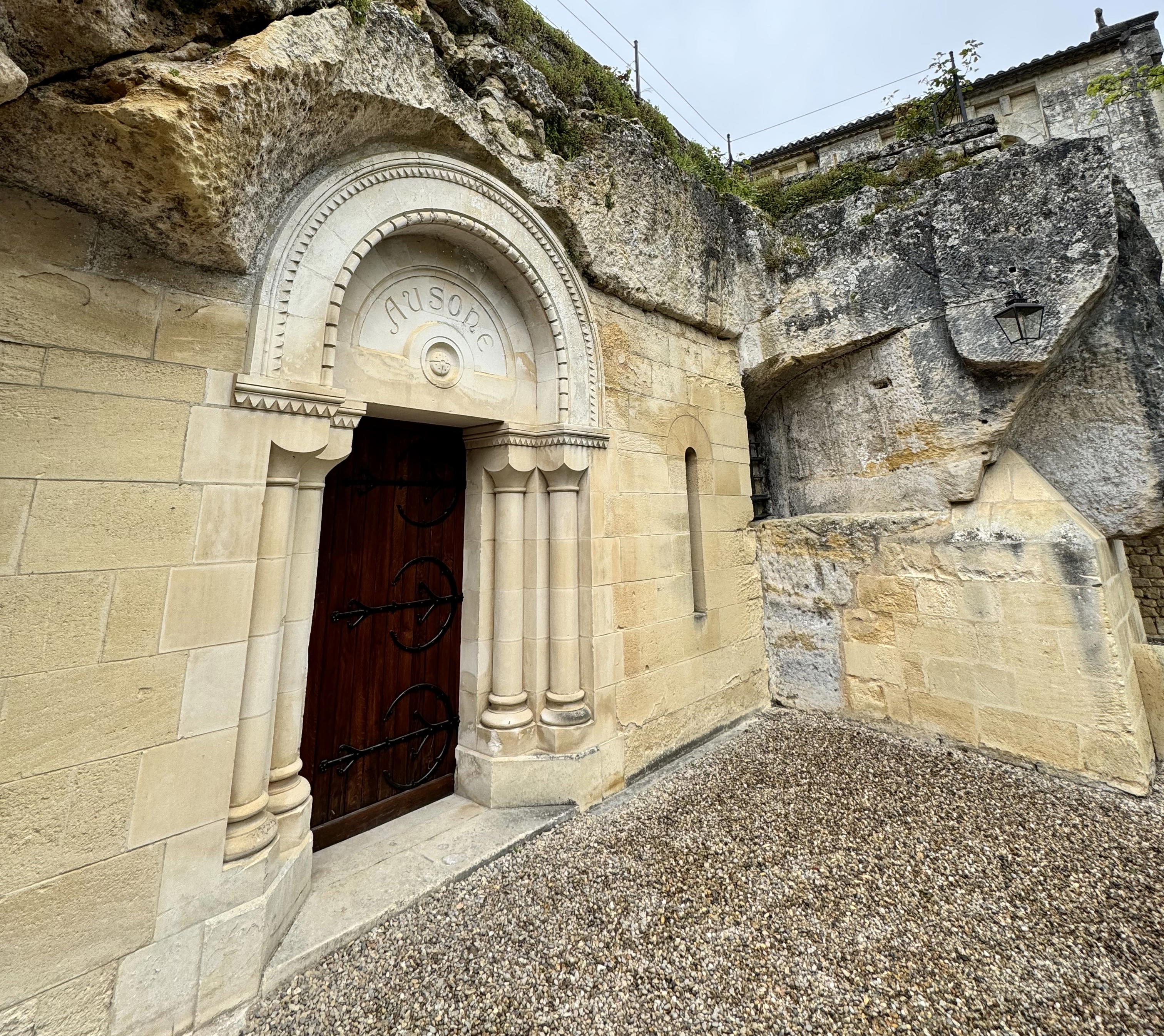
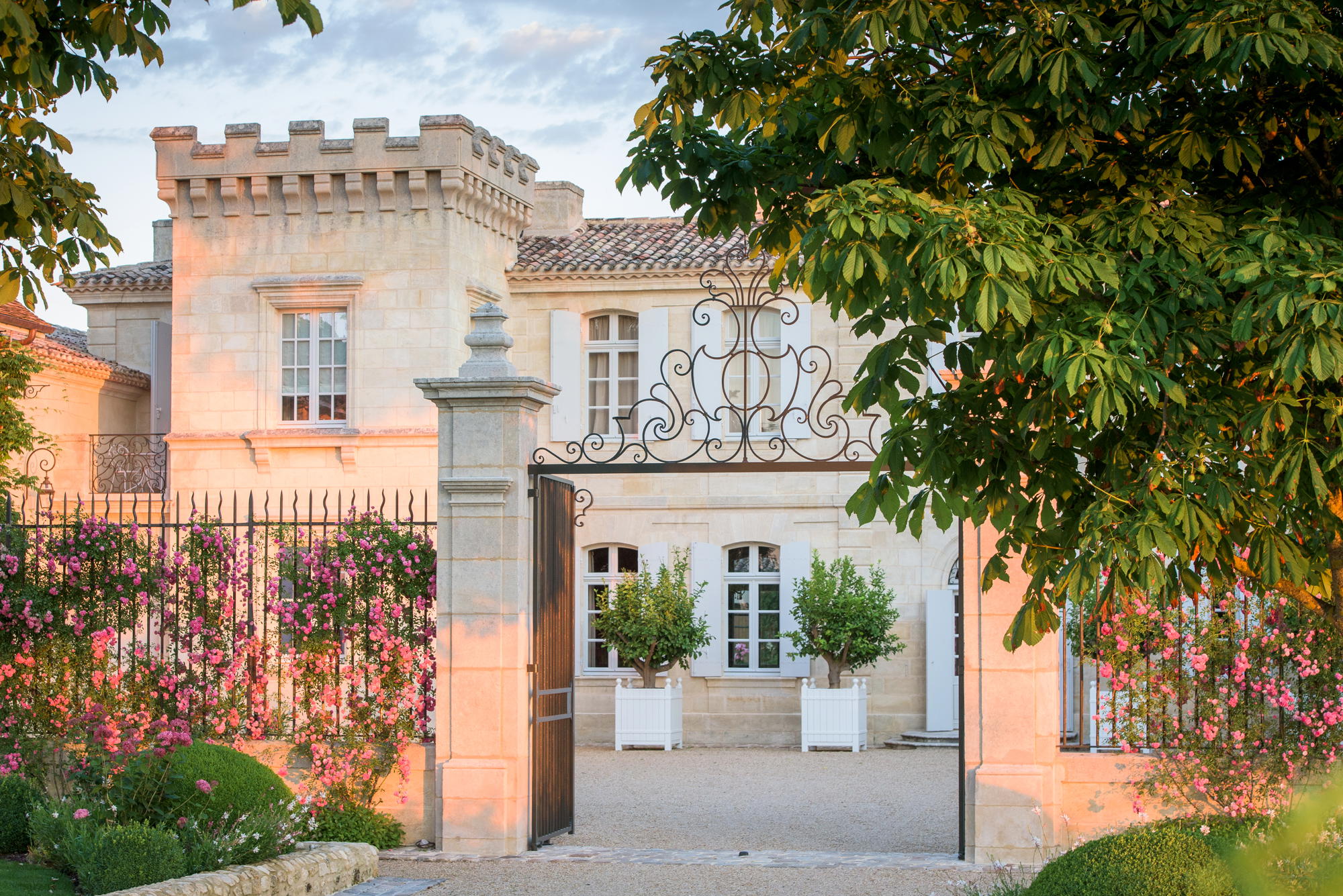
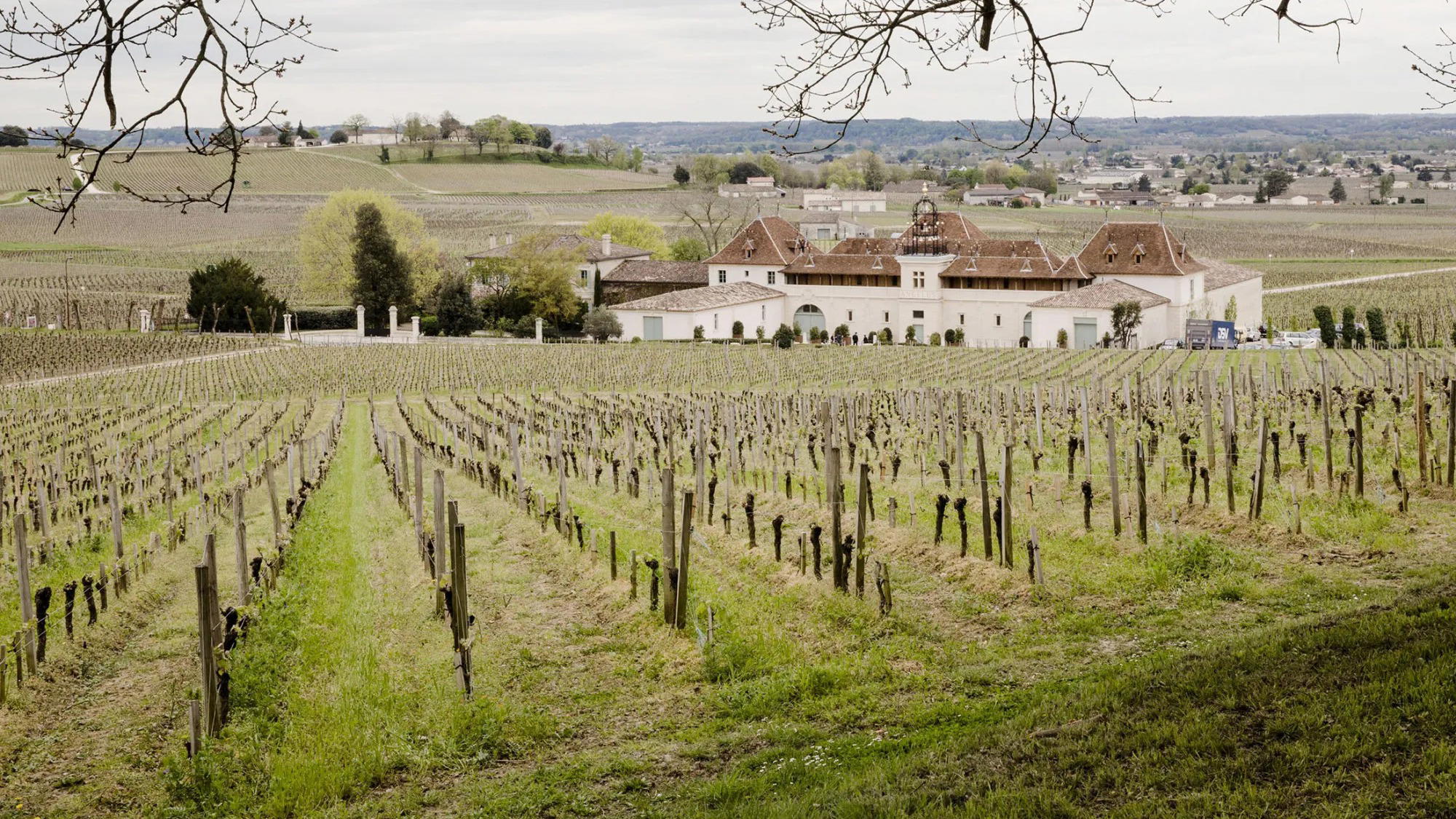
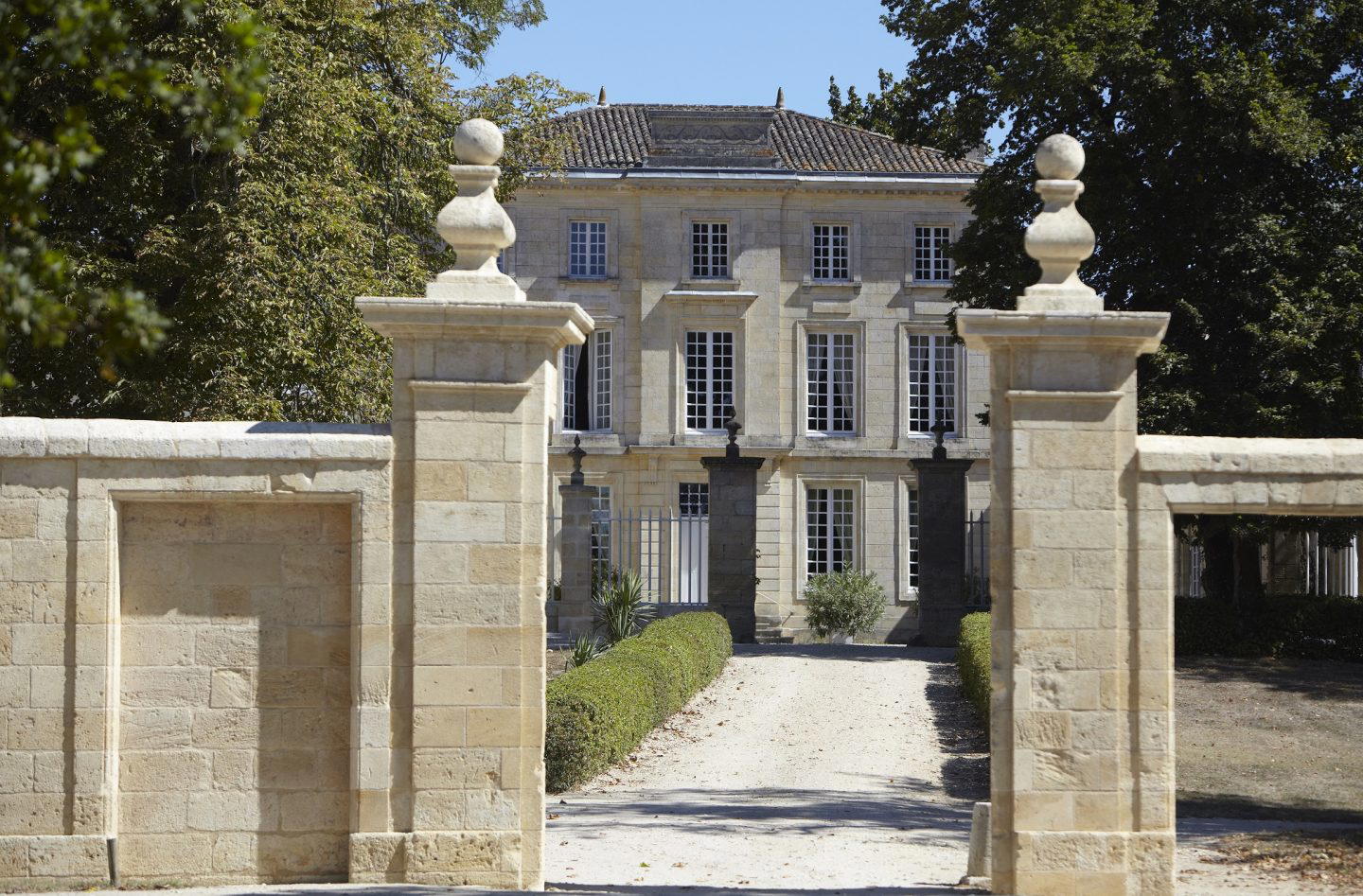
Bars in Saint-Émilion
Browse all →

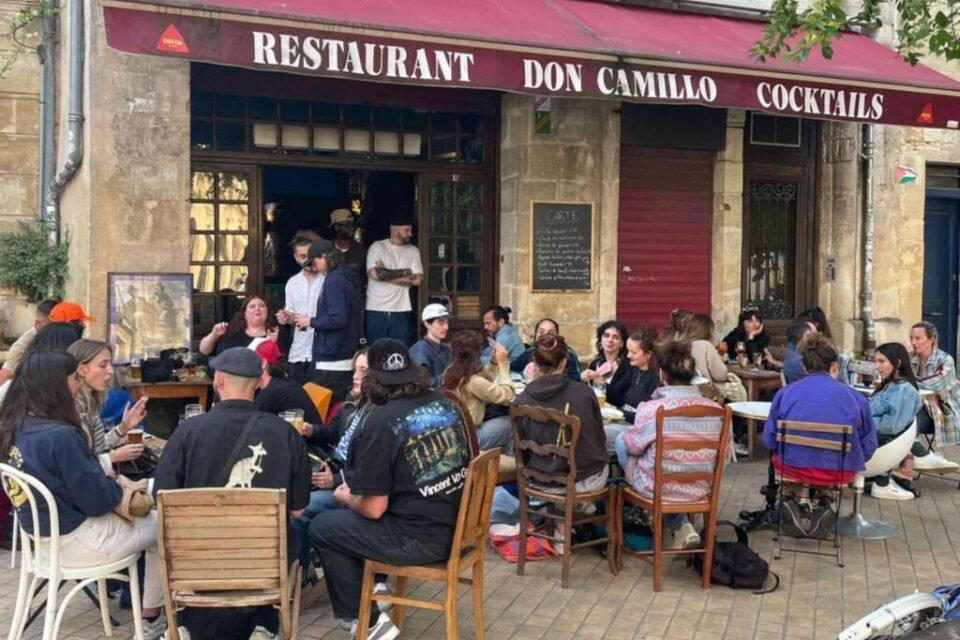
Restaurants in Saint-Émilion
Browse all →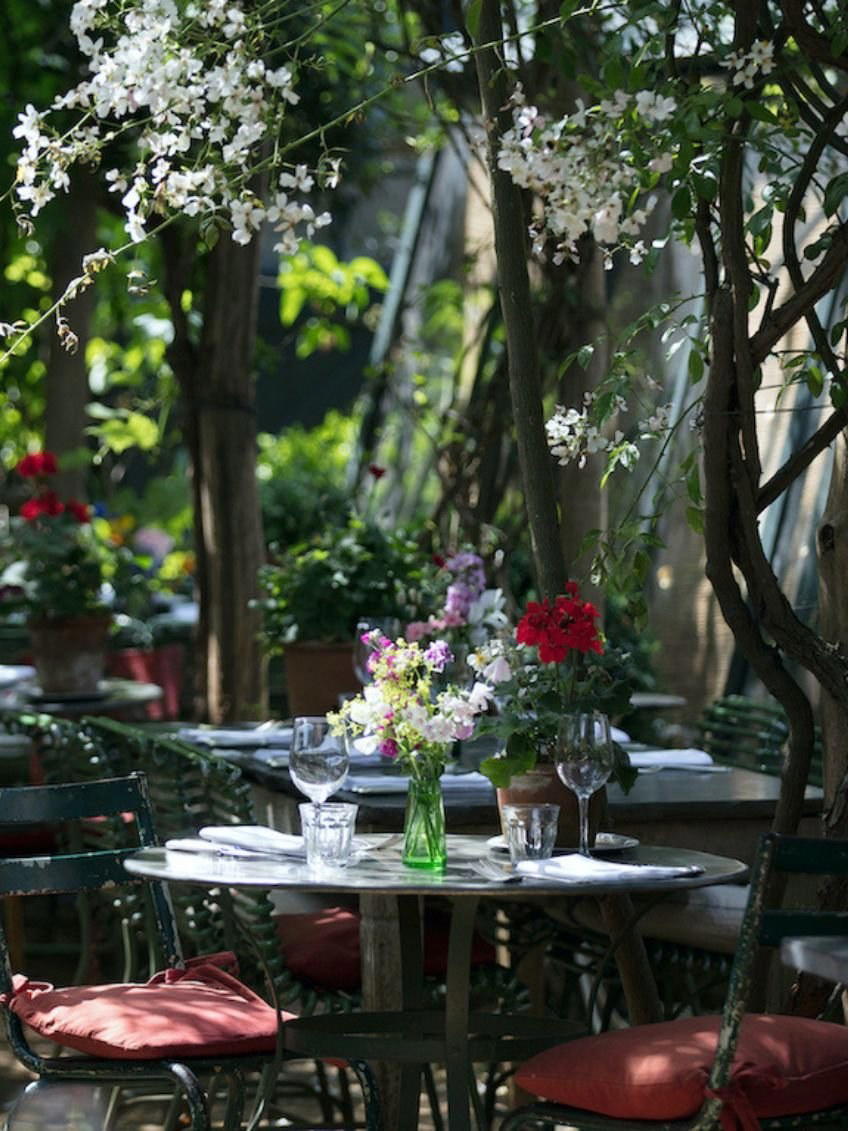
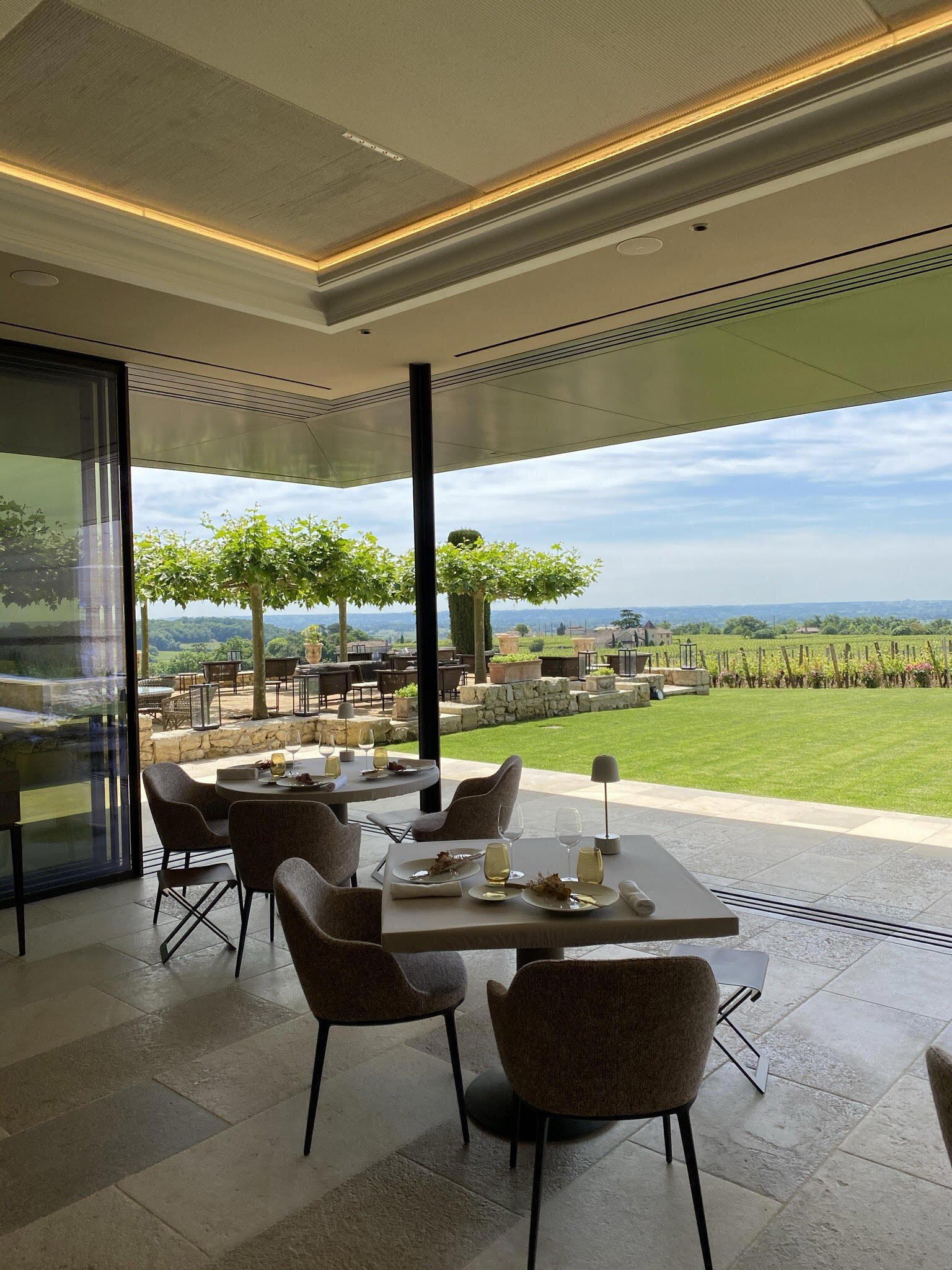
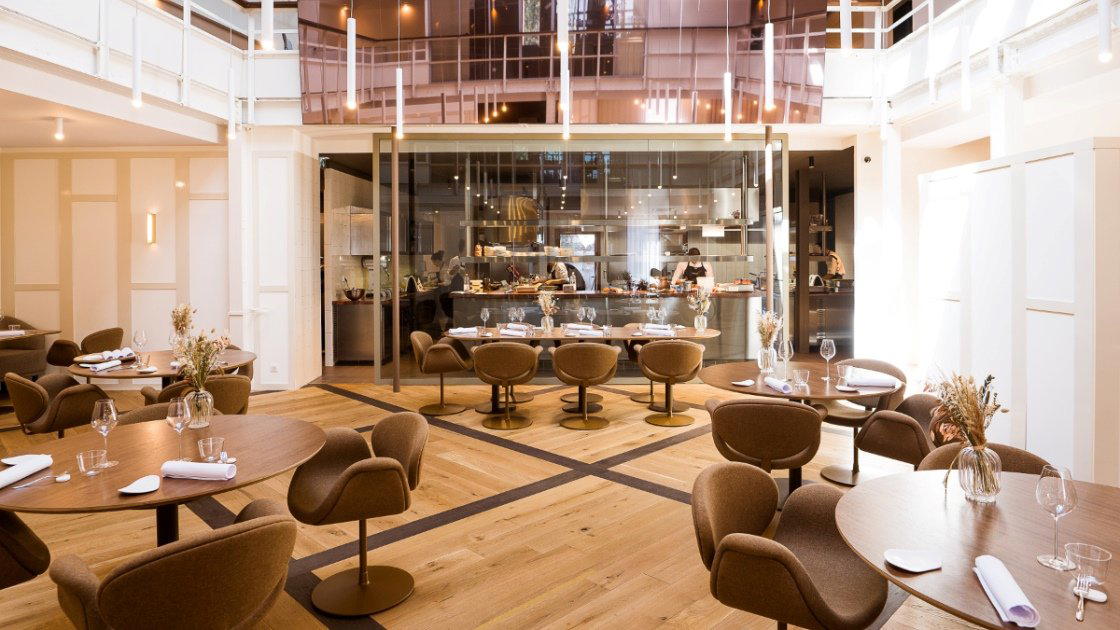
At a Glance
- Classic
- Scenic
- Intimate
- Elegant
- Romantic Getaway
- Group Outing
- Wine Education
- Special Occasion
- Solo Exploration
- Estate Grounds
- Vineyard Tour
- Historic Building
- Panoramic View
- Vineyard
- Street Scene
- Saint Emilion Grand Cru Classe
- Merlot
- Cabernet Franc
- Still Red
- Estate Tasting
- Vineyard Focused Tasting
Current opening hours
- Monday
- 9 AM–5 PM
- Tuesday
- 9 AM–5 PM
- Wednesday
- 9 AM–5 PM
- Thursday
- 9 AM–5 PM
- Friday
- 9 AM–5 PM
- Saturday
- Closed
- Sunday
- Closed
Hours can change for holidays and private events. Last verified .
Historic Right Bank Bordeaux estate feel, with a classic stone château residence dating from the late 17th century set amid limestone vineyards on the upper plateau, conveying an intimate, traditional and quietly elegant atmosphere in the heart of UNESCO-listed Saint-Émilion.