
Falstaff Winery - Listed
Château la Genestière is a historic Tavel wine estate founded in 1930, set around traditional stone buildings and vineyard ground in the Southern Rhône. Its interest lies in Tavel’s firm, dry rosé tradition: Grenache and Syrah shaped by Mediterranean heat, Mistral wind, limestone, sand and galets, with red and white wines extending the estate’s Rhône reach beyond the appellation.

Pearl is the En Primeur Club membership app — saves, bookings, and concierge access live there. Same editors, same standards.
- Address
- Chem. des Cravailleux, 30126 Tavel, France
- Phone
- +33 4 90 95 91 70
- Hours
- Mon–Sat 10 am–1 pm, 2–7 pmSun Closed
- Website
- chateau-genestiere.com
- Directions
- Get directions

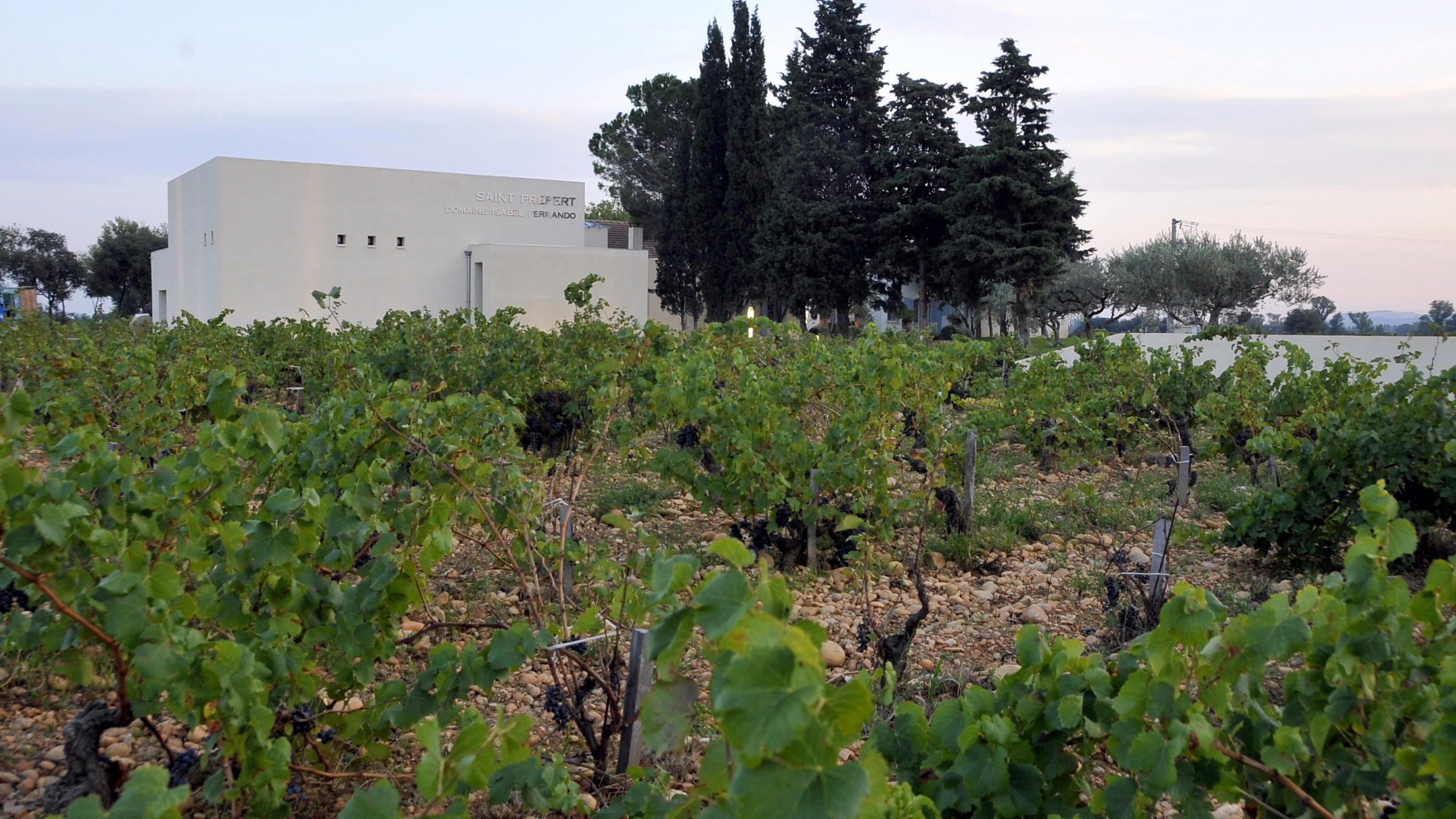
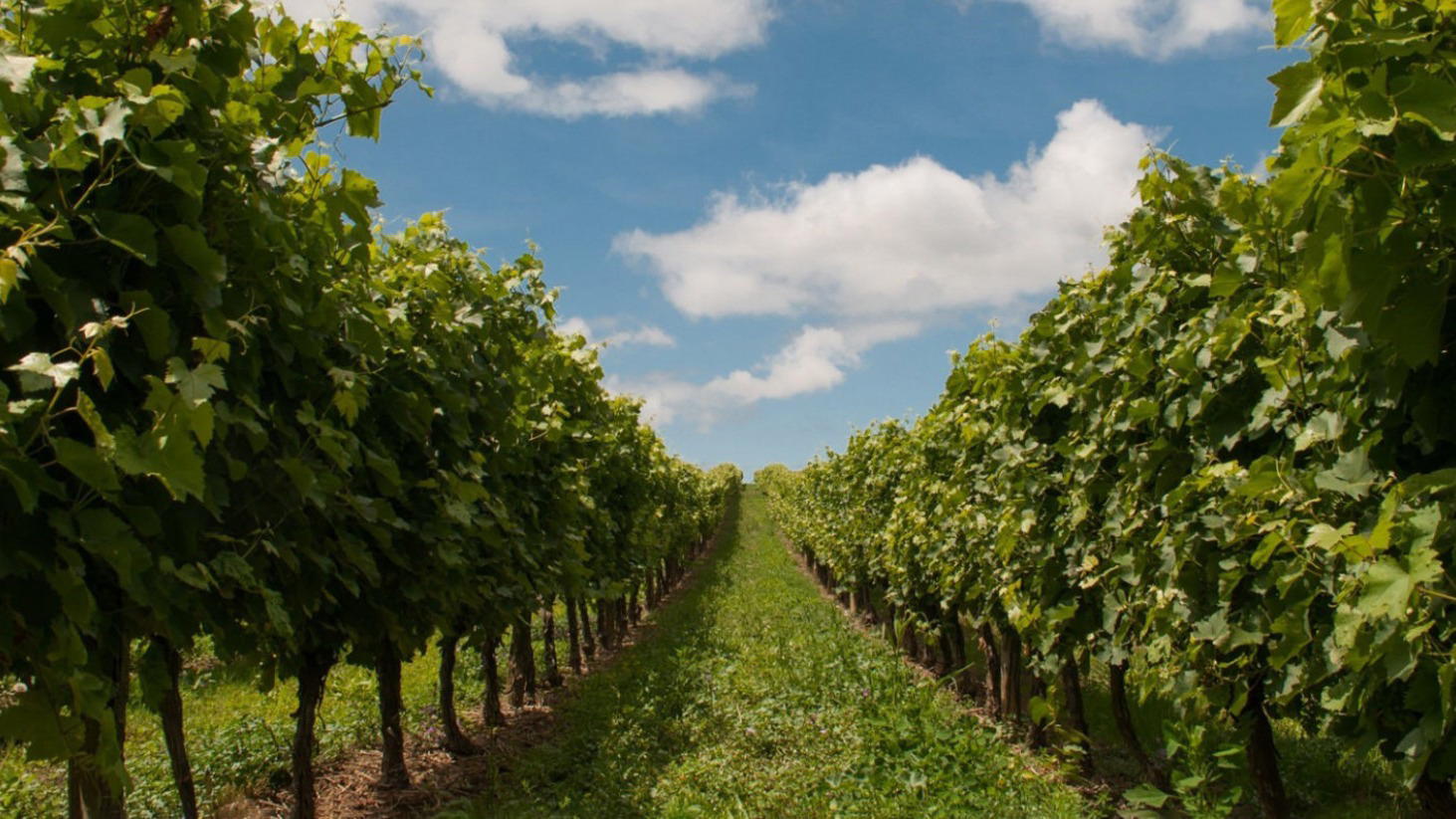
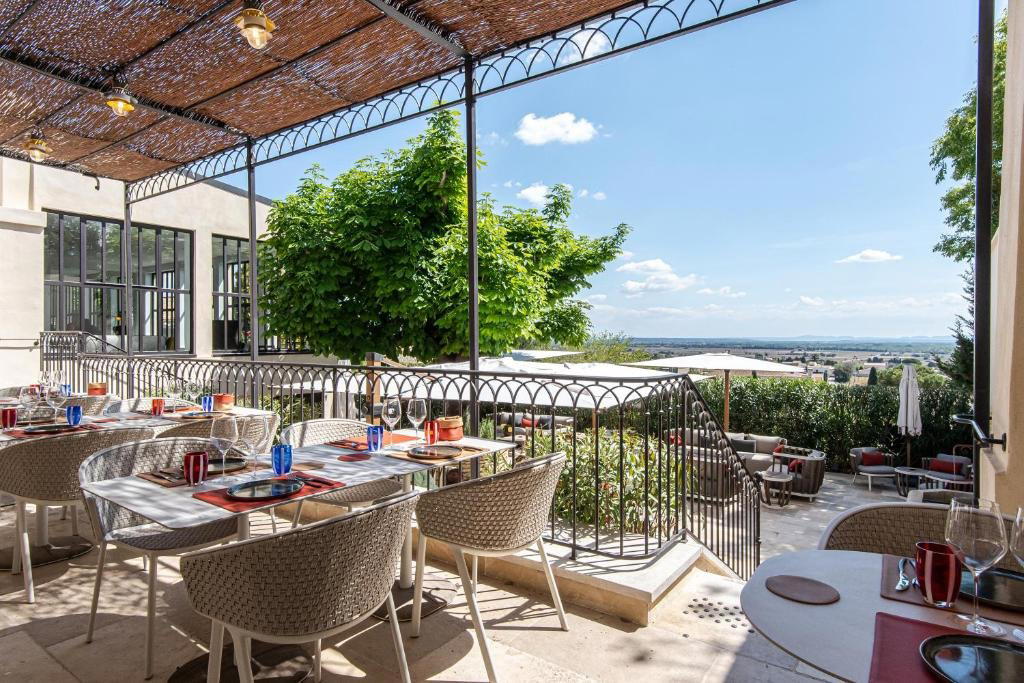
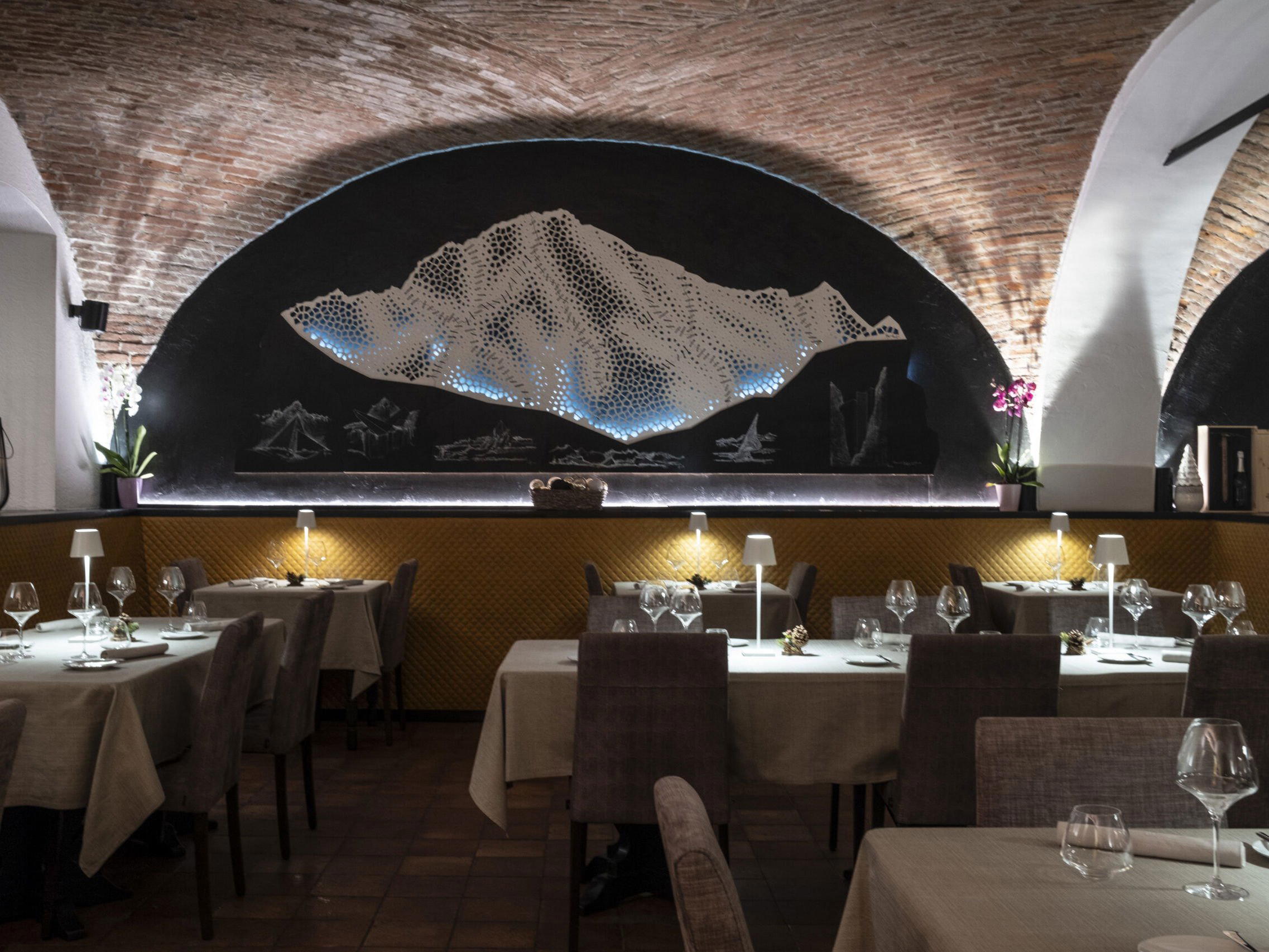
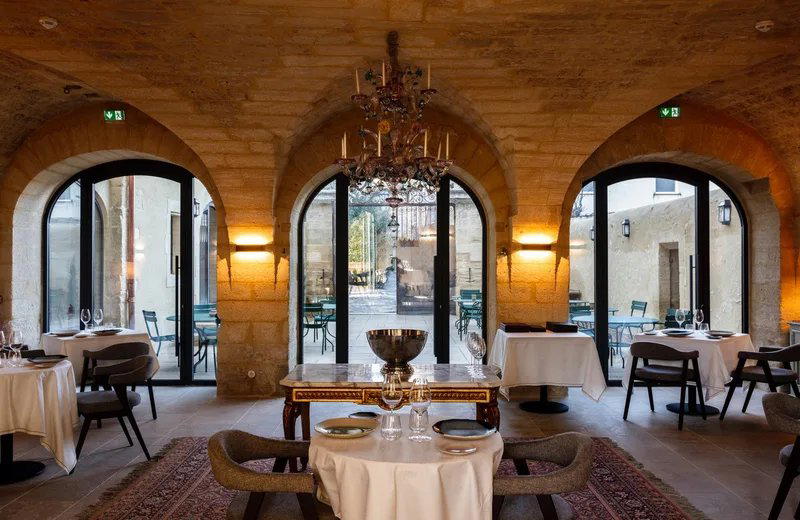
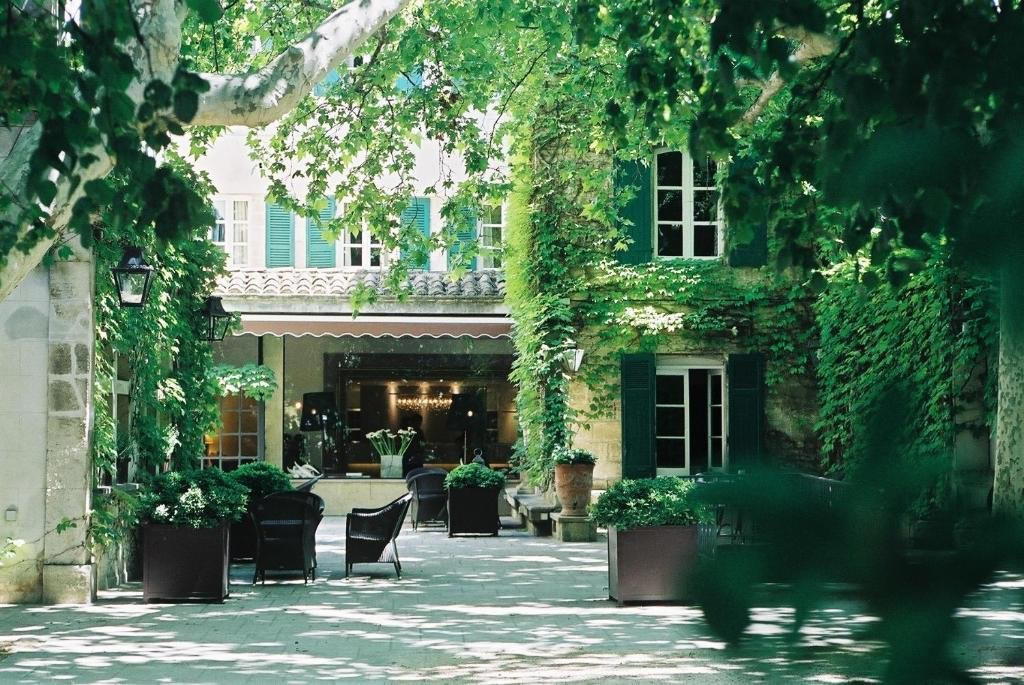
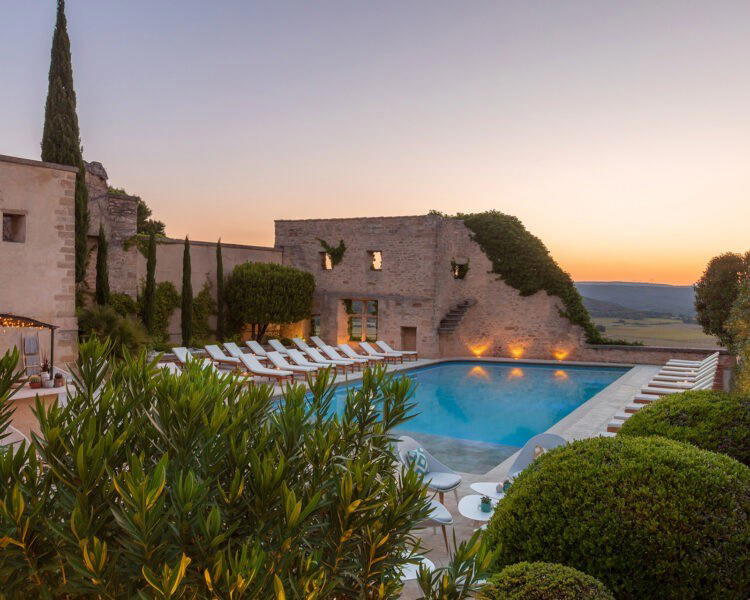
Approach Tavel and the visual grammar changes quickly: stone buildings, vineyard surroundings and the feel of wine country rather than a designed lounge circuit. Château la Genestière fits that register. The estate’s atmosphere is classic and rustic, with a scenic Rhône Valley wine-estate setting, and the experience is anchored in the wines rather than lounge-style hospitality. That distinction matters for expectations: the appeal here is not a theatrical arrival or a heavily styled room, but the quieter sense of being in a traditional wine landscape where the buildings, vines and tasting all point back to place.
For planning purposes, the most reliable way to frame Château la Genestière is as a wine-focused stop in Tavel. Specific details about hours, reservation rules, grape varieties, production methods, awards, founding dates or visitor amenities are not confirmed here, so the practical draw is the setting: a traditional estate atmosphere in vineyard surroundings. Visitors should therefore treat the available information as a guide to the mood and character of the venue, not as a complete logistical brief. The strongest confirmed reason to include it is the chance to experience a classic Rhône Valley estate environment with the wines at the center.
A Tavel wine-estate setting with a classic Rhône Valley feel
Château la Genestière is best described, from the confirmed information, as a Tavel wine estate with a classic, authentic feel. In EP Club terms, that places it firmly in the category of venues whose value comes from setting and tone rather than from a long checklist of programmed hospitality features.
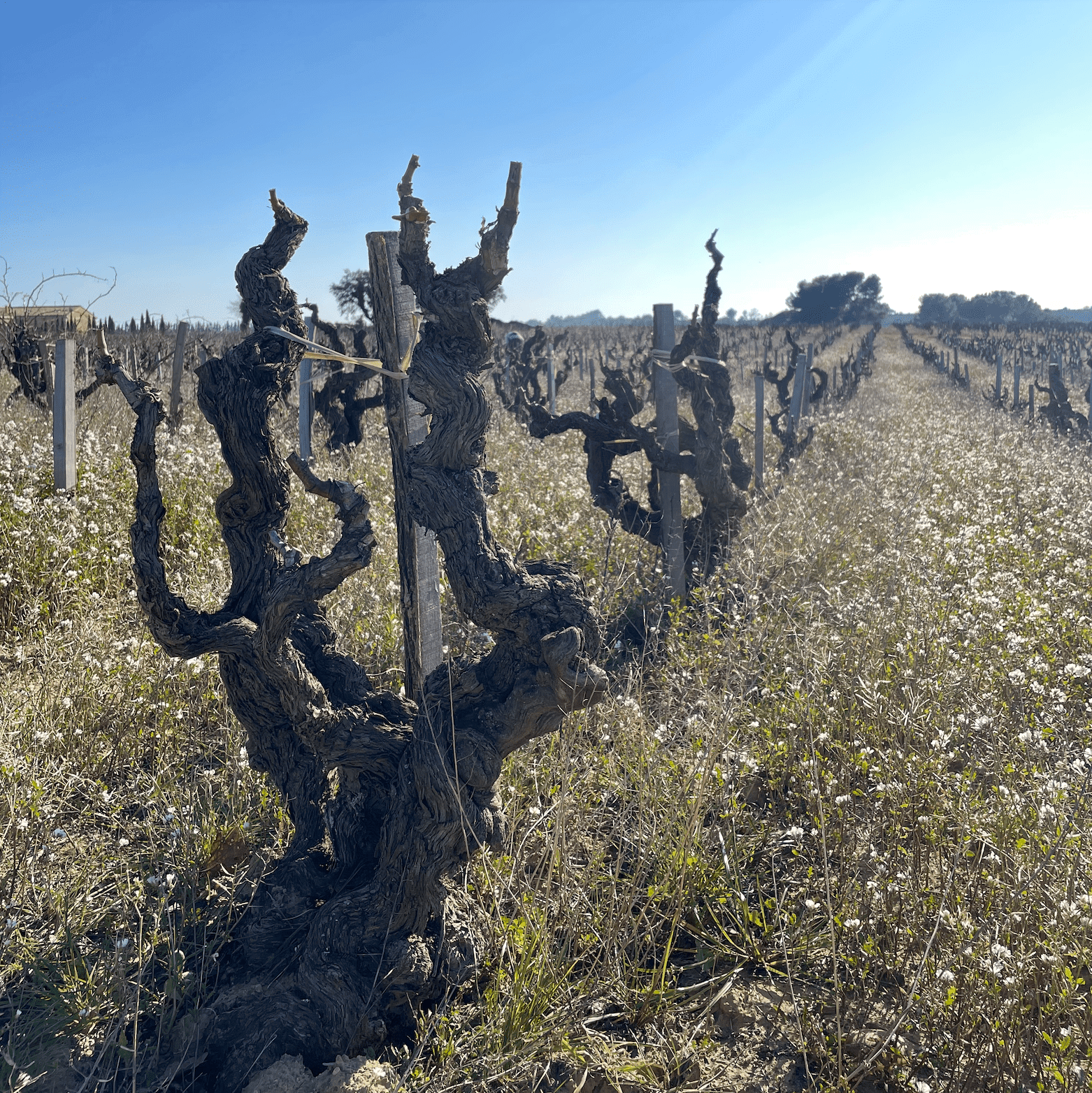
What is confirmed is the tone of the visit: traditional stone buildings, vineyard surroundings and tastings centered on the wines. That makes the estate more appealing to visitors who value place, landscape and a direct wine-country atmosphere than to travelers looking for a highly designed lounge experience. The rustic quality should be read as part of the point: it suggests a visit shaped by the estate context itself, where the surrounding vineyards and the Rhône Valley setting provide much of the atmosphere.
The case for Château la Genestière therefore rests on its Tavel setting, its historic Rhône Valley wine-estate atmosphere and its $$ price level. That also keeps the recommendation appropriately restrained. Rather than relying on external validation or distinctions, the venue is best understood through the qualities that are actually stated: classic, scenic, rustic and wine-focused.
A historic estate format, not a polished tasting lounge
Rhône Valley wine travel can reward visitors who prefer agricultural directness to hospitality choreography. Château la Genestière’s confirmed ambiance is rustic, scenic and classic, with tastings focused on the wines. The estate is presented as a traditional stone-building property in vineyard surroundings rather than as a designed lounge. For the right visitor, that older estate format is precisely the attraction: it keeps the experience close to the landscape and avoids turning the tasting into something that feels detached from the place.
A careful description should therefore stay with what is known: Château la Genestière offers a classic Rhône Valley wine-estate atmosphere in Tavel, with the wines at the center of the experience. Any deeper assumptions about vineyard practice, cellar technique or estate history would go beyond the confirmed record here. The safer, more useful reading is that the venue offers a traditional frame for tasting, rather than a fully documented technical profile.
Within Tavel, it makes sense to place a visit inside a broader wine-focused day rather than treat any single stop as the whole story. Other dining or wine options in Tavel can be considered generically, but Château la Genestière itself is the confirmed venue here. Its role in an itinerary is therefore clear: it works as a grounded, atmosphere-led stop for travelers who want the visual and sensory cues of wine country, especially the stone-building and vineyard context already associated with the estate.
How to fold it into a wine-focused Rhône itinerary
Château la Genestière is suited to visitors who want a classic Tavel wine-estate setting: traditional stone buildings, vineyard surroundings and a tasting experience focused on the wines. That caution is especially important for anyone building a day around tight timing or specific hospitality needs, because the confirmed information describes the character of the venue more than the mechanics of a visit.
The price level is listed as $$. The editorial case is simple and grounded: Château la Genestière offers a rustic, scenic and authentic Rhône Valley wine-estate atmosphere in Tavel, with attention centered on the wines rather than a polished lounge concept. It is best approached with that expectation intact: as a traditional estate stop whose strength is its setting and wine-country feel, not as a venue defined by added amenities or highly produced presentation.
Recognition history
Dated appearances from independent guides and award organizations, with the underlying list record or original source where available.
Falstaff Winery - Listed
Falstaff
Continue exploring
More in Tavel
Wineries in Tavel
Browse all →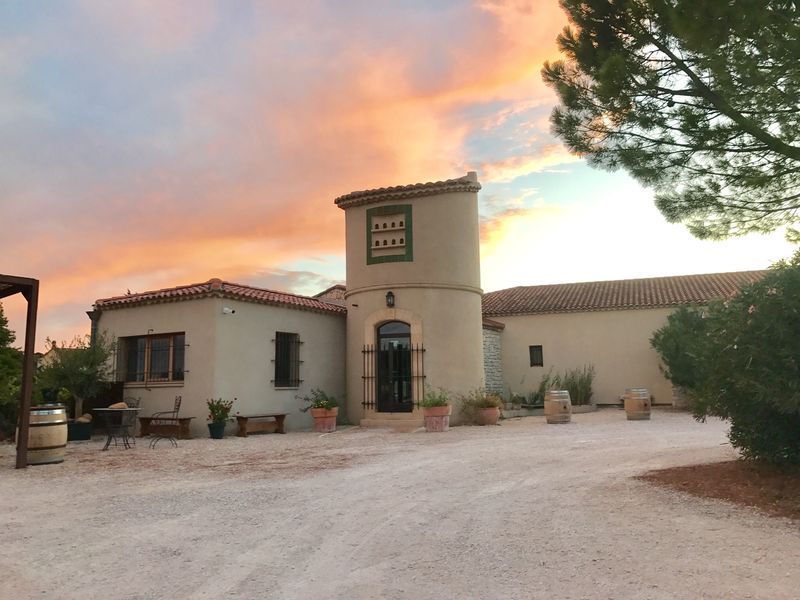
Bars in Tavel
Browse all →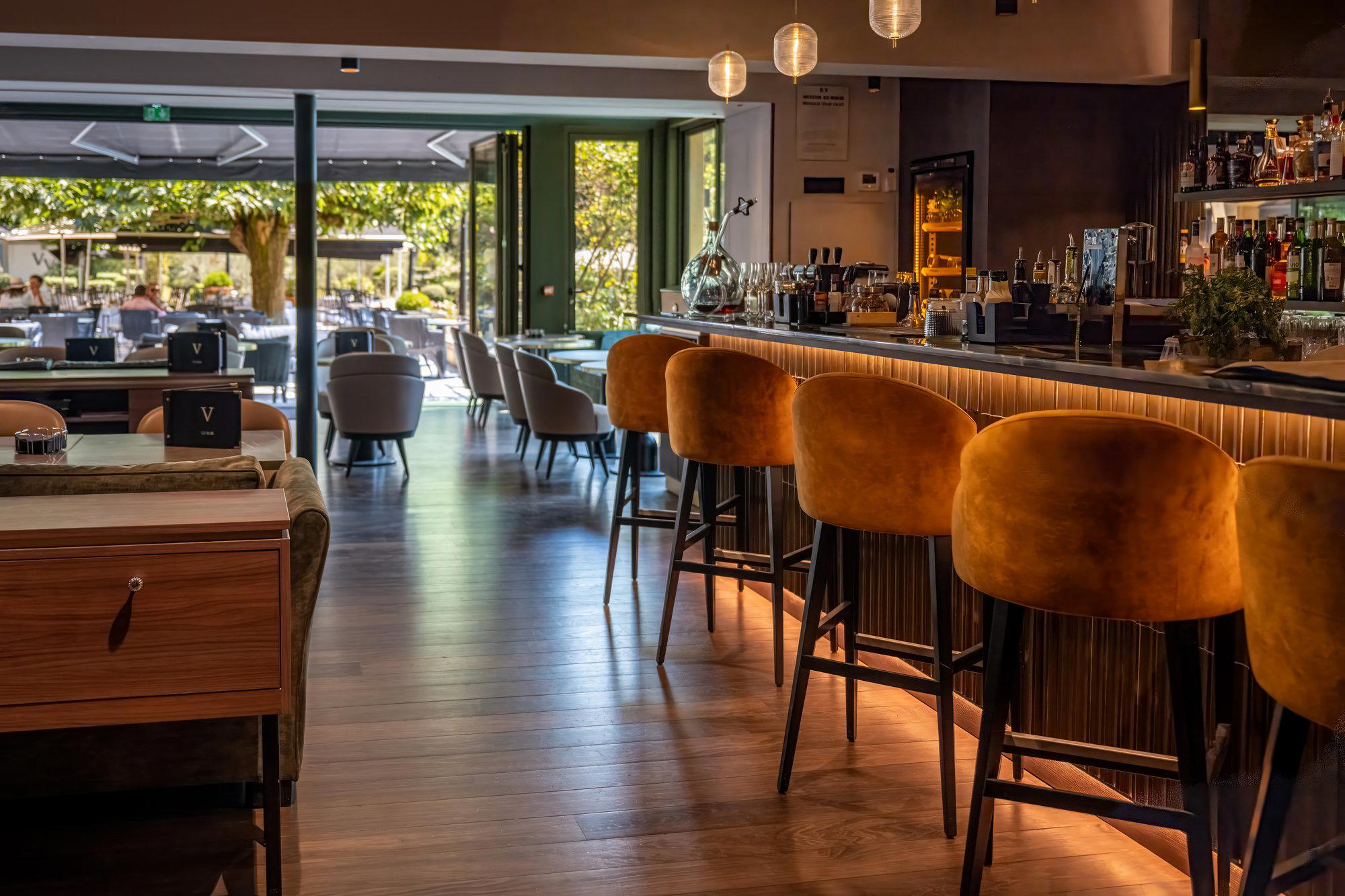
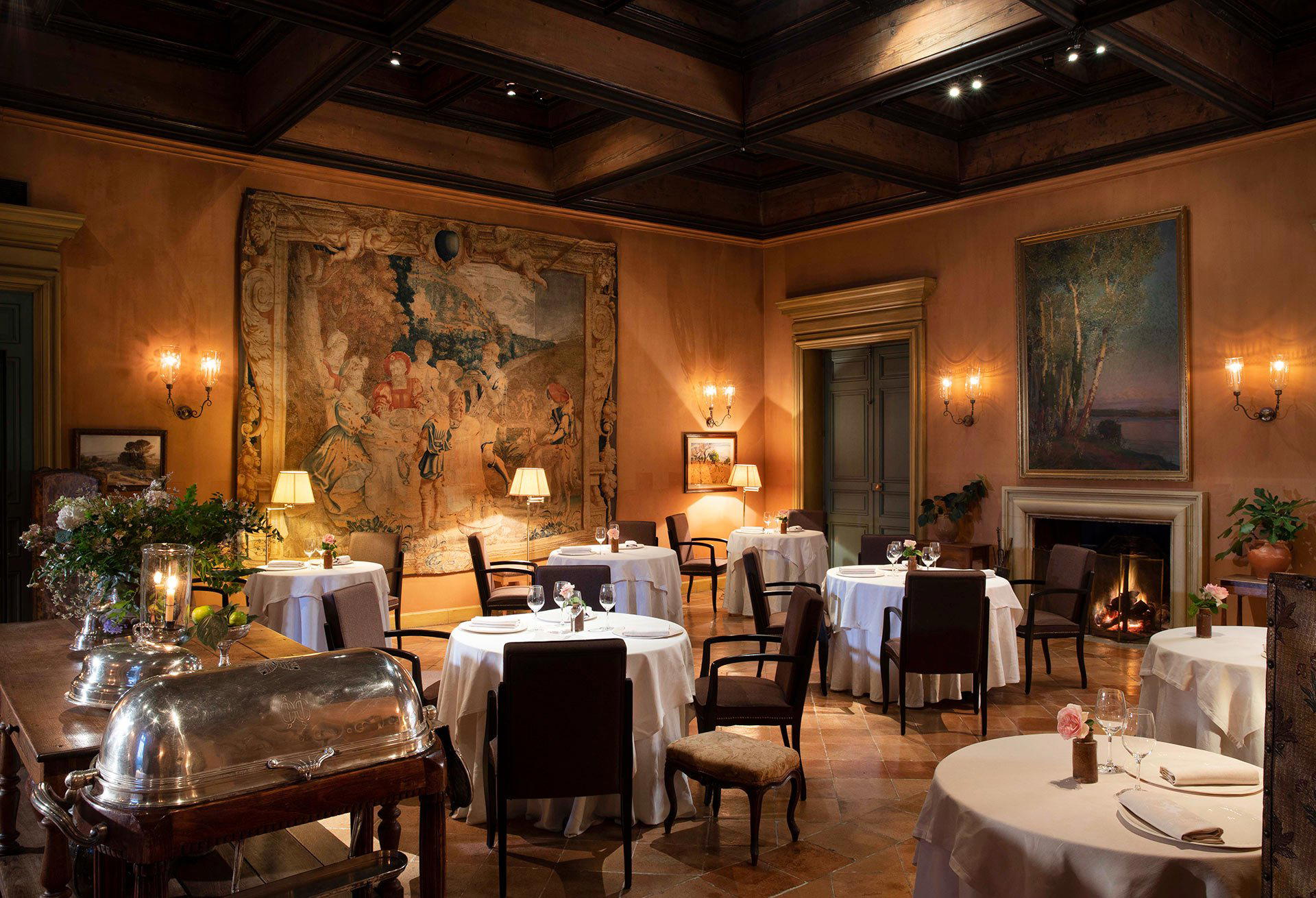
Restaurants in Tavel
Browse all →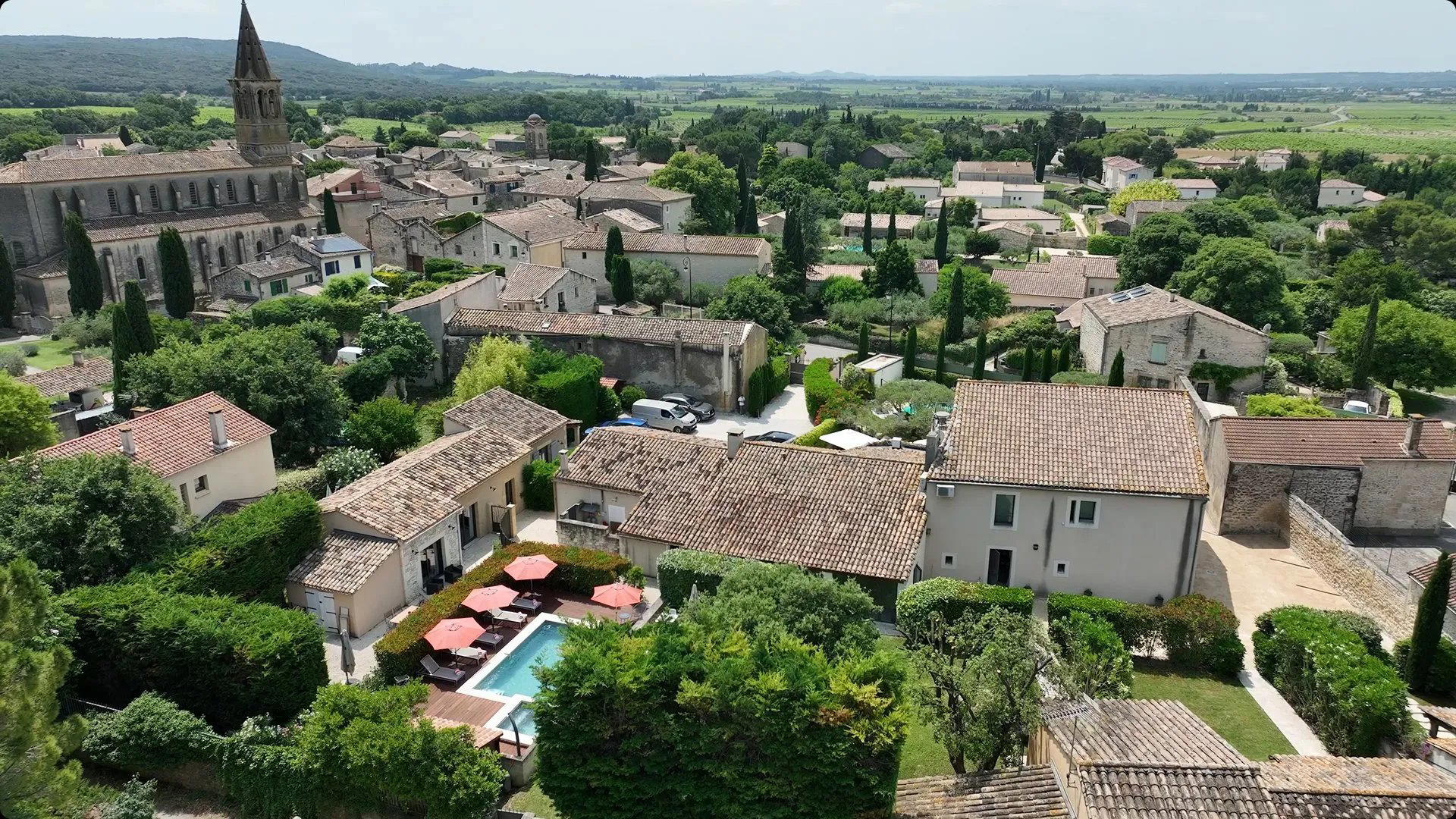
Details
- Classic
- Rustic
- Scenic
- Solo Exploration
- Wine Education
- Group Outing
- Estate Grounds
- Vineyard
Current opening hours
- Monday
- 10 am–1 pm, 2–7 pm
- Tuesday
- 10 am–1 pm, 2–7 pm
- Wednesday
- 10 am–1 pm, 2–7 pm
- Thursday
- 10 am–1 pm, 2–7 pm
- Friday
- 10 am–1 pm, 2–7 pm
- Saturday
- 10 am–1 pm, 2–7 pm
- Sunday
- Closed
Hours can change for holidays and private events. Last verified .
Historic Rhône Valley wine estate atmosphere with traditional stone buildings and vineyard surroundings; tastings are focused on the wines rather than a designed lounge, giving a classic, authentic feel.