
Falstaff Winery - 3 Stars
Château La Croix de Gay is a small Pomerol wine estate where the visit is built around vineyard, vat room, and cellar context rather than hospitality spectacle. The draw is terroir: Merlot-led still reds from gravel and clay soils marked by the appellation’s iron-rich subsoil, with family continuity reaching back centuries and appointment-only tastings keeping the format quiet and focused.

Pearl is the En Primeur Club membership app — saves, bookings, and concierge access live there. Same editors, same standards.
- Address
- 8 Rte de Saint-Jacques-de -Compostelle, 33500 Pomerol, France
- Phone
- +33 5 57 51 19 05
- Hours
- Mon–Tue 9 AM–4 PMWed ClosedThu 9 AM–4 PMFri 9 AM–3 PMSat–Sun Closed
- Website
- chateau-lacroixdegay.fr
- Directions
- Get directions
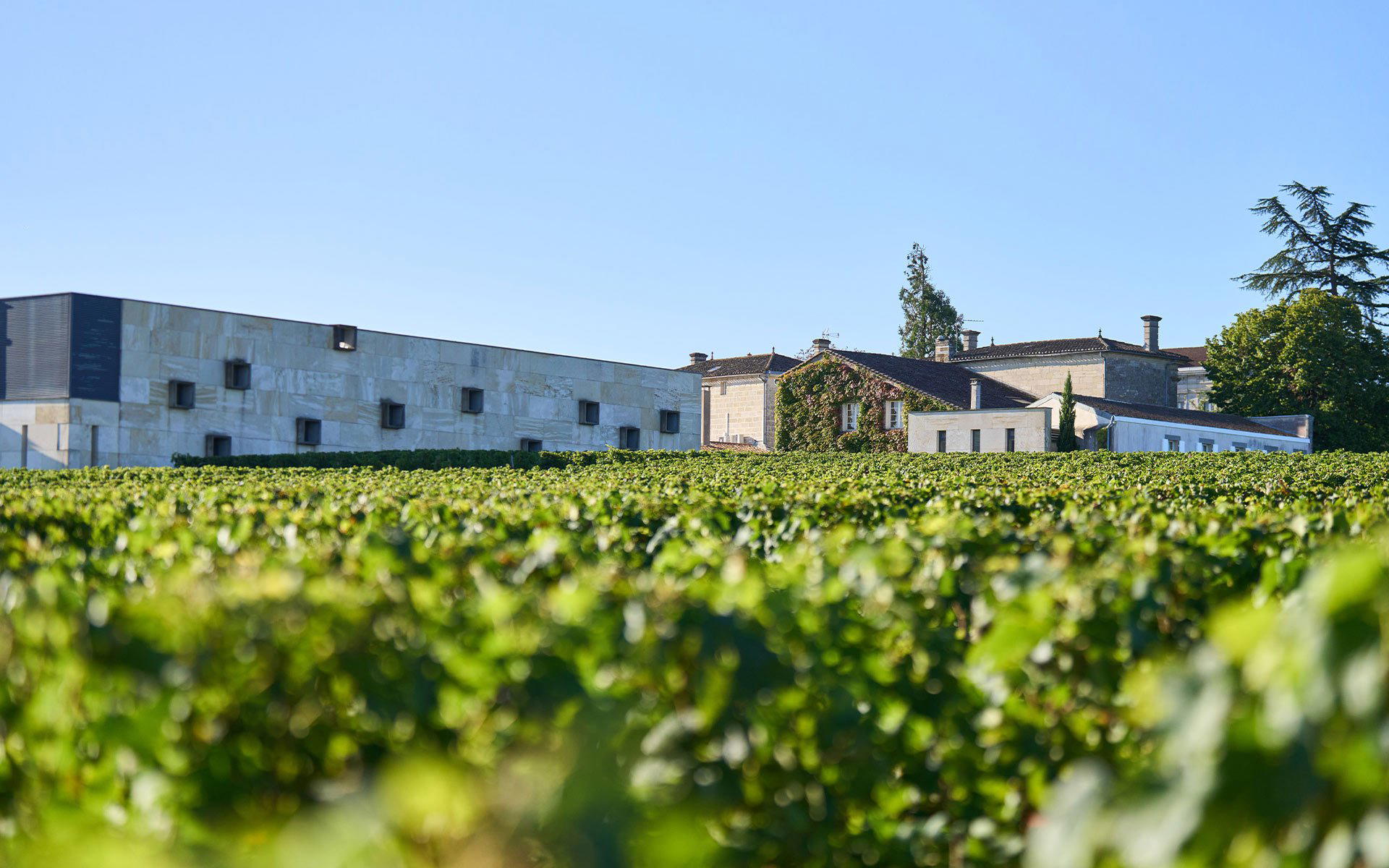
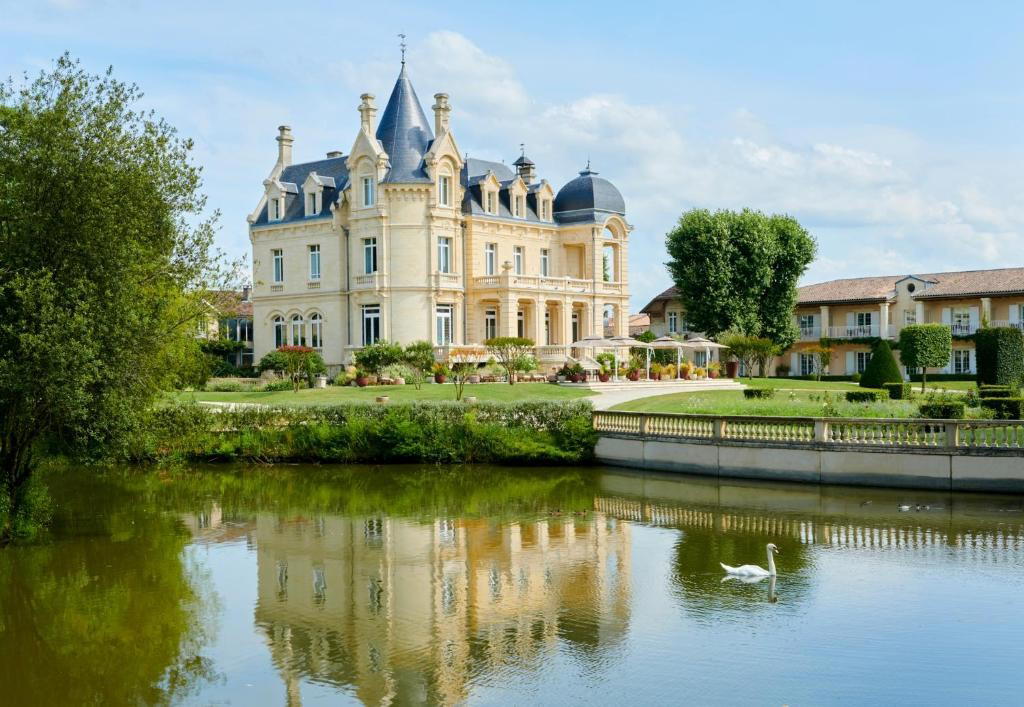
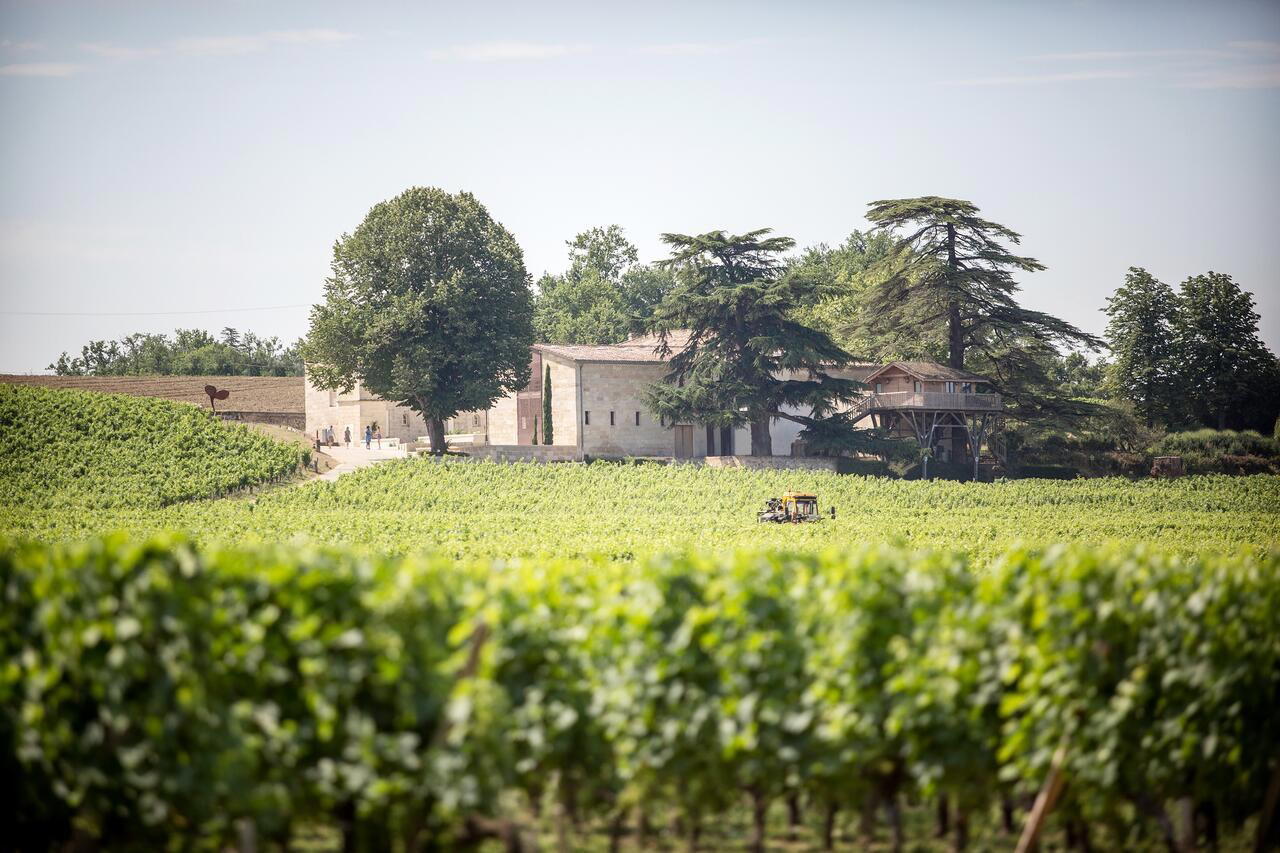
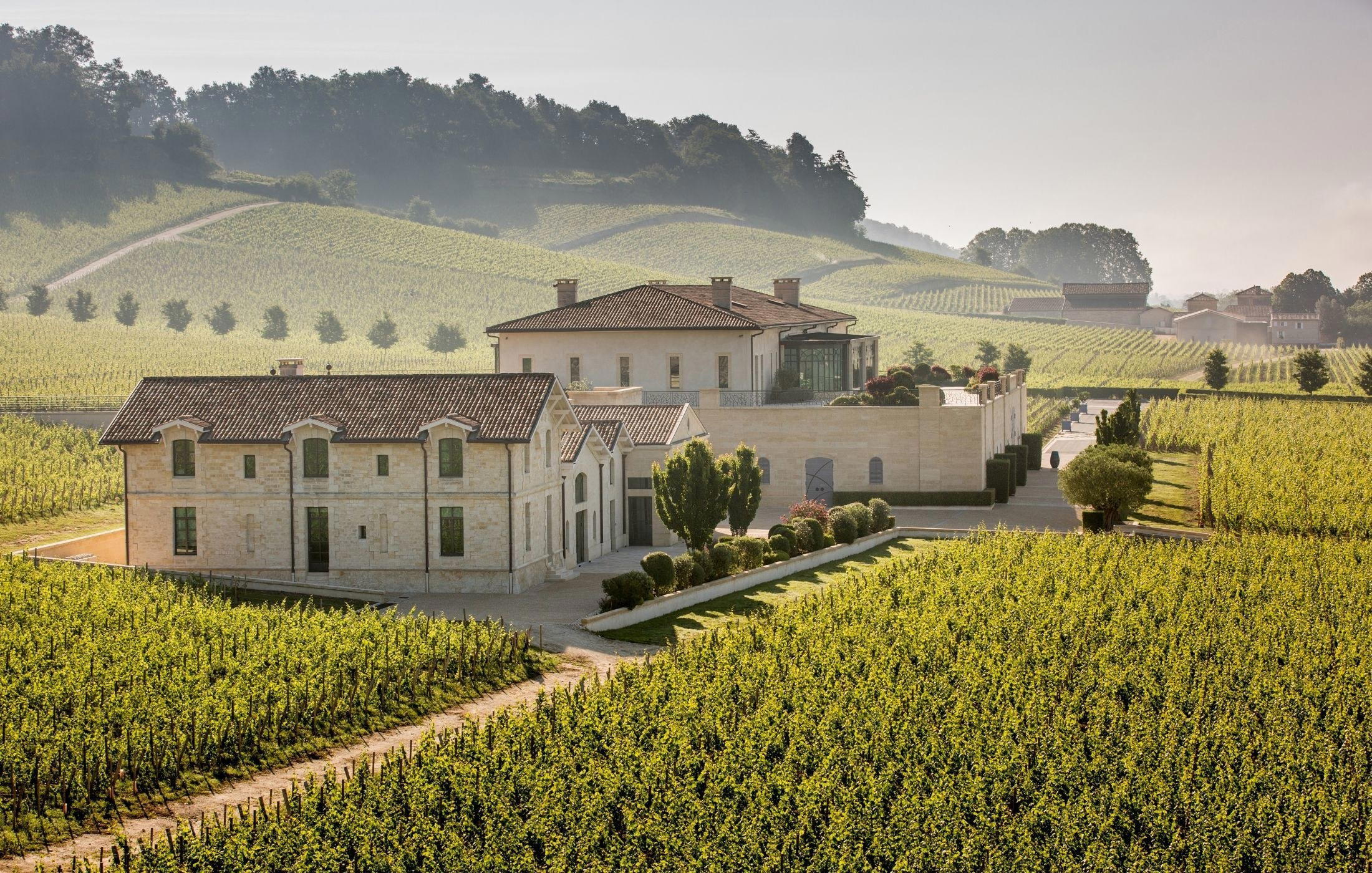
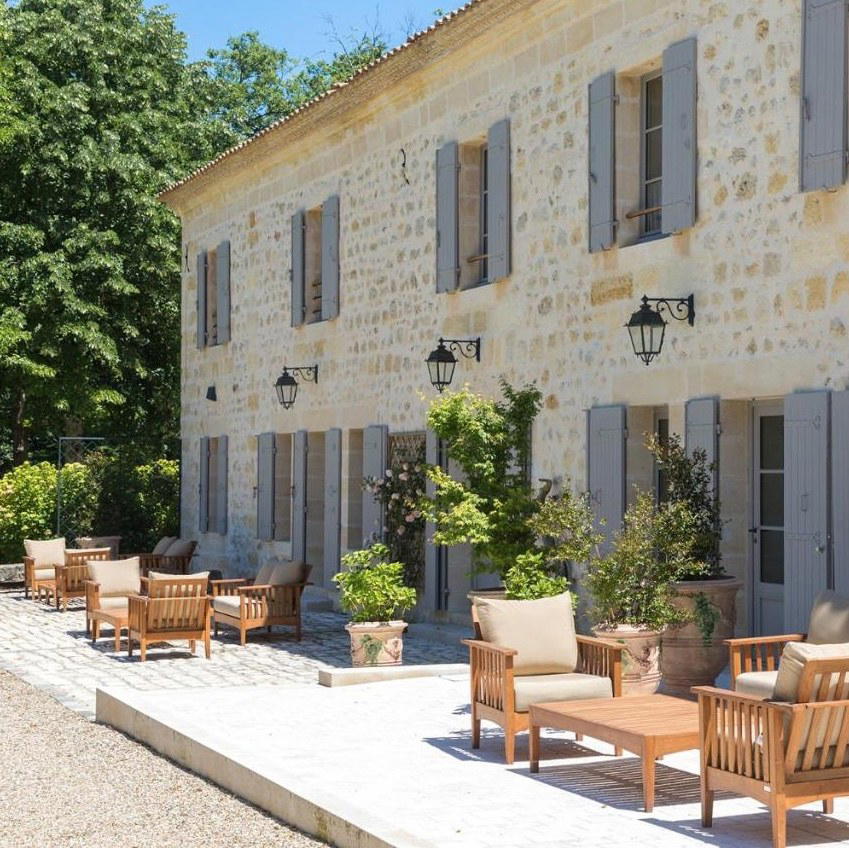
In Pomerol, Château La Croix de Gay is best framed as a historic wine estate rather than a conventional hospitality venue. That distinction matters, because the experience implied by the available details is not one of hotel-like programming, restaurant-led service, or a broad leisure concept. The atmosphere is classic, quiet, elegant, rustic, and intimate, with the focus placed on the vineyard, vat room, and cellar. Visitors should expect the tone of an artisanal, high-quality Pomerol property, not a polished restaurant or hotel-style experience.
Because the public details are limited, the safest way to understand Château La Croix de Gay is through its estate setting. Its appeal rests on place and atmosphere: a Pomerol property where the vineyard and cellar context matter more than staged luxury or broad amenities. In practical terms, that means the value of the visit is likely to come from proximity to the wine estate itself, the sense of quiet continuity, and the restrained character of the surroundings rather than from a list of extra services or a highly produced guest experience.
A classic Pomerol estate with a restrained sense of place
Pomerol is often discussed through vineyard character and estate identity, and Château La Croix de Gay fits that quieter mode. The profile points to a property centered on vineyard, vat room, and cellar visits, with an artisanal emphasis and a restrained estate atmosphere. This makes the château feel more closely aligned with the traditional language of wine estates than with the vocabulary of destination hospitality. The emphasis is on context: where the wine comes from, how the estate environment feels, and how the cellar and working spaces contribute to the overall impression.
For EP Club purposes, the grounded takeaway is simpler: this is a classic Pomerol estate with a quiet, intimate character and a focus on wine-estate context. That restraint is part of the positioning. Rather than presenting the château as a place defined by extensive visitor facilities or elaborate hospitality features, it is more accurate to see it as a focused estate visit where the surrounding vineyard and cellar setting carry the experience.
The price level is listed as $$$$, which places Château La Croix de Gay in a premium bracket. That price signal should be read alongside the estate’s character: historic, elegant, rustic, and focused on the vineyard and cellar rather than on a broad hospitality program. In other words, the premium impression is not necessarily tied to visible luxury or a long catalogue of amenities. It is better understood through the estate’s Pomerol setting, its intimate tone, and the quality-oriented, artisanal profile described in the venue information.
A cellar visit for wine-estate context
The clearest reason to consider Château La Croix de Gay is the estate visit itself. The setting is organized around the vineyard, vat room, and cellar, making it a better fit for travelers interested in Pomerol wine culture than for those seeking restaurant-style service or a leisure-focused venue. The visit should be approached as a chance to understand the estate through its working spaces and atmosphere, rather than as a conventional outing built around menus, entertainment, or a social scene.
Rather than inventing those specifics, it is more accurate to describe the experience in broader terms: quiet, focused, and rooted in the identity of a Pomerol wine estate. The strongest confirmed language is about mood and setting: classic, elegant, rustic, intimate, and anchored by vineyard, vat room, and cellar.
It suits guests who want a classic, intimate Pomerol atmosphere and a sense of the vineyard and cellar. It is not best described through restaurant amenities, nightlife energy, or resort-style hospitality. Travelers looking for a more active, service-heavy, or amenity-driven stop may need to frame it differently within the day, while those interested in the quieter grammar of a wine estate will find the available description more aligned with their expectations.
How to frame it within a wider Pomerol trip
For a wine-focused itinerary, Château La Croix de Gay works as a Pomerol estate stop centered on atmosphere, vineyard context, and cellar character. Build the surrounding day around Pomerol generally, using other local dining and experience options as needed. This framing helps keep the château in its proper lane: not as the sole source of a full hospitality day, but as a premium, characterful estate component within a broader exploration of the area.
For broader EP Club planning, keep comparisons focused on Château La Croix de Gay and other Pomerol options described generically. The profile supports a concise recommendation: a premium, quiet, historic Pomerol estate with an emphasis on vineyard, vat room, and cellar visits. It is most compelling when presented with that restraint intact, allowing the estate’s intimate atmosphere and wine-country setting to define the recommendation without overstating unconfirmed details.
Recognition history
Dated appearances from independent guides and award organizations, with the underlying list record or original source where available.
Falstaff Winery - 3 Stars
Falstaff
Continue exploring
More in Pomerol
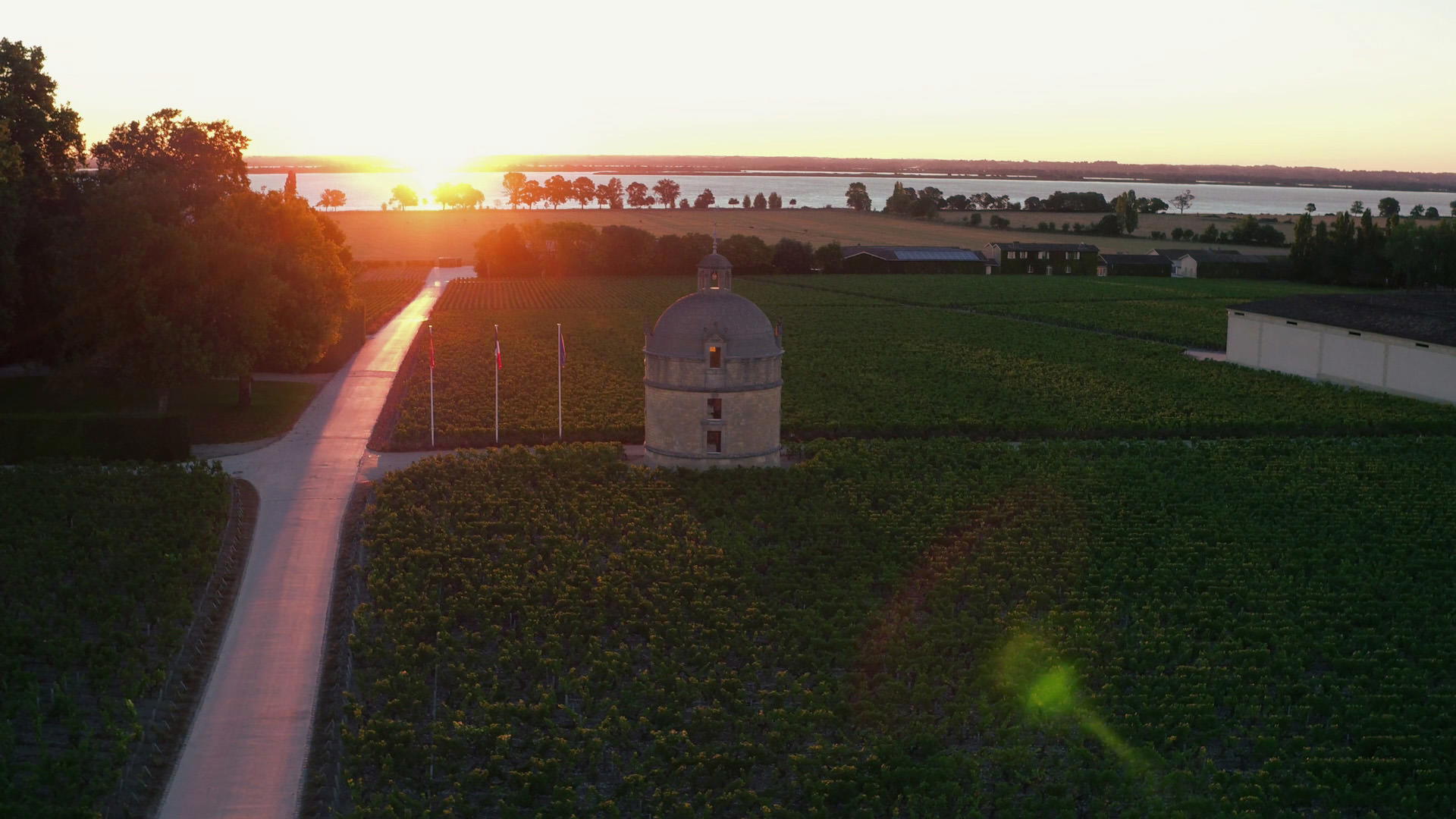
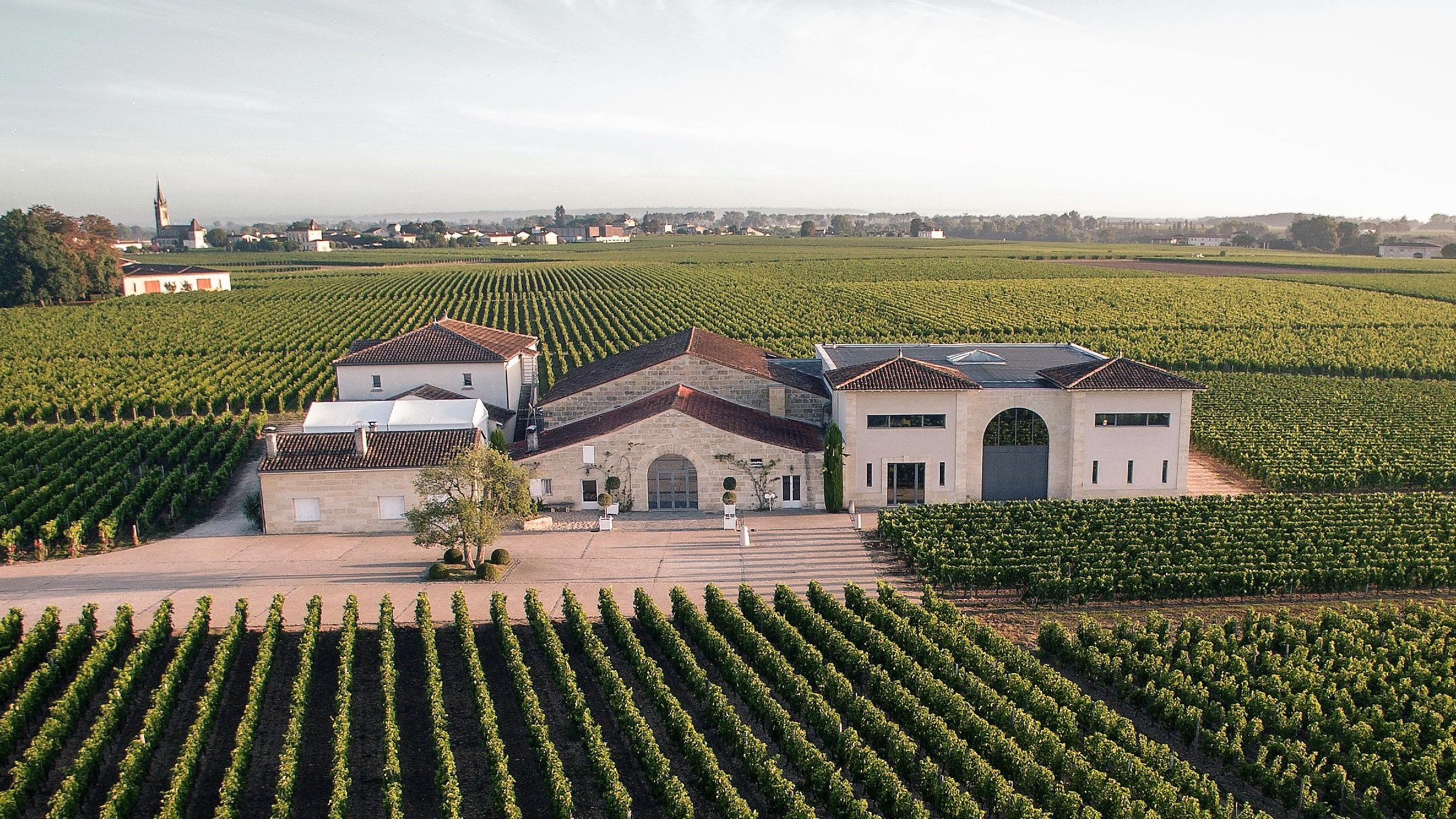
Wineries in Pomerol
Browse all →
Bars in Pomerol
Browse all →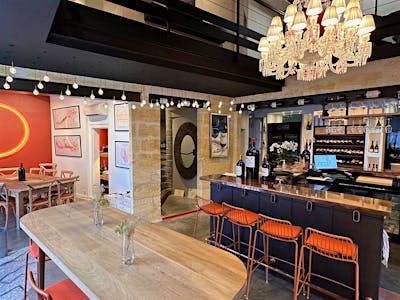

Restaurants in Pomerol
Browse all →
Details
- Classic
- Quiet
- Elegant
- Rustic
- Intimate
- Wine Education
- Special Occasion
- Group Outing
- Vineyard Tour
- Historic Building
- Private Tasting
- Vineyard
- Merlot
- Cabernet Franc
- Still Red
- Tasting Room
- Private Tasting
Current opening hours
- Monday
- 9 AM–4 PM
- Tuesday
- 9 AM–4 PM
- Wednesday
- Closed
- Thursday
- 9 AM–4 PM
- Friday
- 9 AM–3 PM
- Saturday
- Closed
- Sunday
- Closed
Hours can change for holidays and private events. Last verified .
Historic Pomerol estate atmosphere with a focus on vineyard, vat room, and cellar visits; the property is presented as an artisanal, high-quality wine estate rather than a hospitality venue.