
Falstaff Winery - Listed
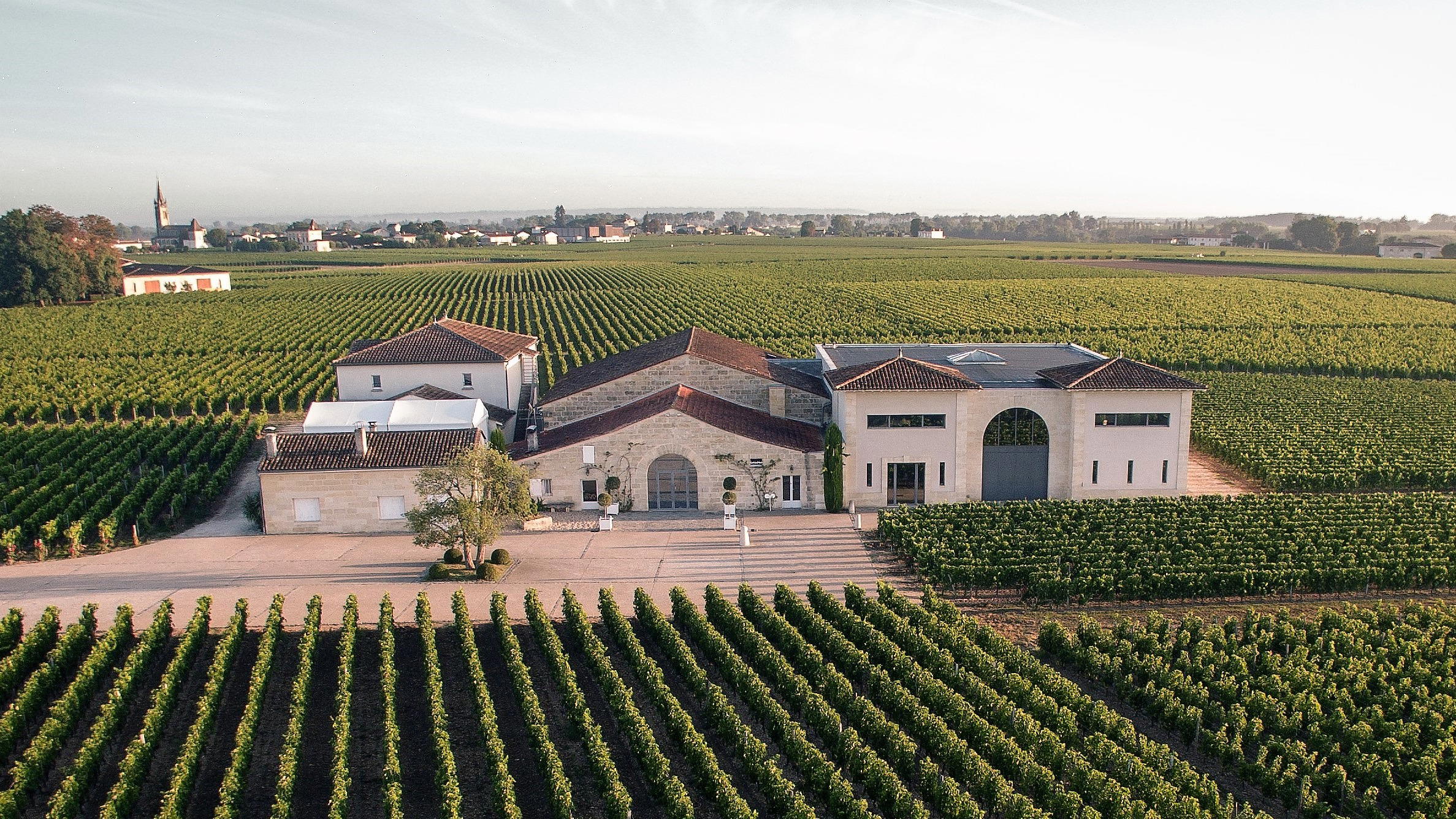
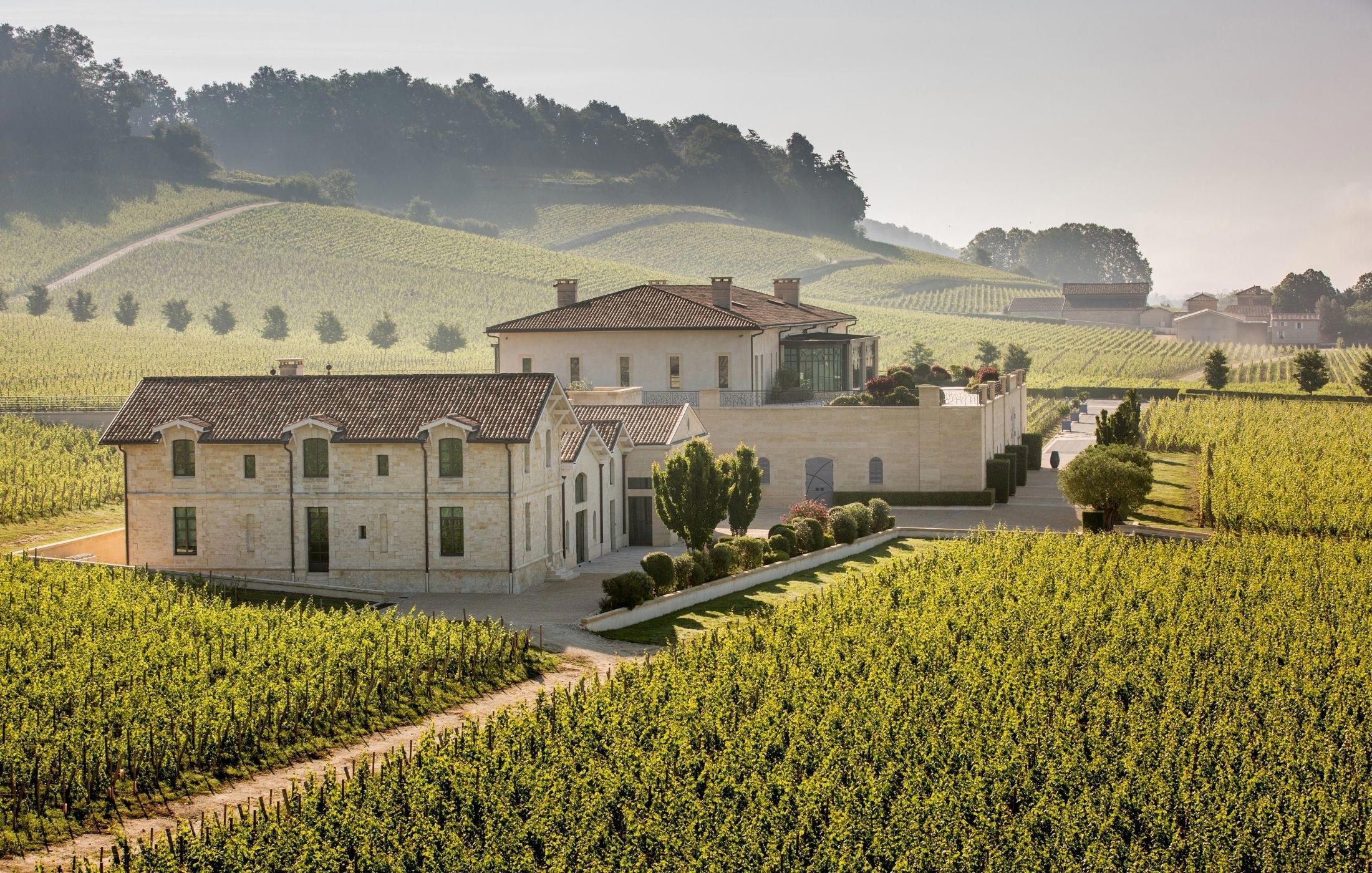
Château la Couronne belongs to the quieter, terroir-led side of Montagne-Saint-Émilion: a small family Bordeaux estate working clay-limestone slopes into structured right-bank reds. The emphasis is Merlot-led fruit, Cabernet framing, oak ageing and long finishes rather than hospitality theatre, making it a sharper pick for drinkers interested in the satellite appellations around Saint-Émilion.

Château la Couronne is best presented as a traditional right-bank Bordeaux estate in Montagne. The picture is focused and specific: a classic red-wine setting shaped by clay-limestone hillsides, fruit, wood complexity and long, balanced finishes rather than by design-led hospitality claims or tourist-oriented spectacle. Its appeal, on the information available, comes from that familiar Bordeaux language of place and structure: a wine estate understood through its soils, its red-wine identity and the measured character suggested by balance and length.
It is not a page that should be padded with assumptions about visitor programming, cellar-door rituals or production details. The more useful reading is quieter and more disciplined: Château la Couronne belongs in the Montagne conversation as a traditional estate reference, with the emphasis kept on classic right-bank red-wine cues rather than on unsupported extras.
Clay-limestone Montagne, read through structured reds
The grounded appeal of Château la Couronne is its right-bank Bordeaux context in Montagne. The description points to clay-limestone hillsides and classic, structured red wines, with fruit, wood complexity and balance carrying the style. Those elements matter because they give the estate a clear frame without requiring a longer list of specifics. Clay-limestone, structure, fruit and wood complexity are enough to suggest a serious red-wine profile, one that sits comfortably within a traditional Bordeaux vocabulary and does not need to be translated into a lifestyle pitch.
That is enough to place the estate in a Bordeaux-minded itinerary without overstating the public record. Specific claims about cuvées, ageing periods, varieties, yields, founding dates or named personnel are not part of the information so the editorial case should remain broader and more restrained. In practical terms, that means treating Château la Couronne as an estate whose relevance is established by place and style rather than by a catalogue of technical or historical details. The known description supports a sense of classicism, but it does not support a more granular production story.
For readers comparing options in Montagne, Château la Couronne can be understood as a traditional estate reference point rather than a venue defined here by detailed service amenities or a published hospitality format. That distinction is useful. If the goal is to understand Montagne through a traditional lens, that is a coherent reason to keep it on the shortlist.
A right-bank estate for drinkers, not spectacle-seekers
The strongest framing for Château la Couronne is atmosphere: traditional, right-bank Bordeaux and estate-led, with emphasis on wine character rather than design-driven presentation. The available facts support a focus on classic structure, fruit, wood complexity and balanced finishes. That makes the estate easier to understand as a drinking reference than as an experience product. The pleasure implied here is not theatrical; it is in the more restrained Bordeaux idea of red wine with shape, texture, aromatic fruit, a trace of wood complexity and a finish that resolves with balance.
What should not be inferred is just as important. The public record provided here does not establish appointment requirements, tasting arrangements, food service, wine-club structure, payment methods, ownership model or other operational details. Those specifics should be checked directly before planning a visit. This is especially important because a traditional estate profile does not automatically tell a visitor how public-facing the property is, what can be tasted, whether anything can be purchased on site or how a visit would be organized. The guide therefore should not convert a stylistic description into a promise of hospitality.
Within Montagne, use Château la Couronne as the named point of reference and consider other local dining or wine options generically until their own details. It works well as an anchor for the wine side of the area, not as a complete plan on its own. Readers can place it mentally among classic right-bank Bordeaux addresses, then build the practical side of the day only after confirming the missing details directly. That approach preserves the estate’s identity while avoiding the common mistake of treating limited information as a full visitor brief.
How to place it in a French wine itinerary
In a French wine itinerary, Château la Couronne fits as a Montagne stop for classic right-bank Bordeaux reds from clay-limestone hillsides. The draw is not a confirmed list of amenities or awards, but the traditional estate atmosphere and the style cues of fruit, wood complexity, structure and long, balanced finishes. It is the kind of entry that helps give an itinerary a sense of regional grounding: not because it is presented here as a destination with elaborate visitor infrastructure, but because it speaks to a recognizable Bordeaux pattern of place, red wine and restraint.
The verdict is intentionally narrow: Château la Couronne is a grounded choice to note for Montagne and right-bank Bordeaux context. Read it as a concise, classic estate marker rather than a fully documented travel product. That keeps expectations properly aligned: the name is useful, the stylistic frame is clear, and the next step for anyone planning around it is to verify practical arrangements before treating it as a fixed stop.
Frequently asked questions
What's the vibe at Château la Couronne?
The atmosphere is traditional right-bank Bordeaux: an estate setting focused on classic, structured red wines from clay-limestone hillsides, with emphasis on fruit, wood complexity and long, balanced finishes rather than design-driven presentation.
What's the price range for Château la Couronne?
Pricing at Château la Couronne is listed as $$.
What's Château la Couronne's location?
Château la Couronne is in Montagne.
What should I know about Château la Couronne before I go?
The information supports a traditional right-bank Bordeaux estate profile in Montagne, focused on classic, structured red wines.
Do I need a reservation for Château la Couronne?
The information provided does not confirm a reservation or appointment policy. Check directly with Château la Couronne before planning a visit.
What's Château la Couronne a good pick for?
It suits readers looking for a traditional Montagne right-bank Bordeaux estate profile, especially one associated with structured red wines, clay-limestone hillsides, fruit, wood complexity and balanced finishes.
Recognition history
Dated appearances from independent guides and award organizations, with the underlying list record or original source where available.
Falstaff Winery - Listed
Falstaff
Request a visit to Château la Couronne
Tell us when you would like to go and how many people, and we put the request to the estate and reply to you by email.
Continue exploring
More in Montagne
Wineries in Montagne
All wineries in Montagne →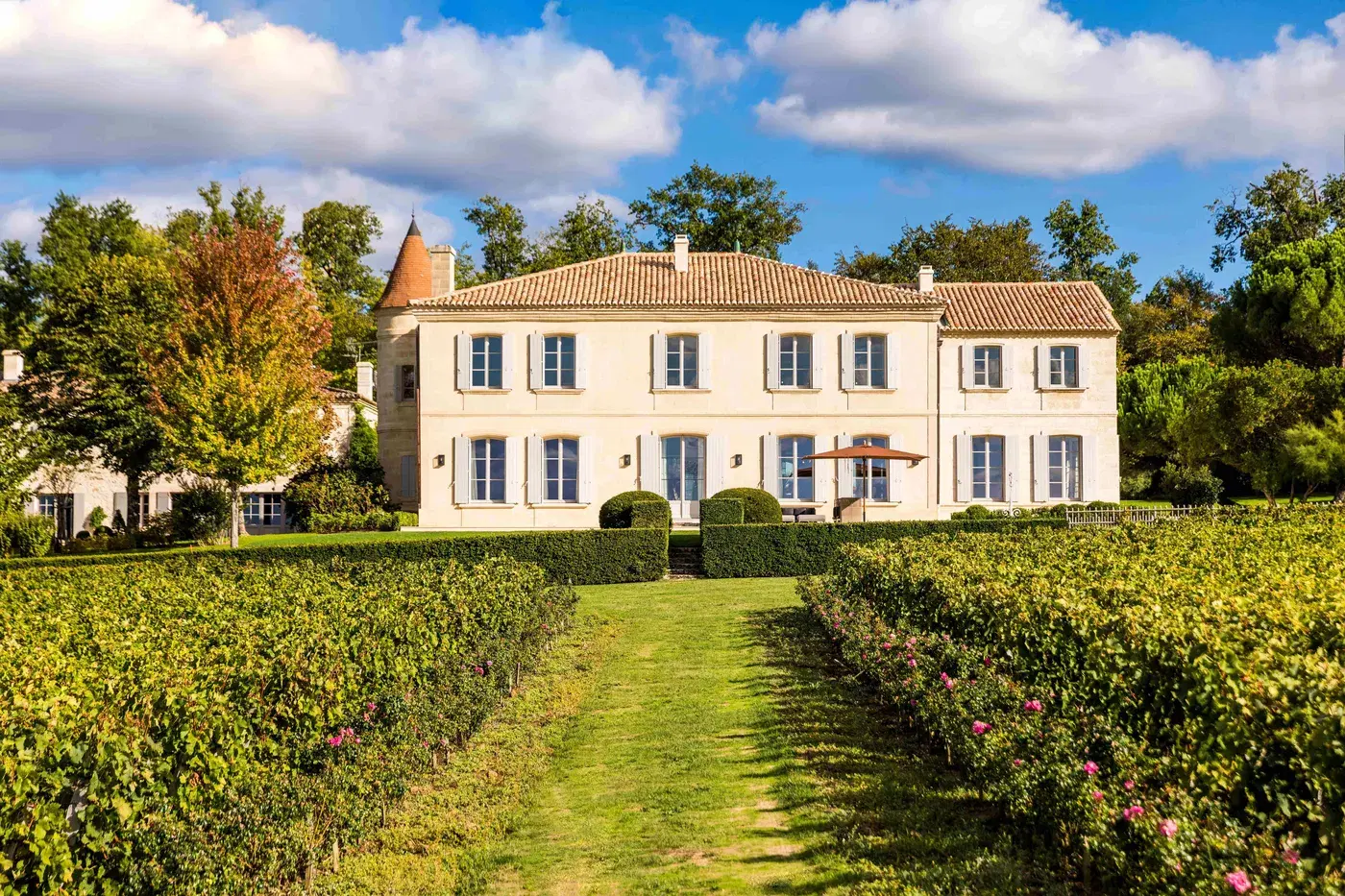
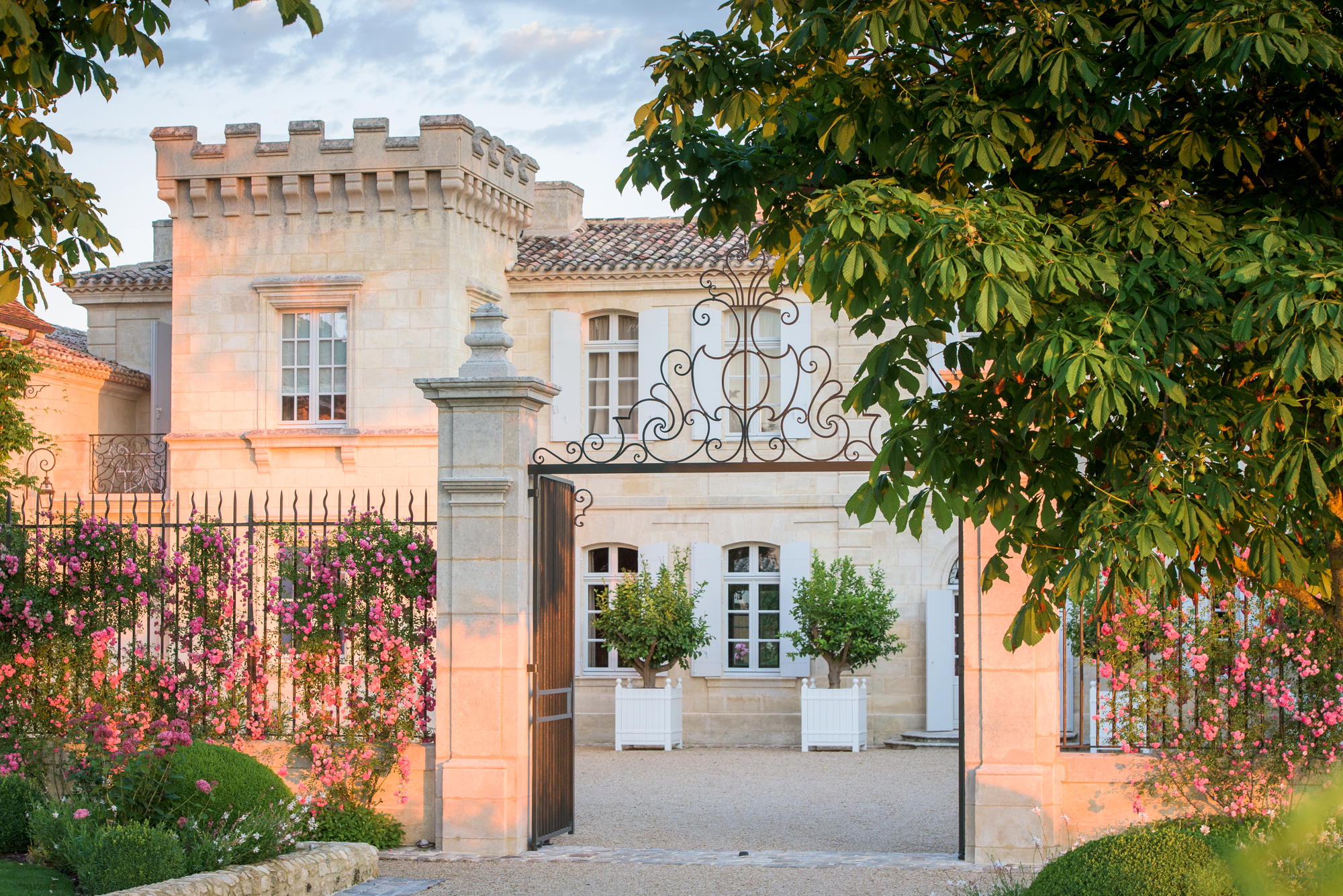
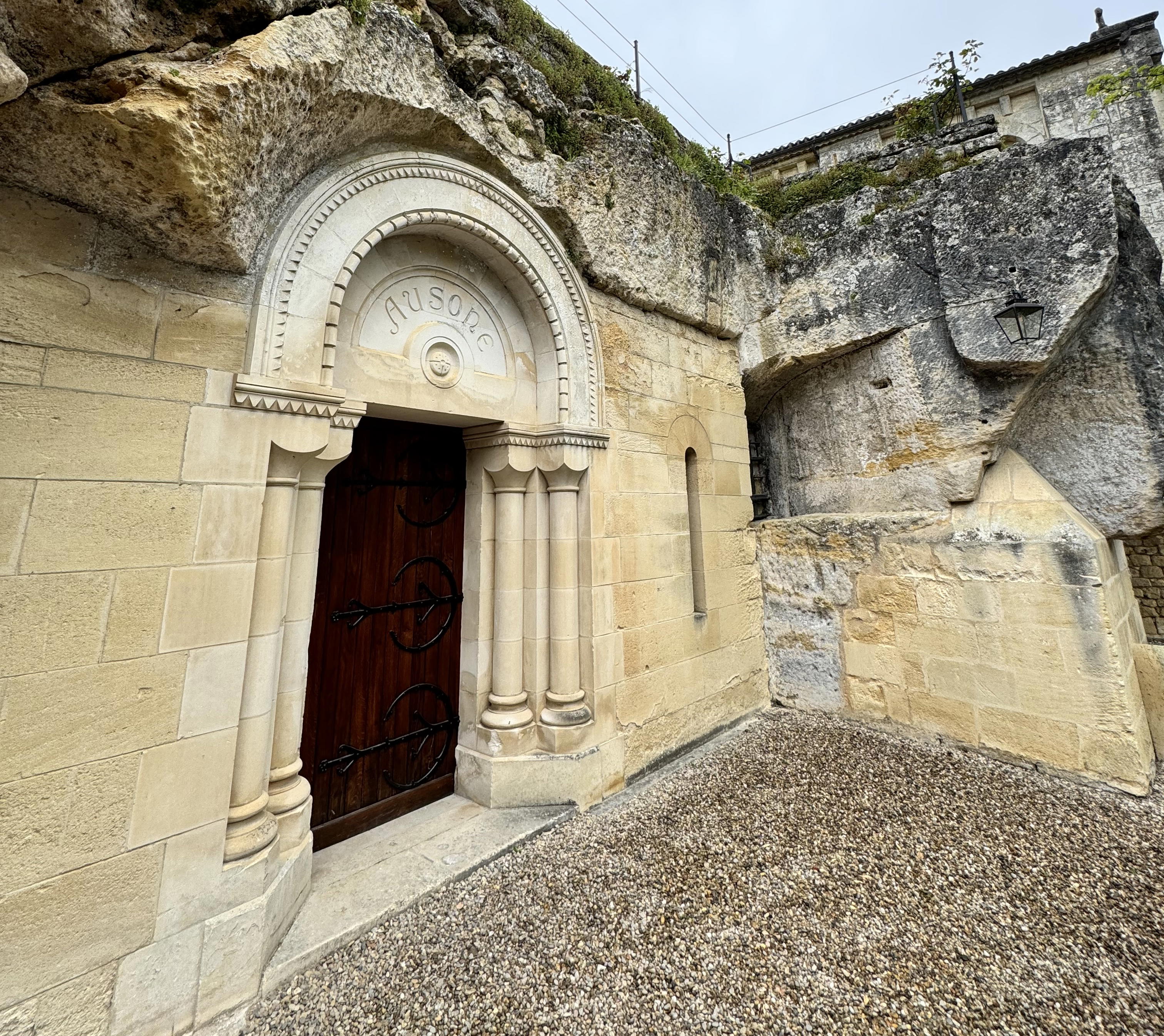
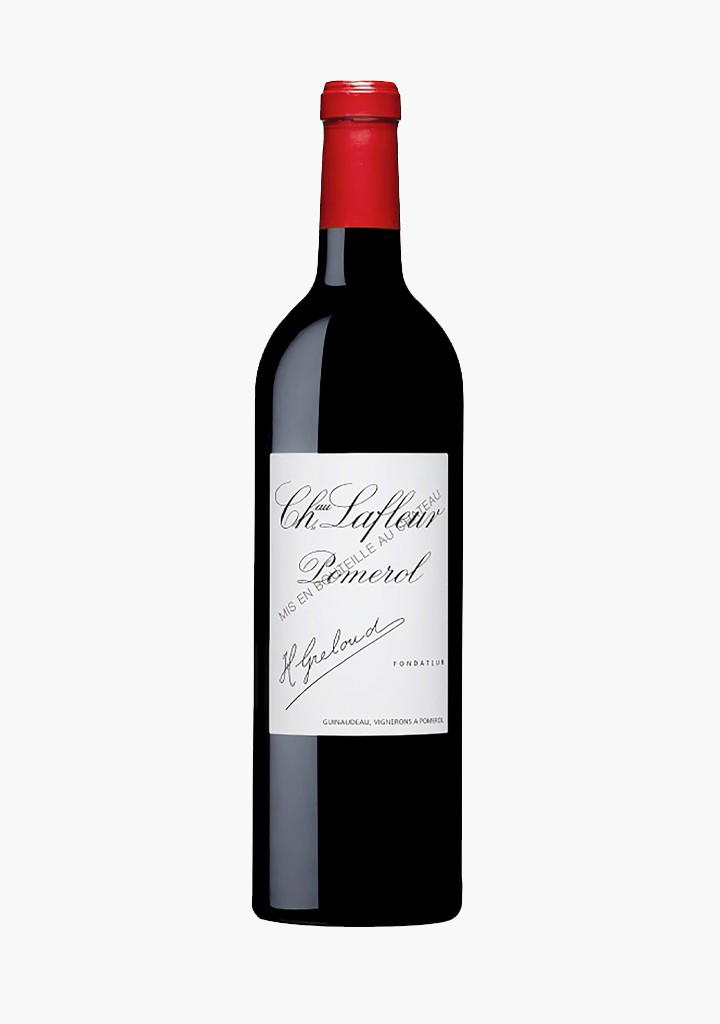
Bars in Montagne
Browse all →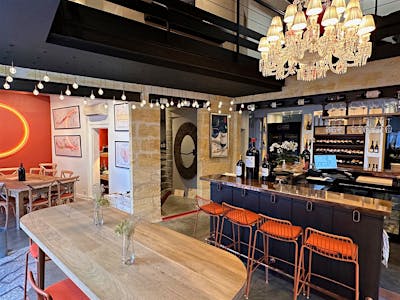

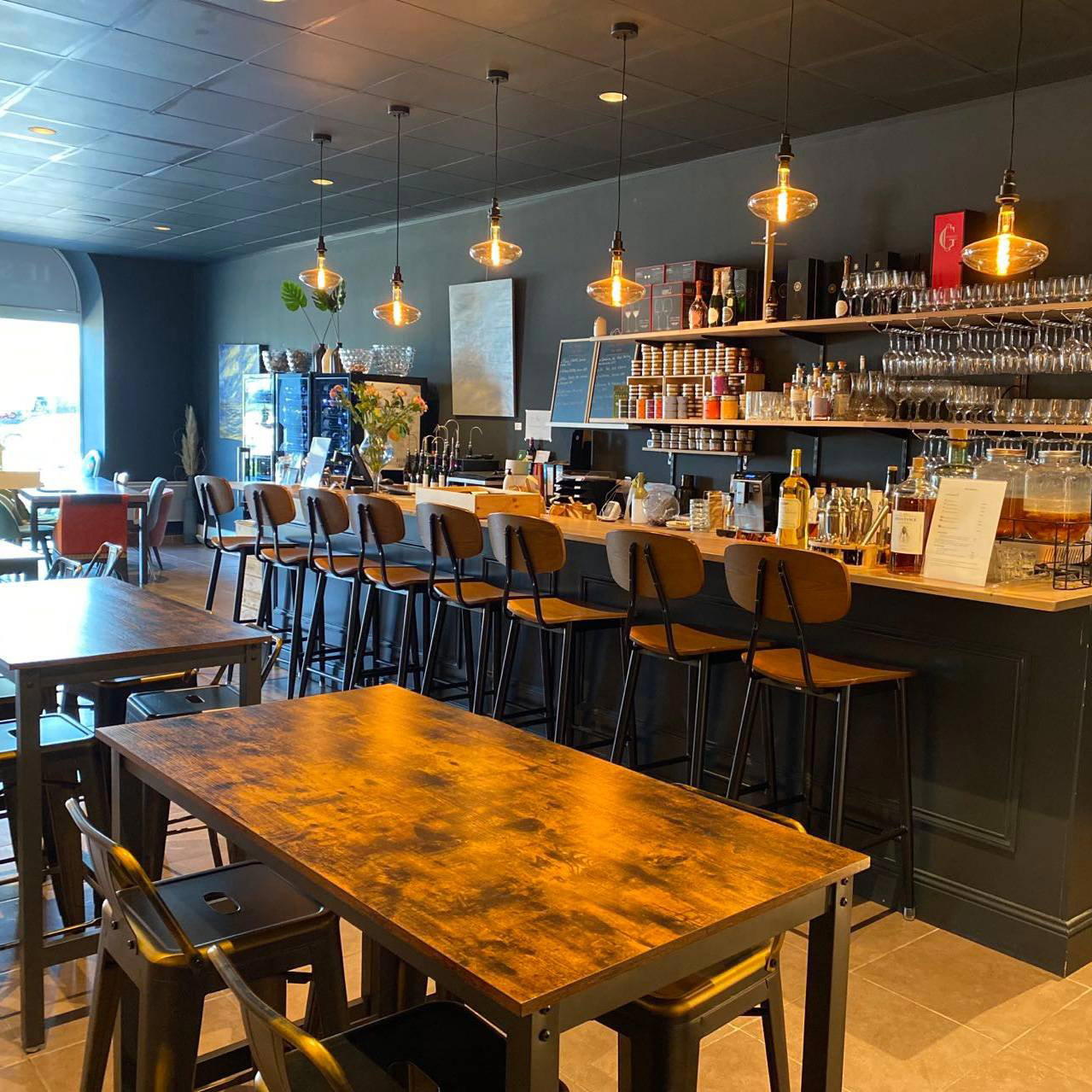
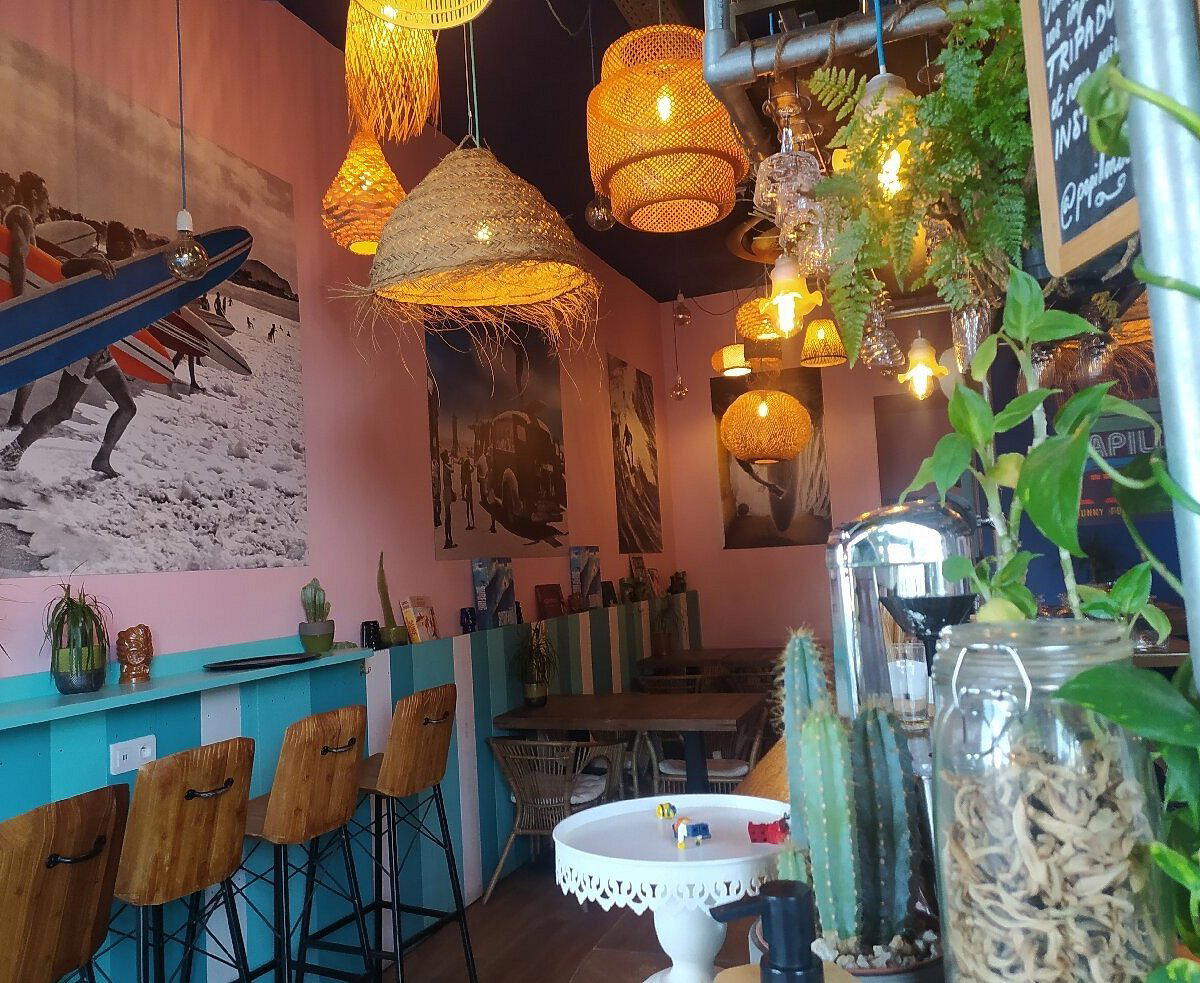
Restaurants in Montagne
All restaurants in Montagne →
Details
- Classic
- Scenic
- Rustic
- Quiet
- Vineyard
- Merlot
- Cabernet Franc
- Cabernet Sauvignon
- Still Red
Current opening hours
- Monday
- 9 AM–6 PM
- Tuesday
- 9 AM–6 PM
- Wednesday
- 9 AM–6 PM
- Thursday
- 9 AM–6 PM
- Friday
- 9 AM–6 PM
- Saturday
- Closed
- Sunday
- Closed
Hours can change for holidays and private events. Hours as of .
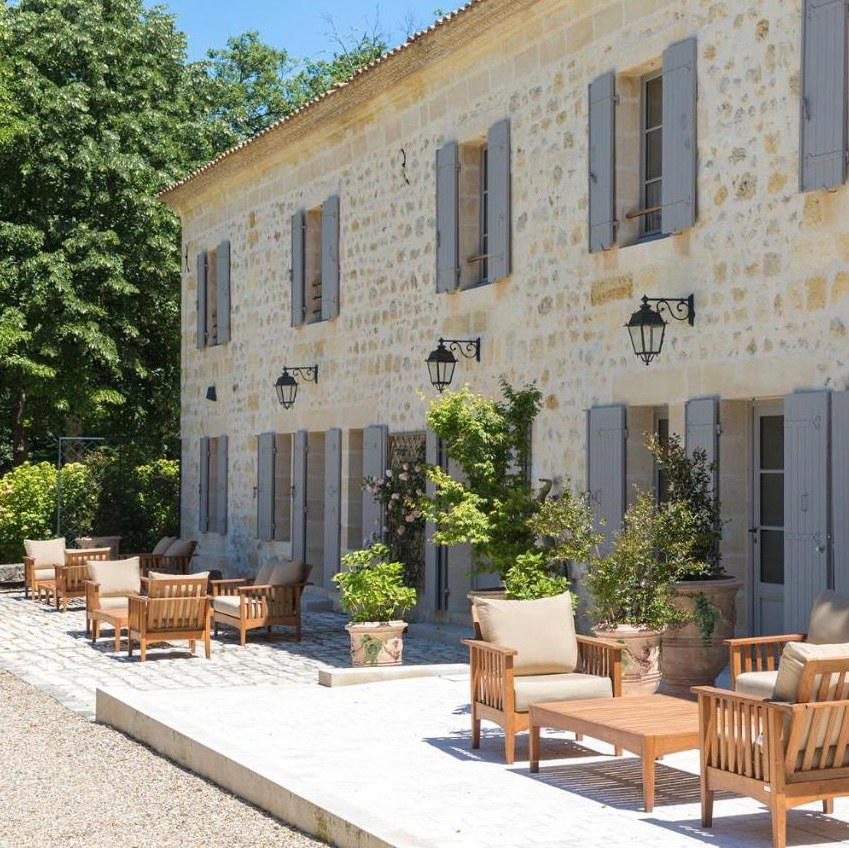
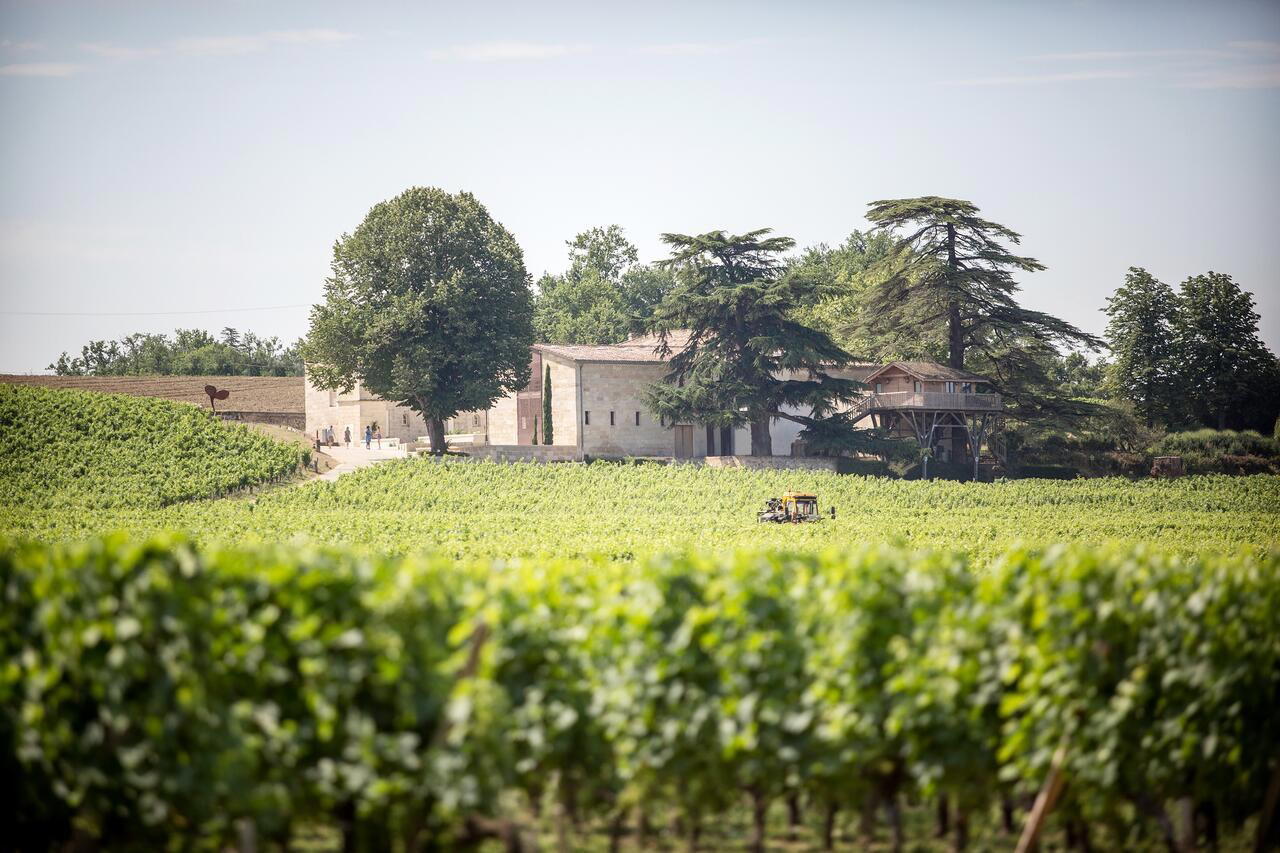
Traditional right-bank Bordeaux estate atmosphere focused on producing classic, structured red wines from clay-limestone hillsides, with an emphasis on fruit, wood complexity and long, balanced finishes rather than design-driven or tourist-oriented experiences.