Château Haut-Simard

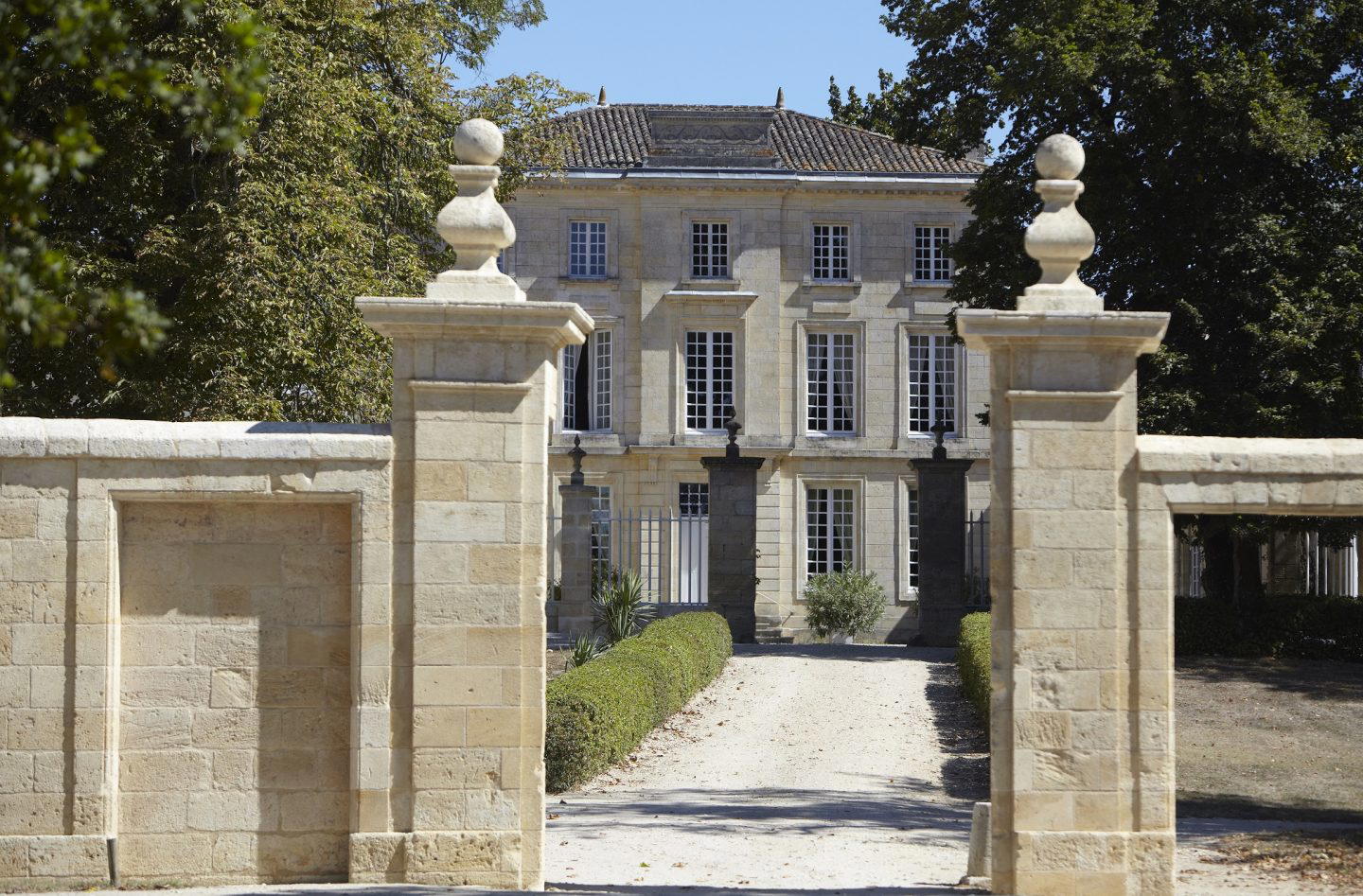
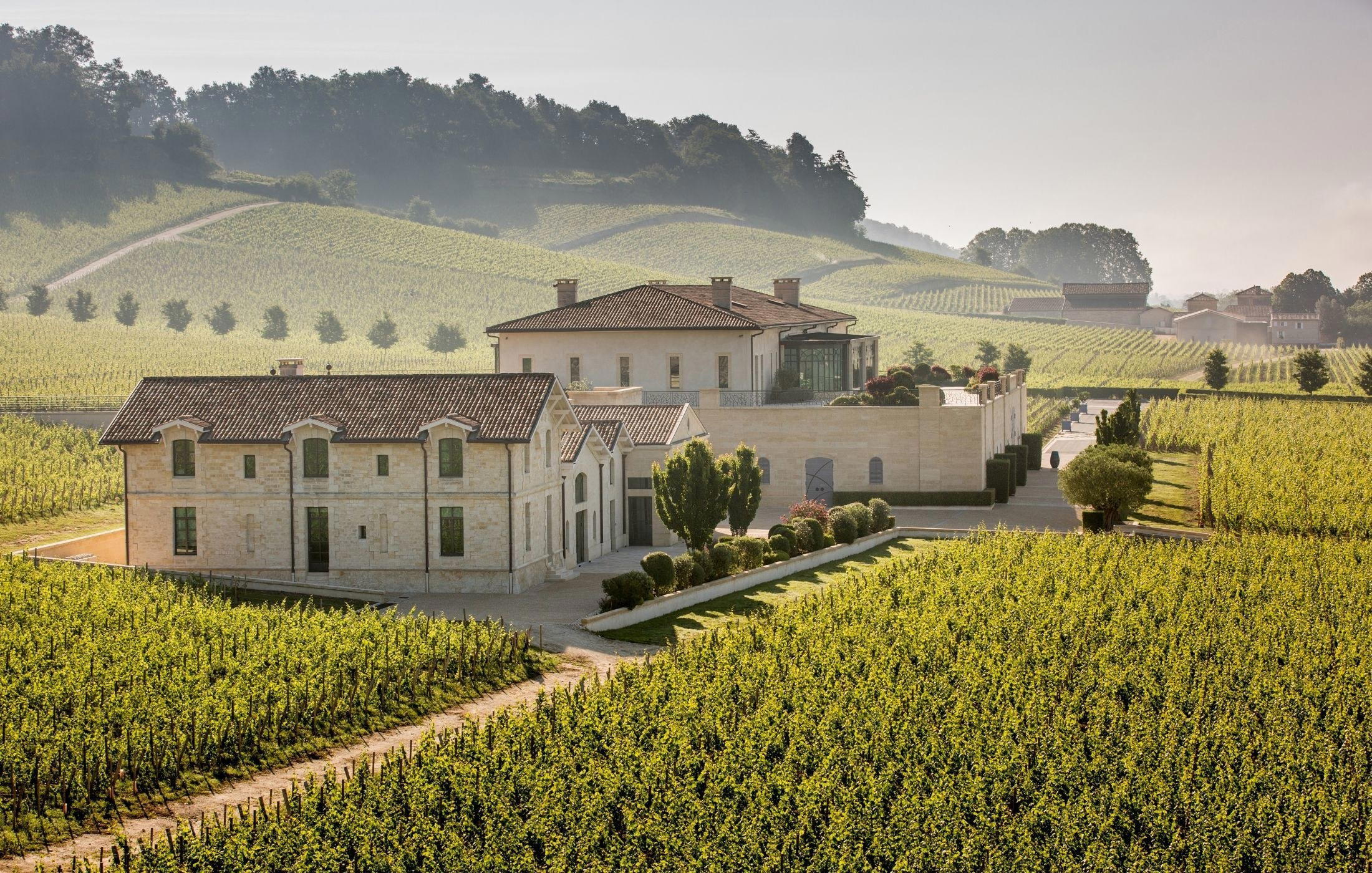
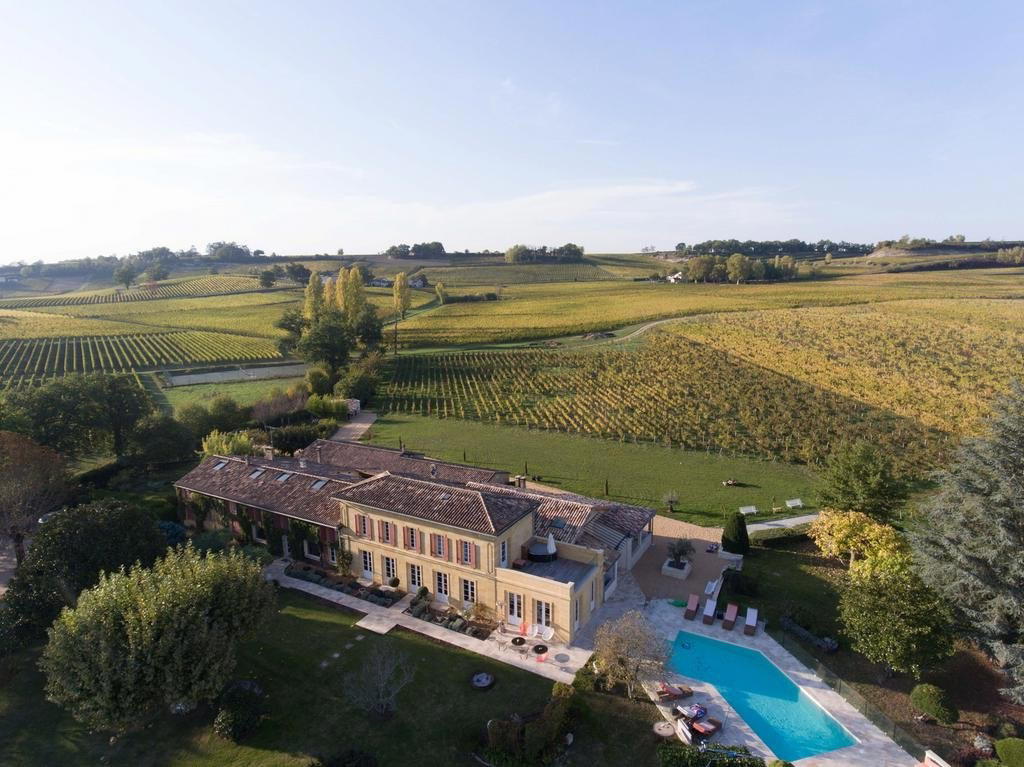
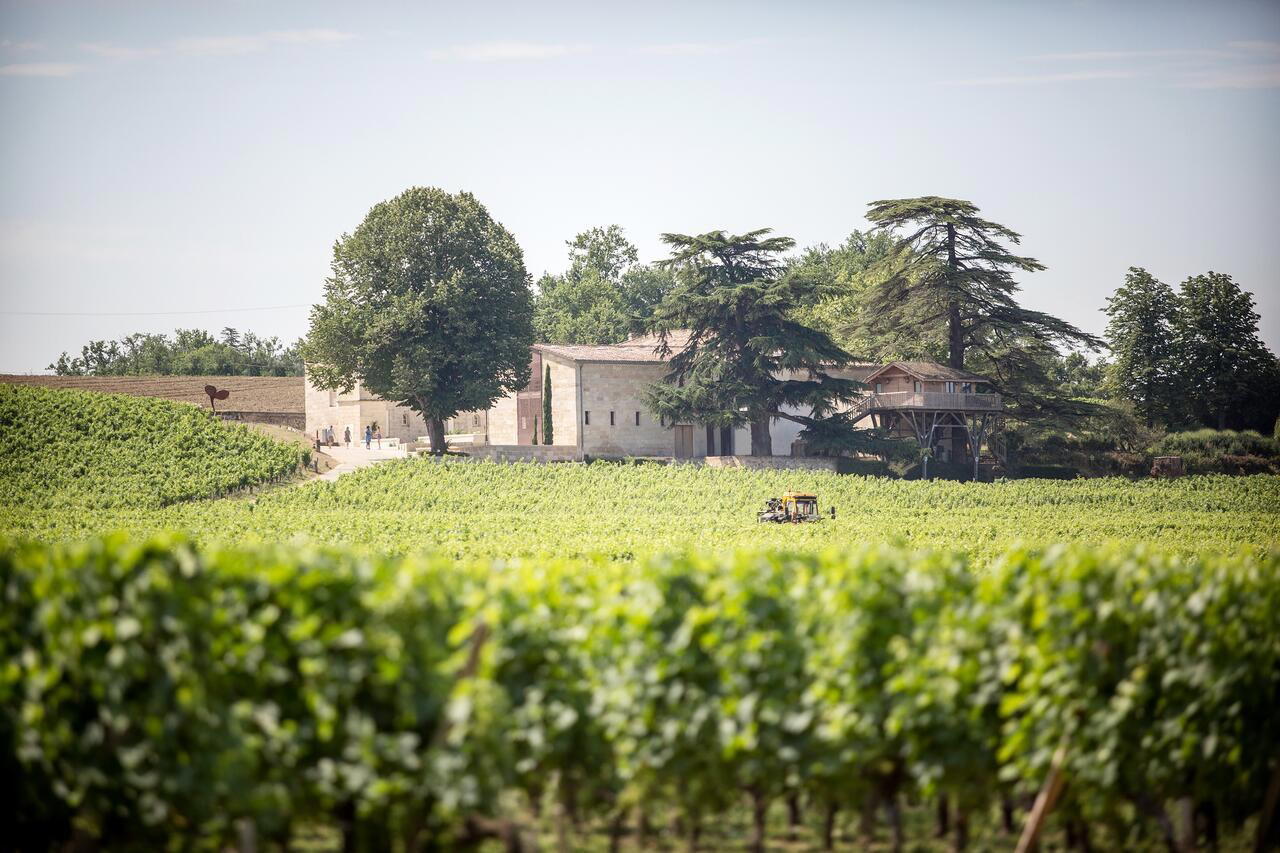
Château Haut-Simard is a quiet Saint-Émilion Grand Cru estate in the Vauthier orbit, focused on Merlot and Cabernet Franc from clay-limestone slopes rather than spectacle-led wine tourism. Its appeal is structural: 8 hectares, about 50,000 bottles a year, concrete-and-barrel maturation, and a right-bank style built for density without heavy extraction.
Pearl is the En Primeur Club membership app — saves, bookings, and concierge access live there. Same editors, same standards.
- Address
- Saint-Émilion, Libournais, Nouvelle-Aquitaine, Frankreich
 Saves & bookings on Pearl
Saint-Émilion’s serious vineyard addresses do not always announce themselves through grand hospitality theatre. Château Haut-Simard belongs to a more restrained register: a traditional right-bank Bordeaux estate where the emphasis is on the wine itself rather than on a tourist-focused visitor experience. That makes it the kind of name best approached with a wine reader’s patience, not with expectations shaped by showpiece architecture, elaborate programming or a ready-made day-out format.
The picture is focused rather than expansive. Château Haut-Simard is known for powerful, dense yet quietly elegant red wines, with Cabernet Franc playing a defining role. Its identity is best understood through classic Saint-Émilion structure, careful extraction and cellar aging rather than through invented claims about tours, facilities or hospitality format. In other words, the estate’s interest is concentrated in the glass: the way power is organized, the way density is held in check, and the way a traditional Bordeaux sensibility gives the wine its frame.
Saint-Émilion, read through Cabernet Franc
Right-bank Bordeaux is often discussed through questions of structure, ripeness and aging potential. Château Haut-Simard fits that conversation as a Saint-Émilion estate associated with Cabernet Franc–driven reds, where density is balanced by restraint. The Cabernet Franc point matters because it gives a clear route into the estate’s style: not as an isolated technical detail, but as part of a broader right-bank language of shape, aromatic lift, firmness and age-worthy composition.
The useful point is stylistic rather than statistical. The wines are described as powerful and dense, but not showy for their own sake. Careful, restrained extraction and classic cellar aging keep the profile in a traditional Bordeaux lane, with elegance sitting underneath the wine’s concentration. That restraint is important, because it suggests a house style more interested in proportion than in simple impact. The density is there, but it is presented with discipline rather than pushed into a theatrical register.
That makes the winery most relevant for drinkers who value Saint-Émilion for architecture as much as impact. The estate’s appeal is not built on a public spectacle or a broad hospitality claim; it is built on a serious right-bank red-wine identity. For those readers, the attraction lies in how familiar Bordeaux ideas, structure, extraction, aging and balance, come together in a compact, focused way.
A quiet estate format in a heavily visited wine town
Saint-Émilion can be experienced in many ways, from restaurants and hotels to other local wine addresses. The winery should be approached more narrowly: as a traditional Bordeaux estate whose profile centers on Cabernet Franc–driven reds and a restrained cellar style. That narrower framing is not a weakness; it is simply the more accurate lens. The estate is better understood as part of the region’s serious wine fabric than as a broad leisure destination.
That distinction is useful when planning a day in town. Rather than treating the winery as a guaranteed visitor attraction, it is safer to understand it as a wine-focused Saint-Émilion name. Build any broader itinerary around confirmed practical details from current sources before making plans. This is especially important in a place where the surrounding town can encourage assumptions about easy access, set visitor formats and polished hospitality. Here, the responsible approach is to separate the wine identity from any practical expectation.
Within Saint-Émilion, the winery’s role is clear enough without forcing rankings or comparisons. Its appeal lies in powerful but quietly elegant red wine, restrained extraction and classic aging, all framed by a traditional right-bank Bordeaux sensibility. The estate does not need to be inflated into something larger than that. Its value for readers is precisely that the identity is specific, traditional and coherent.
Where it fits for wine-focused readers
The strongest case for the winery is not luxury optics. It is the combination of Saint-Émilion identity, Cabernet Franc–driven power and a disciplined, traditional approach to red wine. The price band is listed as $$$. That shorthand places it in a serious wine context, but the more meaningful takeaway is stylistic: a Bordeaux address where concentration, structure and cellar-minded restraint are the central ideas.
The estate is well suited to readers who already care about Bordeaux categories such as appellation character, extraction, aging and structure. Anyone looking for confirmed hospitality services, food pairings, group formats or detailed tour logistics should verify those separately rather than assume they are part of the winery experience. The same caution helps preserve the right expectations: this is not a page to overpromise a visit, but to clarify why the name matters within a wine-focused Saint-Émilion conversation.
For a broader wine itinerary, the winery represents Bordeaux in a disciplined, traditional key. Its identity is compact but meaningful: Saint-Émilion, Cabernet Franc–driven reds, powerful density, quiet elegance and a cellar style shaped by restraint rather than spectacle. That compactness is part of the appeal. It gives readers a clear, grounded way to understand the estate without adding claims that would distract from the essential point: this is a serious right-bank Bordeaux name defined by the style and structure of its red wines.
Recognition history
Dated appearances from independent guides and award organizations, with the underlying list record or original source where available.
Falstaff Winery - Listed
Falstaff
Continue exploring
More in Saint-Émilion
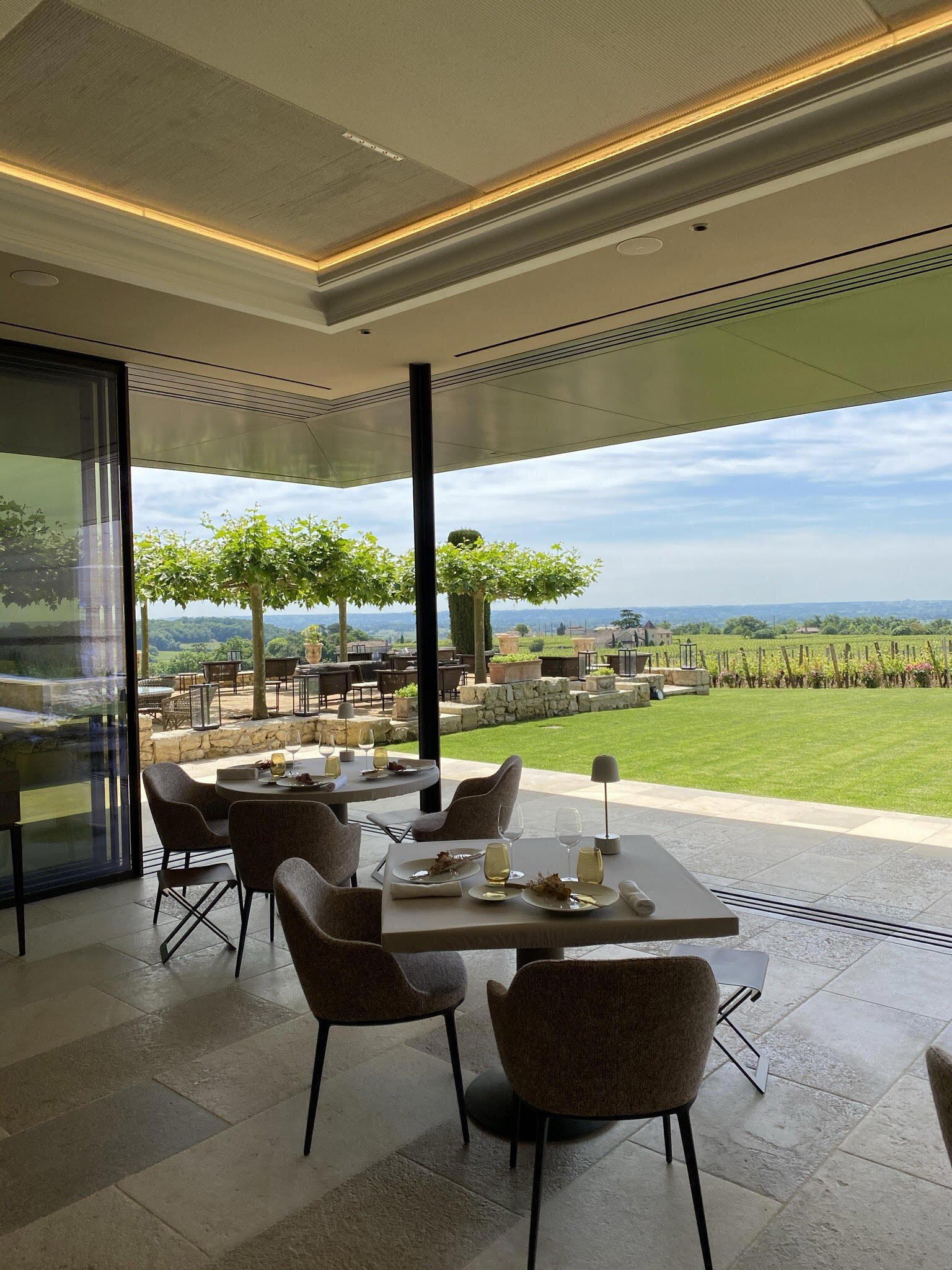
Wineries in Saint-Émilion
Browse all →
Bars in Saint-Émilion
Browse all →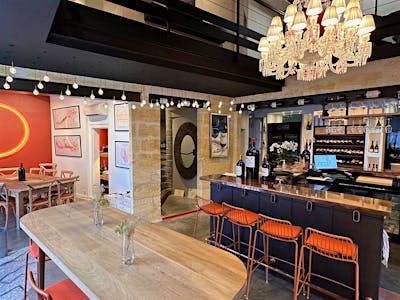
Restaurants in Saint-Émilion
Browse all →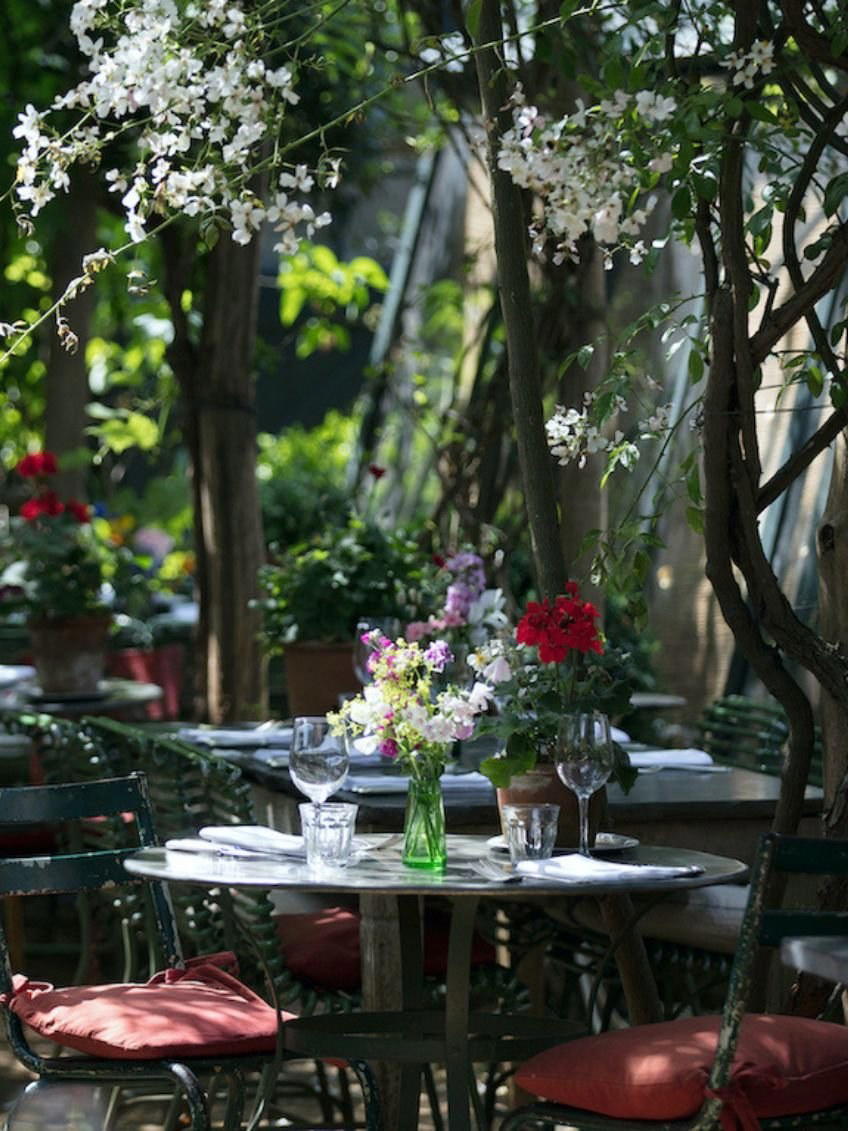
At a Glance
- Classic
- Quiet
- Rustic
- Vineyard
- Saint Émilion Grand Cru AOC
- Merlot
- Cabernet Franc
- Still Red
Traditional Saint-Emilion right-bank Bordeaux estate known for powerful, dense yet quietly elegant Cabernet Franc–driven reds, reflecting careful, restrained extraction and classic cellar aging rather than a tourist-focused visitor experience.