Château Haut Corbin

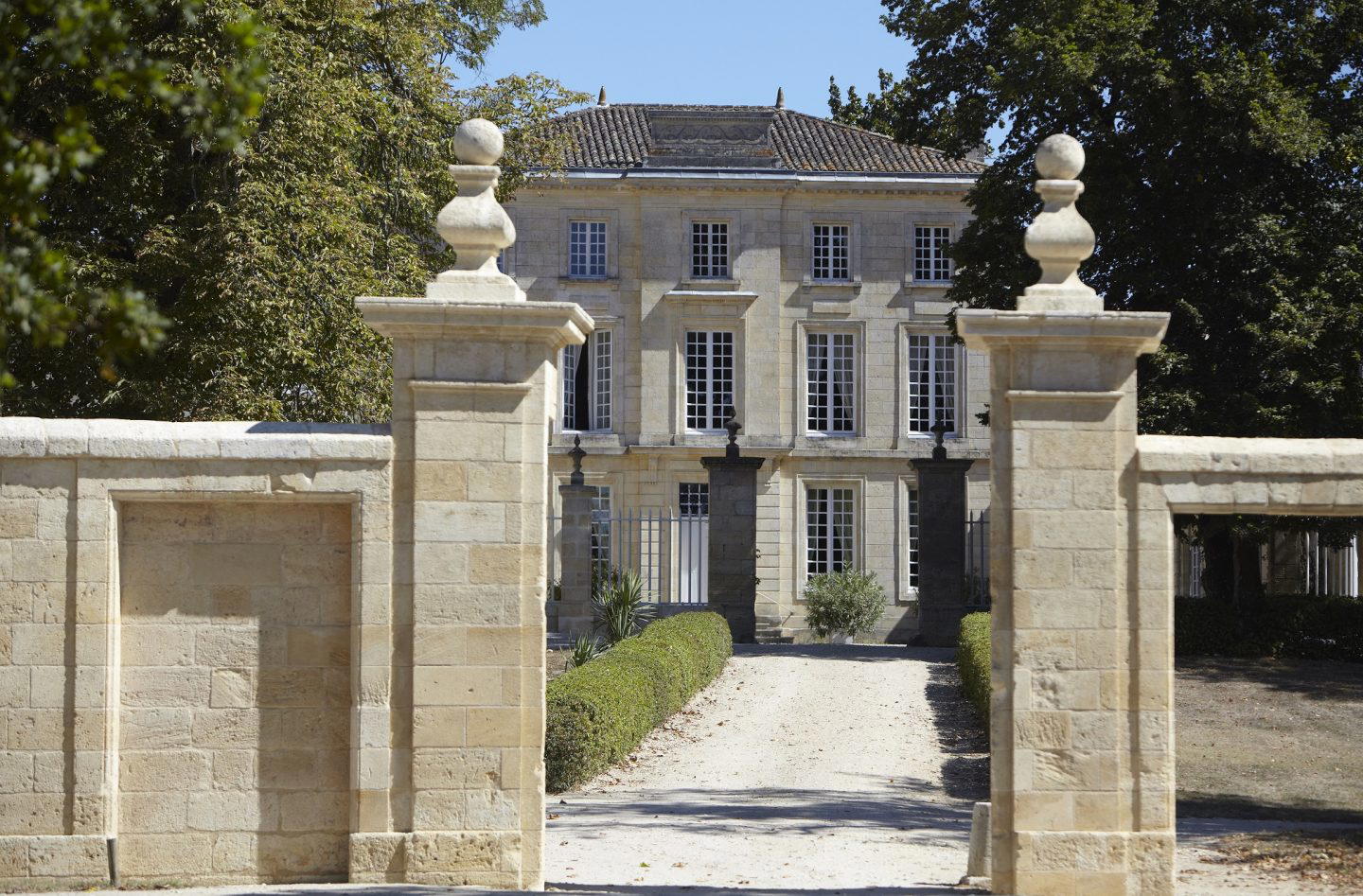
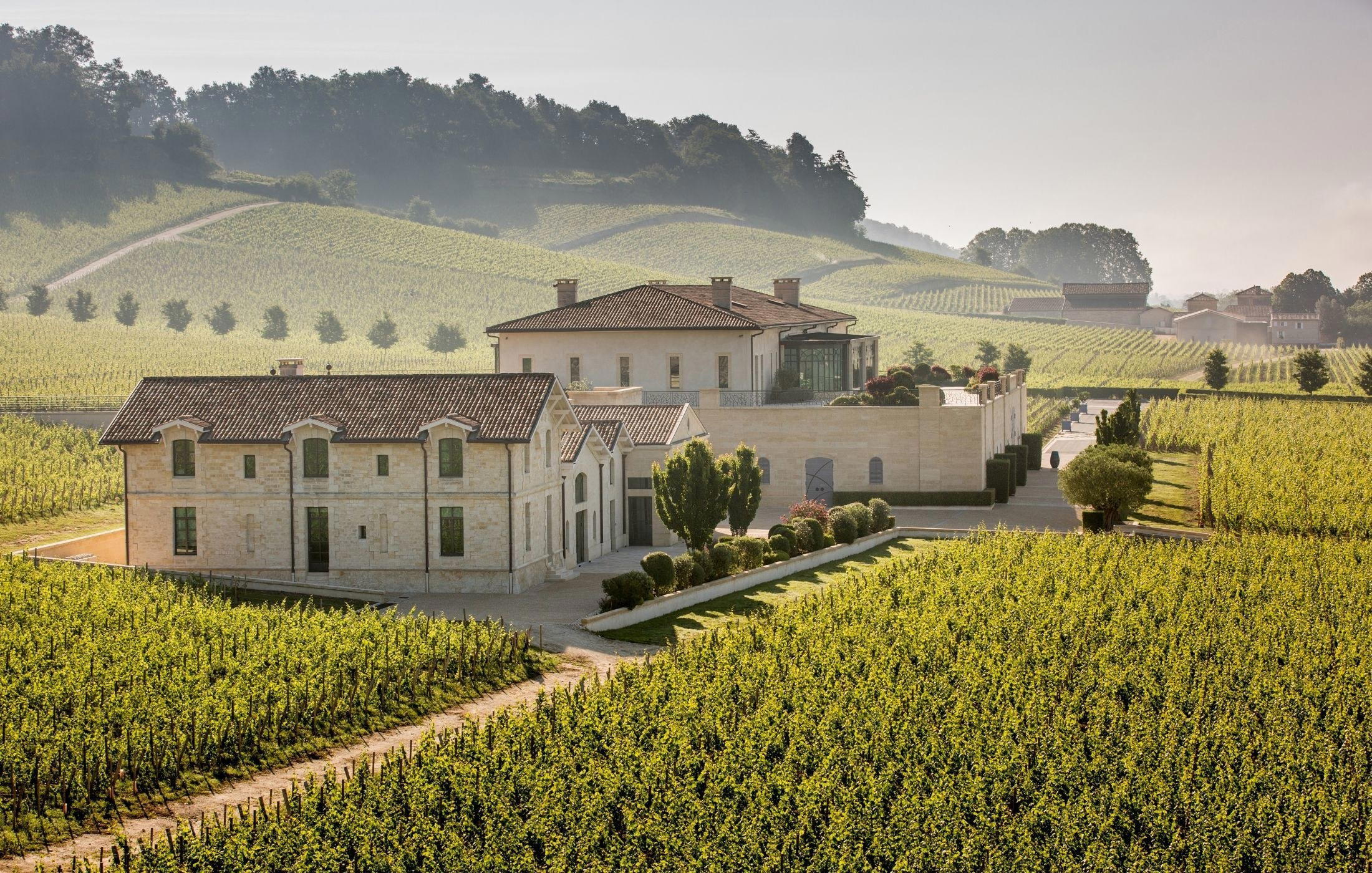
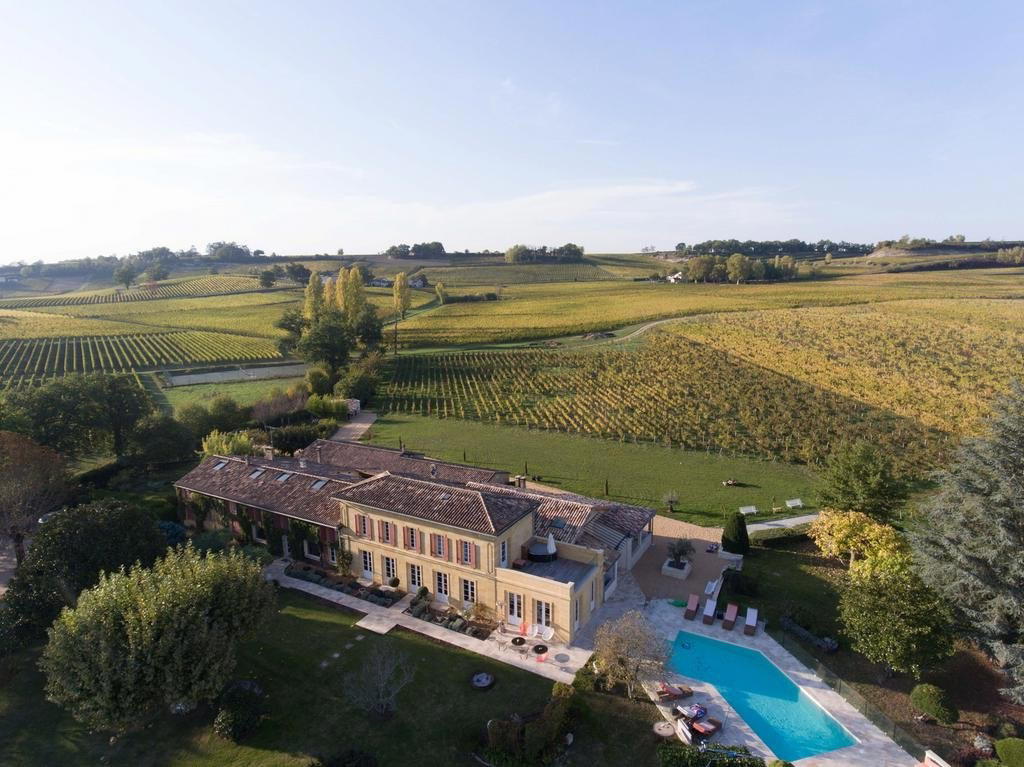
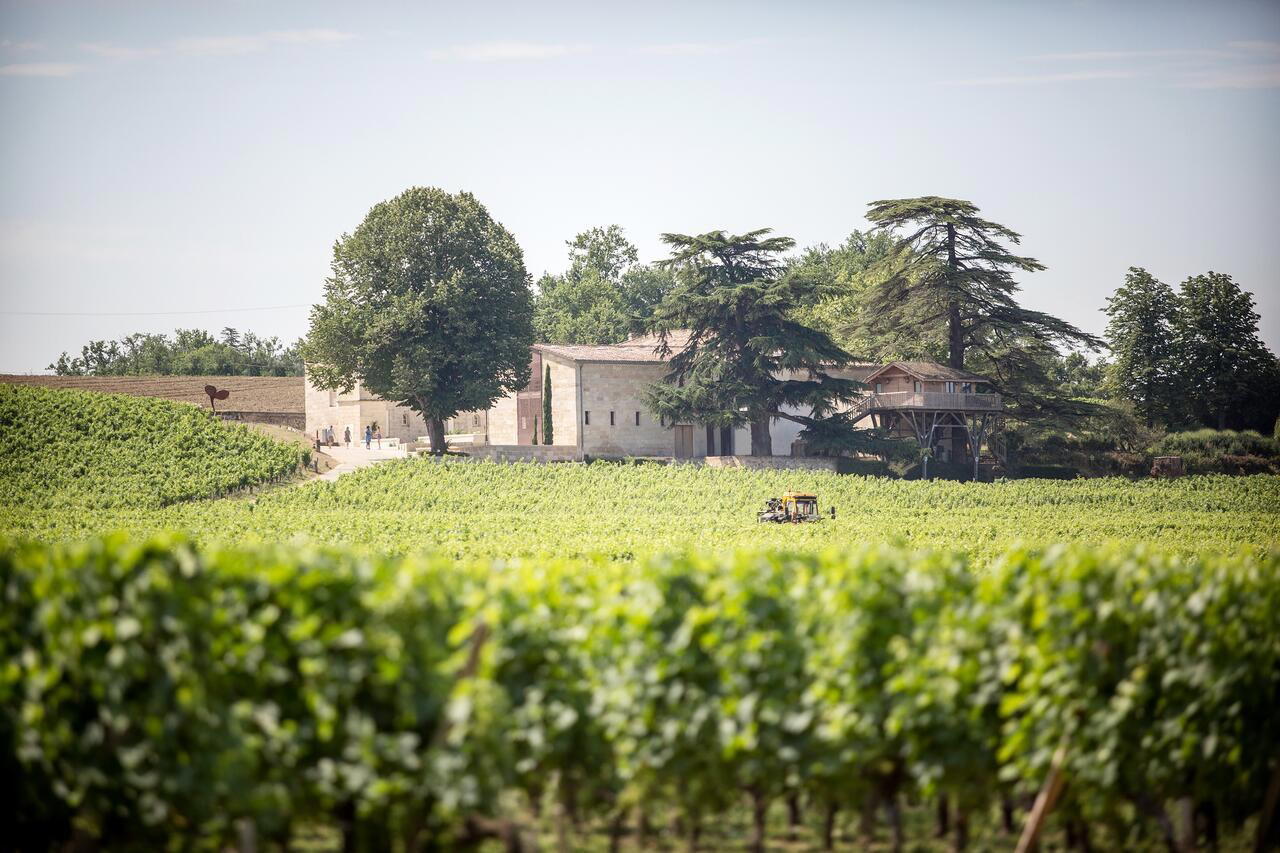
Château Haut Corbin belongs to the Corbin sector of Saint-Émilion, where gravel, sand, clay and limestone give Right Bank Merlot a firmer frame. Its former independent life ended with the 2011 vintage after integration into Château Grand Corbin, but the estate remains useful for understanding a less obvious Saint-Émilion register: medium-bodied, Cabernet-influenced and traditional rather than showy.
Pearl is the En Primeur Club membership app — saves, bookings, and concierge access live there. Same editors, same standards.
- Address
- Saint-Émilion, Nouvelle-Aquitaine, Frankreich
 Saves & bookings on Pearl
Château Haut Corbin is a historic Right Bank Bordeaux estate in Saint-Émilion. The profile is concise but useful: it points to a producer associated with classic Saint-Émilion Grand Cru red wines, a $$$ price level and a traditional style rather than a highly modern or over-polished expression. For travellers and collectors, that is the safest way to frame the estate without adding claims about vineyard size, grape percentages, ownership history, visitor arrangements, production volumes or critical scores.
The core of the available description is stylistic. Château Haut Corbin’s wines are described as medium-bodied, with elegant textures and aromas in the dark-berry spectrum: dark berry, black raspberry, licorice and forest floor. Those notes place the estate firmly in a familiar Saint-Émilion conversation, where approachability, suppleness and savoury nuance can matter as much as sheer density.
A classic Saint-Émilion Grand Cru profile
Saint-Émilion is often discussed through broad ideas of Right Bank richness, but Château Haut Corbin’s profile is more specific than simply “soft” or “plush.” Medium body suggests a wine that is not built only around weight. Elegant texture suggests polish without needing to claim a particular winemaking method. Dark berry and black raspberry point to ripe fruit, while licorice and forest-floor aromas add a savoury and earthy register. Together, these descriptors support a picture of a supple, approachable and traditional red Bordeaux style.
That balance is important for setting expectations. Those may be the kinds of facts a specialist would normally want for a Bordeaux estate profile, but they are not part of the confirmed data. What can be said is that the estate’s identity is tied to classic Saint-Émilion Grand Cru red wine rather than to a restaurant-style service model, a tasting-menu format, a chef-led concept or a broader hospitality program.
The $$$ price indication also helps position the venue for planning. Readers should treat the price marker as a general budget cue only.
What the tasting language tells you
Useful grounded information is the aromatic and structural language. Medium body usually matters because it suggests proportion rather than maximum extraction. Elegant textures point toward a wine experience built on flow and balance. Dark berry and black raspberry bring fruit clarity; licorice adds a darker savoury accent; forest-floor notes suggest maturity, earthiness or traditional Bordeaux complexity. None of these descriptors require making unsupported claims about a particular vintage, critic rating or production technique.
For EP Club planning purposes, that makes the winery a venue to understand through wine style first. It is not appropriate to present it as a confirmed dining destination, to list lunch or dinner service, to describe takeout or delivery, or to promise appointment-only visits unless those details are elsewhere. The reliable hook is narrower and cleaner: a historic Saint-Émilion estate associated with supple, traditional Grand Cru reds.
This also means the guide should avoid invented specificity around food pairings. A reader may personally enjoy this style of Bordeaux with many classic dishes, but the venue data does not provide an official pairing program, menu, cuisine, chef or dining format. The responsible recommendation is to use the style notes as context when planning wine-focused time in Saint-Émilion, not as proof of an on-site restaurant or curated culinary experience.
How to place it within a Saint-Émilion itinerary
The winery fits best into a Saint-Émilion itinerary as a wine reference rather than as a fully documented hospitality stop. The available facts confirm the city, the price category and the wine style, but they do not confirm opening hours, visit formats, booking rules, seat counts, staff names, ownership details or a current tasting program. Anyone planning around the estate should verify practical arrangements directly before relying on a visit.
Within a broader Saint-Émilion plan, the estate’s appeal is the clarity of its traditional Right Bank identity. The description is not about spectacle. It is about a historic Bordeaux estate producing classic Saint-Émilion Grand Cru reds with medium body, elegant textures and darker aromatic detail. That is enough to make the winery relevant for readers who prefer a supple, approachable and traditional expression of the appellation.
For comparison, keep the lens local and general: other Saint-Émilion dining, wine and hospitality options can round out the trip, but the winery itself should remain the named focus here. Its confirmed profile is precise even if limited. It is a Saint-Émilion estate with a $$$ price marker and a classic red-wine style built around dark berry, black raspberry, licorice and forest-floor aromas, presented with elegance rather than force.
Recognition history
Dated appearances from independent guides and award organizations, with the underlying list record or original source where available.
Falstaff Winery - Listed
Falstaff
Continue exploring
More in Saint-Émilion
Wineries in Saint-Émilion
Browse all →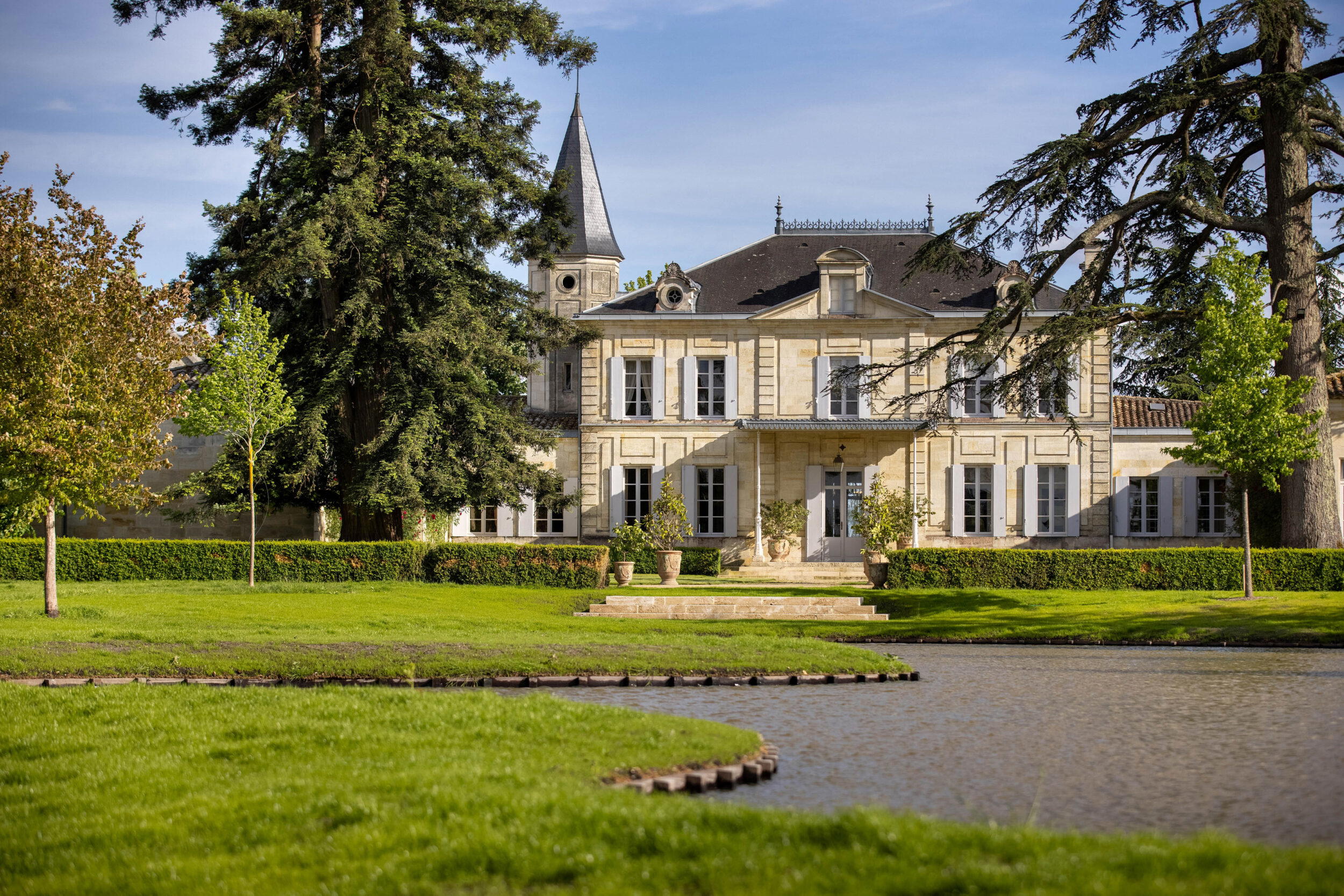
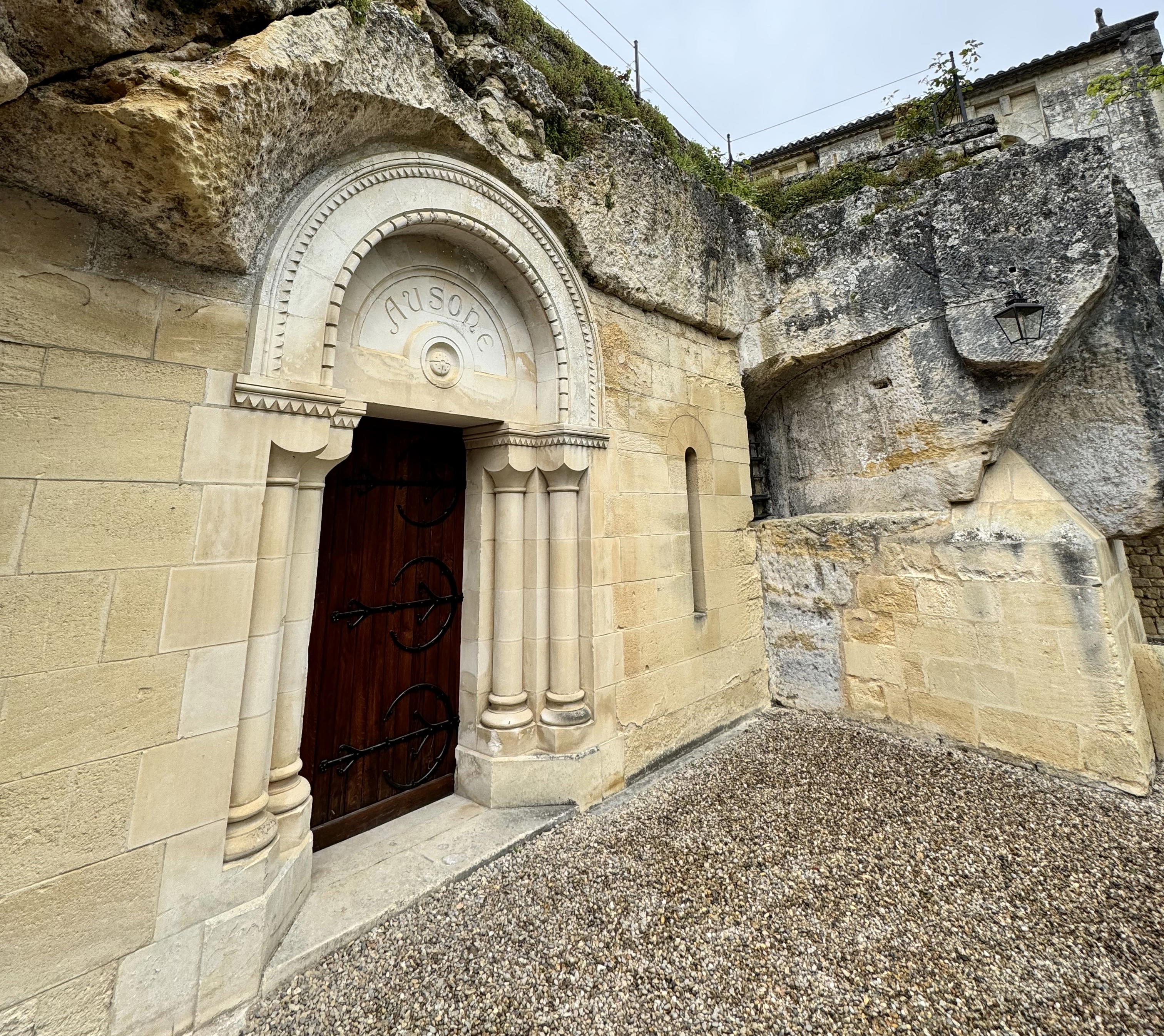
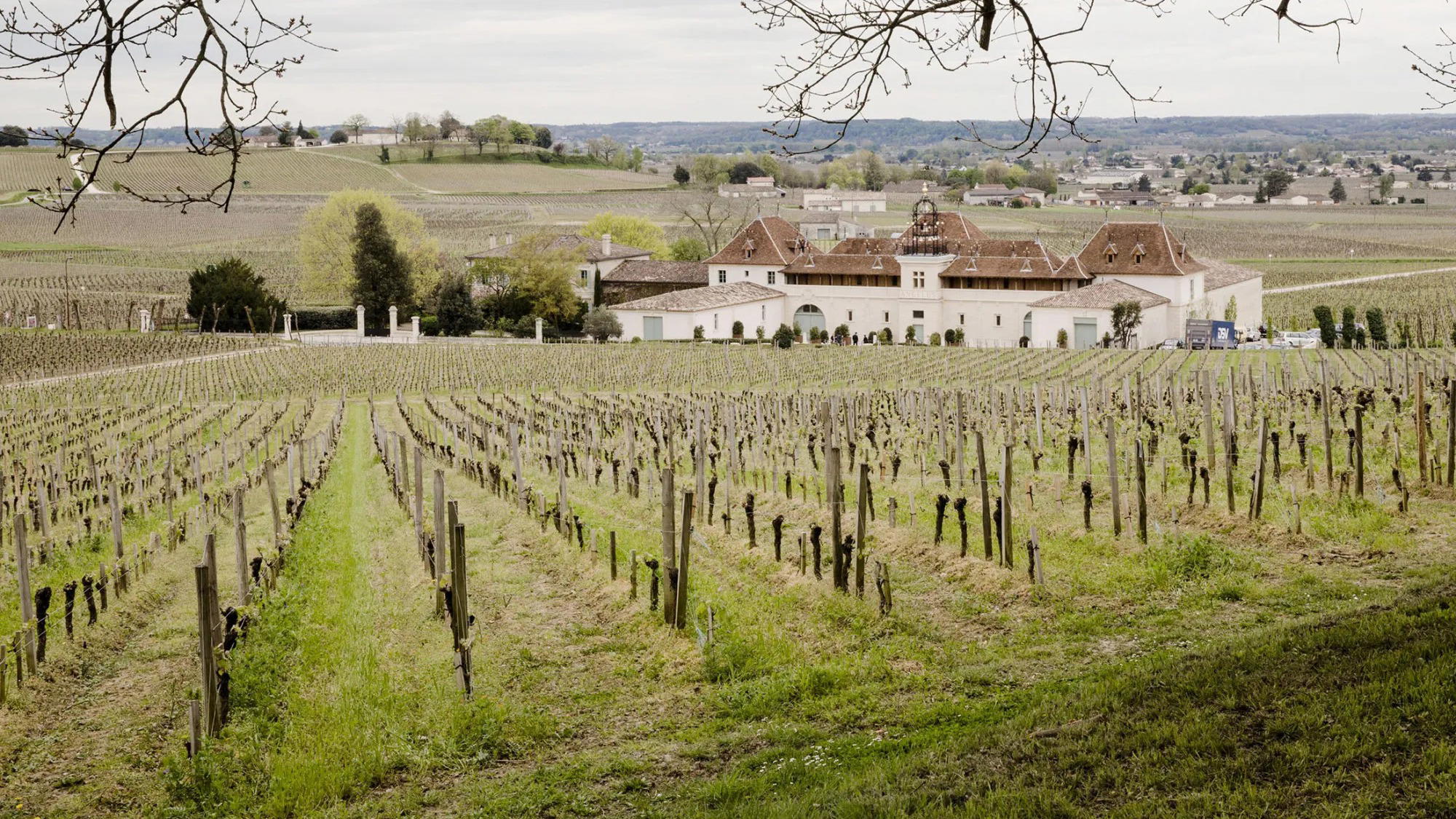
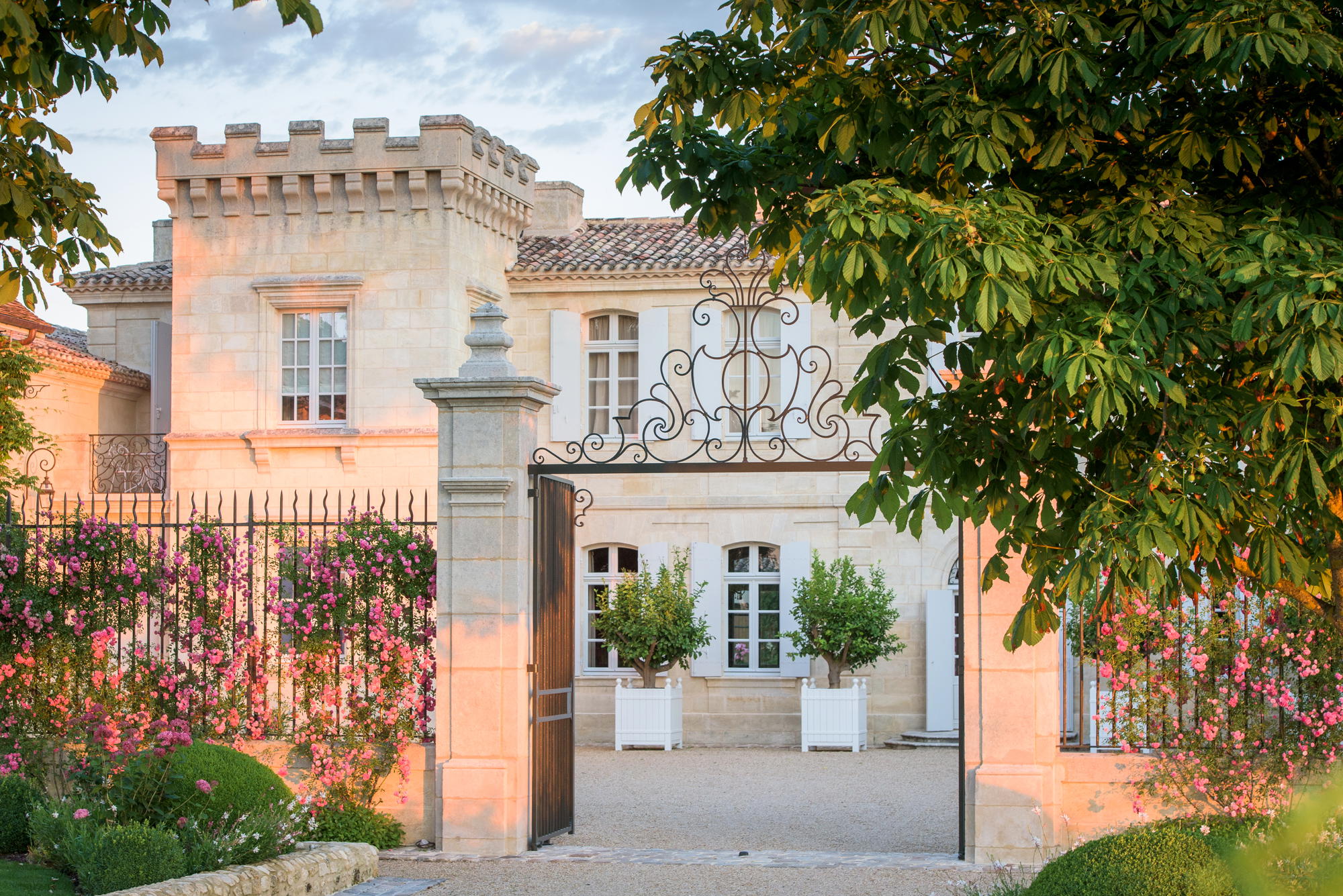
Bars in Saint-Émilion
Browse all →
Restaurants in Saint-Émilion
Browse all →
At a Glance
- Classic
- Scenic
- Elegant
- Historic
- Intimate
- Romantic Getaway
- Group Outing
- Wine Education
- Solo Exploration
- Estate Grounds
- Vineyard Tour
- Historic Building
- Vineyard
- Saint Émilion Grand Cru AOC
- Merlot
- Cabernet Sauvignon
- Cabernet Franc
- Still Red
Historic right-bank Bordeaux estate producing classic Saint-Émilion Grand Cru reds with medium body, elegant textures and dark berry, black raspberry, licorice and forest-floor aromas; the style is supple, approachable and traditional rather than flashy.