Château Franc de Maine

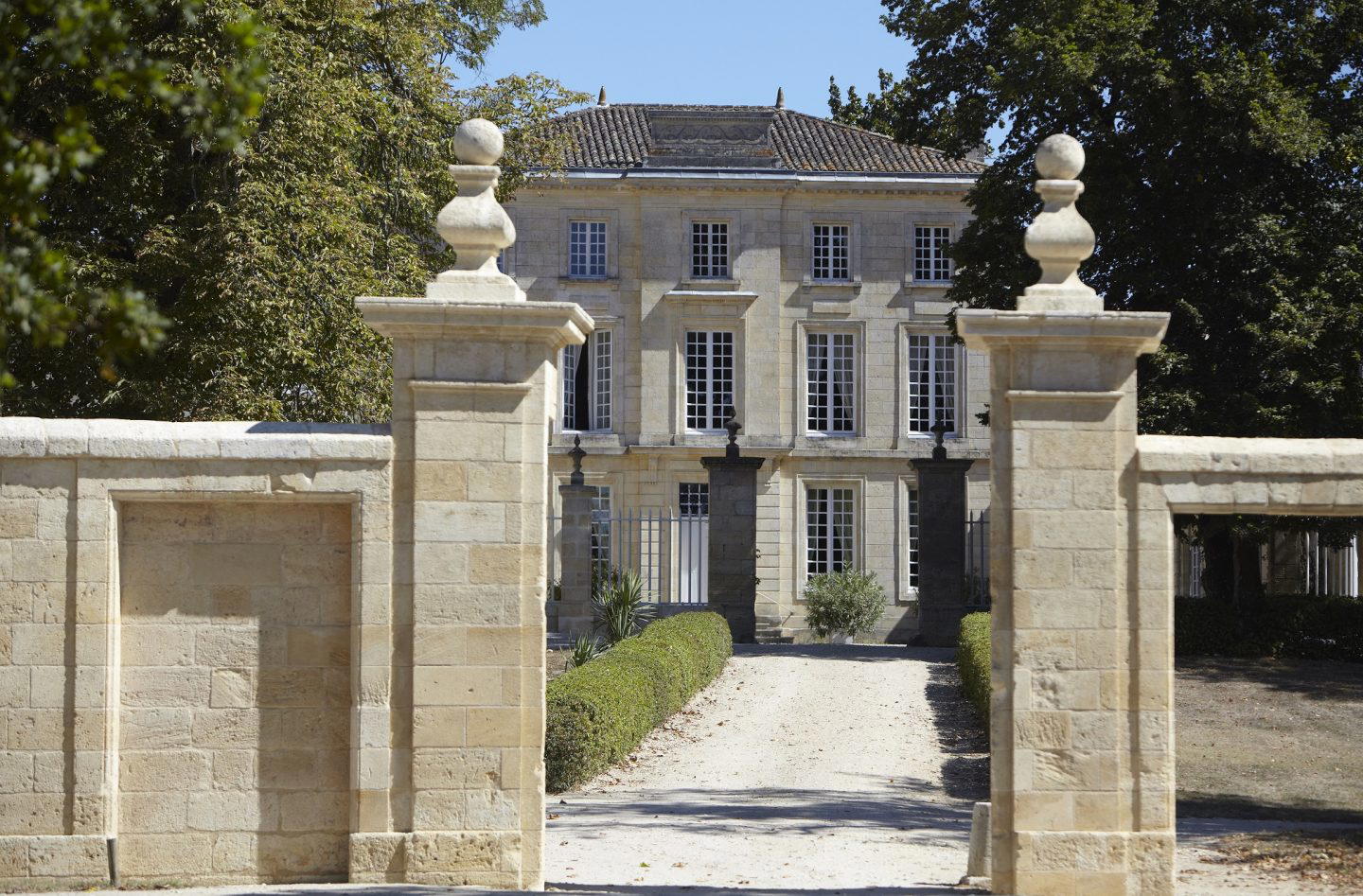
Château Franc de Maine belongs to the quieter side of Saint-Émilion Grand Cru: a small Bardet-family estate where Merlot-led Bordeaux, sandy-gravel soils and a low-intervention cellar philosophy carry more weight than visitor spectacle. The appeal is terroir literacy: parcel expression, still red wine, and a tasting mood shaped by vineyard and cellar rather than hospitality theater.
Pearl is the En Primeur Club membership app — saves, bookings, and concierge access live there. Same editors, same standards.
- Address
- Saint-Émilion, Center-Val de Loire, Frankreich
 Saves & bookings on Pearl
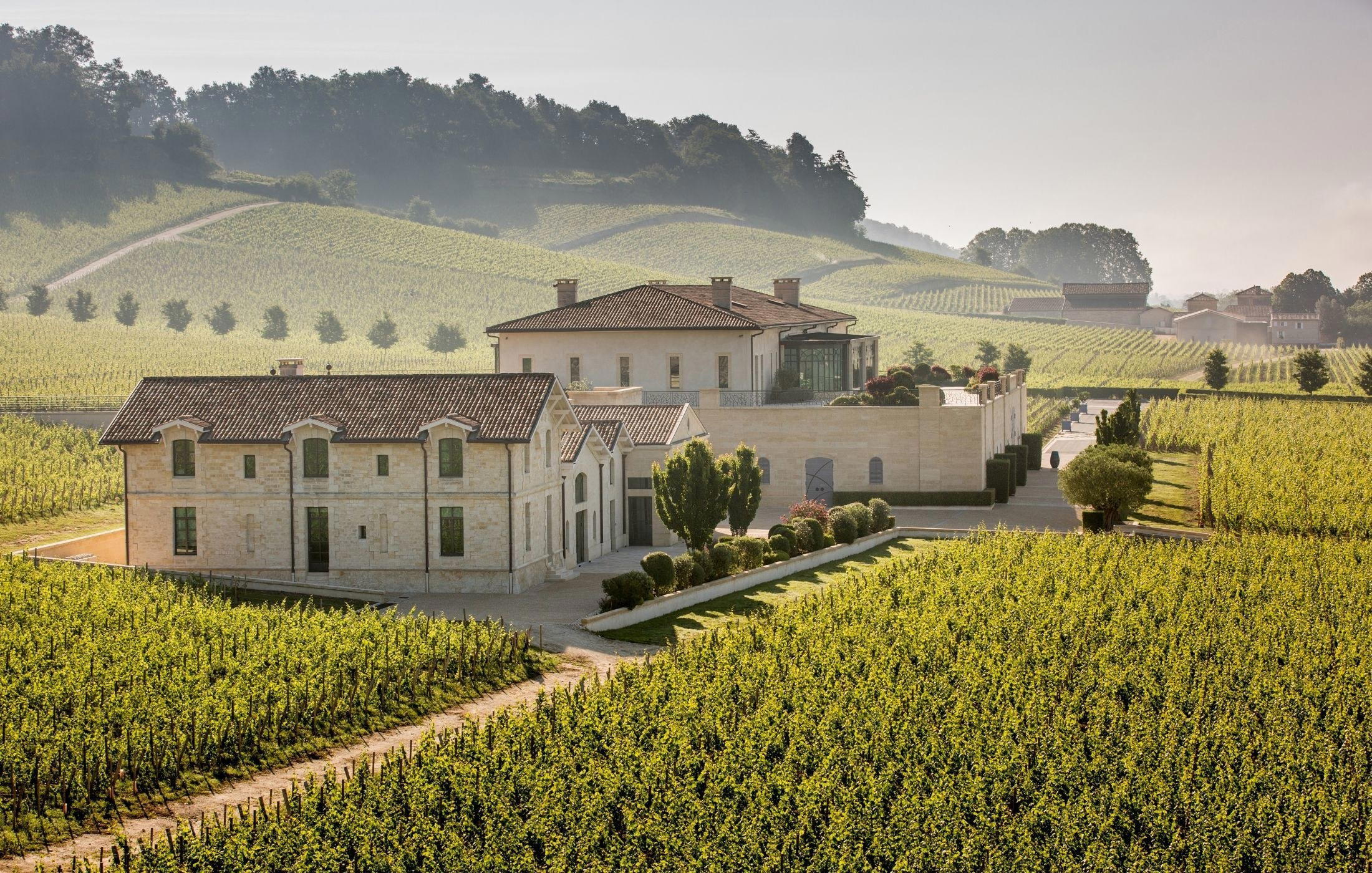
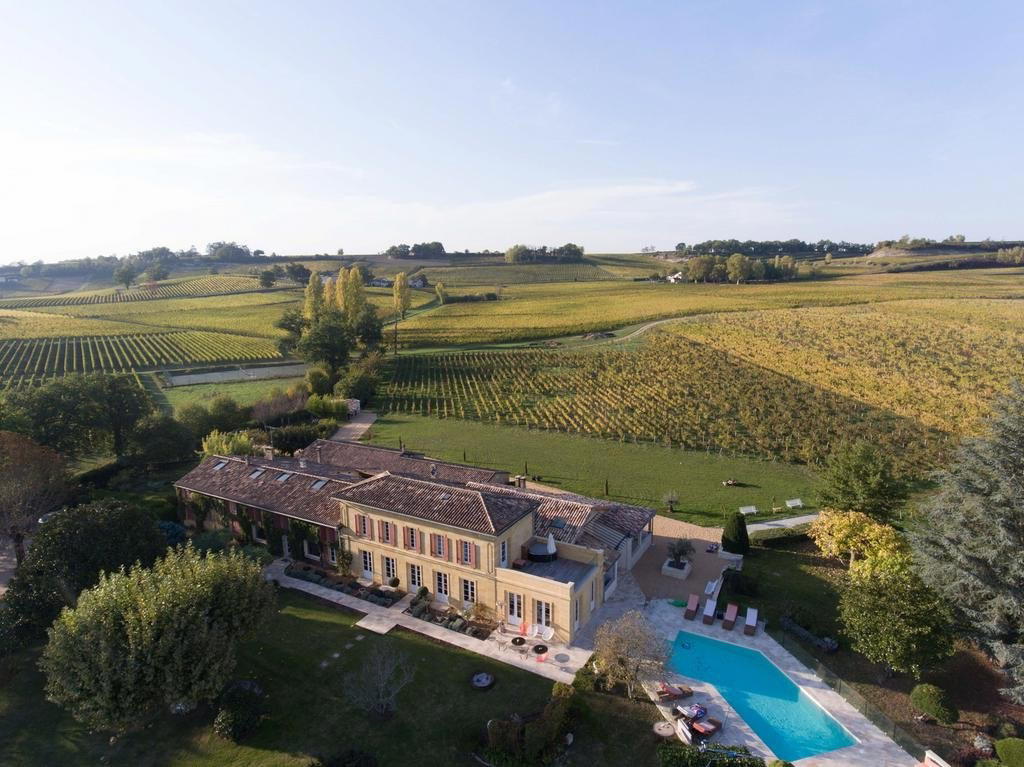
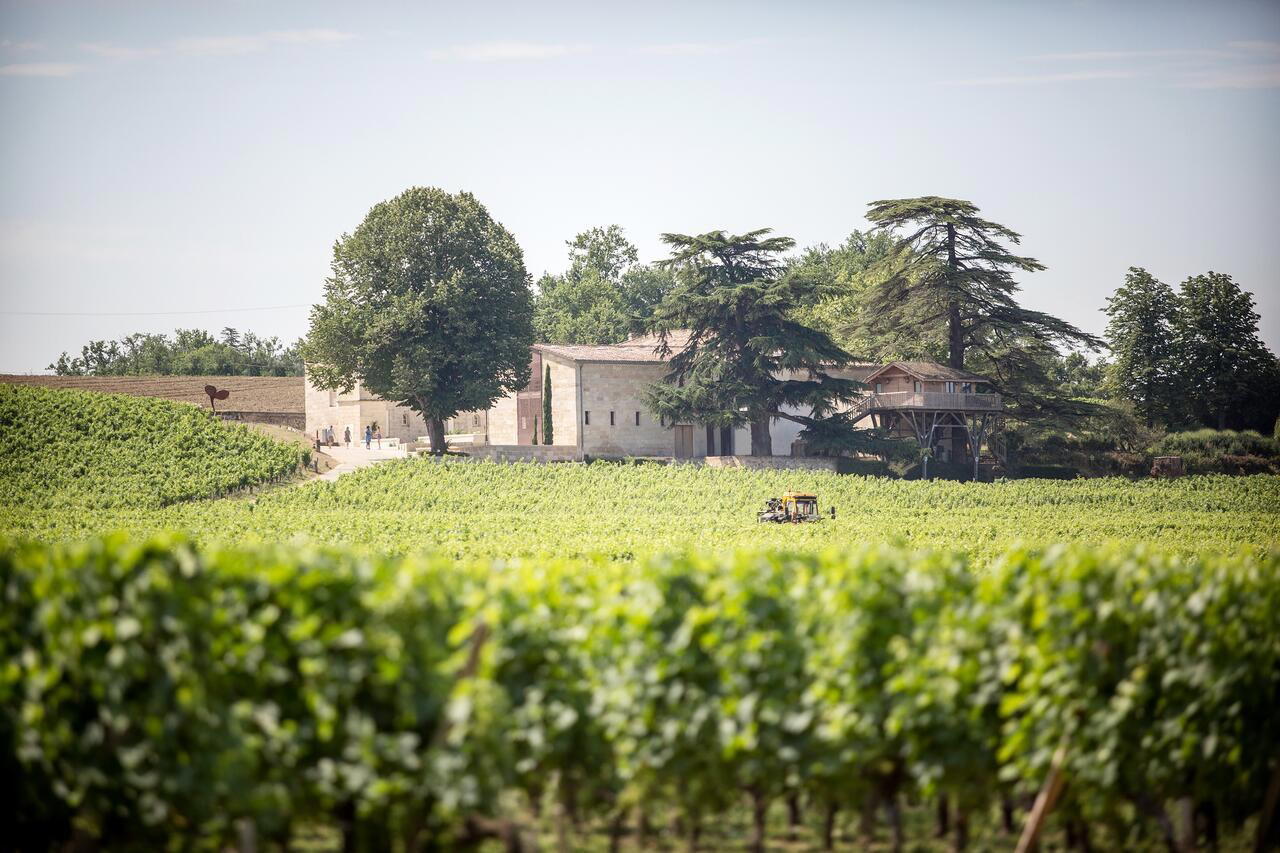
Saint-Émilion’s vineyard country has a particular hush: historic stone, vineyard views and cellars where the serious conversation is often about place before polish. Château Franc de Maine fits that register as a historic Saint-Émilion Grand Cru estate owned by the Bardet family, with an emphasis on terroir expression and low-intervention, no-sulfur winemaking.
That is the frame for the estate, and it is enough to define the tone without adding unsupported detail. Château Franc de Maine is best understood as a thoughtful, artisan-feeling wine stop rather than a broad tourist attraction. The appeal is not a long list of public-facing amenities, but the chance to encounter a Saint-Émilion Grand Cru property through a quieter, terroir-focused lens.
Sandy-gravel Saint-Émilion, read through Merlot and Cabernet Franc
Specific claims about the estate’s soils, grape percentages, cuvées, tasting notes, élevage, vintage ratings or production figures should be treated cautiously unless confirmed directly by the estate. For EP Club purposes, the grounded point is broader: Château Franc de Maine is a Saint-Émilion Grand Cru estate where the conversation centers on terroir expression and low-intervention winemaking.
That makes it a useful stop for visitors who want to think about how Saint-Émilion can vary from one estate to another. Rather than framing the visit around a fixed score, a quoted blend or a named award, the better approach is to arrive with questions about the estate’s own interpretation of place, its no-sulfur philosophy and the Bardet family’s stewardship.
The price level is listed as $$$, so it sits in premium territory without needing invented menu-style comparisons or unsupported tasting-package details. If you are planning a visit, confirm current tasting availability, timing and any fees directly with the estate before building the day around it.
The Bardet chapter and the low-intervention cellar turn
Particularly important identity marker is ownership: the winery is a Bardet family estate. In a region where labels, classifications and visitor architecture can easily dominate the conversation, that family-owned context gives the property a more personal editorial profile.
Estate’s stated focus on low-intervention, no-sulfur winemaking is also central. What can be said is that winery presents itself around terroir expression and a less manipulated style of winemaking, giving tastings a thoughtful, artisan feel rather than a high-volume or touristy atmosphere.
That restrained tone is the main reason to consider it. Visitors who want spectacle, a broad lifestyle complex or a checklist of extras may want to plan accordingly. Visitors who prefer a calmer estate encounter, with the wine and the Saint-Émilion setting at the center, are closer to the spirit of the winery.
Because detailed public facts are limited in the record, it is especially important not to assume services such as food pairings, lunch, delivery, accessibility provisions, multilingual tours, private rooms, parking or specific visit lengths. Treat those as questions to confirm, not as guaranteed features.
How to place it within a Saint-Émilion trip
Saint-Émilion rewards planning by theme rather than prestige alone. A day in the area can be built around historic estates, vineyard scenery and the different ways producers interpret the appellation. The winery belongs in the quieter, terroir-led side of that itinerary: a historic Grand Cru estate with a low-intervention, no-sulfur focus and a Bardet family identity.
For broader context, EP Club’s regional pages are useful planning companions: Our full Saint-Émilion wineries guide for estate mapping, Our full Saint-Émilion restaurants guide for meals around tastings, Our full Saint-Émilion hotels guide for where to base, Our full Saint-Émilion bars guide for after-dinner drinking, and Our full Saint-Émilion experiences guide for non-cellar time in the region.
When comparing the winery with other Saint-Émilion options, keep the comparison general unless details are confirmed. Some visitors will prioritize architecture, classification history or highly structured hospitality; others will prefer a smaller-feeling, more reflective estate visit. The winery is best placed in the latter category, where the draw is the atmosphere of a historic Grand Cru property and the estate’s low-intervention point of view.
The editorial case for the winery is focus. It is a Bardet-family Saint-Émilion Grand Cru estate associated with terroir expression, low-intervention production and no-sulfur winemaking. Come for a calm, scenic and wine-centered encounter with Saint-Émilion, and confirm practical visit details directly before you go.
Recognition history
Dated appearances from independent guides and award organizations, with the underlying list record or original source where available.
Falstaff Winery - Listed
Falstaff
Continue exploring
More in Saint-Émilion
Wineries in Saint-Émilion
Browse all →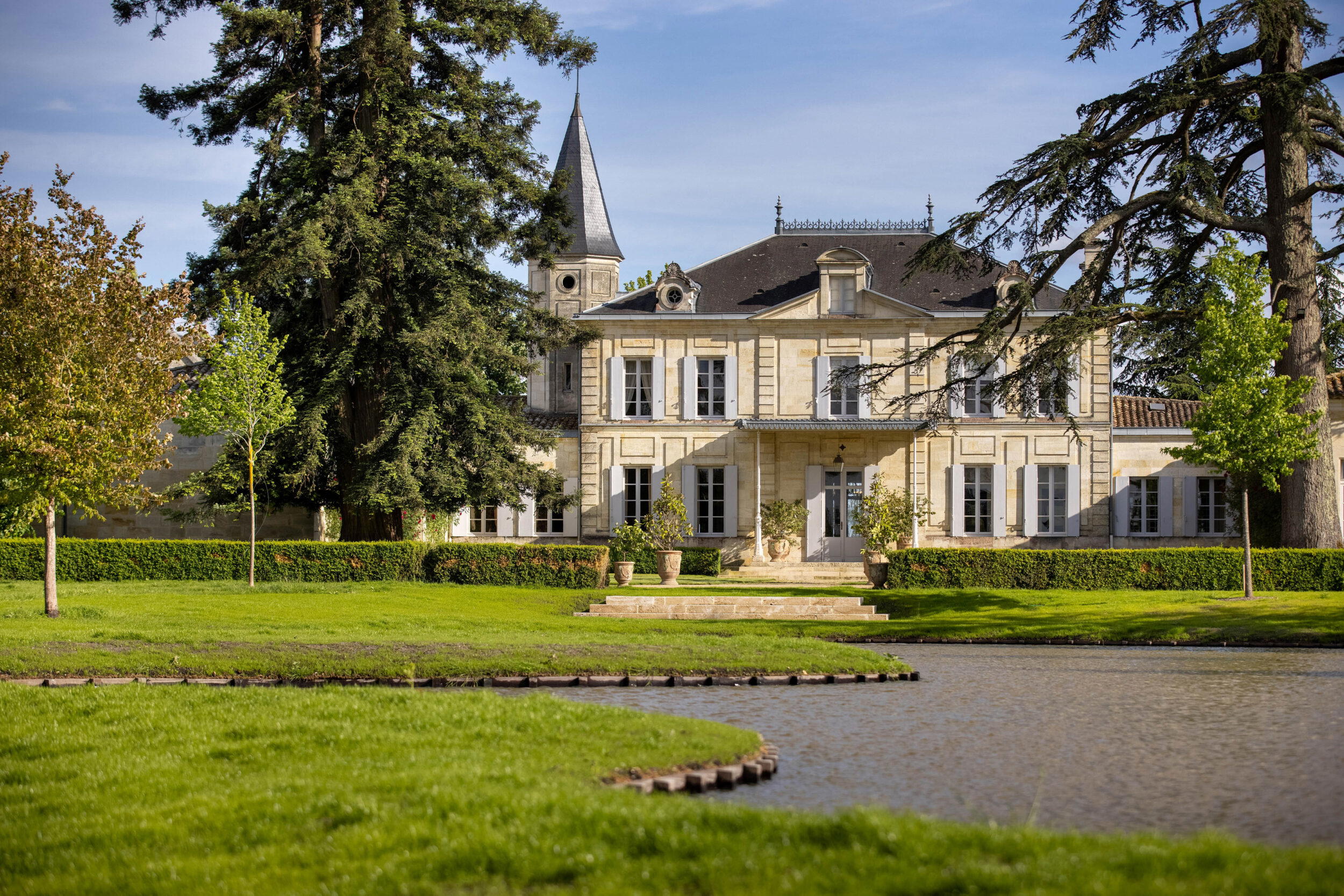
Bars in Saint-Émilion
Browse all →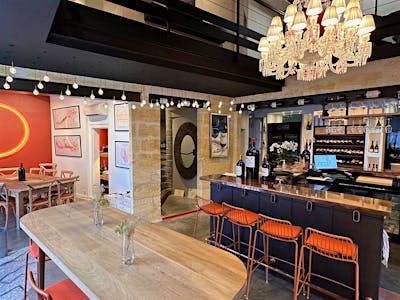
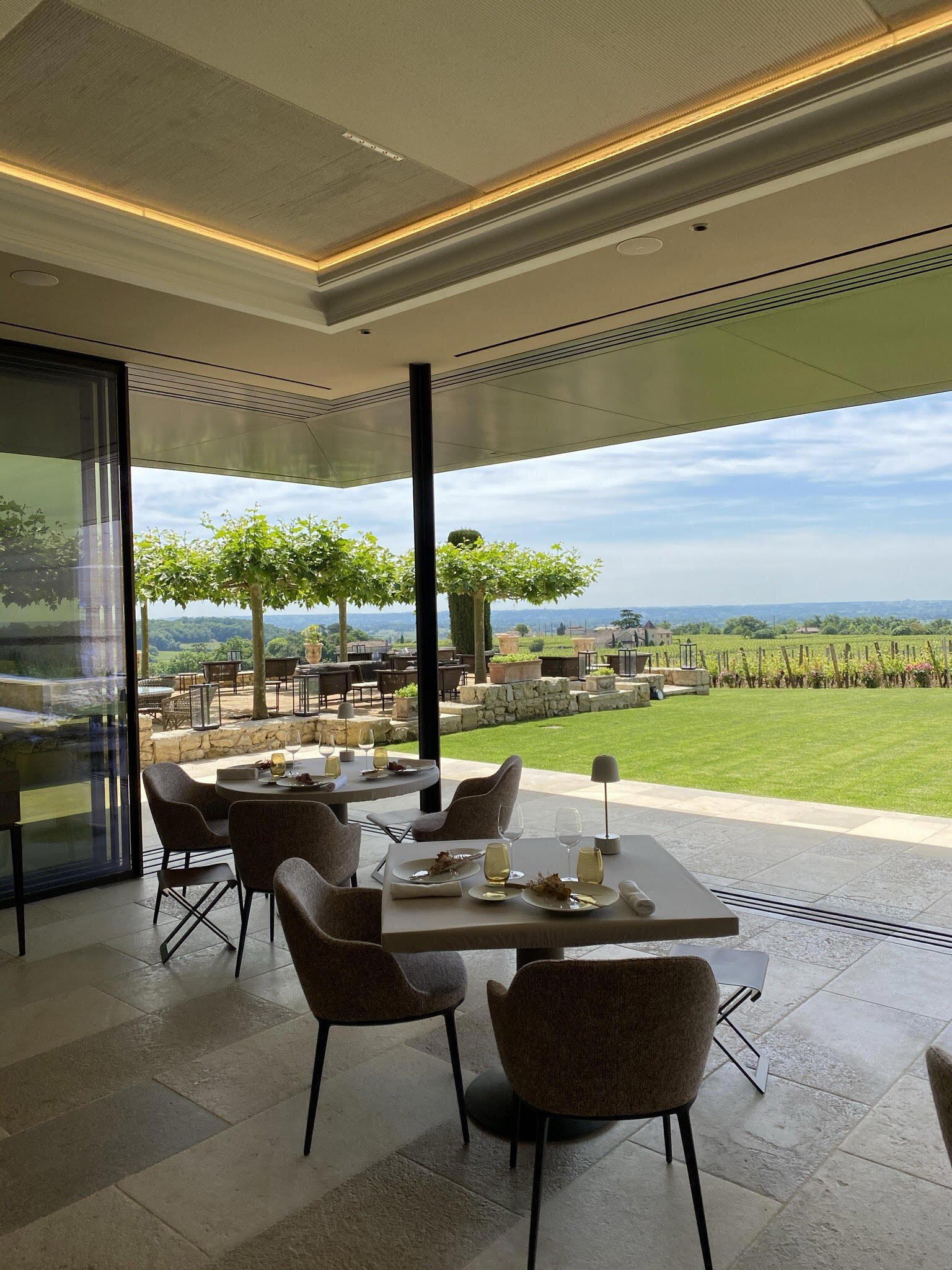
Restaurants in Saint-Émilion
Browse all →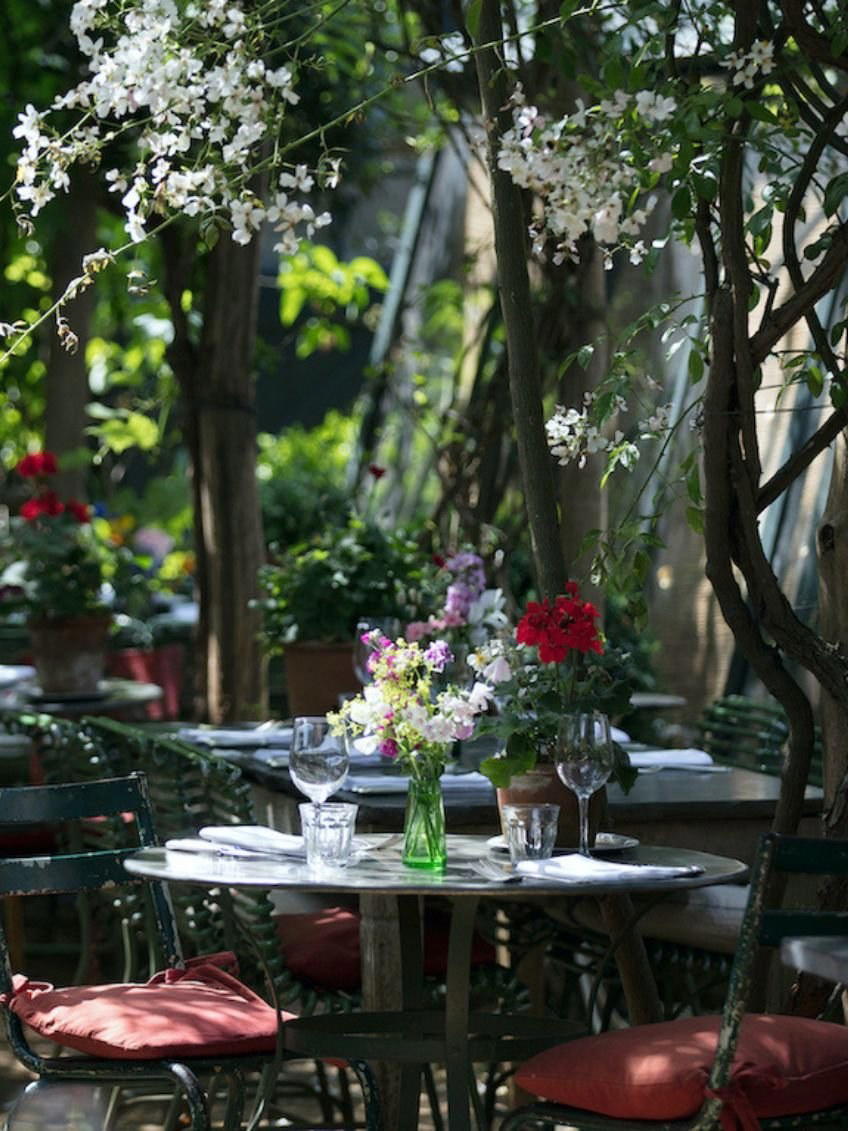
At a Glance
- Scenic
- Classic
- Romantic
- Intimate
- Romantic Getaway
- Group Outing
- Solo Exploration
- Wine Education
- Special Occasion
- Estate Grounds
- Vineyard Tour
- Private Tasting
- Sustainable
- Vineyard
- Saint Émilion Grand Cru AOC
- Merlot
- Cabernet Franc
- Cabernet Sauvignon
- Still Red
- Guided Tasting
- Private Tasting
- Cellar Tasting
Historic Saint-Émilion Grand Cru estate owned by the Bardet family, with a focus on terroir expression and low-intervention, no-sulfur winemaking that gives tastings a thoughtful, artisan feel rather than a touristy atmosphere.