Château Famille Bouey

Falstaff Winery - Listed
Château Famille Bouey is a Bordeaux house for readers who want Médoc context rather than a polished cellar-door spectacle. Its interest lies in the family’s long négociant role, sustainable vineyard work, and a portfolio built around Merlot, Cabernet Sauvignon and Cabernet Franc across the region’s classic still-wine vocabulary.

Pearl is the En Primeur Club membership app — saves, bookings, and concierge access live there. Same editors, same standards.
- Address
- Ambarès-et-Lagrave, Nouvelle-Aquitaine, Frankreich
- Directions
- Get directions

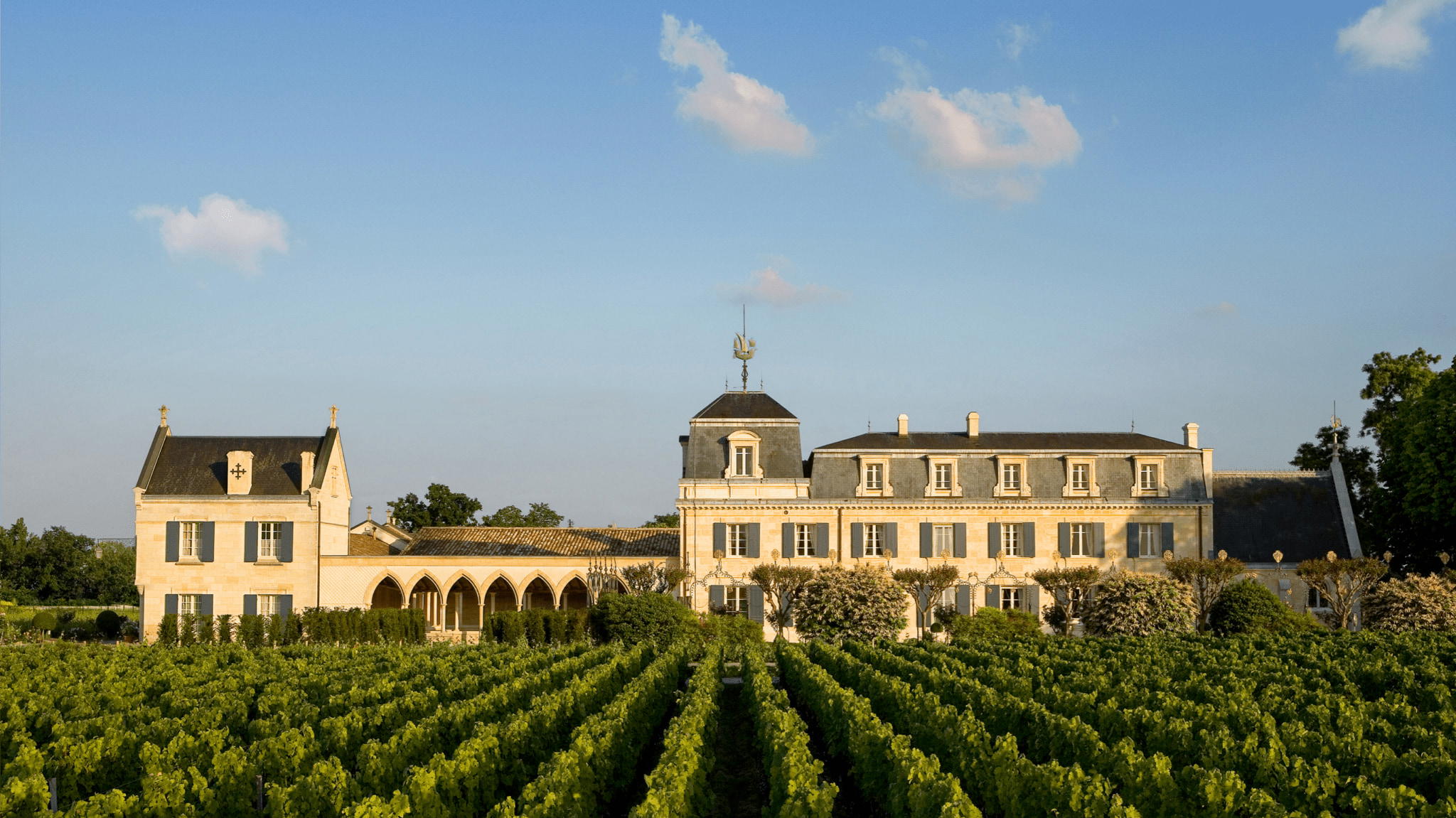
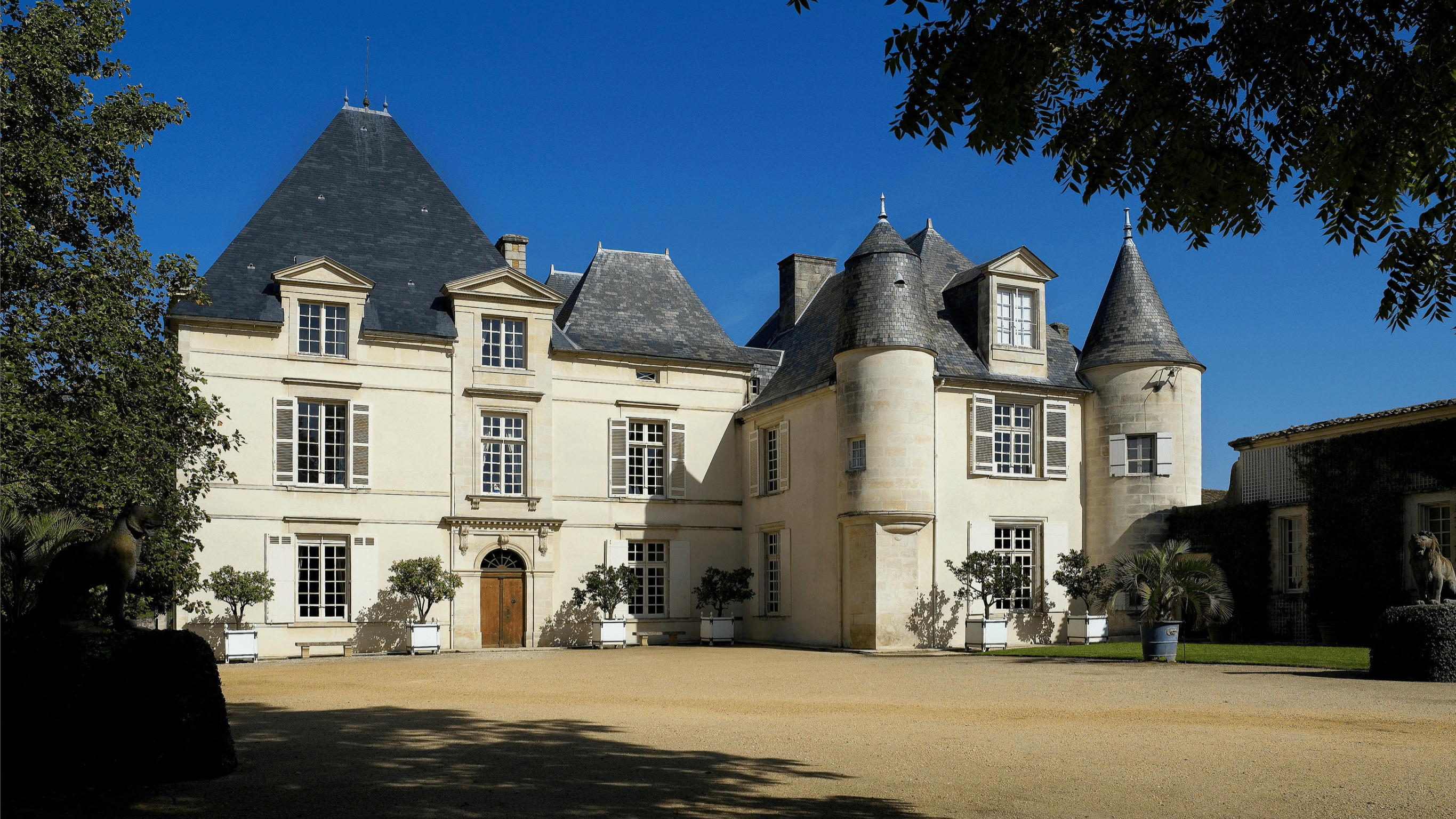
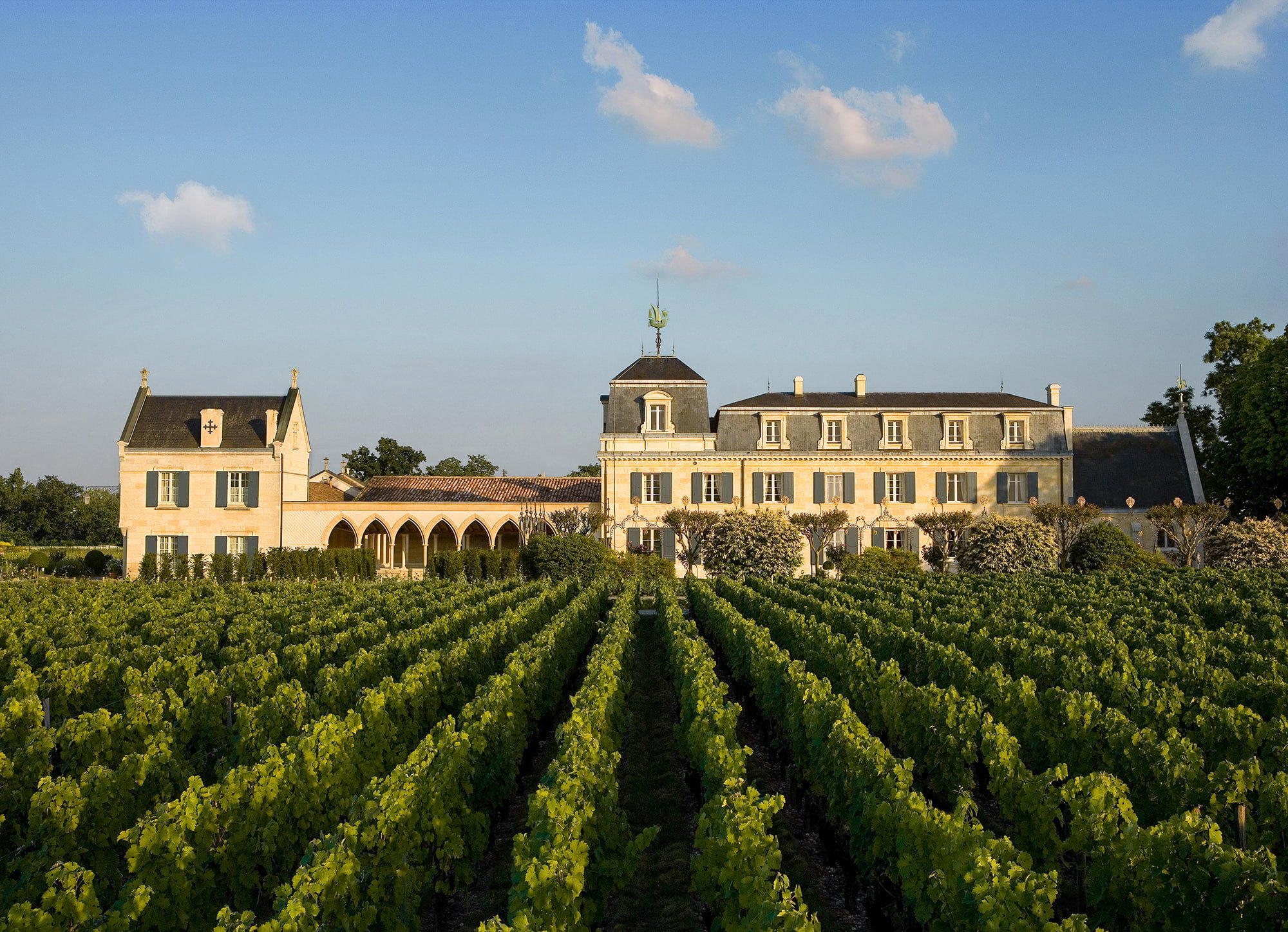
Château Famille Bouey in Ambares Et Lagrave is best understood as a family-run Bordeaux producer rooted in the Médoc. The picture is classic and vineyard-focused, with an emphasis on tradition, authenticity and respect for biodiversity across its estates rather than a single visitor-center experience. In that sense, the listing reads less like a fully packaged attraction and more like a reference point for understanding a particular strand of Bordeaux wine culture: one shaped by family continuity, vineyard work and a long-established regional identity.
What can be said with confidence is that the identity is tied to Bordeaux wine culture, a family producer’s perspective and a traditional vineyard atmosphere. The available information does not support a highly detailed portrait of what a visit includes, but it does give a clear editorial direction. Château Famille Bouey should be approached as a Médoc-rooted name whose interest lies in the way it reflects the values often associated with Bordeaux estates: patience, continuity, land, and a careful relationship with place.
Médoc identity through a family producer lens
The useful frame for Château Famille Bouey is not a fabricated checklist of services or a detailed visitor itinerary. It is a Bordeaux name rooted in the Médoc, presented with a classic, vineyard-first character and a family-run sensibility. That distinction matters, because it keeps the focus on what is actually present in the description: a producer identity rather than a confirmed set of visitor promises. The value here is interpretive as much as practical.
That makes it relevant for readers trying to understand how Bordeaux producers can express tradition across estates rather than through one fixed hospitality format. The description points to authenticity, biodiversity and continuity as the core themes. Those are broad ideas, but they are also useful ones: they suggest a wine identity concerned with the character of the vineyard environment and the inherited practices around it, rather than with spectacle or novelty. For a reader building a sense of Bordeaux beyond the most obvious labels, that is a meaningful context.
The grounded takeaway is simpler: Château Famille Bouey is a traditional Bordeaux producer with a Médoc-rooted identity. Staying with that limited but dependable reading avoids turning a concise listing into an over-described one, while still allowing the venue’s core profile to come through clearly.
What the glass says about Bordeaux now
The price level is listed as $$, placing Château Famille Bouey in a moderate bracket. The absence of those specifics should not be filled in by assumption. Instead, it gives the listing a more restrained shape: this is a Bordeaux producer to understand by its stated values and regional grounding, not by an invented set of tasting notes or hospitality details.
For that reason, the most responsible way to read the venue is through its stated character: family-run, classic, vineyard-focused and attentive to biodiversity across its estates. Those details are enough to distinguish the listing without adding claims. They also point to a contemporary Bordeaux conversation in which heritage and environmental attention can sit side by side. The description does not need to overstate that relationship; it is enough to note that the estate identity gives weight to both tradition and the living landscape behind the wine.
Travelers comparing wine-focused options in and around Ambares Et Lagrave should keep the comparison general unless they have current official details from the venue. Château Famille Bouey remains the relevant named reference. It belongs in research for anyone looking at Bordeaux through the lens of family production and Médoc association, while practical decisions should be made only after checking the most current information available directly from official sources.
How to use it in an Ambares Et Lagrave itinerary
Use Château Famille Bouey as a Bordeaux wine reference point in Ambares Et Lagrave, especially if your interest is in a family-run producer connected to the Médoc and to a classic vineyard atmosphere. It can help anchor a broader understanding of the area’s wine identity, even when the listing itself does not provide a step-by-step plan. Think of it as a name to place within the regional context rather than a fully described stop with confirmed on-site details.
Ambares Et Lagrave can still work as a base for a broader day of local planning. Pair this listing with other Ambares Et Lagrave dining, hotel, bar and experience research, and confirm any practical arrangements directly through current official sources before making plans. That cautious approach suits the information available here: the venue’s identity is clear enough to make it relevant, while the practicalities remain something to verify before turning interest into an itinerary.
Recognition history
Dated appearances from independent guides and award organizations, with the underlying list record or original source where available.
Falstaff Winery - Listed
Falstaff
Continue exploring
More in Ambares Et Lagrave
Wineries in Ambares Et Lagrave
Browse all →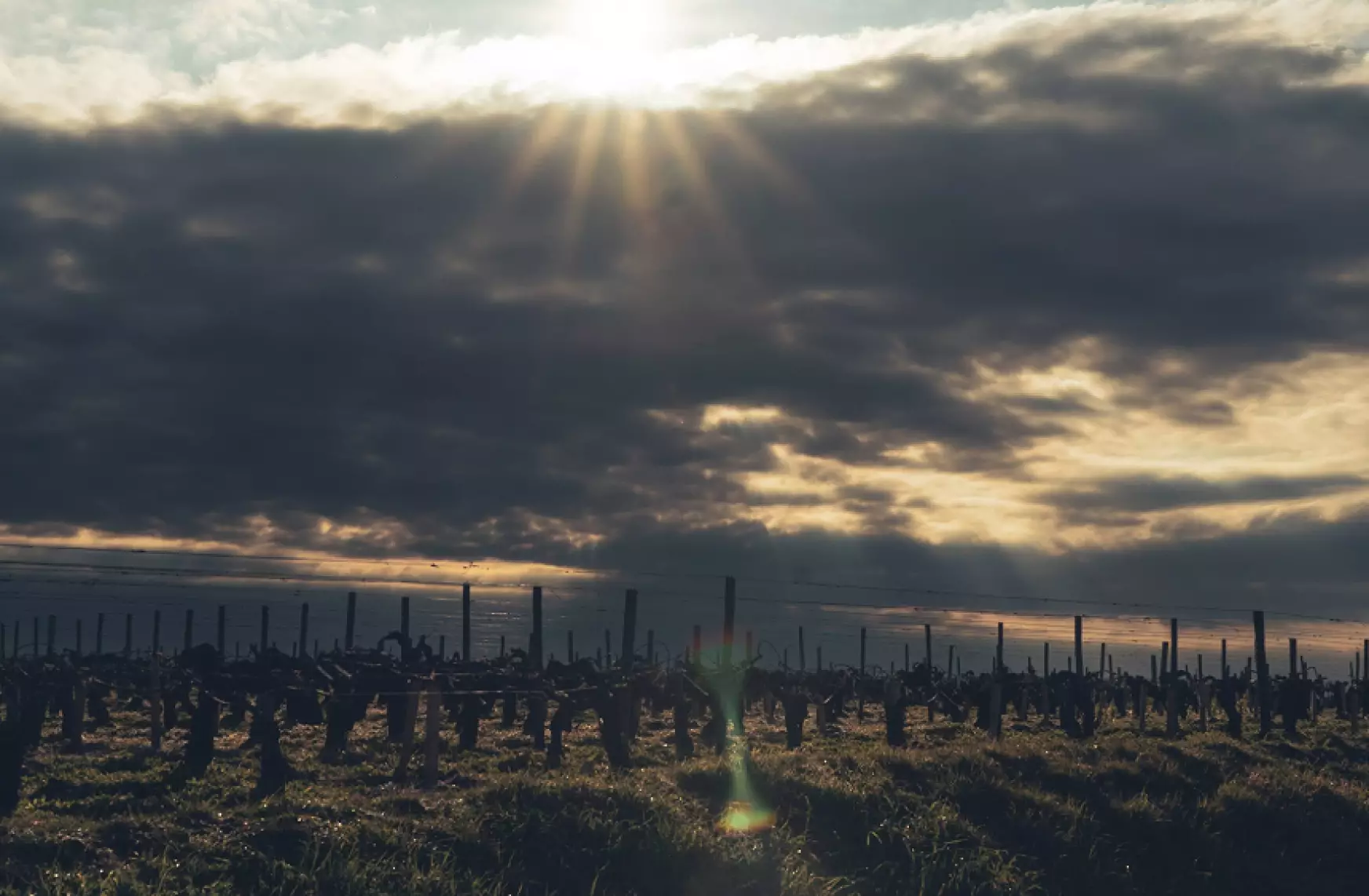
Bars in Ambares Et Lagrave
Browse all →
Restaurants in Ambares Et Lagrave
Browse all →
Details
- Classic
- Scenic
- Rustic
- Well Known
- Group Outing
- Wine Education
- Solo Exploration
- Romantic Getaway
- Special Occasion
- Estate Grounds
- Vineyard Tour
- Sustainable
- Vineyard
- Merlot
- Cabernet Sauvignon
- Cabernet Franc
- Still Red
- Still Rosé
- Still White
- Estate Tasting
- Vineyard Tour
- Guided Tasting
- French
Family-run Bordeaux producer rooted in the Médoc, with a classic, vineyard-focused atmosphere emphasizing tradition, authenticity and respect for biodiversity across its estates rather than a single visitor center experience.