Château de Fonbel

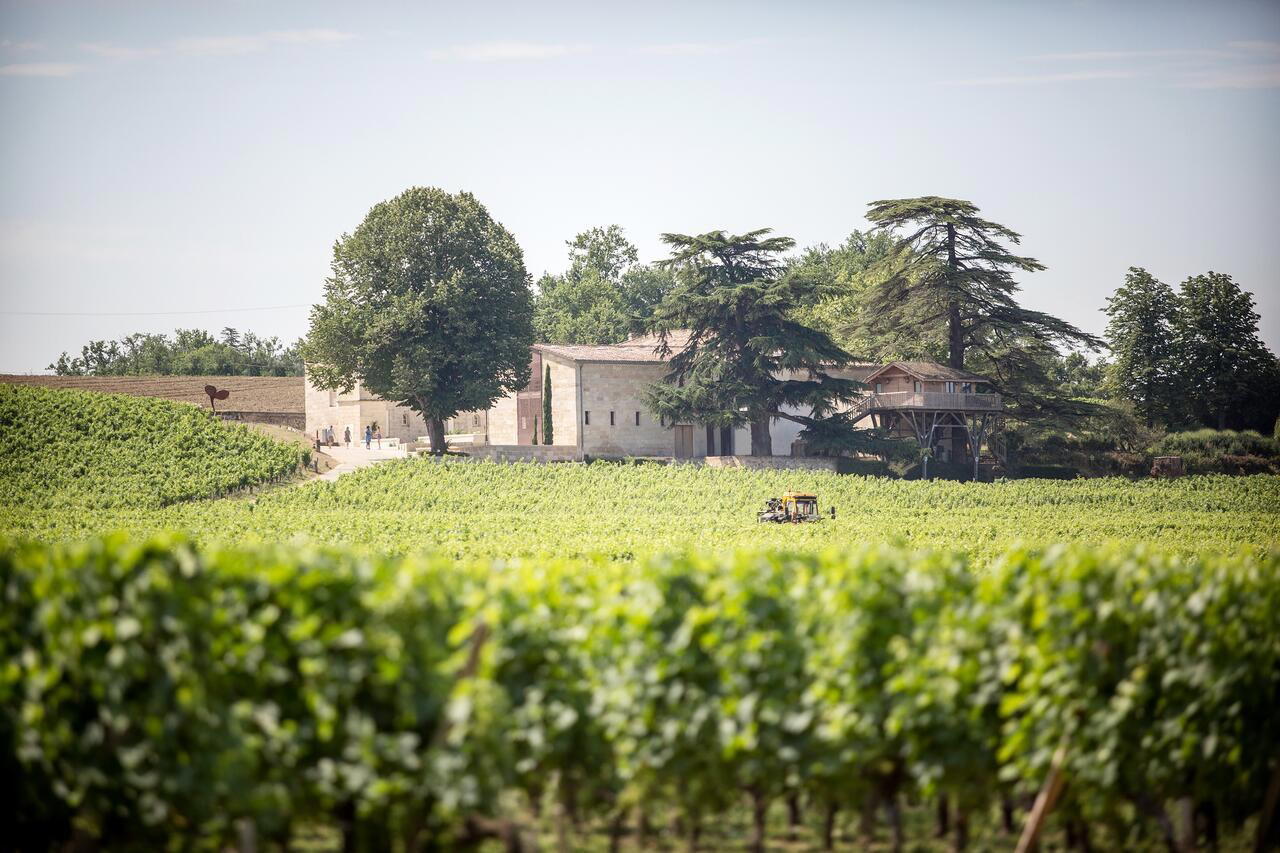
Château de Fonbel gives Saint-Émilion a plainer-spoken Right Bank reading: Merlot-led, shaped by sandy-clay and gravel soils, and marked by unusually high Carmenère and Petit Verdot for the appellation. The draw is not spectacle but proportion, freshness and Vauthier-family technical discipline applied outside the limestone-plateau grandstanding.
Pearl is the En Primeur Club membership app — saves, bookings, and concierge access live there. Same editors, same standards.
- Address
- Saint-Émilion, Libournais, Nouvelle-Aquitaine, Frankreich
 Saves & bookings on Pearl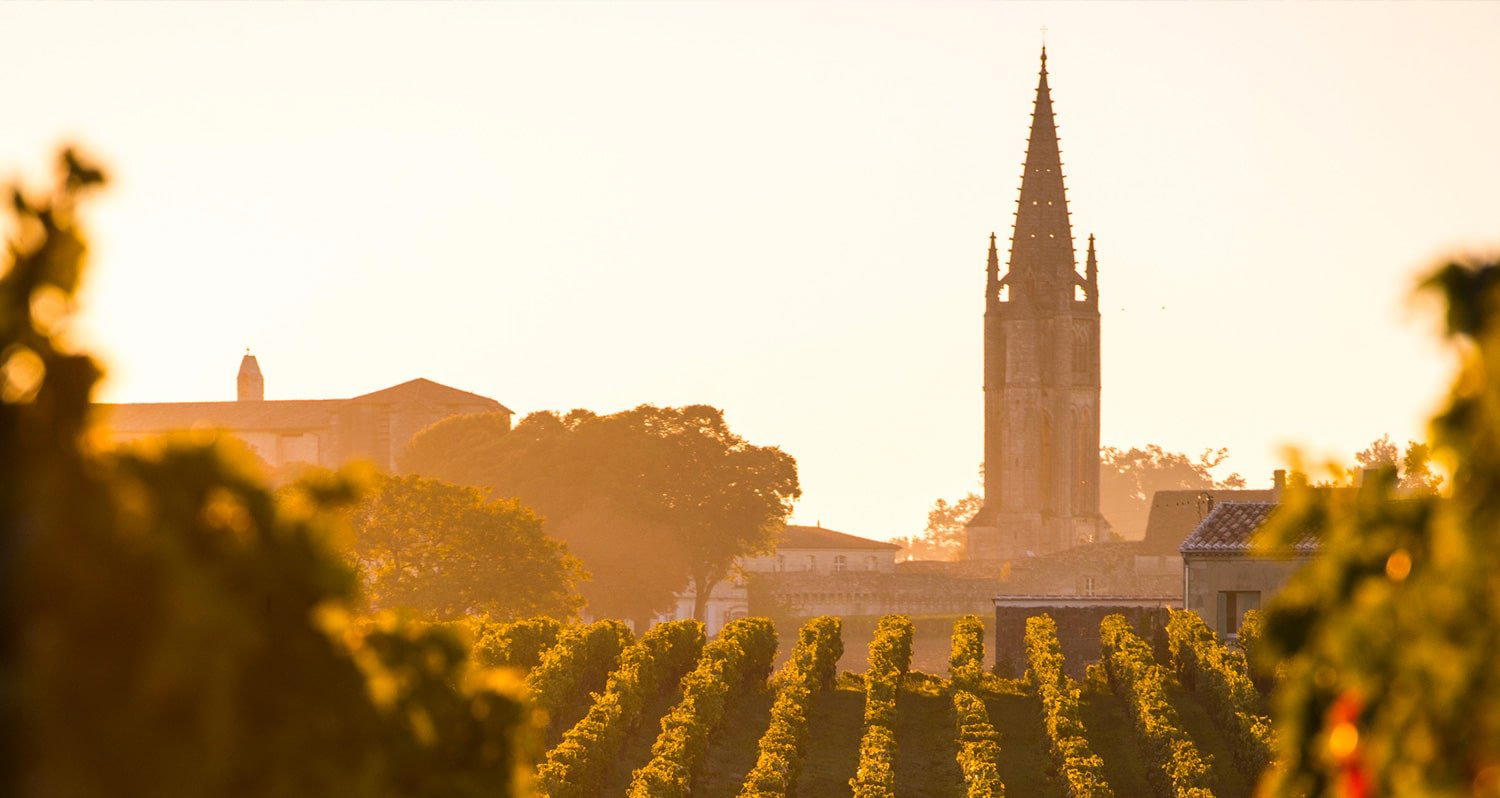
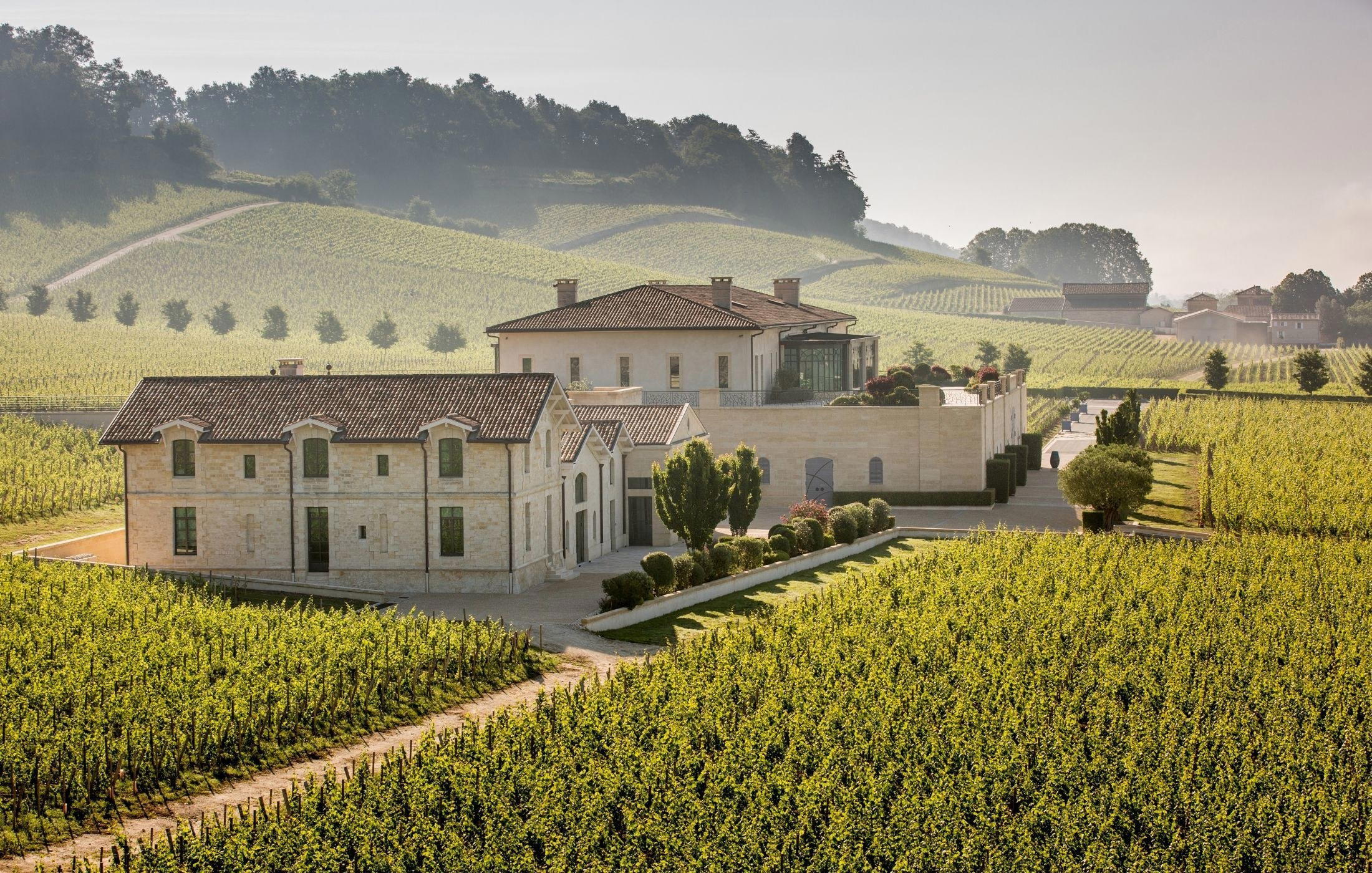
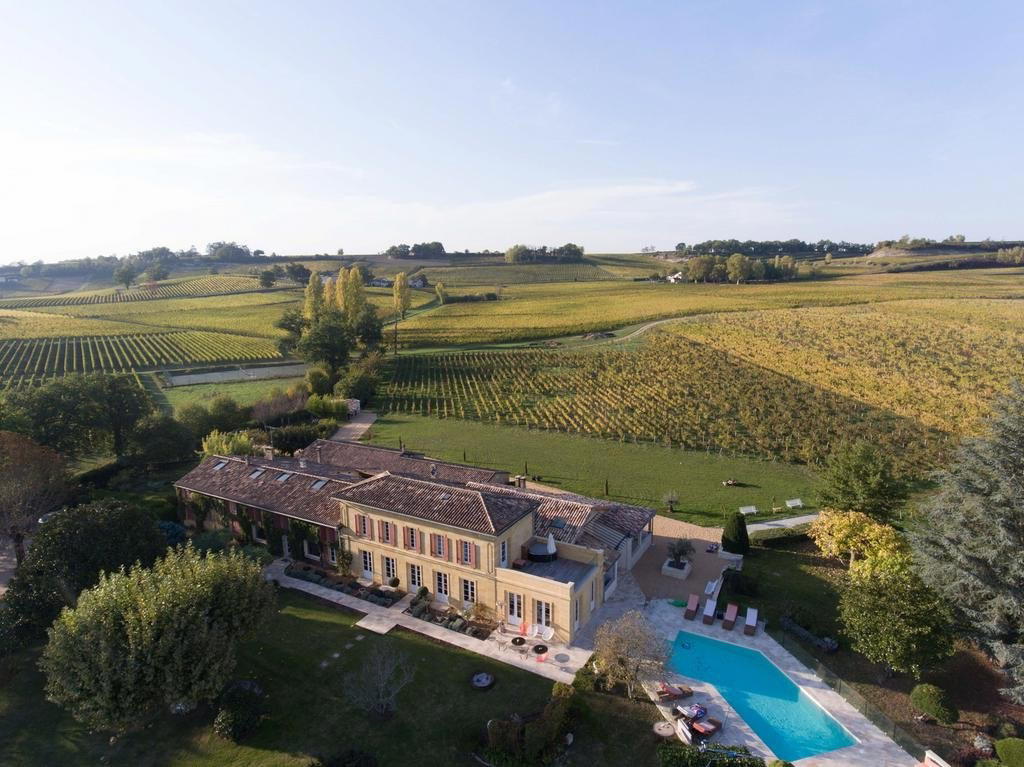
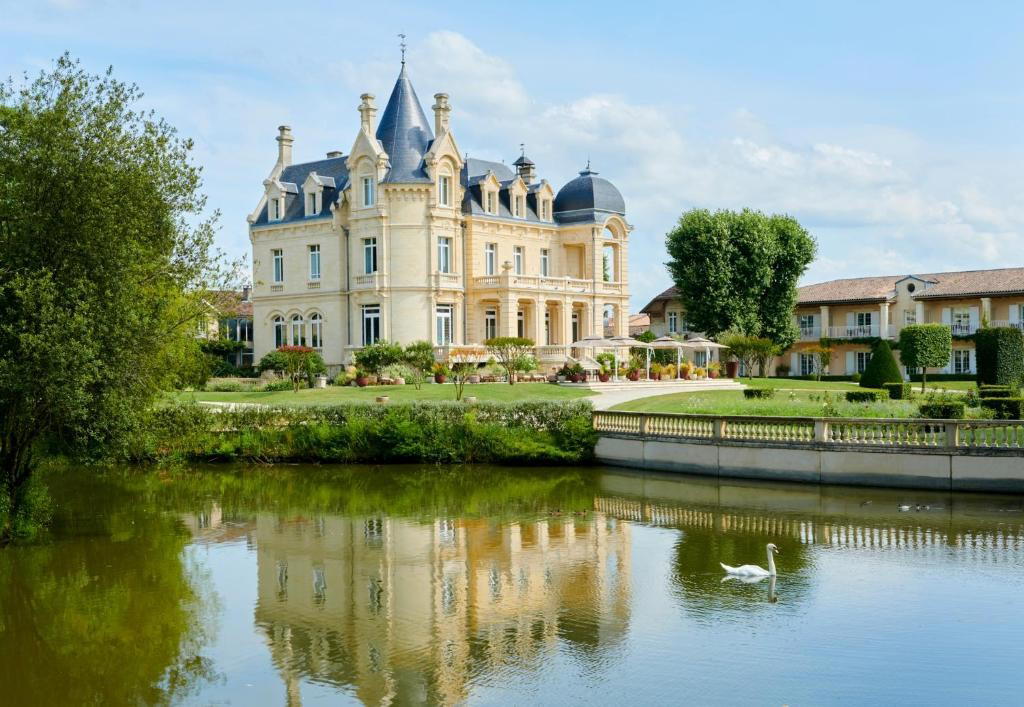
Château de Fonbel is a traditional Right Bank Bordeaux estate in Saint-Émilion. The picture is focused and stylistic rather than encyclopedic: its wines are described through balance, freshness and elegance, with a supple, approachable character that remains lively and structured. The estate is best understood through its sandy-clay and gravel terroir rather than through flashy, high-extraction Bordeaux language. In other words, the useful way into Château de Fonbel is not to search for grand claims or decorative detail, but to look at the shape of the wine itself: composed, fresh, measured and rooted in the quieter side of Saint-Émilion expression.
Sandy-clay Saint-Émilion, read through freshness rather than force
For readers trying to place Château de Fonbel within Saint-Émilion, the key idea is restraint. The wines are associated with sandy-clay and gravel soils, and the style is framed around freshness, balance and elegance rather than weight or showiness. That matters because Saint-Émilion can be discussed in broad terms, and not every estate is best captured by the same vocabulary. Here, the language points away from density for its own sake and toward a more controlled, transparent reading of place.
That makes the winery useful for drinkers who want a Right Bank Bordeaux profile that is supple and approachable without losing structure. The emphasis is on liveliness and clarity rather than a heavily extracted impression. Supple, in this context, should not be read as simple or loose; it suggests a wine whose texture is accessible, whose frame is not aggressive, and whose freshness helps keep the whole profile moving. The structure remains important, but it is described as part of the wine’s balance rather than as a dominant force.
The sandy-clay and gravel reference is also central to how the estate is described. Rather than treating terroir as a decorative footnote, the available information makes it the main lens through which to understand the winery. The result is a Saint-Émilion identity that feels grounded and traditional, with the wines presented as lively, elegant and proportionate. This is not a profile built around maximum impact; it is a profile built around coherence.
Beyond that core style description, specific details such as vineyard size, grape composition, ownership history, production volume and visitor format are not included in the information. That absence is important, because it keeps the description honest. The winery can be discussed confidently in terms of terroir and style, but not by filling in unsupported background or operational detail.
Right Bank character without grand theatrics
The winery’s identity is not built around spectacle. It is presented as a traditional Bordeaux estate whose appeal lies in proportion: freshness, elegance, approachability and enough structure to keep the wines grounded. This gives the estate a clear place within a Right Bank conversation, especially for drinkers who are drawn to Bordeaux but prefer a less theatrical register. The style, as described, is not about overwhelming the table; it is about balance holding the wine together.
No confirmed awards, ratings, critic scores or vintage-specific accolades are included in the information. The safest way to describe the winery is therefore stylistic rather than score-driven. That is also part of its appeal on the page: the estate is not being reduced to numbers or isolated acclaim. Instead, the emphasis remains on what a drinker might expect in broad sensory and structural terms, without implying more precision than the information supports.
In practical terms, think of the winery as a Saint-Émilion estate for drinkers who value balance over flash. Its wines are described as supple, lively and structured, reflecting sandy-clay and gravel terroir rather than a high-extraction style. The combination of those words gives a useful guide: approachable does not mean shapeless, and structured does not mean severe. The character sits between those poles, with freshness helping to keep the profile bright and elegance keeping it composed.
That balanced positioning is what gives the winery its particular usefulness for readers. It offers a way to talk about Saint-Émilion that is rooted in traditional Right Bank identity, but without leaning into grand theatrics or exaggerated power. For those mapping the region by style, it belongs in the category of estates where restraint, clarity and proportion do much of the work.
How to place it in a Saint-Émilion itinerary
For a wine-focused Saint-Émilion visit, the winery can be understood as a traditional Right Bank reference point centered on freshness and elegance. It is best approached as part of a broader understanding of the appellation, especially for readers who want to notice how different estates express balance, texture and structure. Within that kind of itinerary, the estate’s value is conceptual as much as logistical: it helps define a quieter, more measured Saint-Émilion profile.
Readers building a wider Saint-Émilion plan can compare the winery with other dining and wine options in Saint-Émilion in general terms, while keeping this estate’s profile in mind: a $$ Saint-Émilion venue associated with sandy-clay and gravel terroir, supple wines, freshness, balance and structure. The comparison should remain stylistic rather than overly specific, since no visitor format or detailed practical program is provided. As a reference point, however, the winery is direct: traditional Right Bank Bordeaux, read through elegance and freshness rather than force.
Recognition history
Dated appearances from independent guides and award organizations, with the underlying list record or original source where available.
Falstaff Winery - 1 Stars
Falstaff
Continue exploring
More in Saint-Émilion
Wineries in Saint-Émilion
Browse all →
Bars in Saint-Émilion
Browse all →
Restaurants in Saint-Émilion
Browse all →
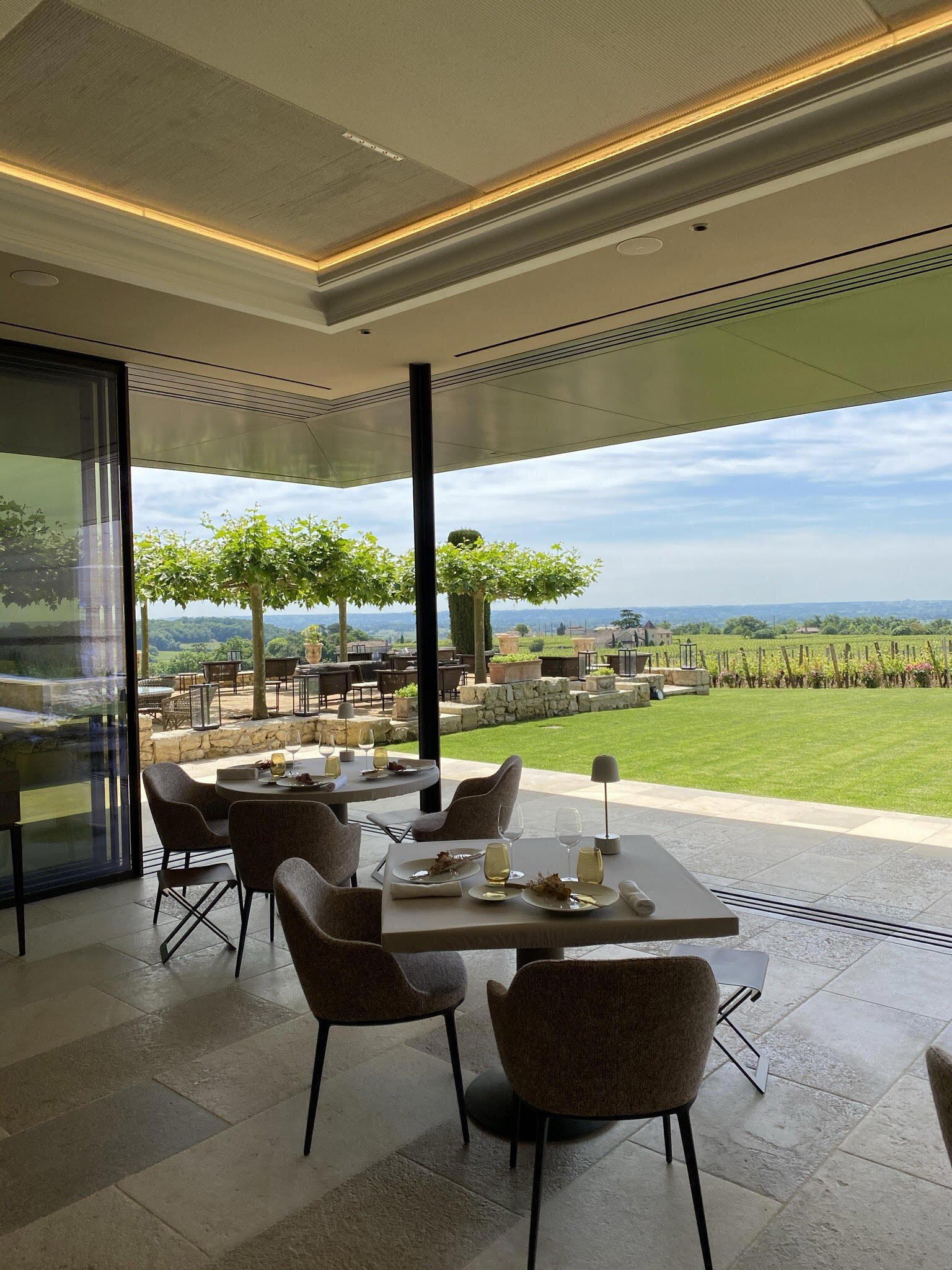
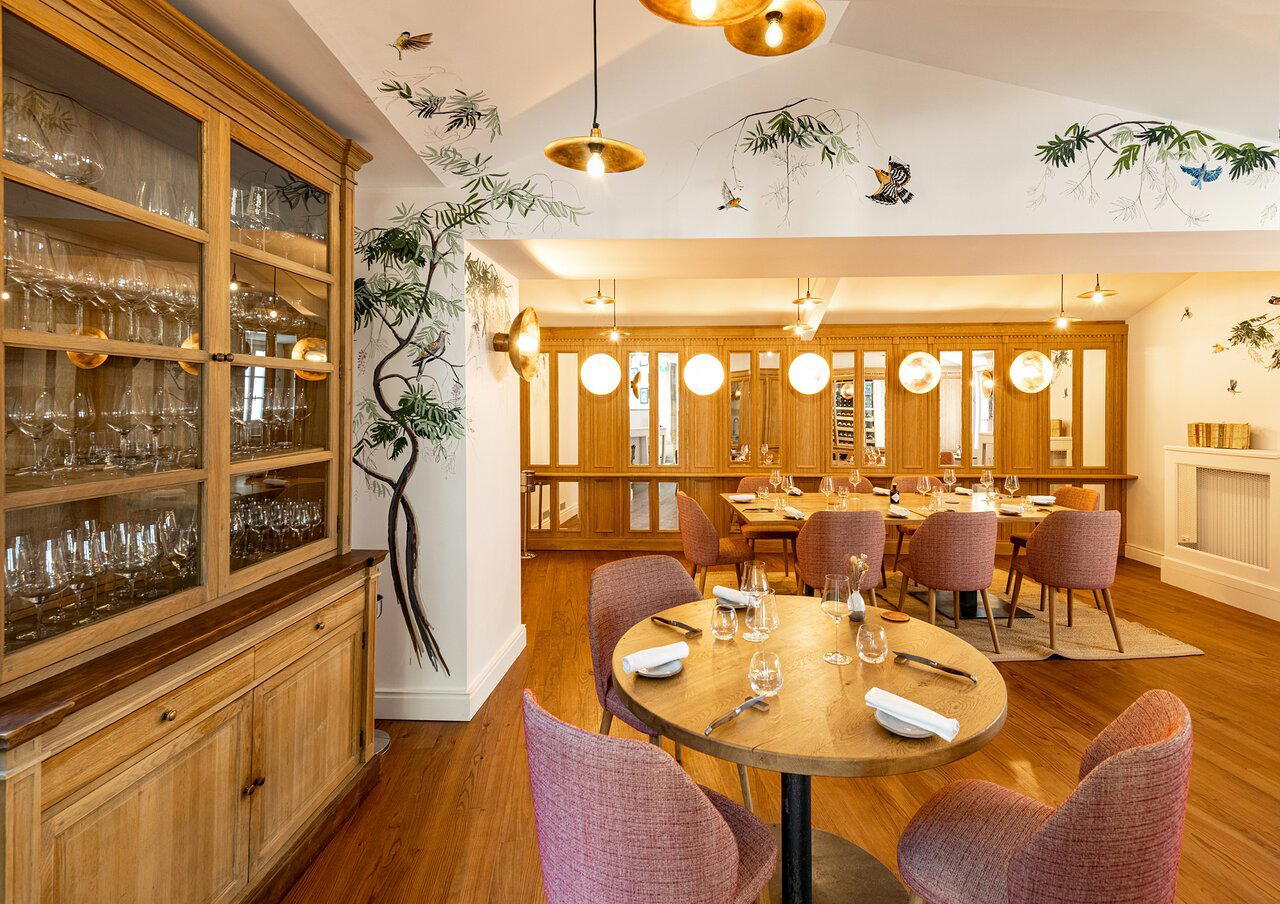
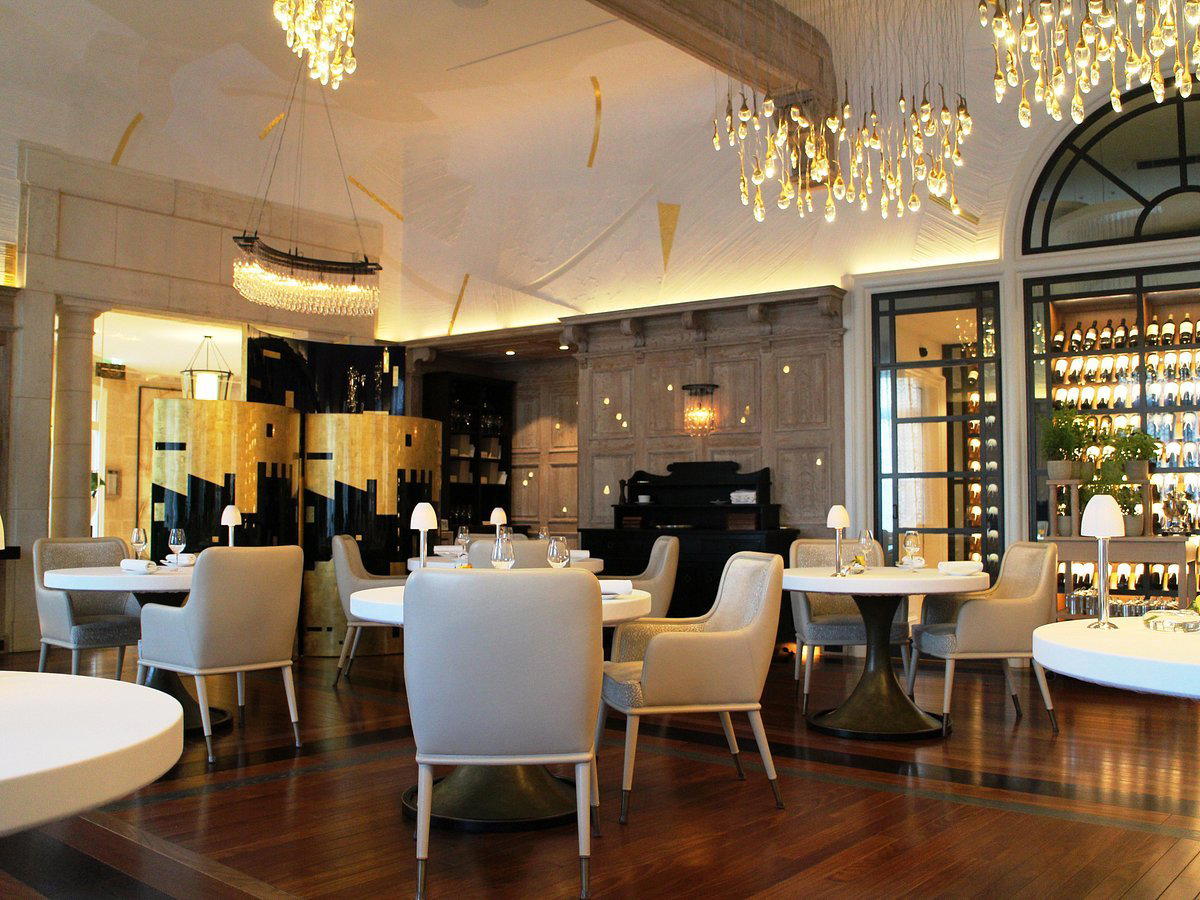
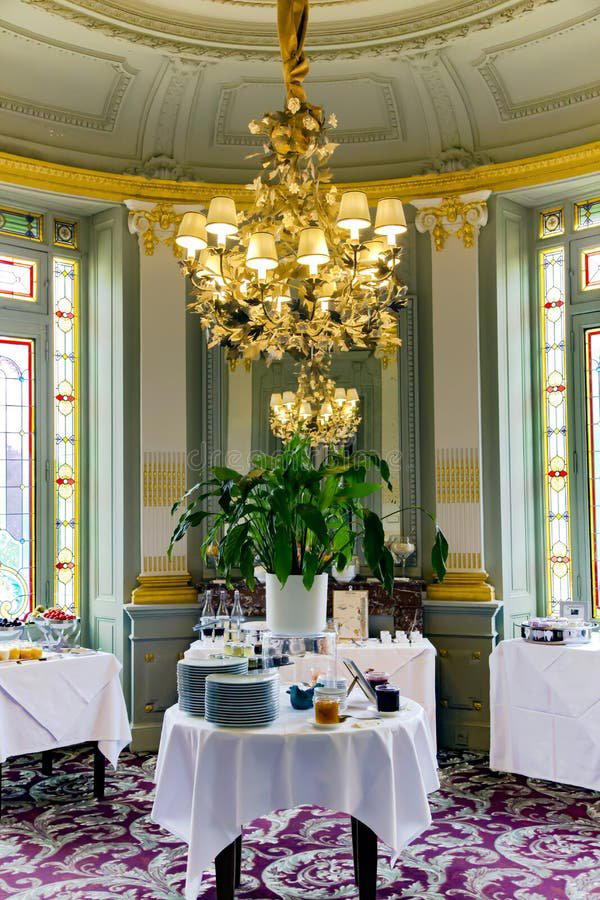
At a Glance
- Classic
- Rustic
- Scenic
- Intimate
- Romantic Getaway
- Solo Exploration
- Wine Education
- Special Occasion
- Group Outing
- Estate Grounds
- Vineyard Tour
- Historic Building
- Sustainable
- Vineyard
- Garden
- Saint Émilion Grand Cru AOC
- Merlot
- Cabernet Sauvignon
- Petit Verdot
- Carmenère
- Cabernet Franc
- Still Red
- Standard Tasting
- Estate Tasting
Traditional Right Bank Bordeaux estate focused on balance, freshness and elegance, with wines described as supple, approachable, and lively yet structured, reflecting sandy-clay and gravel terroir rather than flashy, high-extraction styles.