Château Clos de Sarpe

Falstaff Winery - Listed
Château Clos de Sarpe is a small Saint-Christophe-des-Bardes estate for drinkers who care about limestone, old vines, and restrained cellar work more than showpiece architecture. Its Saint-Émilion Grand Cru identity rests on Merlot-led reds from a 3–3.7 hectare family property, organic farming, concrete tanks, French oak, and a quiet appointment-only visit format.

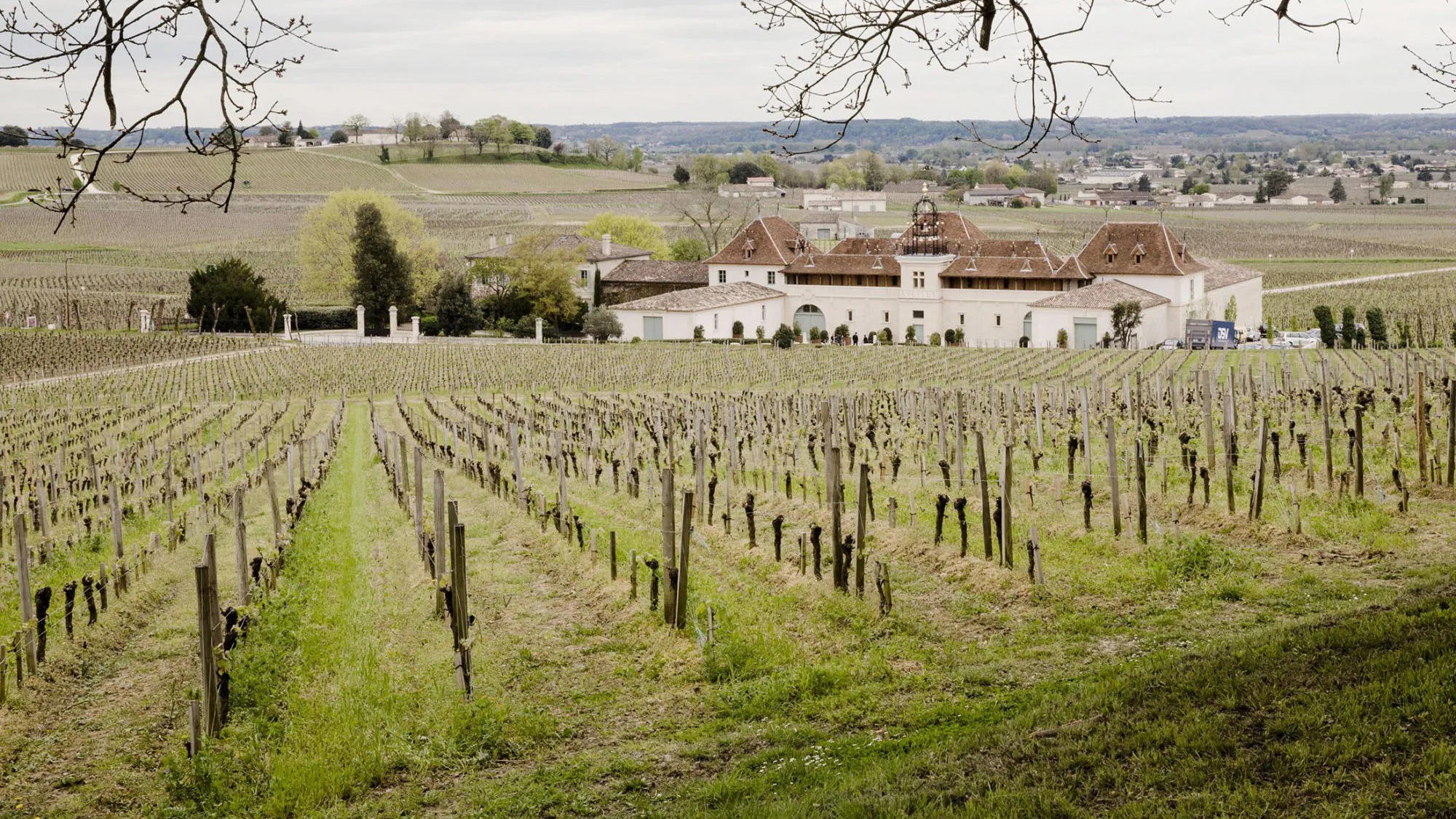
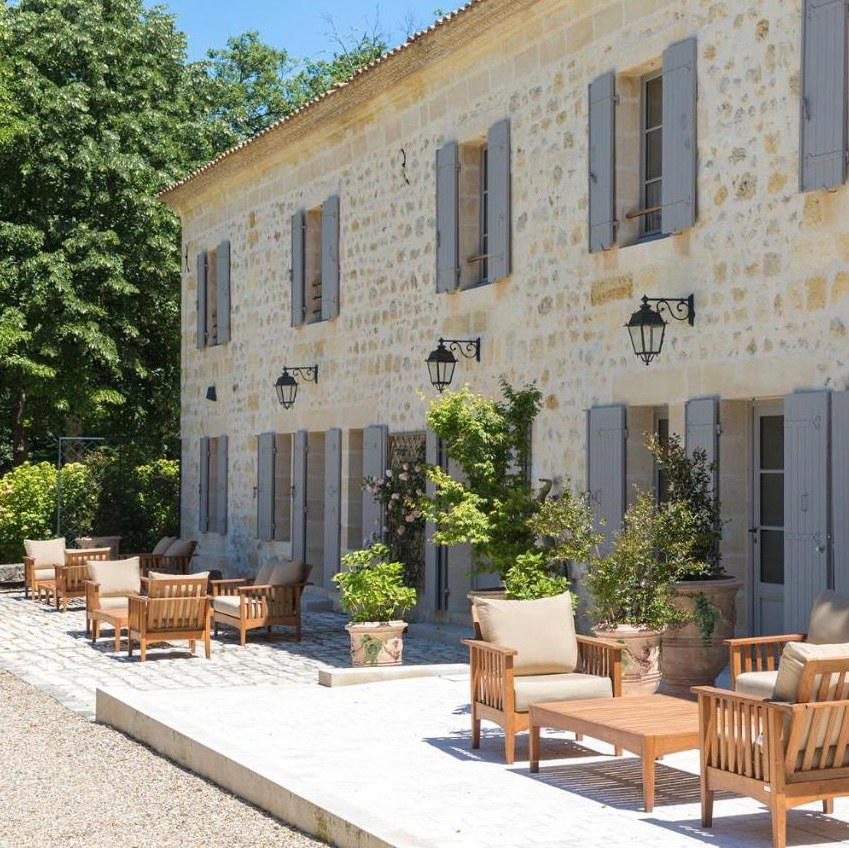
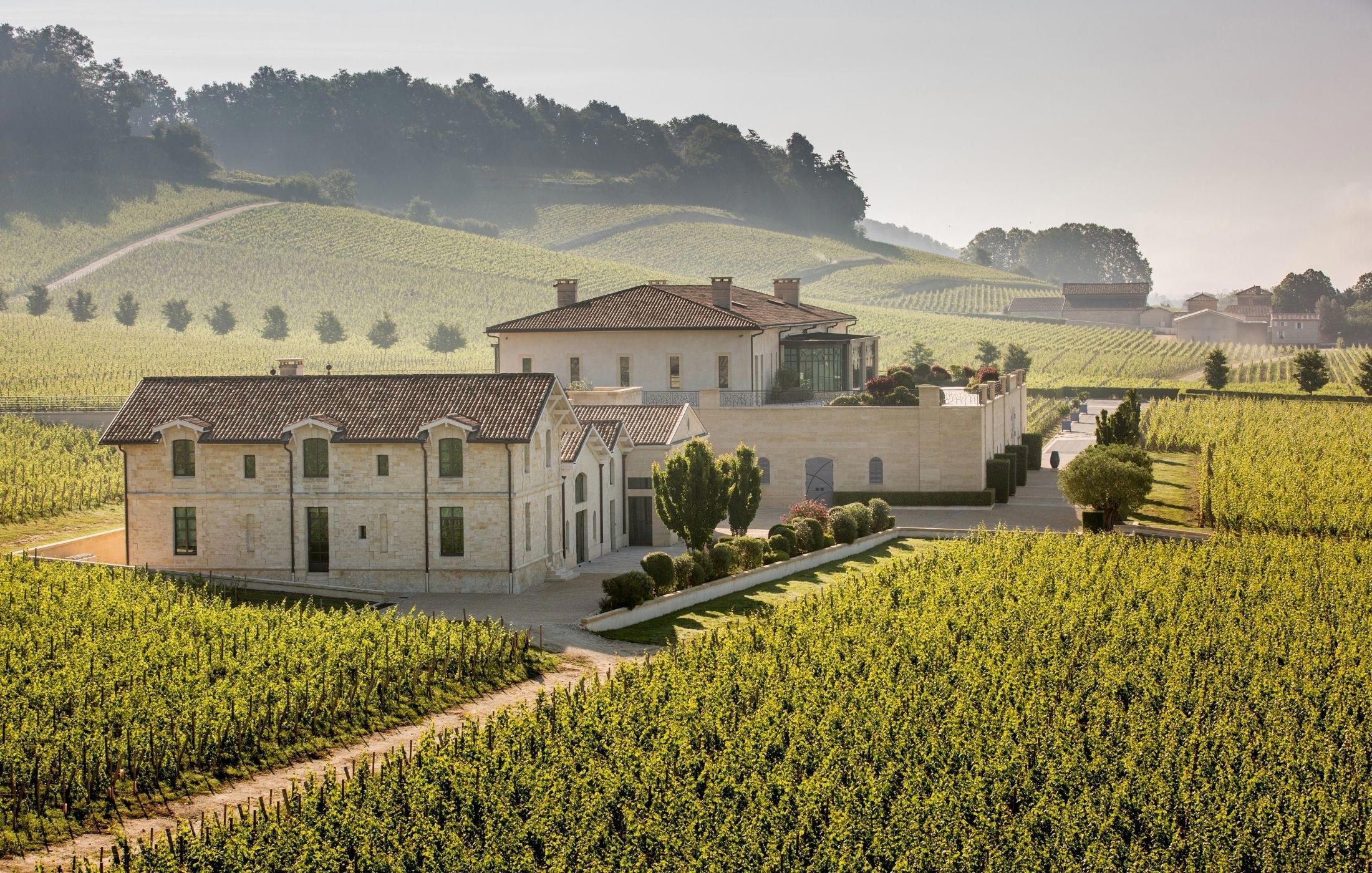
Château Clos de Sarpe is best understood as a small, family-run Saint-Émilion Grand Cru Classé estate in Saint-Christophe-des-Bardes, not as a grand architectural stop. Its appeal is rooted in the essentials: old vines, a limestone plateau, and an intimate vineyard-and-cellar setting where the emphasis falls on precision, tradition, and low-input winemaking. For travellers looking beyond showpiece Bordeaux addresses, that makes the estate a focused way to read Saint-Émilion through scale, soil, and cellar restraint.
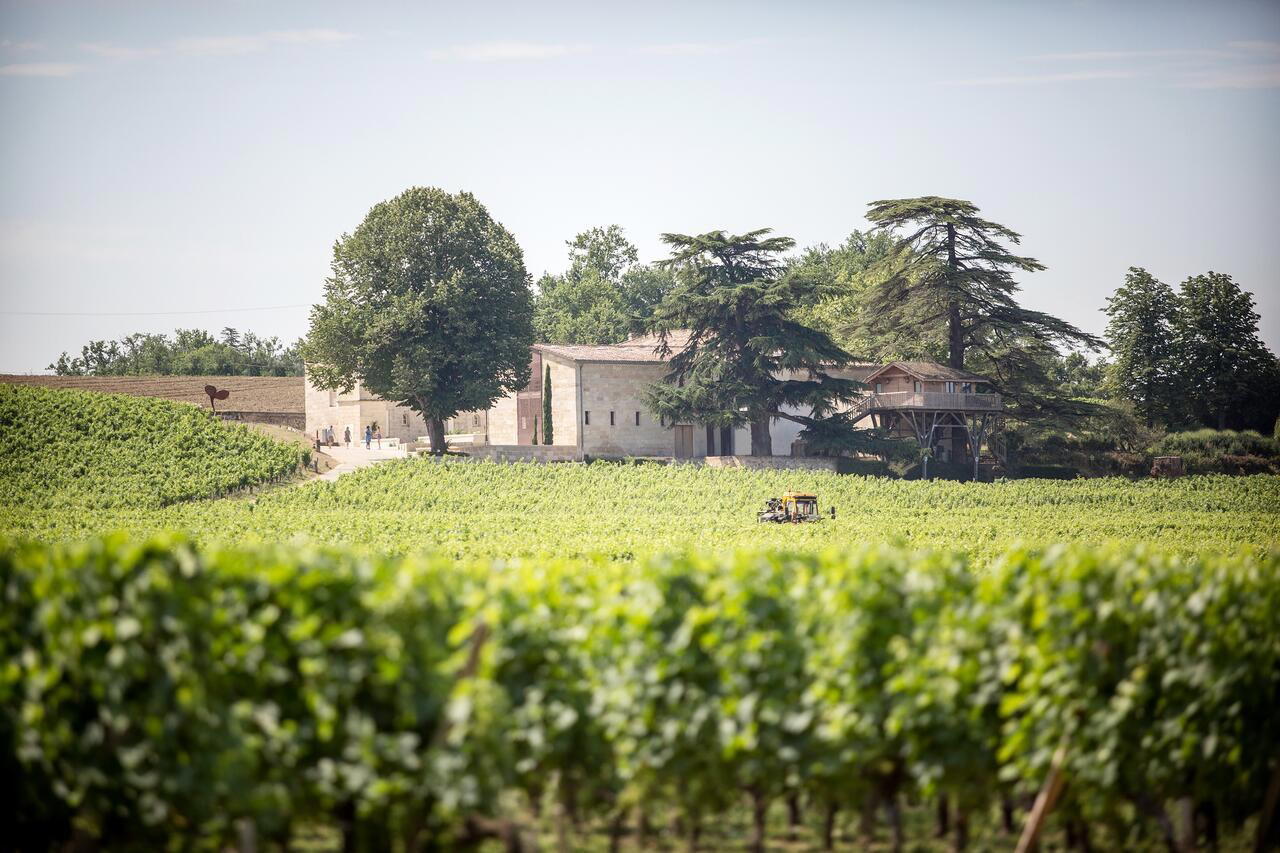
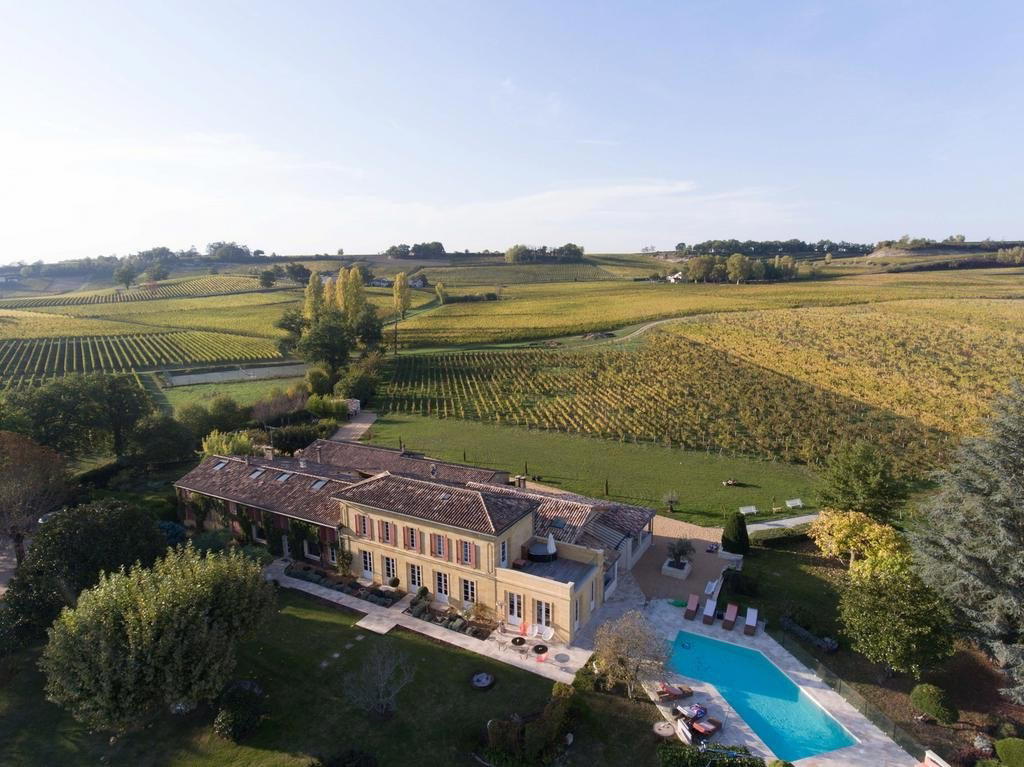
The useful frame is not spectacle but proportion. Clos de Sarpe belongs to the quieter side of Saint-Émilion wine travel, where a compact estate can make its case through vineyard character rather than visitor-facing grandeur. The setting in Saint-Christophe-des-Bardes matters because it keeps the experience close to the land: vines, cellar, and the working rhythm of a family property are the central points of interest.
Limestone, old vines, and the Saint-Émilion argument for freshness
Saint-Émilion is often discussed through reputation, classification, and collectability, but Château Clos de Sarpe invites a more grounded conversation. The draw here is the combination of old vines and a limestone plateau. Those two facts are enough to explain why the estate is compelling for wine travellers who care about structure, freshness, and the way site can shape a wine’s profile.
Old vines are not just a romantic phrase in this context. They suggest continuity, patience, and a vineyard identity that has developed over time. On a limestone plateau, that sense of age is paired with a soil setting often associated with tension and precision. The point is not to reduce the estate to a technical formula, but to understand why Clos de Sarpe’s reputation rests less on external display and more on vineyard character.
The estate’s low-input approach also fits that argument. Rather than presenting the property as a highly staged Bordeaux attraction, the stronger reading is agricultural: a small family estate working from old vines, in a limestone setting, with an emphasis on natural methods and precision. For visitors, that makes the experience especially appealing if the goal is to understand how a classified Saint-Émilion property can feel intimate rather than monumental.
Concrete, oak, and a cellar style that avoids the museum tour
The information supports describing the cellar setting as traditional and intimate, not as a museum-like spectacle. That distinction matters. At Château Clos de Sarpe, the cellar is part of the estate’s working identity: a place tied to the vineyard rather than a detached display space. The strongest reason to pay attention is how the cellar reinforces the property’s broader character, small scale, low-input winemaking, and a preference for precision over architectural drama.
Because the estate is a Saint-Émilion Grand Cru Classé, some visitors may arrive expecting the full choreography of Bordeaux prestige. Clos de Sarpe points in a different direction. Its value lies in the closeness between vines and cellar, and in the sense that the wine is being presented through place rather than through a large hospitality apparatus. That makes it a better fit for travellers who want a direct, traditional estate experience than for those seeking a polished, high-volume visitor circuit.
This does not mean the estate is casual or anonymous. Its classification and setting give it weight, but the weight is expressed through discipline. The description emphasizes natural, low-input winemaking and precision. Those are important words because they define the tone: Clos de Sarpe is not trying to impress through scale; it is trying to make the site legible.
Who should make time for this small-estate visit
Château Clos de Sarpe is a strong fit for wine travellers who prefer close vineyard and cellar context over grand façades. The estate’s identity is intimate, traditional, and family-run, with old vines on a limestone plateau. If your interest in Saint-Émilion is mainly about how a site expresses itself through the vineyard and cellar, this is the kind of property that deserves attention.
It is also useful for visitors building a more complete picture of Saint-Christophe-des-Bardes. The commune can be treated simply as part of the wider Saint-Émilion orbit, but Clos de Sarpe shows why it is worth slowing down. The estate’s limestone setting, old vines, and low-input approach make it a focused example of how a small classified property can communicate terroir without relying on spectacle.
When comparing options in the area, keep the comparison general unless you are looking specifically at Château Clos de Sarpe itself. Other dining, lodging, and wine experiences around Saint-Christophe-des-Bardes may shape the wider itinerary, but this estate’s appeal is quite specific: a tiny, family-run Saint-Émilion Grand Cru Classé property with a traditional vineyard-and-cellar feel.
The case for Château Clos de Sarpe is therefore concise and persuasive. It offers an intimate setting in Saint-Christophe-des-Bardes, old vines on a limestone plateau, and a low-input winemaking philosophy focused on precision. In a region where prestige can easily become abstract, Clos de Sarpe is best approached as a grounded reminder that Saint-Émilion’s most interesting stories often begin with vines, soil, and restraint.
Frequently asked questions
How would you describe the overall feel of Château Clos de Sarpe?
It feels intimate and traditional, with a quiet vineyard and cellar setting in Saint-Christophe-des-Bardes. The estate is small, family-run, and centered on very old vines on a limestone plateau rather than showpiece architecture.
Is Château Clos de Sarpe expensive?
Pricing at Château Clos de Sarpe is listed as $$$.
What part of town is Château Clos de Sarpe in?
Château Clos de Sarpe is in Saint-Christophe-des-Bardes.
Why do people go to Château Clos de Sarpe?
People are drawn to Château Clos de Sarpe for its intimate Saint-Émilion Grand Cru Classé estate setting, very old vines, limestone plateau, and emphasis on natural, low-input winemaking with precision.
How far ahead should I plan for Château Clos de Sarpe?
Plan using current information from Château Clos de Sarpe before travelling to Saint-Christophe-des-Bardes.
Is Château Clos de Sarpe better for first-timers or repeat visitors?
It can suit either, especially travellers who want a quieter, vineyard-focused view of Saint-Émilion Grand Cru Classé rather than a large architectural showcase. Repeat visitors to the region may particularly appreciate the estate’s small scale and traditional feel.
Recognition history
Dated appearances from independent guides and award organizations, with the underlying list record or original source where available.
Falstaff Winery - Listed
Falstaff
Request a visit to Château Clos de Sarpe
Tell us when you would like to go and how many people, and we put the request to the estate and reply to you by email.
Continue exploring
More in Saint-Christophe-des-Bardes
Wineries in Saint-Christophe-des-Bardes
All wineries in Saint-Christophe-des-Bardes →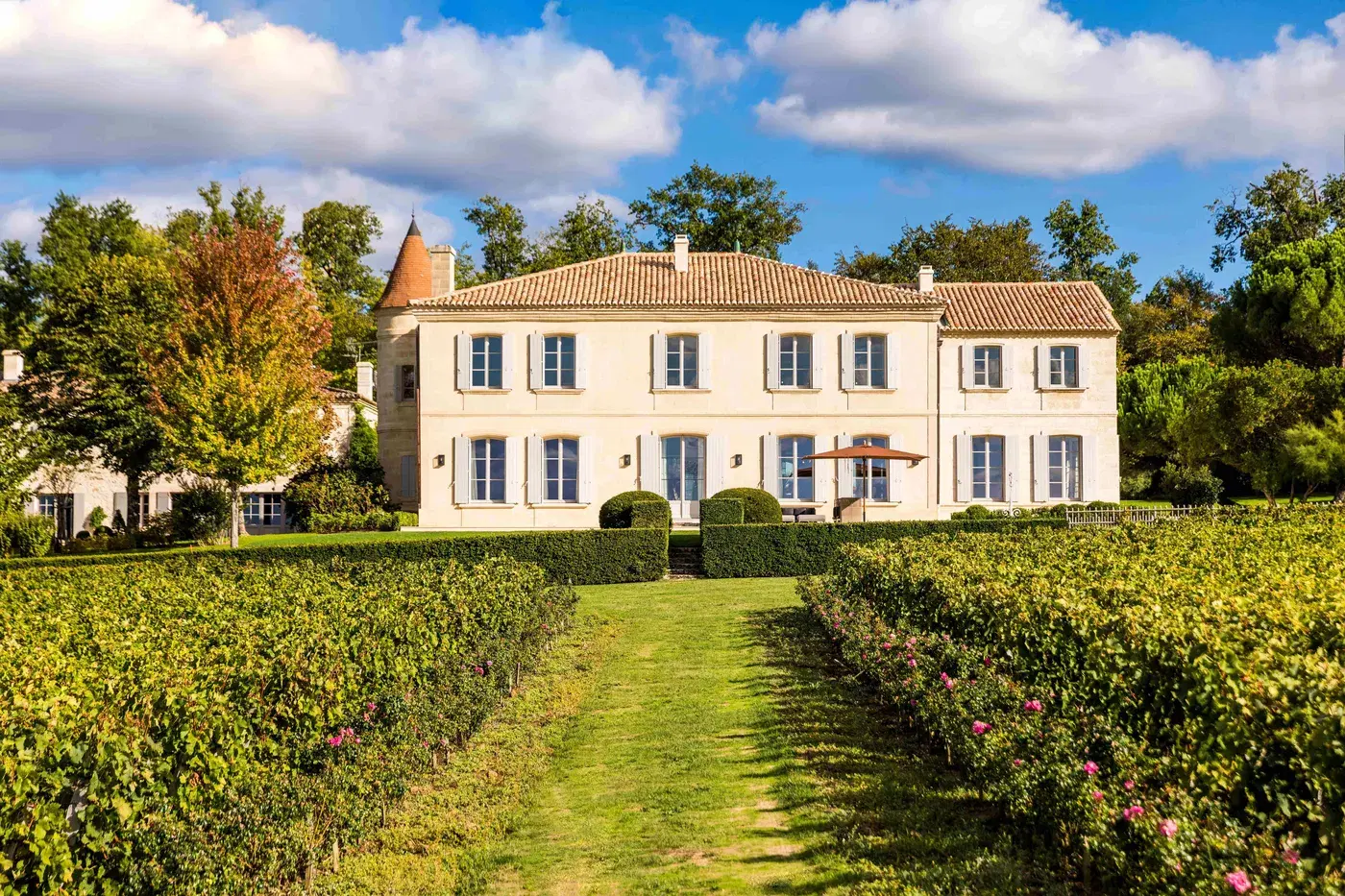
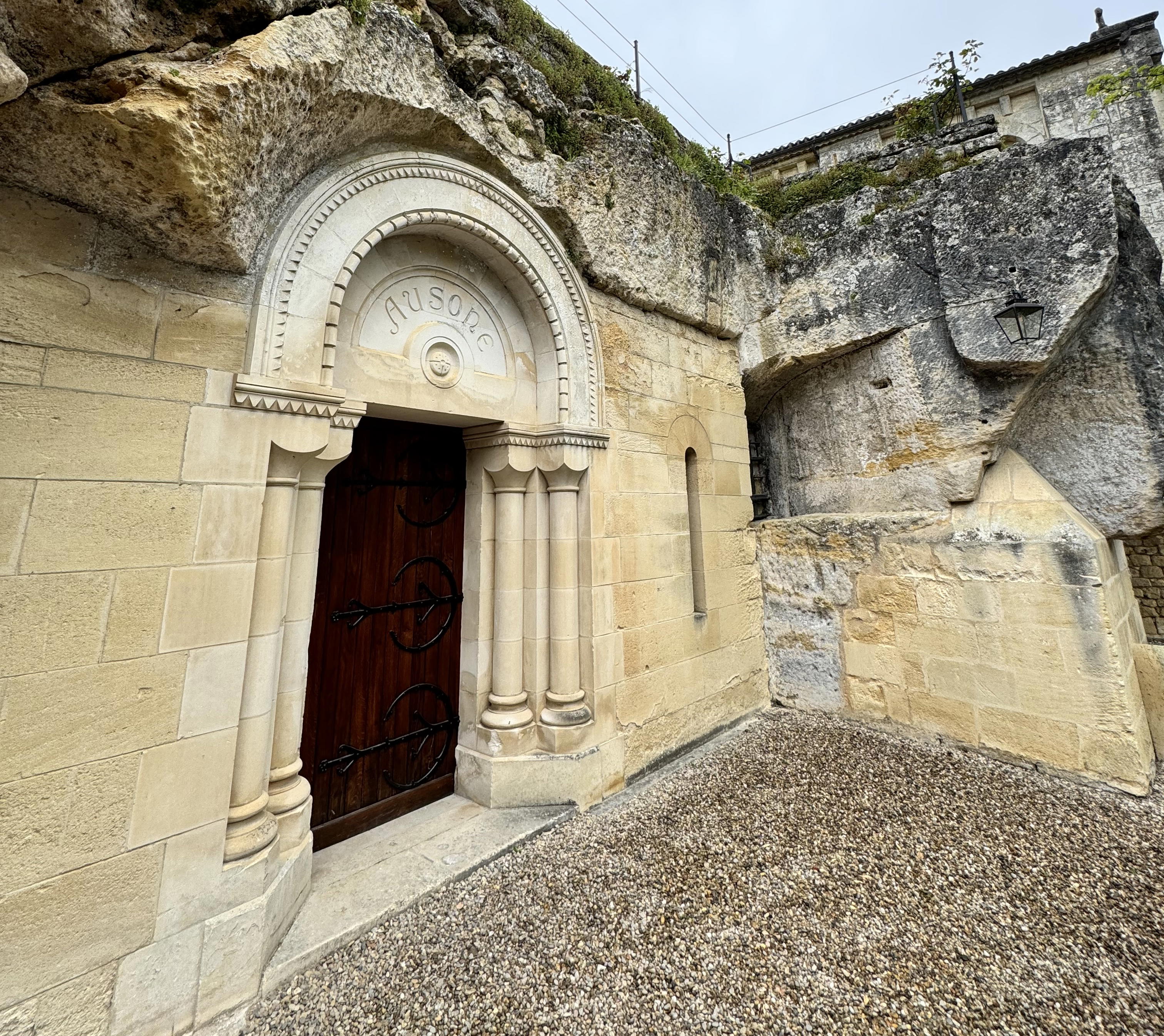
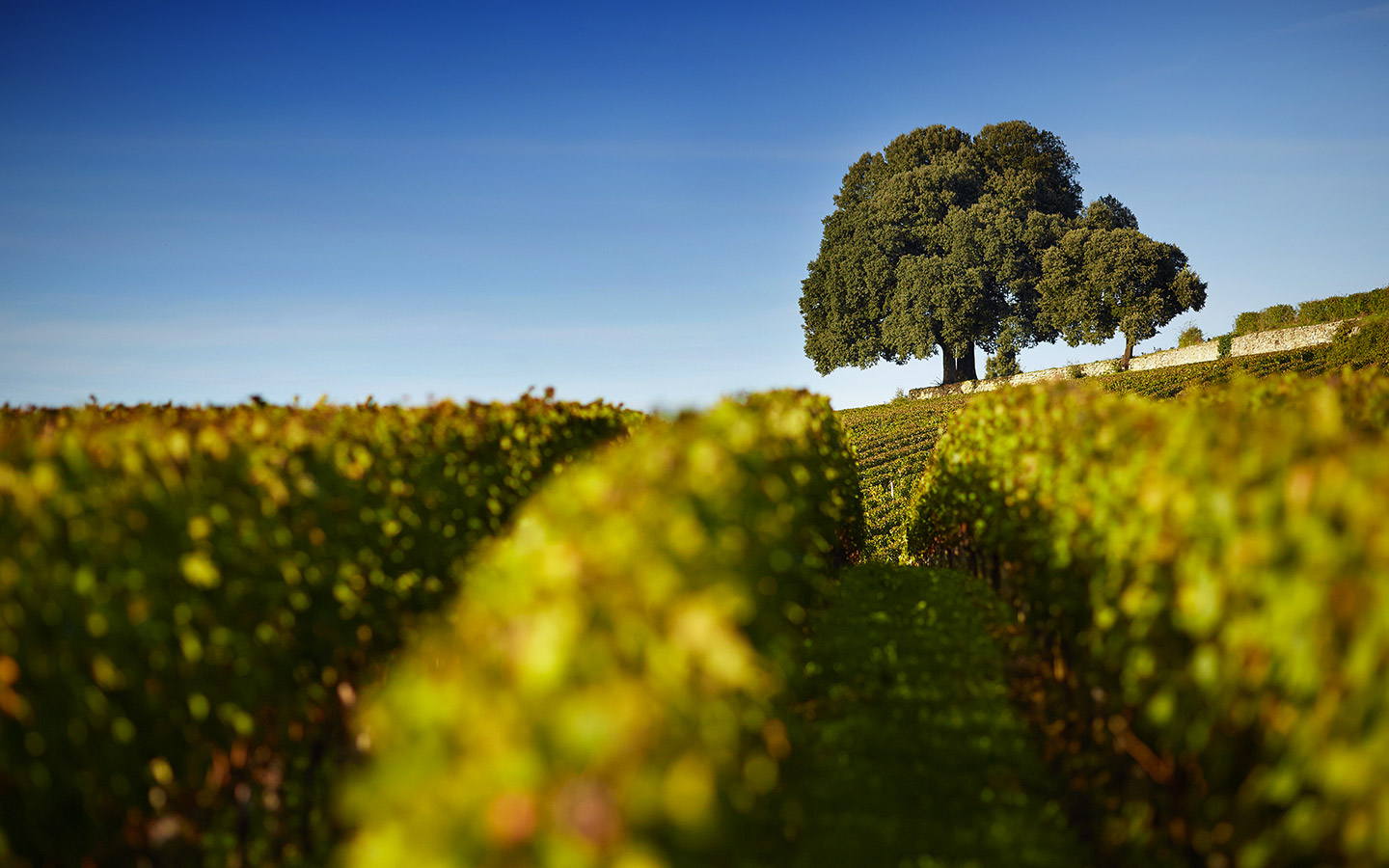
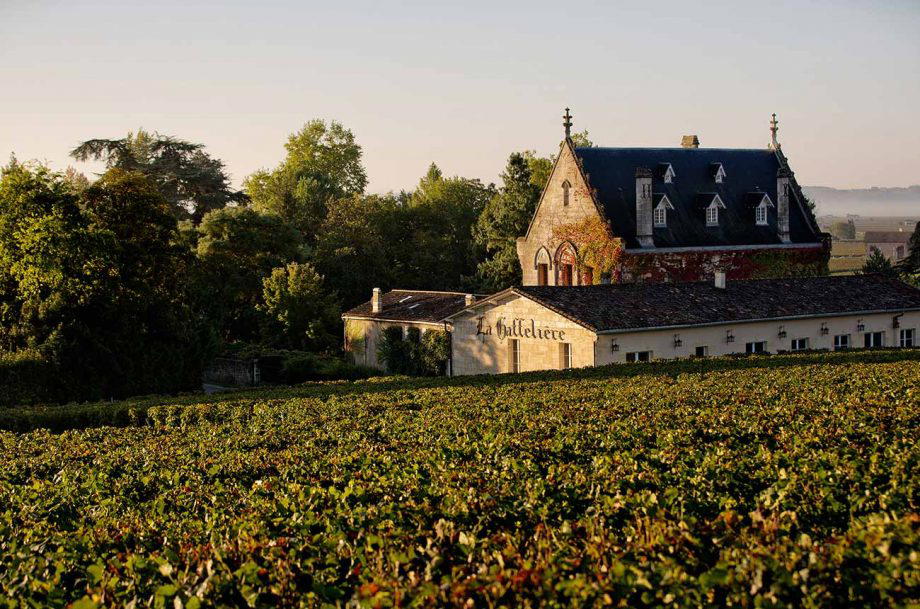
Bars in Saint-Christophe-des-Bardes
Browse all →

Restaurants in Saint-Christophe-des-Bardes
Browse all →
Details
- Classic
- Rustic
- Scenic
- Intimate
- Elegant
- Romantic Getaway
- Group Outing
- Wine Education
- Special Occasion
- Solo Exploration
- Vineyard Tour
- Estate Grounds
- Historic Building
- Private Tasting
- Barrel Room
- Organic
- Vineyard
- Garden
- Merlot
- Cabernet Franc
- Still Red
- Estate Tasting
- Private Tasting
- Vineyard Tour And Tasting
- English
- French
Tiny, family-run Saint-Émilion Grand Cru Classé estate with old vines on a limestone plateau, offering an intimate, traditional cellar and vineyard setting that emphasizes natural, low‑input winemaking and precision rather than architectural spectacle.