Château Cap de Faugères

Château Cap de Faugères reads as a Right Bank estate where Castillon-Côtes de Bordeaux terroir is presented through a Saint-Émilion lens: Merlot-led reds, clay-limestone hillsides, and a polished architectural setting. The draw is the combination of vineyard amphitheater, Mario Botta’s cathedral-like cellar, and a focused tasting format tied to Vignobles Silvio Denz.
Pearl is the En Primeur Club membership app — saves, bookings, and concierge access live there. Same editors, same standards.
- Address
- Saint-Émilion, Cotes de Castillon, Nouvelle-Aquitaine, Frankreich
 Saves & bookings on Pearl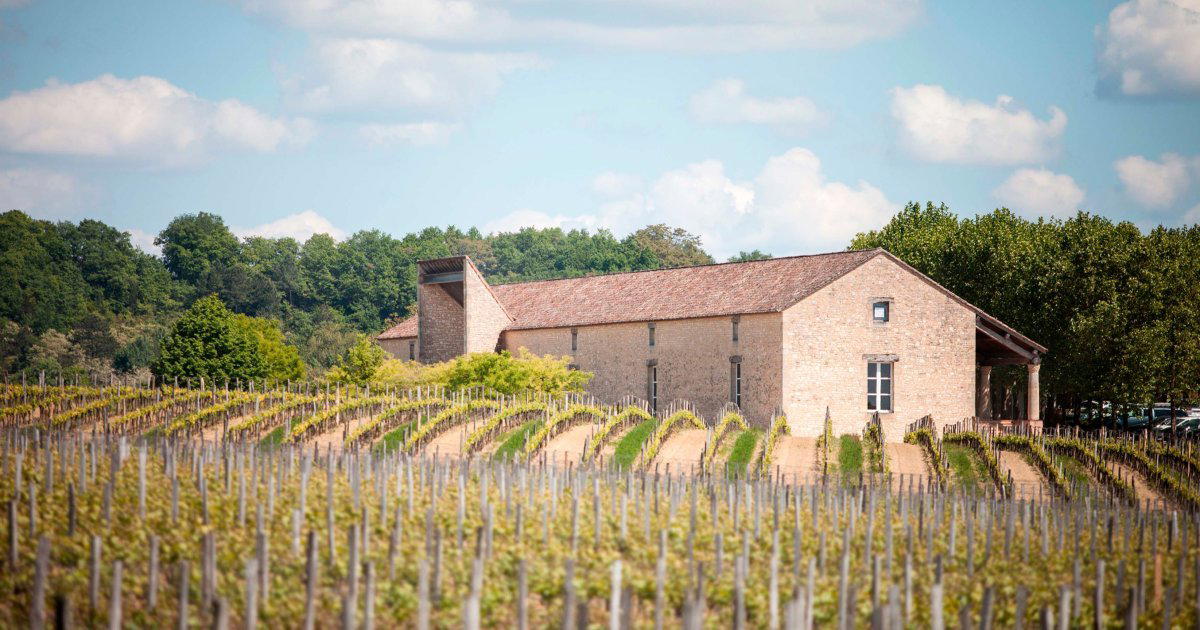
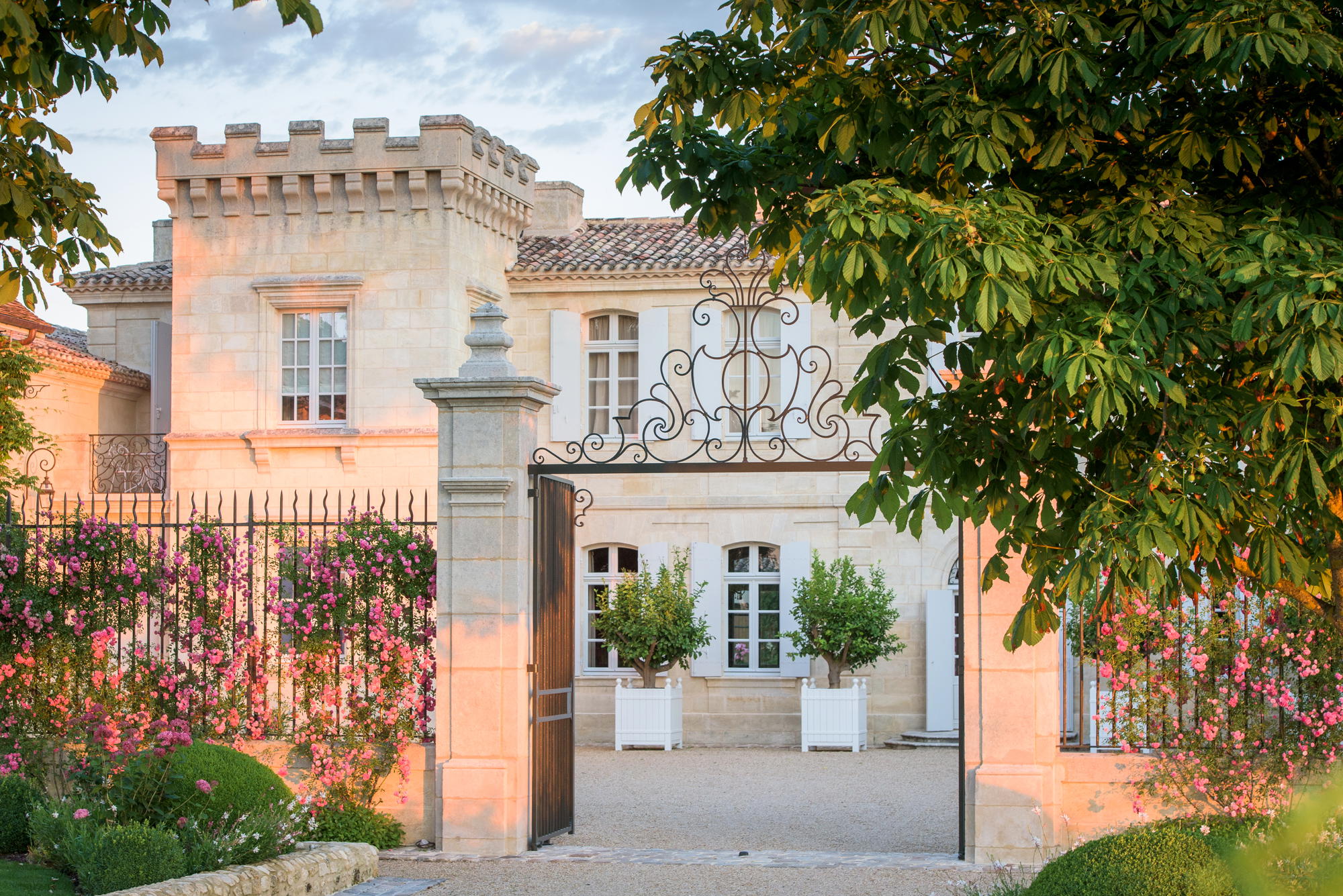
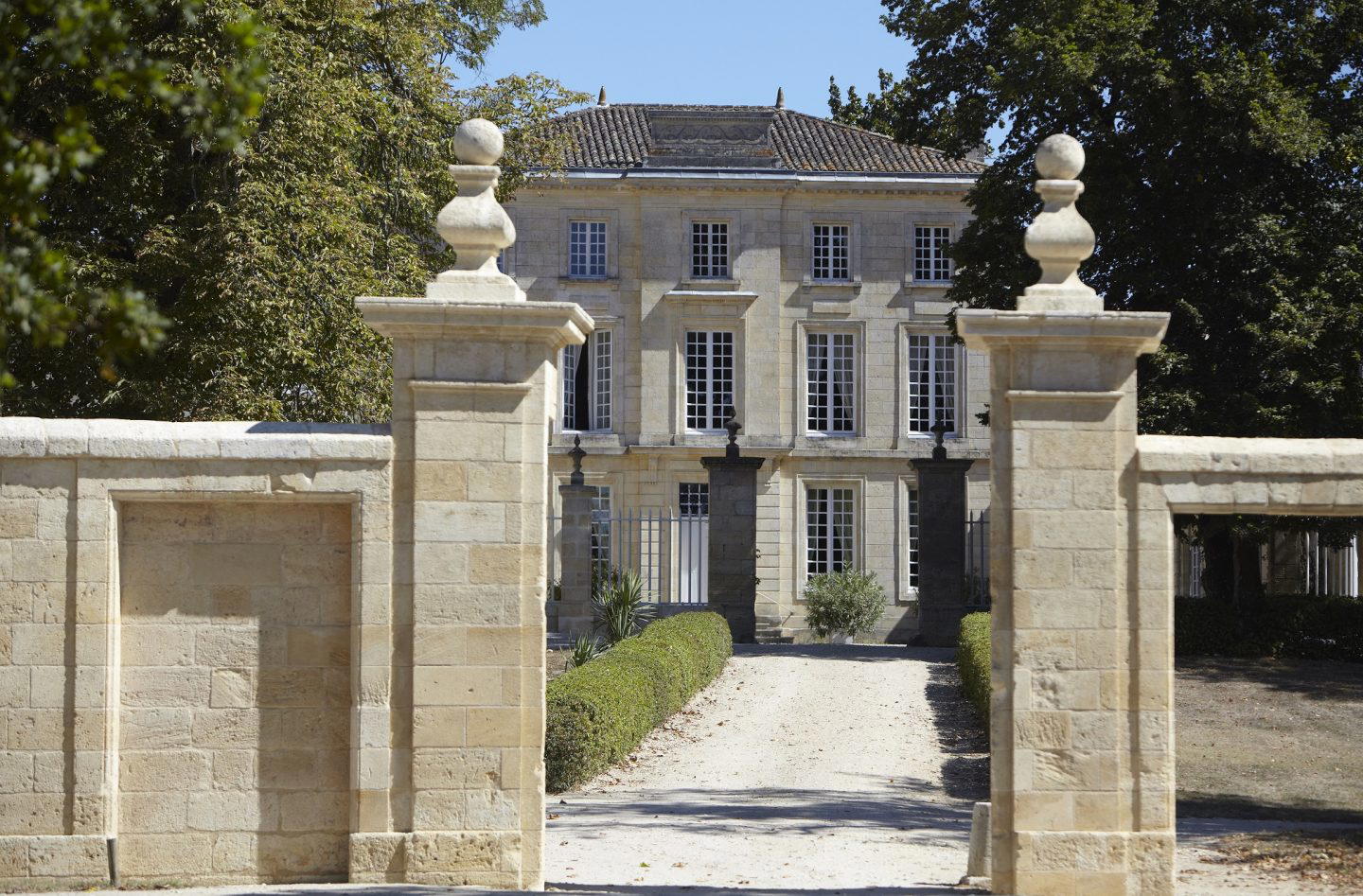
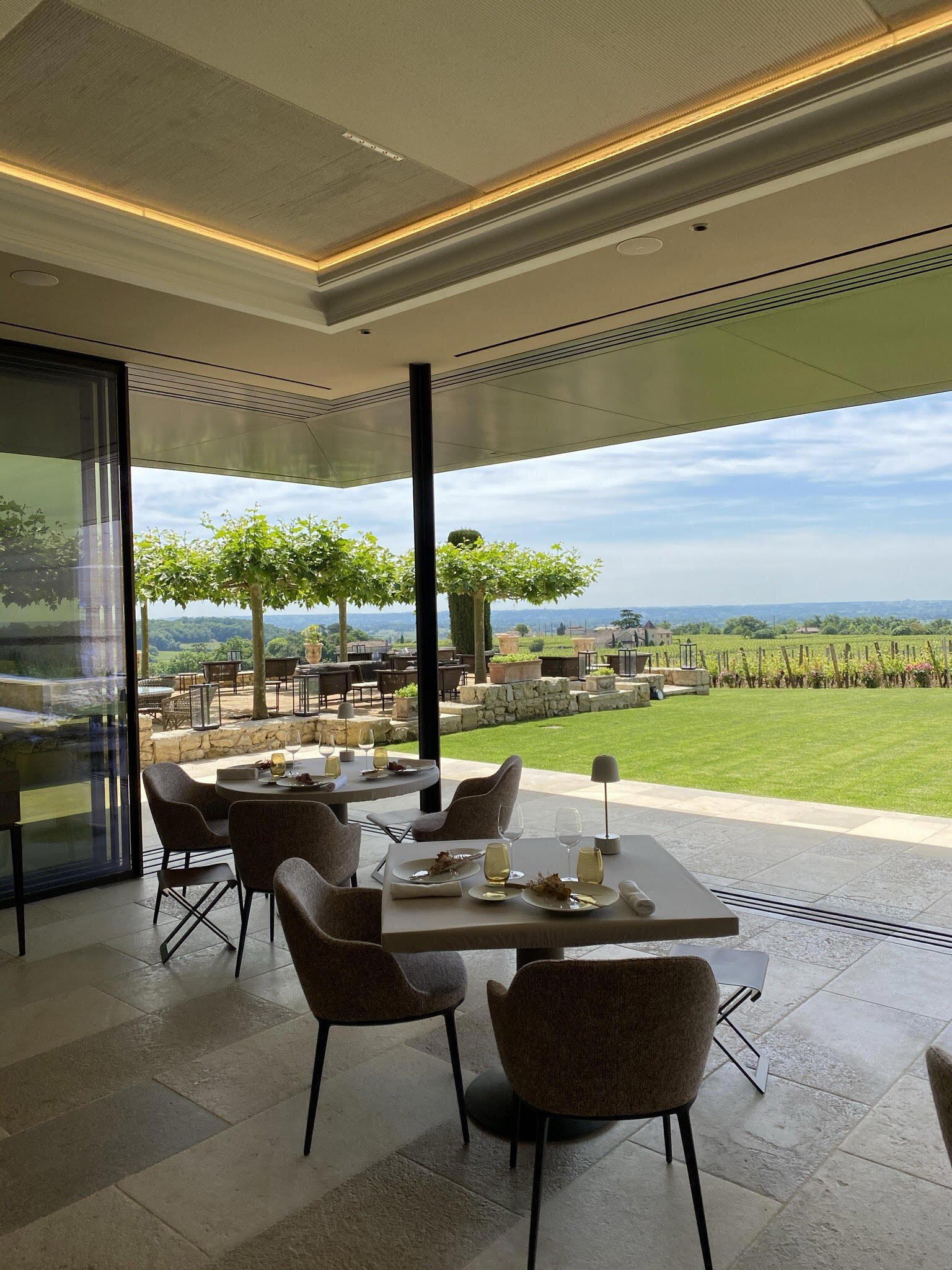
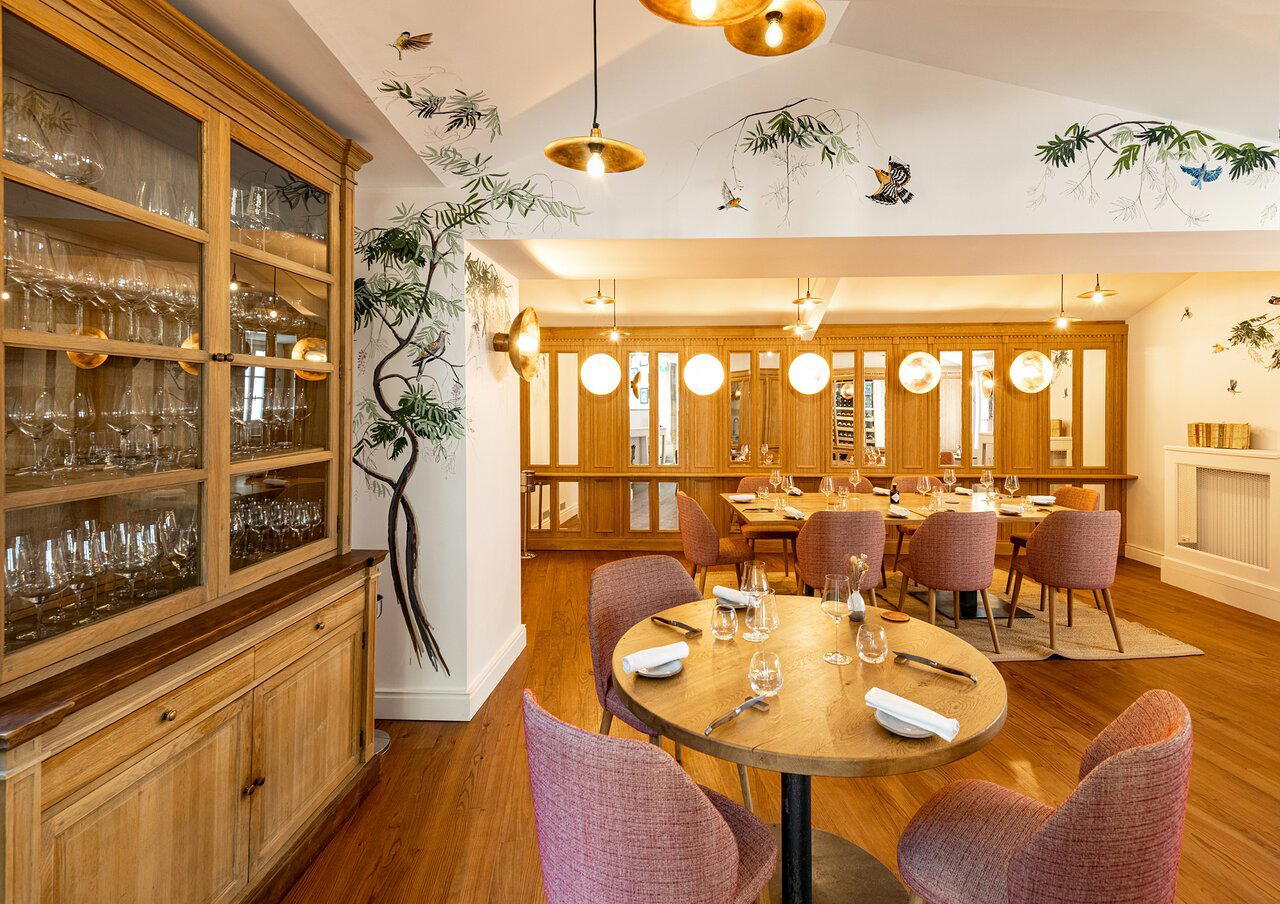
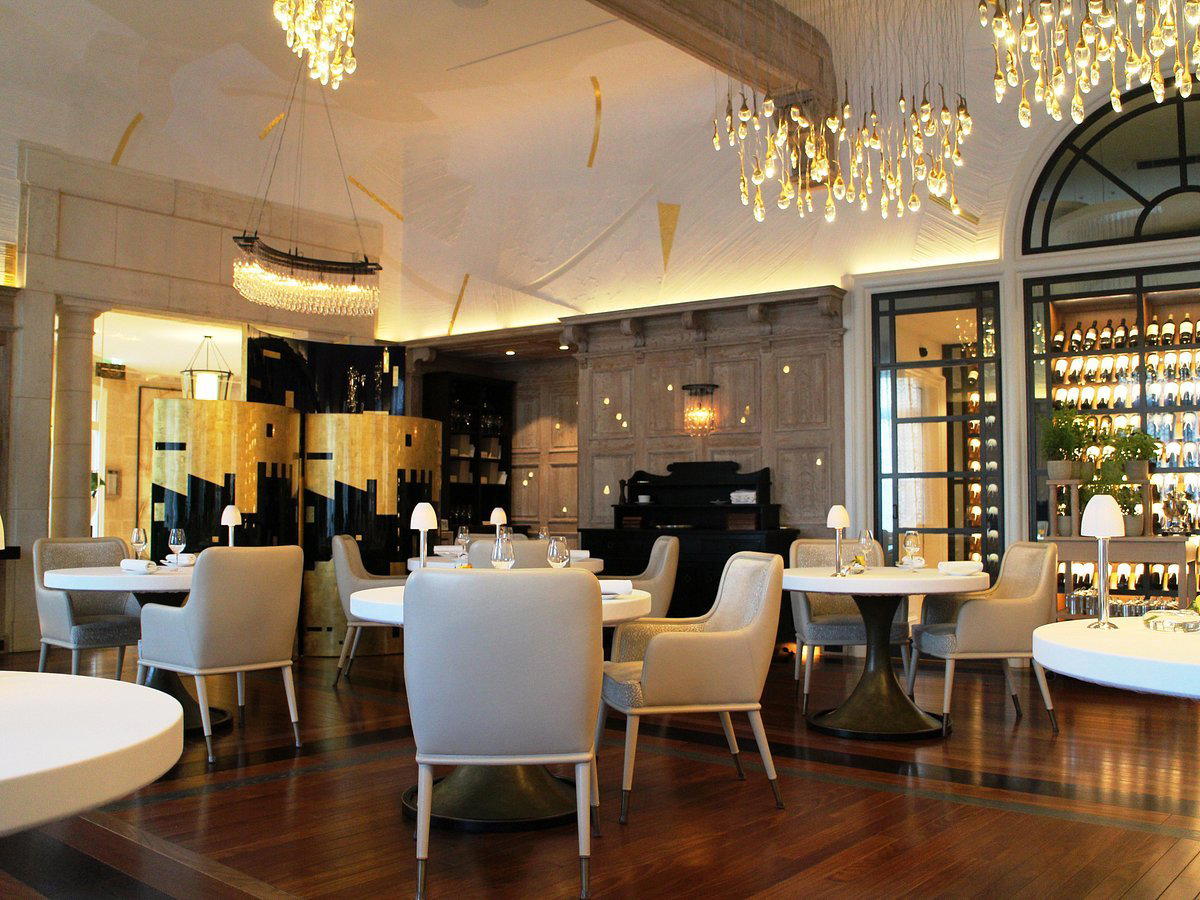
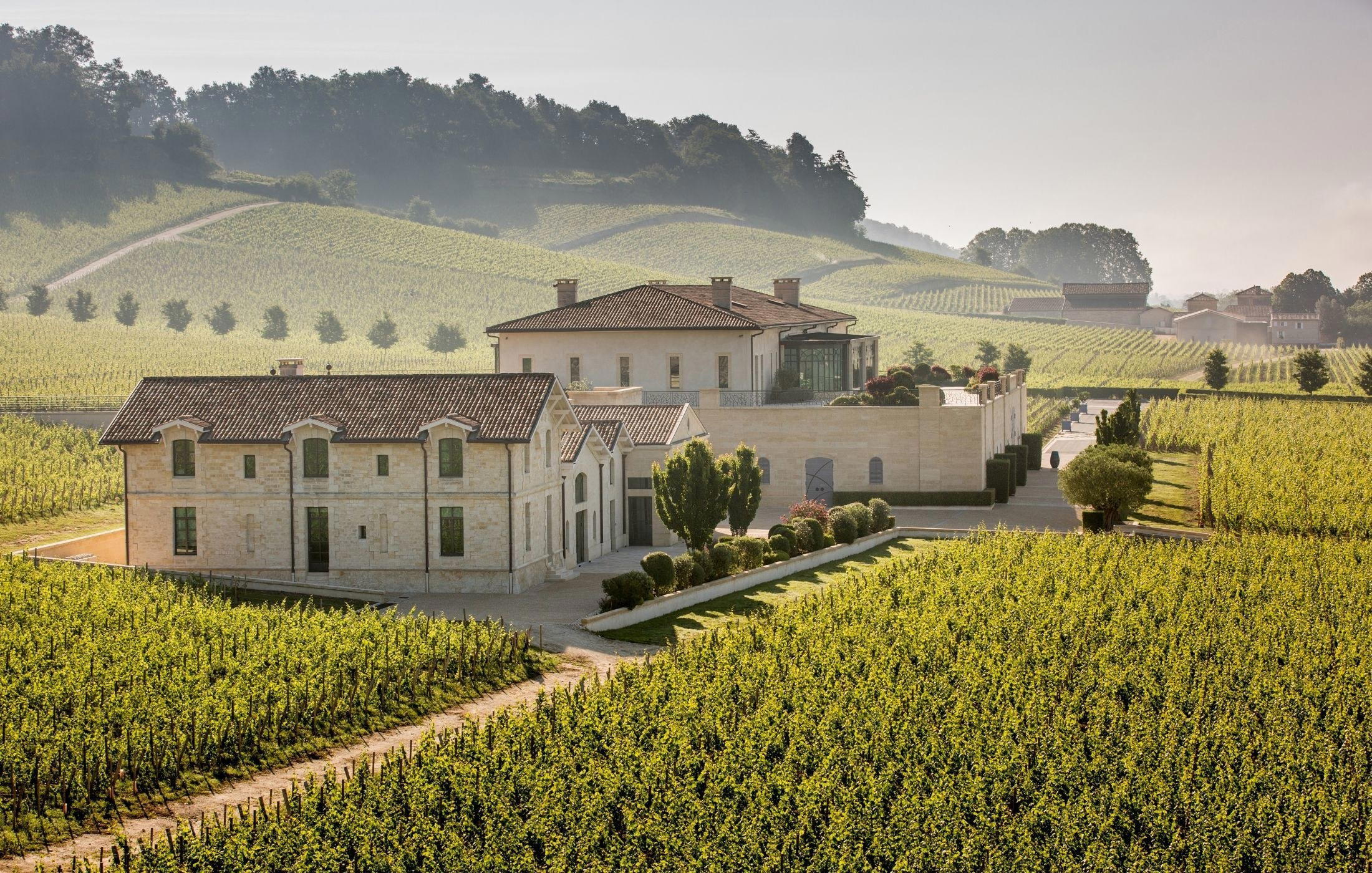
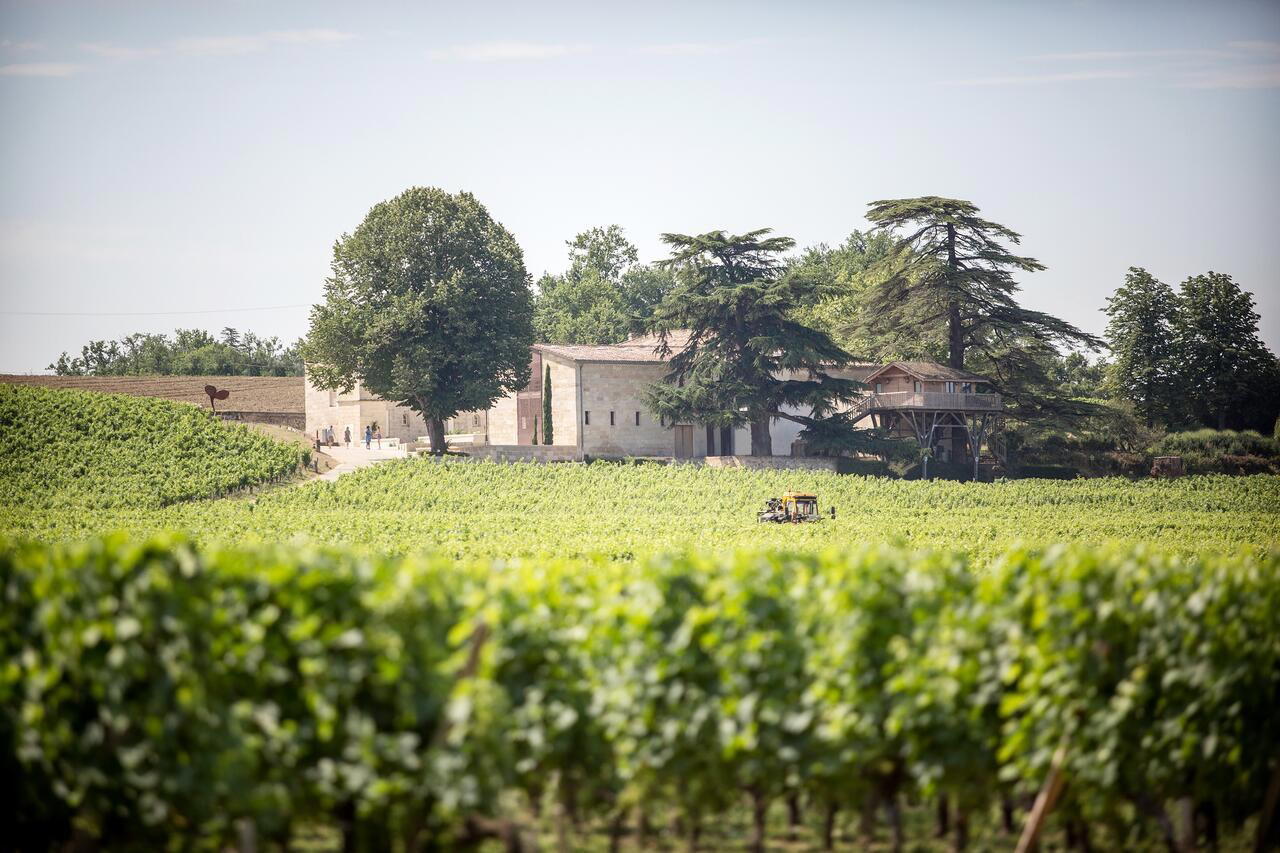
Château Cap de Faugères in Saint-Émilion is best approached as an architectural estate setting rather than a page built around service details. The draw is the atmosphere: a striking, cathedral-like winery and modern cellar designed by Swiss architect Mario Botta, set within limestone plateau and clay-limestone hillsides that form a natural amphitheater. In that sense, the property reads first through space, structure, and landscape, with the building and terrain doing much of the expressive work.
The reliable editorial frame is the estate’s polished, design-led presence in Saint-Émilion and the way its cellar architecture shapes the impression of the property.
A Saint-Émilion estate defined by architecture and landscape
The point of interest is the relationship between building and site. Château Cap de Faugères is described through a modern, cathedral-like winery and cellar by Mario Botta, placed within limestone plateau and clay-limestone hillsides. That setting gives the estate a composed, architectural feel rather than a casual or rustic one. The word cathedral-like is important here because it suggests scale, verticality, and a sense of deliberate presence, without needing to make any further claim about the visitor program.
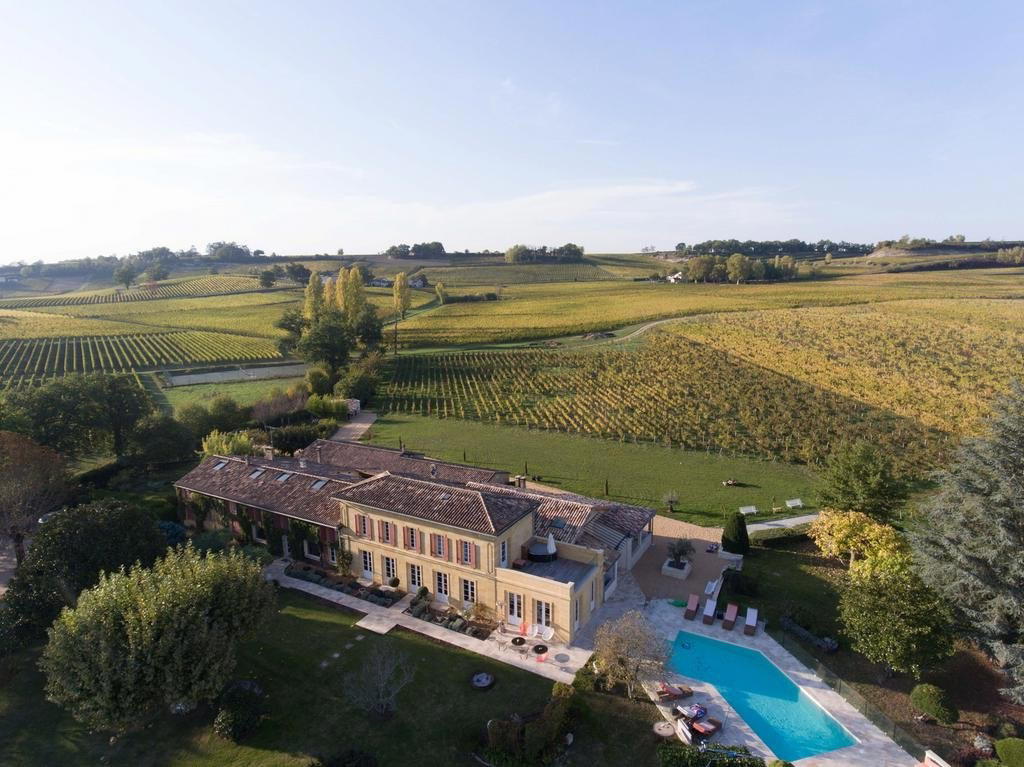
Landscape description is specific enough to matter: limestone plateau, clay-limestone hillsides, and a natural amphitheater. Those details support the estate’s sense of place without requiring claims about production, farming certifications, vineyard mix, or wine style. They also help explain why the architecture is central to the editorial reading of the estate: the cellar is not presented as an isolated object, but as something understood against the contours and materials of its setting.
For travelers researching Saint-Émilion, the safest way to read Château Cap de Faugères is as a polished estate atmosphere centered on contemporary cellar design. It is not necessary to add unconfirmed claims about visit length, languages, booking rules, or tasting inclusions to understand why the property is distinctive visually. The confirmed appeal is already clear enough: a Saint-Émilion estate where modern architecture, limestone terrain, and a carefully framed landscape create the principal impression.
The experience should be understood from details only
EP Club can confirm the price positioning as $$$ and the estate atmosphere as architectural, polished, and centered on Mario Botta’s modern cellar. Beyond that, specific hospitality details should be checked directly before planning around them. This matters because wine estates can vary in how they receive visitors, and the strongest editorial approach here is to separate the confirmed atmosphere from any assumptions about the mechanics of a visit.
This makes the winery a useful entry for travelers who care about winery architecture, estate setting, and the visual language of contemporary Saint-Émilion. It is less useful as a source for assuming exact tasting formats, lunch options, private visit types, dietary accommodations, transportation details, or service guarantees. The page is strongest when it remains focused on the estate’s design-led character, rather than trying to convert that character into a list of services not established in the text.
Other dining and travel options in Saint-Émilion can be considered generically as part of the wider trip, but the winery itself is the only named venue addressed here. In practical editorial terms, that means the estate can be placed in an itinerary as an architectural and landscape reference point, while any operational decisions should be confirmed through current information.
How to read the estate in a wider wine itinerary
The grounded case is simpler: a $$$ Saint-Émilion estate with a polished architectural atmosphere and a cathedral-like winery by Mario Botta. That is already enough to distinguish the page from a generic winery listing, because it positions the property around design, setting, and atmosphere rather than around a menu of visitor details.
Within Saint-Émilion research, use the winery as a reference point for how winery architecture and landscape can shape a visit. The limestone plateau and clay-limestone hillsides are part of the setting, and the natural amphitheater description gives the estate its most concrete sense of place. Those elements create a clear editorial through-line: the estate is not only located in Saint-Émilion, but described through the physical qualities of its site.
The editorial reason to pay attention is clear: the winery offers a design-led Saint-Émilion estate profile, with modern cellar architecture and a distinctive landscape setting doing the confirmed work. For readers building a wine-country plan, the value of the entry is therefore not in speculative extras, but in identifying a polished, architecture-forward estate whose identity is anchored in Mario Botta’s cellar and the surrounding limestone and clay-limestone terrain.
Recognition history
Dated appearances from independent guides and award organizations, with the underlying list record or original source where available.
Falstaff Winery - Listed
Falstaff
Continue exploring
More in Saint-Émilion
Wineries in Saint-Émilion
Browse all →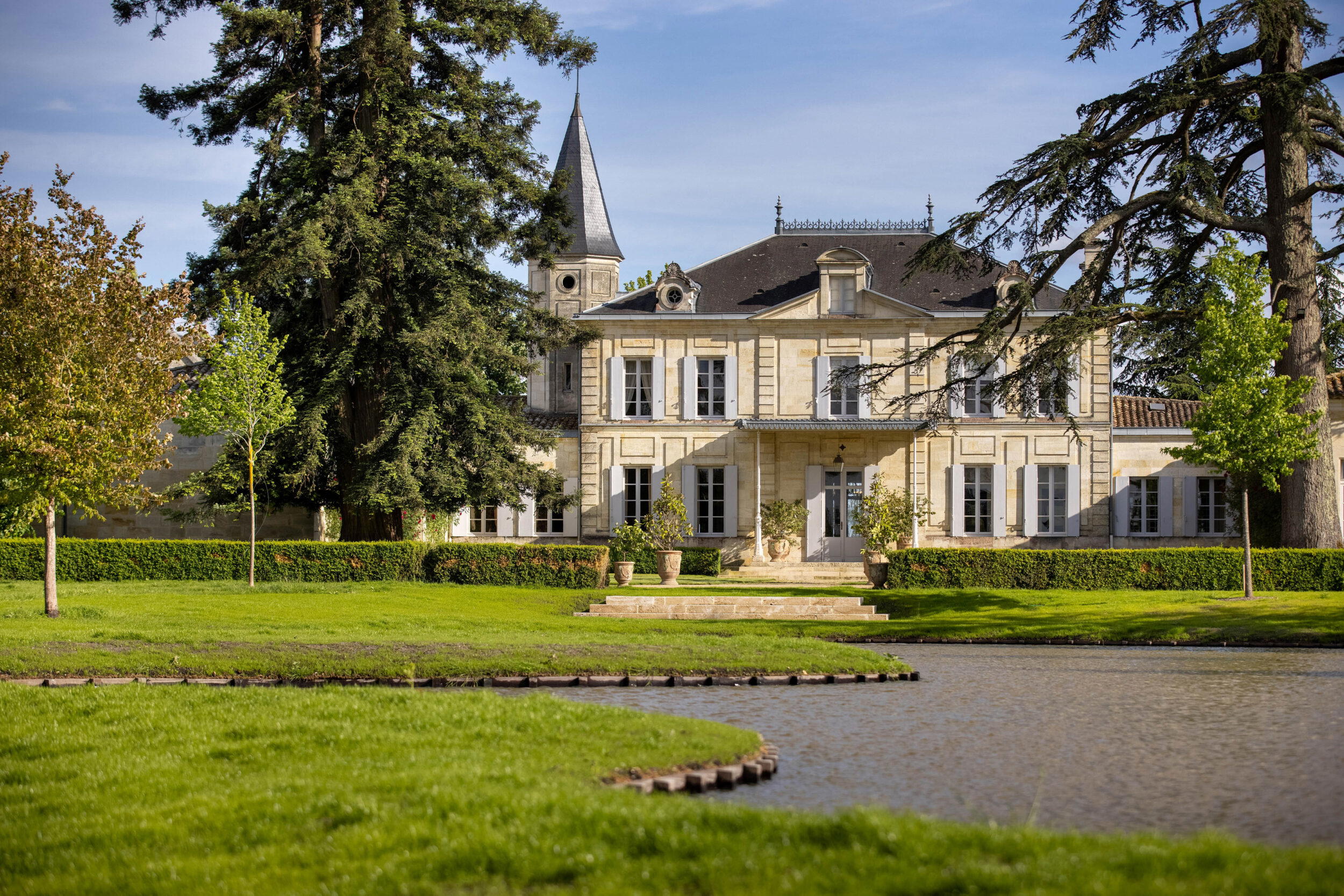
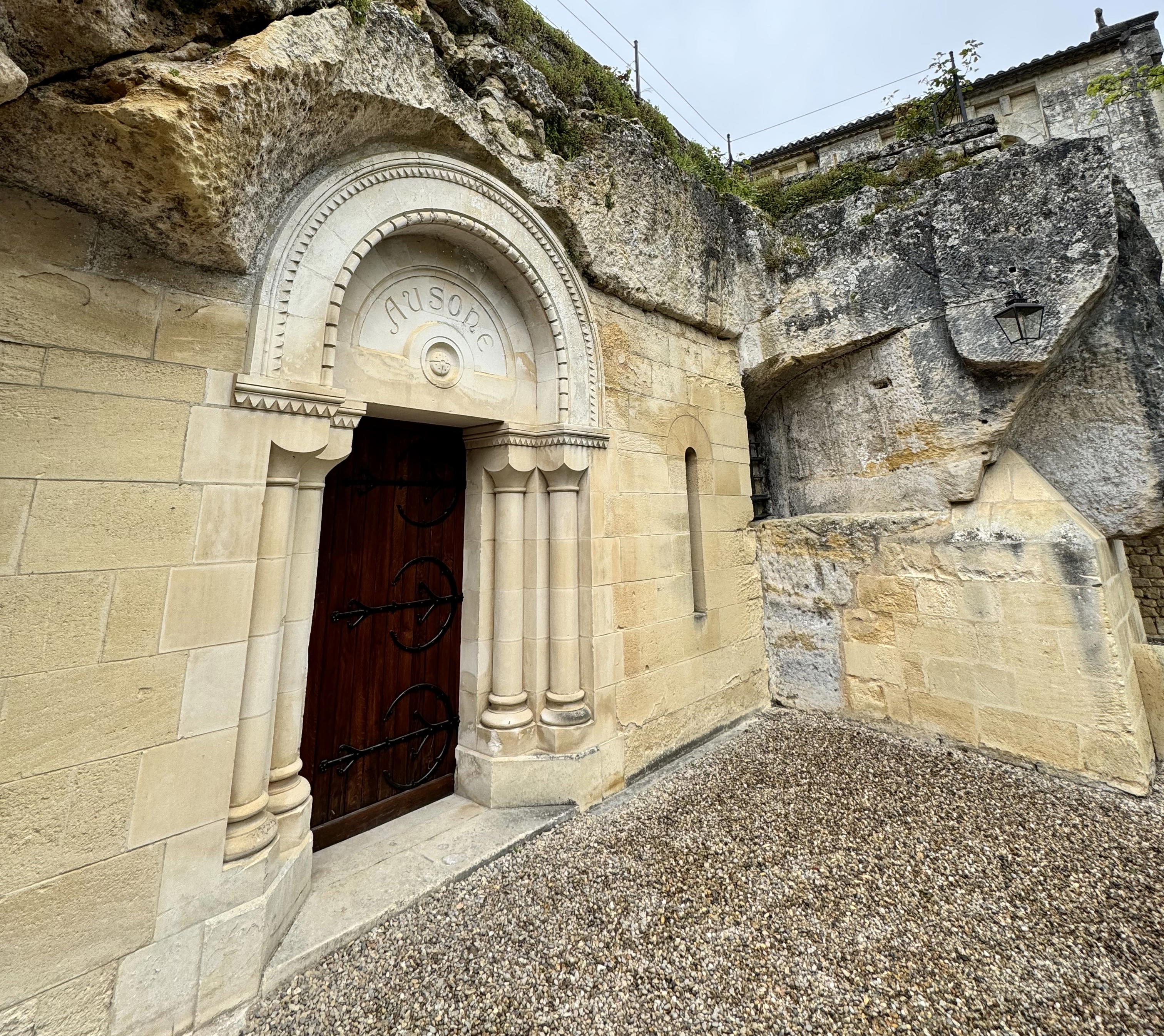
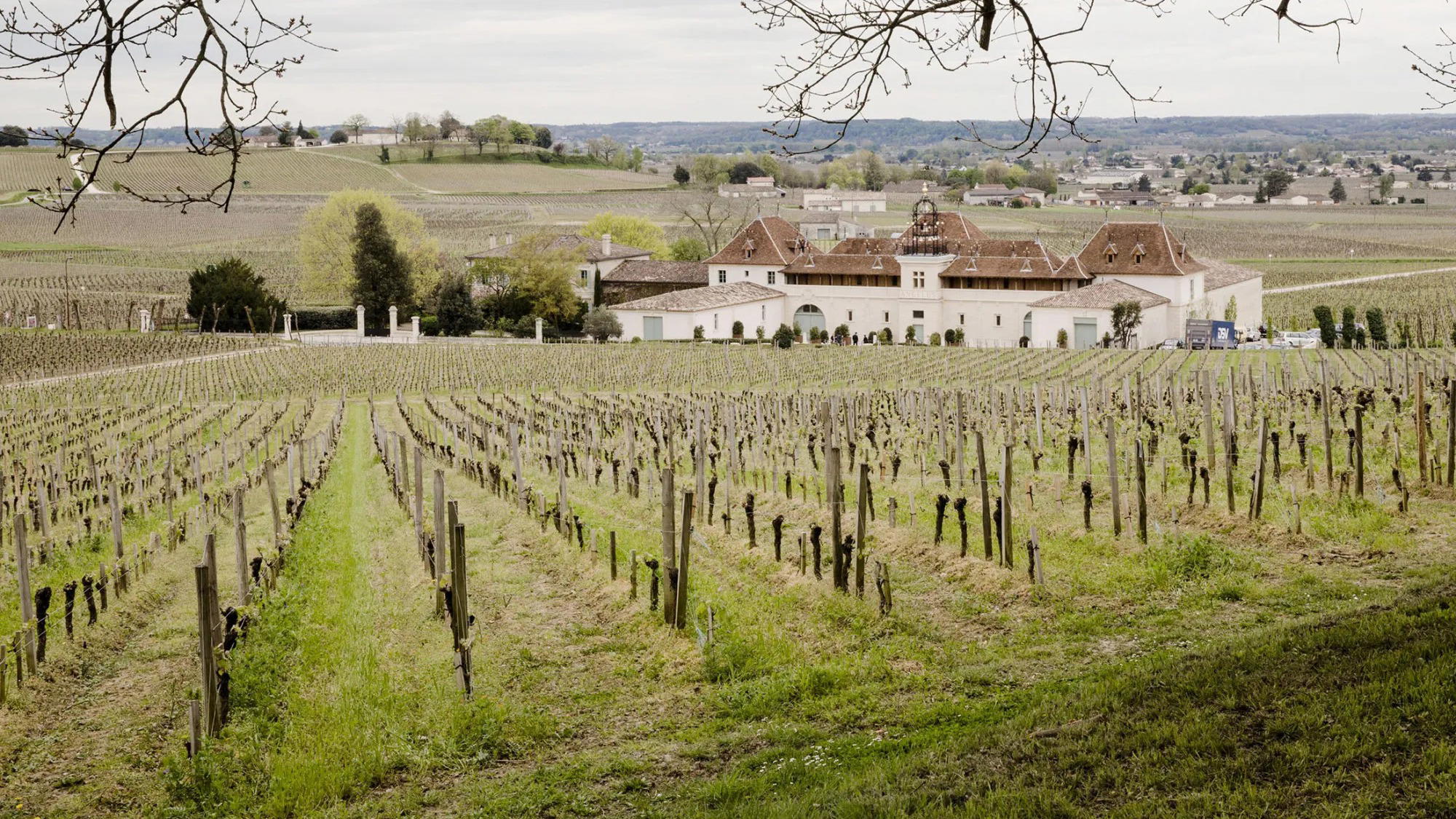
Bars in Saint-Émilion
Browse all →
Restaurants in Saint-Émilion
Browse all →
At a Glance
- Scenic
- Elegant
- Sophisticated
- Modern
- Romantic
- Well Known
- Romantic Getaway
- Group Outing
- Wine Education
- Special Occasion
- Solo Exploration
- Corporate Event
- Estate Grounds
- Panoramic View
- Design Destination
- Private Tasting
- Vineyard Tour
- Barrel Room
- Sustainable
- Vineyard
- Castillon Côtes De Bordeaux
- Merlot
- Cabernet Franc
- Cabernet Sauvignon
- Still Red
- Estate Tasting
- Guided Tasting
- Private Tasting
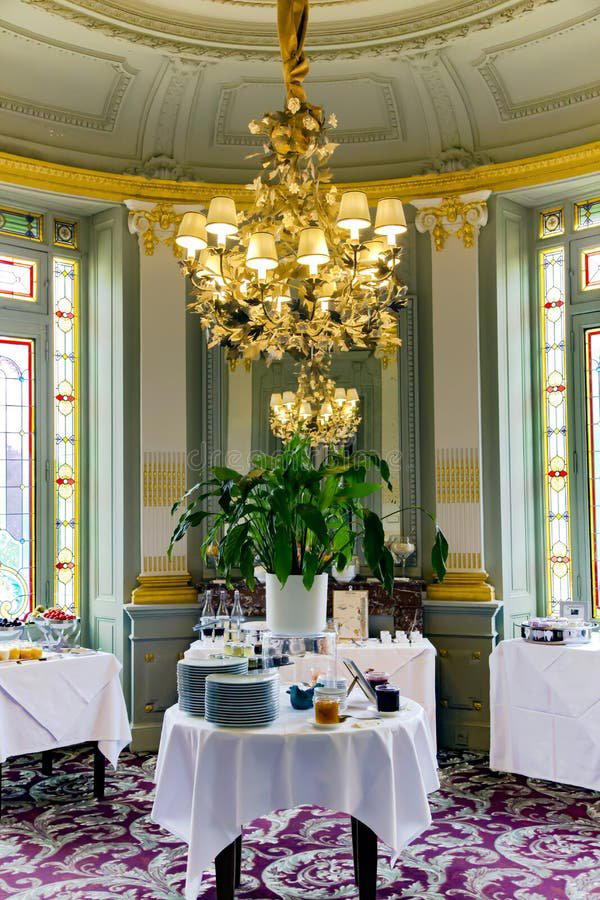
Architectural, polished estate atmosphere centered around a striking, cathedral-like winery and modern cellar designed by Swiss architect Mario Botta, set within limestone plateau and clay-limestone hillsides that form a natural amphitheater.